Rustic Landscaping Front Yard Ideas: 25 Charming Picks
A rustic front yard feels like it has always belonged to the house. It uses aged wood, rough stone, and plants that look relaxed instead of clipped, so the whole space feels lived-in and welcoming.
The style also suits real life. Natural materials weather gracefully, native plants need less water, and imperfect edges hide small flaws. Whether you have a farmhouse, a cabin, a brick ranch, or a plain suburban home, these ideas can add warmth without a formal design budget.
Below are 25 rustic landscaping front yard ideas to explore. Mix two or three that suit your home rather than using everything at once. Rustic design works best when it stays simple.
How to Choose Rustic Front Yard Ideas for Your Yard Size, Sun, and Soil
Start with the size of your yard, because a rustic feature that charms a front lawn can crowd a small one. A small yard suits one or two anchors — a Split-Rail Fence Border along the walk, a Whiskey Barrel Planter by the door, or a Lantern-Lit Pathway — while a larger yard can carry a Native Meadow Garden, a Dry-Stacked Stone Retaining Wall, and a Fire Pit Seating Nook without looking cluttered. Pick the biggest feature first, then add smaller touches around it.
Next, read your sun and soil. Sunny, dry spots favor the Rock Garden With Drought-Tolerant Plants, Gravel Driveway With Wildflower Edges, and Ornamental Grasses With Weathered Timber, while shaded, damp ground suits the Mulched Woodland Shade Garden, Natural Stone Steps With Creeping Thyme, and Hanging Baskets on Wooden Posts. Heavy clay soil needs the drainage gravel paths and raised beds provide, and the Raised Beds With Reclaimed Wood solve that while keeping the rustic look.
Finally, match the materials to your house. Weathered wood, fieldstone, and galvanized metal suit brick, siding, and farmhouse styles, so choose one dominant material and repeat it in two or three places — fence, edging, and mailbox surround — for a yard that reads as one design.
1. Split-Rail Fence Border
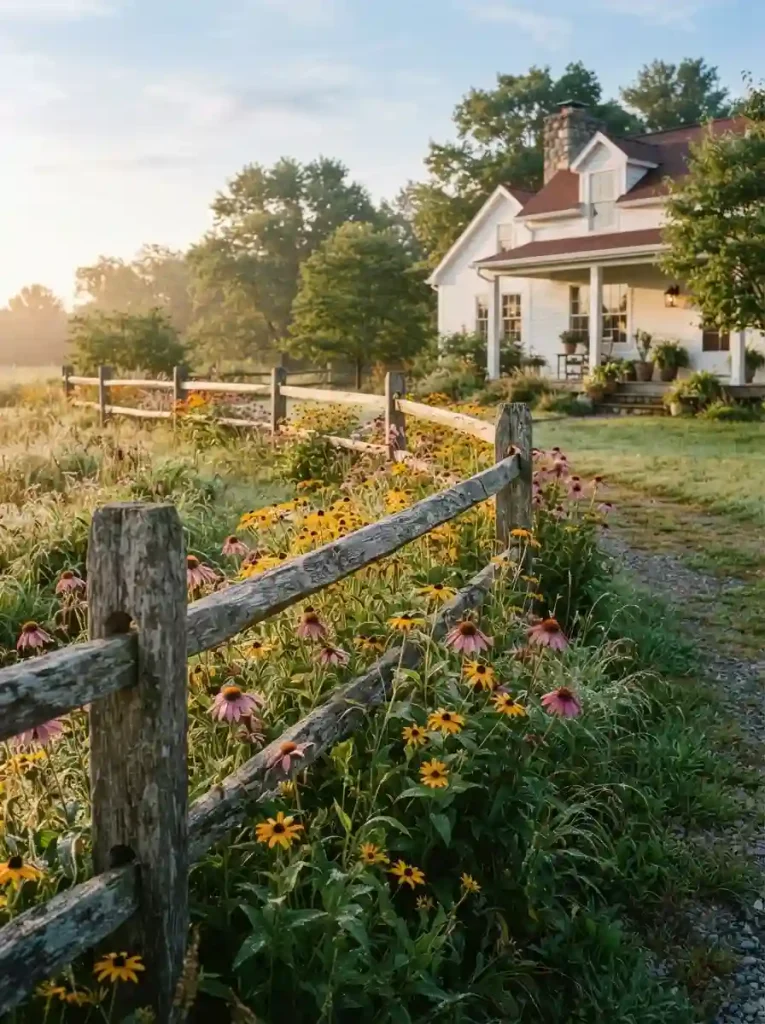
A split-rail fence marks your property line without closing it off. Cedar and locust resist rot and silver beautifully with age. Let tall perennials like coneflowers and black-eyed Susans grow through the rails for a loose, country look.
Tip: Check local rules on fence height and placement before building.
2. Irregular Flagstone Walkway
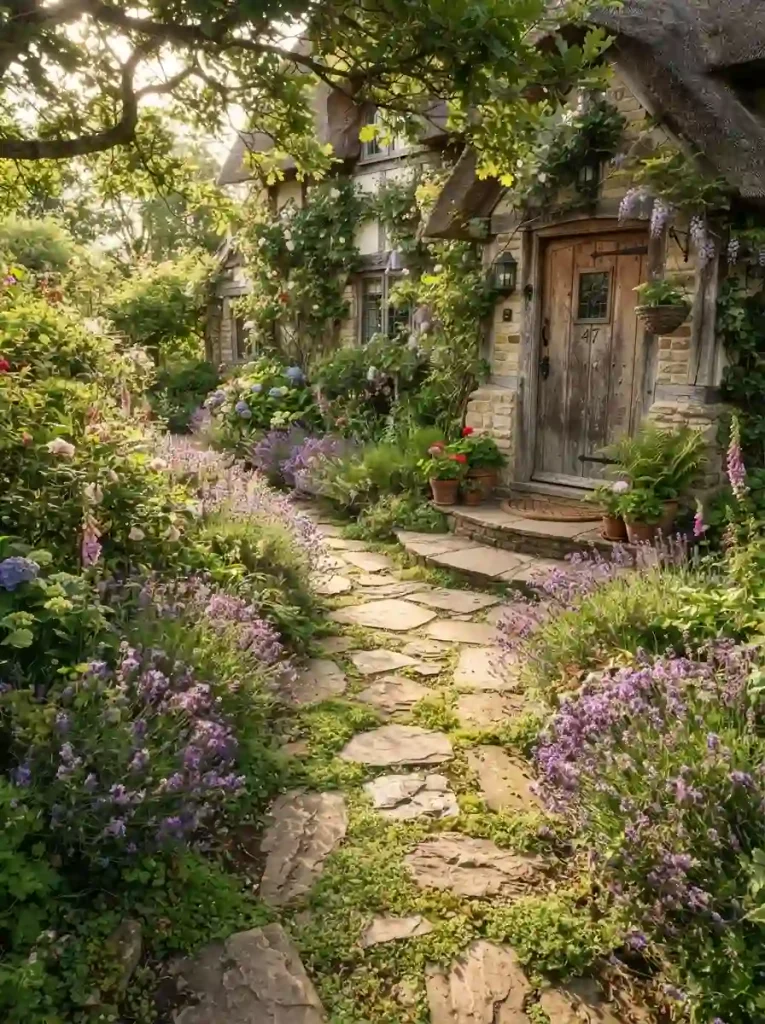
Flagstone with uneven edges looks hand-laid and natural. Leave generous gaps between stones and fill them with creeping thyme or moss so the path softens over time. Set the stones on compacted gravel so they stay level through freeze-thaw cycles.
Tip: Choose stones at least two inches thick for safe, long-lasting steps.
3. Boulder Accent Clusters
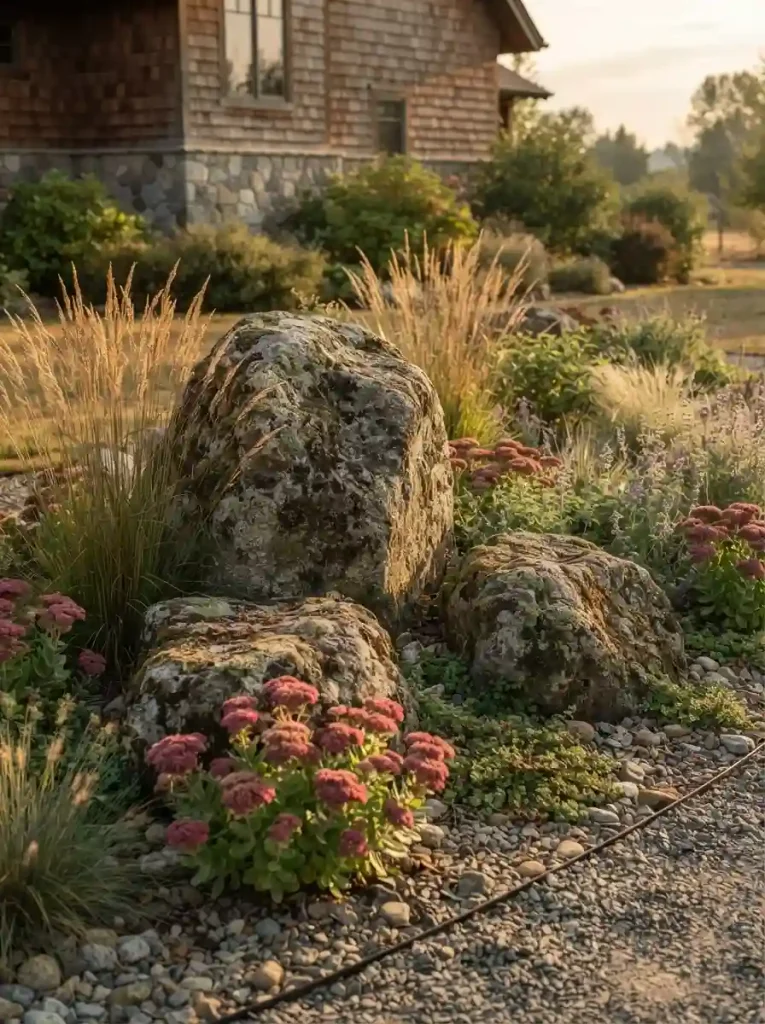
Large boulders give a yard instant age and structure. Group them in odd numbers, bury about a third of each stone, and surround them with ornamental grasses or sedum so they look like natural outcrops instead of placed decor.
Tip: Use stone native to your region. It matches the landscape and often costs less to deliver.
4. Whiskey Barrel Planters
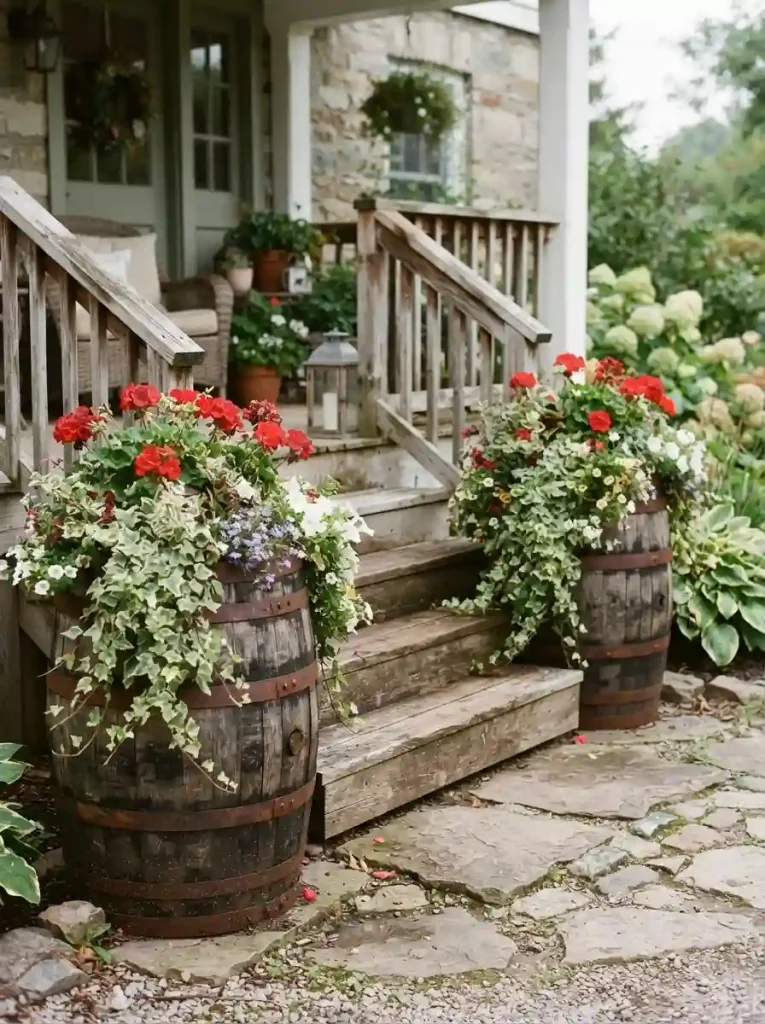
Half barrels give you ready-made rustic containers with real character. Place a pair beside the porch steps and fill them with geraniums, petunias, and trailing ivy for seasonal color you can swap easily.
Tip: Drill extra drainage holes and lift the barrels slightly on bricks to prevent root rot.
5. Gravel Driveway With Wildflower Edges
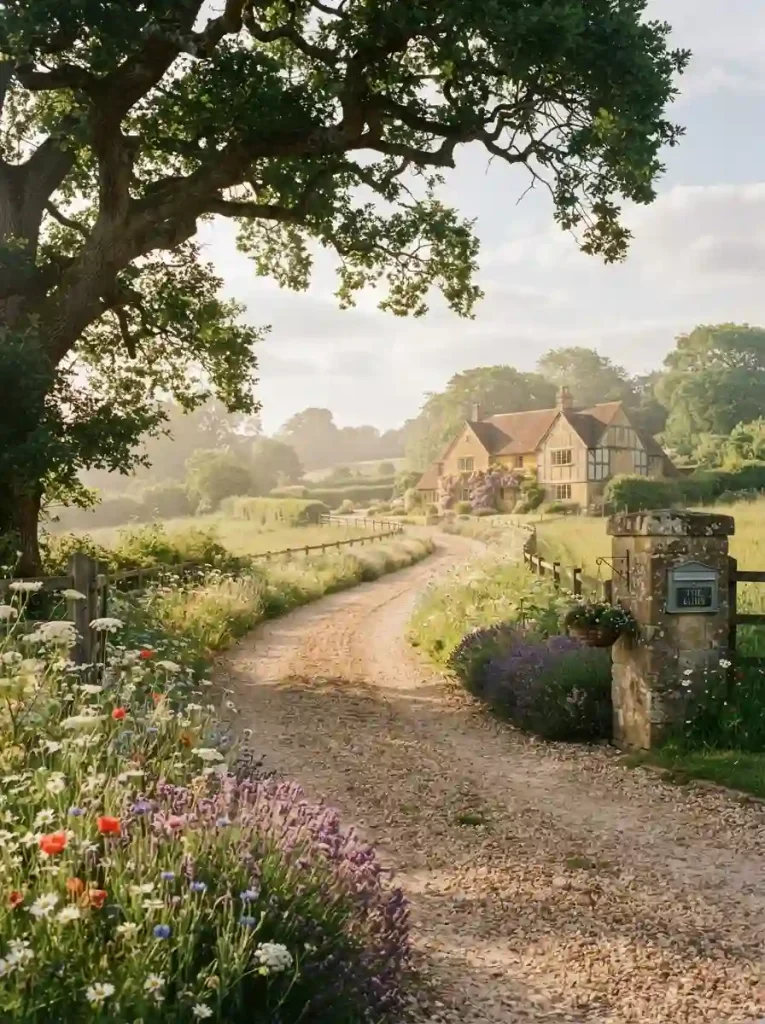
A pea gravel or crushed stone drive looks right at home in a rustic yard, and it drains well. Soften the edges with lavender, yarrow, and wildflowers that tolerate dry, lean soil.
Tip: Install edging along the sides so the gravel stays put and weeds stay out.
6. Dry-Stacked Stone Retaining Wall
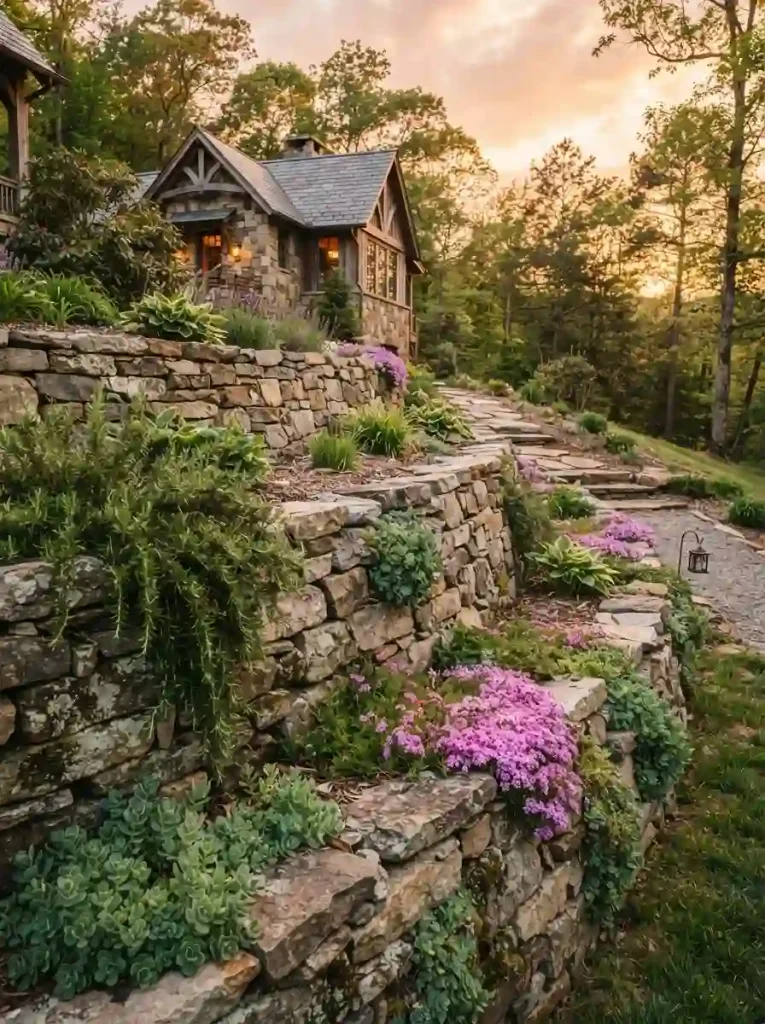
If your yard slopes, a dry-stacked fieldstone wall turns a problem into a feature. Tuck rosemary, creeping phlox, and sedum into the crevices so the wall looks planted rather than built.
Tip: Walls over about three feet usually need engineering or a permit, so check before you stack.
7. Rustic Log Arbor Entry
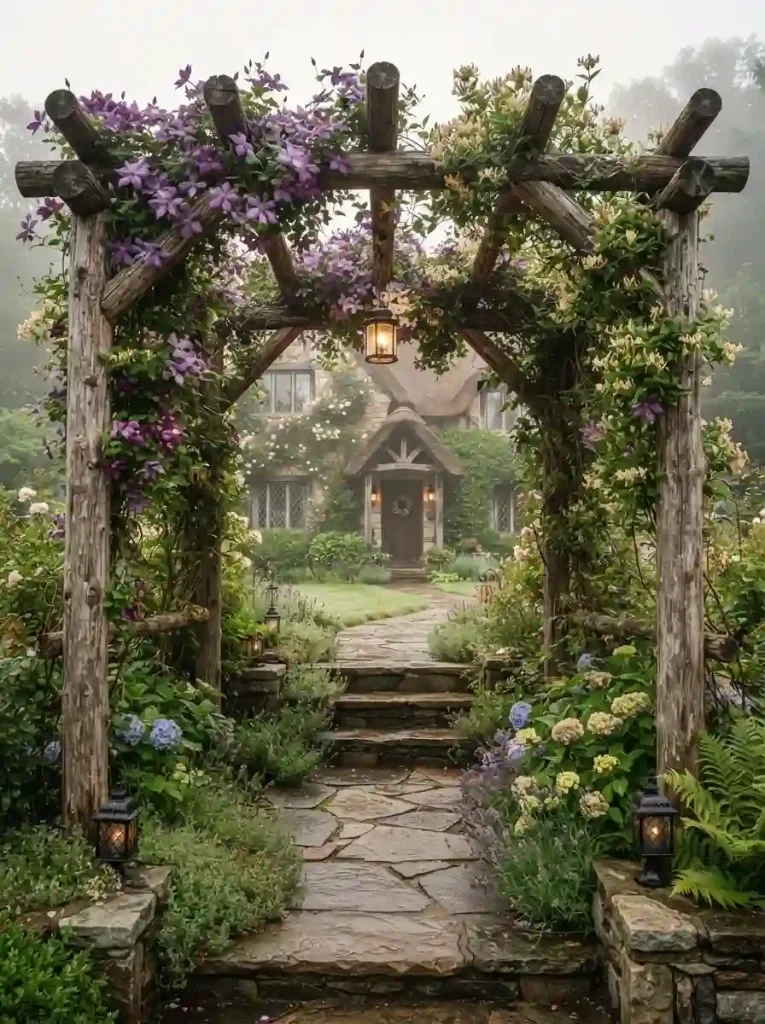
An arbor over the front walk frames your entrance and gives climbing plants a home. Peeled cedar or cypress logs keep the look rugged, while clematis or honeysuckle adds fragrance and color.
Tip: Anchor the posts in concrete footings so the arbor handles wind and heavy vines.
8. Native Meadow Garden
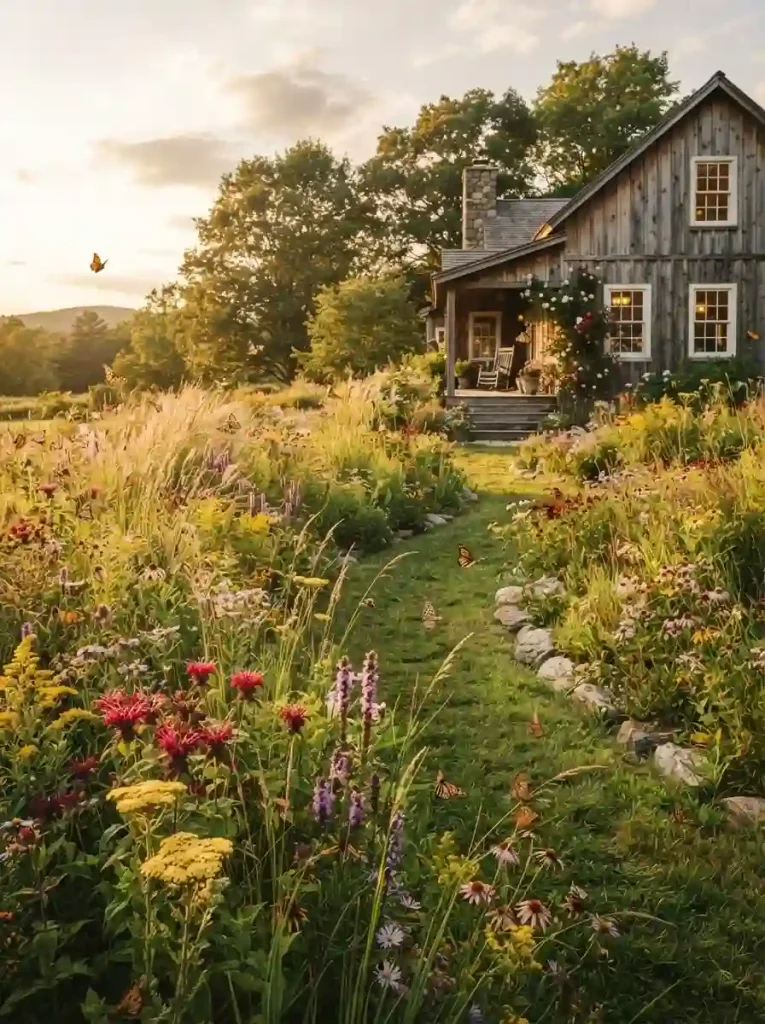
Replace part of the lawn with native grasses and wildflowers for a front yard that hums with bees and butterflies. A mown path through the meadow keeps it looking intentional to neighbors.
Tip: Prepare the soil well and be patient. Most meadows look sparse in year one and fill in by year three.
9. Vintage Wheelbarrow Planter
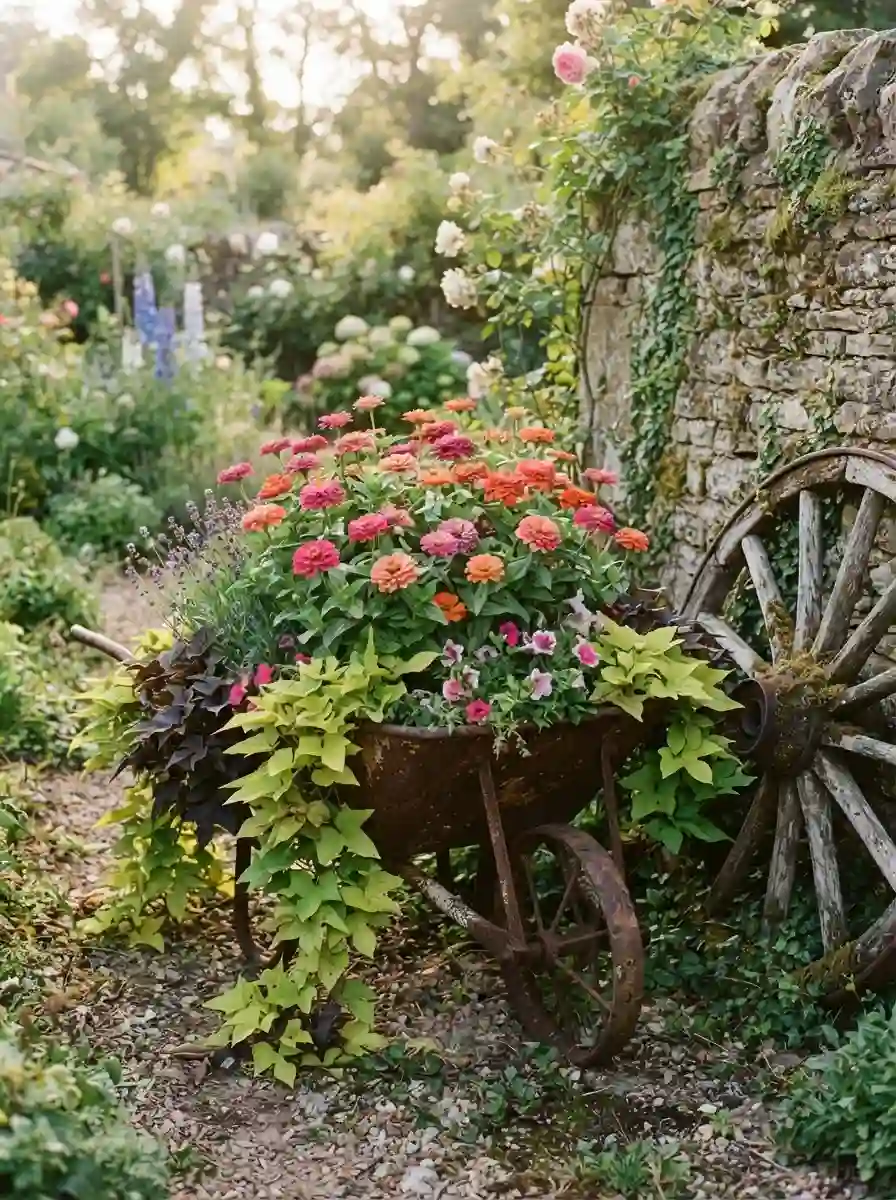
An old wheelbarrow, once its bottom is drilled for drainage, becomes a charming mobile garden bed. Fill it with zinnias and trailing sweet potato vine, then park it near a wall or gate as a focal point.
Tip: Rust is part of the appeal, but line the inside with landscape fabric to keep soil from leaking out.
10. Log Edging and Stump Accents
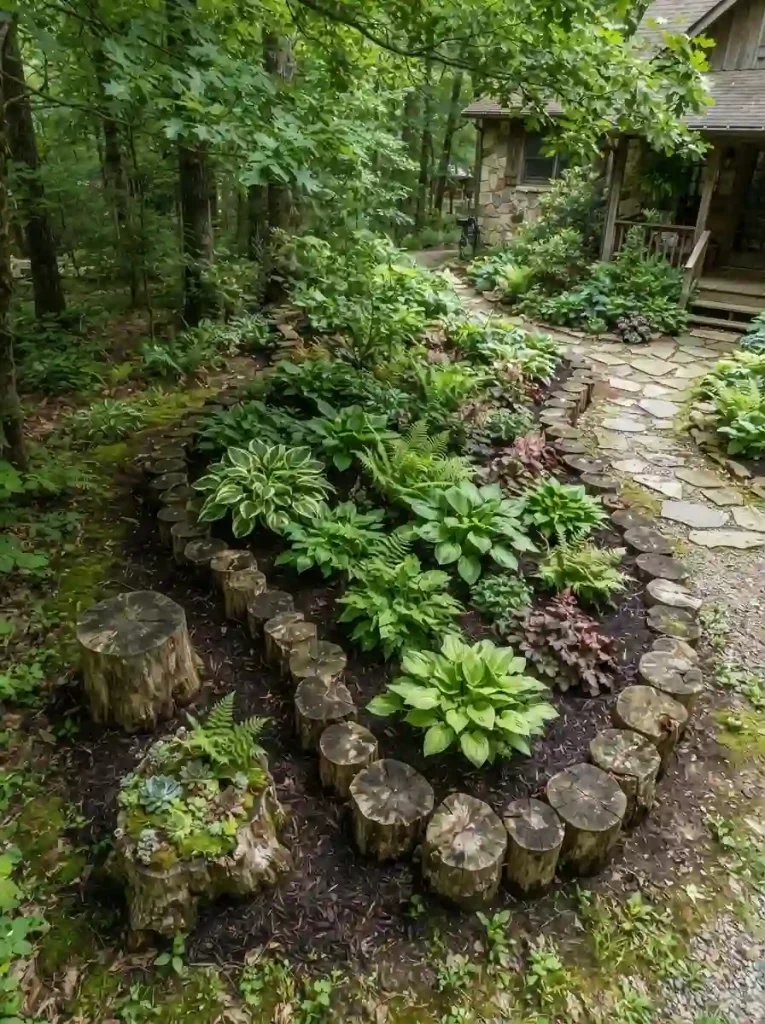
Log rounds make a sturdy, woodsy border for flower beds. Add a few tree stumps as stools or hollowed planters, especially in shady yards where hostas and ferns thrive.
Tip: Use rot-resistant wood like cedar or black locust, and expect to refresh pieces every few years.
11. Cottage Garden Around a Cedar Mailbox
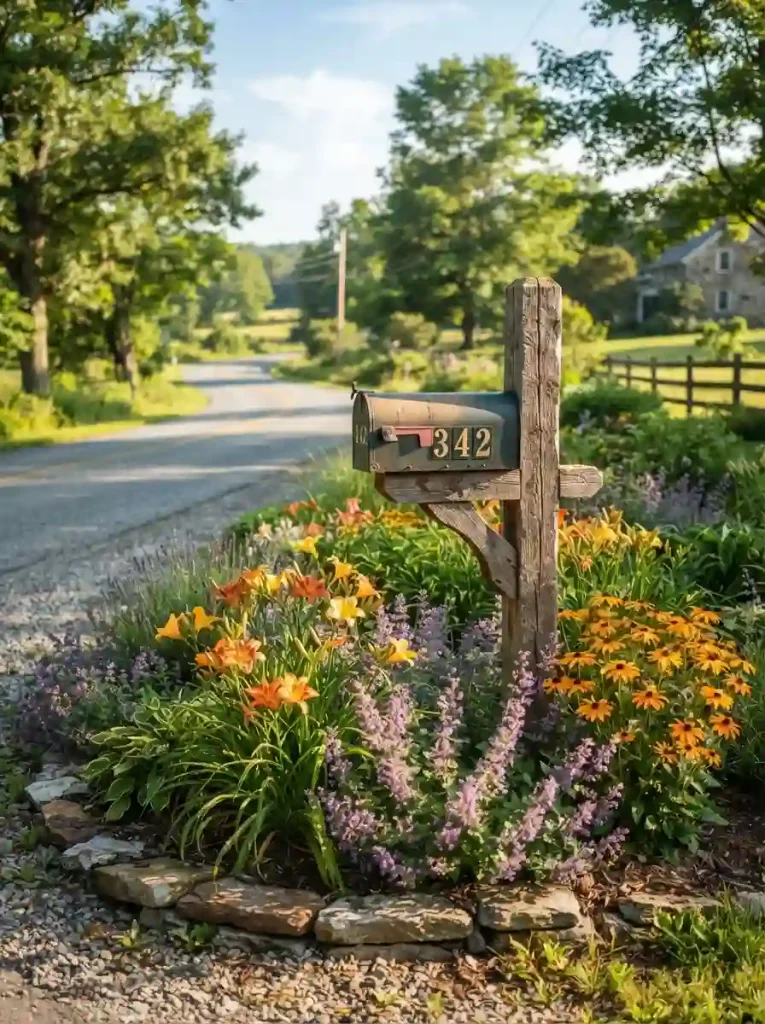
Your mailbox is the first thing visitors see from the road. A hand-built cedar post surrounded by daylilies, catmint, and black-eyed Susans turns it into a small, welcoming garden moment.
Tip: Keep plants low enough that your mail carrier can reach the box easily.
12. Ornamental Grasses With Weathered Timber
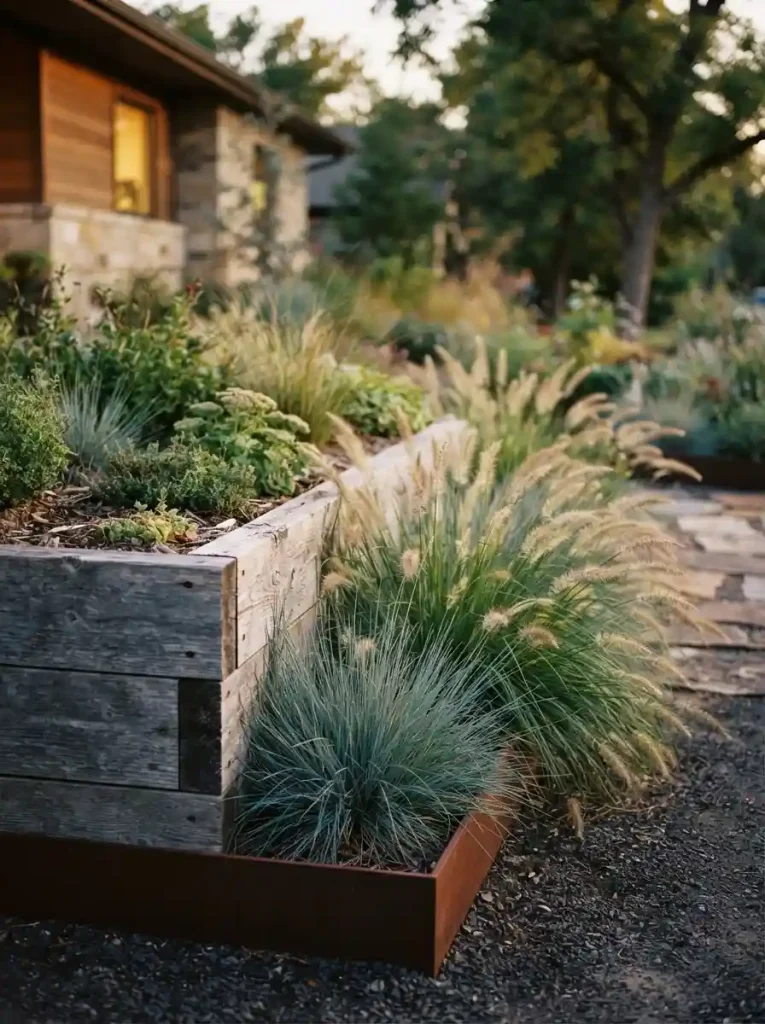
Grasses like blue fescue and fountain grass add movement and soft texture beside gray timber raised beds. The contrast between airy plants and sturdy wood gives the yard a modern-rustic feel.
Tip: Cut grasses back in late winter so fresh growth emerges clean.
13. Natural Stone Steps With Creeping Thyme
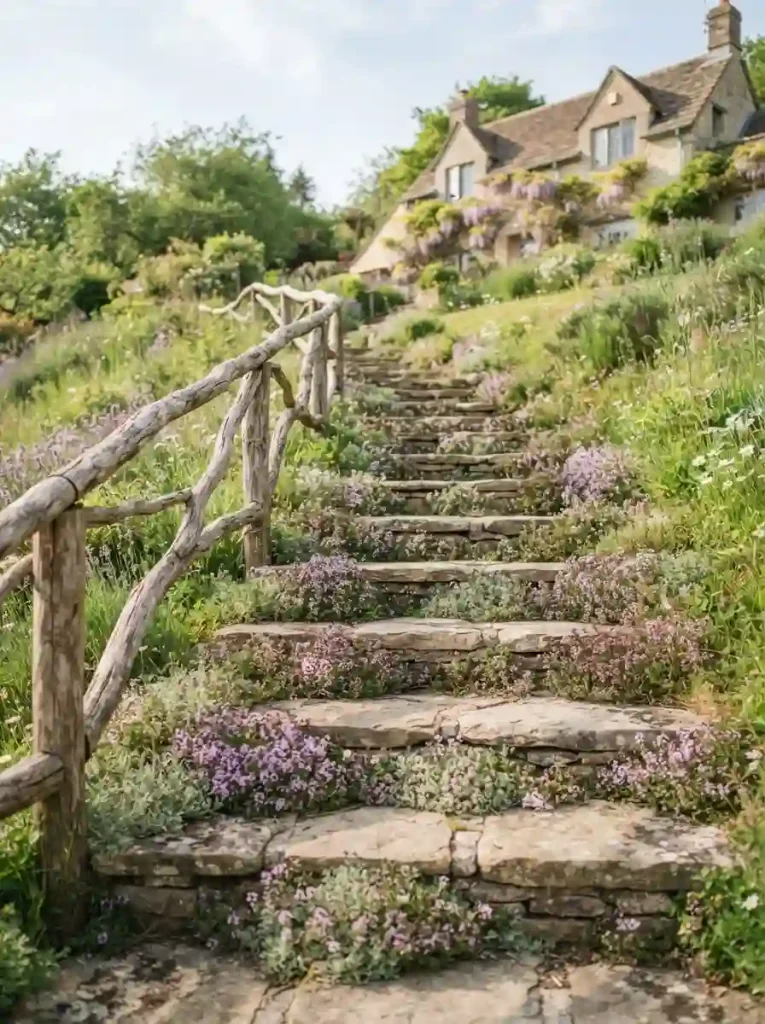
On a gentle slope, wide stone steps make the climb easier and look beautiful. Plant creeping or woolly thyme between the treads, and it will release fragrance when stepped on and bloom in early summer.
Tip: Keep each step’s rise consistent for safety, ideally between 5 and 7 inches.
14. Wagon Wheel Garden Feature
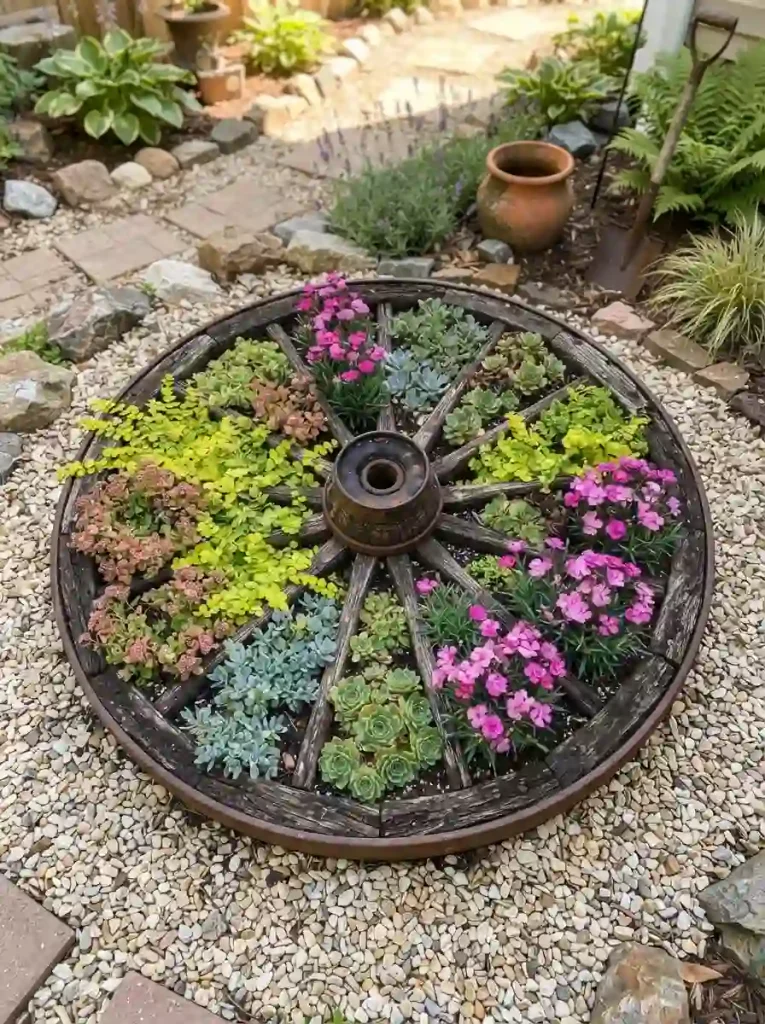
An old wagon wheel laid flat in a bed creates natural planting pockets between its spokes. Fill each section with a different low plant, like sedum, creeping Jenny, and dianthus, for a patchwork effect.
Tip: Seal or treat reclaimed wood lightly so it lasts longer outdoors.
15. Stacked Firewood Accent Wall
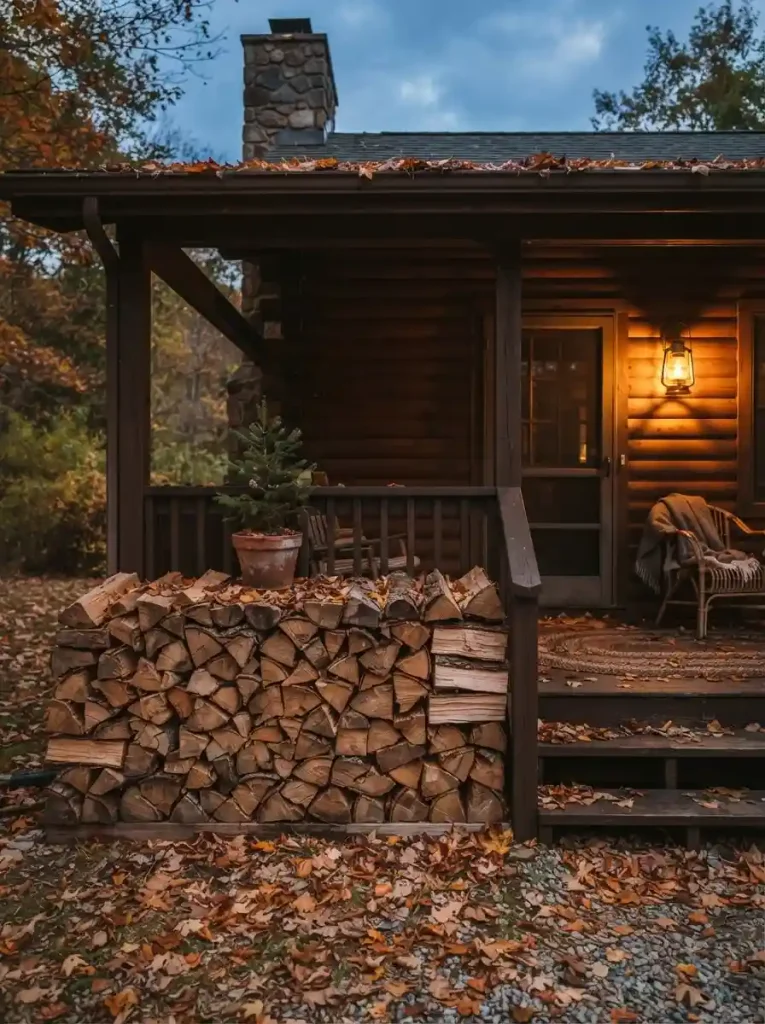
Neatly stacked split logs add texture, scent, and a practical supply for winter. Build a stand against a side wall or beside the porch, and let a small potted evergreen sit on top.
Tip: Keep the stack a few inches off the ground and away from the house to deter pests.
16. Old Farm Tool Display
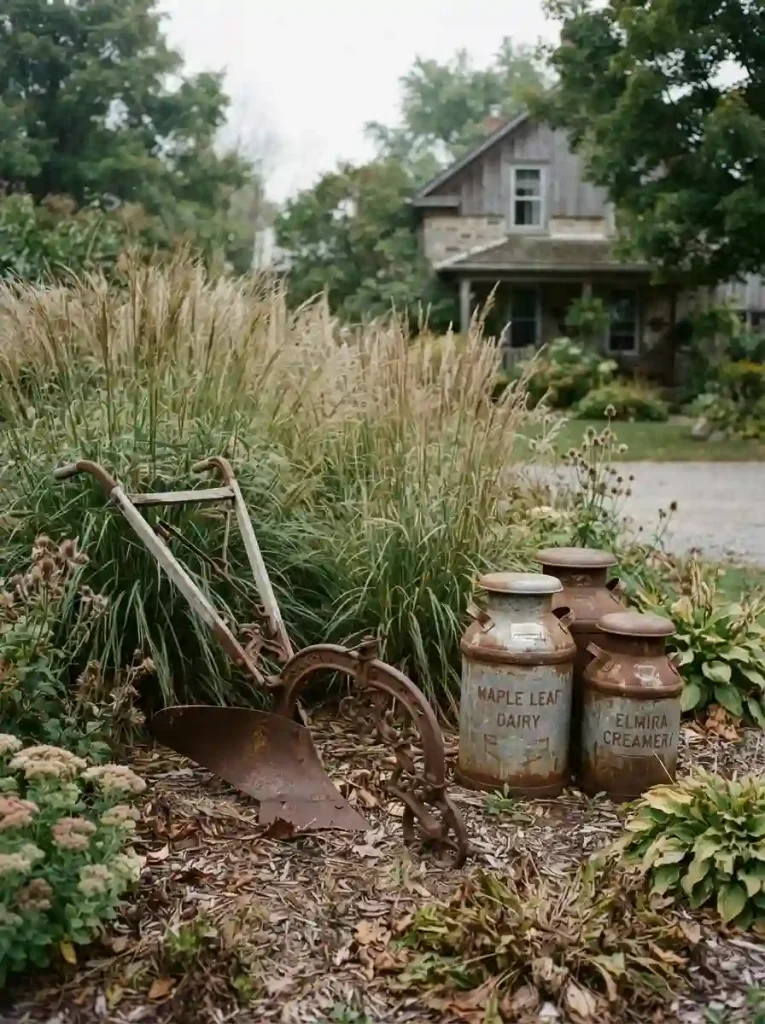
Antique hand tools, milk cans, or a weathered plow can serve as sculpture. Group a few near a bed of tall grasses, but limit yourself so it reads as curated, not cluttered.
Tip: Source pieces from flea markets or estate sales, and mount sharp tools out of children’s reach.
17. Fire Pit Seating Nook
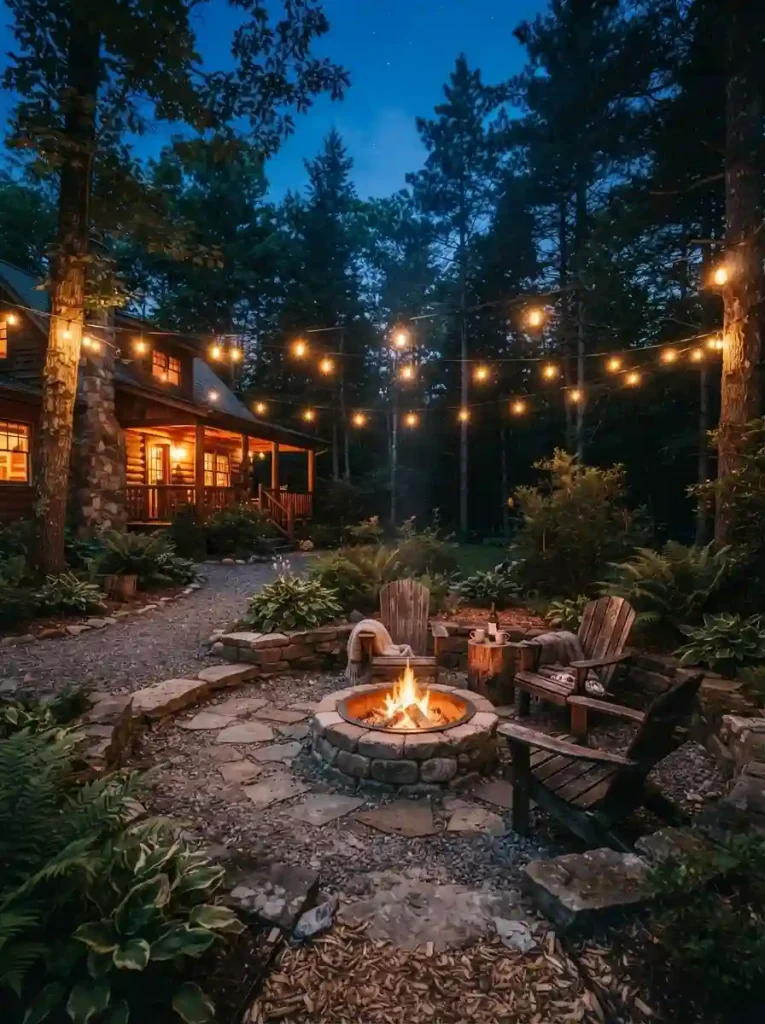
A small stone fire ring with two Adirondack chairs can fit even a modest front yard if local rules allow. It turns an unused corner into a gathering spot and adds welcoming warmth at dusk.
Tip: Check fire ordinances and keep the pit well clear of structures and overhanging branches.
18. Rustic Water Trough Feature
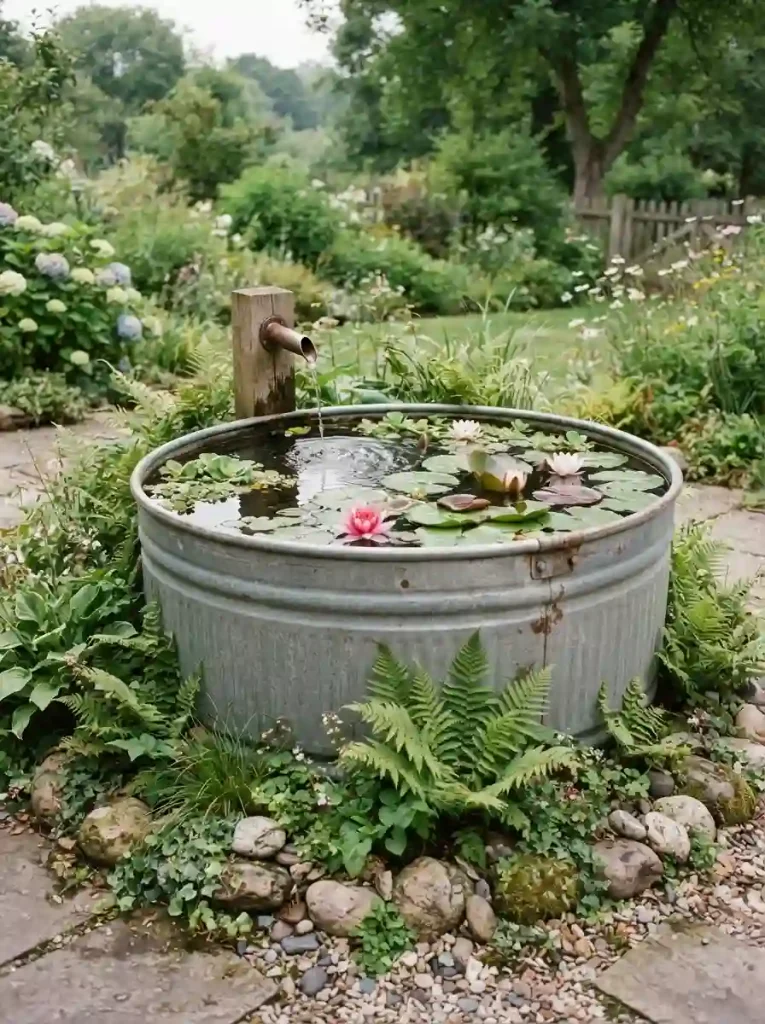
A galvanized stock tank can hold water lilies or a small fountain pump. The sound of trickling water softens street noise, and the metal ages to a lovely patina.
Tip: Add a few mosquito-eating fish or use a circulating pump to keep water fresh.
19. Raised Beds With Reclaimed Wood
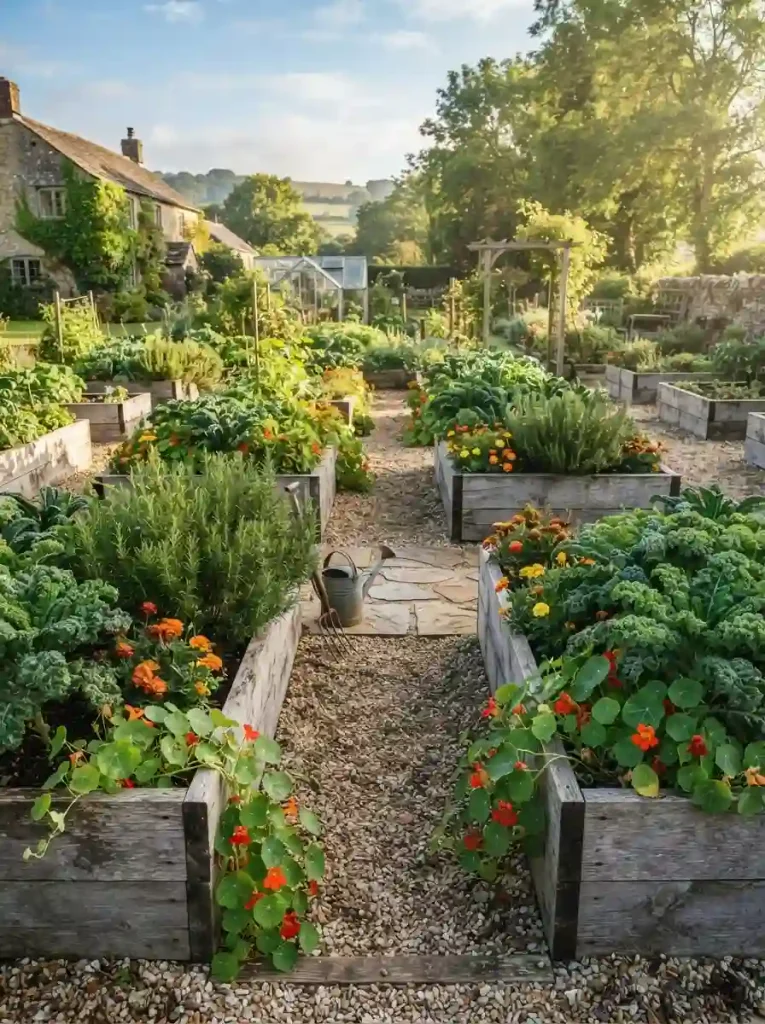
Raised beds built from salvaged barn boards or pallets add height and structure. Grow herbs, lettuces, and edible flowers near the walkway so your front yard feels productive and pretty.
Tip: Avoid chemically treated wood for beds where you plan to grow food.
20. Lantern-Lit Pathway
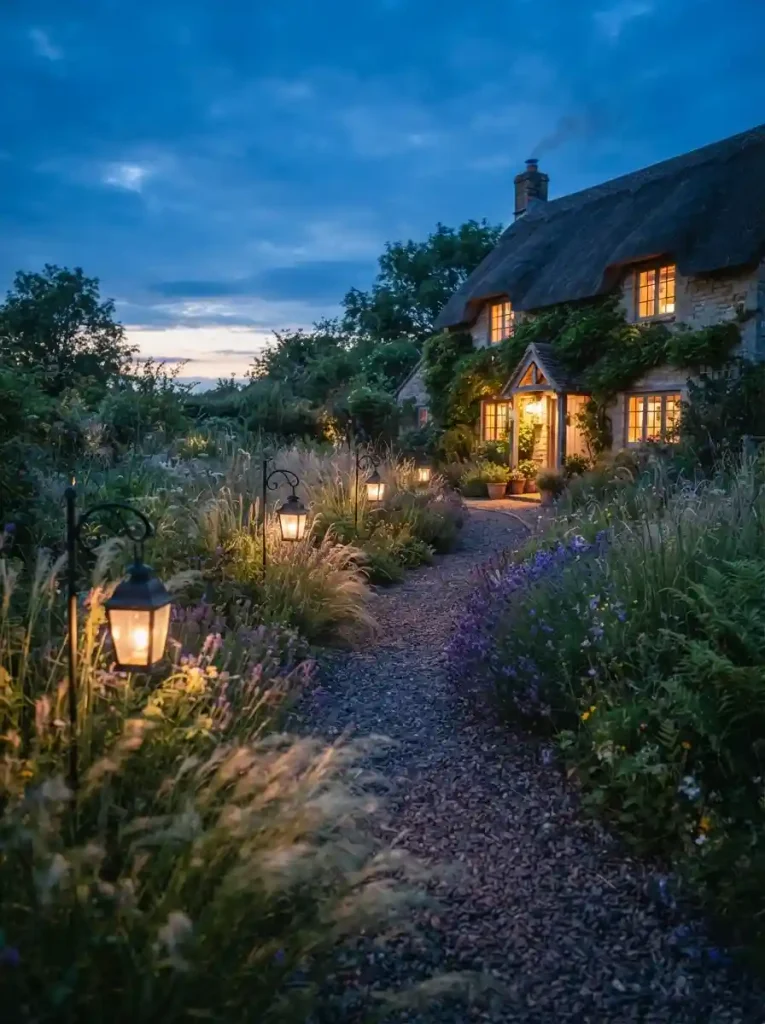
Hanging iron lanterns or solar path lights along a gravel walk create a gentle glow after dark. Choose matte black or aged bronze finishes to match the rustic mood.
Tip: Space lights several feet apart so the glow stays soft, not harsh.
21. Hanging Baskets on Wooden Posts
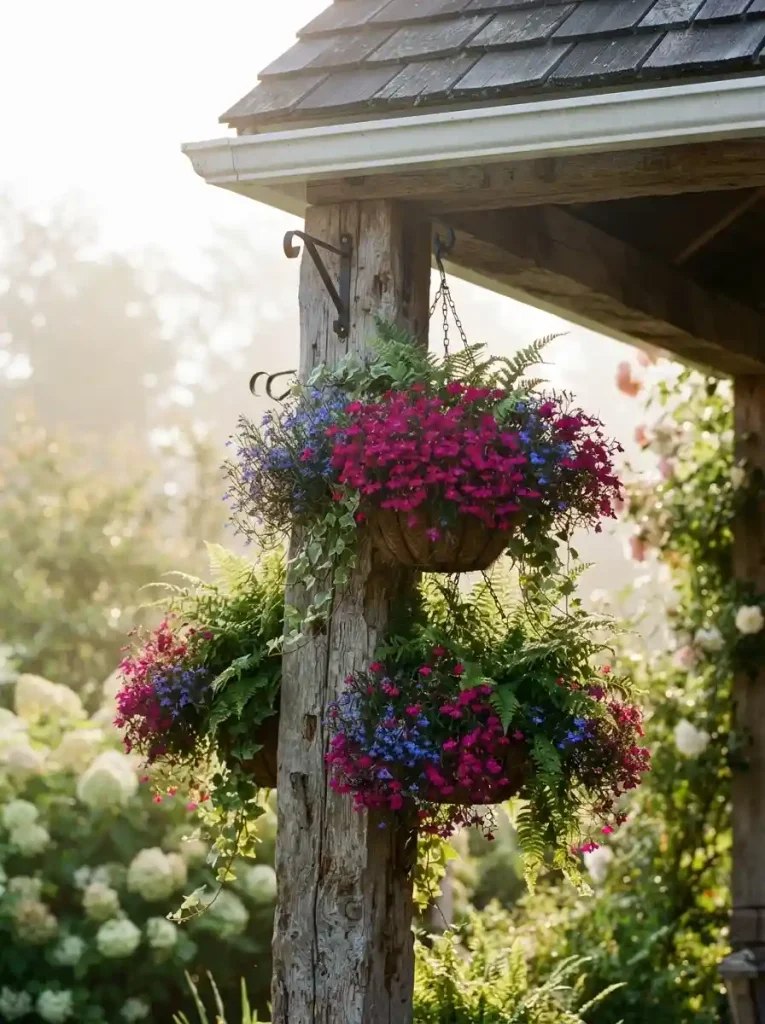
Hang woven or wire baskets from shepherd’s hooks or rough-hewn posts to add color at eye level. Ferns, fuchsia, and trailing lobelia all thrive in them, depending on your light.
Tip: Water daily in summer heat, since baskets dry out faster than ground beds.
22. Mulched Woodland Shade Garden
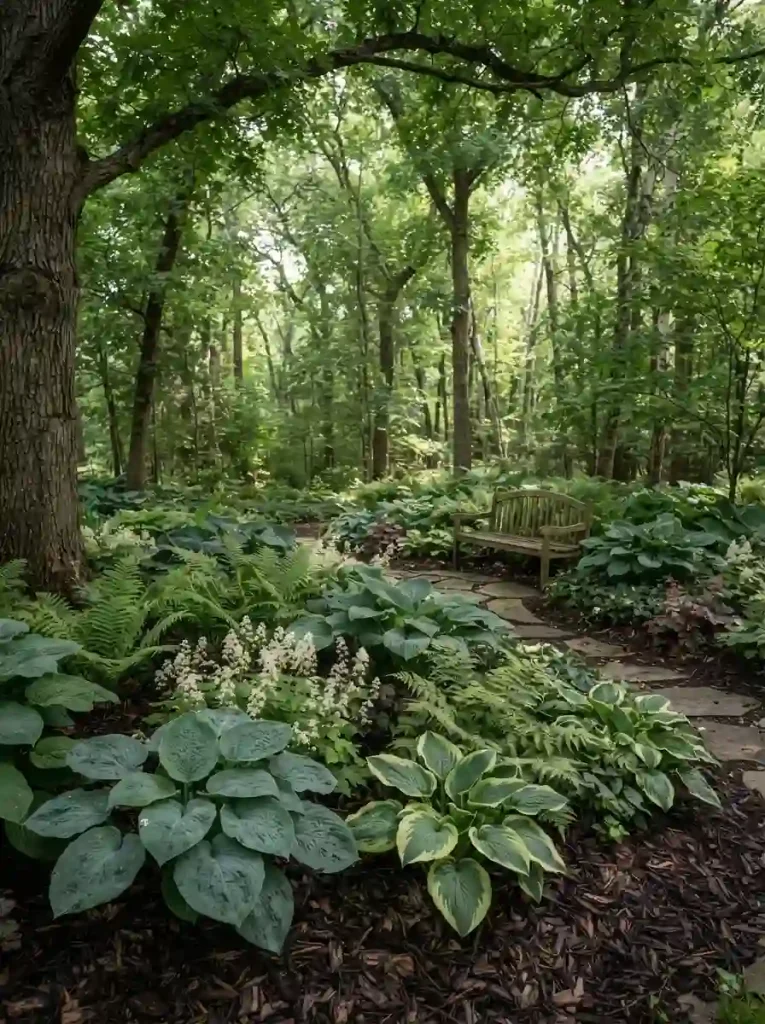
If large trees shade your yard, lean into it. Layer shredded bark mulch, hostas, ferns, and foamflower beneath the canopy, then add a simple bench for a quiet, forest-like retreat.
Tip: Rake out heavy leaf piles each fall so plants can breathe.
23. Rustic Gate With Climbing Roses
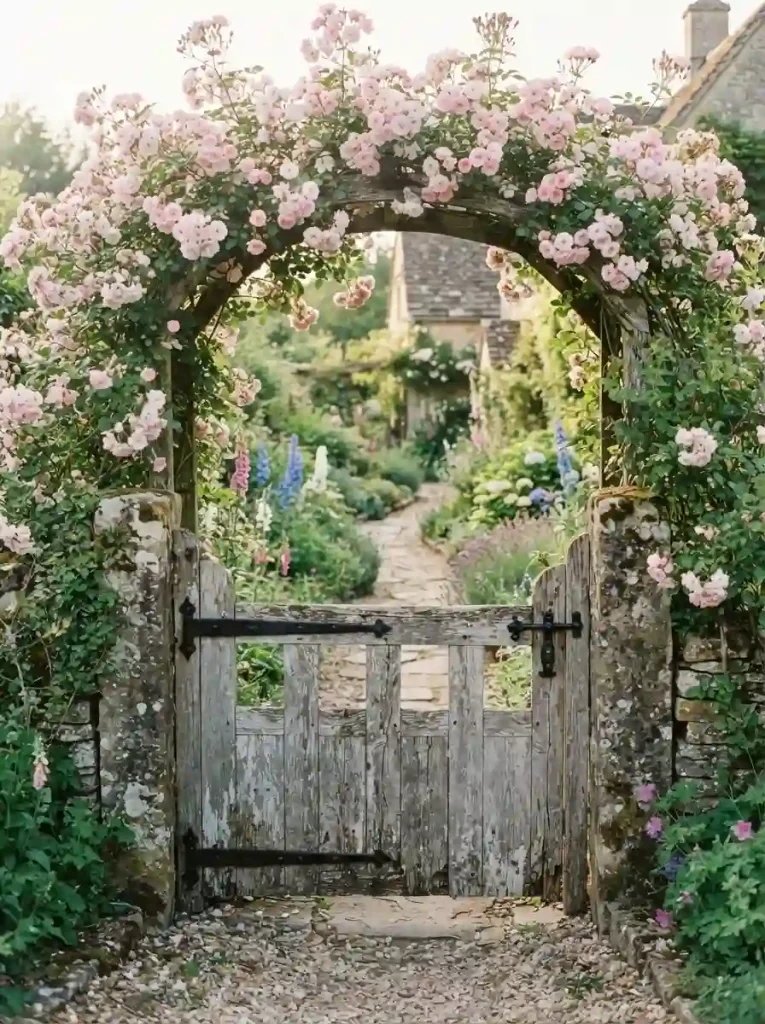
A plank gate with black iron hinges signals welcome. Train climbing roses or morning glories over the posts, and the entrance quickly feels like part of an old country garden.
Tip: Choose disease-resistant rose varieties for less spraying and fuss.
24. Birdhouse and Feeder Corner
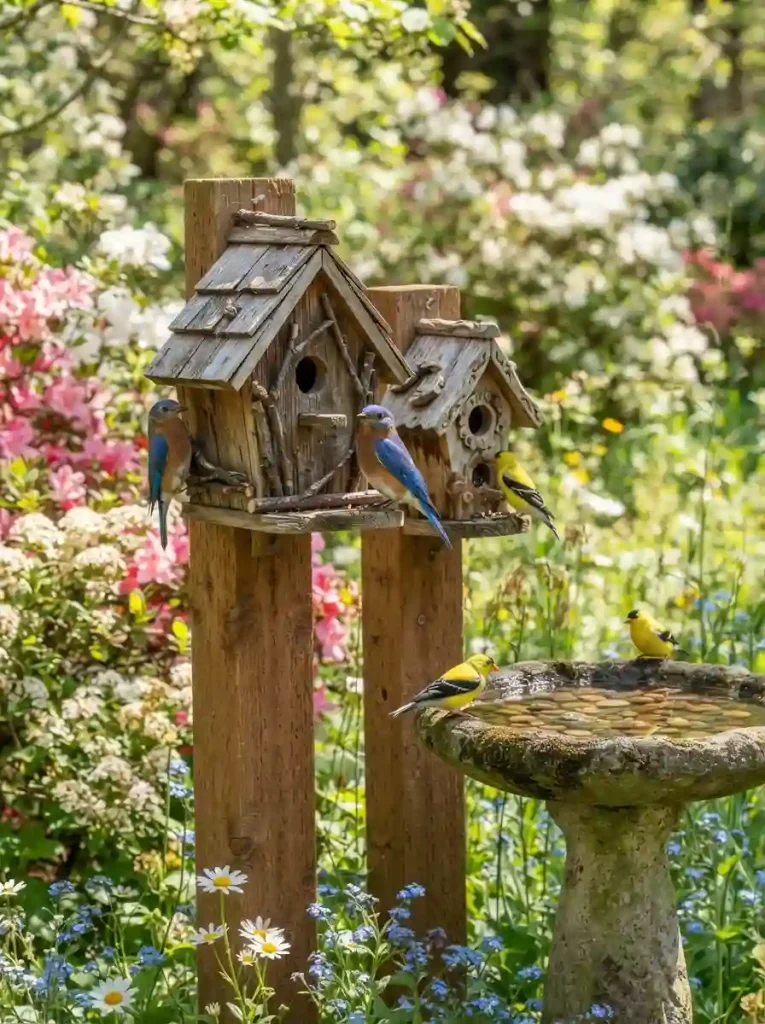
Add a few handmade birdhouses on posts and a feeder near flowering shrubs. Songbirds bring movement and sound, and a small birdbath completes the habitat.
Tip: Place feeders where you can watch from a window, but keep them away from glass to prevent collisions.
25. Rock Garden With Drought-Tolerant Plants
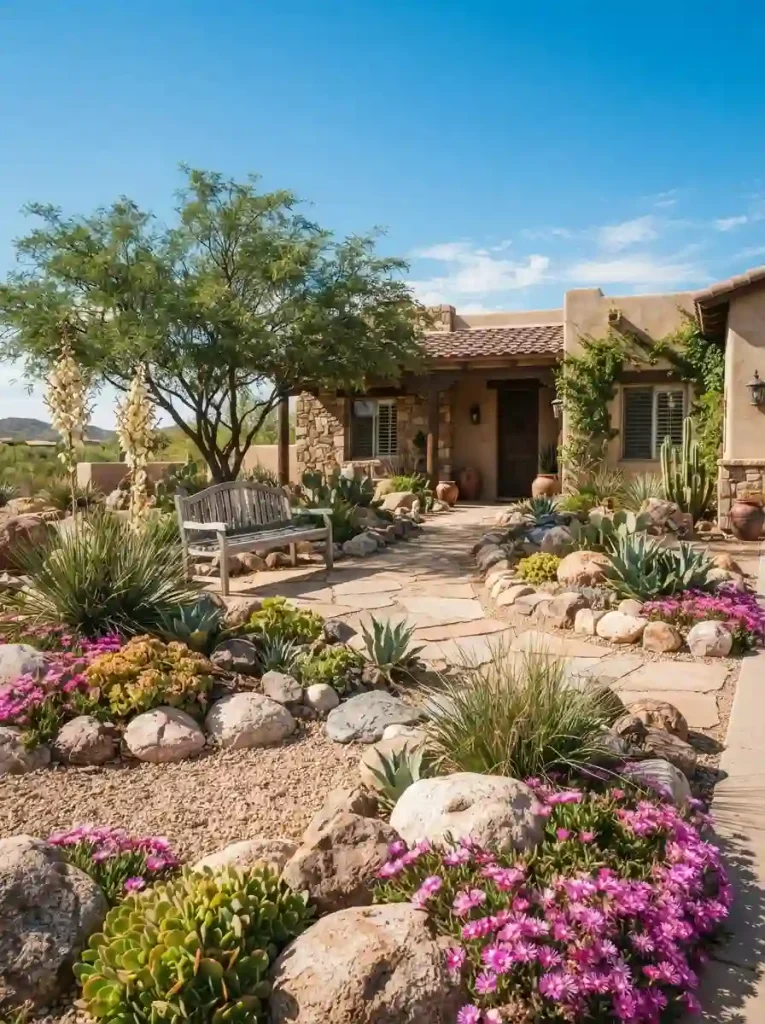
A mix of gravel, stone, and tough plants like sedum, yucca, and ice plant creates a low-water front yard with rugged appeal. Rocks of varied size add depth and a sculpted look.
Tip: Use landscape fabric or a deep gravel layer to limit weeds, and group plants by water needs.
Building a Rustic Front Yard in Order: Steps, Mistakes, and Seasonal Care
Build in this order and the yard comes together without rework. First, clear the area and define the edges: mow, pull weeds, and mark where paths, beds, and lawn will sit. Second, set the hardscape — the walkway, retaining wall, steps, and fence lines — before any planting, since stone and timber work disturbs soil. Third, plant the largest items first, like the Rustic Gate With Climbing Roses and the trees and shrubs of the woodland garden, then fill in with grasses, perennials, and groundcovers. Fourth, spread mulch, place the smaller accents such as the Vintage Wheelbarrow Planter and the Birdhouse and Feeder Corner, and finish with lighting along the path.
Common mistakes include cramming in too many themes at once, so the yard looks like a yard sale; letting untreated wood sit directly in soil, which speeds rot; skipping edging, so mulch and gravel drift onto the lawn; planting a meadow garden where foot traffic will flatten it; planting thirsty plants beside drought-tolerant ones, which makes watering a compromise nobody wins; and ignoring drainage, so water pools behind a new stone wall. Seasonal care is simple: refresh mulch each spring, reseal or oil exposed wood every year or two, prune climbing roses after their first flush of blooms, and cut ornamental grasses back in late winter before new growth starts. Check stone walls each spring for stones that shifted over winter, and reset them before gaps widen. Clean the fire pit area and trough feature of leaves and debris so standing water does not stain stone, and keep climbing roses tied to their support as they grow, so wind does not snap new canes.
How to Choose the Right Rustic Ideas for Your Home
Start with the materials already on your property, such as brick, siding, or roof color, and pick stone and wood tones that complement them. Then think about maintenance. A wildflower meadow is easy once established, while hanging baskets and raised beds need regular care.
Finally, match the scale to your yard. A small lot looks best with two or three well-chosen features, such as a flagstone path, a barrel planter, and a few boulders, instead of many competing elements.
Frequently Asked Questions
What makes a front yard look rustic?
Natural, weathered materials like stone, reclaimed wood, and iron, combined with relaxed, informal planting instead of clipped, symmetrical lines.
Is rustic landscaping low maintenance?
It often can be. Native plants, gravel, and mulch cut down on watering and mowing. Features like hanging baskets and raised vegetable beds take more attention.
What plants suit a rustic front yard?
Black-eyed Susans, coneflowers, lavender, ornamental grasses, sedum, daylilies, hostas, and climbing roses all fit the look. Choose what grows well in your climate.
Can I do rustic landscaping on a budget?
Yes. Salvaged wood, locally sourced stone, and plants divided from friends’ gardens keep costs down, and you can add features gradually.
Does rustic style work with a modern house?
It can. Pair clean-lined architecture with a few natural materials, like timber planters or a gravel path, for a softer, modern-rustic look.
How do I keep a rustic front yard looking tidy instead of messy?
Rustic style needs clear structure to read as intentional rather than neglected. Keep edges crisp: mow a clean line where lawn meets beds, re-edge gravel paths when stones scatter, and trim any plant that blocks the walkway. One habit matters most: a weekly pass to pull weeds, sweep the walk, and straighten planters. A yard with defined borders, one dominant material, and plants cut back on schedule looks deliberately rustic; without edges, the same yard just looks overgrown.
What should I do about drainage before adding stone paths and walls?
Sort out where water goes before you build anything heavy. Watch the yard in hard rain and note where water pools or runs toward the house. Grade soil gently away from foundations, and give stone walls a gravel base and a way for water to escape behind them rather than a solid dam. For paths, a compacted gravel base with edging drains better than stone set straight into mud. Fixing drainage first prevents washed-out paths, leaning walls, and soggy beds.
How do I protect wooden fences, arbors, and planters from rot?
Keep wood out of constant contact with wet soil and give it airflow. Set fence posts in gravel or concrete with the wood above grade, and line the inside of planters like whiskey barrels so damp soil does not sit against the boards. A penetrating exterior oil or sealant, reapplied every year or two, slows moisture damage better than paint, which peels and traps water underneath. Replace any board that stays soft or spongy, since rot spreads.
When is the best time of year to start a rustic front yard project?
Early spring and early fall are the easiest windows. Spring gives new plants a full season to establish, and suppliers stock stone, timber, and plants widely. Fall is often better for planting trees, shrubs, and roses, since cooler air and warm soil encourage root growth with less watering. Avoid heavy stone or wall work in frozen ground or the hottest weeks, when fresh plantings struggle. Plan hardscape one season and planting the next if the project is large.
Final Thoughts
Rustic landscaping rewards patience and a light touch. Choose a few materials that suit your home, let plants grow a little wild, and allow weather to age everything gracefully. Start with one or two of these ideas this season, and you’ll soon have a front yard that feels warm, natural, and distinctly yours.