
25 Simple Steps to Grow Juicy Strawberries at Home
Nothing beats a strawberry picked warm from the plant and eaten on the spot. Store-bought berries can’t compete on flavor, and growing your own is easier than most people think. You don’t need a big garden either. A sunny balcony, a few pots, or a small raised bed is enough.
This guide walks you through 25 simple steps, from choosing the right plants to harvesting and keeping them productive for years. Whether you’re a first-time grower or want better yields, follow along and you’ll be picking juicy homegrown strawberries in no time.
Choosing the Right Strawberry Type, Site, and Soil Before You Plant
The biggest decision comes before planting: which of the three types fits your goal. June-bearing plants give one large crop over two to three weeks in early summer, which suits jam-making and freezing, but they need patience because first-year blossoms are pinched off. Everbearing types produce two or three smaller flushes, while day-neutral plants fruit steadily from spring to fall and are the most forgiving choice for containers, hanging baskets, and towers.
Match the variety to your climate next. Most strawberries grow across a wide range of US zones, but some cultivars handle cold winters or hot, humid summers better than others, and disease-resistant varieties save beginners a lot of trouble. A local nursery or county extension office can name proven cultivars for your area.
Site and soil decide the rest. Pick the sunniest spot you have, with well-drained, slightly acidic soil improved with compost before planting. Heavy soil that stays soggy belongs in a raised bed or planting mounds instead. Bare-root crowns cost less and establish quickly in early spring; potted plants are pricier but more forgiving of late starts.
1. Learn the Three Types of Strawberries
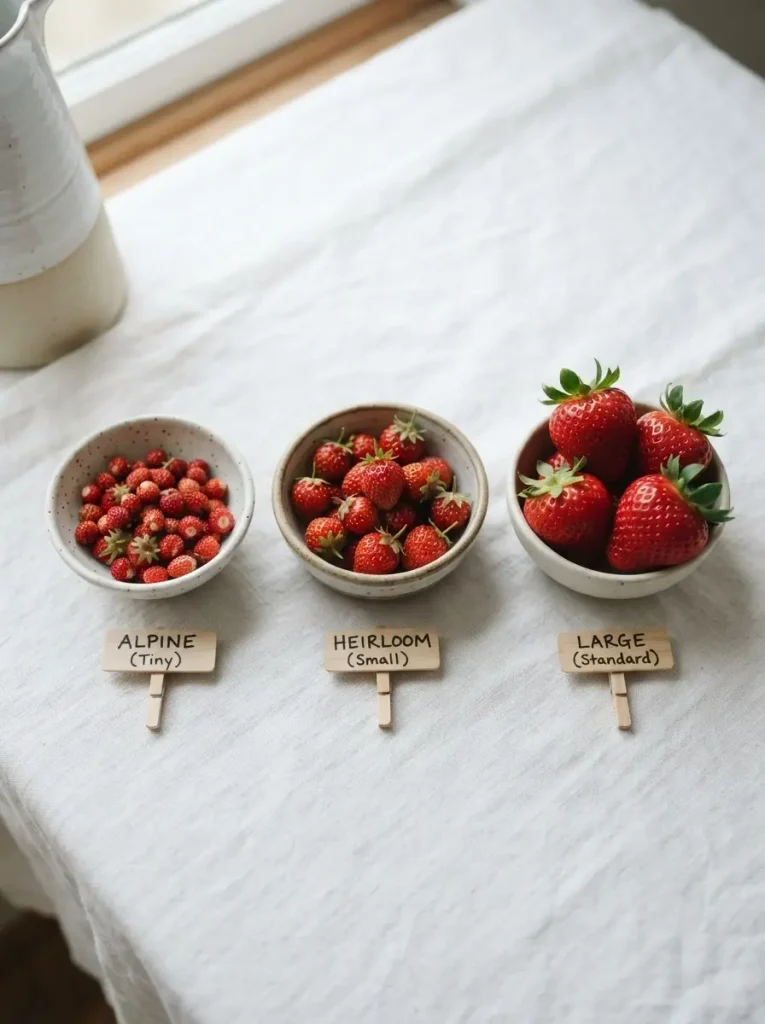
Strawberries come in three main types, and your choice affects when and how much you harvest.
- June-bearing. one large crop over 2 to 3 weeks in early summer. Best for jam and freezing.
- Everbearing. two or three smaller flushes through the season.
- Day-neutral. steady, lighter harvests from spring to fall. Great for pots.
2. Match the Variety to Your Climate
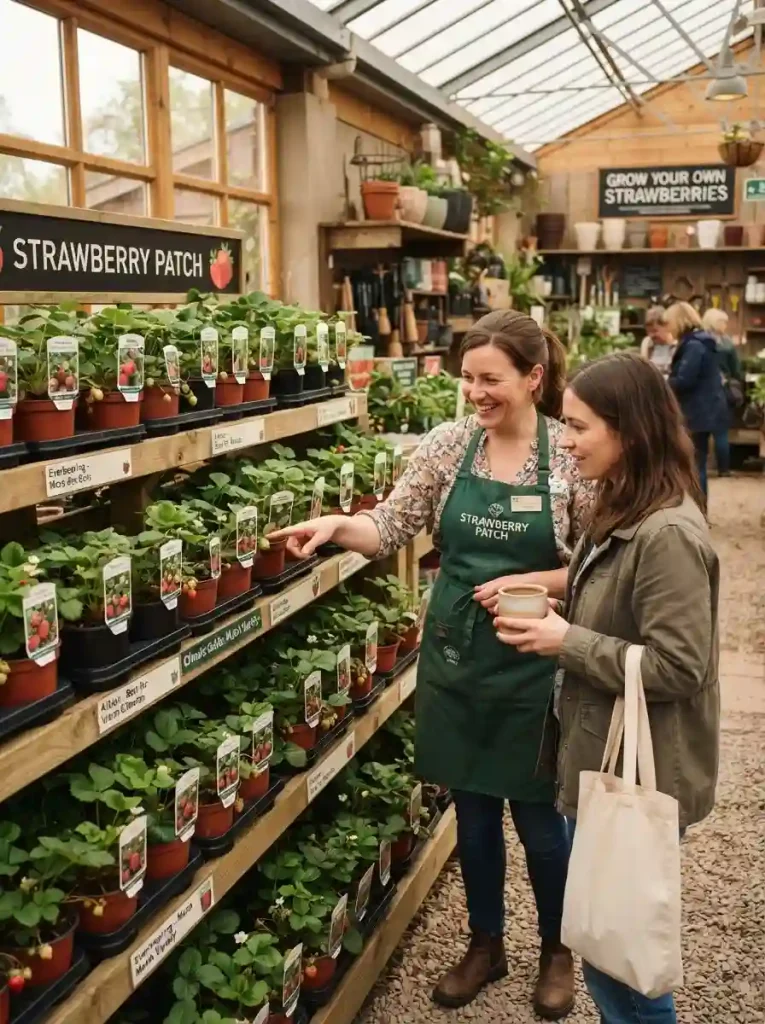
Most strawberries grow well across a wide range of zones, but some varieties handle cold winters or hot summers better than others. Check your USDA hardiness zone first, then ask a local nursery or your county extension office which cultivars perform best nearby. Local advice saves you a season of trial and error, and disease-resistant varieties are a smart choice for beginners.
3. Buy Healthy Plants from a Reliable Source
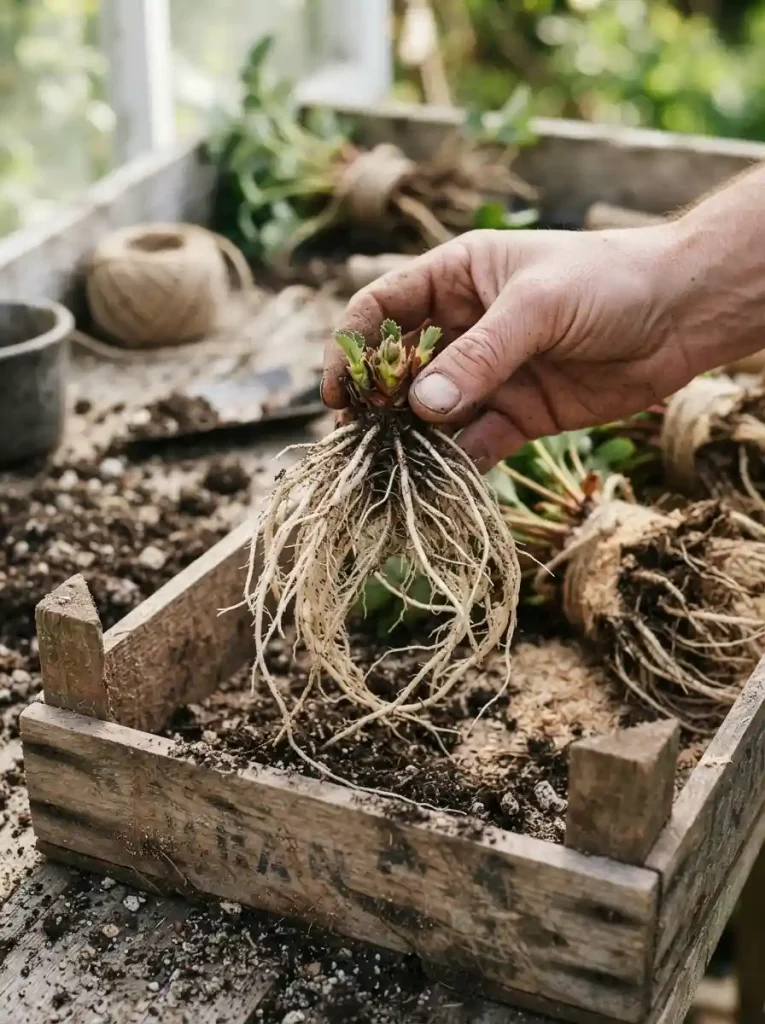
Strawberries are usually sold as bare-root crowns or potted plants. Bare-root plants cost less and establish quickly. Potted plants are more forgiving for beginners. Look for plants with lots of healthy white roots, and plenty of green, unblemished leaves. Avoid any with wilted, spotted, or mushy crowns, since problems at purchase can follow you all season.
4. Time Your Planting Right
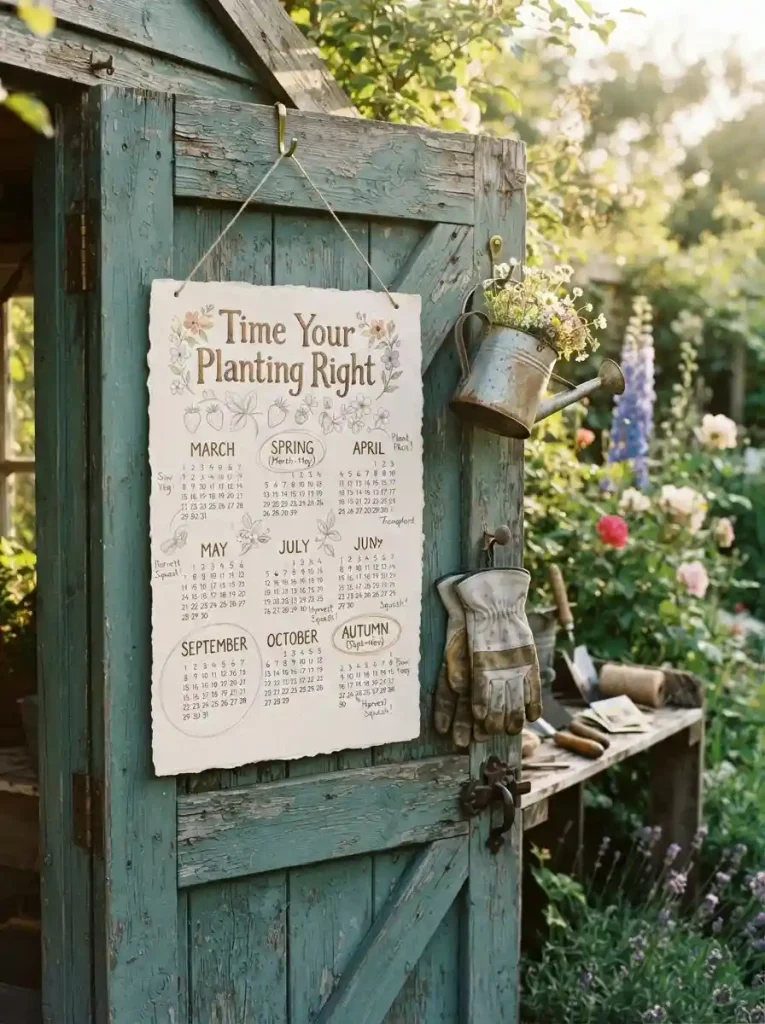
In most regions, early spring is the best time to plant, as soon as the soil can be worked and the hardest frosts have passed. In mild-winter areas, fall planting works well. Early planting gives roots time to settle before summer heat arrives, which leads to stronger plants and better fruit later.
5. Choose a Spot with Plenty of Sun
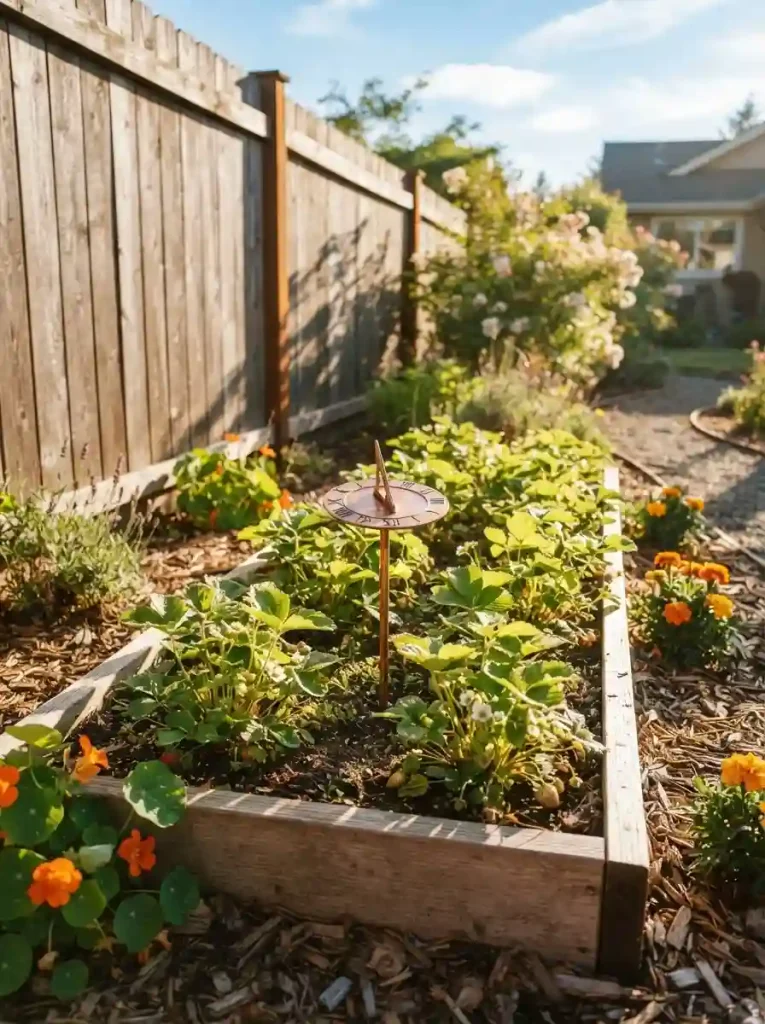
Strawberries need at least 6 to 8 hours of direct sunlight a day to produce sweet, well-colored fruit. Watch your garden or balcony across a day before planting. Pick a spot that also has some air movement, which helps leaves dry quickly and cuts down on fungal problems.
6. Improve Your Soil Before Planting
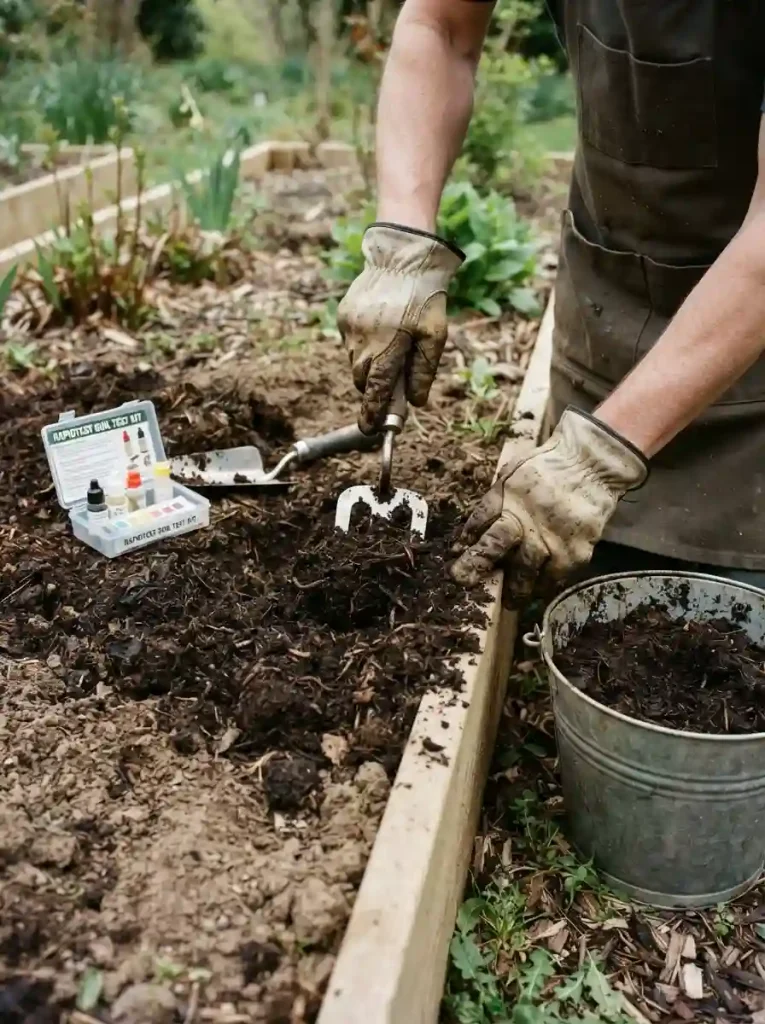
Strawberries prefer loose, well-draining soil that’s rich in organic matter, with a slightly acidic pH of about 5.5 to 6.5. A simple soil test kit tells you where you stand. Mix in several inches of compost to boost fertility and drainage. Heavy clay and very sandy soils both benefit from this step.
7. Build a Raised Bed or Planting Mounds
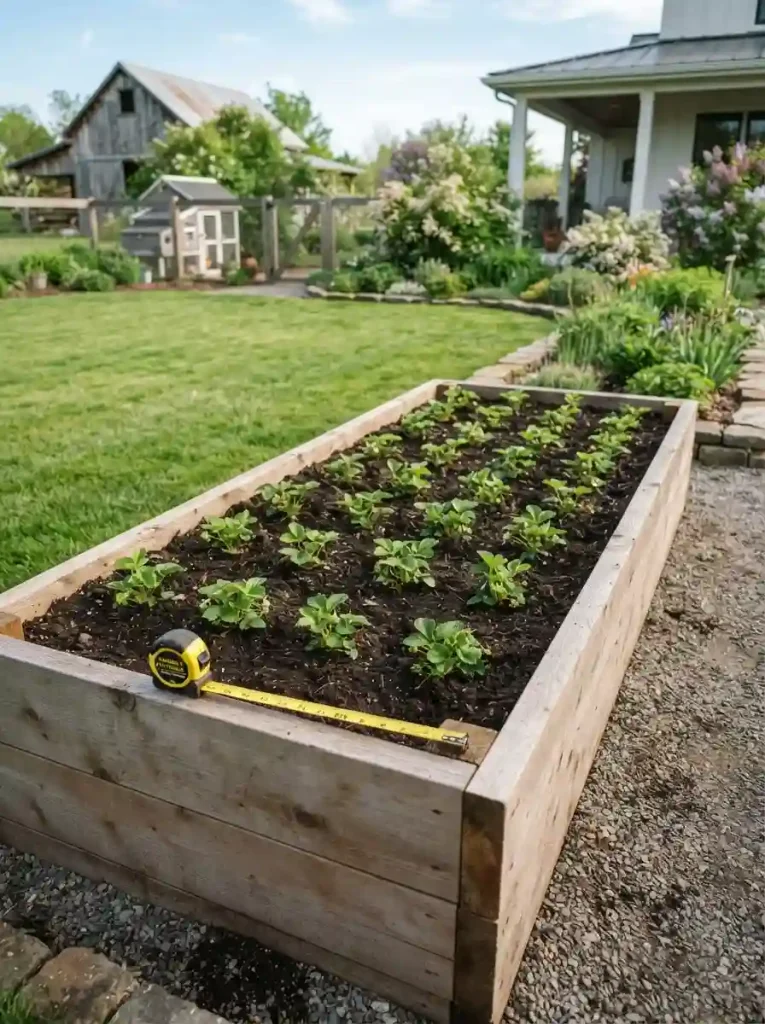
If your ground is heavy or stays wet, raised beds or mounded rows give roots the drainage they need. A bed about 8 to 12 inches high works well. Raised beds also warm up faster in spring, make weeding easier, and keep the plants at a comfortable height for harvesting.
8. Try Containers, Hanging Baskets, or Towers
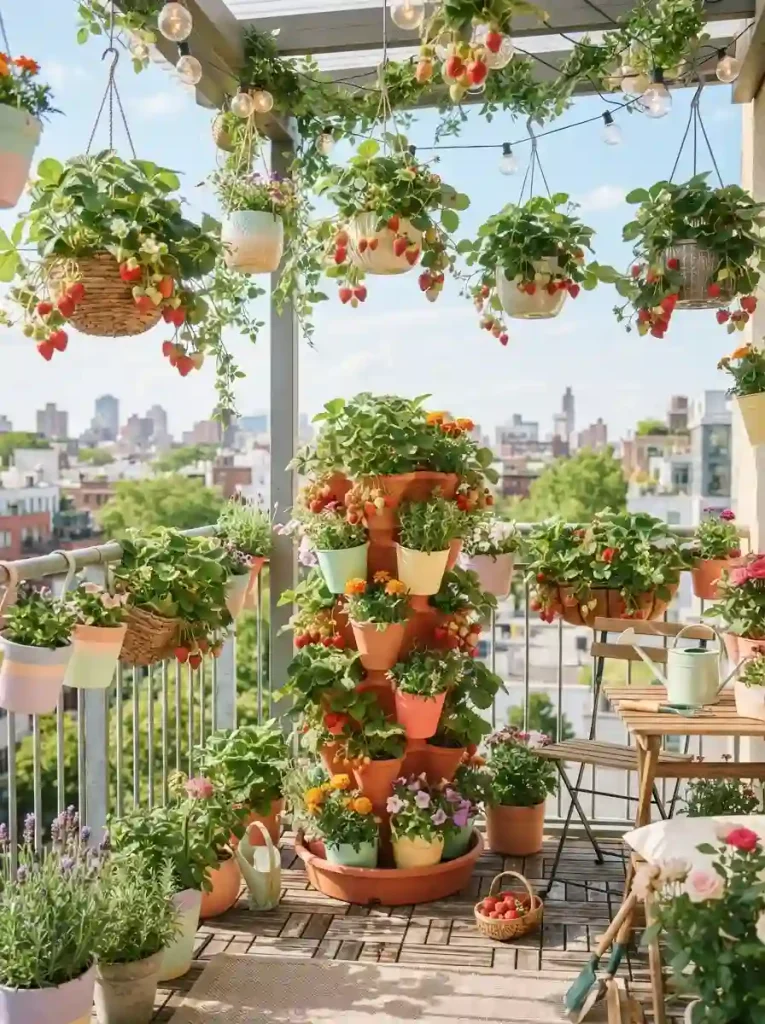
No yard? Strawberries thrive in pots, hanging baskets, grow bags, and vertical towers. Choose containers at least 10 to 12 inches wide with good drainage holes, and fill them with quality potting mix rather than garden soil. Containers also keep fruit off the ground and away from slugs.
9. Prepare the Plants Before They Go In
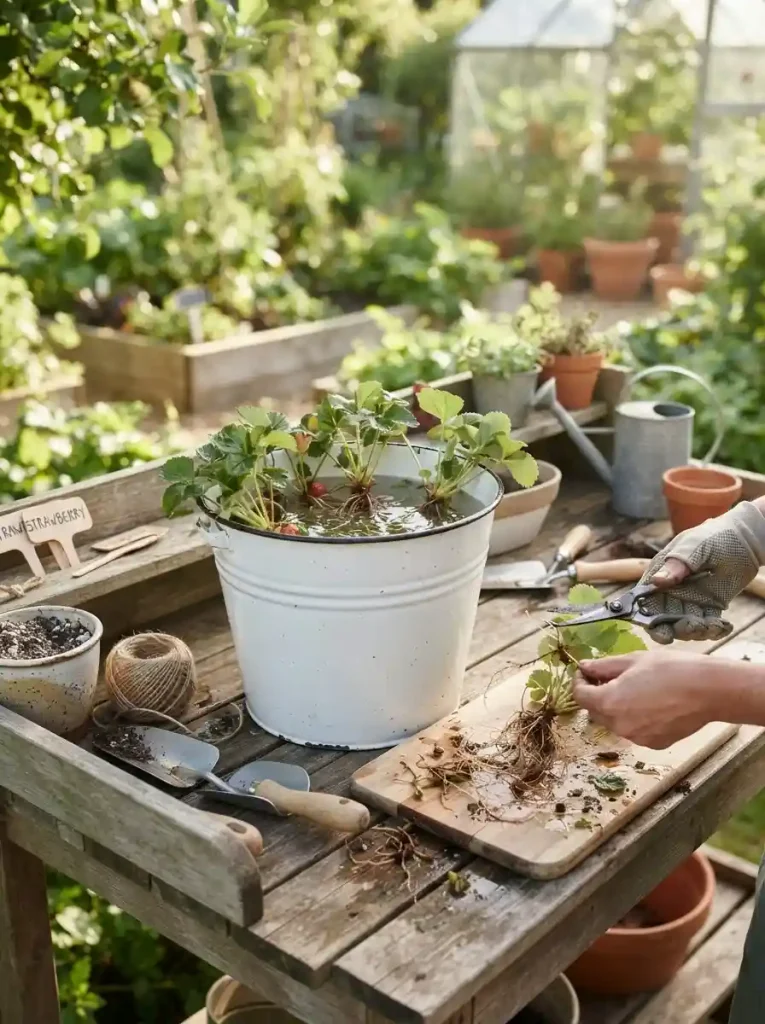
Bare-root crowns appreciate a 20 to 30 minute soak in room-temperature water before planting. This rehydrates the roots after shipping. Trim any overly long roots to about 4 to 6 inches and remove dead or damaged leaves. Potted plants should be watered well and gently loosened at the roots.
10. Plant at the Correct Depth
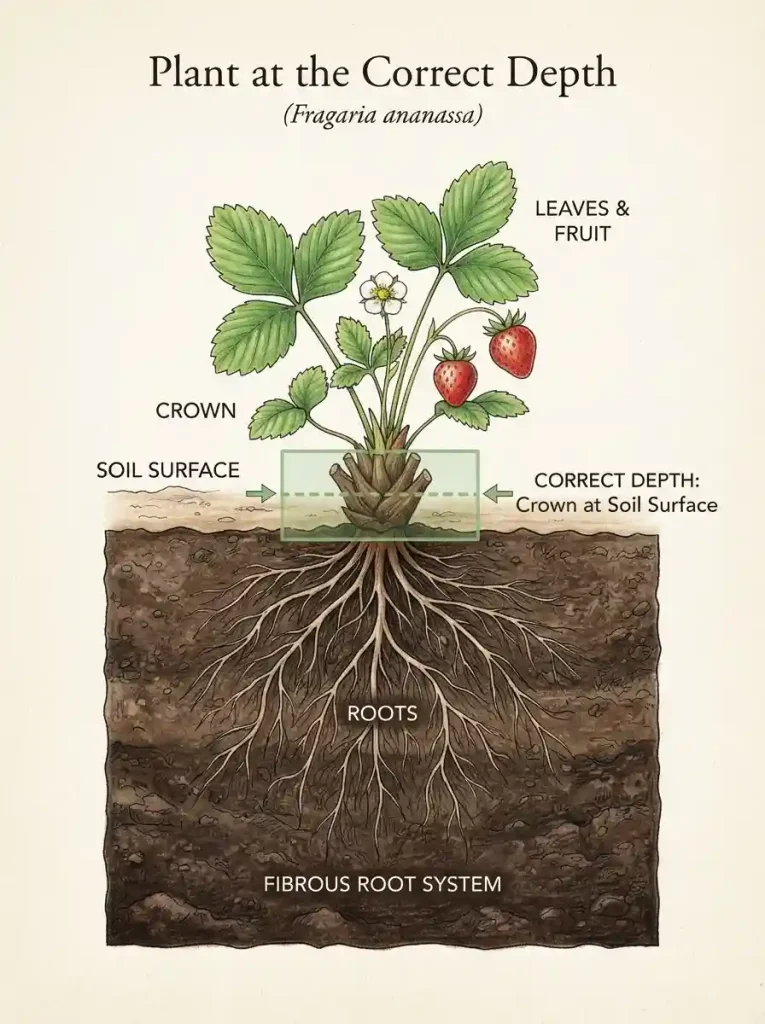
Depth is the most common beginner mistake. Dig a hole wide enough to spread the roots, then set the plant so the crown, the point where roots meet leaves, sits exactly level with the soil surface. Buried crowns rot, and exposed roots dry out. Firm the soil gently around the base.
11. Give Each Plant Enough Space
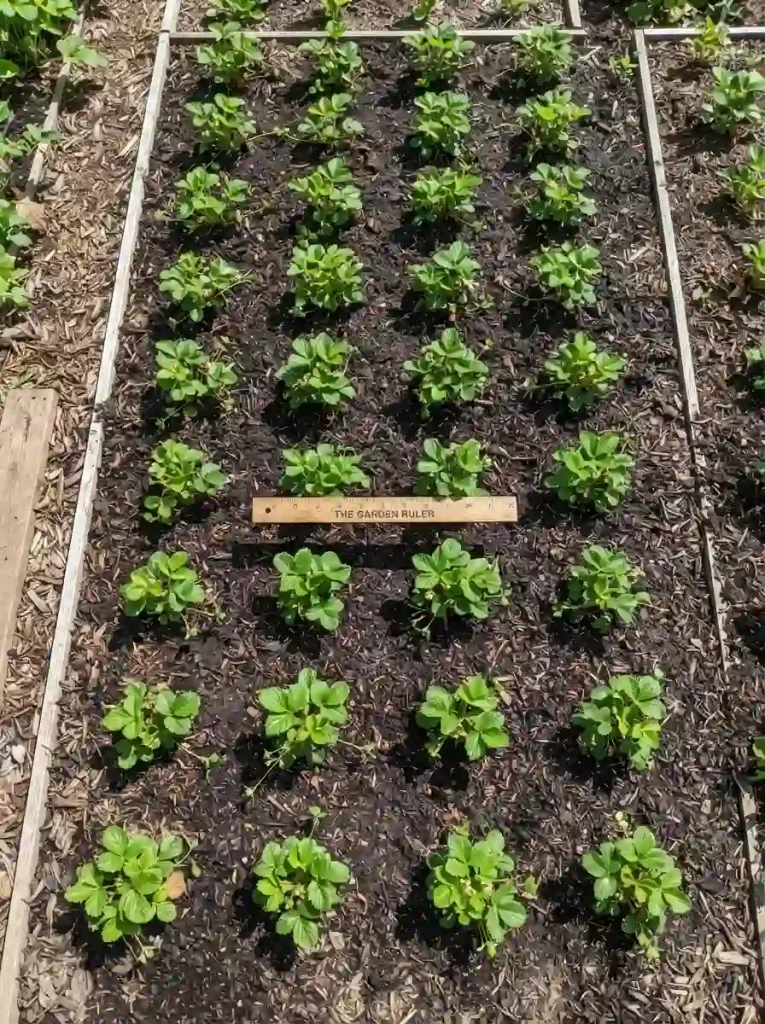
Crowding invites disease and lowers yields. Space plants about 12 to 18 inches apart in rows roughly 2 to 3 feet apart, depending on the variety and growing method. In containers, allow roughly one plant per 8 to 10 inches of pot width. Good spacing keeps airflow strong and berries easy to reach.
12. Water Deeply After Planting
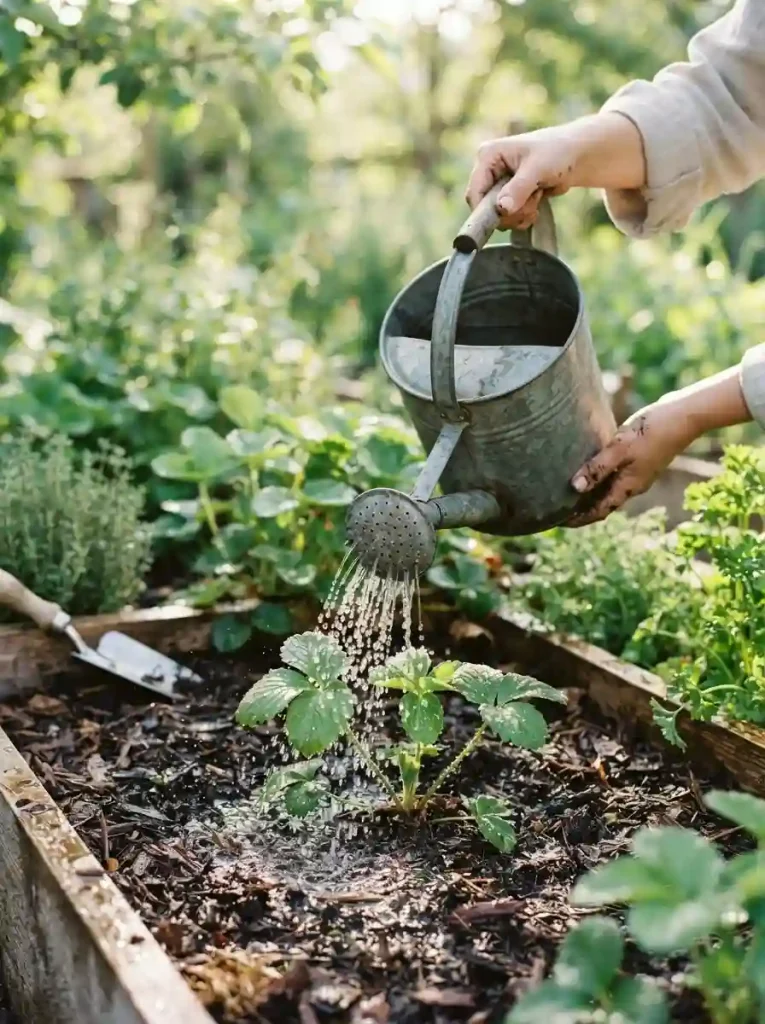
Right after planting, soak the soil thoroughly to settle it around the roots and remove air pockets. For the first few weeks, keep the soil evenly moist but never soggy, since new roots are shallow and dry out fast. Water at the base rather than over the leaves.
13. Add a Layer of Mulch
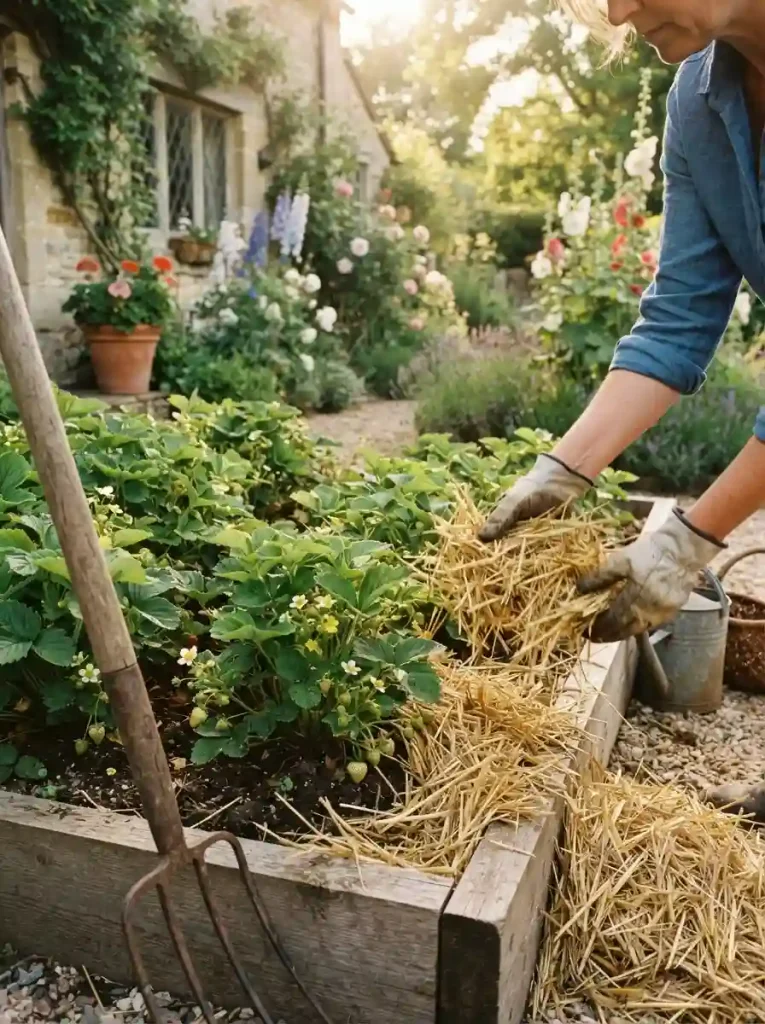
Spread 2 to 3 inches of straw, pine needles, or shredded leaves around your plants, keeping it just clear of the crowns. Mulch holds moisture, blocks weeds, regulates soil temperature, and keeps ripening berries clean and off wet soil. It’s one of the easiest ways to get a healthier plant.
14. Feed Your Strawberries the Right Way
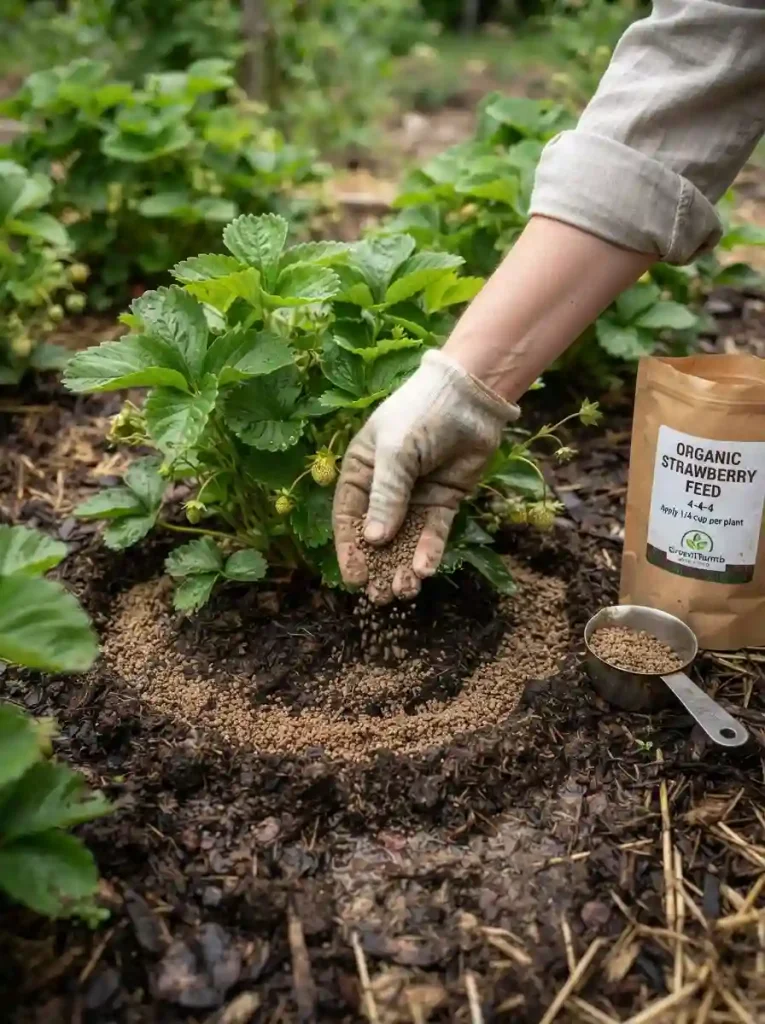
Strawberries are light feeders, and too much nitrogen gives you lush leaves but few berries. Use a balanced fertilizer or a slow-release option formulated for fruit, and follow the label rates. For June-bearing types, feed after harvest. For everbearing and day-neutral types, feed lightly every 4 to 6 weeks through the growing season.
15. Keep Watering Consistent
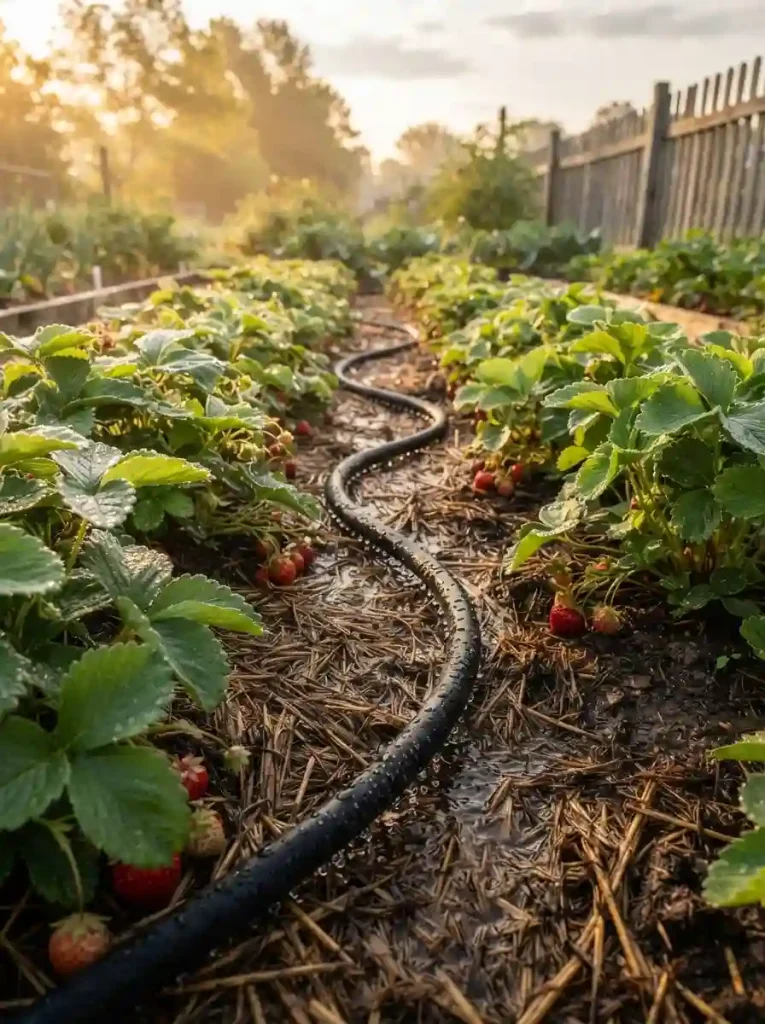
Aim for about 1 to 2 inches of water a week, including rainfall. Water in the early morning so leaves dry fast. Irregular watering leads to small, dry, or misshapen fruit. Drip irrigation or a soaker hose delivers moisture right to the roots and keeps berries clean.
16. Pinch Off First-Year Blossoms
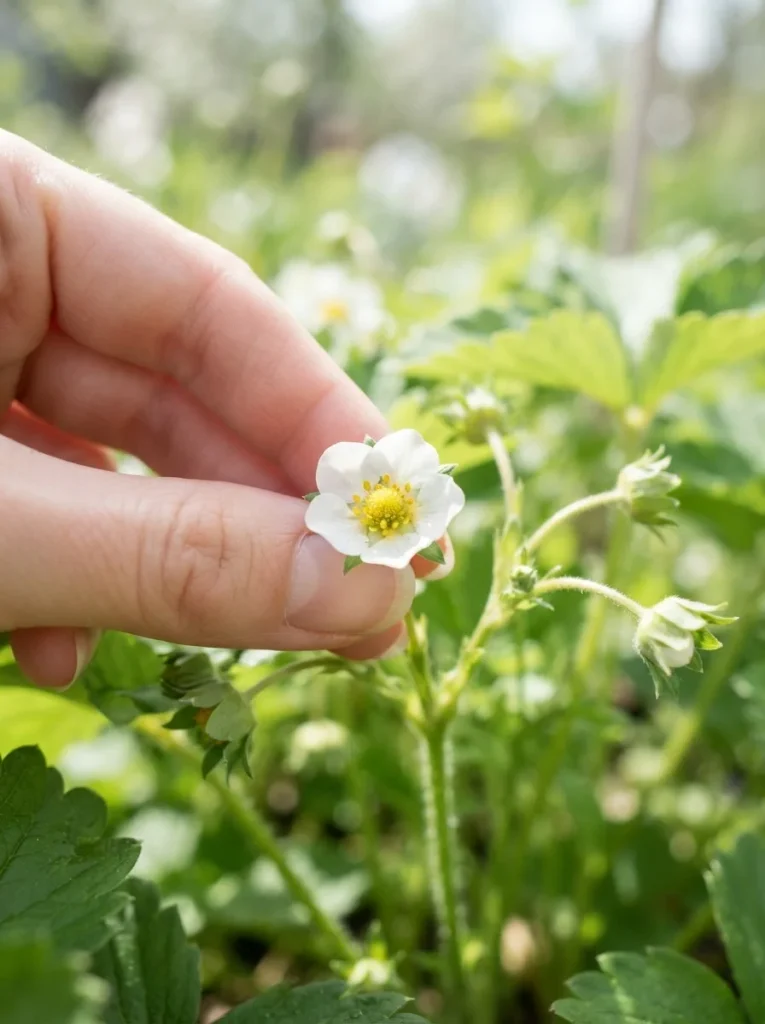
It’s hard to snip off those pretty white flowers, but it pays off. For June-bearing plants, remove all blossoms in the first season so the plant puts energy into roots and runners. For everbearing and day-neutral types, pinch blossoms until about 6 weeks after planting, then let them fruit.
17. Manage Runners Wisely
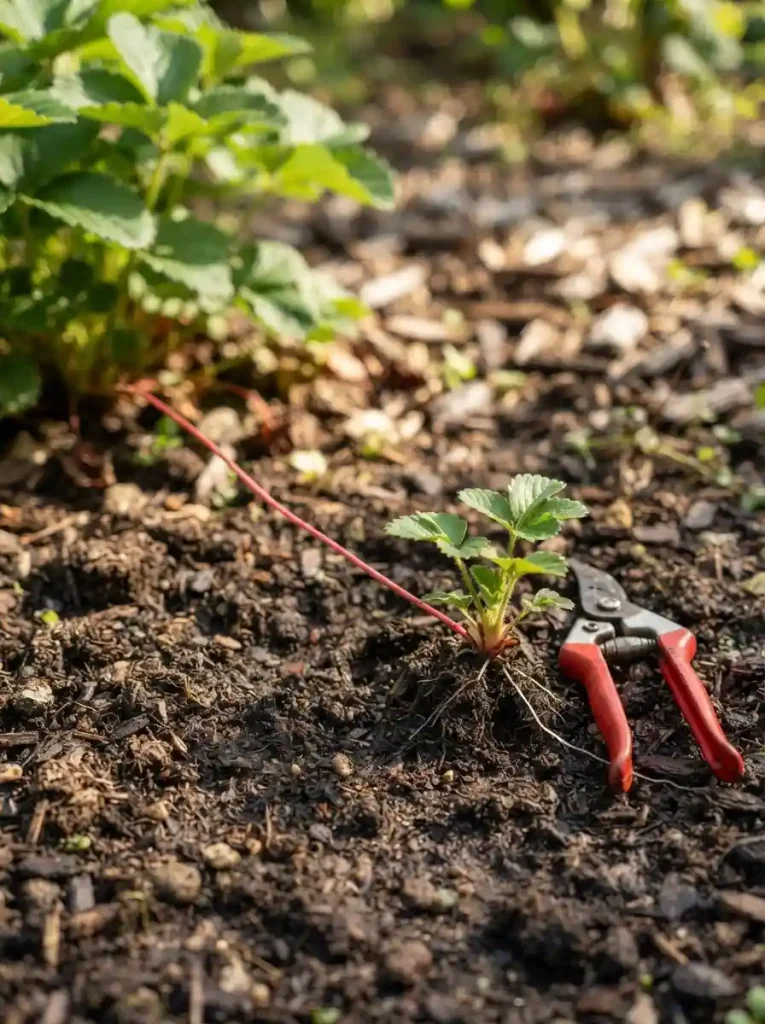
Runners are long stems that sprout baby plants. Too many make a crowded, low-yield bed. Decide what you want. for June-bearing types, let a few runners root to fill gaps, then trim the rest. For everbearing and day-neutral types, snip most runners off so energy goes into fruit.
18. Weed Gently and Often
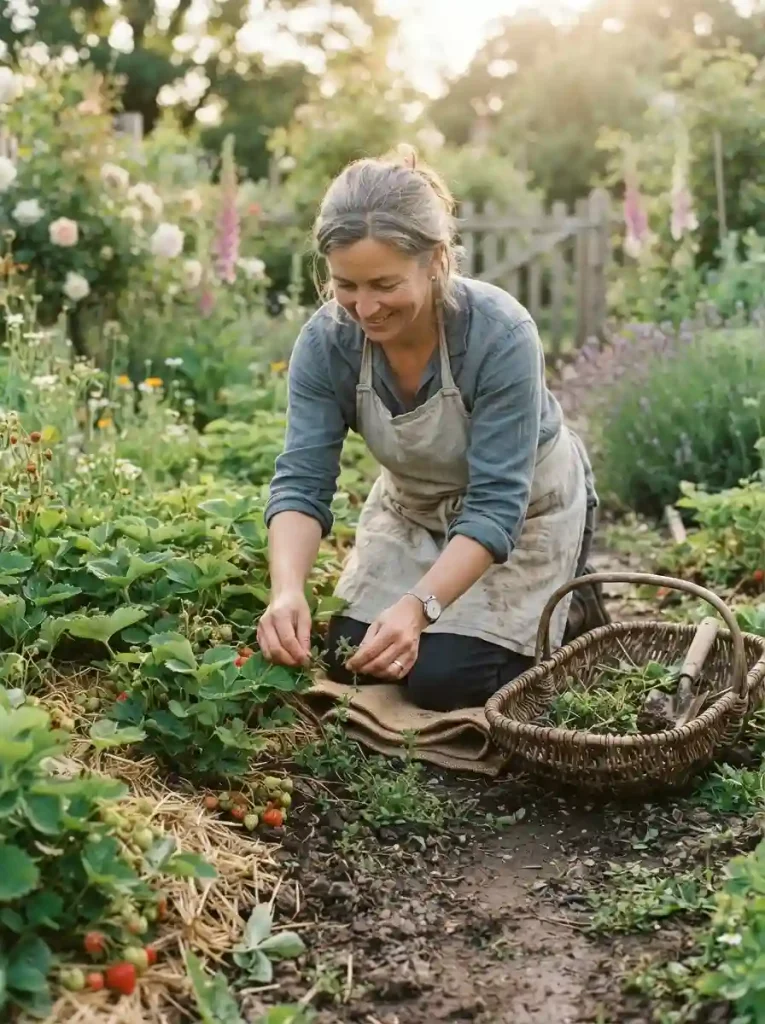
Weeds compete for water and nutrients, and strawberry roots are shallow, so deep digging can damage them. Pull weeds by hand when the soil is damp, and refresh mulch as needed. A few minutes each week keeps problems small and your patch looking tidy.
19. Keep Birds and Critters Away
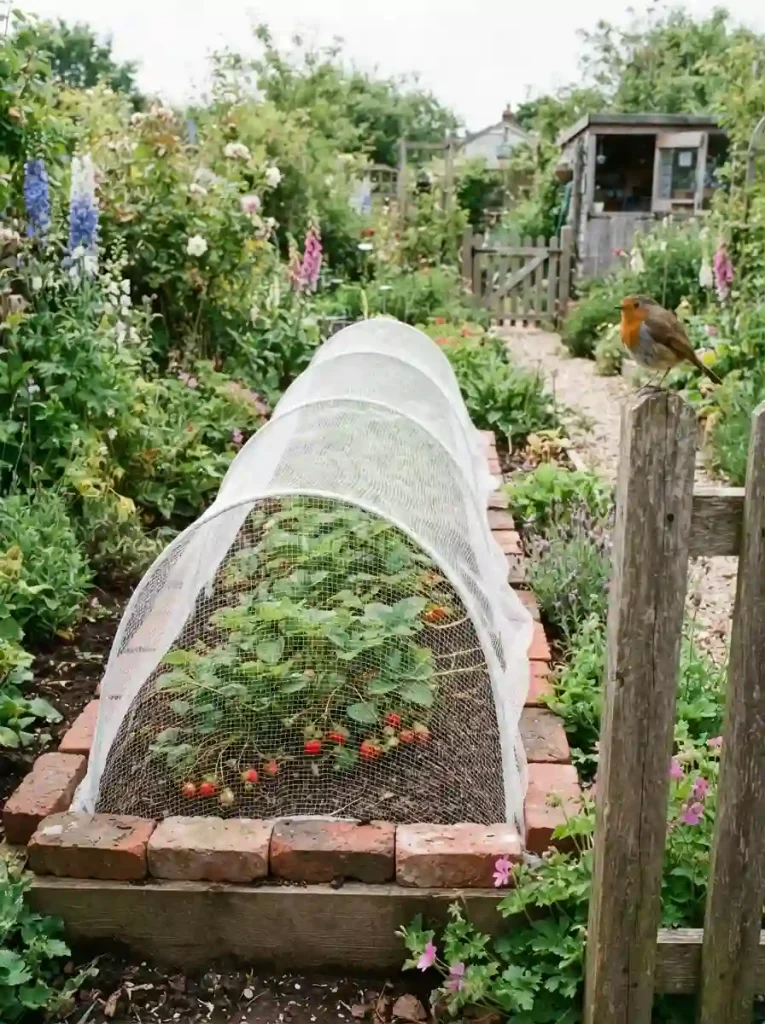
Birds, squirrels, and other wildlife love ripe strawberries as much as you do. Cover beds with lightweight bird netting held up by hoops or stakes, and secure the edges so nothing sneaks under. For containers, a mesh cage or a cloche works well.
20. Watch for Common Pests
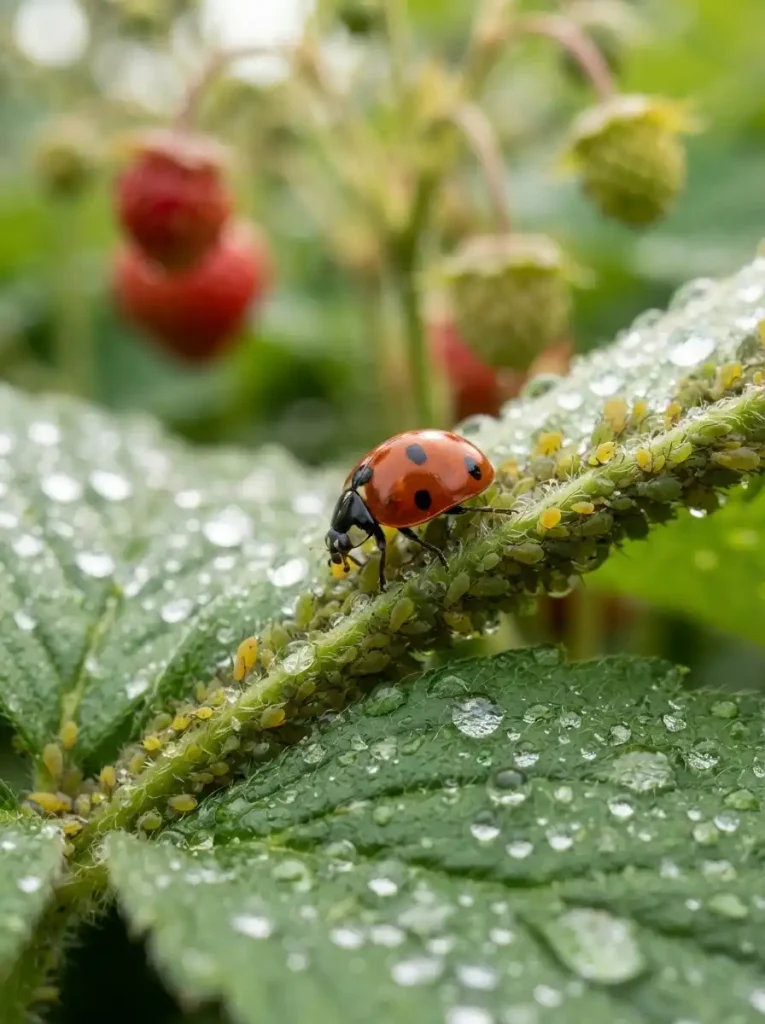
Slugs, aphids, spider mites, and strawberry weevils are the usual suspects. Check leaves and fruit weekly, including undersides. Hand-pick slugs in the evening, spray aphids off with water, and encourage ladybugs and other beneficial insects. Catching trouble early usually means you won’t need anything stronger.
21. Prevent Fungal Diseases
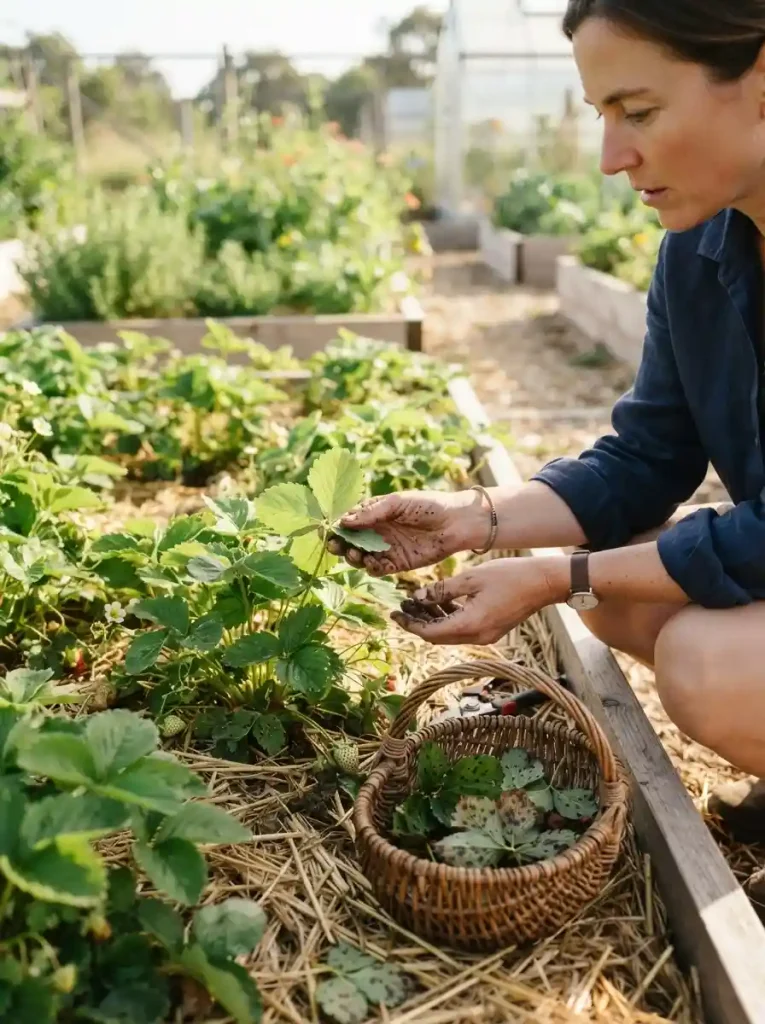
Gray mold and leaf spot thrive in damp, crowded conditions. Water at the base, space plants properly, remove any rotting fruit right away, and clear dead leaves. Choosing disease-resistant varieties and rotating beds every few years also lowers the risk, especially if you’ve had problems before.
22. Pick at Peak Ripeness
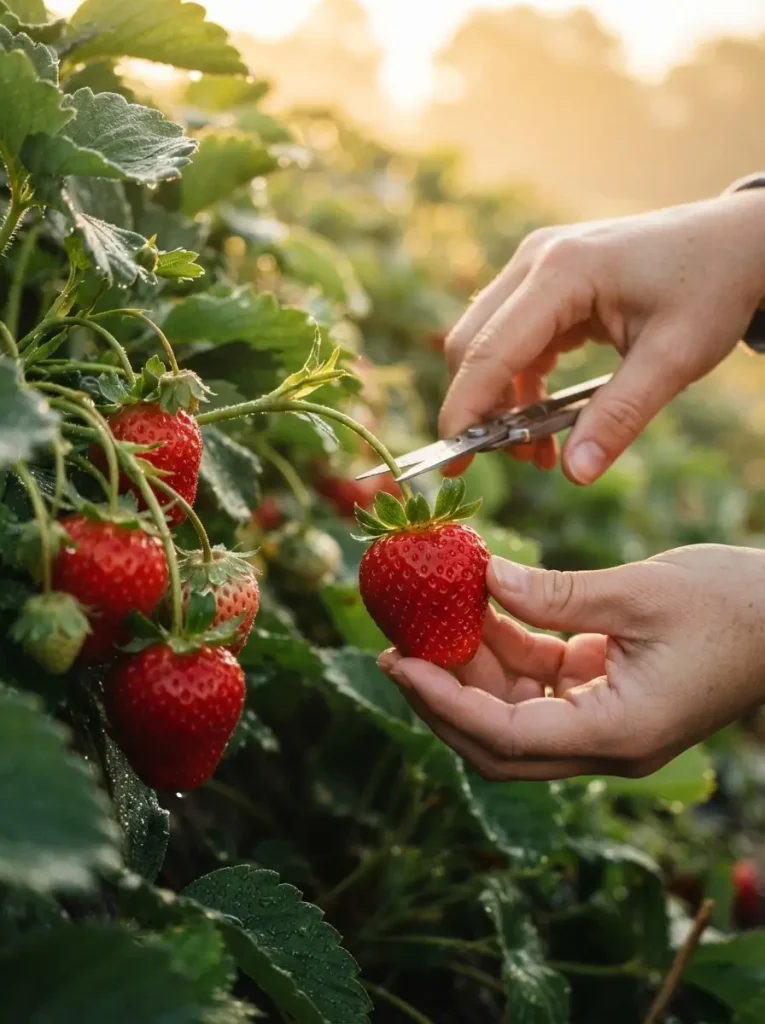
Strawberries don’t ripen further once picked, so wait until the fruit is fully red from tip to shoulder. Harvest in the cool of the morning, and pinch the stem about half an inch above the berry rather than pulling the fruit itself. Pick every couple of days during peak season.
23. Store and Use Them Well

Keep unwashed berries in the refrigerator in a shallow, breathable container and eat them within a few days. Rinse only right before eating. For longer storage, freeze whole hulled berries on a tray, then bag them. They’re perfect for smoothies, jam, and baking.
24. Prepare Plants for Winter
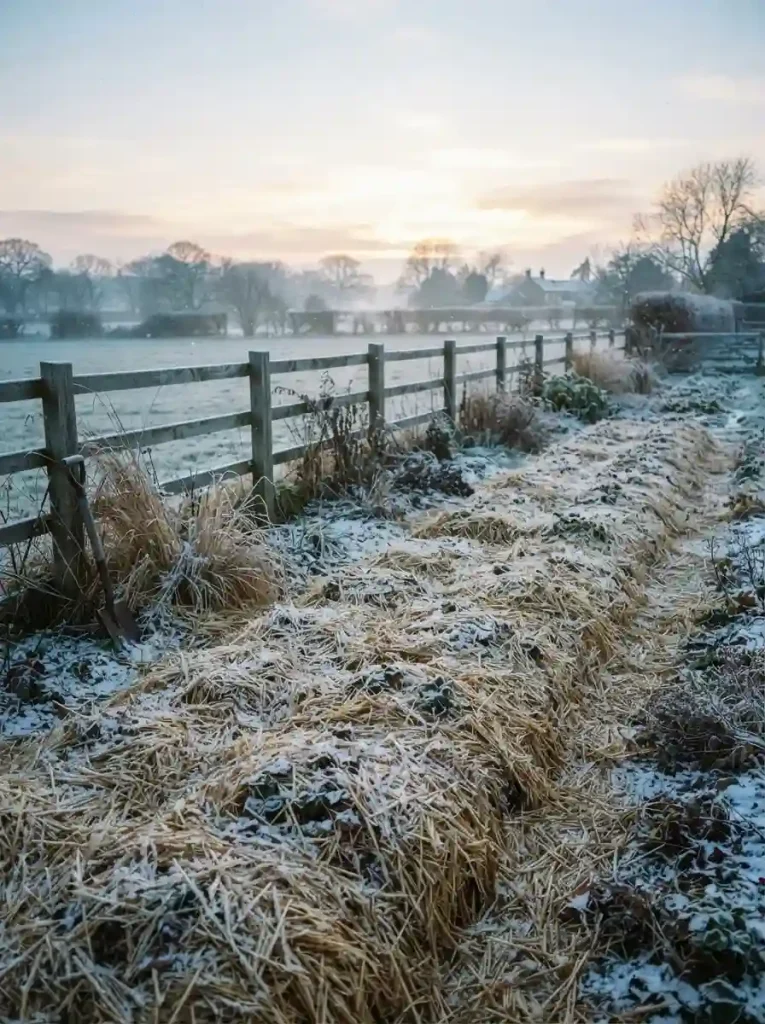
In cold climates, apply a 3 to 4 inch blanket of straw after the first few hard frosts, once plants go dormant. This protects crowns from freezing and thawing damage. In spring, pull the mulch back gradually as new growth appears. Potted plants can be moved to a sheltered spot, such as an unheated garage.
25. Renovate and Refresh Your Patch
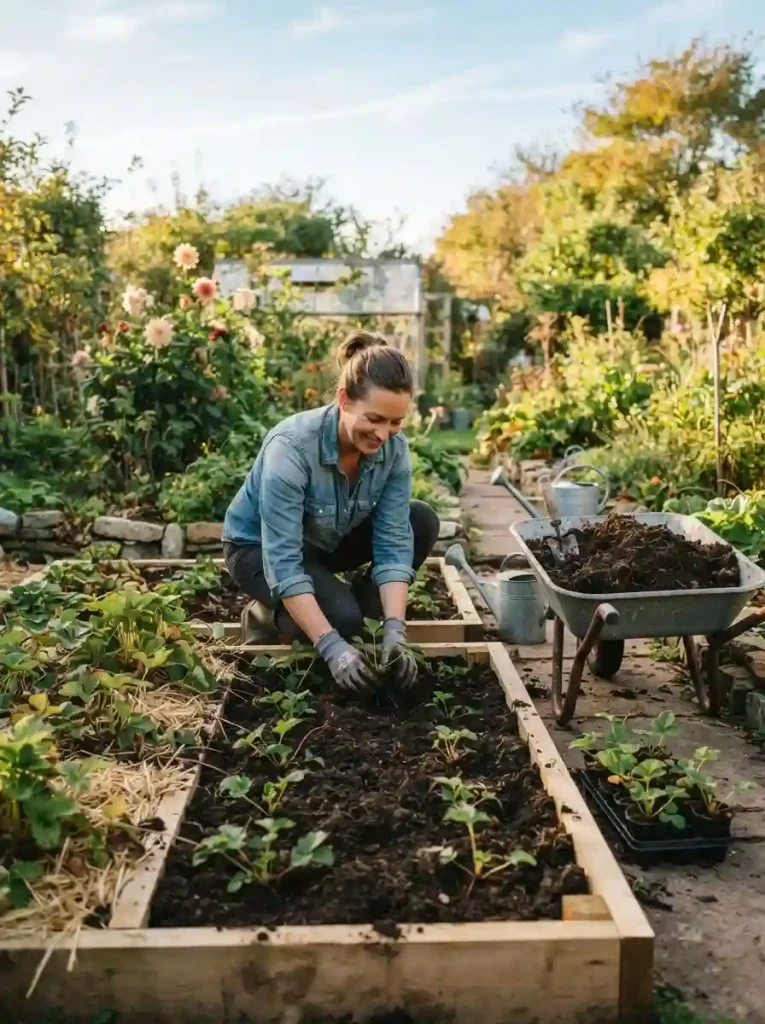
Productivity usually drops after 3 to 4 years. After harvest, mow or trim June-bearing foliage, thin crowded plants, add compost, and replace weak ones with healthy runners. Starting a fresh bed every few years keeps yields high and berries sweet.
A Season-by-Season Rhythm for Healthy Strawberry Plants
Spring. Plant bare-root crowns as soon as the soil can be worked, water them in deeply, and add mulch once plants settle. Pinch blossoms off June-bearing plants for the whole first season, and off everbearing and day-neutral plants for roughly the first six weeks, so energy builds roots instead of a handful of early berries.
Summer. Keep watering consistent while fruit sizes up, pick berries fully red, and manage runners deliberately: let a few June-bearing runners root to fill gaps, but snip most runners off day-neutral plants so energy stays in fruiting.
After harvest. Renovate June-bearing beds by thinning crowded plants, weeding, and adding compost. This is also their main feeding moment; everbearing and day-neutral plants prefer light feeding every four to six weeks through the season instead.
Fall and winter. In mild-winter areas, fall planting works well. Where winters bite, cover plants with straw after the ground turns cold, and plan to refresh the patch every few years, since yields fade as plants age.
Day to day, a few small habits protect the harvest. Keep crowns visible and mulch tucked around — not over — them, so berries ripen clean instead of rotting against damp soil. Check leaf undersides weekly for the first signs of pests, and net the bed as soon as berries start to blush, because birds find ripening fruit faster than gardeners do. During the peak weeks, pick every day or two rather than weekly; fully ripe berries left hanging soften, attract insects, and signal the plant to slow down. Container and tower plantings need the same rhythm, with extra attention to watering after hot, windy days.
Common mistakes: burying the crown too deep or leaving it above the soil, crowding plants so air cannot move, watering leaves instead of the soil line (an invitation to fungal disease), letting runners drain a day-neutral bed, and skipping renovation until the patch is exhausted.
Frequently Asked Questions
How long does it take to grow strawberries?
Most plants begin fruiting within a few weeks to a year, depending on type and planting time. June-bearing plants usually give their best crop in the second year, while day-neutral types can produce the same season.
Can I grow strawberries from seed?
Yes, but it’s slow and less predictable. Most gardeners find bare-root plants or potted starts faster and more reliable.
Why are my strawberries small or sour?
Common causes include too little sun, uneven watering, overcrowding, or harvesting before they’re fully red. Fixing light and watering usually makes the biggest difference.
How many plants do I need?
Plan on about 10 to 15 plants per person if you want plenty for fresh eating. Add more if you want to freeze or make jam.
Do strawberries come back every year?
Yes. They’re perennials, and with good care they’ll keep producing for several years.
How much sun do strawberries really need?
Aim for the sunniest spot you have — strawberries fruit best with long, direct sun through the day. Plants in partial shade may grow plenty of healthy leaves but produce fewer, smaller, and less sweet berries. If your only space is a balcony or patio, day-neutral varieties in containers are the most forgiving option, and moving pots to follow the sun helps more than any fertilizer.
Should you cut strawberry runners or let them root?
It depends on the type. For June-bearing plants, let a few strong runners root to fill gaps in the row, then trim the rest so the mother plant is not drained. Everbearing and day-neutral plants fruit best when most runners are snipped off, because each rooted runner diverts energy from berries. A simple rule: runners are for expanding a bed, not for this year’s harvest.
How often do strawberries in pots and baskets need watering?
Containers, hanging baskets, and towers dry out far faster than garden beds, so check them daily in warm weather and water whenever the top inch of mix feels dry. Water at the base until it drains from the bottom, and never let pots sit in standing water. Consistent moisture matters most while berries are sizing up — swings between dry and soaked lead to small, misshapen fruit.
Why are my strawberries rotting before they turn fully red?
Soft, grey, mouldy berries usually point to fungal disease helped along by wet foliage, crowded plants, and fruit resting on damp soil. A layer of straw mulch lifts berries off the ground, spacing plants for airflow helps leaves dry quickly, and watering at soil level instead of overhead keeps spores from splashing onto fruit. Remove any rotting berries promptly so the problem does not spread to healthy ones nearby.
Conclusion
Growing strawberries at home comes down to a few basics. pick the right plants, give them sun, drainage, and steady moisture, protect the crop, and refresh the patch every few years. Start with a handful of plants and learn as you go. Before long, you’ll have sweet, juicy berries straight from your own garden.