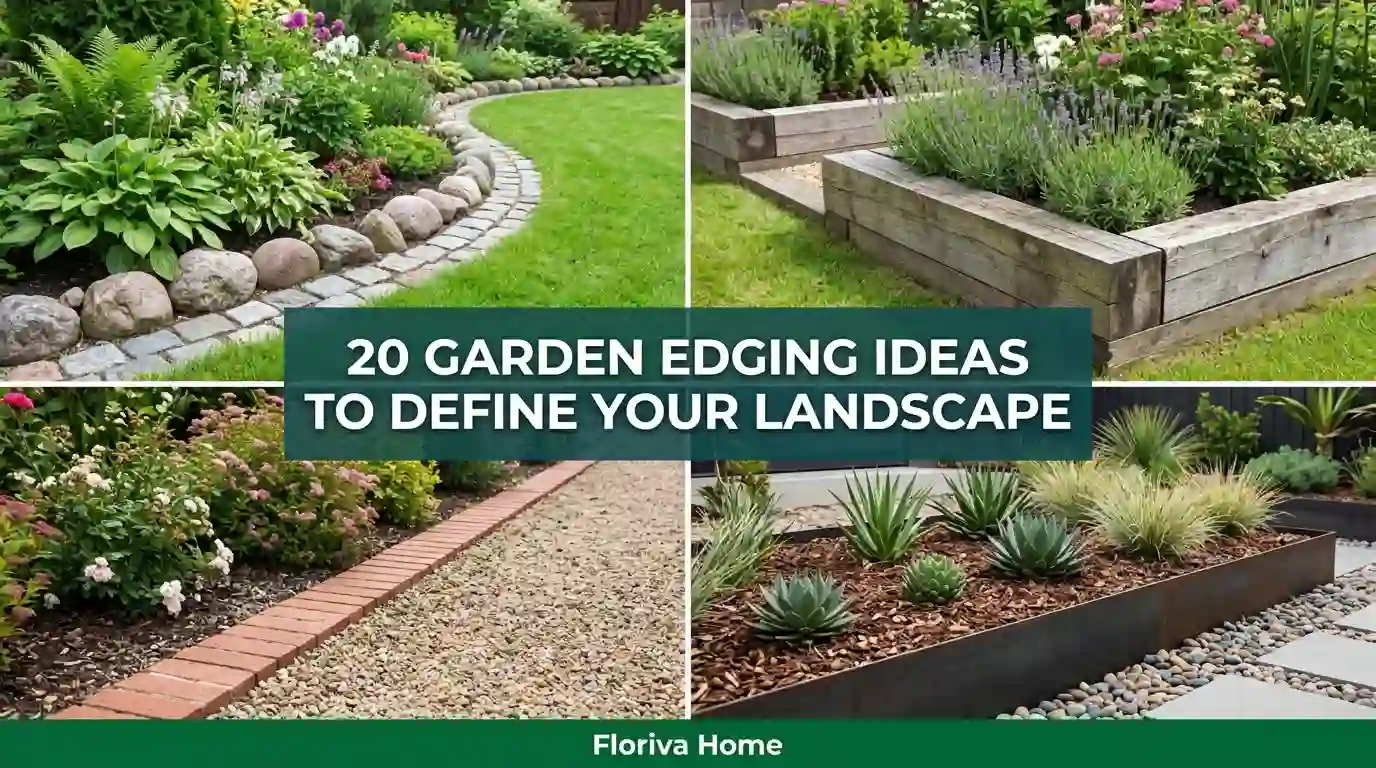
20 Garden Edging Ideas to Define Your Landscape
Garden edging is one of those small landscaping details that can completely change how a yard looks. A clean border separates lawns from flower beds, keeps mulch and soil where they belong, and gives even simple planting areas a more finished appearance.
The best part? Garden edging does not have to be expensive or complicated. You can create a polished border with natural materials, recycled items, plants, or simple DIY solutions.
Whether your garden style is modern, cottage-inspired, rustic, or minimalist, there is an edging idea that can fit your space beautifully.
Here are 20 garden edging ideas to help you define your landscape and give your outdoor space a more intentional look.
1. Natural Stone Garden Edging
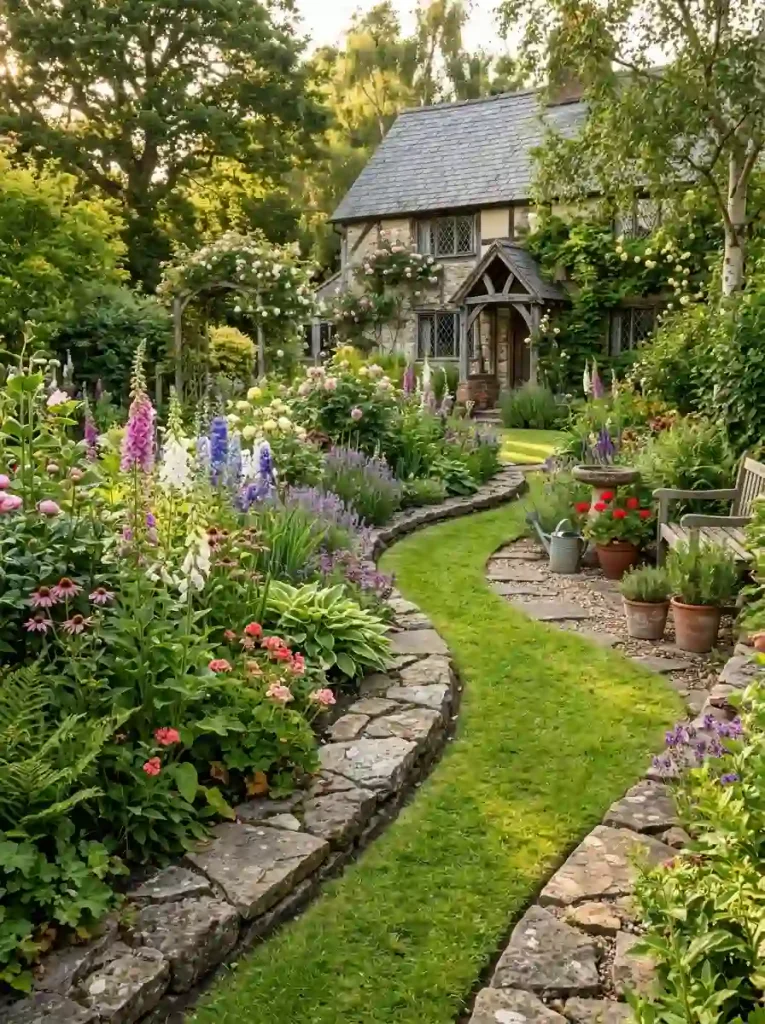
Natural stone is a timeless choice when you want your garden borders to feel connected to the surrounding landscape. Instead of creating a perfectly uniform line, arrange stones in slightly different shapes and sizes for an organic appearance.
This style works especially well around flower beds, trees, pathways, and informal cottage gardens. Neutral-colored stones can blend beautifully with greenery without competing with colorful flowers.
For a more structured appearance, choose stones with flatter surfaces and place them closely together. For a relaxed garden, leave small gaps between individual pieces.
Expert Tip:
Before installing the stones permanently, arrange them along the entire border first. This makes it easier to balance their sizes and avoid an awkward-looking section.
2. Brick Border With a Classic Finish
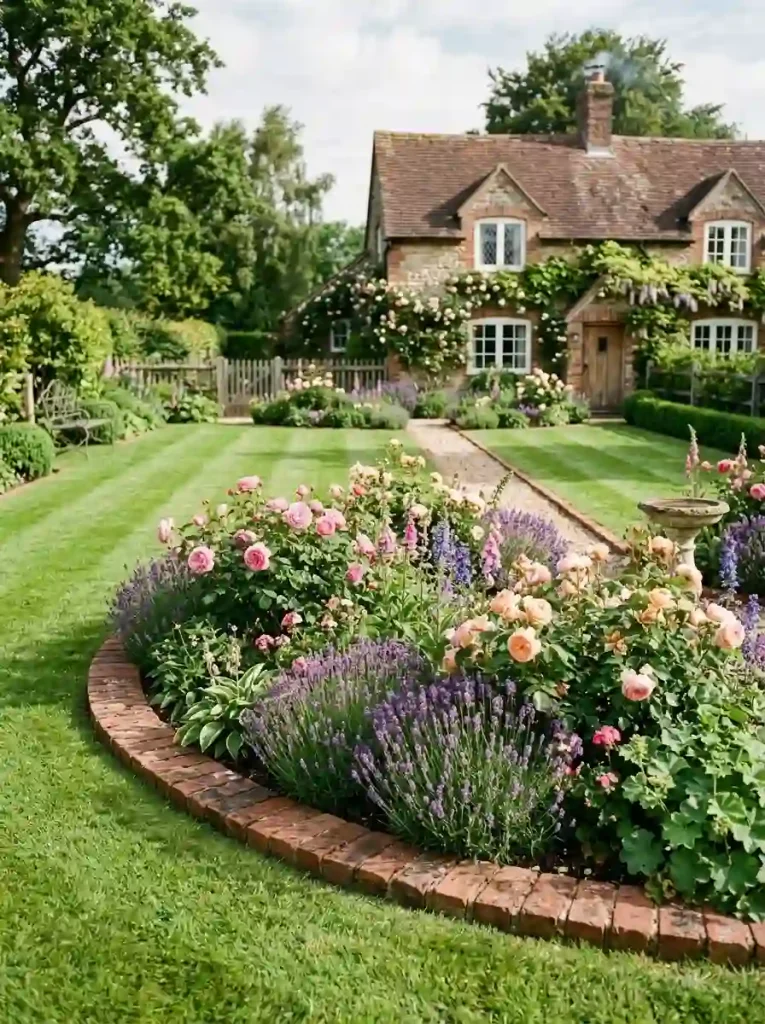
Brick edging gives garden beds a defined architectural appearance while adding warmth and traditional character. You can place bricks horizontally for a simple border or partially bury them to create a stronger separation between lawn and planting areas.
A brick edge works particularly well with symmetrical gardens, raised beds, pathways, and traditional front yards. Weathered bricks can create a charming vintage appearance, while newer bricks provide a cleaner finish.
Consider laying the bricks in a repeating pattern if you want the border itself to become a decorative feature.
Expert Tip:
Set the bricks firmly into a shallow, level base so they remain aligned instead of shifting after rain or repeated lawn maintenance.
3. Timber Log Edging for a Rustic Garden
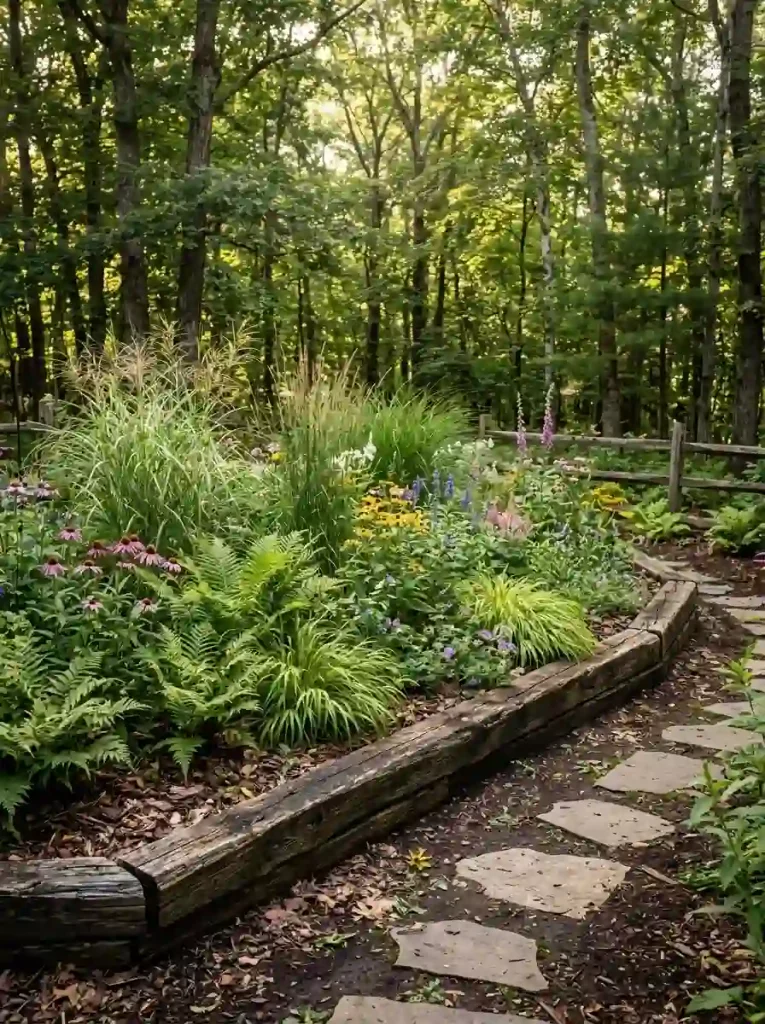
Short timber logs can instantly give a garden a cozy, rustic personality. They are especially attractive around woodland-style planting beds, vegetable gardens, wildflower areas, and informal backyard landscapes.
You can use similar-sized logs for a tidy appearance or combine different diameters for a more natural woodland effect. Positioning the logs horizontally creates a substantial border, while short vertical sections can produce a playful decorative edge.
Natural wood pairs beautifully with ferns, grasses, flowering plants, and bark mulch.
Expert Tip:
Choose outdoor-rated or naturally durable wood, and avoid placing untreated timber directly where constantly wet soil can accelerate deterioration.
4. Sleek Metal Edging for a Modern Landscape
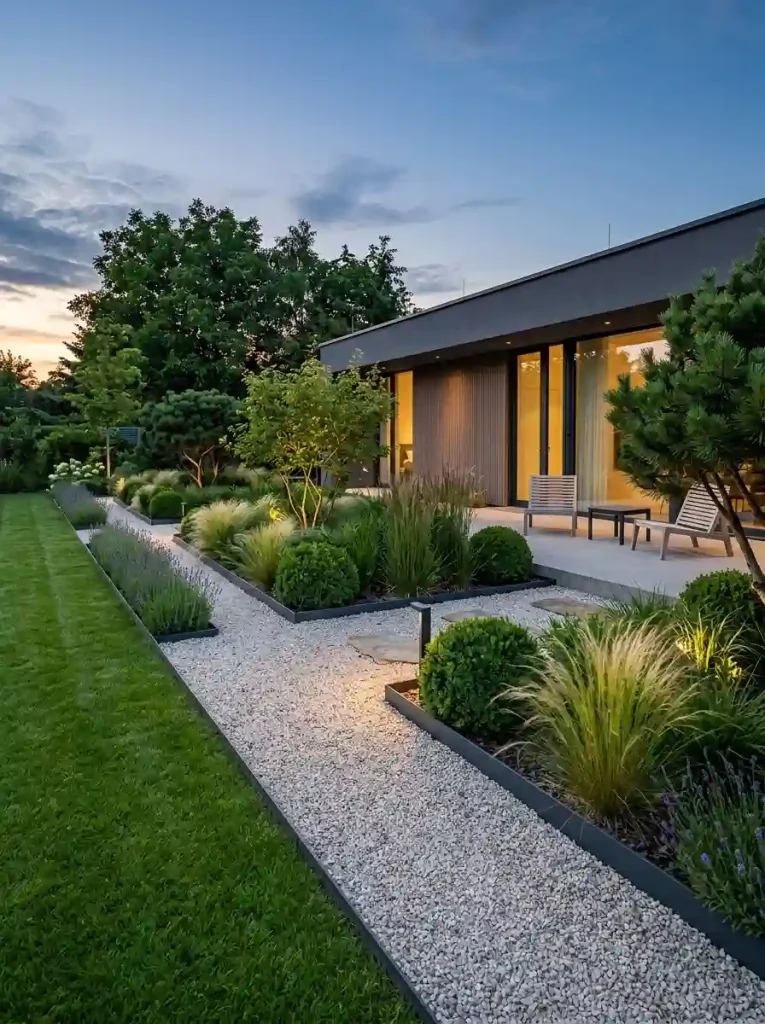
If you prefer clean lines and contemporary landscaping, metal edging can create an exceptionally crisp boundary. Its slim profile keeps the focus on plants while giving lawns and flower beds a precise shape.
Dark metal works beautifully with ornamental grasses, architectural plants, gravel, and minimalist planting schemes. It can also be used to outline geometric beds or separate different ground materials.
The understated appearance makes metal particularly useful when you want the garden to look organized without adding a bulky border.
Expert Tip:
Use metal edging to emphasize curves as well as straight lines. Smooth, intentional curves can make a modern landscape feel softer without losing its structure.
5. River Rock and Gravel Combination
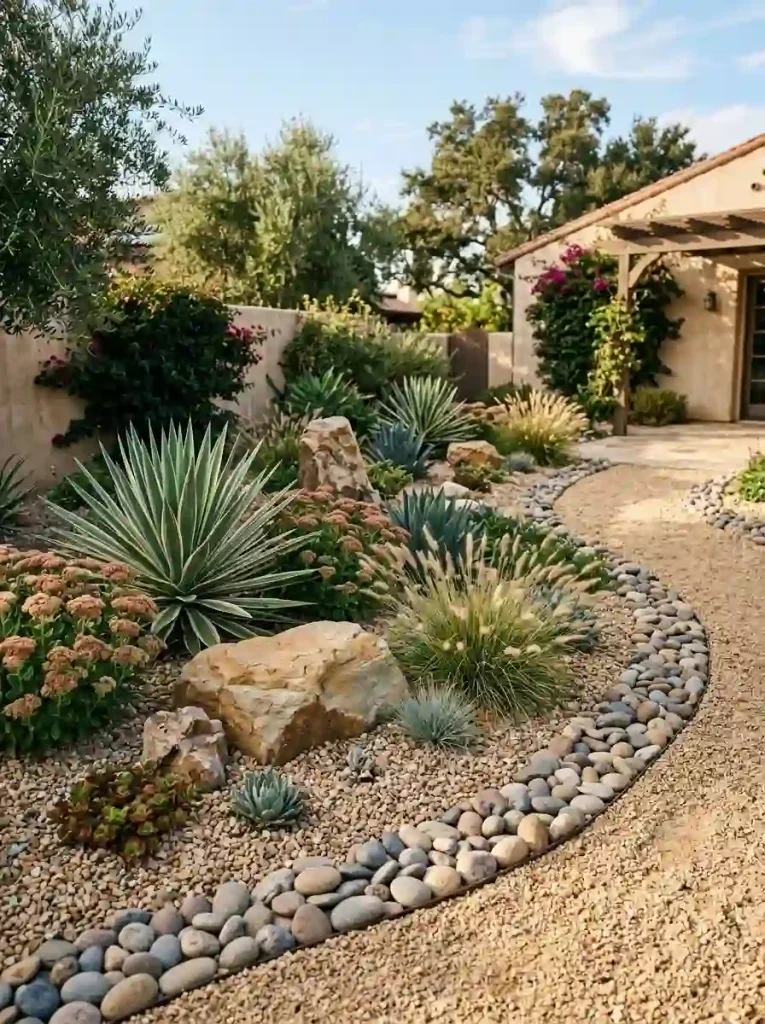
Combining smooth river rocks with smaller gravel creates a layered border that adds both texture and visual contrast. The larger stones establish the boundary while the gravel fills small spaces and creates a transition between hardscape and planting.
This approach looks especially attractive around drought-tolerant gardens, succulents, ornamental grasses, and naturalistic landscapes.
Because the materials come in many shades, you can select tones that complement your home’s exterior or existing patio and pathway materials.
Expert Tip:
Keep the rock border slightly lower than the lawn surface so mowing remains easier and loose stones are less likely to scatter into the grass.
6. Reclaimed Wood Plank Edging
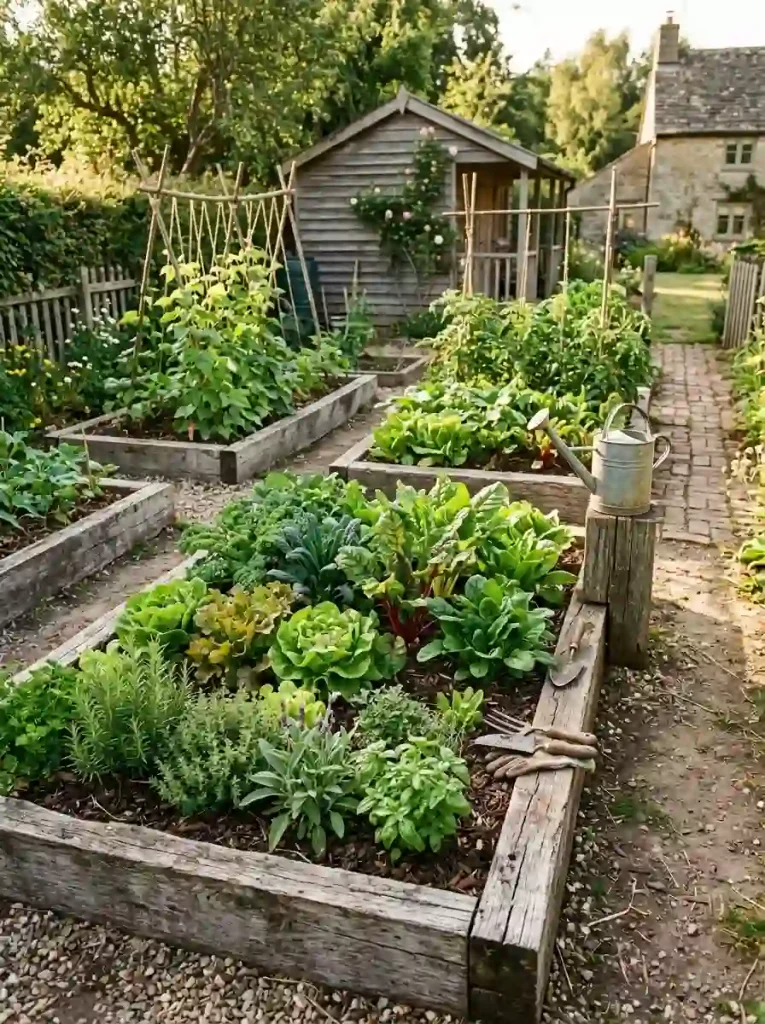
Old wooden boards can be transformed into a character-filled garden border instead of being thrown away. Reclaimed wood works particularly well when you want an inexpensive DIY edging solution with a slightly weathered appearance.
Use boards to create straight borders around vegetable plots, herb gardens, or rectangular flower beds. For additional character, preserve some natural imperfections rather than trying to make every piece look brand new.
The aged texture can make a new garden feel established almost immediately.
Expert Tip:
Make sure reclaimed wood has not been treated with substances that could be unsuitable for areas where you grow edible plants.
7. Living Edge With Creeping Groundcovers
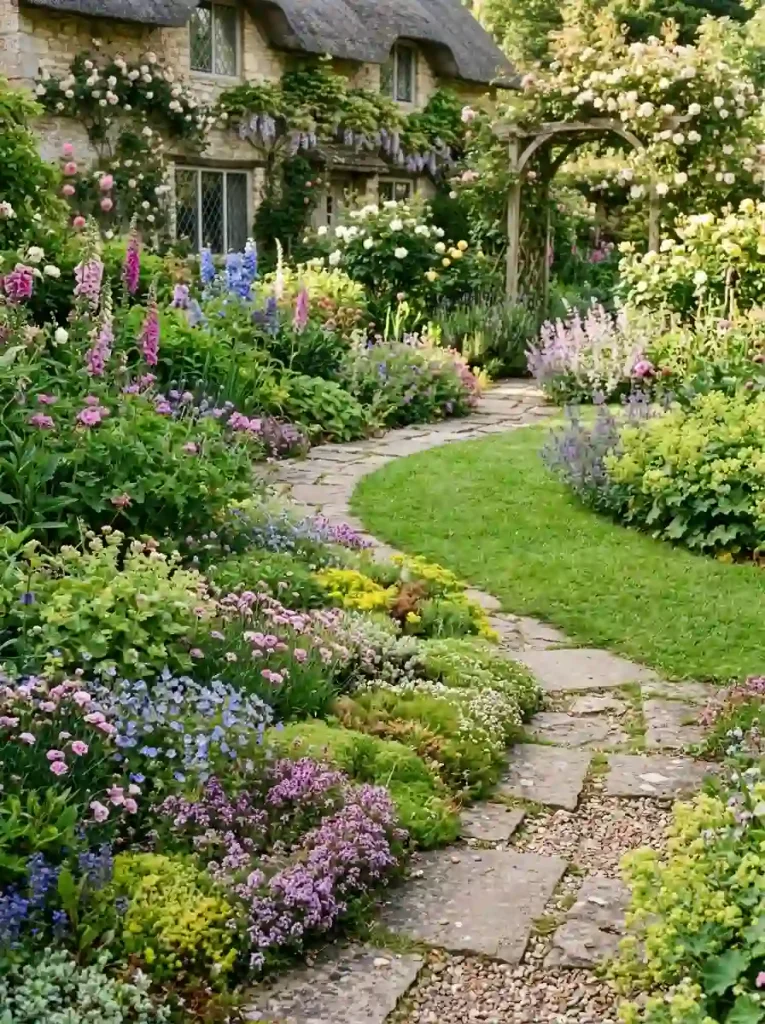
Why use a hard material when plants themselves can create the border? Low-growing groundcovers can soften the transition between a lawn, pathway, and flower bed while adding color and texture.
Choose compact plants that stay close to the ground rather than species that quickly invade nearby spaces. A living edge can look especially beautiful when tiny flowers appear among the foliage.
This idea suits cottage gardens, informal landscapes, and spaces where you want the boundary to feel natural rather than rigid.
Expert Tip:
Select groundcovers according to your sunlight, soil, and climate conditions, and leave enough space for them to spread without covering pathways.
8. Terracotta Pot Edging
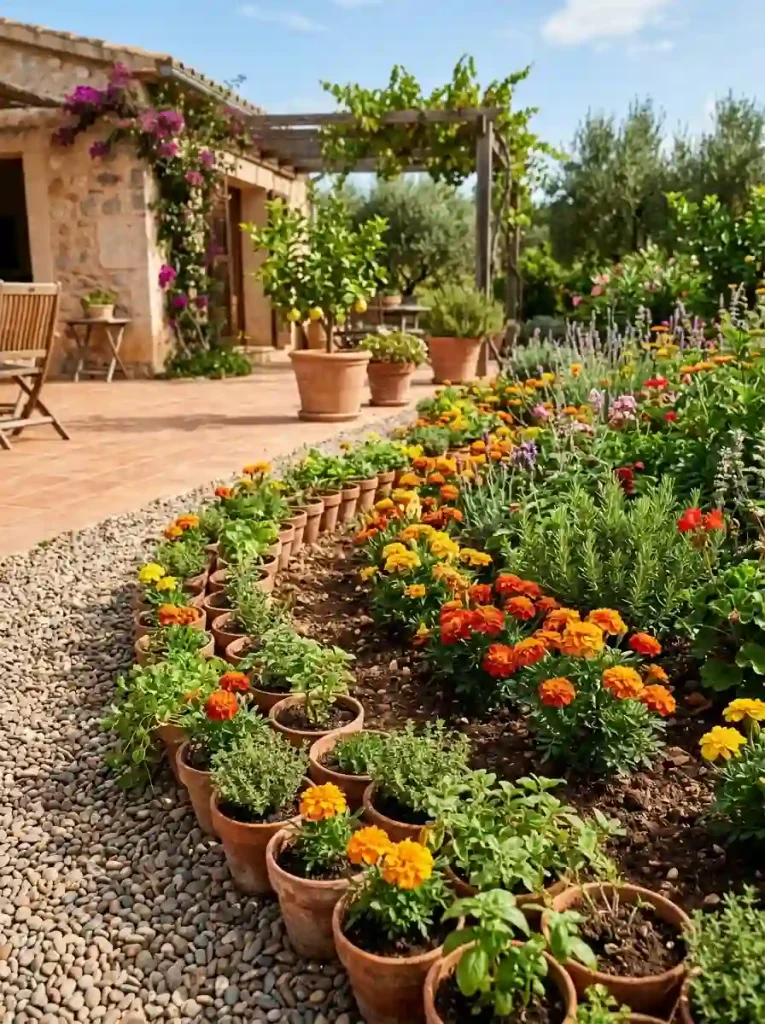
Small terracotta pots can create an unexpected and colorful garden border. Rather than using them only as individual containers, place matching pots closely along the edge of a flower bed for a repeated decorative pattern.
You can leave them empty, fill them with tiny plants, or partially bury them so only the upper portion remains visible. The warm clay tones look especially attractive beside green foliage.
This is a fun choice for Mediterranean-inspired gardens, patios, and creative backyard spaces.
Expert Tip:
Keep the pots consistent in size if you want a formal border, or deliberately mix shapes and sizes for a more relaxed handmade appearance.
9. Recycled Glass Bottle Border
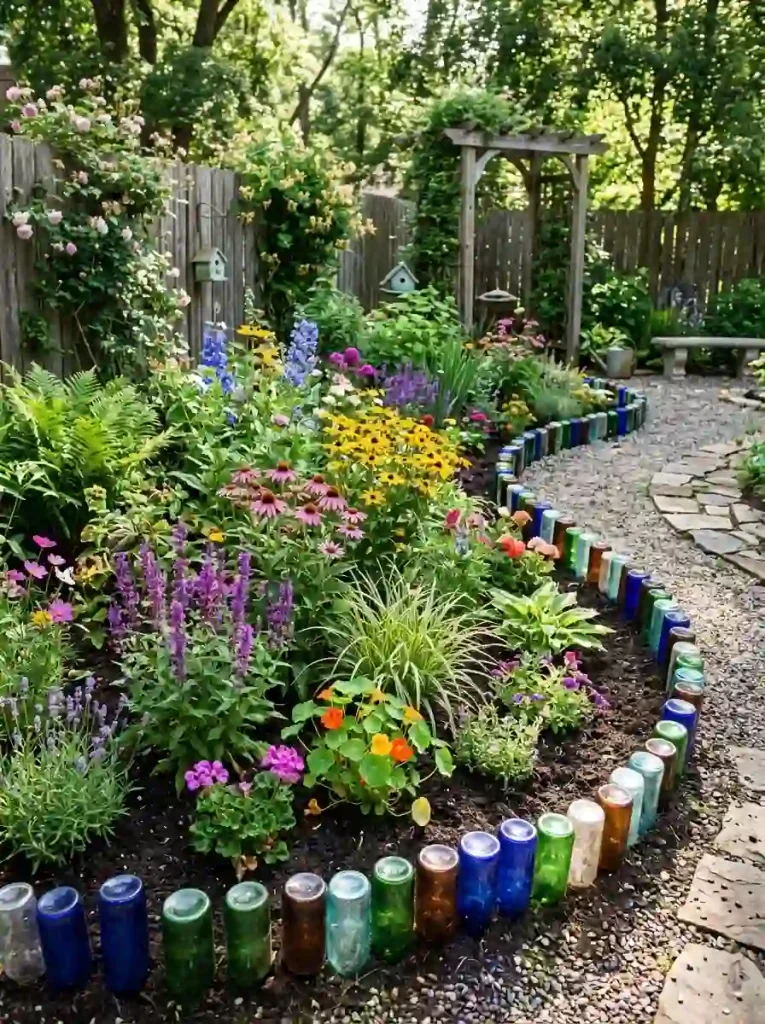
For a garden with a playful DIY personality, recycled glass bottles can become a distinctive edging material. Bottles can be partially buried with their bases or necks arranged consistently to create a repeating pattern.
Colored glass can catch sunlight and introduce subtle flashes of blue, green, amber, or clear highlights. This works especially well in creative gardens, art-inspired landscapes, and small backyard projects.
Make sure every bottle is intact and positioned securely to prevent sharp edges from becoming a safety issue.
Expert Tip:
Use thicker garden-safe glass pieces and bury them firmly. Avoid placing glass edging beside areas where children or pets regularly play.
10. Flat Paver Garden Borders
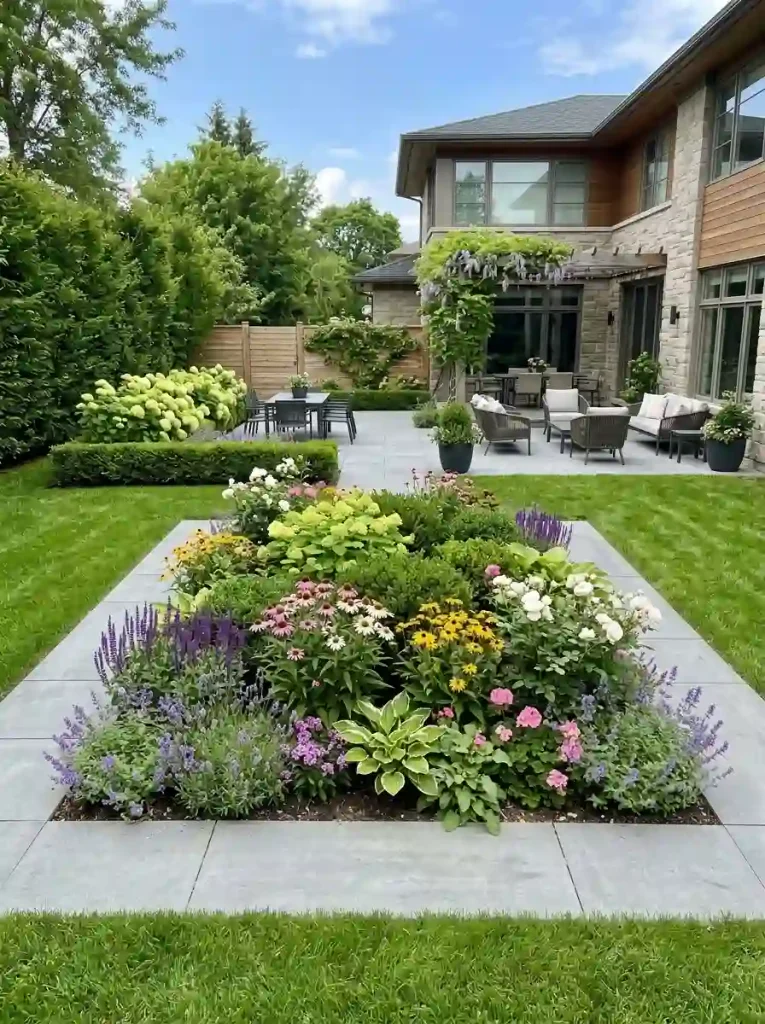
Flat pavers offer a neat transition between lawn and garden without visually overwhelming the plants. Their broad surfaces can also double as a practical mowing strip, making routine lawn maintenance easier.
Choose pavers that complement nearby patios, walkways, or retaining walls for a cohesive landscape. Rectangular pavers create a contemporary appearance, while irregular shapes can make the border feel more natural.
This is one of the most versatile options because it can work in both small and large gardens.
Expert Tip:
Keep the paver line level and slightly separated from dense planting. A small maintenance gap can make trimming and cleaning considerably easier.
11. Woven Willow Garden Edging
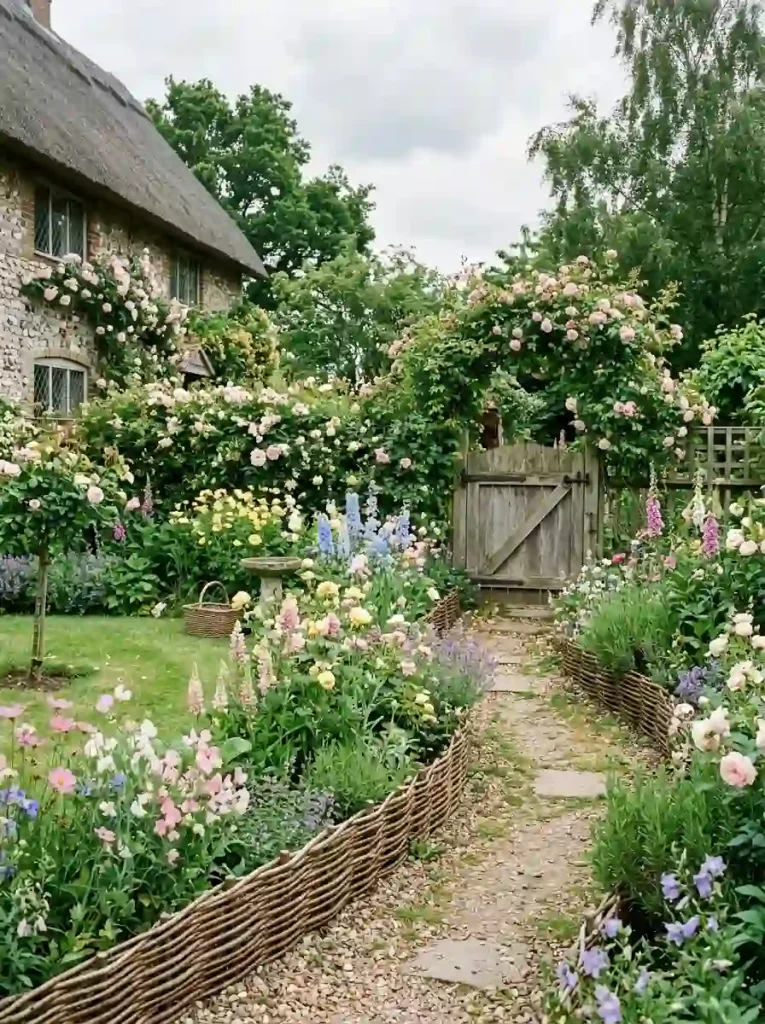
Woven willow edging brings a handcrafted, storybook quality to outdoor spaces. Thin flexible branches can be woven between short stakes to create a low fence-like boundary around flowers, herbs, or vegetable beds.
Its natural texture works beautifully with cottage gardens and informal landscapes. The woven pattern adds detail without requiring bright colors or elaborate decorations.
It can also visually separate a planting area while maintaining a soft, organic relationship with the surrounding garden.
Expert Tip:
Keep the woven structure low enough that it frames the plants rather than hiding them. Regularly check the edging for movement or deterioration.
12. Concrete Curb Edging With Rounded Corners
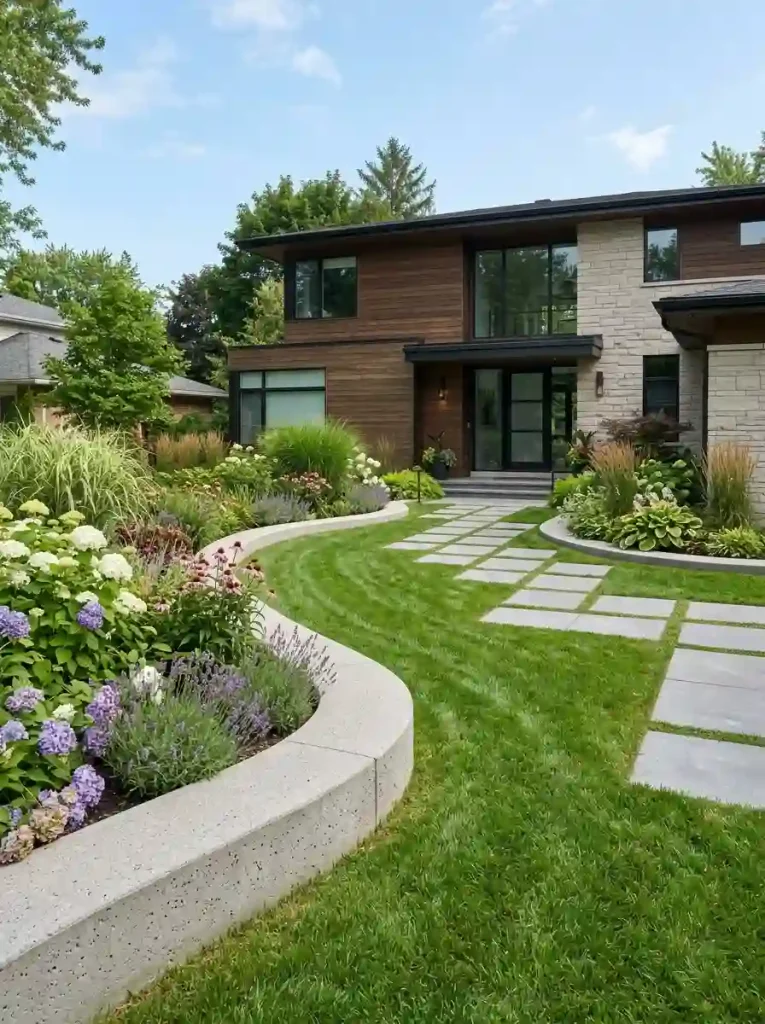
For homeowners who prefer a permanent, structured solution, a narrow concrete curb can provide a strong visual boundary. Instead of making it completely straight, consider rounded corners and flowing curves around planting beds.
Concrete can be finished in a natural gray tone or designed to complement the surrounding hardscape. Its clean surface contrasts nicely with dense greenery and colorful flowers.
This style is particularly useful for larger landscapes where you want the garden layout to remain visually consistent.
Expert Tip:
Plan the shape carefully before installation. Smooth curves are easier on the eye and can make a compact garden bed appear more spacious.
13. Slate Tile Edging
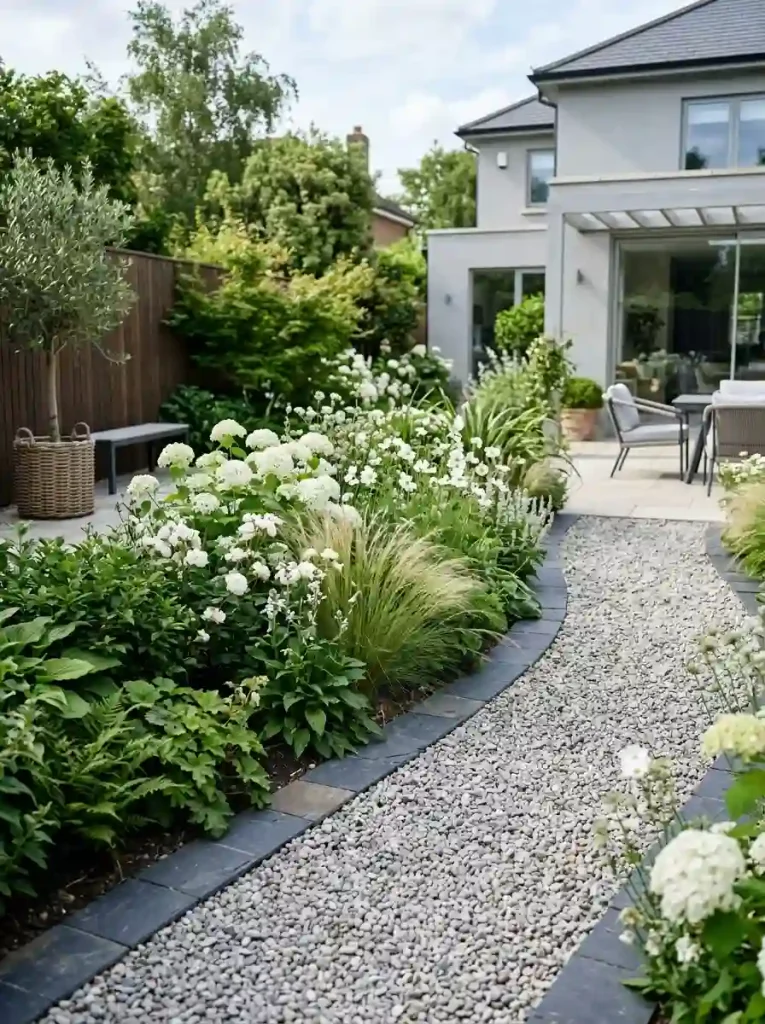
Slate tiles can give your garden a refined, layered appearance without making the border feel overly heavy. Their naturally varied surfaces and dark tones create an attractive contrast against bright flowers, green foliage, and pale gravel.
Place the tiles vertically for a defined architectural edge, or lay them flat to create a subtle transition between planting beds and pathways. This option works especially well in contemporary, Japanese-inspired, and modern rustic gardens.
Expert Tip:
Choose pieces with reasonably consistent thickness so the finished border looks intentional rather than uneven.
14. Half-Buried Stone Paver Edging
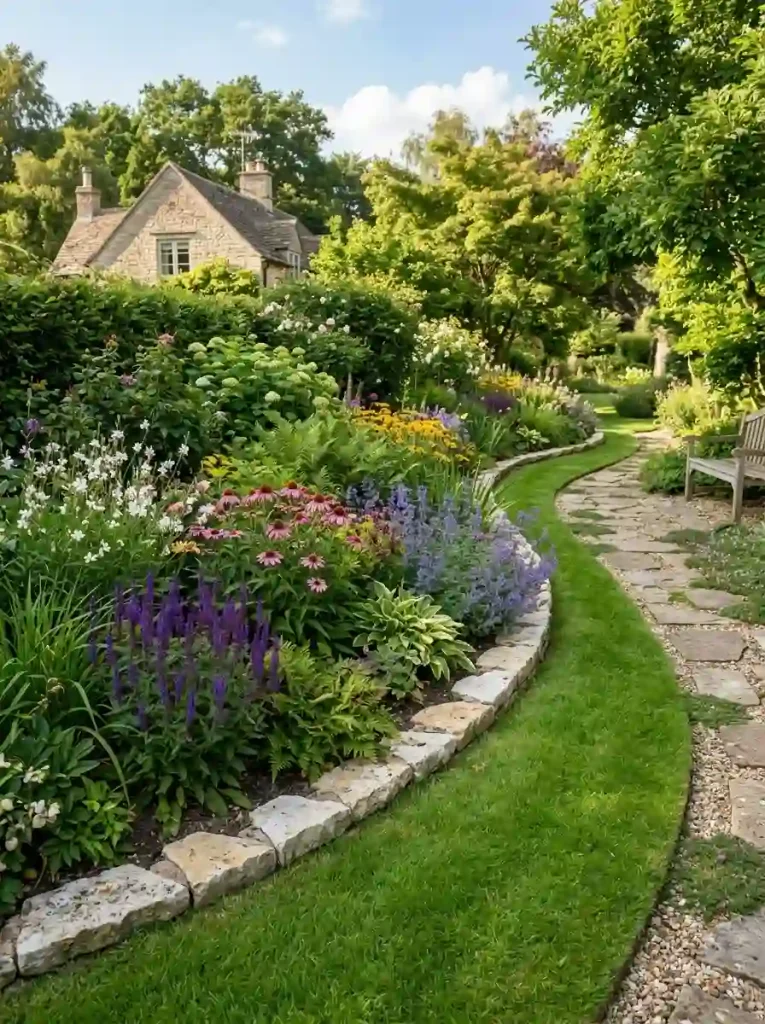
For a border that looks established rather than newly installed, partially burying pavers can create a seamless transition between the garden and lawn. Only a small portion of each piece needs to remain visible.
This technique is particularly useful when you want edging that does not dominate the planting design. Neutral pavers can quietly frame colorful flowers while helping define the shape of the bed.
It is also a practical choice for curved borders because individual pieces can follow gentle changes in direction.
Expert Tip:
Keep the exposed surface relatively low when the border sits beside frequently mowed grass. This reduces the chance of interfering with lawn equipment.
15. Bamboo Border for a Tropical Feel
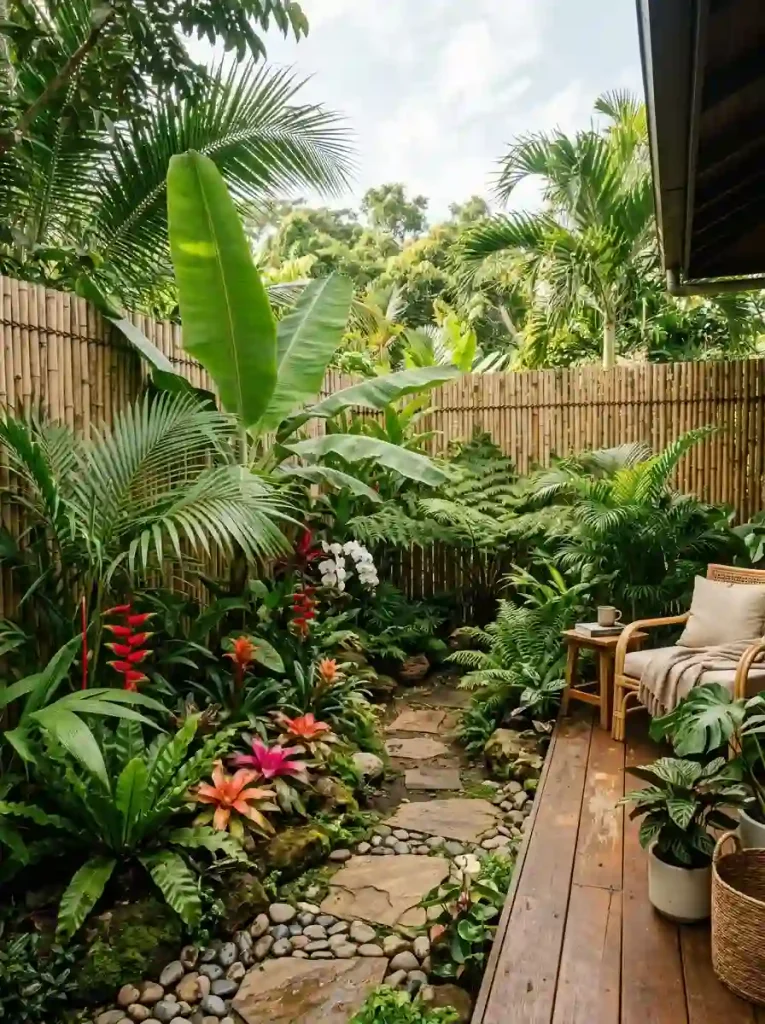
Bamboo edging can introduce warmth and a relaxed tropical character to outdoor spaces. Thin bamboo poles arranged horizontally or vertically can create a lightweight visual boundary around planting beds.
This style pairs naturally with palms, ferns, ornamental grasses, tropical foliage, and other lush plants. It can also work around a small patio garden where a softer material feels more appropriate than concrete or metal.
Use bamboo as a decorative boundary rather than assuming it will provide the same structural function as a substantial retaining edge.
Expert Tip:
Protect bamboo from prolonged moisture and choose durable outdoor material if the border will be exposed to frequent rain.
16. Layered Mulch Trench Edging
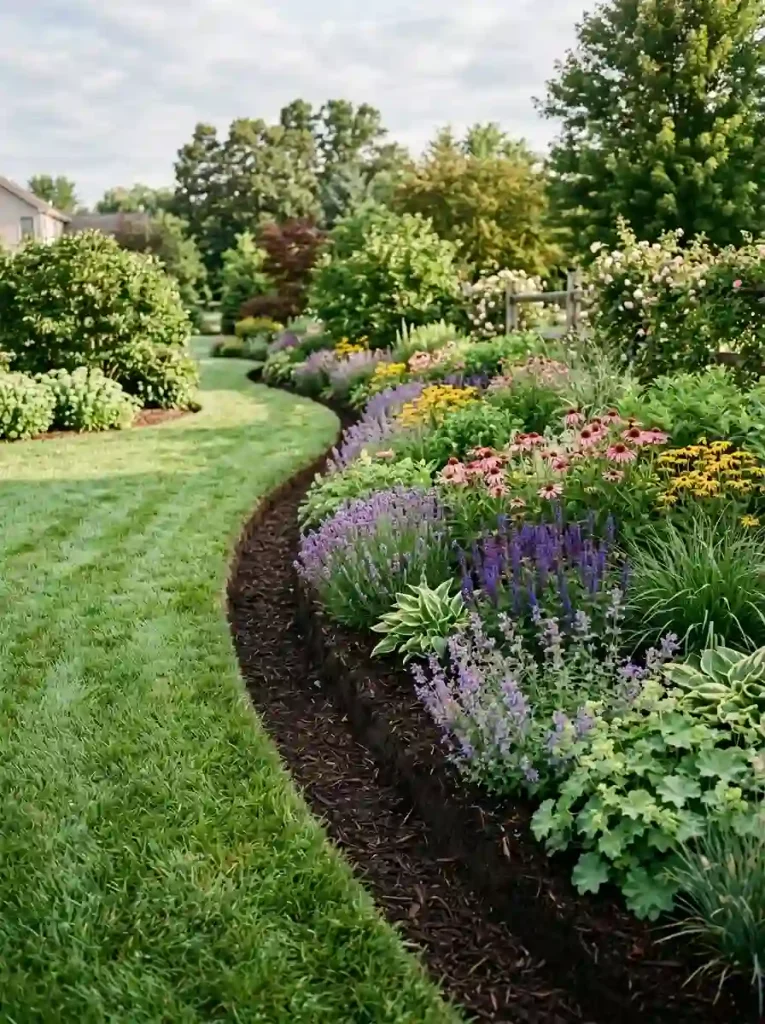
You do not always need a separate material to create an effective garden border. A carefully cut trench filled with contrasting mulch can form a simple, understated edge between lawn and planting.
The dark band of mulch creates visual separation while keeping the overall design natural. It is particularly effective around large informal beds where an elaborate border might look out of place.
This approach can also be adjusted easily when you decide to expand or reshape your garden.
Expert Tip:
Re-cut the trench periodically to maintain its crisp profile, especially during periods of rapid grass growth.
17. Stacked Pebble Edging
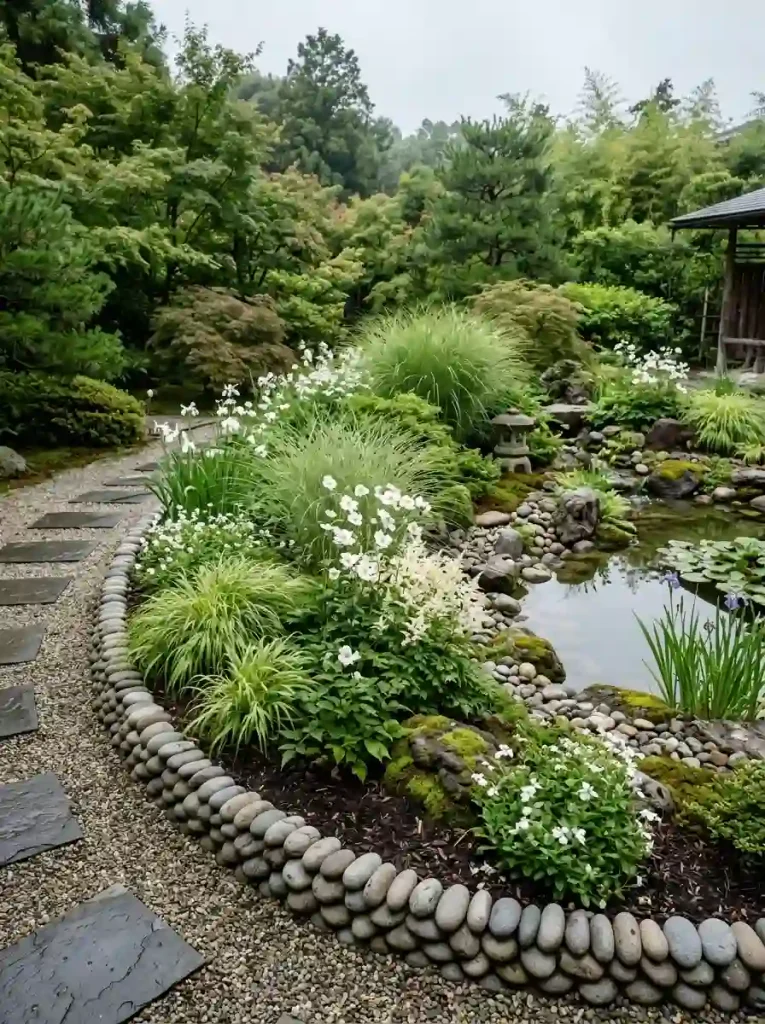
Small rounded pebbles can be arranged into a low stacked border for a soft, organic appearance. Rather than creating a perfectly straight wall, allow slight variations in the stones to preserve their natural character.
Pebble edging looks wonderful around water-inspired gardens, ornamental grasses, succulents, and curved planting beds. The rounded shapes create a softer visual effect than square pavers or bricks.
For added interest, combine several complementary stone shades instead of relying on one uniform color.
Expert Tip:
Use a stable base beneath the stones if you want the border to remain neatly positioned after heavy rain.
18. Low Hedge Garden Edging
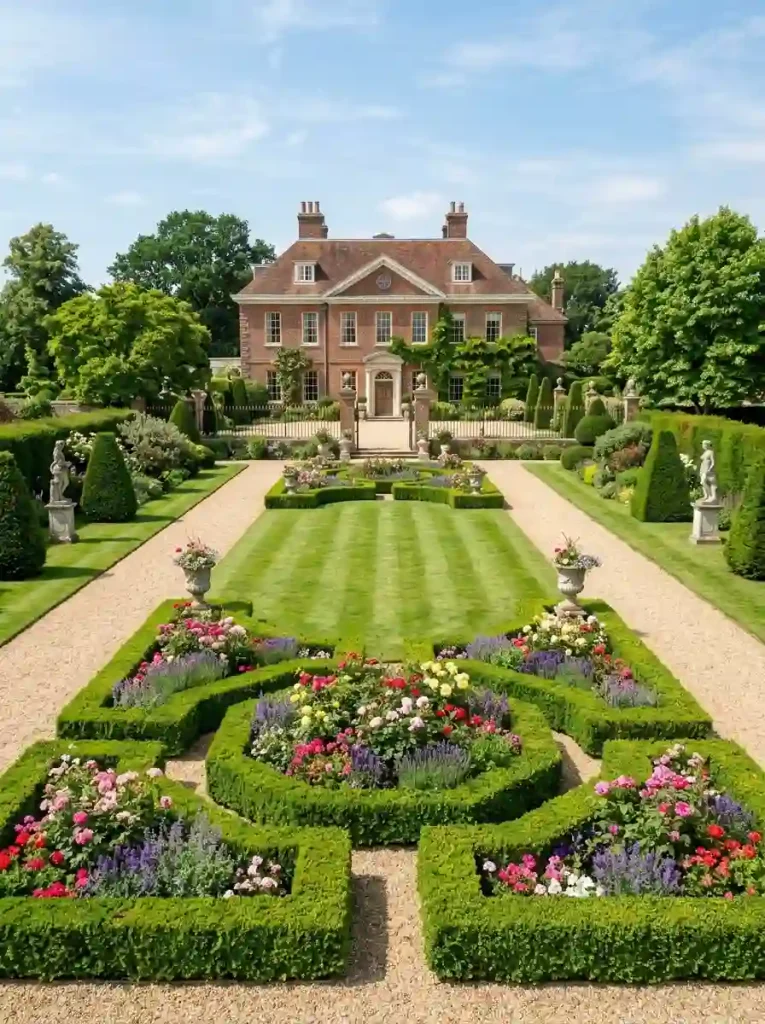
A miniature hedge can serve as a living architectural border while adding greenery throughout the year. Compact shrubs can outline flower beds, pathways, or formal vegetable gardens and provide a stronger sense of structure.
This approach works especially well in traditional landscapes where repeated shapes and clearly defined spaces are important. A low hedge can also make separate garden areas feel connected.
Choose plants that naturally remain manageable or respond well to regular trimming.
Expert Tip:
Consider the mature width and height of the plants before planting. Leaving enough room for growth prevents the hedge from quickly becoming crowded.
19. Recycled Ceramic Tile Border
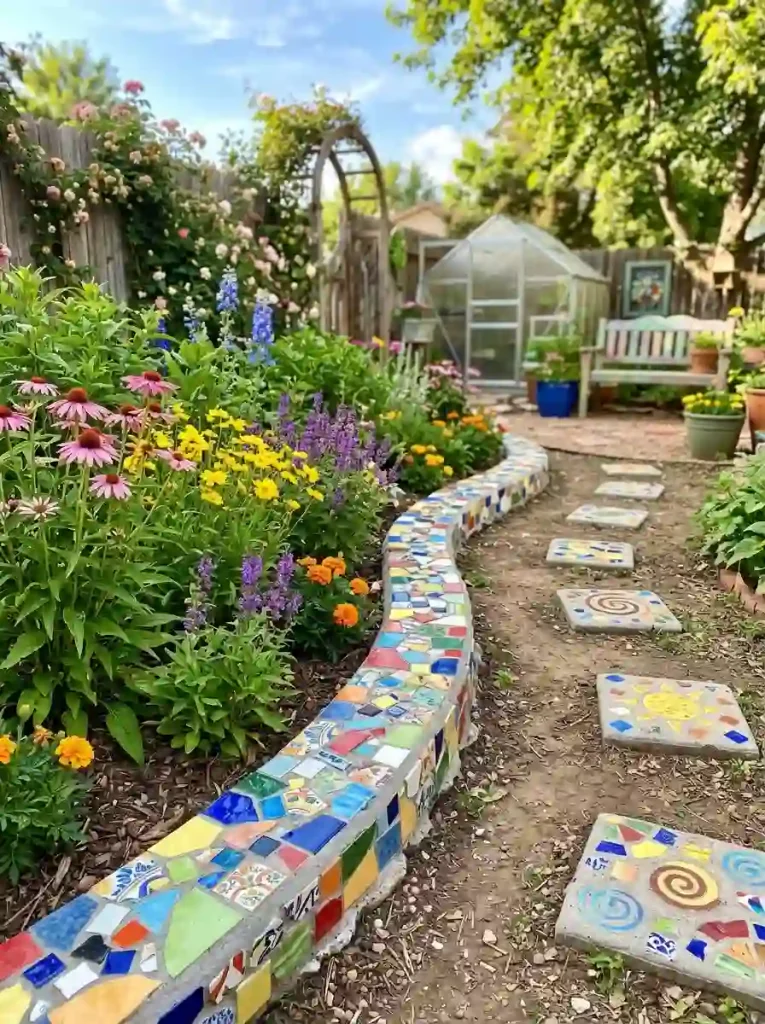
Broken or leftover ceramic tiles can become a colorful mosaic-style garden border. Instead of hiding mismatched pieces, use their differences to create a deliberately artistic edge around flower beds or small outdoor spaces.
Bright tiles can add personality to otherwise neutral gardens, while earthy ceramic pieces create a more subdued handcrafted look.
This is especially suitable for creative DIY gardeners who enjoy using leftover materials in unexpected ways.
Expert Tip:
Smooth or safely position sharp tile edges, particularly in gardens near seating areas, children’s spaces, or frequently used pathways.
20. Curved Rock-and-Plant Border
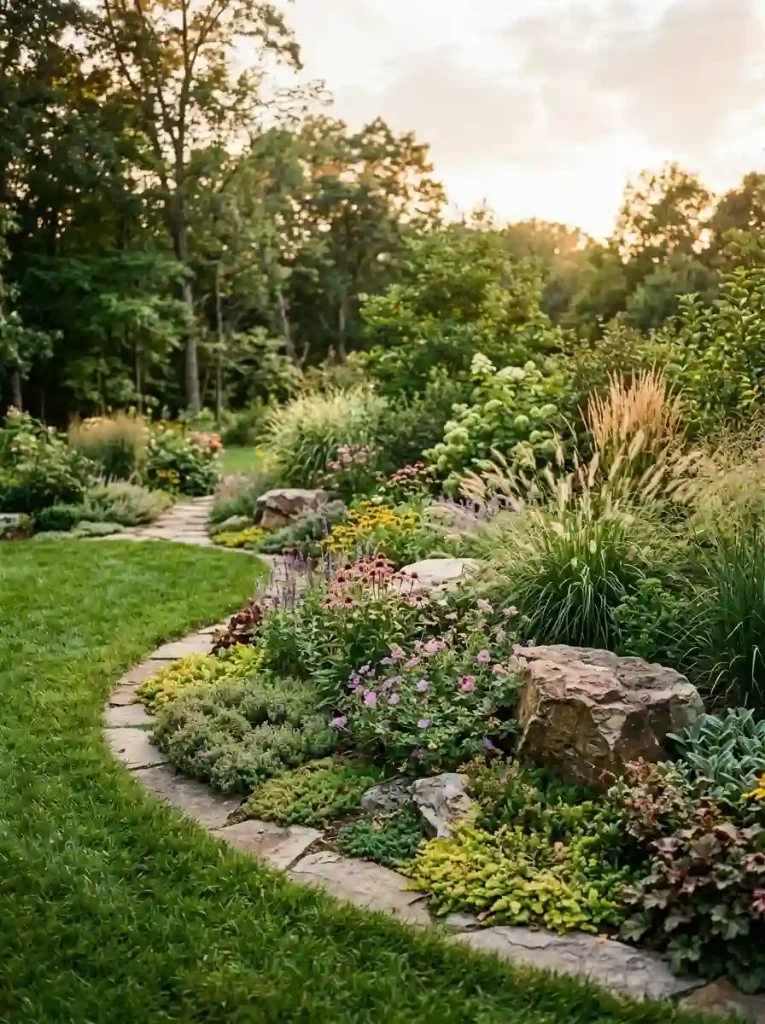
For a landscape that feels completely natural, combine strategically placed rocks with low-growing plants to create a flowing garden edge. Instead of treating the border as a strict barrier, make it part of the planting design.
Large feature stones can anchor the curves while smaller plants soften the spaces between them. This works beautifully in naturalistic yards, pollinator gardens, rock gardens, and low-maintenance landscapes.
The result feels less like a constructed boundary and more like a natural transition.
Expert Tip:
Repeat a few stone shapes or tones throughout the garden so the border feels connected to the rest of the landscape.
How to Choose the Right Garden Edging
The best garden edging is not necessarily the most expensive or decorative option. It should match the purpose of your garden, the style of your landscape, and the amount of maintenance you are comfortable doing.
For example, metal and stone can provide a durable, structured appearance, while timber and bamboo create a warmer rustic atmosphere. Living borders offer a softer appearance but require regular plant care.
Before choosing an edging material, consider these questions:
• What is the main purpose? Do you want decoration, grass control, mulch retention, or all three?
• What is your garden style? Modern gardens often suit metal or geometric pavers, while cottage landscapes work beautifully with stone, brick, or living plants.
• How much maintenance can you handle? Some living and loose-material borders require more regular attention.
• Will the garden change later? Permanent concrete or masonry edges are harder to relocate than simple trench or lightweight edging.
• Does the material complement your home? Repeating materials or colors from patios, paths, walls, or the home’s exterior can create a more cohesive landscape.
Tips for Installing Garden Edging
A beautiful edging idea can lose its appeal if the installation is rushed. Start by marking the desired boundary before purchasing materials. A garden hose or rope can help you experiment with curves and proportions before digging.
For hard edging, prepare a stable, level base appropriate to the material. Stone and paver borders generally perform better when properly supported rather than simply placed on loose soil.
Keep mowing and drainage in mind as well. A low or flush border can make lawn maintenance easier, while raised edging can help keep soil and mulch contained. On sloped or frequently wet areas, consider how water will move through the landscape before installing a solid barrier.
How to Make Garden Edging Look More Expensive
You do not need premium materials to make a garden border look professionally designed. Consistency is often more important than cost.
Choose one dominant material and repeat it strategically. For example, the same stone used around a flower bed could also appear beside a pathway. Keep the border’s scale appropriate to the garden—oversized materials can overwhelm a small planting area, while tiny edging can disappear in a large yard.
Planting is equally important. A simple border surrounded by thoughtfully arranged foliage, flowers, and mulch can look far more sophisticated than an expensive material surrounded by overcrowded plants.
Garden Edging Ideas for Small Yards
Small gardens benefit from edging that defines space without making the landscape feel crowded.
Slim metal strips, narrow pavers, low stone borders, or living groundcovers are excellent choices when space is limited. Curved edges can also help a compact garden feel less rigid and create the impression of a more flowing layout.
Avoid extremely tall or bulky borders unless they serve a specific structural purpose. In a small yard, the plants should usually remain the visual focus.
Garden Edging Ideas on a Budget
If you’re working with a limited budget, start with materials that are already available or easy to reuse.
A simple trench edge is one of the most economical approaches because it requires no decorative material. Reclaimed bricks, leftover pavers, suitable fallen branches, reused ceramic pieces, and locally sourced stones can also create attractive borders.
The goal is not to make every section identical. Instead, choose materials that look intentional and complement the existing garden.
Final Thoughts
Garden edging may be a small part of landscape design, but it can have a surprisingly large visual impact. The right border can separate lawn from flowers, contain mulch, emphasize planting shapes, simplify maintenance, and make an ordinary garden feel much more finished.
From natural stone and brick to bamboo, slate, living plants, recycled materials, and simple mulch trenches, there are plenty of ways to create a border that fits your outdoor space.
The best choice is the one that balances appearance, durability, maintenance, budget, and the overall character of your landscape. Start with the function you need, then choose a material and design that makes your garden feel cohesive.
With thoughtful edging, even a modest backyard can have cleaner lines, stronger definition, and a more polished landscape design.