
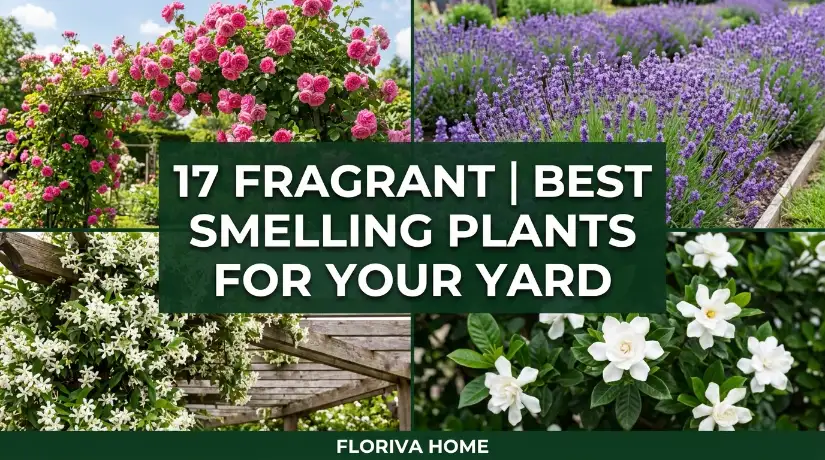
17 Fragrant Best-Smelling Plants for Your Yard
A fragrant yard can feel different when flowers and foliage release their scents as you walk past. From jasmine climbing a fence to lavender lining a sunny path, scented plants add beauty, character, and a sensory layer that photos cannot capture. These best-smelling plants for a yard can attract pollinators, soften spaces, and make evenings more inviting.
Whether your garden is compact or spacious, there is a fragrant favorite worth growing. Explore these ideas for inspiration, placement tips, and ways to enjoy their natural perfume.
How can I make my yard smell good naturally?
Grow fragrant plants in places where you regularly walk, sit, or relax. Combine plants with different blooming seasons, such as lilac in spring, roses in summer, and night-blooming jasmine for evening fragrance. Good sunlight, suitable soil, proper watering, and regular pruning will also help plants stay healthy and fragrant.
1. Rose
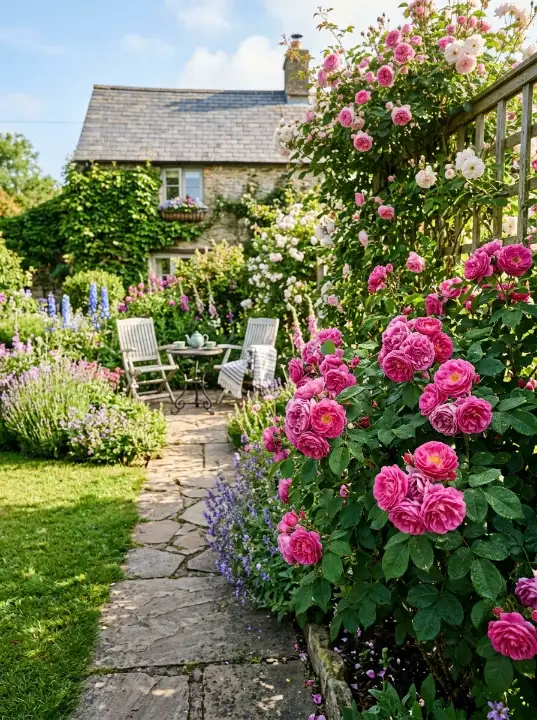
Roses bring timeless beauty and a familiar fragrance to sunny garden spaces. Choose a strongly scented variety rather than relying on flower color alone. Shrub and climbing roses can both work beautifully, especially near paths, patios, or windows where their perfume is easiest to notice.
Give roses fertile, well-drained soil, regular watering, and plenty of sunlight for dependable flowering. Deadheading spent blooms encourages many varieties to keep producing flowers. A fragrant rose bush can become a natural focal point, while climbing types add scent and vertical interest to fences or trellises.
2. Jasmine
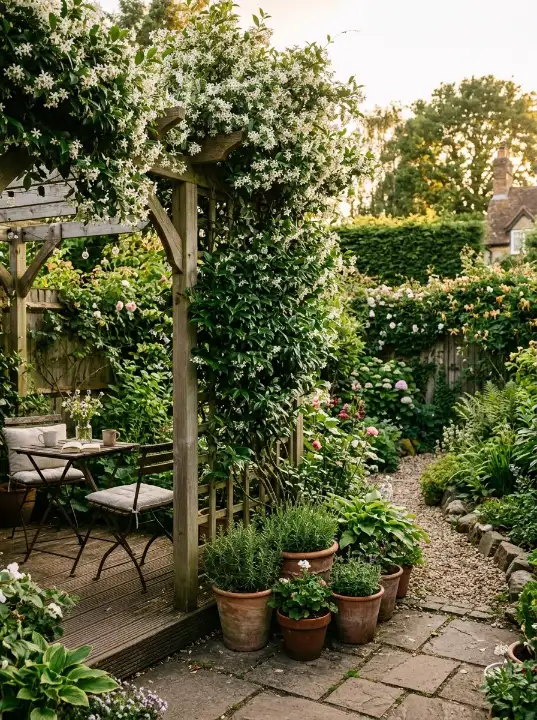
Jasmine is a favorite when the goal is intense fragrance from a relatively small planting area. Its delicate white flowers stand out against green foliage, releasing a sweet scent that becomes especially noticeable during warm evenings. Let jasmine climb a trellis beside a patio for an inviting retreat.
Most jasmine varieties prefer warmth, sunlight, and soil that drains well, although requirements vary by species. Provide sturdy support as vines grow, and trim lightly after flowering to maintain shape. In suitable climates, jasmine can transform a plain fence or garden wall into a beautifully scented display.
3. Lavender
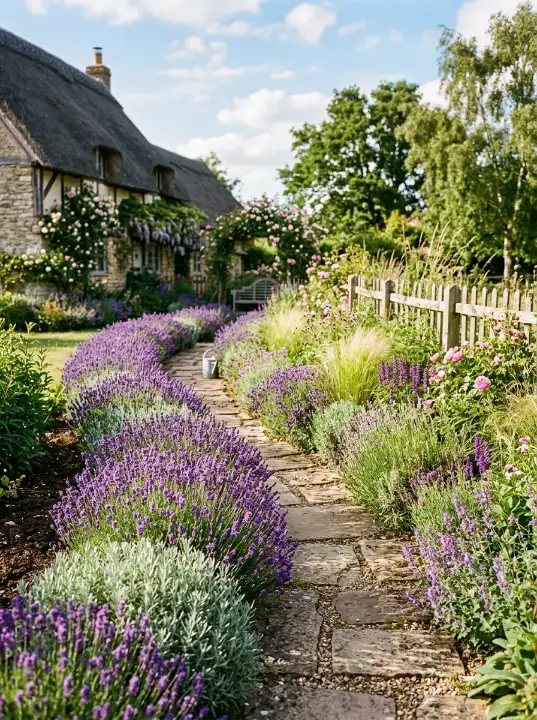
Lavender combines silvery foliage, purple flower spikes, and a clean herbal fragrance that suits relaxed, low-maintenance yards. Plant it along sunny pathways where brushing past the stems releases more aroma. Its compact shape also makes lavender useful for edging, rock gardens, borders, and cottage-inspired landscapes.
Choose a sunny location with excellent drainage, especially if your soil tends to stay damp. Water establishes plants moderately and avoids heavy feeding, which can encourage floppy growth. English lavender is particularly popular for fragrant gardens, while other types offer different flower forms, bloom timing, and climate tolerance.
4. Honeysuckle
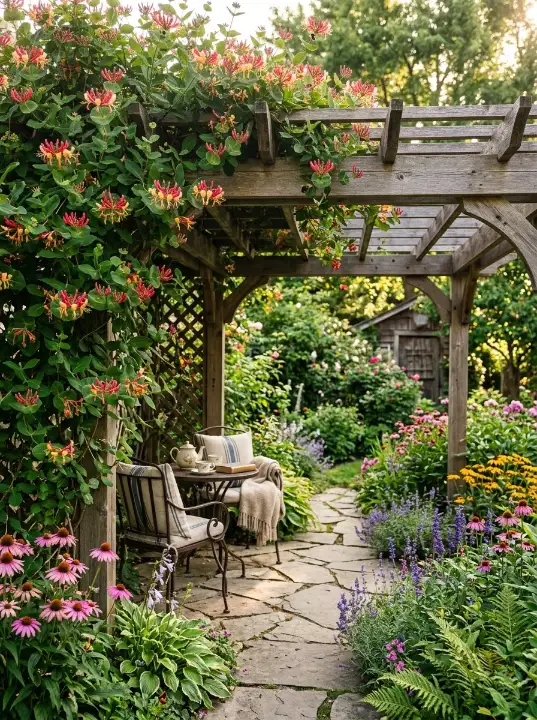
Honeysuckle can fill a garden with a warm, sweet fragrance while adding lush vertical growth. Its tubular flowers bring color and seasonal interest to fences, pergolas, and trellises. Choose a suitable garden variety for your region, then give the vine enough room to develop without overwhelming plants.
Honeysuckle generally appreciates sunlight to partial shade and consistent moisture during establishment. Pruning helps keep vigorous growth manageable and encourages a tidy shape. Because its flowers are attractive to pollinators, this fragrant vine can bring more movement and life to a backyard while creating a romantic garden atmosphere.
5. Gardenia
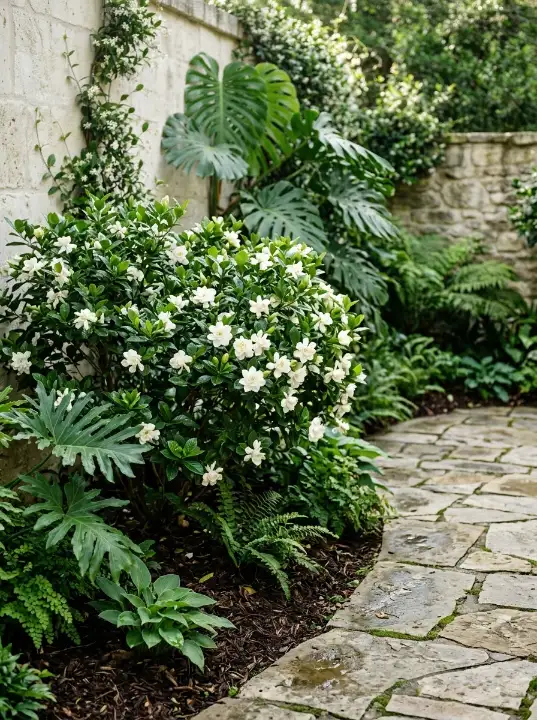
Gardenia is prized for glossy evergreen leaves and creamy white flowers with a rich, unmistakable perfume. Near a seating area, its fragrance can become one of the most memorable parts of the garden. The polished foliage also gives patios, entryways, and sheltered borders a lush appearance.
Gardenias prefer warmth, humidity, acidic well-drained soil, and bright light with protection from harsh afternoon conditions. They can be demanding, but the reward is exceptional fragrance during bloom. Keep watering consistent and avoid letting roots remain soggy, particularly when growing gardenias in containers or compact beds.
6. Lilac
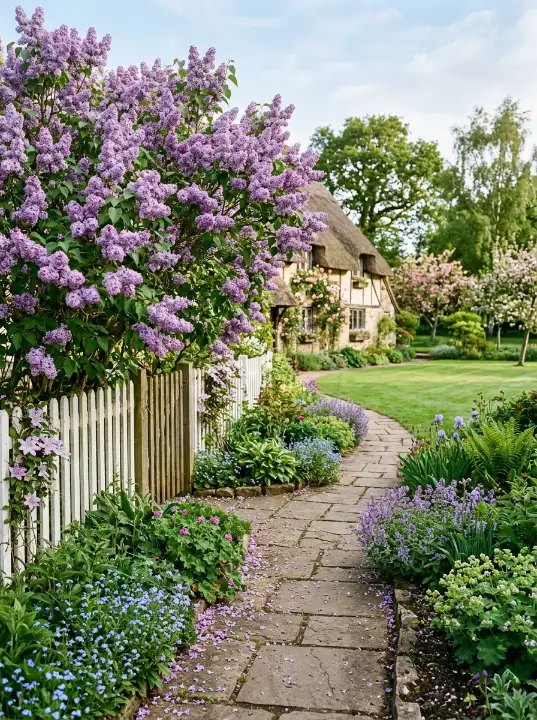
Lilac shrubs announce spring with clusters of tiny flowers and a classic sweet fragrance. Their blooms look especially charming against simple lawns, cottage borders, or old-fashioned garden paths. Planting lilacs where you can easily walk past them lets you enjoy both their colorful flower clusters and scent.
Lilacs perform best in full sun with fertile, well-drained soil and good air circulation. Many varieties bloom on older wood, so heavy pruning should happen soon after flowering. With enough room, a lilac shrub can become a generous spring focal point year after year.
7. Mock Orange
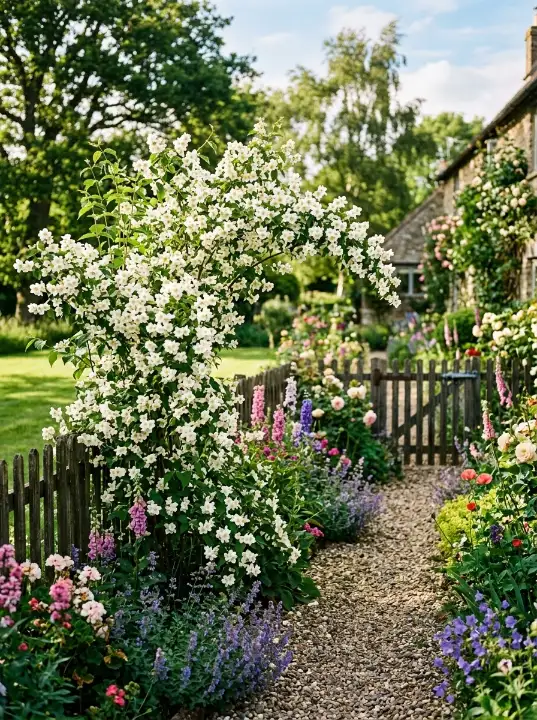
Mock orange earns its name from fragrant white flowers that resemble orange blossoms. When the shrub blooms, its sweet perfume can drift across a yard, making it especially enjoyable near seating areas and walkways. The simple flowers also pair naturally with cottage gardens, informal borders, and mixed plantings.
Give a mock orange full sun or light shade and soil that drains reasonably well. Prune after flowering because next season’s blooms develop on older growth. Once established, this shrub is easy to manage and offers strong spring fragrance without constant attention.
8. Rosemary
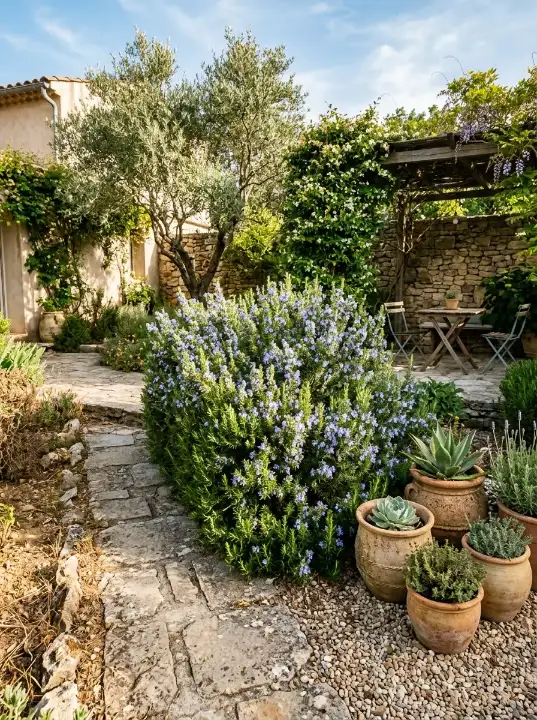
Rosemary may be better known as a culinary herb, but its needle-like foliage releases a fresh, resinous scent whenever touched. In a sunny yard, it works beautifully as a fragrant border, low hedge, or container plant. Its blue flowers add another layer of seasonal interest for gardeners.
Plant rosemary in full sun and sharply drained soil, especially in areas with humid or rainy conditions. Let the soil dry somewhat between waterings rather than keeping it constantly wet. Regular light trimming encourages bushier growth, while harvesting provides fresh kitchen sprigs.
9. Mint
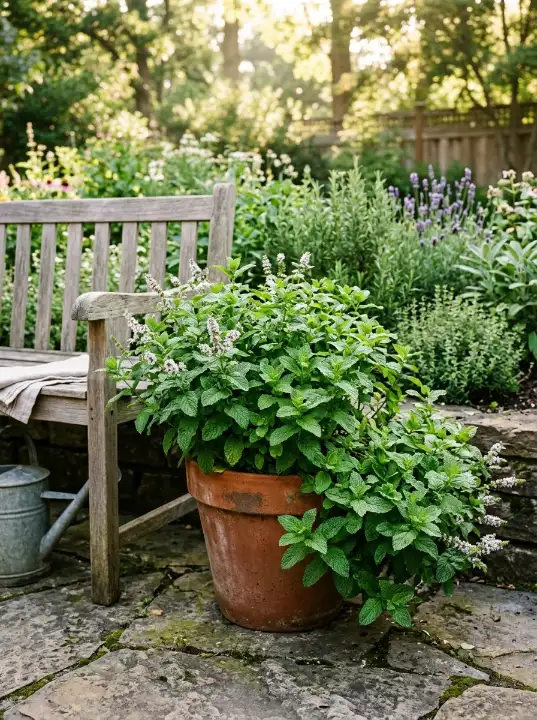
Mint offers a cool, refreshing fragrance that becomes stronger when leaves are brushed or crushed. It can bring a playful sensory element to a garden path or container display, with soft green foliage that looks fresh through much of the growing season.
Mint spreads aggressively in open ground, so containers are often the smarter choice for a tidy yard. Give it bright light, regular moisture, and occasional trimming to keep growth lush. Place pots near outdoor seating or steps, where the crisp fragrance is easy to enjoy without letting roots wander.
10. Sweet Alyssum
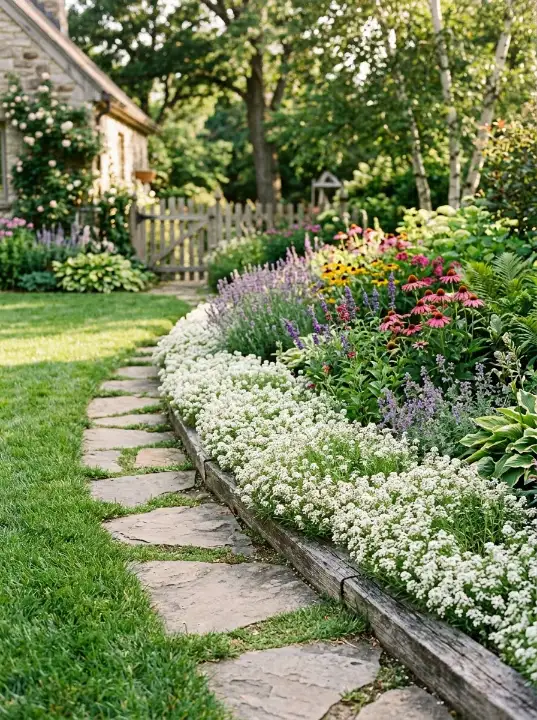
Sweet alyssum may be small, but its clusters of tiny flowers can produce a surprisingly pleasant honey-like fragrance. Use it along garden edges, between stepping stones, or spilling from containers. The low-growing habit creates a soft carpet of blooms that adds charm without competing with taller plants.
Alyssum prefers sun to partial shade and soil that drains well. Keep moisture fairly consistent while plants establish, especially during hot weather. It works wonderfully as a border plant or companion around larger shrubs, and its delicate flowers can help soften hard edges throughout a patio.
11. Plumeria

Plumeria brings tropical drama through thick branches, glossy leaves, and waxy flowers known for their sweet, exotic scent. In warm climates, plant it where afternoon light can highlight the blooms and fragrance. Its sculptural shape also makes a striking focal point beside pools, patios, or sunny lawns.
Plumeria needs warmth, strong sunlight, and sharply draining soil to thrive outdoors. Water during active growth, then reduce moisture during cooler dormant periods. In colder regions, grow it in a large container that can move indoors. Its distinctive flowers make a backyard feel instantly tropical and vacation-like.
12. Daphne
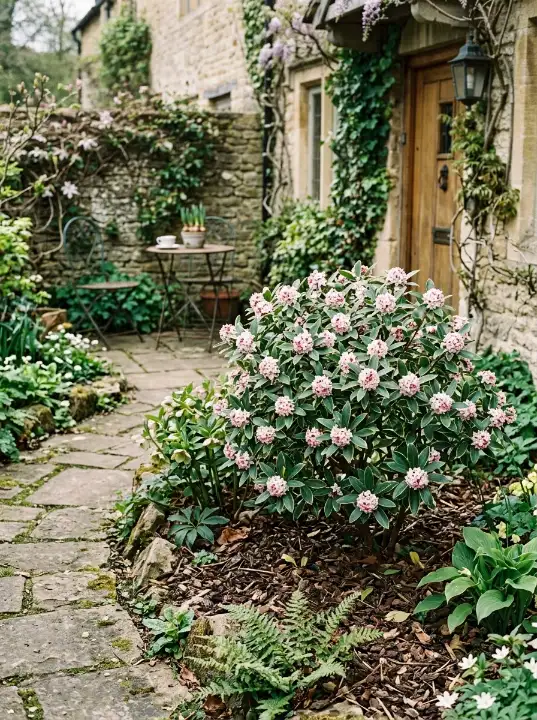
Daphne is a compact shrub valued for intensely fragrant flowers that appear before or around early spring growth. Because its perfume can be powerful, it works best near a doorway, path, or sitting area where you can appreciate it without needing a large planting.
Daphne prefers well-drained soil, gentle light conditions, and protection from extreme heat or drying winds, depending on the species. Avoid frequent disturbance around its roots, which can be sensitive. Choose the right variety for your climate, and give it a stable location where it remains undisturbed.
13. Osmanthus
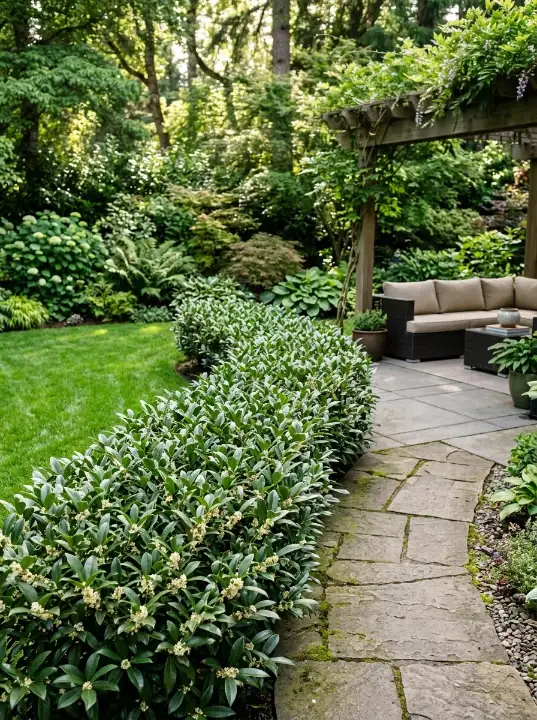
Osmanthus offers small flowers with a fragrance that can seem surprisingly strong despite their modest size. Evergreen foliage gives the shrub year-round structure, making it useful for privacy screens, hedges, and foundation planting. The scent is especially rewarding near entrances, where passing gardeners can catch it.
Provide osmanthus with well-drained soil and sun to partial shade, depending on the species and local climate. Established plants are generally adaptable, while regular pruning can maintain a compact hedge. For a yard that needs evergreen structure and seasonal fragrance, osmanthus offers a useful combination.
14. Sweet Pea
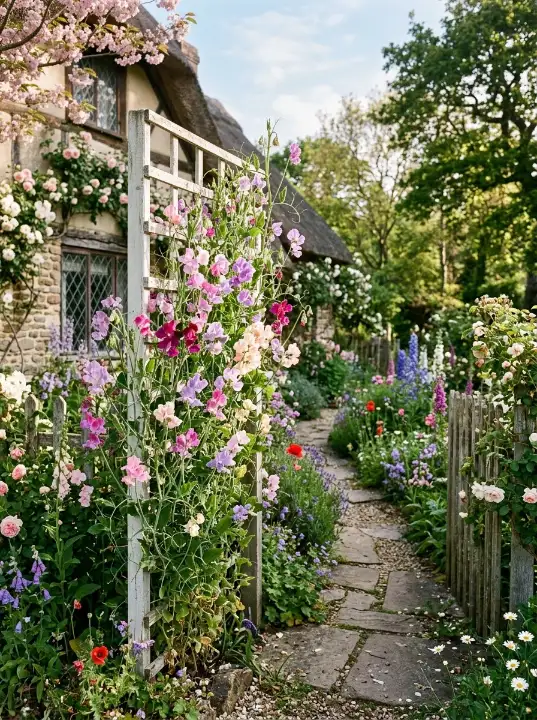
Sweet pea is a charming choice for gardeners who love delicate flowers and a nostalgic fragrance. Its climbing stems can decorate trellises, obelisks, or fences with colorful blooms. Place them near a pathway or sitting spot so their perfume becomes part of the experience.
Sweet peas prefer cool growing conditions, fertile soil, regular moisture, and a support structure for climbing. In warm climates, they are often best enjoyed during the cooler season. Keep harvesting flowers to encourage more blooms, and choose varieties suited to your region for the strongest performance.
15. Star Jasmine
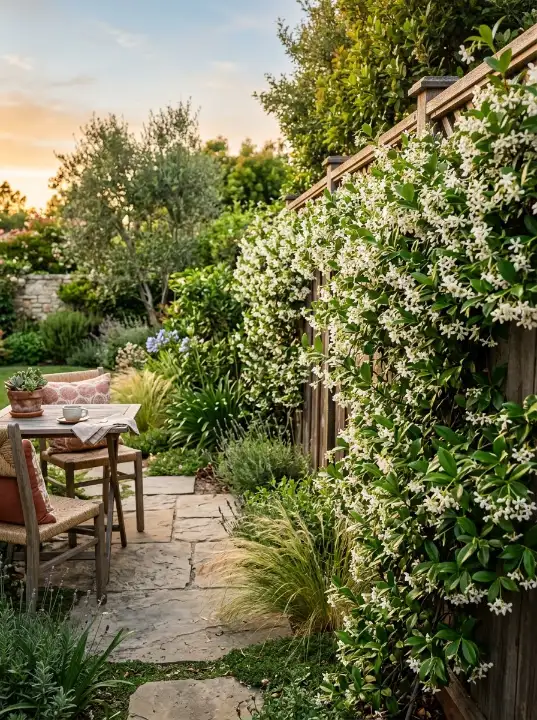
Star jasmine creates glossy evergreen coverage and clusters of white, pinwheel-shaped flowers with a rich sweet scent. Trained along a fence, wall, or pergola, it can turn an ordinary structure into a lush garden backdrop. The dense foliage also provides a polished look long after flowering.
Give star jasmine bright light, well-drained soil, and reliable moisture while it establishes. A support system helps guide young vines into the desired shape. It suits warm climates particularly well, and occasional pruning keeps growth neat. Near a patio, its flowers can make outdoor evenings more fragrant.
16. Hyacinth
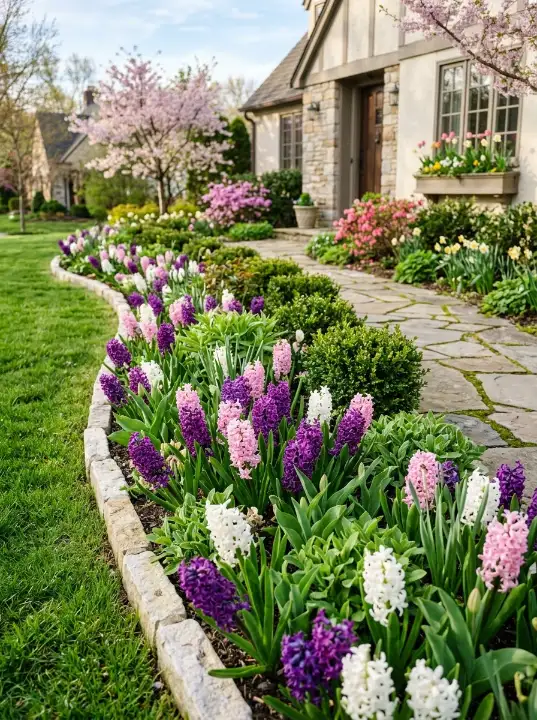
Hyacinths bring intense spring fragrance in a compact package, with dense flower spikes available in several rich colors. Plant groups near paths, doors, or raised beds so their perfume is easy to experience. Their tidy size makes them especially useful for small gardens that need seasonal scent.
Hyacinths grow from bulbs and generally prefer sunny or lightly shaded positions with well-drained soil. Plant bulbs in autumn where winters allow natural chilling, then let foliage remain after flowering so the bulbs can replenish energy. Grouping several together creates a more noticeable burst of spring color.
17. Night-Blooming Jasmine
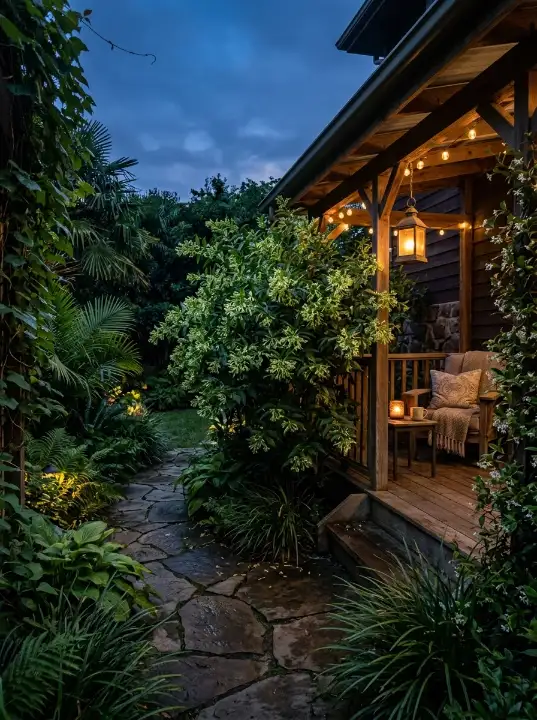
Night-blooming jasmine is famous for releasing a powerful fragrance after sunset, making it an intriguing choice for evening gardens. Its small greenish-white flowers are less showy than many daytime bloomers, but the scent can travel through warm air. Place it near a porch or outdoor dining area.
This tropical shrub prefers warm temperatures, bright light, and consistently moist but well-drained soil. In cooler regions, container growing makes seasonal protection easier. Keep its mature size in mind when choosing a location, and avoid placing it directly beside windows if strong nighttime fragrance may become overwhelming.
Conclusion
A fragrant yard is not only about filling beds with flowers; it is about choosing scents that fit the way you use your outdoor space. Place strong performers near patios and paths, softer fragrances around borders, and compact choices in containers or smaller beds.
Consider your climate, sunlight, soil, available room, and willingness to prune or water regularly. Whether you love roses, herbs, tropical blooms, or evening fragrance, the right scented plants can make garden moments feel more inviting, memorable, and wonderfully alive every day.