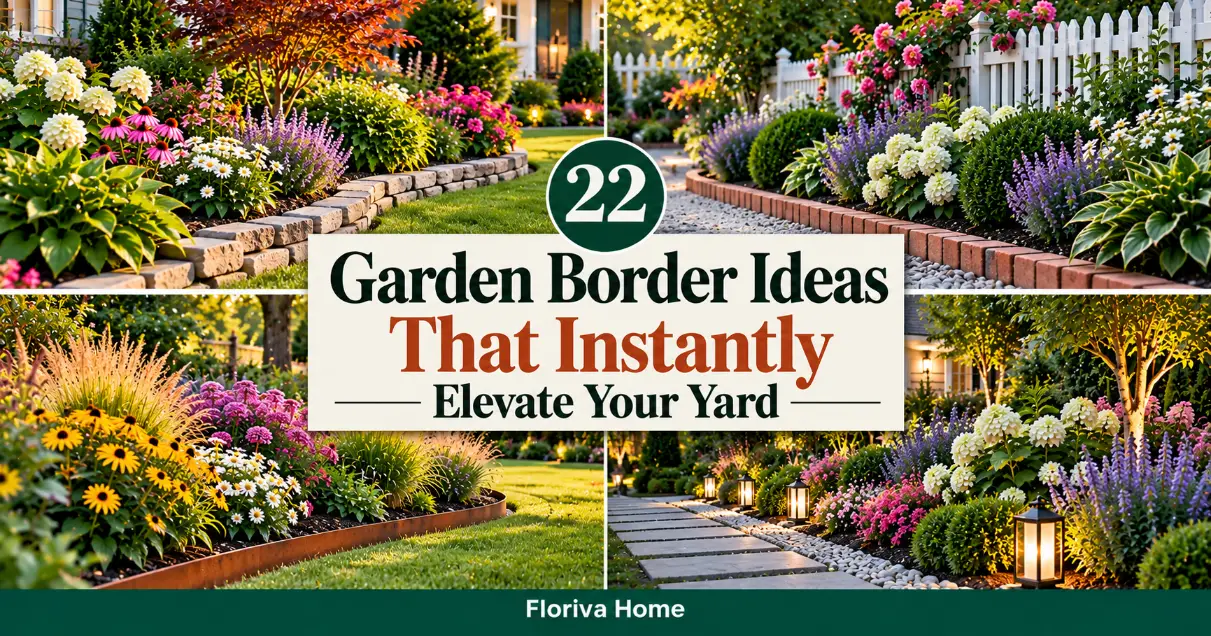
22 Garden Border Ideas That Instantly Elevate Your Yard
A good border does more than frame a lawn. It gives your yard shape, hides awkward corners, and makes the whole space look planned, even if you’ve been improvising for years.
These garden border ideas cover every style and budget, from romantic flower beds to clean modern lines. Each one includes a practical tip, so you can build it with confidence rather than guesswork.
Before You Start: Plan Your Border
Spend ten minutes on three questions before buying a single plant:
- How much sun does the spot get? Watch it at morning, noon, and late afternoon. Six or more hours of direct light counts as full sun.
- How deep should the bed be? Aim for at least 3 feet so you can layer plants. Deeper beds of 5 to 6 feet suit larger yards.
- How much upkeep do you want? Be honest. A wild cottage border and a clipped hedge border demand very different weekends.
Lay a garden hose along the planned edge and look at it from your windows and the street. Adjusting a hose costs nothing, but moving a dug bed costs a Saturday.
1. Sweeping Curved Bed Lines
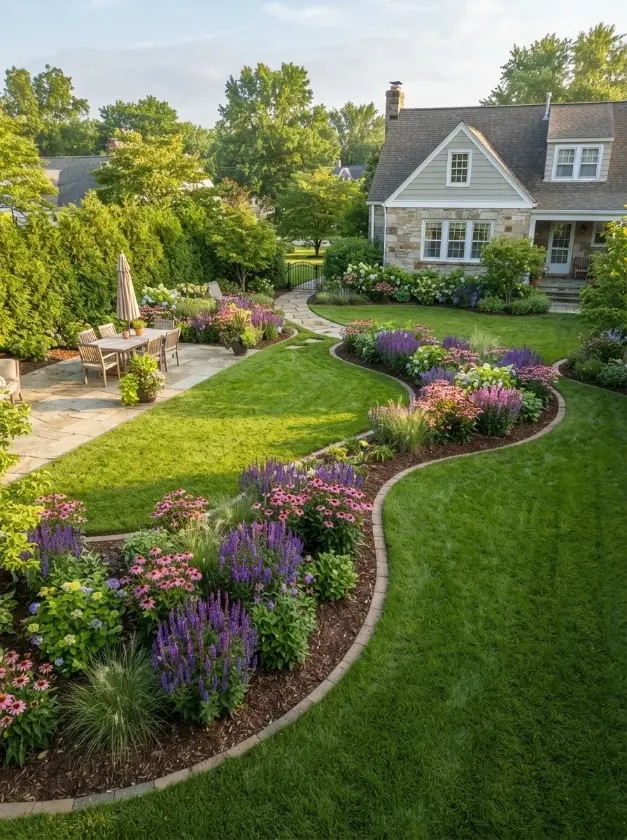
Gentle curves soften a yard’s hard angles and make small spaces feel larger. They also guide the eye along the garden instead of stopping at a fence. A curved bed also sits more naturally beside trees and patios, so the whole yard feels connected.
Tip:
Keep curves wide and flowing. Tight, wiggly edges look fussy and are harder to mow around.
2. Layered Planting by Height
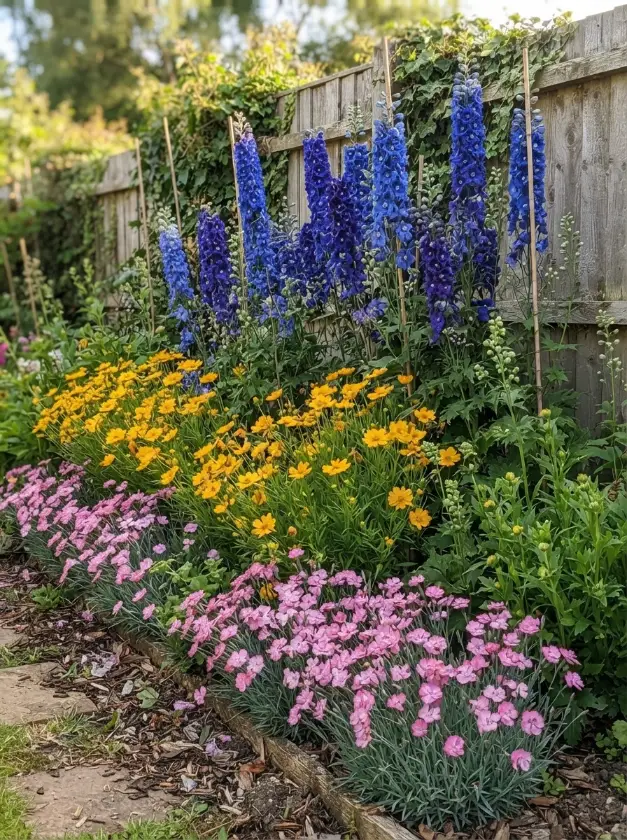
Tall plants at the back, medium in the middle, and low growers at the front create depth, so every plant gets seen. Think delphiniums or tall grasses behind, then daisies, then creeping thyme at the edge. This simple formula works in any style, and it makes even a narrow bed look full and deliberate.
Tip:
Odd-numbered groups of three or five look more natural than single plants dotted around.
3. Classic Low Brick Edging
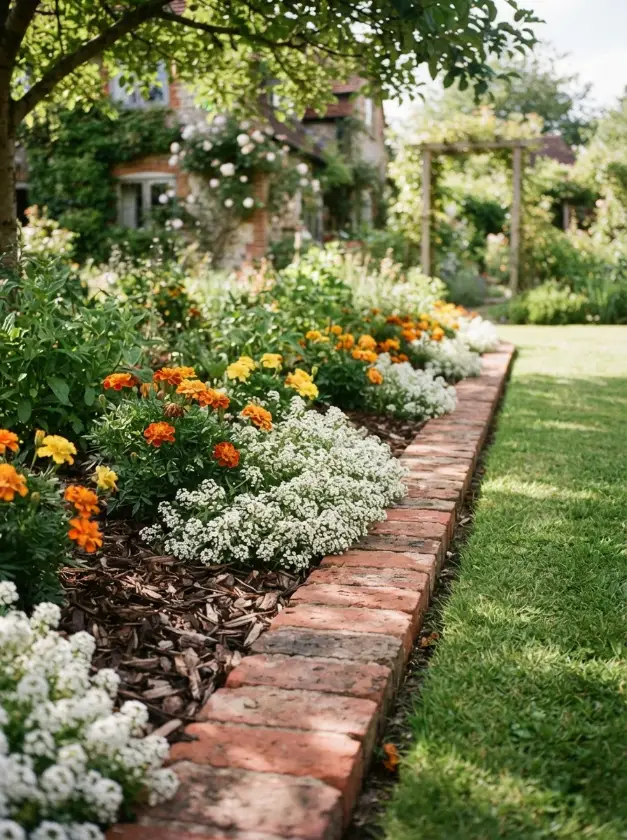
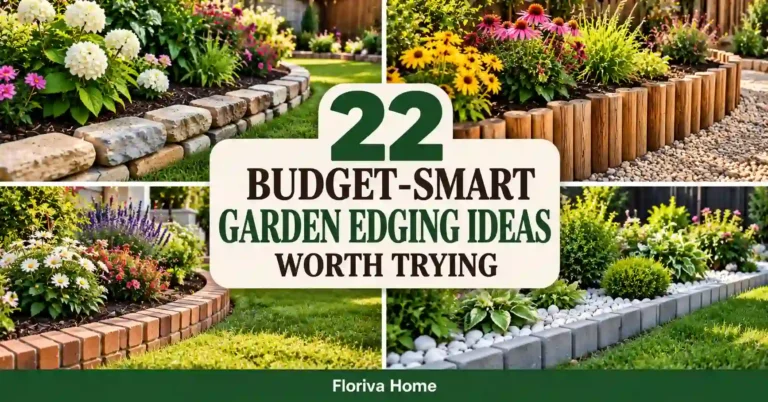
Reclaimed or fresh brick laid along a bed gives a clean, timeless boundary that suits both traditional and modern homes. It also keeps mulch in and grass out. Brick also comes in many shades, so you can match your house, your pavers, or your mood.
Tip:
Set bricks at a slight angle, or on end in a shallow trench, and tamp the soil firmly so they don’t shift after the first frost.
4. Natural Fieldstone Borders
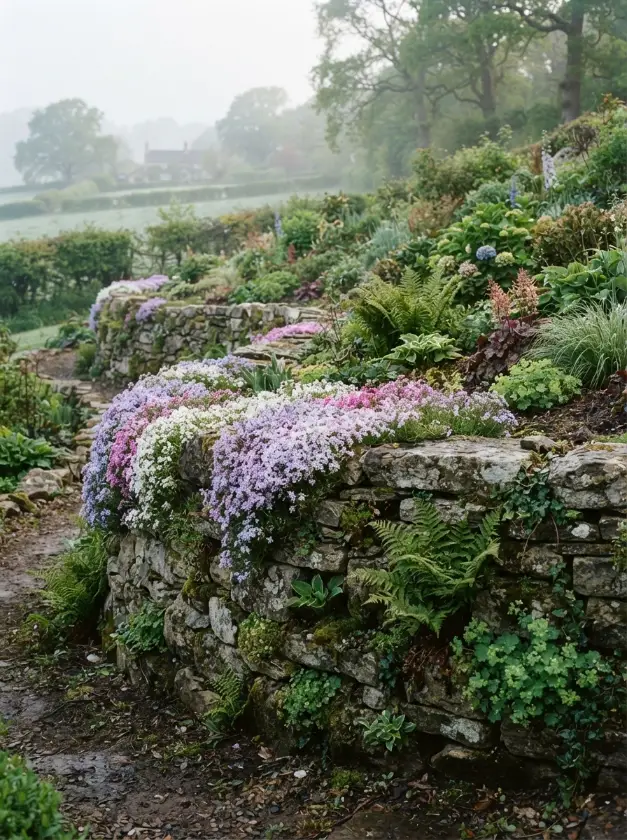
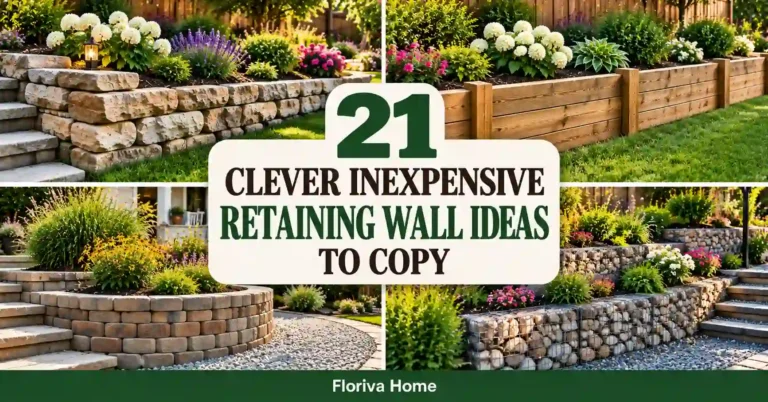
Irregular stones, stacked one or two courses high, bring a rustic, grounded look. They work especially well on slopes, where they also help hold soil in place. Over the years, moss settles on the surface and gives the border an aged charm.
Tip:
Use stone native to your region where possible. It blends with the landscape and usually costs less to haul.
5. Lavender-Lined Pathways
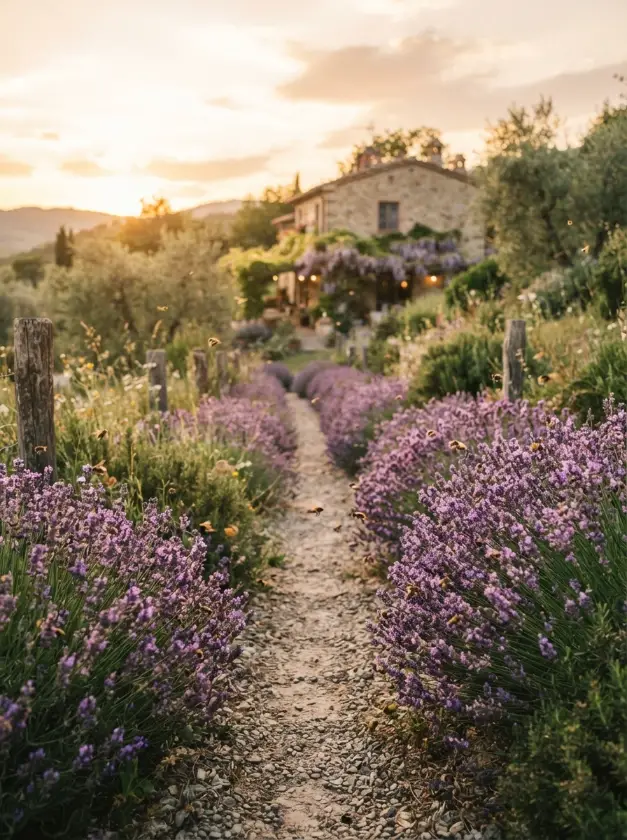
A row of lavender along a walkway gives you fragrance, silvery foliage, and summer color in one planting. Pollinators love it too. It also stays lively through much of the summer, so the walkway never looks bare or forgotten.
Tip:
Lavender needs sharp drainage and full sun. In heavy clay, plant it on a slight mound or mix in coarse grit.
6. Ornamental Grass Borders
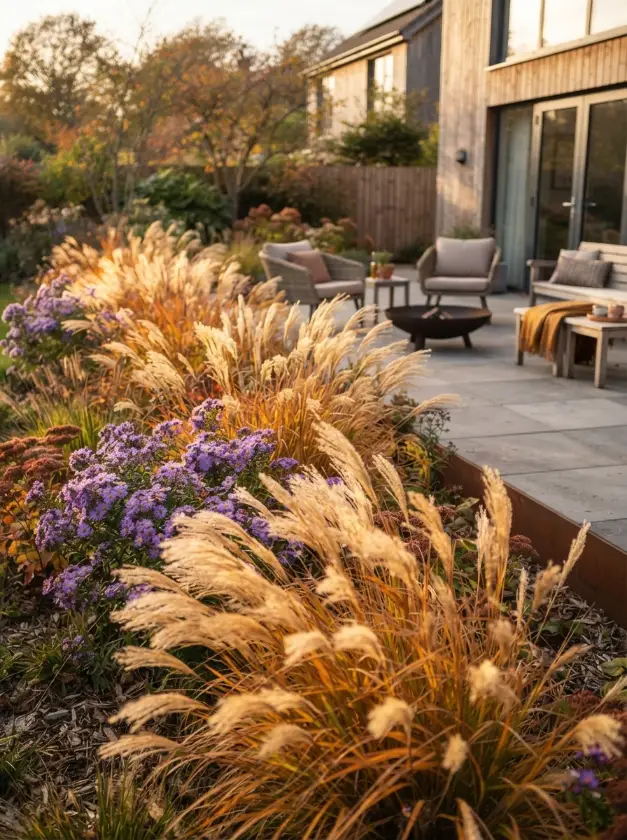
Feather reed grass, fountain grass, and little bluestem add movement and sound to a yard, and they look good in winter when other plants have died back. Most are tough and need little care. They also tolerate heat and occasional dry spells, which makes them a dependable choice for busy gardeners.
Tip:
Cut grasses back to a few inches in late winter, before new growth appears.
7. Overflowing Cottage-Style Beds
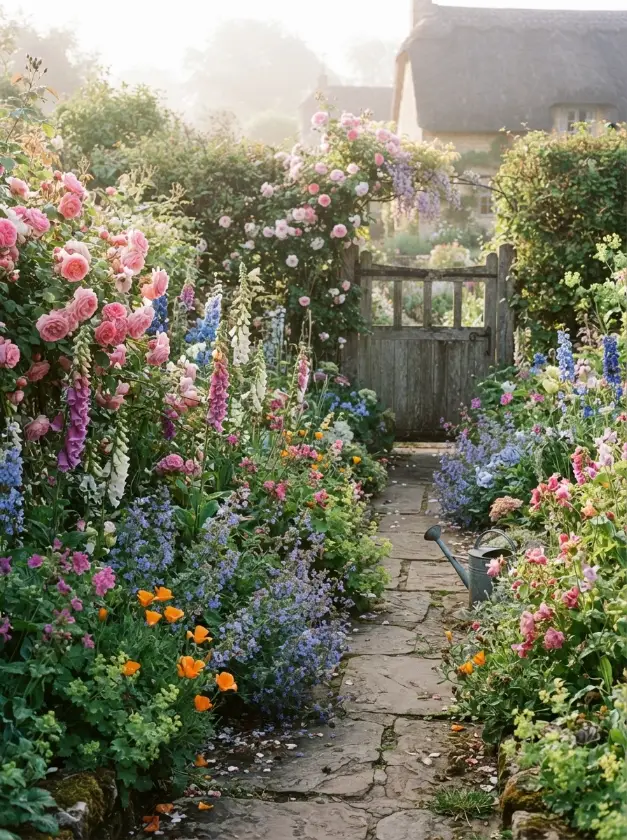
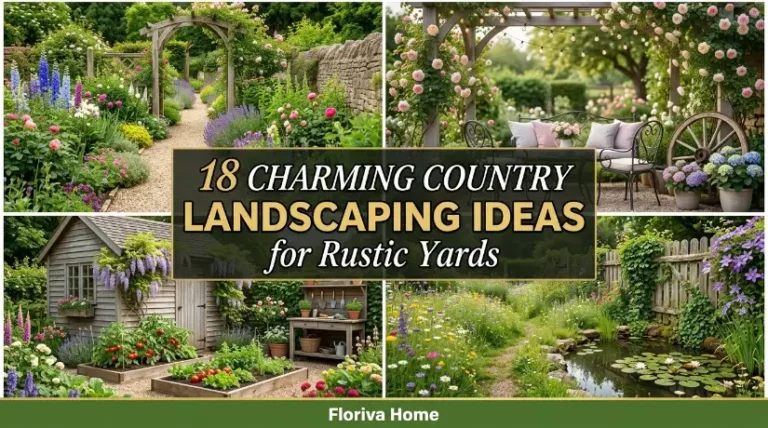
This look is intentionally relaxed: foxgloves, roses, catmint, and cosmos mingling with no rigid pattern. It feels generous and full of life. It works best near a porch or gate, where the soft, spilling plants can be admired up close.
Tip:
The secret is repetition. Repeat a few key plants and colors throughout so the abundance reads as intentional, not messy.
8. Modern Corten Steel Edging
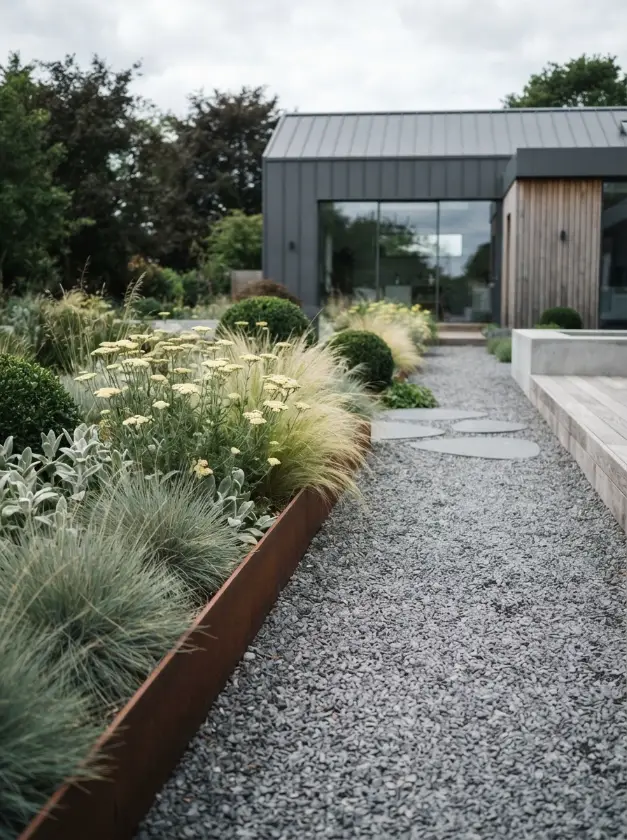
Thin strips of weathering steel create crisp, sculptural lines and develop a warm rust patina over time. They suit minimalist yards and contrast beautifully with soft planting. Steel also holds a sharp line for years, so mulch and gravel stay neatly separated from the lawn.
Tip:
Install the edging 2 to 3 inches below ground level to keep it stable, and wear gloves when handling sharp edges.
9. Clipped Boxwood Hedge Borders
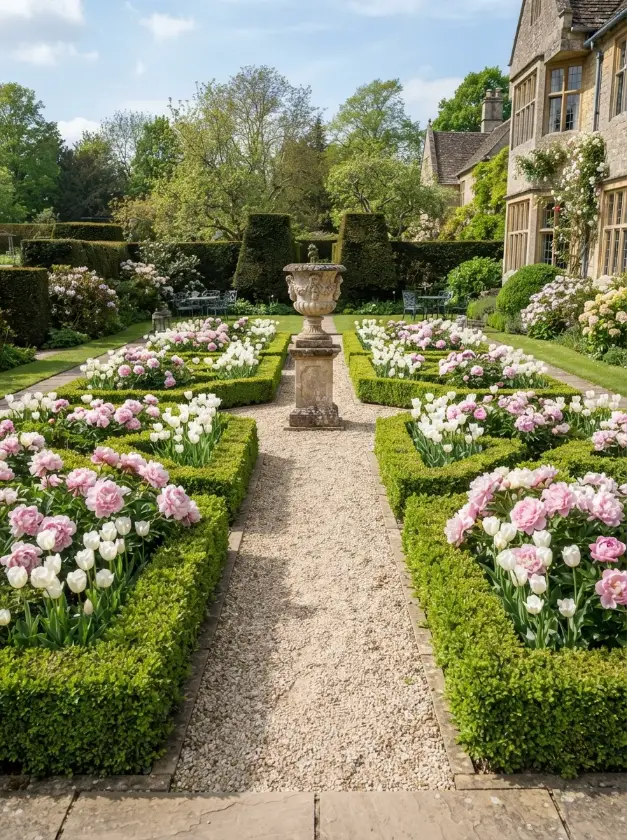
Low hedges of boxwood or a similar evergreen give formal structure that stays green through winter. They pair well with looser flowers planted inside. Hedges also give the border a tidy backbone, even when the flowers inside have faded for the season.
Tip:
In areas where boxwood blight is a concern, consider alternatives such as Japanese holly or dwarf yaupon holly.
10. Pollinator-Friendly Borders
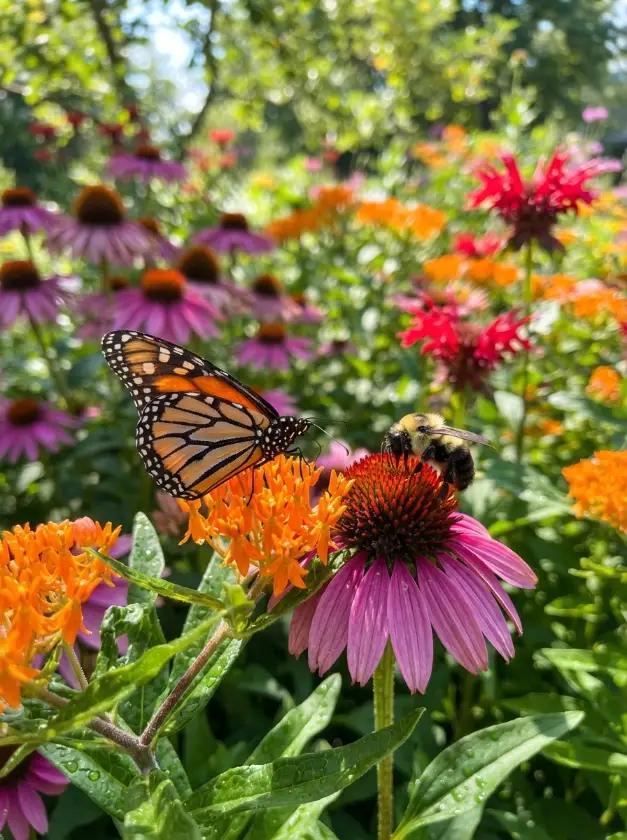
Bee balm, echinacea, milkweed, and salvia bring butterflies and bees into your yard while giving you months of color. Supporting wildlife also makes your garden more resilient. Many of these plants are tough natives that need less water and fertilizer once they are established.
Tip:
Choose plants with staggered bloom times so something is flowering from early spring to fall.
11. Gravel and Drought-Tolerant Borders
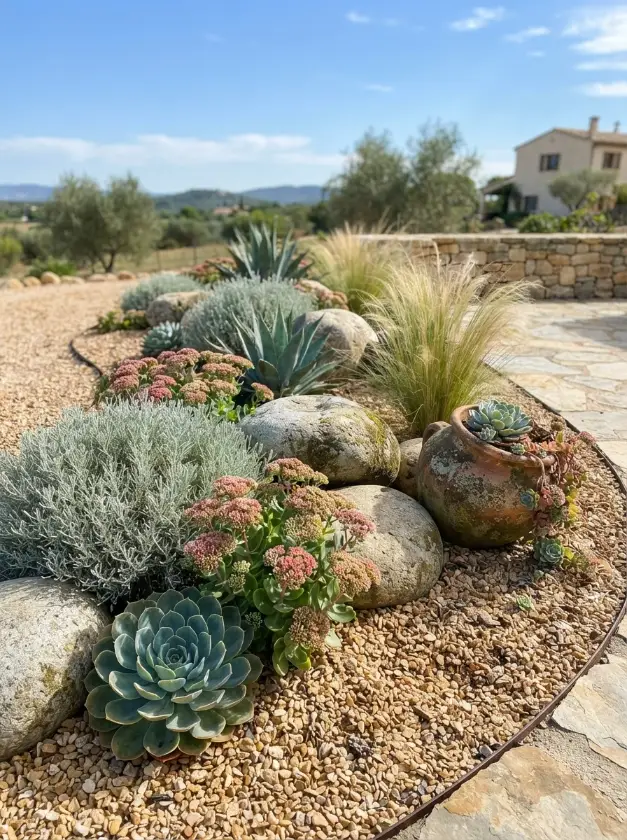
Sedum, agave, sage, and ornamental thyme thrive in lean, sunny soil. A gravel mulch reduces watering and weeding, which suits dry climates or busy owners. These beds also suit slopes and hot strips beside driveways, where regular lawn would struggle to survive.
Tip:
Lay landscape fabric or a thick base layer under gravel to suppress weeds, and choose plants rated for your hardiness zone.
12. Reclaimed Wood and Log Edging
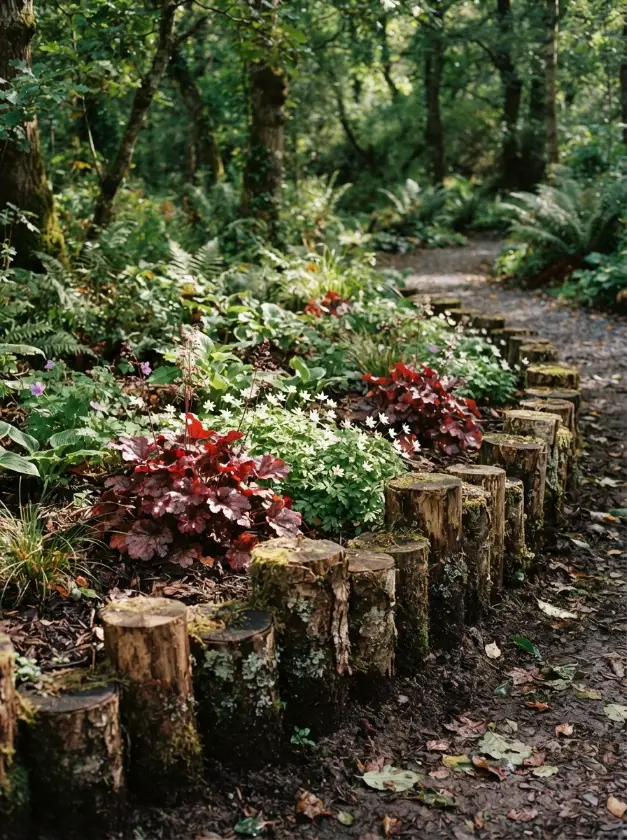
Weathered timber, log rounds, or sleepers add a warm, woodland feel and cost little if you can source offcuts locally. They suit relaxed, naturalistic planting. It also blends easily with lawns, vegetable plots, and meadow planting, so it rarely looks out of place.
Tip:
Untreated wood rots eventually. Choose rot-resistant species like cedar or oak, or expect to replace sections every few years.
13. A White “Moonlight” Border
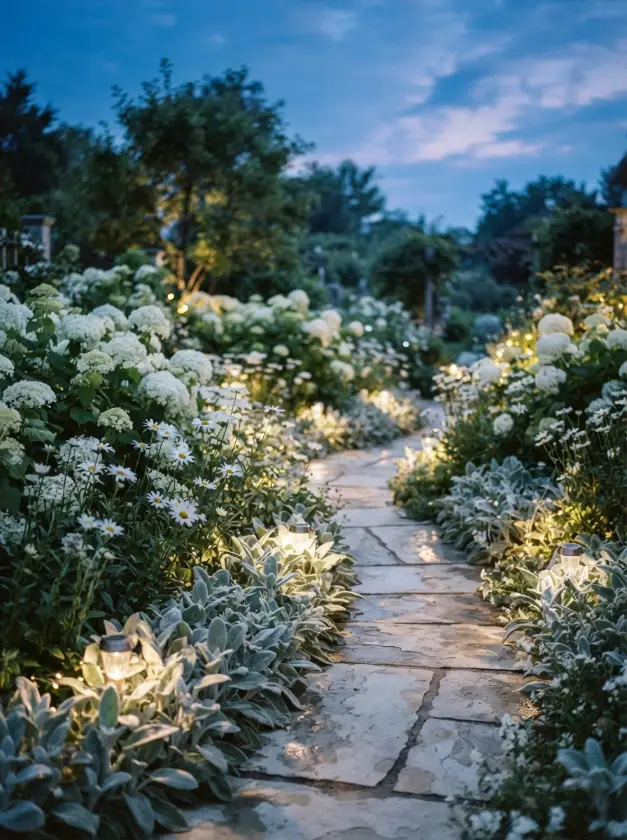
An all-white scheme glows at dusk and looks calm and sophisticated at any hour. Think white hydrangeas, shasta daisies, and silvery lamb’s ear. It is also lovely beside a patio, where evening gatherings let you enjoy the pale blooms after sunset.
Tip:
Mix in plenty of foliage textures and silver leaves, or the border can look flat without color contrast.
14. Raised Bed Borders
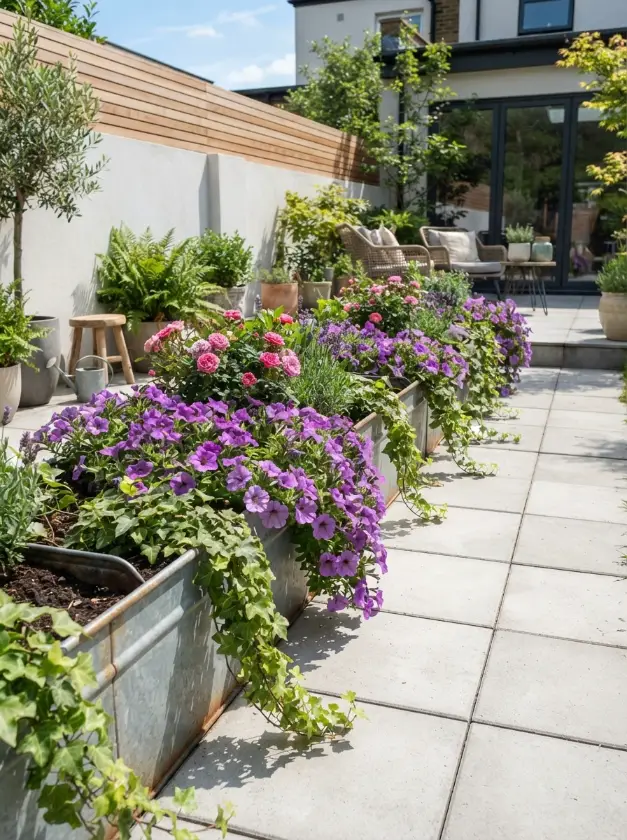
Raised beds of stone, timber, or galvanized metal lift planting to a comfortable height and improve drainage. They are ideal where native soil is poor or compacted. They also reduce bending and kneeling, which makes planting, weeding, and harvesting easier on your back and knees.
Tip:
Build them 12 to 18 inches high and fill with a quality topsoil and compost blend rather than soil from the yard alone.
15. Edible Herb and Vegetable Borders
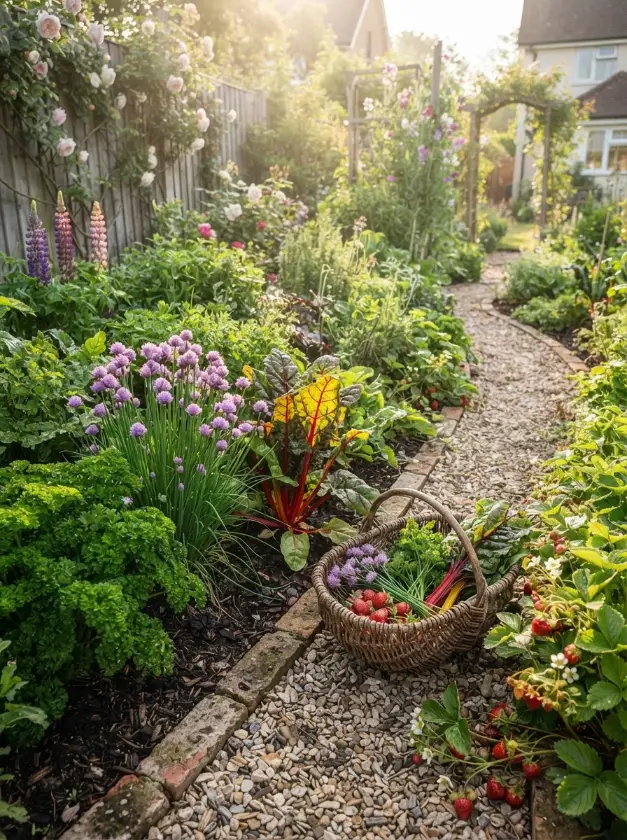
Who says borders have to be purely ornamental? Chives, thyme, rainbow chard, and strawberries look good and end up on your plate. Mixing flowers with edibles also attracts pollinators, which helps fruiting plants set more berries and vegetables.
Tip:
Plant herbs near the kitchen door so you’ll actually use them, and keep mint in a sunken pot to stop it spreading.
16. Shade-Loving Borders with Hostas and Ferns
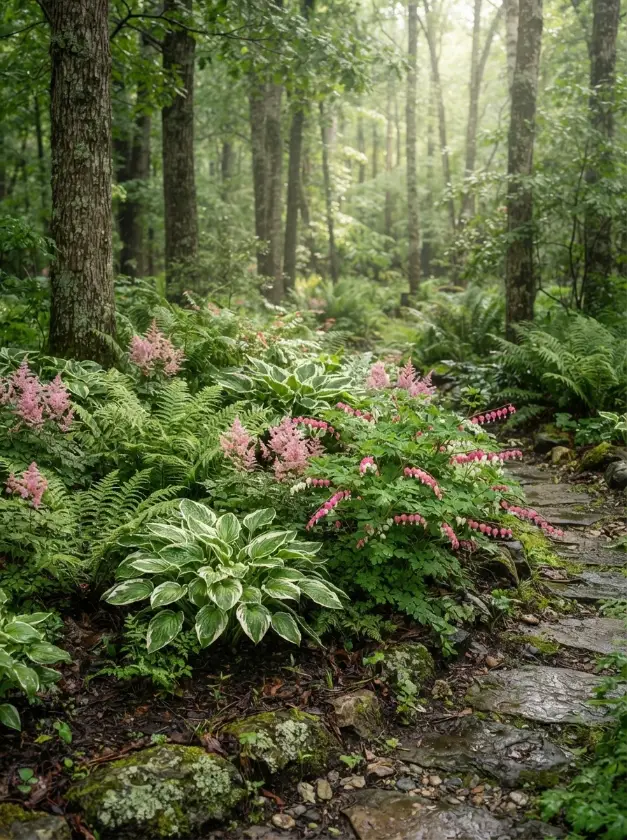
Shady spots can be the most beautiful in the yard. Hostas, ferns, astilbe, and bleeding heart create lush, layered greenery with soft pops of color. Many of these plants return reliably each year, so the bed becomes fuller and more impressive over time.
Tip:
Pick a mix of leaf shapes and shades, from blue-green to chartreuse, since flowers are fewer in shade.
17. Fence-Line Borders with Climbers
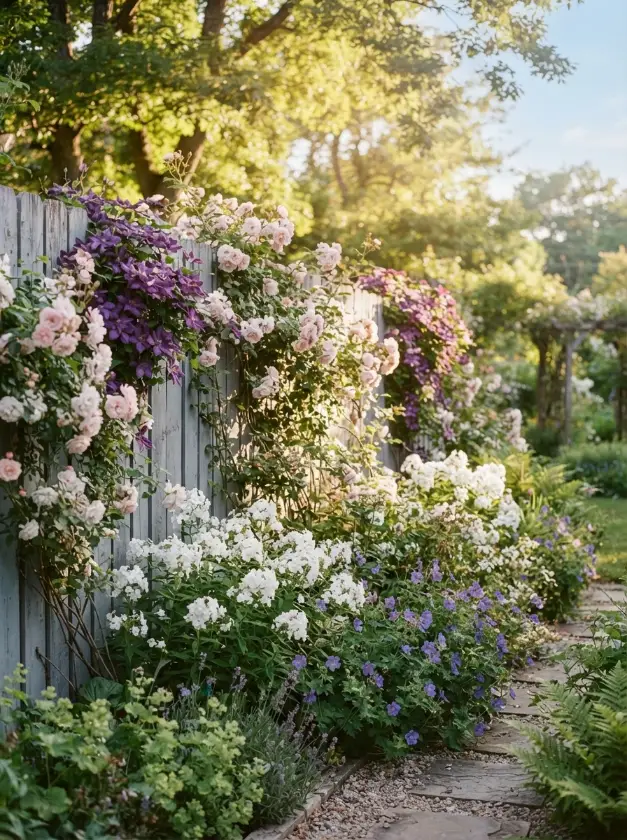
A border along a fence lets you grow upward as well as outward. Clematis, climbing roses, and honeysuckle turn plain panels into living walls. Vertical planting also saves ground space, which is especially useful in small yards with narrow side beds.
Tip:
Install wires or a trellis first, then plant at least 12 inches from the fence base so roots get proper moisture.
18. Rain Garden Borders
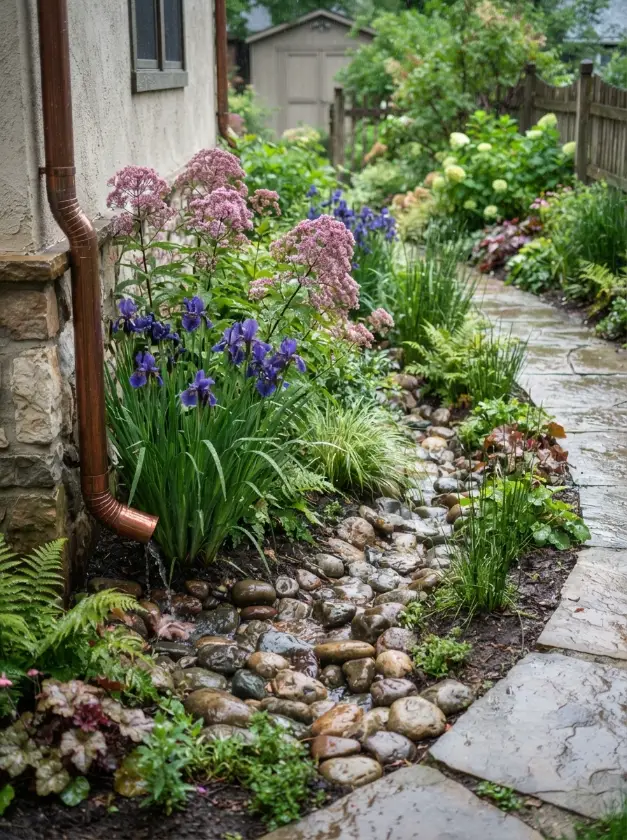
Placed where water naturally gathers, a rain garden uses moisture-loving plants such as Joe Pye weed, blue flag iris, and swamp milkweed to soak up runoff. It solves drainage trouble and looks lovely. It also gives birds, dragonflies, and pollinators a welcome source of food and shelter throughout the warmer months.
Tip:
Position it at least 10 feet from your foundation, and check local guidance on soil and drainage before digging.
19. Spring Bulb Borders
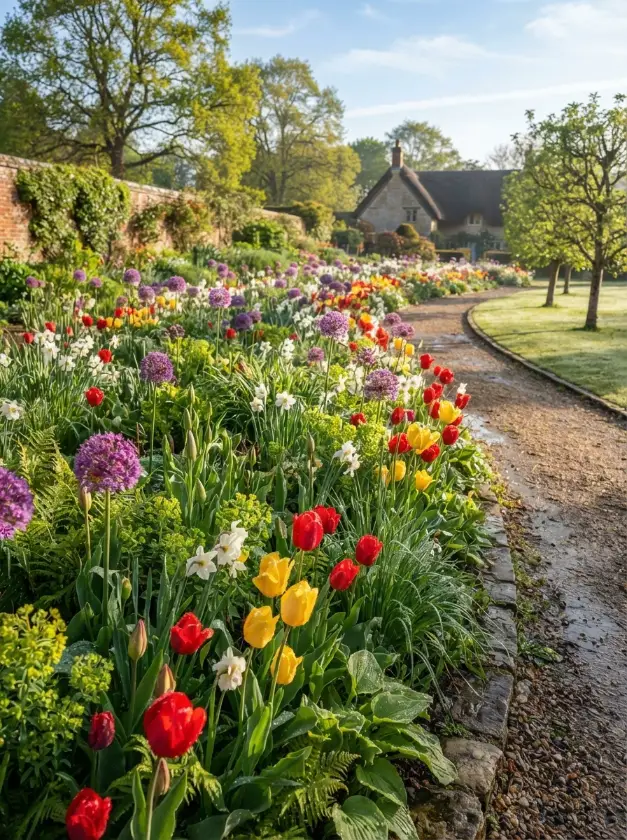
Tulips, daffodils, alliums, and grape hyacinths deliver a burst of color when the garden needs it most. Plant them in drifts for a painterly effect. Choosing early, mid, and late varieties stretches the display across many weeks of spring.
Tip:
Plant bulbs in autumn at roughly three times their height in depth, and let the foliage die back naturally to feed next year’s flowers.
20. Tropical-Style Borders
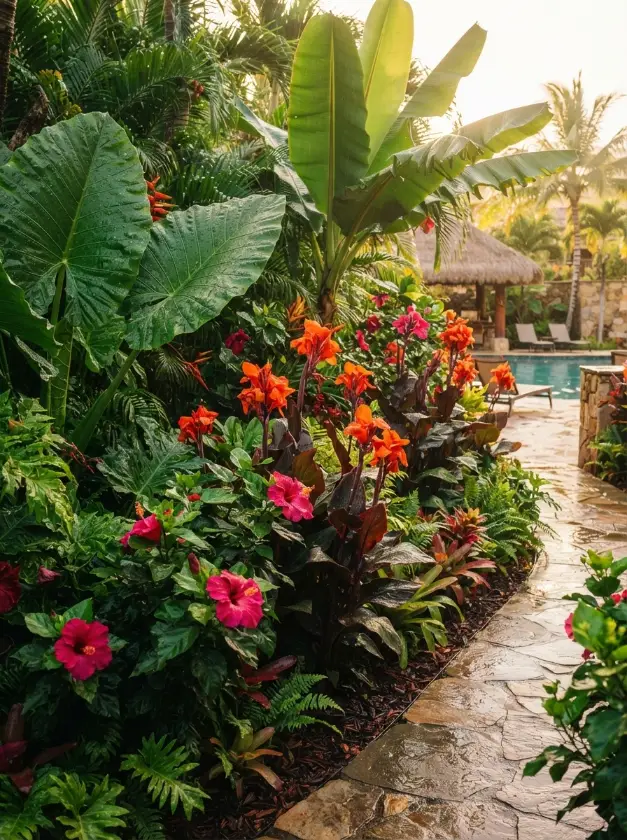
Canna lilies, elephant ears, banana plants, and hardy hibiscus create a bold, jungle-like look, even in cooler climates when you choose cold-tolerant varieties or lift tubers for winter. The oversized foliage creates a lush, layered backdrop that makes even a small yard feel like a private retreat.
Tip:
Group big-leaved plants densely and add one or two hot colors, like orange or magenta, for drama.
21. Upcycled Pot and Container Borders
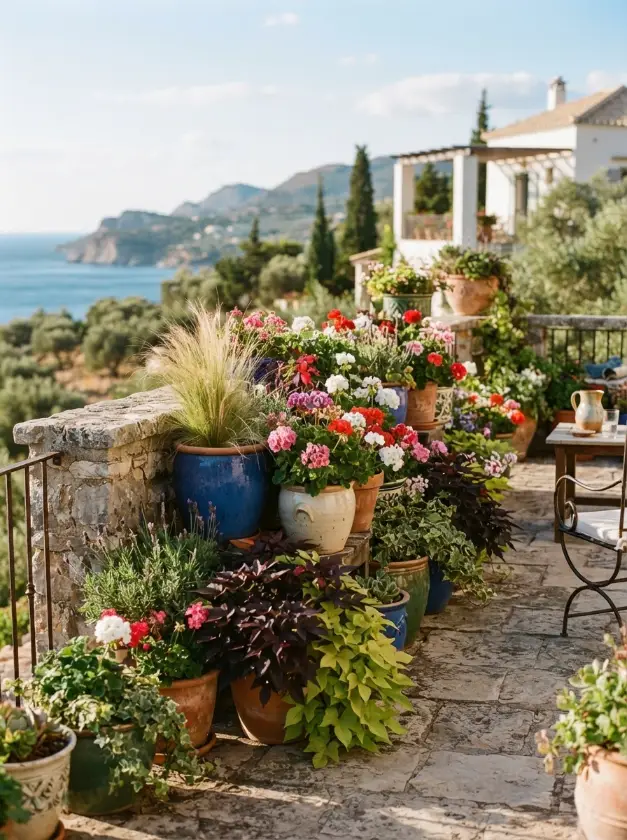
Instead of digging, line a patio or driveway with an arrangement of pots in graduated sizes. It’s flexible, renter-friendly, and easy to refresh each season. Containers can also be moved to follow the sun, or tucked away when a plant is past its best.
Tip:
Mix thrillers (tall plants), fillers, and spillers (trailing plants) in each container, and use pots with drainage holes.
22. Four-Season Shrub Borders
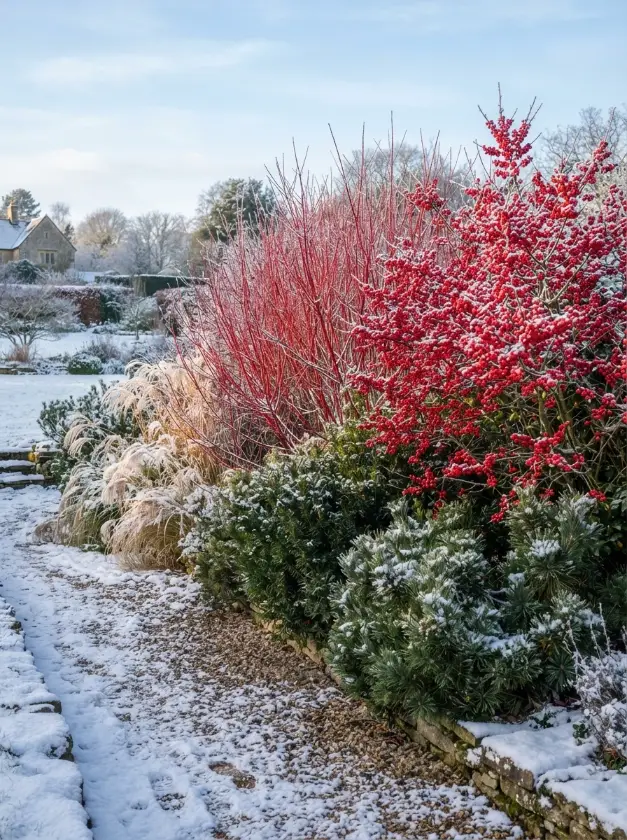
For year-round interest, build the bed around shrubs: hydrangea for summer, viburnum for scent, and dogwood or winterberry for winter stems and berries. Perennials then fill the gaps. This layered approach means the border still looks interesting in January, not only during peak summer months.
Tip:
Choose at least one plant per season with standout features, whether blossoms, fall color, bark, or berries.
How to Keep Any Border Looking Its Best
A few habits matter more than any single plant choice:
- Mulch every year. Two to three inches of mulch retains moisture, blocks weeds, and tidies the look. Keep it a little away from stems and trunks.
- Water deeply, not often. A long soak once or twice a week encourages deeper roots than daily sprinkles.
- Edge once a season. A sharp edge, whatever your style, signals care.
- Deadhead and divide. Remove spent flowers to prolong blooming, and divide crowded perennials every three to four years.
- Walk the border weekly. Ten minutes spent spotting problems early saves hours later.
Frequently Asked Questions
What is the best material for a garden border?
It depends on your style and budget. Brick and stone are durable and classic, metal is sleek and long-lasting, and wood is affordable but needs replacing sooner.
Tip:
Choose at least one plant per season with standout features, whether blossoms, fall color, bark, or berries.
How wide should a garden border be?
Three to four feet works for most yards, since it allows two or three layers of plants. Smaller spaces can manage 2 feet with careful plant choices.
What are the easiest plants for a low-maintenance border?
Sedum, daylilies, catmint, ornamental grasses, and hardy geraniums are reliable, need little fuss, and suit many climates. Always check your hardiness zone before buying.
How do I stop grass from creeping into my border?
Install a physical edge, such as steel, stone, or brick, at least 4 to 6 inches deep, and trim along it regularly.
When is the best time to plant a new border?
Spring and early fall are ideal in most regions, because milder temperatures help roots settle in.
Final Thoughts
The best garden border ideas are the ones that suit your light, your soil, and the way you actually live. Start with one section, whether that’s a curved line, a row of lavender, or a stone edge, and let the bed grow from there. Borders improve every season as plants fill in and you learn what thrives.