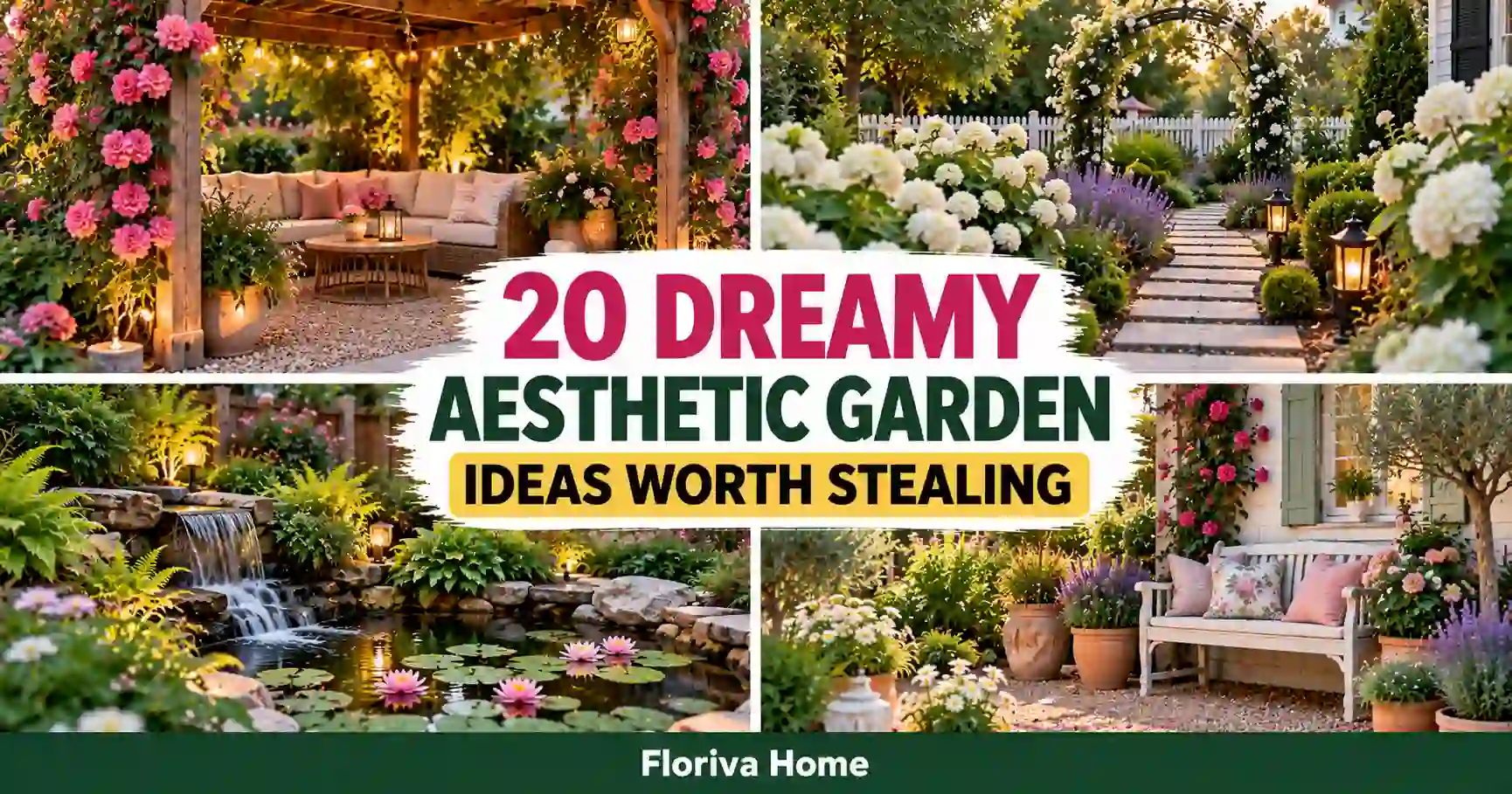
20 Dreamy Aesthetic Garden Ideas Worth Stealing
If you want your outdoor space to feel more beautiful, peaceful, and personal, a few thoughtful changes can make a huge difference. The best aesthetic garden ideas are not always expensive or complicated. Sometimes, it is simply about combining pretty plants, cozy seating, natural textures, soft lighting, and charming details in the right way.
Whether you have a tiny patio, a spacious backyard, or an unused garden corner, these dreamy ideas can help you create an outdoor space you will actually want to spend time in. From romantic flower borders to cozy reading nooks, there is something here for almost every garden style.
1. Create a Romantic Rose-Covered Garden Entrance
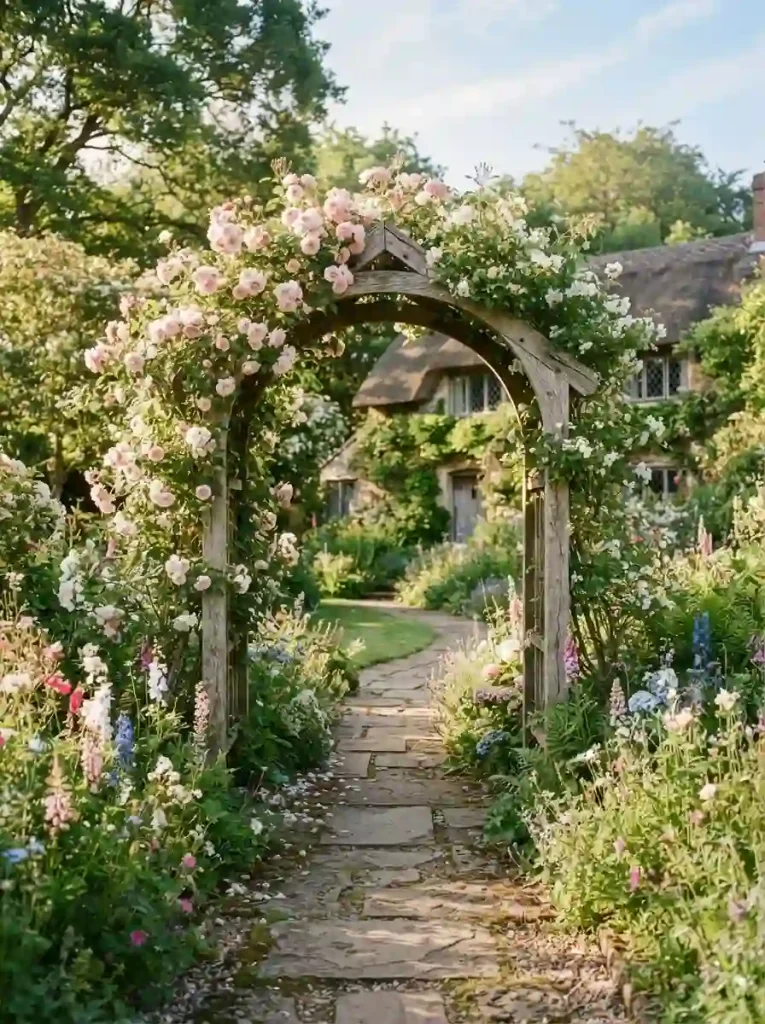
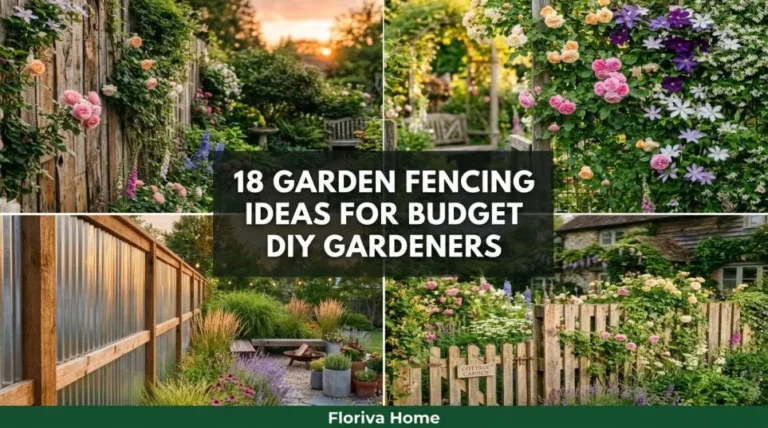
A rose-covered entrance can instantly make an ordinary garden feel like a hidden retreat. Instead of walking directly into the main garden, create a beautiful transition with an arch, arbor, or simple wooden frame covered in climbing roses.
Choose roses in soft pink, creamy white, peach, or muted red if you want a romantic color palette. Let the plants grow naturally around the structure rather than trimming everything into perfectly controlled shapes. A slightly relaxed appearance can make the entrance feel more charming and established.
You can place the arch at the beginning of a pathway or use it to separate the lawn from a private garden area. Adding a few low-growing flowers around the base will make the whole entrance feel connected.
If roses are not practical for your climate, flowering vines can create a similar effect while requiring a different level of care.
Expert Tip:
Choose a sturdy support structure and train young climbing stems gradually. Keeping the entrance slightly open at eye level will make it feel inviting rather than overcrowded.
2. Turn a Quiet Corner Into a Cozy Reading Nook
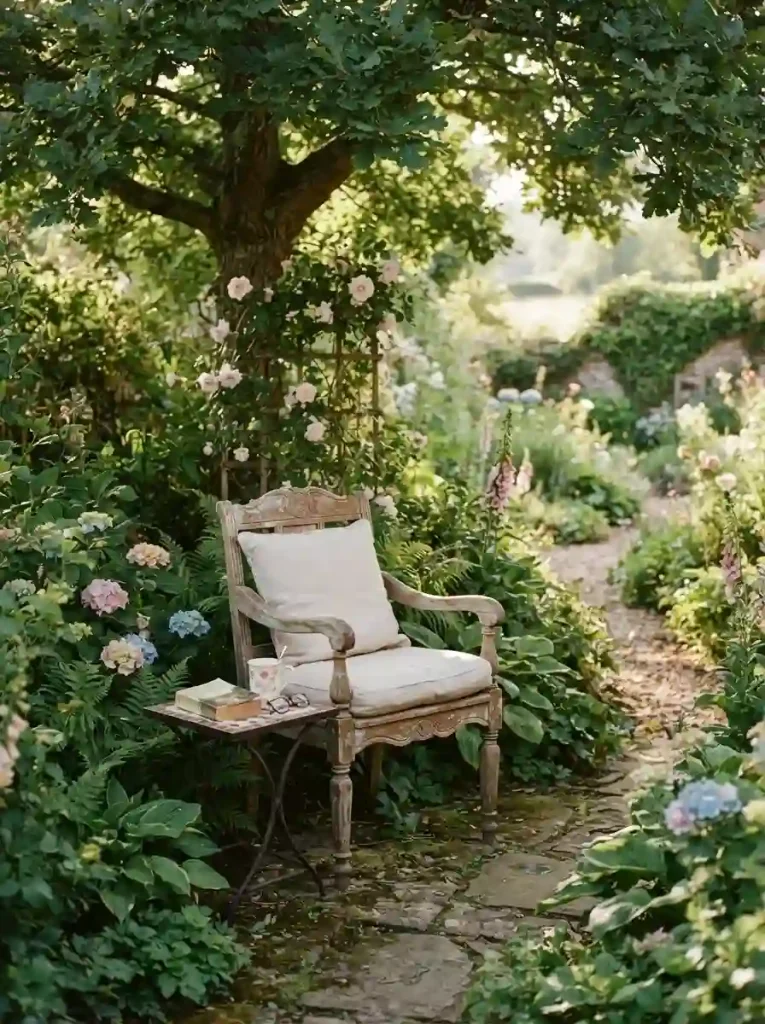
An unused garden corner can become one of the most relaxing parts of your outdoor space. All you need is comfortable seating, surrounding greenery, and a little shade.
Try placing a small wooden chair, vintage-style bench, or compact outdoor loveseat beneath a tree or beside tall plants. Add a weather-resistant cushion and a lightweight throw for extra comfort.
Plants can provide natural privacy around the seating area. Ferns, ornamental grasses, shrubs, or tall flowering plants can make the nook feel tucked away without requiring a solid fence.
For an especially peaceful atmosphere, position the chair where you can see flowers, birds, or a small water feature. This makes the space feel like a destination rather than simply another place to sit.
Expert Tip:
Keep the seating area slightly away from the main walking route. A little separation makes even a small garden feel more private and peaceful.
3. Add a Curved Flower Border Along the Lawn
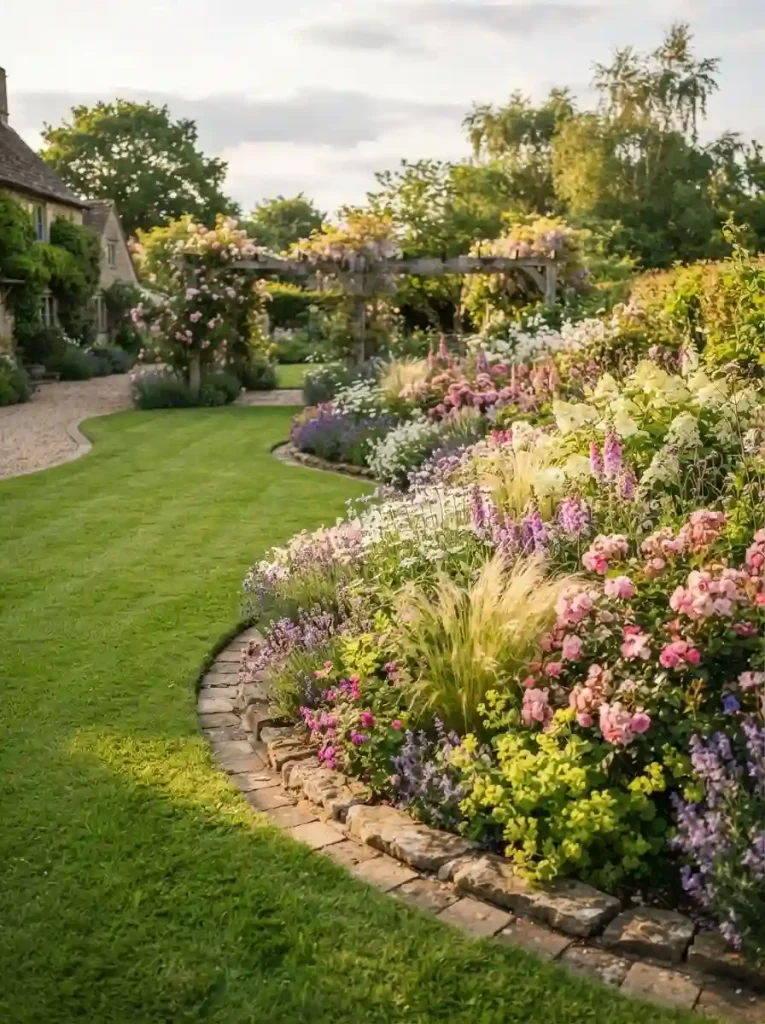
Straight flower beds can look neat, but curved borders often create a softer and more natural garden appearance. A gently sweeping flower bed can break up a large lawn while adding movement to the overall landscape.
Start by marking a simple curved line along the edge of your grass. Keep the shape wide enough to accommodate several layers of plants rather than creating a very narrow strip.
Place taller flowers and ornamental grasses toward the back, medium-height plants in the center, and smaller flowers along the front edge. Repeating a few colors throughout the border will help the planting look intentional.
You can also add a narrow mulch or stone edge to keep the border tidy. The contrast between the green lawn and colorful planting can become one of the most noticeable features in your garden.
Expert Tip:
Repeat the same two or three plant colors throughout the border. Repetition creates visual rhythm and helps different flowers look like part of one design.
4. Design a Secret Garden Path With Stepping Stones
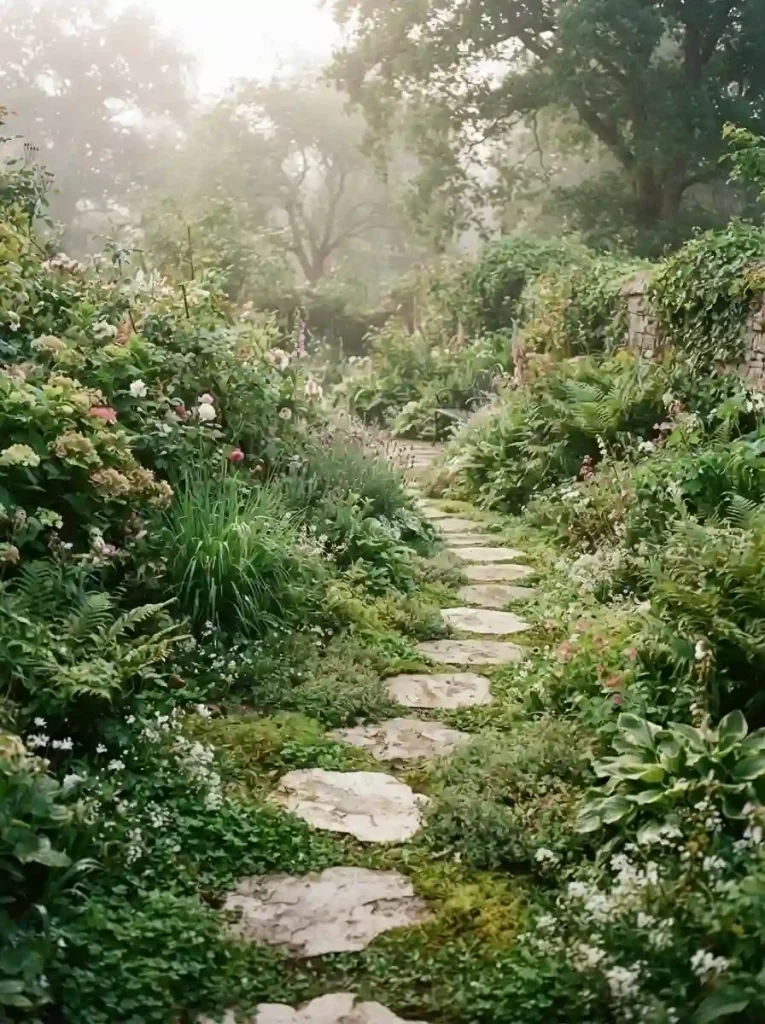
A winding stepping-stone path can make even a simple garden feel mysterious and inviting. Rather than showing the entire garden at once, let the pathway guide visitors toward something hidden around a corner.
Use irregular natural stones instead of perfectly matching pieces if you want a relaxed garden aesthetic. Leave small spaces between stones and allow low-growing ground cover or moss to soften the edges.
Surround the pathway with plants of different heights. Low flowers near the stones can transition into taller grasses, shrubs, or flowering bushes farther away.
You can finish the path beside a bench, fountain, greenhouse, or small garden gate. Giving the pathway a destination makes the design feel purposeful.
Expert Tip:
Avoid making a winding path too narrow. Leave enough walking space around each stone so the route remains comfortable after plants mature.
5. Build a Soft and Whimsical Wildflower Garden
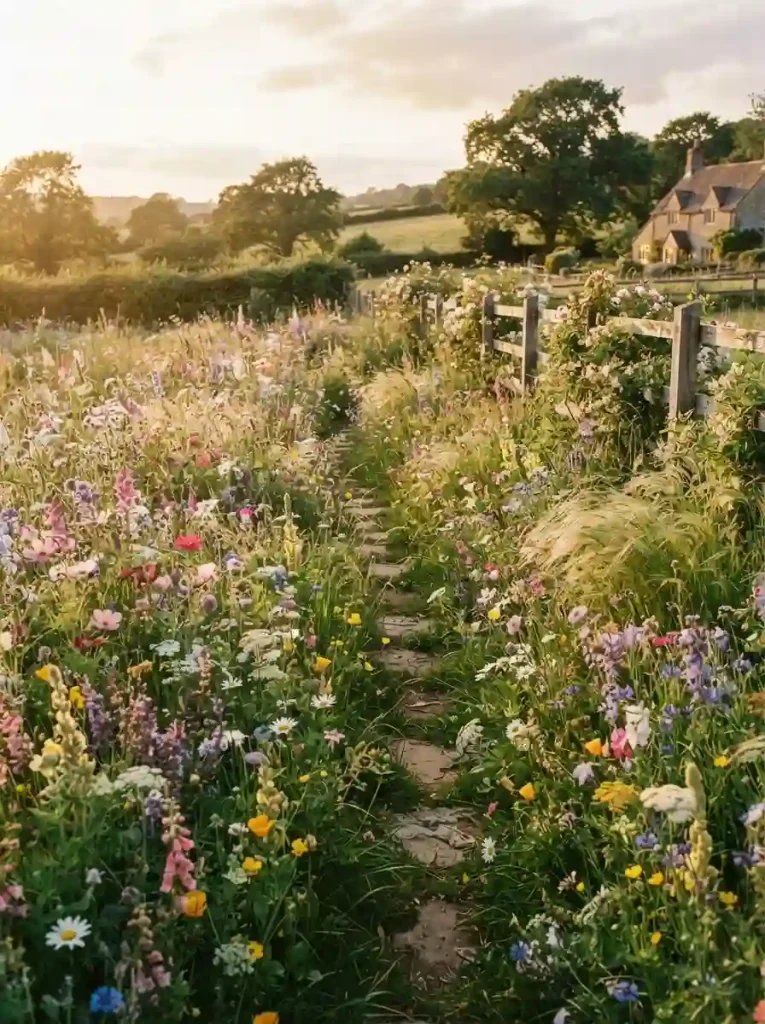
Wildflowers can give a garden an effortless, slightly untamed appearance that feels wonderfully natural. Instead of arranging every plant in strict rows, create a loose planting scheme with flowers that vary in height, shape, and bloom time.
Choose species that are suitable for your local growing conditions and combine several flower colors that work well together. Soft pinks, whites, purples, yellows, and blues can create a relaxed palette without looking too coordinated.
Leave some open space between larger groups so the garden still has breathing room. A narrow path through the flowers can also make the area easier to enjoy and maintain.
This style works especially well around fences, sheds, pathways, or the edges of larger lawns where a formal flower bed might feel too structured.
Expert Tip:
Mix plants with different blooming periods so your wildflower area does not look beautiful for only a few weeks. A longer flowering season keeps the garden interesting.
6. Add a Small Vintage Greenhouse as a Focal Point
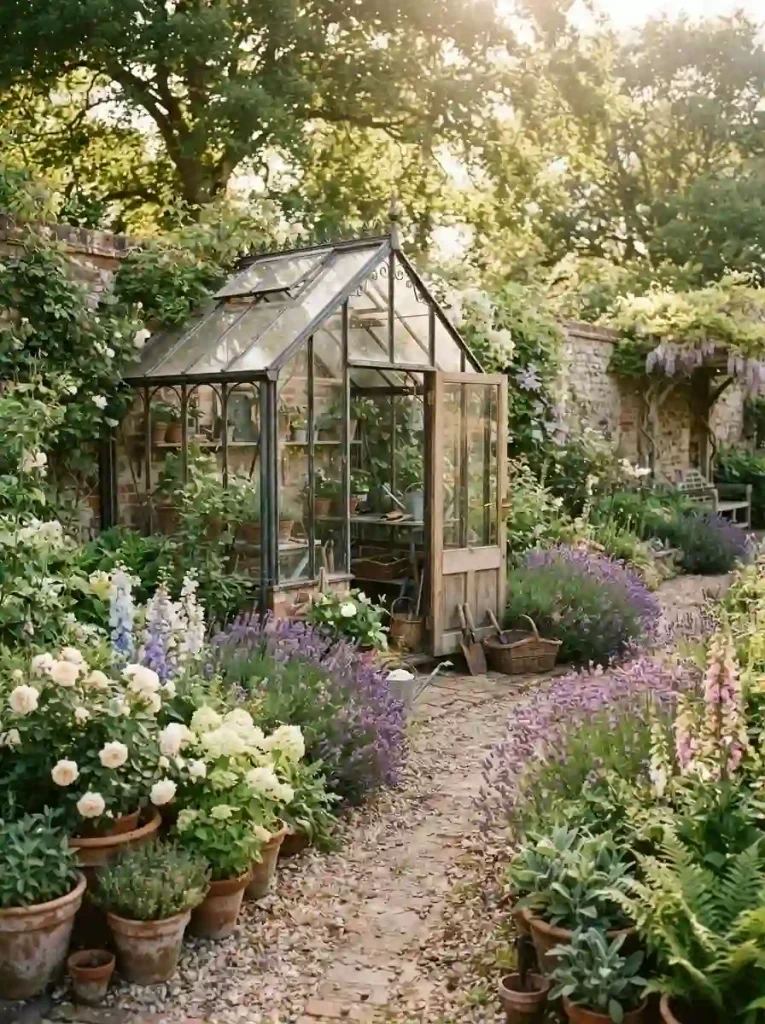
A small greenhouse can be both useful and beautiful, especially when you choose a design that complements the garden around it. A glass-and-metal or painted wooden structure can become an attractive focal point rather than simply a gardening workspace.
Place the greenhouse where it receives suitable sunlight while leaving enough room around it for walking and maintenance. Surround the structure with flowering plants, potted herbs, or climbing vines to soften its appearance.
Inside, use simple shelves to organize seed trays, small pots, and gardening supplies. You can also create a tiny potting station near the entrance.
If a full greenhouse is too large for your space, a compact cold frame or mini greenhouse can provide a similar decorative effect.
Expert Tip:
Keep the area around the greenhouse visually simple. Too many decorations can hide the structure and make a small garden feel cluttered.
7. Create a Garden Dining Spot Beneath a Tree
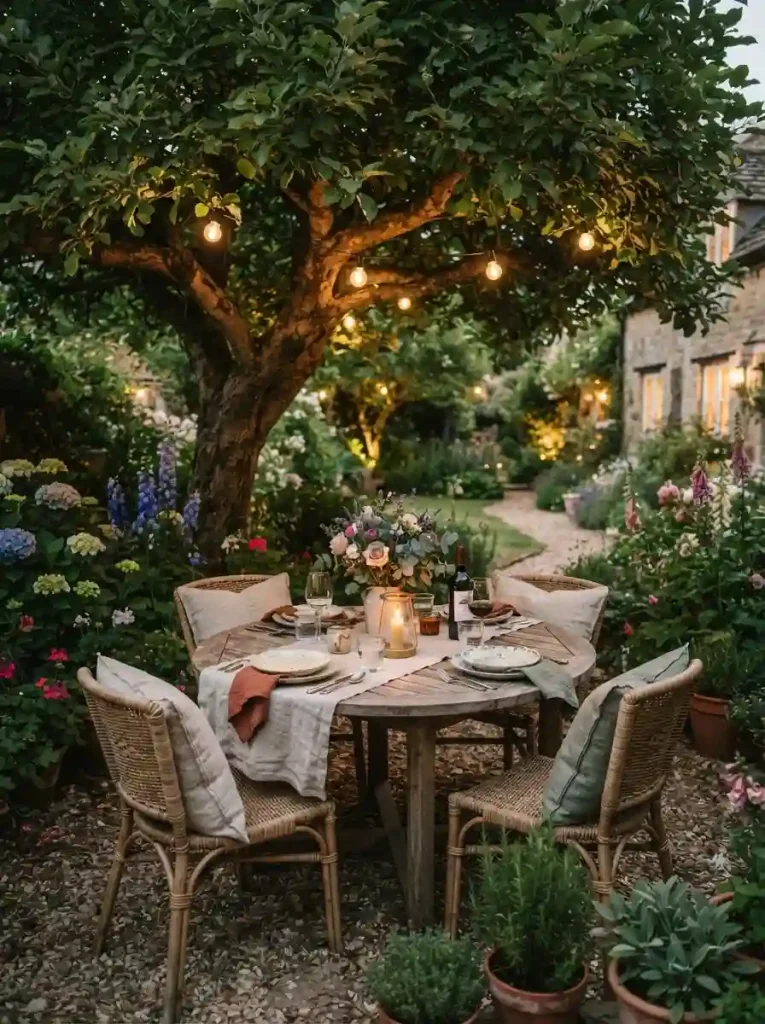
A garden does not have to be purely decorative. Creating a small outdoor dining area gives you a reason to enjoy the space regularly.
Place a compact round table beneath a mature tree or in another naturally shaded location. Wooden chairs can keep the look warm and relaxed, while linen cushions or simple table settings can add softness.
Surround the dining area with fragrant plants and seasonal flowers. Herbs such as rosemary, thyme, or mint can be especially useful around an outdoor dining space while contributing texture and greenery.
For evening meals, add subtle lighting nearby rather than covering every surface with decorations. A few carefully placed lights can create a welcoming glow.
Expert Tip:
Leave enough space around the table for chairs to move comfortably. A beautiful dining area quickly becomes frustrating if the furniture is packed too tightly.
8. Use Terracotta Pots for a Warm Mediterranean Feel
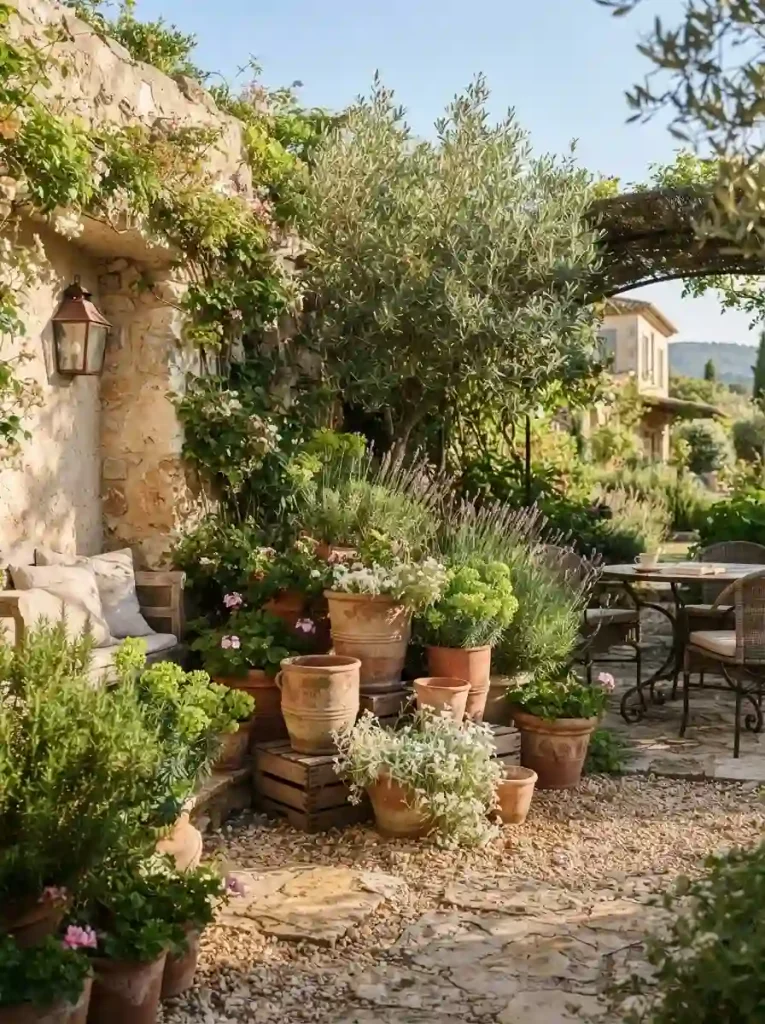
Terracotta containers are an easy way to introduce warmth and texture without redesigning the entire garden. Their earthy color works beautifully with green foliage, pale flowers, herbs, and Mediterranean-style plants.
Group several pots together instead of scattering them randomly. Use different heights and shapes to create a relaxed display while keeping the arrangement visually balanced.
Large terracotta pots can anchor the corners of a patio, while smaller ones can sit along steps, walls, or garden benches. Herbs such as rosemary, thyme, and sage are especially attractive when planted in simple clay containers.
Allow some pots to develop a naturally weathered appearance. The aged surface can add character and make a new garden feel more established.
Expert Tip:
Always check drainage before planting. Decorative containers look beautiful, but poor drainage can quickly create problems for plant roots.
9. Hang a Garden Swing Among Flowering Plants
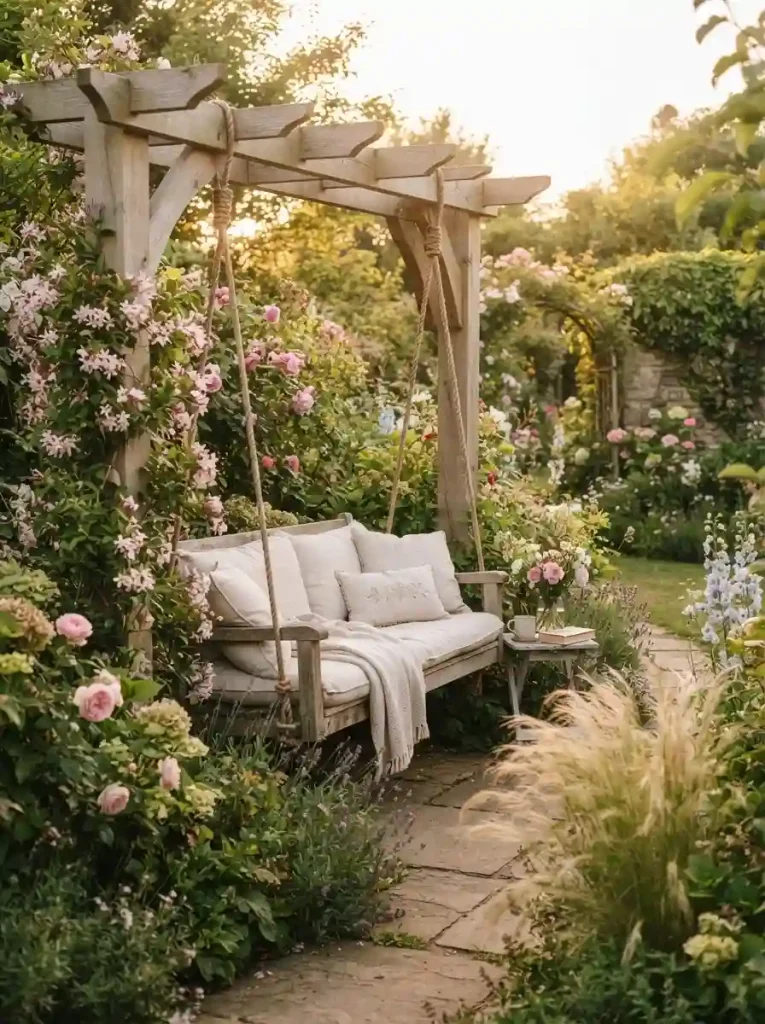
A garden swing can become a charming focal point while creating a comfortable place to relax. Choose a sturdy structure that fits the available space and surround it with plants rather than leaving it isolated.
A wooden swing works especially well with cottage, rustic, and natural garden styles. Add a weather-resistant cushion in a neutral or muted floral fabric for a softer appearance.
Place flowering plants around the swing without blocking the seat or swing path. Climbing vines nearby can eventually create a beautiful natural frame.
For a more private atmosphere, position the swing beside shrubs or tall ornamental grasses. This can make a simple seating feature feel like a secluded garden retreat.
Expert Tip:
Check the swing’s support structure carefully before installing it. Keep the movement area clear so branches, pots, stones, and other decorations cannot interfere.
10. Create a Moonlit Garden With Soft Evening Lighting
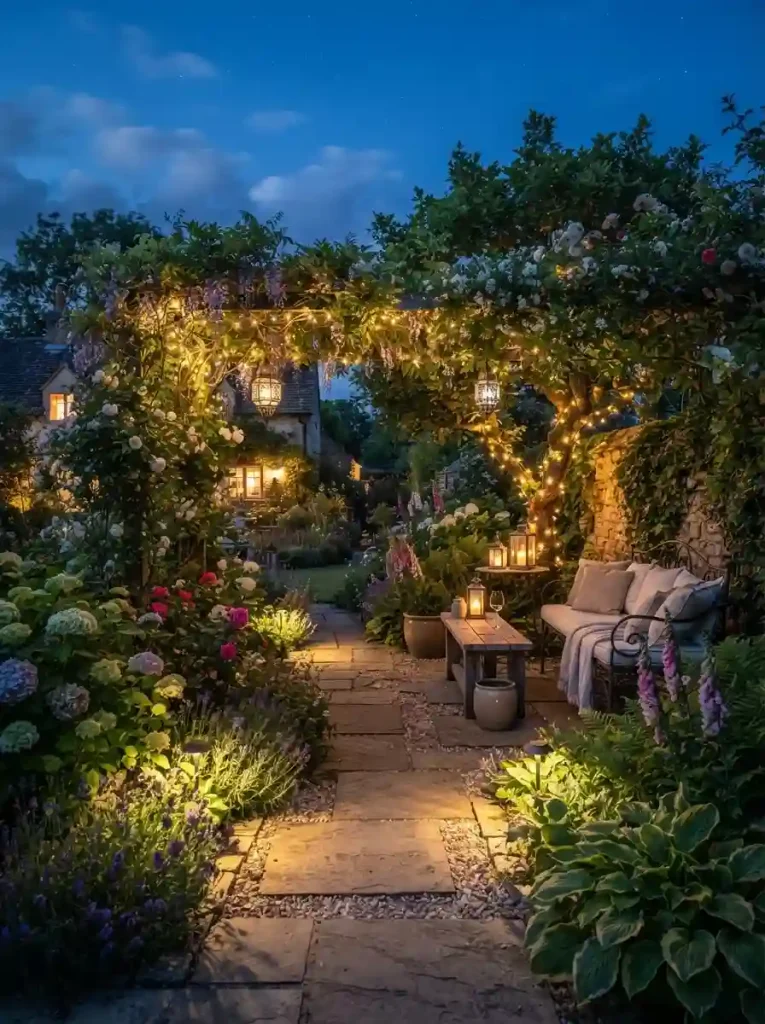
A beautiful garden should not disappear when the sun goes down. Thoughtful evening lighting can completely change the atmosphere and make your outdoor space feel softer and more magical after dark.
Instead of using very bright lights everywhere, focus on gentle illumination around paths, seating areas, trees, and architectural features. Warm-toned outdoor lights generally create a more relaxing atmosphere than harsh white lighting.
Small lanterns can be placed beside seating areas, while discreet path lights can help guide visitors through the garden. You can also use carefully positioned lights to highlight an interesting tree or flowering plant.
Keep the lighting subtle. The goal is to reveal the garden rather than make the entire yard look brightly illuminated.
Expert Tip:
Think about lighting from different heights. Combining low path lights with slightly higher tree or wall lighting creates more depth than using one type of light throughout the garden.
11. Frame the Garden With an Arched Trellis
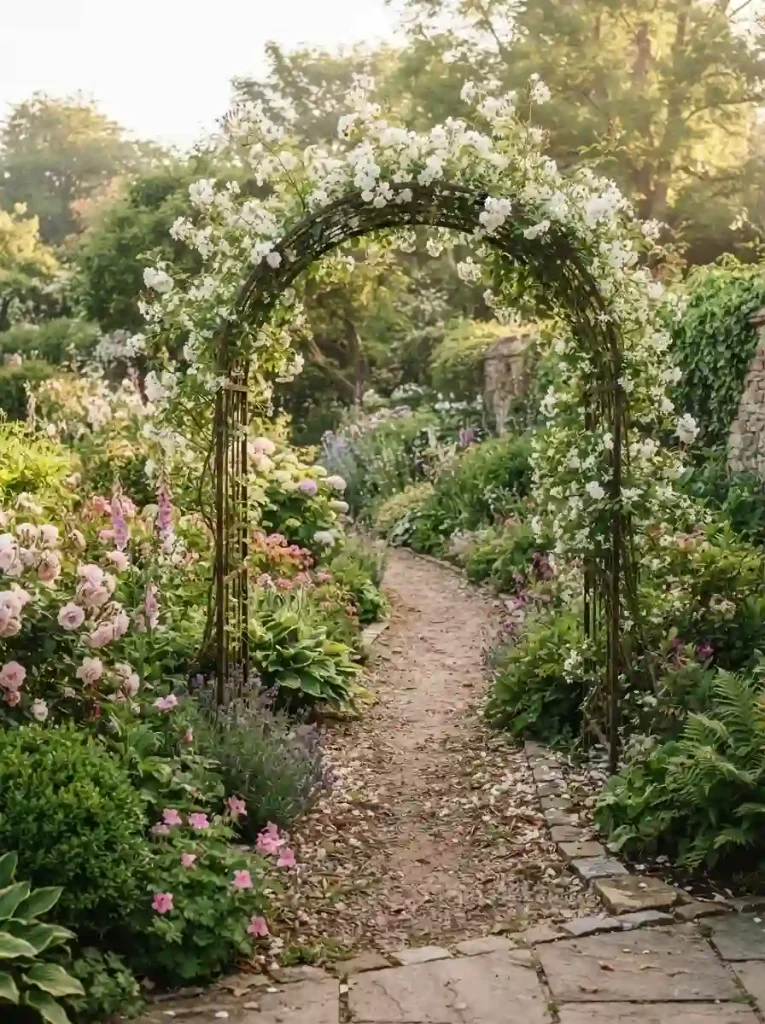
An arched trellis can add height and structure without making a garden feel overly formal. Use one to create a visual transition between different areas, such as the patio and flower garden.
Climbing plants can gradually cover the structure and turn it into a living garden feature. Jasmine, clematis, honeysuckle, or other suitable climbers can provide flowers, foliage, or fragrance depending on your climate.
Keep the surrounding planting slightly lower so the arch remains visible. This helps create a clear focal point while still allowing greenery to soften the structure.
Expert Tip:
Choose a trellis strong enough for mature climbing plants. Some vines become surprisingly heavy once they are fully established.
12. Make a Tiny Garden Feel Bigger With Layers
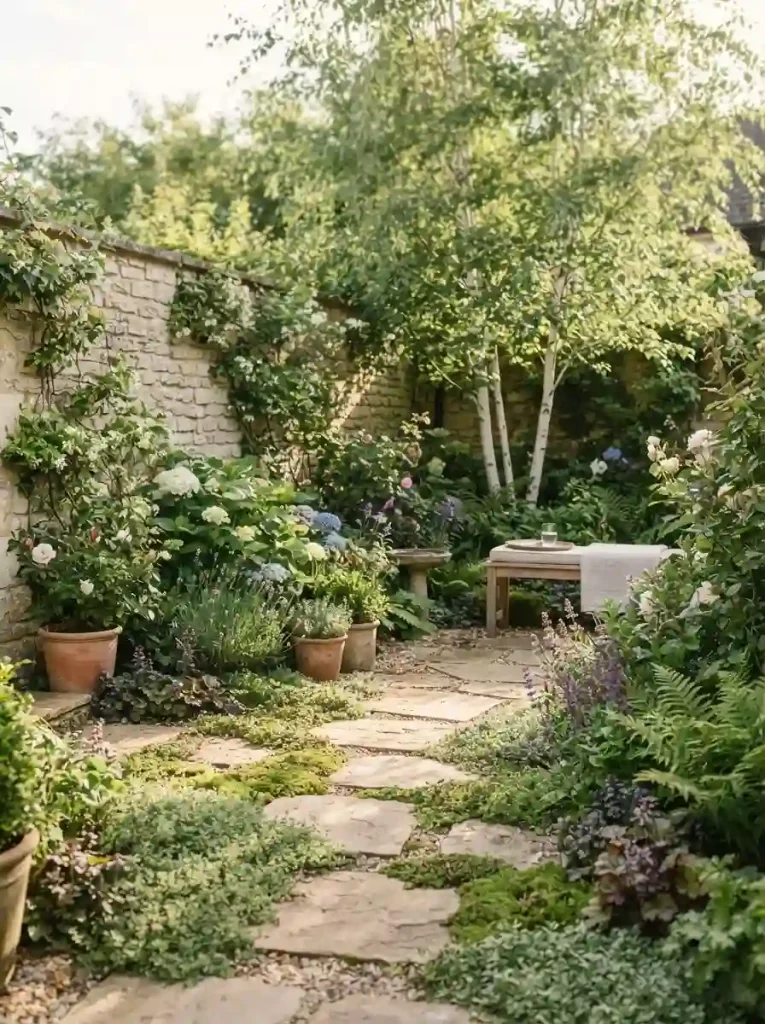
Small gardens can feel surprisingly spacious when plants and features are arranged at different heights. Instead of filling the entire space with low flower beds, create layers that draw the eye upward.
Use taller shrubs or narrow trees toward the back, medium-height plants through the middle, and low flowers or ground covers around the front. This creates depth without requiring additional square footage.
Mirrors can sometimes help reflect light and greenery, but they should be used carefully outdoors and positioned where they will not create a hazard for birds or animals.
Keep pathways simple and avoid filling every available corner. Empty space is useful because it allows the eye to rest.
Expert Tip:
Use fewer plant varieties in a small garden. Repeating a small selection of plants often makes the space look larger and more coordinated.
13. Add a Rustic Stone Water Feature
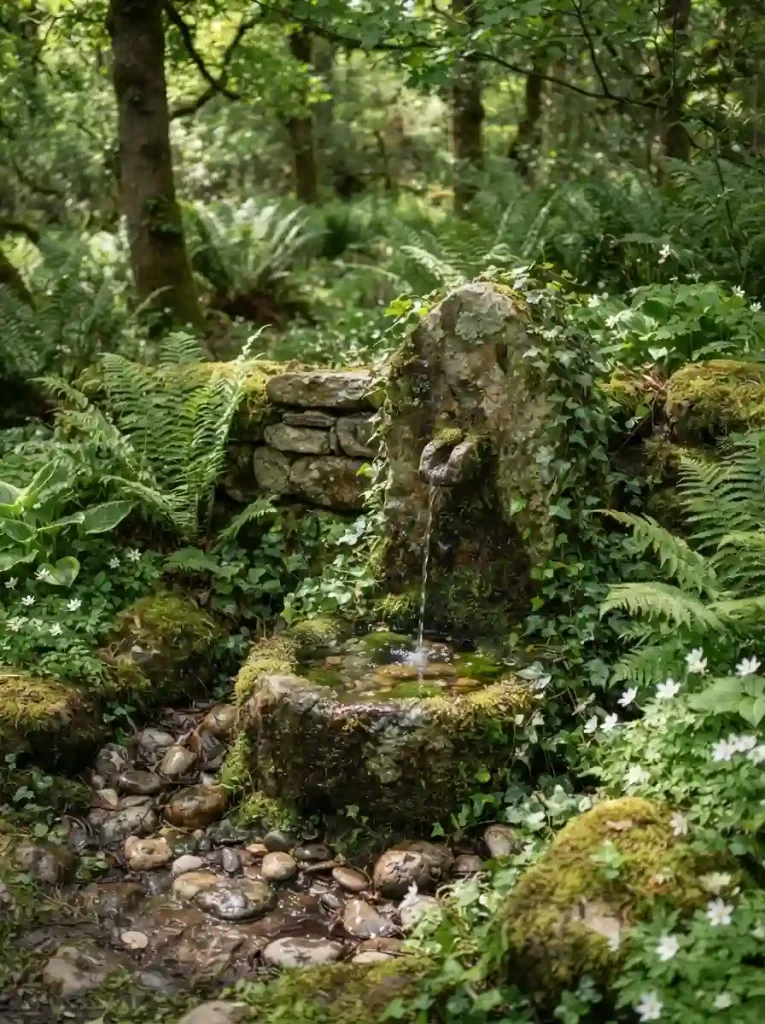
The gentle sound of moving water can make a garden feel instantly more peaceful. A small stone fountain or recirculating water feature can work even when you do not have room for a pond.
Choose natural-looking materials that blend with the surrounding plants. Rough stone, weathered concrete, or aged ceramic can look more organic than highly polished decorative pieces.
Place the feature where it can be enjoyed from a seating area or viewed from inside the house. Surrounding it with moisture-tolerant plants can help it feel like part of the landscape.
You do not need a large installation. Even a small bubbling feature can provide sound, movement, and a focal point.
Expert Tip:
Clean the water feature regularly and follow the manufacturer’s maintenance instructions. Clear water and a tidy surrounding area will keep the feature attractive.
14. Grow Fragrant Flowers Near a Seating Area
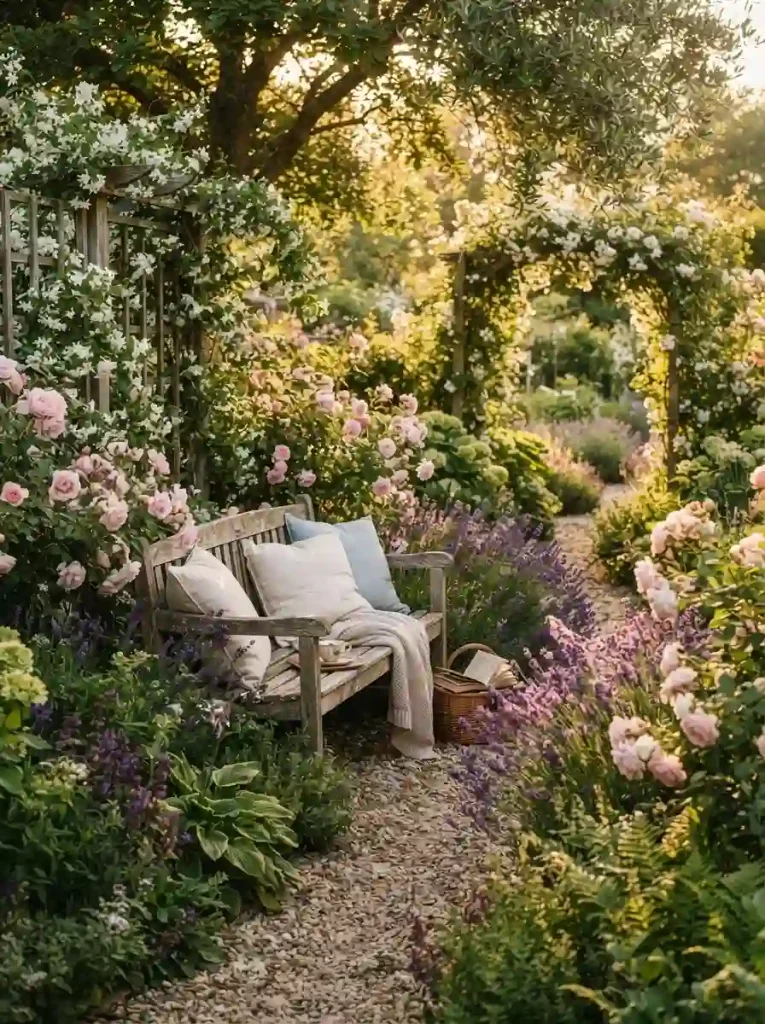
A garden becomes much more enjoyable when it appeals to more than just the eyes. Fragrant flowers can turn an ordinary seating area into a sensory retreat.
Plant scented varieties close enough to enjoy their fragrance while sitting outdoors. Depending on your climate, options may include jasmine, lavender, gardenia, roses, honeysuckle, or sweet alyssum.
Think about when the fragrance is strongest and position plants accordingly. Evening-scented flowers can be especially enjoyable around a patio where you like to relax after sunset.
Avoid planting too many strongly scented varieties in one small area. A few complementary fragrances can be more pleasant than an overwhelming mixture.
Expert Tip:
Research the mature size and growing requirements of fragrant plants before planting. Healthy plants generally produce a much better garden experience.
15. Give an Old Garden Bench a New Life
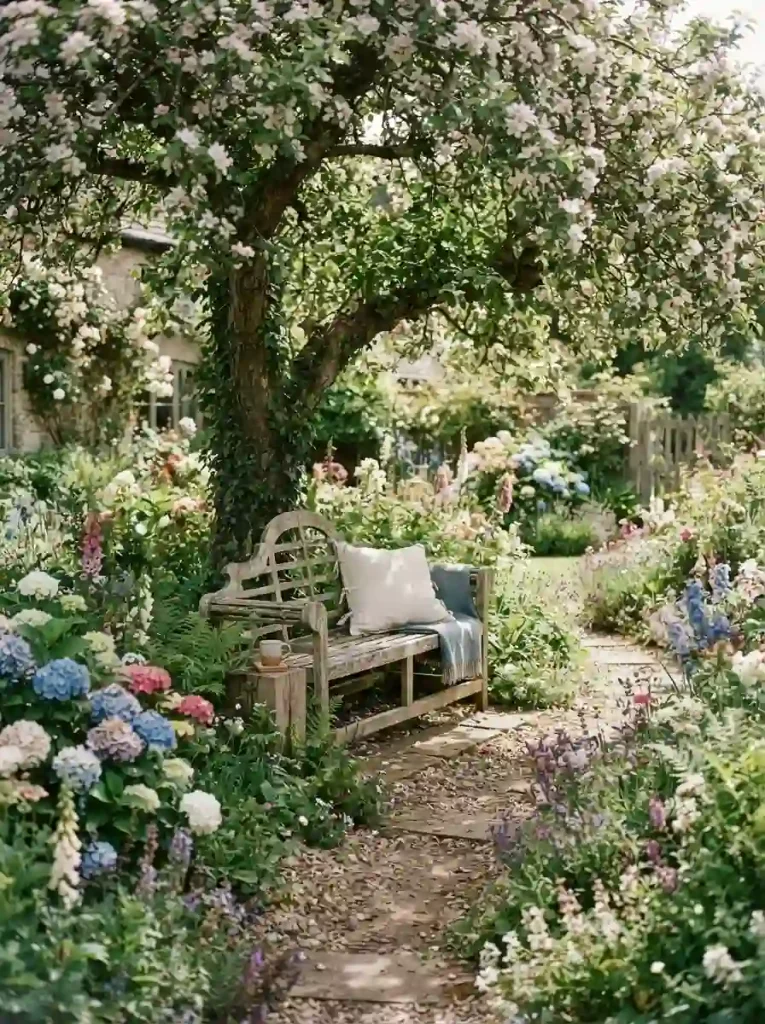
An old bench does not have to be perfect to become a beautiful garden feature. Weathered wood, faded paint, and aged surfaces can add character that new furniture sometimes lacks.
Place the bench beneath a tree, beside a flower border, or at the end of a garden pathway. Surrounding it with plants can make it appear as though it has always belonged there.
If the bench needs refreshing, consider repairing damaged sections and applying an outdoor finish appropriate for the material. You can keep some of its aged character rather than making it look completely new.
A small cushion can add comfort while maintaining the relaxed appearance.
Expert Tip:
Make sure an older bench is structurally safe before using it. Decorative charm should never come at the expense of stability.
16. Create a Beautiful Herb Garden in Raised Beds
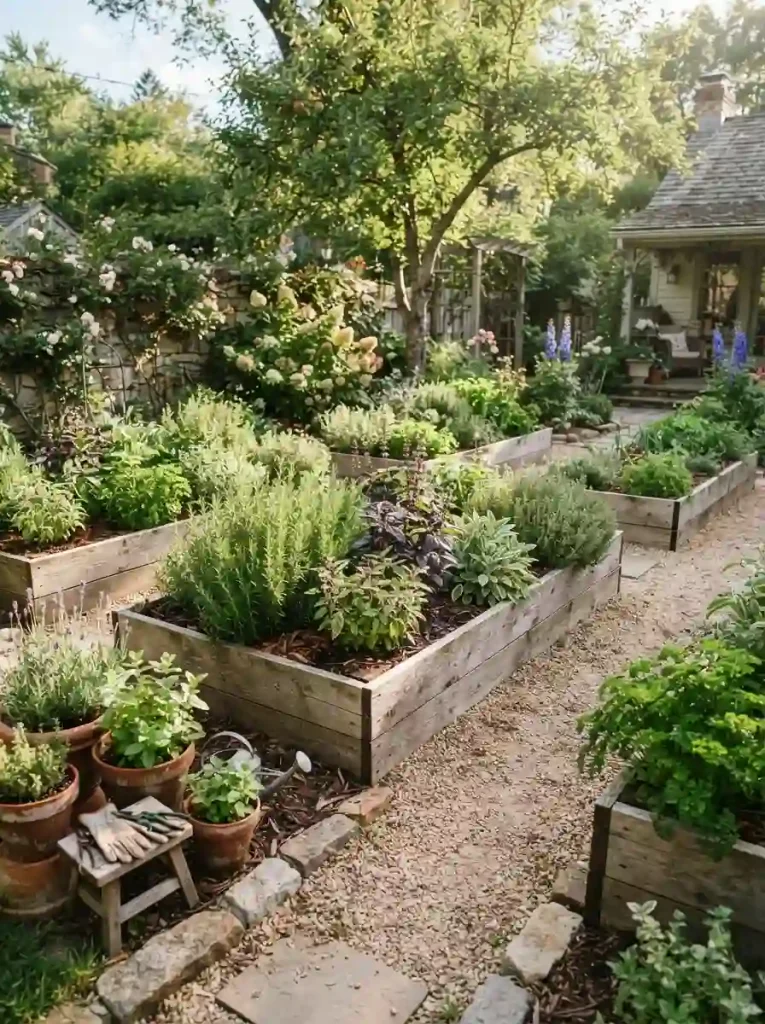
Herbs can be both practical and decorative, making them ideal for an aesthetic garden. Raised beds allow you to organize different varieties while giving the planting area a clear visual shape.
Try arranging herbs according to height and texture. Rosemary can provide upright structure, while thyme and oregano can spill gently over edges. Basil, sage, parsley, and mint can add different shades of green.
Use wooden or stone raised beds that complement your garden style. A simple layout can look more elegant than a complicated geometric design.
Keep frequently used herbs close to the kitchen or outdoor dining area so harvesting remains convenient.
Expert Tip:
Be careful with spreading herbs such as mint. Growing them in containers or dedicated sections can help prevent them from taking over nearby planting areas.
17. Use Ornamental Grasses for Movement and Texture
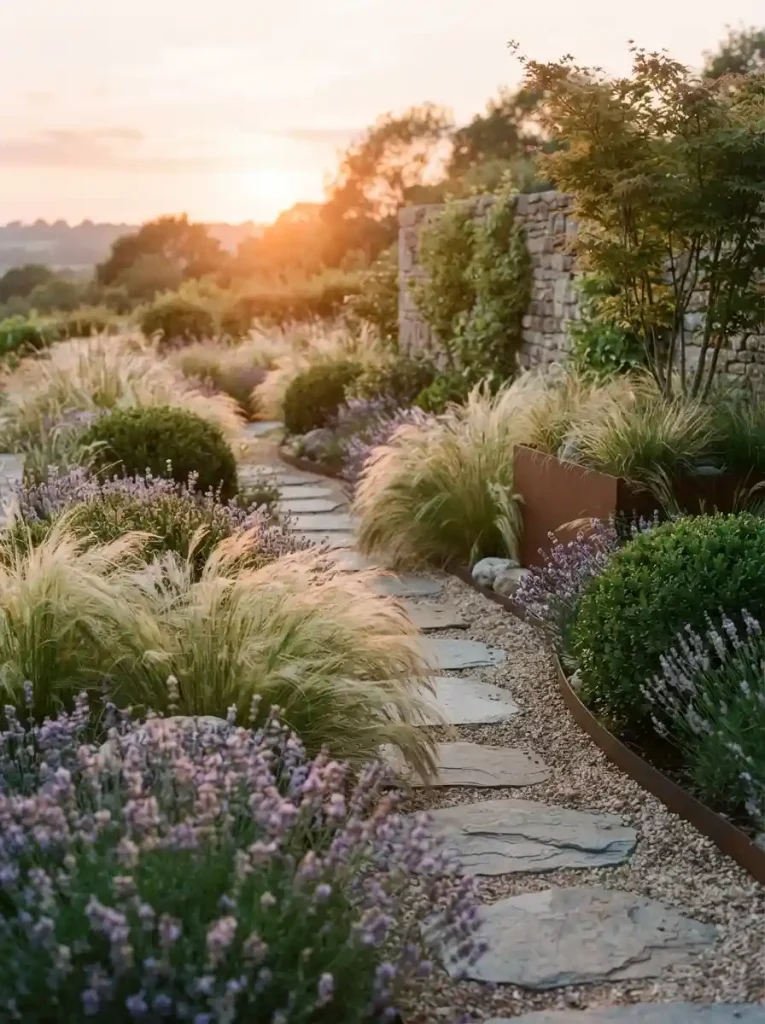
Ornamental grasses can bring a softer, more dynamic quality to a garden. Their fine leaves move gently in the breeze and provide texture even when flowers are not blooming.
Plant grasses in groups rather than placing individual plants randomly. A few larger clusters can create a stronger visual effect and make the garden feel more intentional.
Combine them with flowering perennials, shrubs, or stone features for contrast. Their neutral green, golden, or silvery tones can also balance brighter flowers.
Tall varieties can provide a sense of privacy without creating the heavy appearance of a solid hedge.
Expert Tip:
Check the mature height before planting ornamental grasses near pathways or windows. Some varieties become much larger than they initially appear.
18. Turn a Garden Wall Into a Living Green Feature
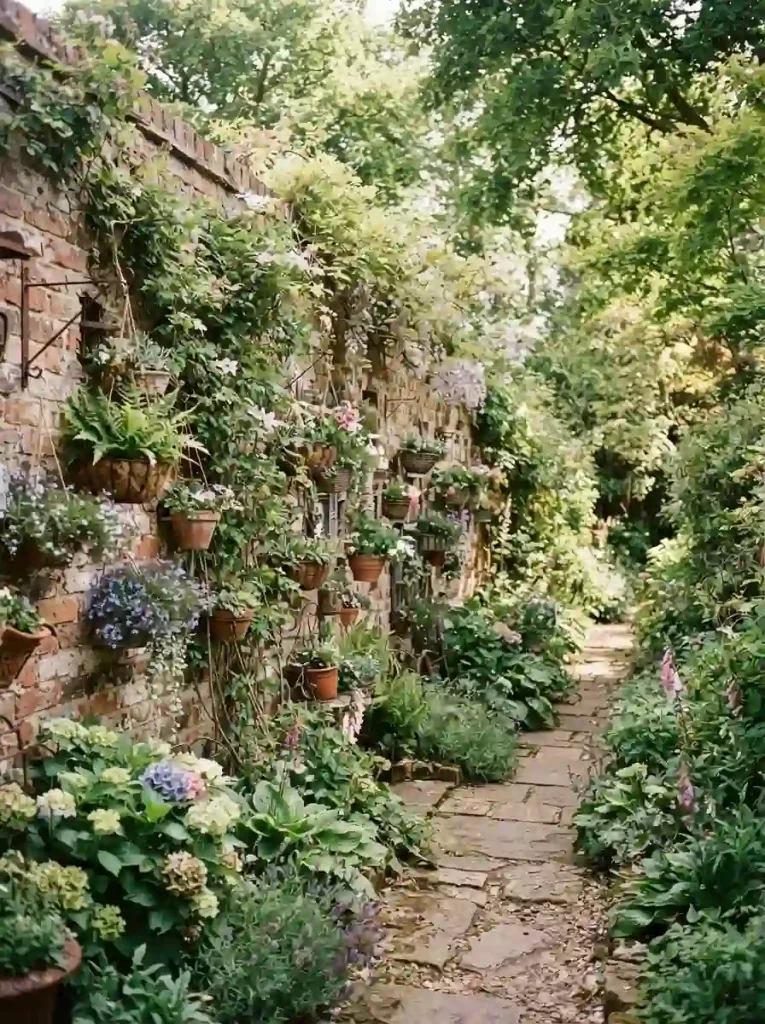
A plain garden wall can become much more attractive when greenery is introduced vertically. This approach is especially useful when floor space is limited.
Install suitable climbing supports or vertical planters and choose plants that match the wall’s light conditions. Climbing vines can create a softer appearance, while organized planters can produce a more structured look.
Keep enough wall visible to prevent the space from feeling visually heavy. Combining greenery with sections of exposed stone, brick, or painted surface can create a balanced composition.
A living wall can also help separate different garden zones and make a small outdoor space feel more layered.
Expert Tip:
Check whether your chosen climbing plant attaches directly to surfaces or needs a separate support system. The right support can protect the wall while making maintenance easier.
19. Design a Cozy Fire Pit Gathering Area
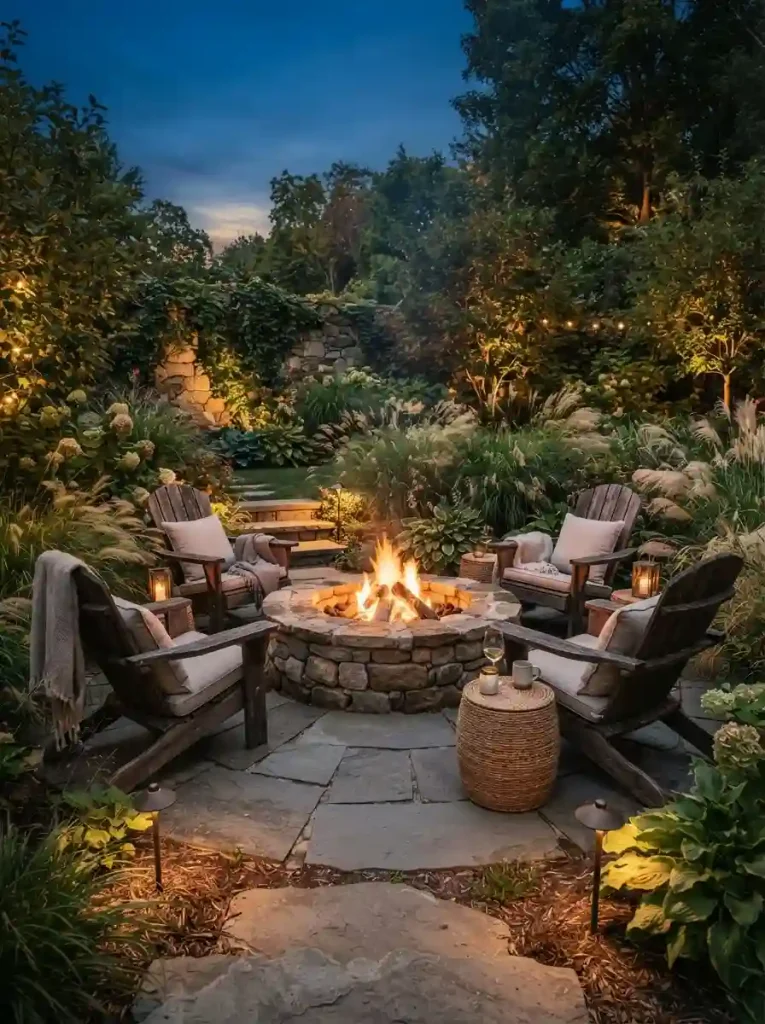
A fire pit can turn a garden into a comfortable gathering space during cooler evenings. The key is to make the surrounding area feel inviting without overcrowding it.
Create a simple circular seating arrangement with weather-resistant chairs or benches. Natural stone, gravel, or brick can define the fire pit zone and visually separate it from nearby planting.
Keep decorative greenery at a safe distance and follow all local fire-safety requirements. The surrounding landscape should enhance the space without interfering with safe use.
Add simple cushions, outdoor blankets, or a small side table when appropriate for the weather. These details can make the area feel warm and welcoming.
Expert Tip:
Always follow the manufacturer’s safety instructions for your fire pit and maintain a clear area around flames. Check local regulations before installation.
20. Finish the Garden With a Charming Garden Gate
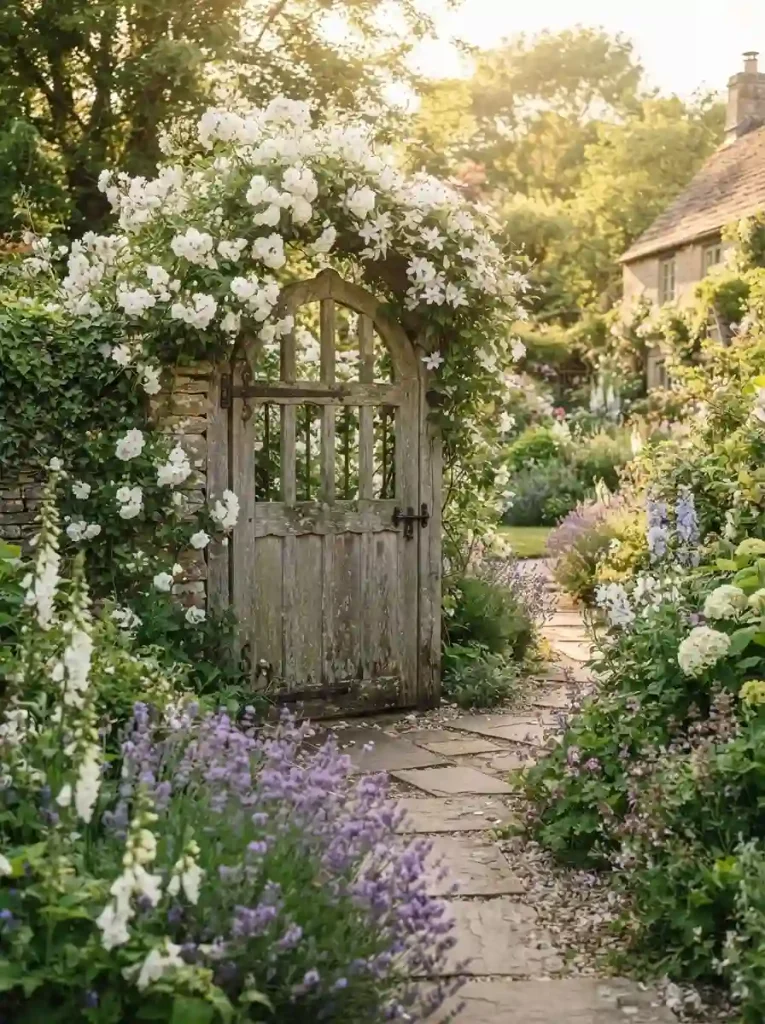
A beautiful garden gate can give the entire outdoor space a sense of completion. It can also create the feeling that visitors are entering a separate little world.
Choose a gate that works with the architecture of your home and the character of your garden. Weathered wood can create a rustic cottage feeling, while painted timber or simple metal can suit a more refined landscape.
Surround the gate with flowering plants, climbing vines, shrubs, or a pair of matching containers. Keep the planting balanced so the entrance remains visible.
Even a small gate can become a memorable feature when it frames the pathway beyond it and creates a sense of anticipation.
Expert Tip:
Treat the gate as part of the overall garden composition rather than an isolated decoration. Repeating materials or colors from nearby features will make the entrance feel connected.
Final Thoughts
Creating a dreamy aesthetic garden does not require a huge budget or a perfectly landscaped backyard. The most memorable outdoor spaces usually come from combining a few thoughtful elements that work together.
Start with one area that needs the most attention. You might add a comfortable seating corner, improve a neglected pathway, introduce layered planting, or simply bring in a few beautiful containers.
From there, build the garden gradually. Repeat colors, textures, and materials so the different areas feel connected. Give plants enough room to mature, and leave some open space so the garden does not become overcrowded.
Most importantly, design the space around how you actually want to use it. A garden can be beautiful while still being practical, comfortable, and easy to enjoy.
The best aesthetic garden is not necessarily the most expensive or perfectly styled one. It is the space that makes you want to step outside, slow down, and stay awhile.