
25 Simple Steps to Grow Juicy Strawberries at Home
Nothing beats a strawberry picked warm from the plant and eaten on the spot. Store-bought berries can’t compete on flavor, and growing your own is easier than most people think. You don’t need a big garden either. A sunny balcony, a few pots, or a small raised bed is enough.
This guide walks you through 25 simple steps, from choosing the right plants to harvesting and keeping them productive for years. Whether you’re a first-time grower or want better yields, follow along and you’ll be picking juicy homegrown strawberries in no time.
1. Learn the Three Types of Strawberries
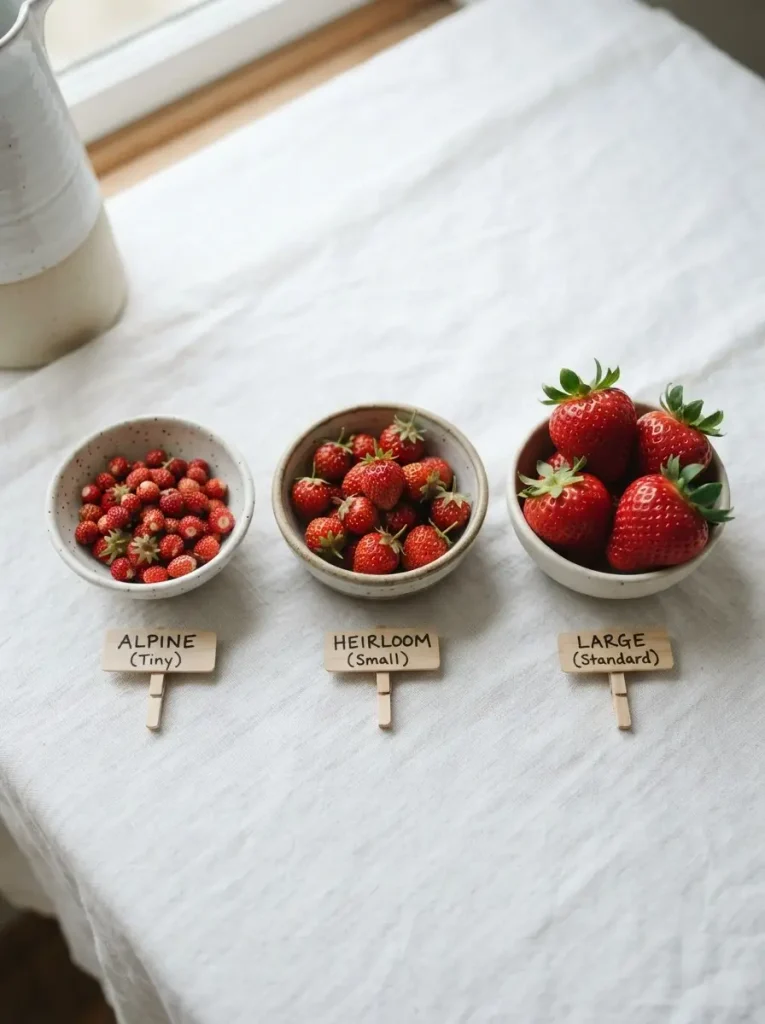
Strawberries come in three main types, and your choice affects when and how much you harvest.
- June-bearing. one large crop over 2 to 3 weeks in early summer. Best for jam and freezing.
- Everbearing. two or three smaller flushes through the season.
- Day-neutral. steady, lighter harvests from spring to fall. Great for pots.
2. Match the Variety to Your Climate
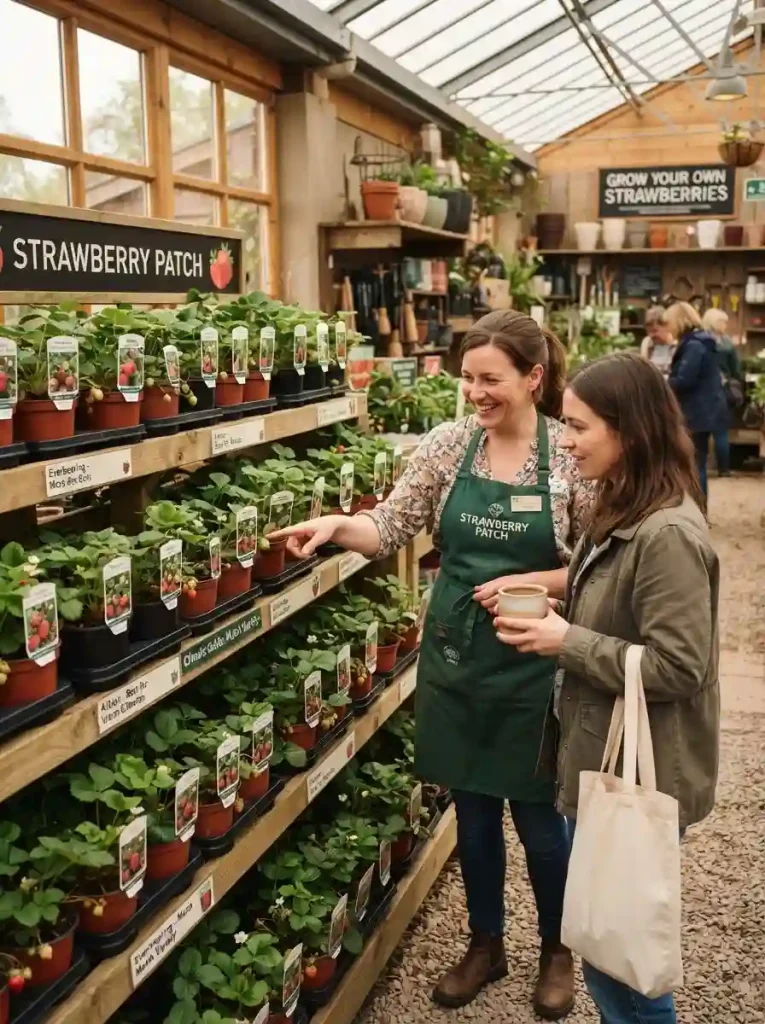
Most strawberries grow well across a wide range of zones, but some varieties handle cold winters or hot summers better than others. Check your USDA hardiness zone first, then ask a local nursery or your county extension office which cultivars perform best nearby. Local advice saves you a season of trial and error, and disease-resistant varieties are a smart choice for beginners.
3. Buy Healthy Plants from a Reliable Source
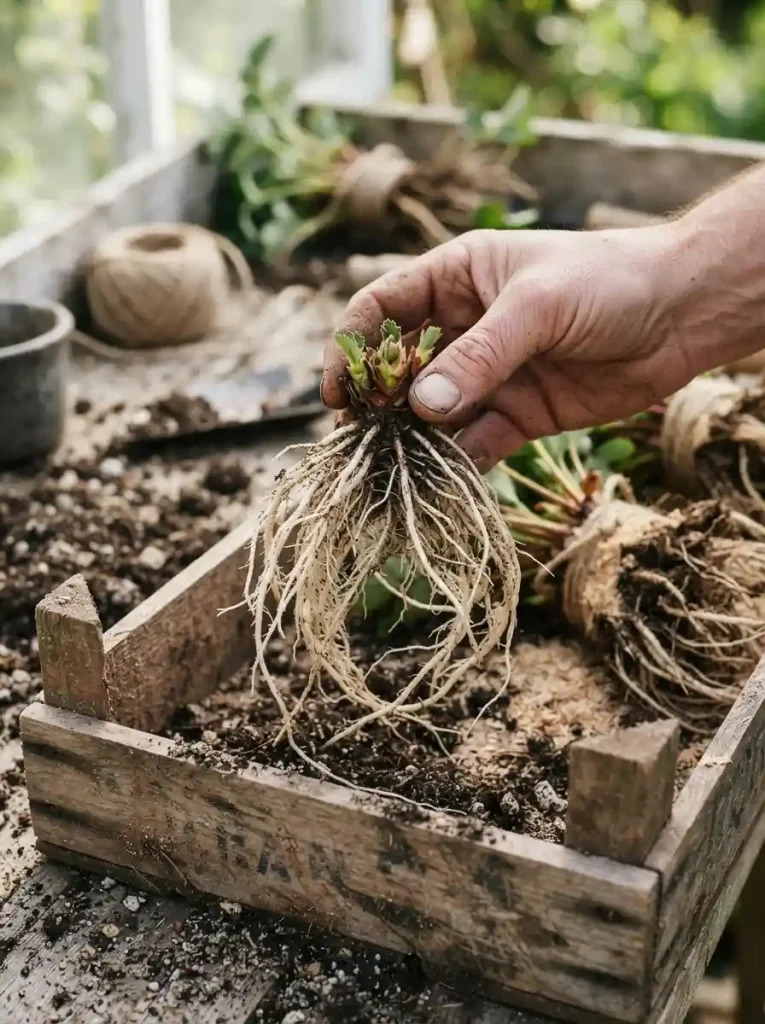
Strawberries are usually sold as bare-root crowns or potted plants. Bare-root plants cost less and establish quickly. Potted plants are more forgiving for beginners. Look for plants with lots of healthy white roots, and plenty of green, unblemished leaves. Avoid any with wilted, spotted, or mushy crowns, since problems at purchase can follow you all season.
4. Time Your Planting Right
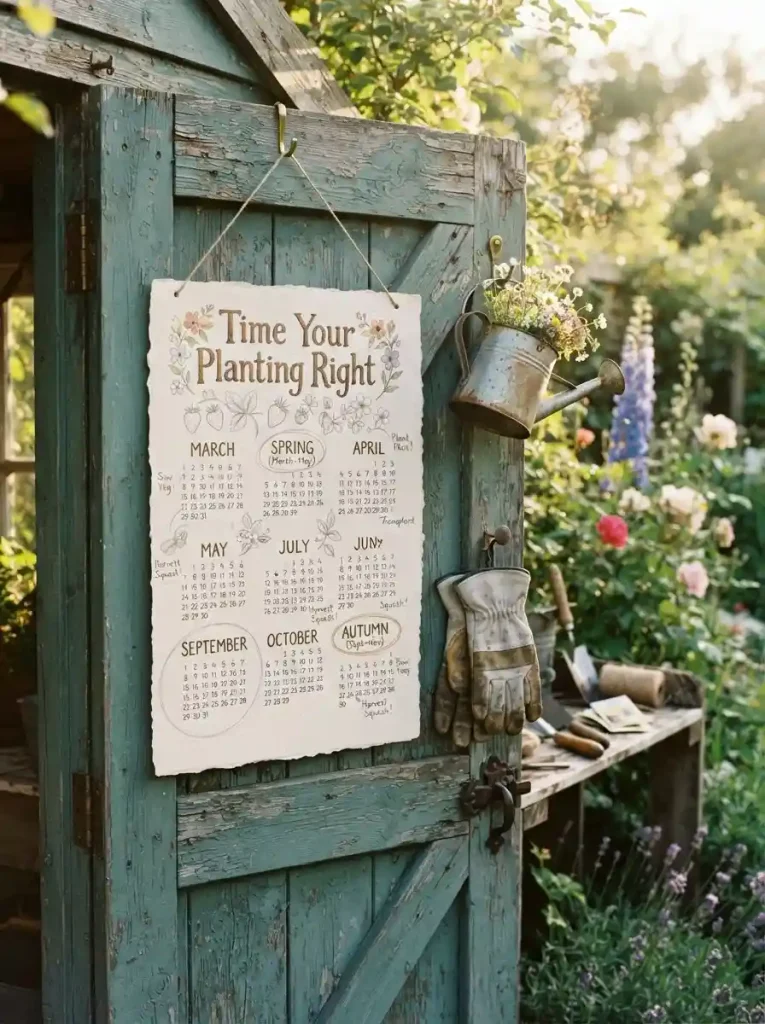
In most regions, early spring is the best time to plant, as soon as the soil can be worked and the hardest frosts have passed. In mild-winter areas, fall planting works well. Early planting gives roots time to settle before summer heat arrives, which leads to stronger plants and better fruit later.
5. Choose a Spot with Plenty of Sun
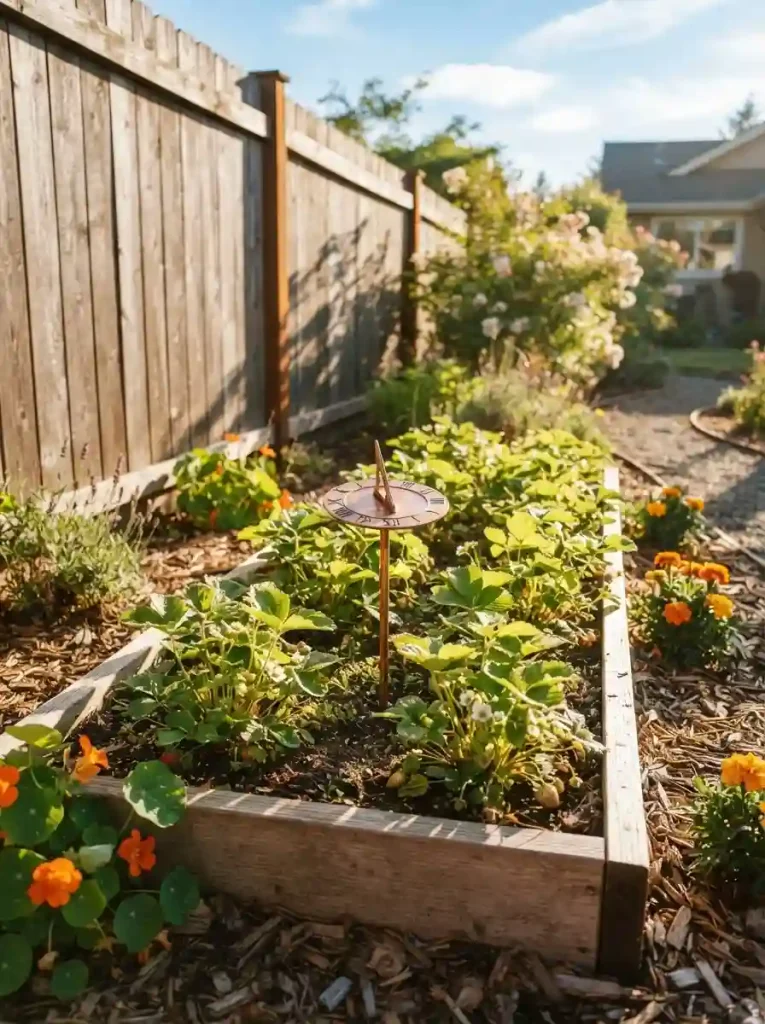
Strawberries need at least 6 to 8 hours of direct sunlight a day to produce sweet, well-colored fruit. Watch your garden or balcony across a day before planting. Pick a spot that also has some air movement, which helps leaves dry quickly and cuts down on fungal problems.
6. Improve Your Soil Before Planting
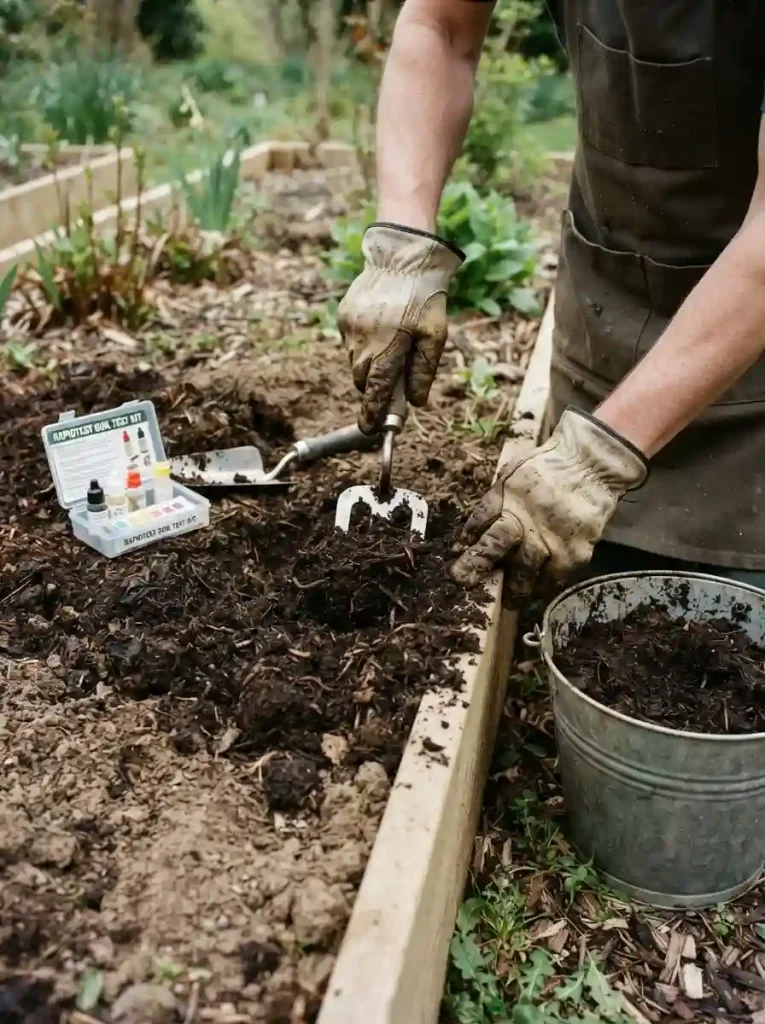
Strawberries prefer loose, well-draining soil that’s rich in organic matter, with a slightly acidic pH of about 5.5 to 6.5. A simple soil test kit tells you where you stand. Mix in several inches of compost to boost fertility and drainage. Heavy clay and very sandy soils both benefit from this step.
7. Build a Raised Bed or Planting Mounds
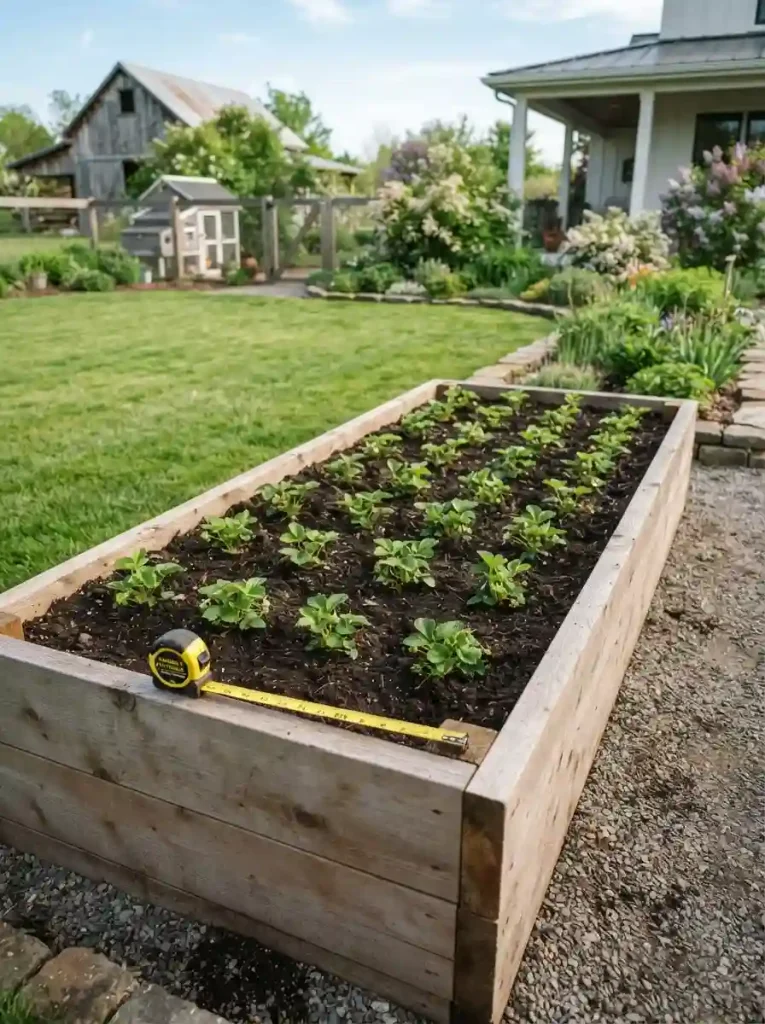
If your ground is heavy or stays wet, raised beds or mounded rows give roots the drainage they need. A bed about 8 to 12 inches high works well. Raised beds also warm up faster in spring, make weeding easier, and keep the plants at a comfortable height for harvesting.
8. Try Containers, Hanging Baskets, or Towers
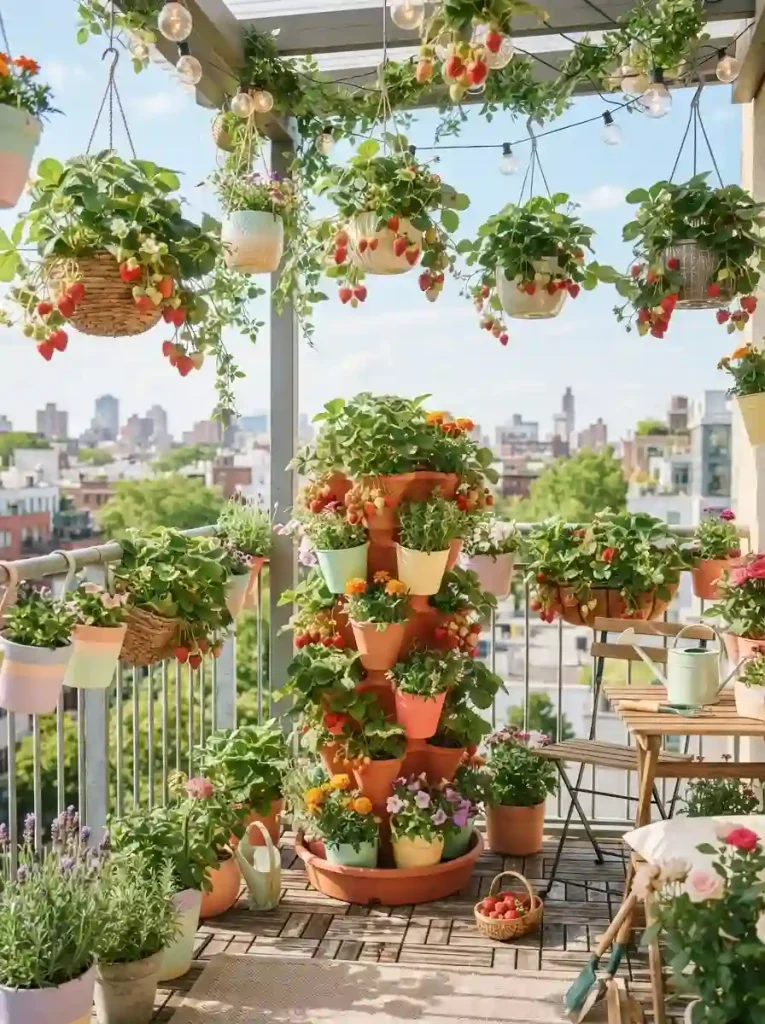
No yard? Strawberries thrive in pots, hanging baskets, grow bags, and vertical towers. Choose containers at least 10 to 12 inches wide with good drainage holes, and fill them with quality potting mix rather than garden soil. Containers also keep fruit off the ground and away from slugs.
9. Prepare the Plants Before They Go In
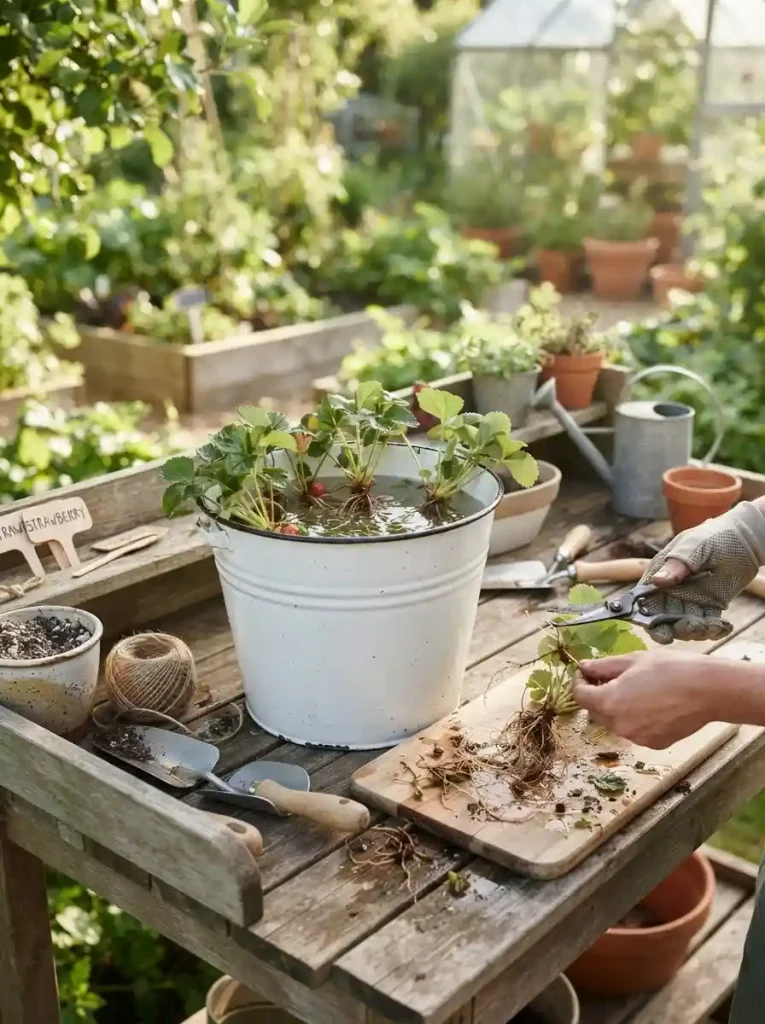
Bare-root crowns appreciate a 20 to 30 minute soak in room-temperature water before planting. This rehydrates the roots after shipping. Trim any overly long roots to about 4 to 6 inches and remove dead or damaged leaves. Potted plants should be watered well and gently loosened at the roots.
10. Plant at the Correct Depth
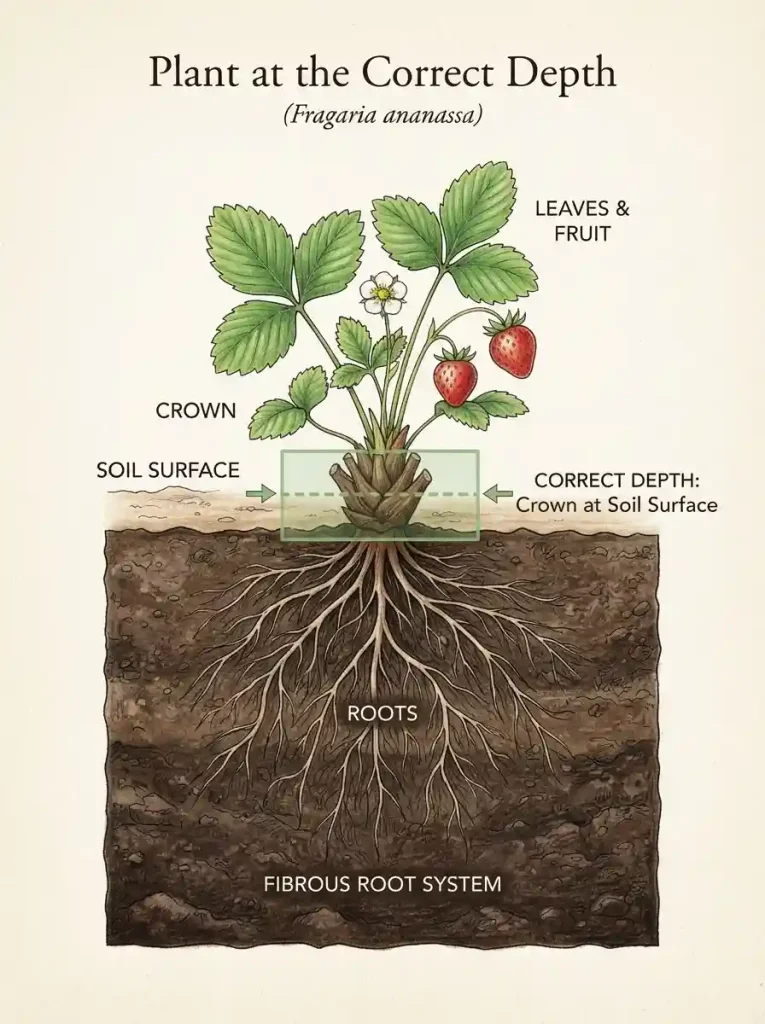
Depth is the most common beginner mistake. Dig a hole wide enough to spread the roots, then set the plant so the crown, the point where roots meet leaves, sits exactly level with the soil surface. Buried crowns rot, and exposed roots dry out. Firm the soil gently around the base.
11. Give Each Plant Enough Space
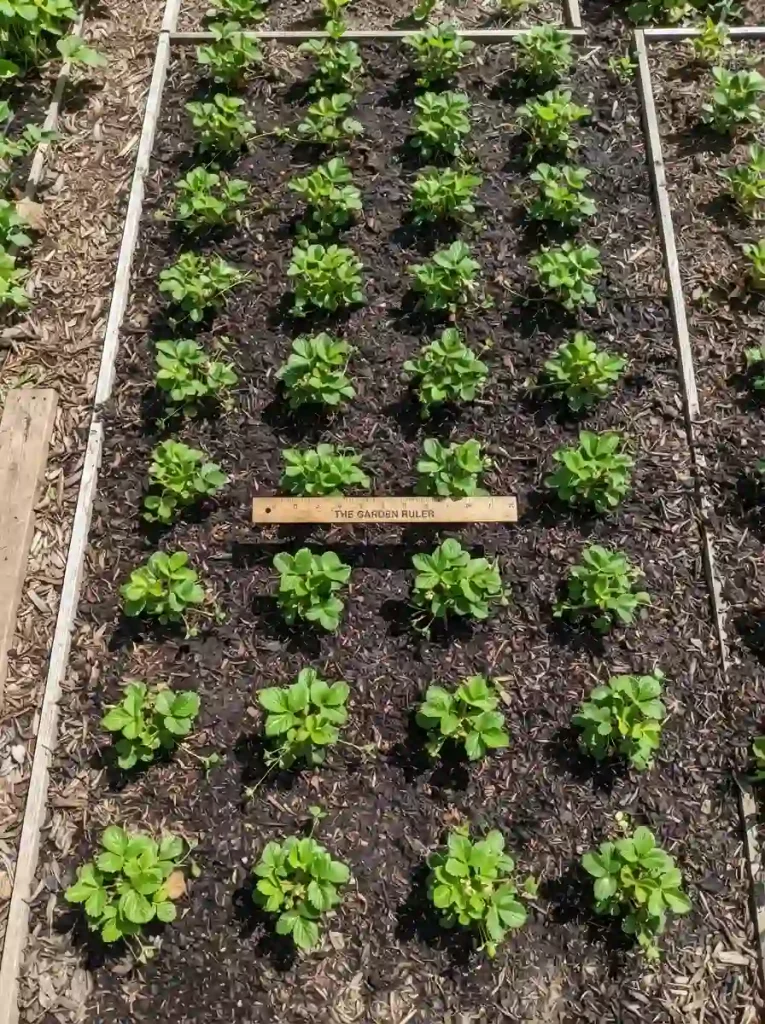
Crowding invites disease and lowers yields. Space plants about 12 to 18 inches apart in rows roughly 2 to 3 feet apart, depending on the variety and growing method. In containers, allow roughly one plant per 8 to 10 inches of pot width. Good spacing keeps airflow strong and berries easy to reach.
12. Water Deeply After Planting
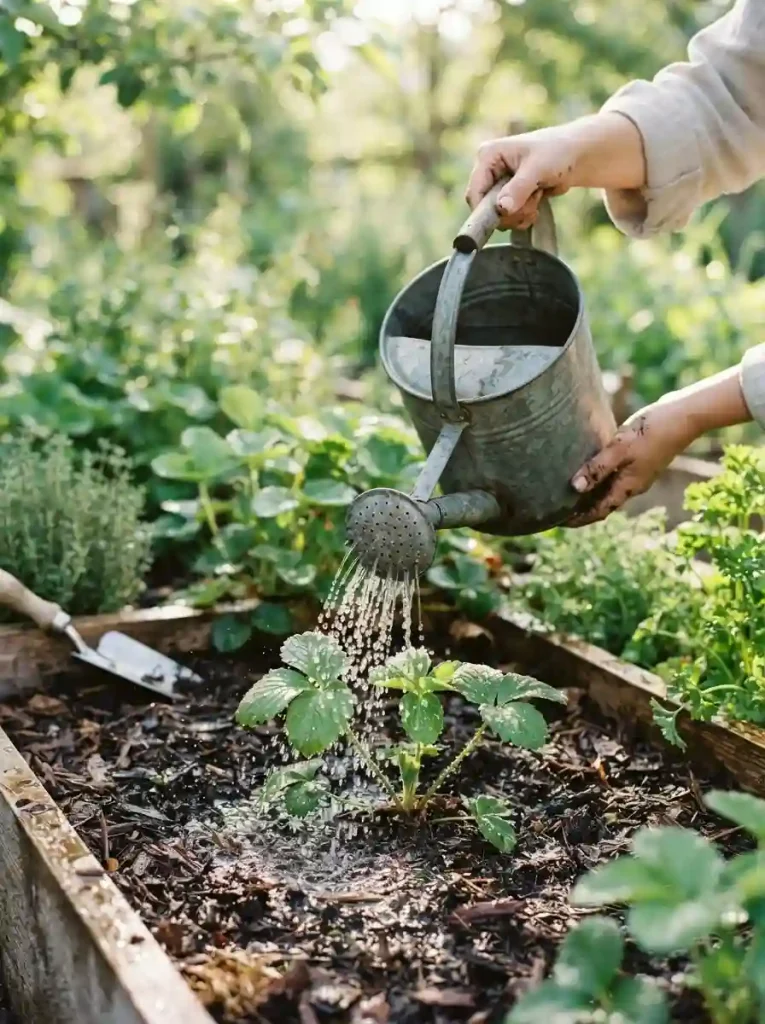
Right after planting, soak the soil thoroughly to settle it around the roots and remove air pockets. For the first few weeks, keep the soil evenly moist but never soggy, since new roots are shallow and dry out fast. Water at the base rather than over the leaves.
13. Add a Layer of Mulch
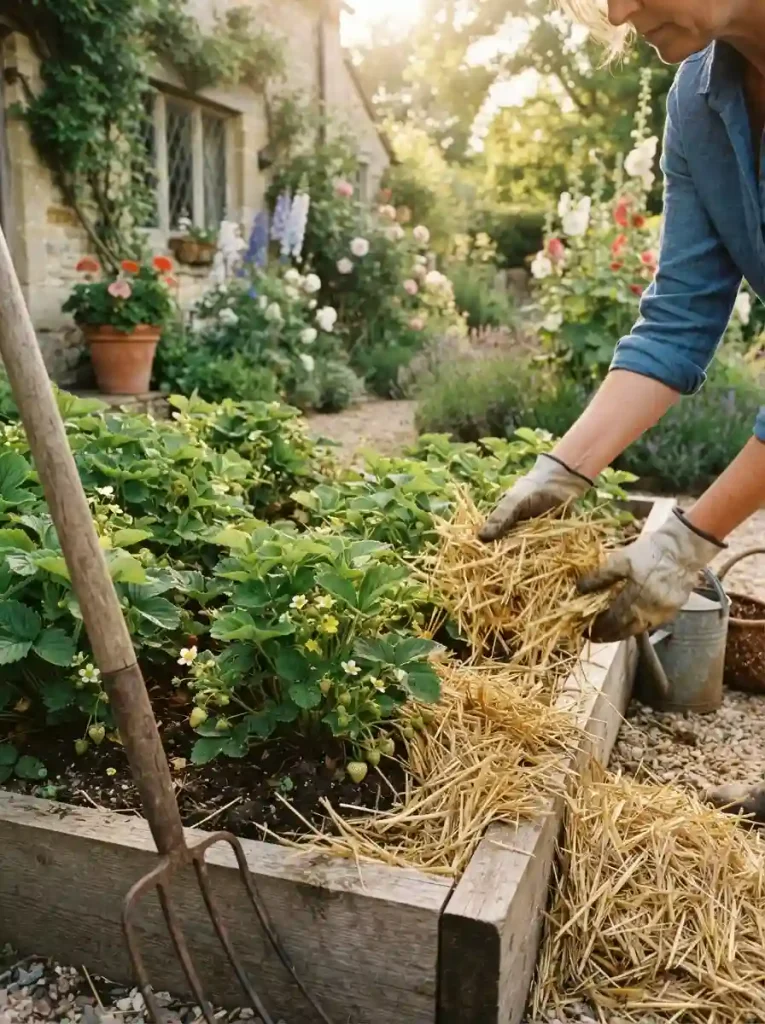
Spread 2 to 3 inches of straw, pine needles, or shredded leaves around your plants, keeping it just clear of the crowns. Mulch holds moisture, blocks weeds, regulates soil temperature, and keeps ripening berries clean and off wet soil. It’s one of the easiest ways to get a healthier plant.
14. Feed Your Strawberries the Right Way
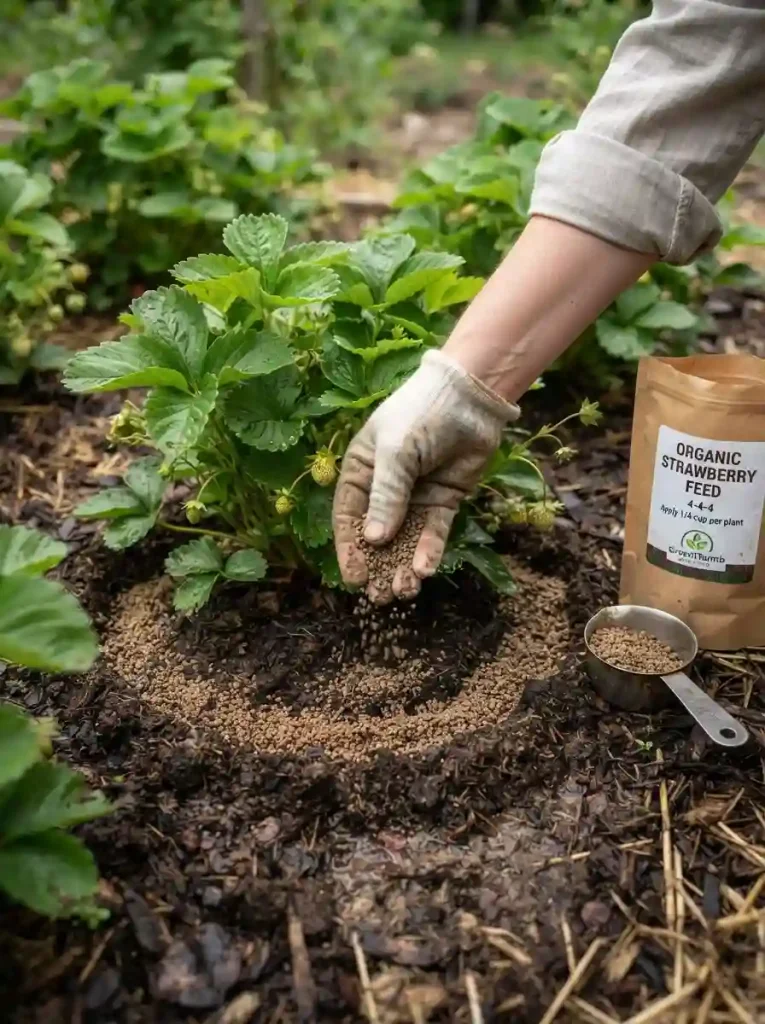
Strawberries are light feeders, and too much nitrogen gives you lush leaves but few berries. Use a balanced fertilizer or a slow-release option formulated for fruit, and follow the label rates. For June-bearing types, feed after harvest. For everbearing and day-neutral types, feed lightly every 4 to 6 weeks through the growing season.
15. Keep Watering Consistent
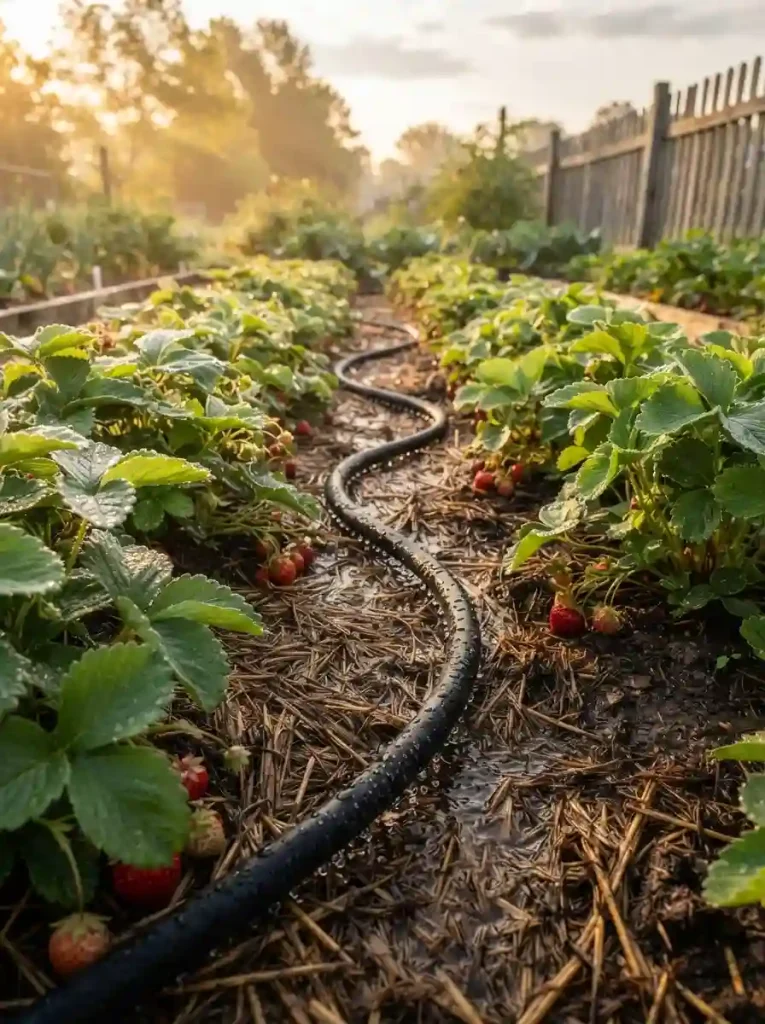
Aim for about 1 to 2 inches of water a week, including rainfall. Water in the early morning so leaves dry fast. Irregular watering leads to small, dry, or misshapen fruit. Drip irrigation or a soaker hose delivers moisture right to the roots and keeps berries clean.
16. Pinch Off First-Year Blossoms
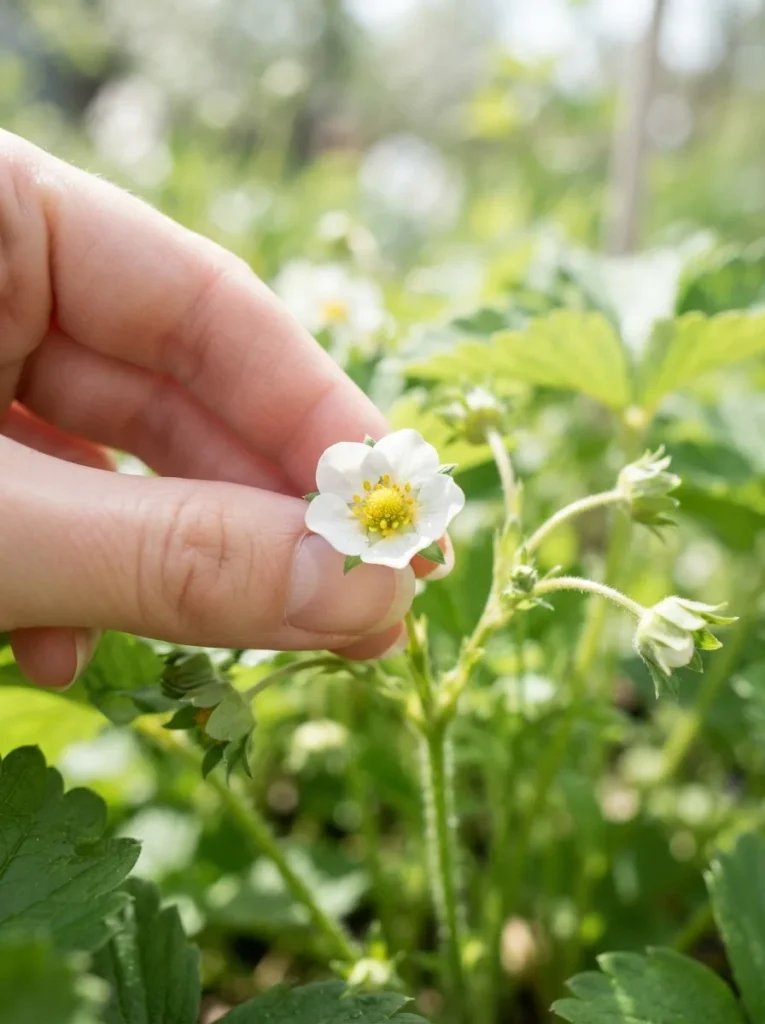
It’s hard to snip off those pretty white flowers, but it pays off. For June-bearing plants, remove all blossoms in the first season so the plant puts energy into roots and runners. For everbearing and day-neutral types, pinch blossoms until about 6 weeks after planting, then let them fruit.
17. Manage Runners Wisely
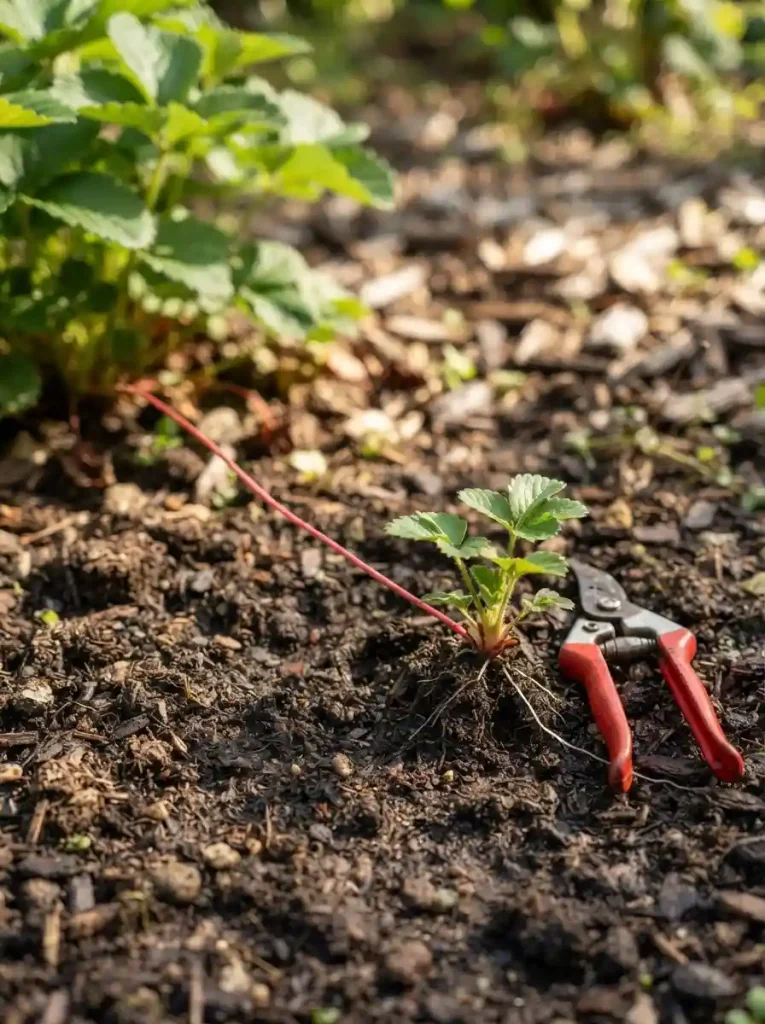
Runners are long stems that sprout baby plants. Too many make a crowded, low-yield bed. Decide what you want. for June-bearing types, let a few runners root to fill gaps, then trim the rest. For everbearing and day-neutral types, snip most runners off so energy goes into fruit.
18. Weed Gently and Often
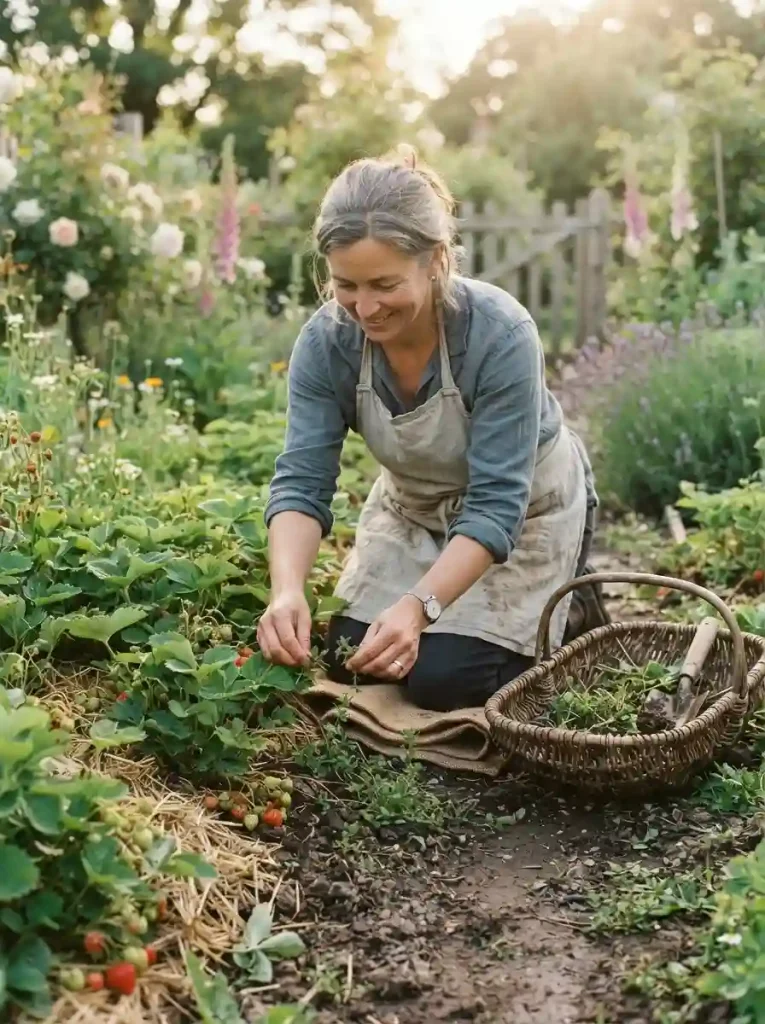
Weeds compete for water and nutrients, and strawberry roots are shallow, so deep digging can damage them. Pull weeds by hand when the soil is damp, and refresh mulch as needed. A few minutes each week keeps problems small and your patch looking tidy.
19. Keep Birds and Critters Away
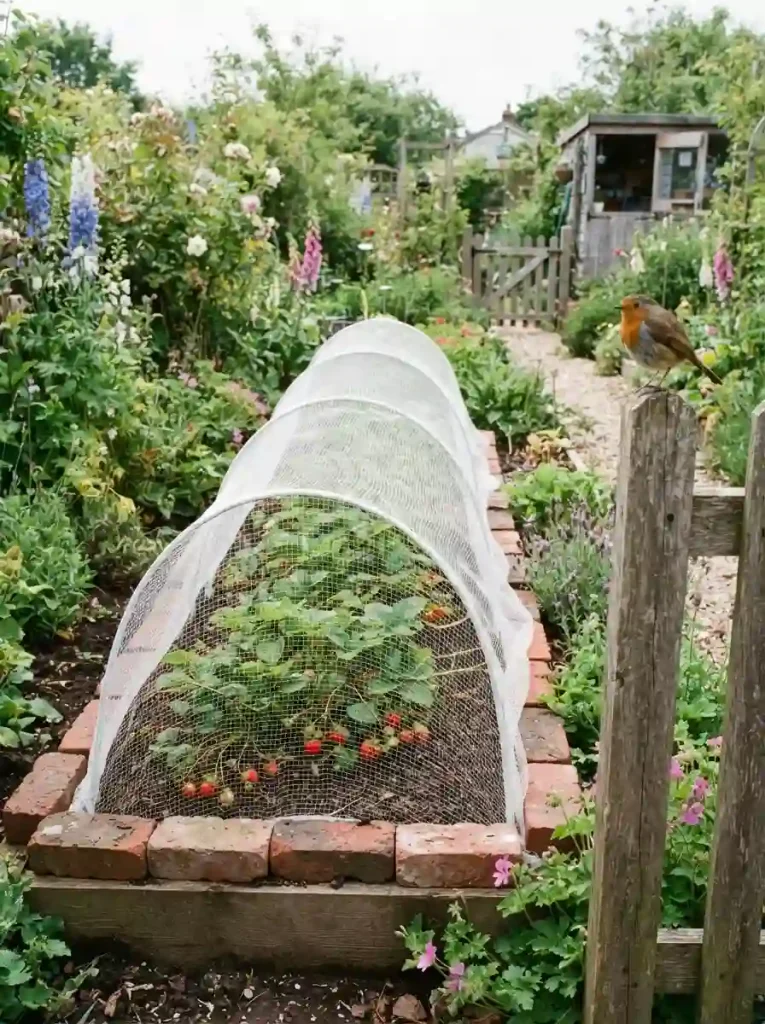
Birds, squirrels, and other wildlife love ripe strawberries as much as you do. Cover beds with lightweight bird netting held up by hoops or stakes, and secure the edges so nothing sneaks under. For containers, a mesh cage or a cloche works well.
20. Watch for Common Pests
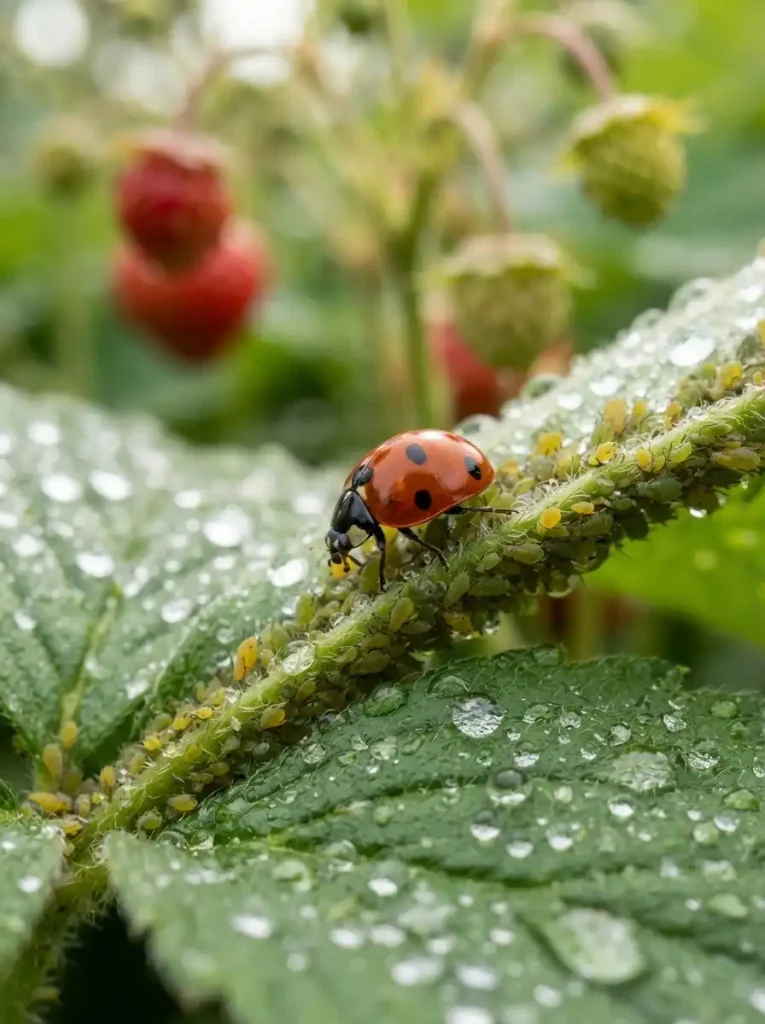
Slugs, aphids, spider mites, and strawberry weevils are the usual suspects. Check leaves and fruit weekly, including undersides. Hand-pick slugs in the evening, spray aphids off with water, and encourage ladybugs and other beneficial insects. Catching trouble early usually means you won’t need anything stronger.
21. Prevent Fungal Diseases
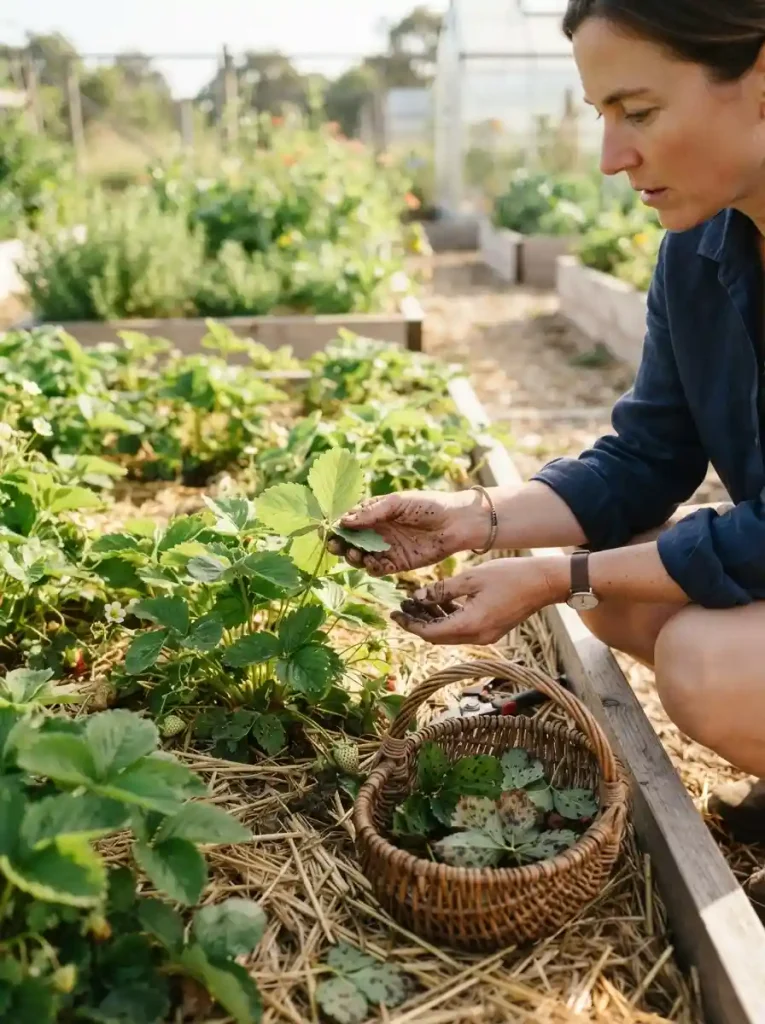
Gray mold and leaf spot thrive in damp, crowded conditions. Water at the base, space plants properly, remove any rotting fruit right away, and clear dead leaves. Choosing disease-resistant varieties and rotating beds every few years also lowers the risk, especially if you’ve had problems before.
22. Pick at Peak Ripeness
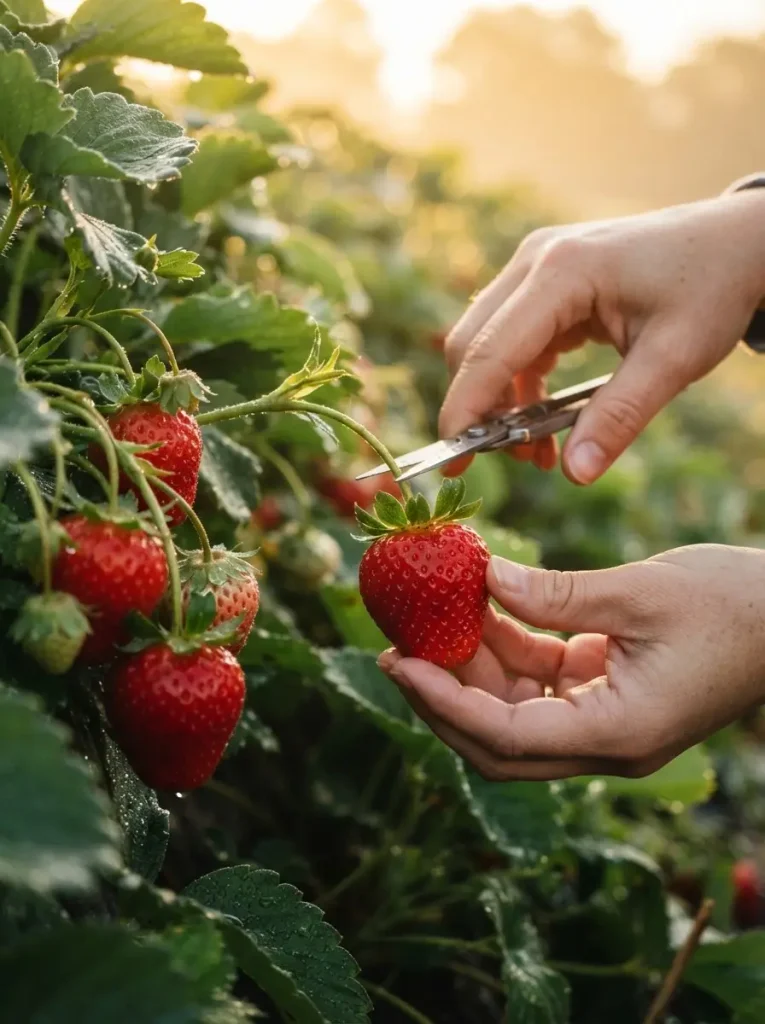
Strawberries don’t ripen further once picked, so wait until the fruit is fully red from tip to shoulder. Harvest in the cool of the morning, and pinch the stem about half an inch above the berry rather than pulling the fruit itself. Pick every couple of days during peak season.
23. Store and Use Them Well

Keep unwashed berries in the refrigerator in a shallow, breathable container and eat them within a few days. Rinse only right before eating. For longer storage, freeze whole hulled berries on a tray, then bag them. They’re perfect for smoothies, jam, and baking.
24. Prepare Plants for Winter
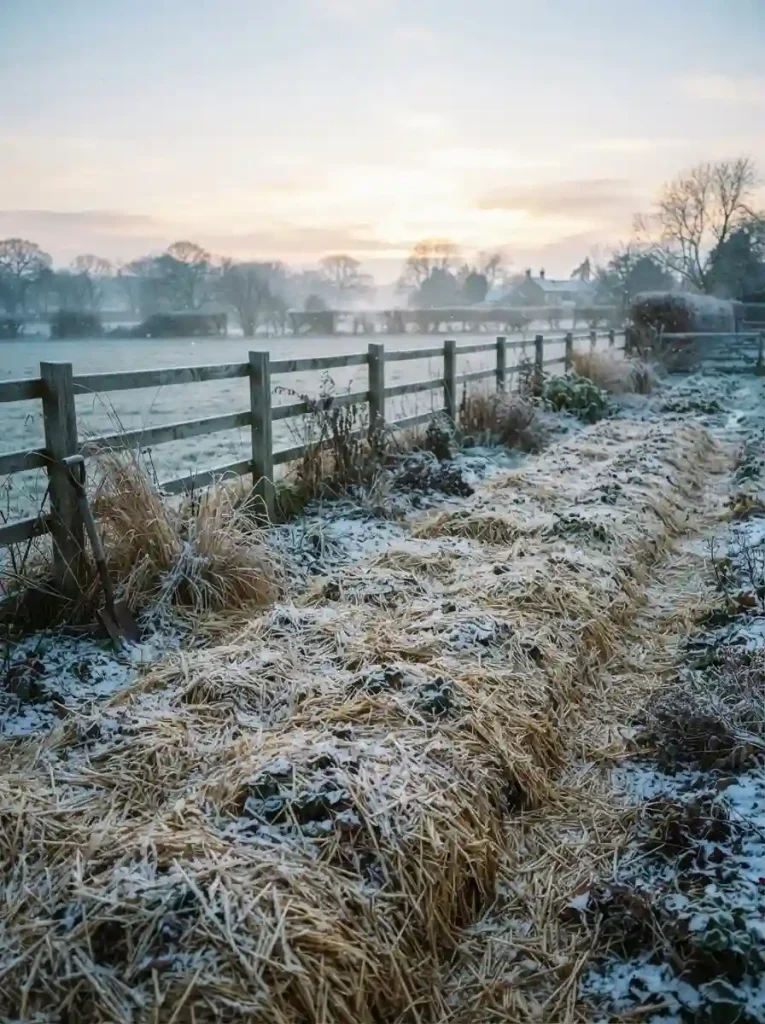
In cold climates, apply a 3 to 4 inch blanket of straw after the first few hard frosts, once plants go dormant. This protects crowns from freezing and thawing damage. In spring, pull the mulch back gradually as new growth appears. Potted plants can be moved to a sheltered spot, such as an unheated garage.
25. Renovate and Refresh Your Patch
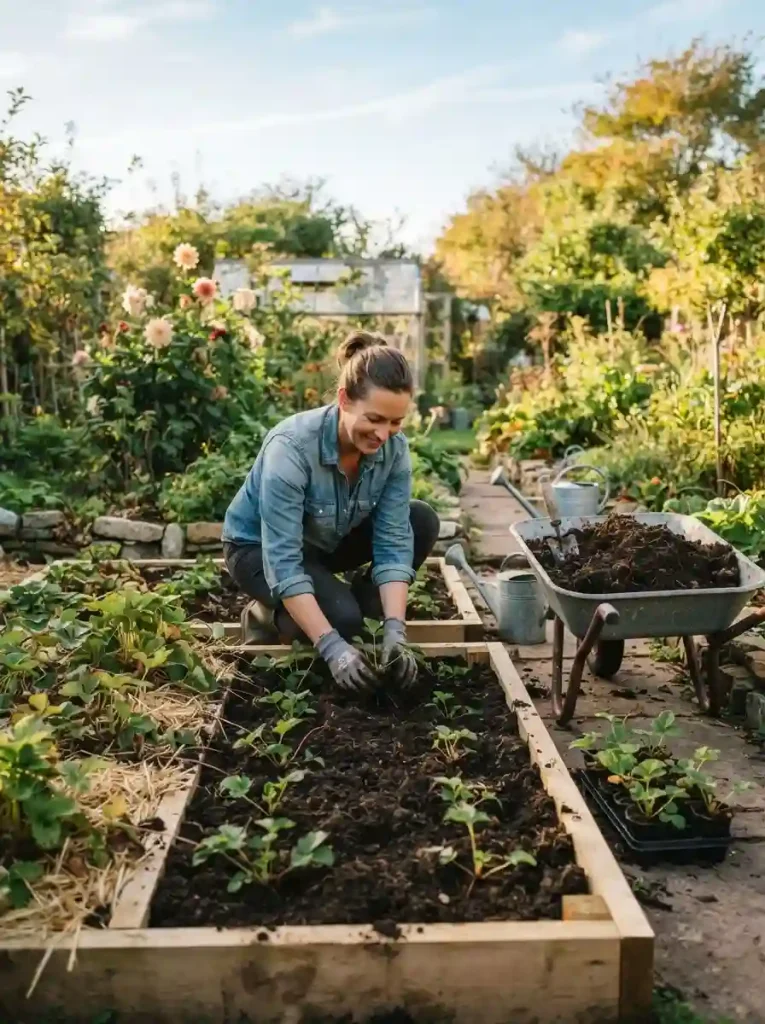
Productivity usually drops after 3 to 4 years. After harvest, mow or trim June-bearing foliage, thin crowded plants, add compost, and replace weak ones with healthy runners. Starting a fresh bed every few years keeps yields high and berries sweet.
Frequently Asked Questions
How long does it take to grow strawberries?
Most plants begin fruiting within a few weeks to a year, depending on type and planting time. June-bearing plants usually give their best crop in the second year, while day-neutral types can produce the same season.
Can I grow strawberries from seed?
Yes, but it’s slow and less predictable. Most gardeners find bare-root plants or potted starts faster and more reliable.
Why are my strawberries small or sour?
Common causes include too little sun, uneven watering, overcrowding, or harvesting before they’re fully red. Fixing light and watering usually makes the biggest difference.
How many plants do I need?
Plan on about 10 to 15 plants per person if you want plenty for fresh eating. Add more if you want to freeze or make jam.
Do strawberries come back every year?
Yes. They’re perennials, and with good care they’ll keep producing for several years.
Conclusion
Growing strawberries at home comes down to a few basics. pick the right plants, give them sun, drainage, and steady moisture, protect the crop, and refresh the patch every few years. Start with a handful of plants and learn as you go. Before long, you’ll have sweet, juicy berries straight from your own garden.