22 Curious Truths About Growing Succulents in Rocks
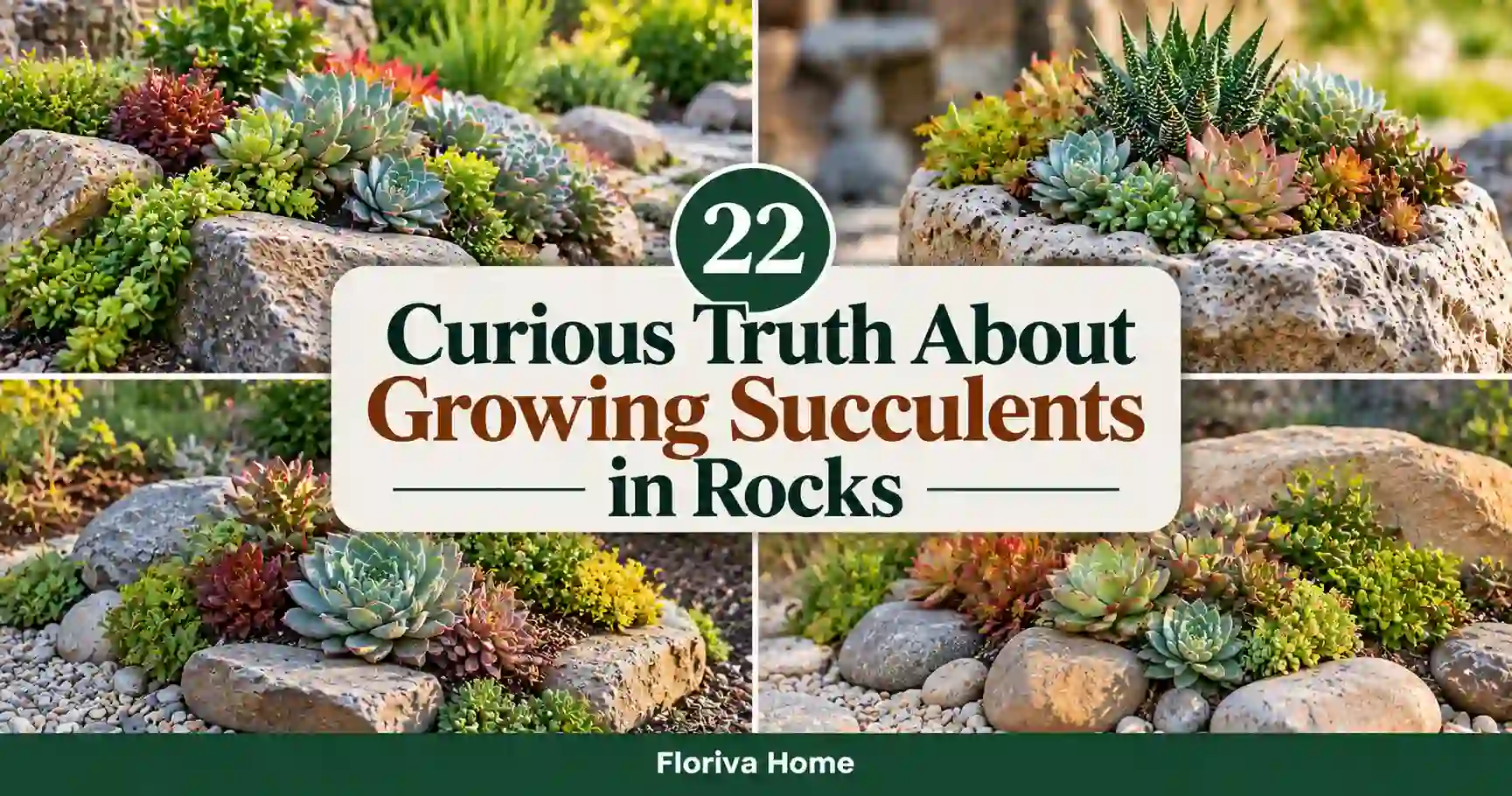
Scroll through any plant feed and you’ll see succulents perched in bowls of pebbles, tucked into stone walls, or sprouting from cracks in boulders. It looks effortless, so it’s natural to wonder whether you can skip the soil entirely.
The real answer is more interesting than a simple yes or no. Rocks can play a starring role in your succulent display, but only if you understand what the plant needs underneath. Here are 22 truths that will help you build a display that looks great and stays healthy.
1. Succulents Can’t Thrive on Bare Rocks Alone
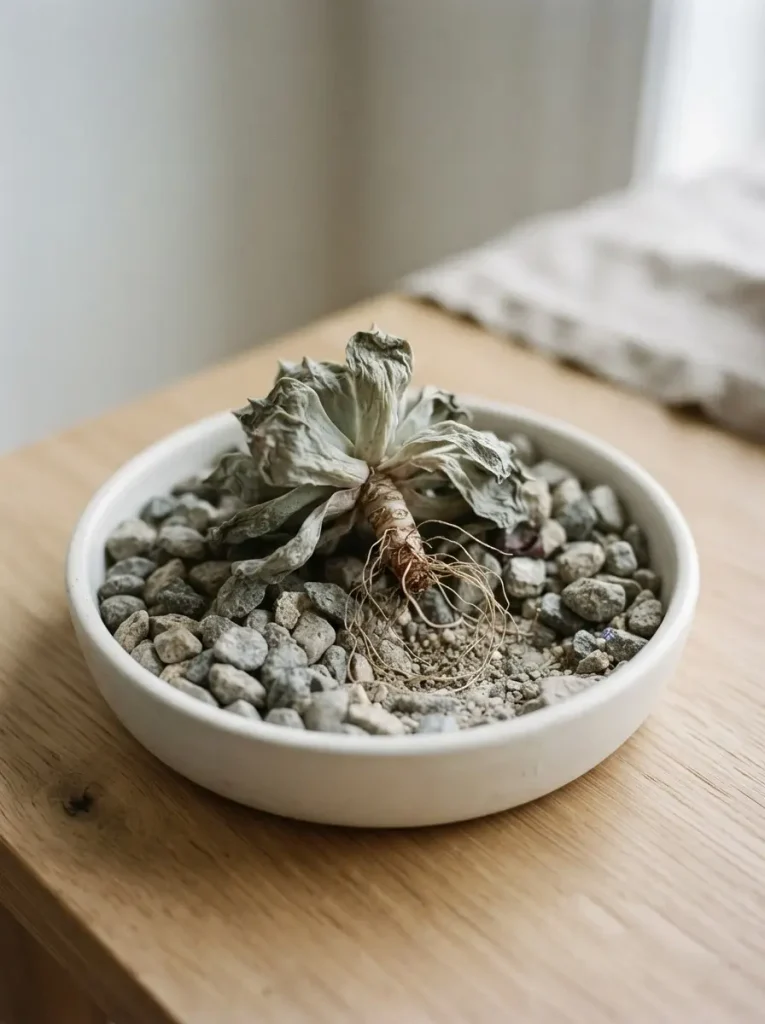
Rocks give a plant nothing to eat. They hold no organic matter, supply almost no minerals, and release moisture too quickly for roots to use it well. A succulent in plain stones can look fine for a while, but over months it stalls, shrinks, and eventually fades. Think of rocks as the décor and soil as the groceries.
2. They Can Survive for a Surprisingly Long Time Without Soil
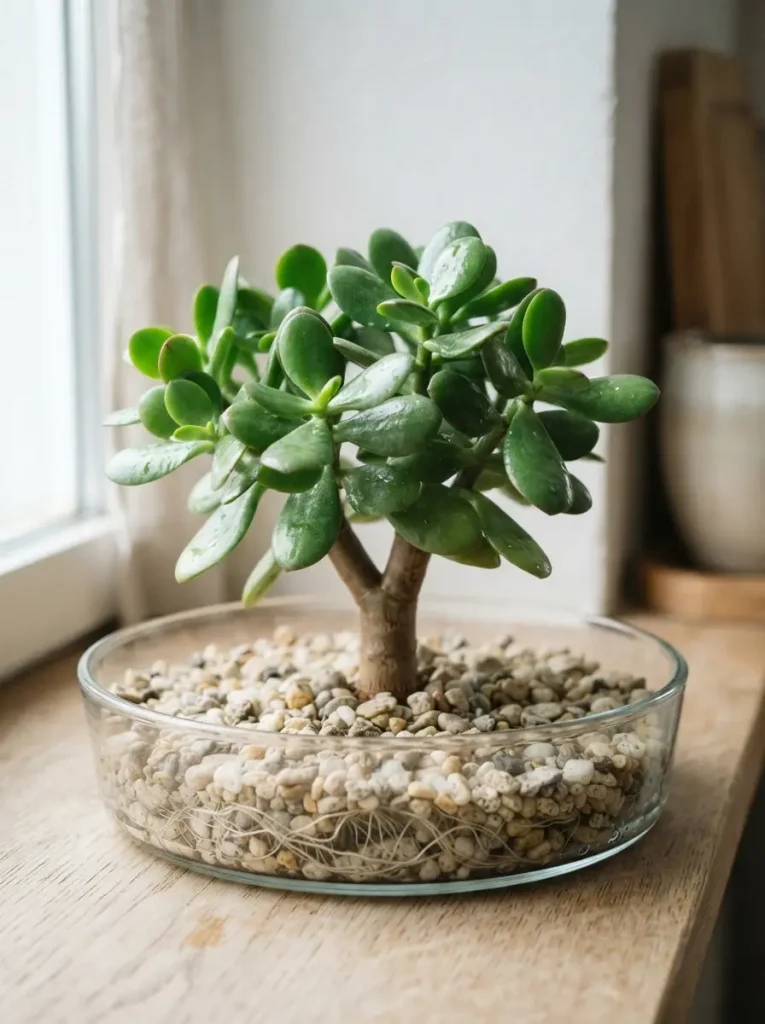
Succulents carry their own water reserves in thick leaves and stems, so they can coast for weeks or even months in a pebble-only setup. That’s why a rock bowl often looks perfectly happy at first. Survival and thriving are different things, though. Once those stored reserves run low, the plant has nothing to replace them with.
3. Rocks Work Best as a Partner to Soil
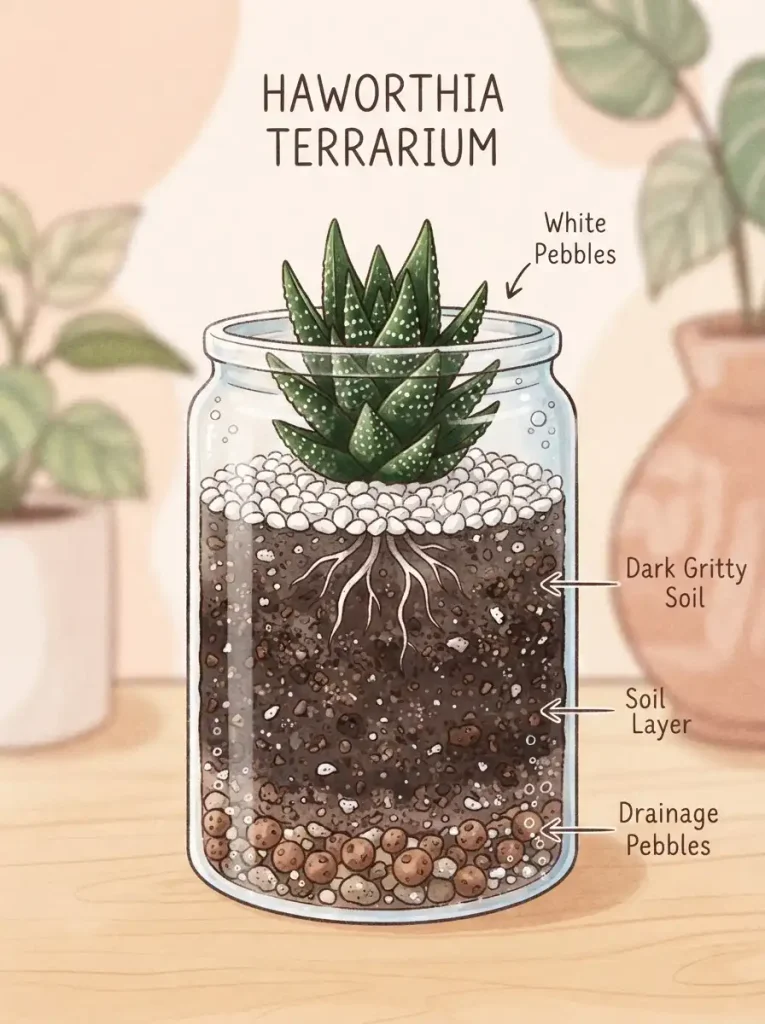
The winning formula is soil below and rocks above. A gritty, well-draining mix feeds and anchors the roots, while the stones add the look you love. You get the clean, sculptural style of a rock garden without starving the plant. Most healthy “rock” displays you admire are actually built exactly this way.
4. In the Wild, Succulents Grow in Rock Crevices, Not on Bare Stone
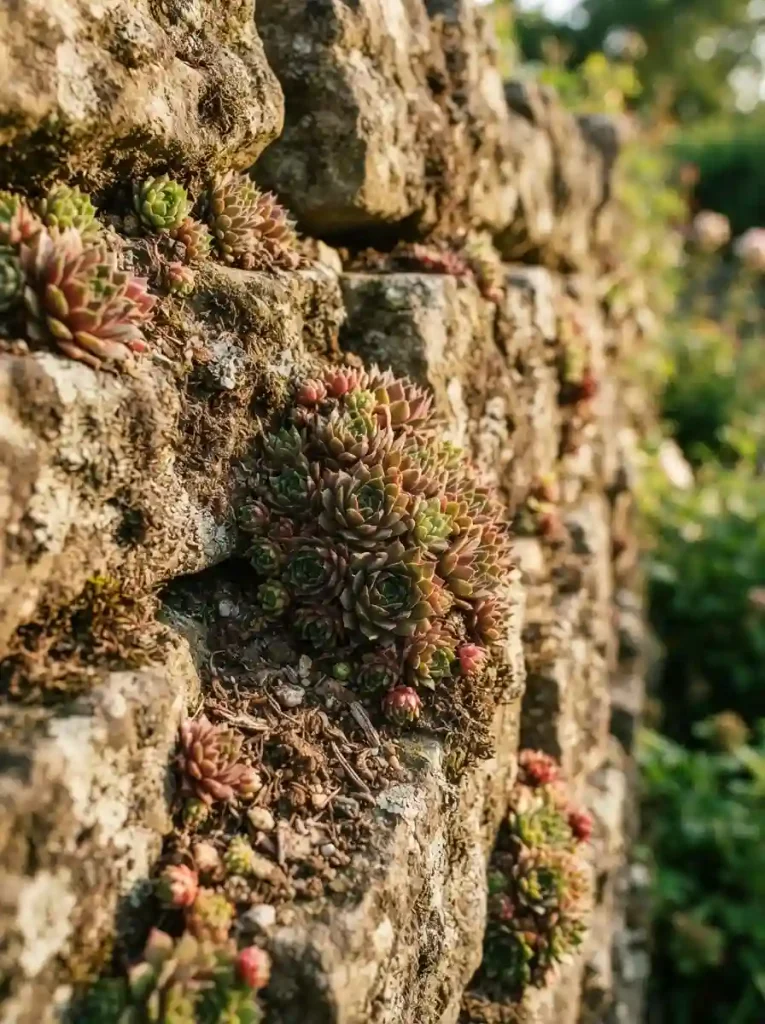
Look closely at a cliff-side succulent and you’ll find it rooted in a pocket of crumbled stone, grit, and trapped dust. Over time wind and rain collect tiny amounts of organic debris in those cracks. So the plants really are growing “in rocks,” but with a thin, nutrient-bearing fill that your pot needs to mimic.
5. Roots Need Anchorage and Air at the Same Time
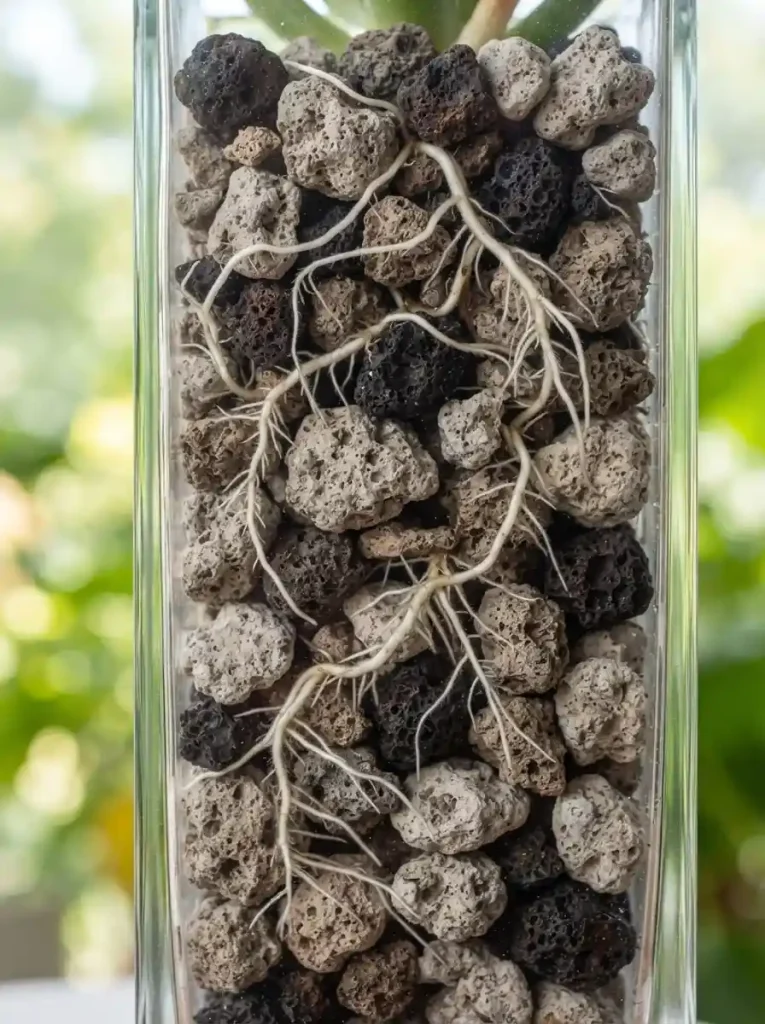
Succulent roots want to grip something firm, and they also need oxygen. Chunky particles give both: they lock the plant in place while leaving open air spaces between pieces. That’s why coarse mixes outperform fine, dusty ones. Bare rocks give air but weak grip, while dense soil gives grip but little air.
6. Rocks Can’t Hold Nutrients
Even rough, porous stones barely store the minerals plants rely on. Water simply passes straight through and carries off whatever little is there. In soil, particles and organic matter hold nutrients so roots can sip them over time. Without that reservoir, growth slows, colors dull, and new leaves come in small.
7. A Good Succulent Mix Is Mostly Rock Anyway
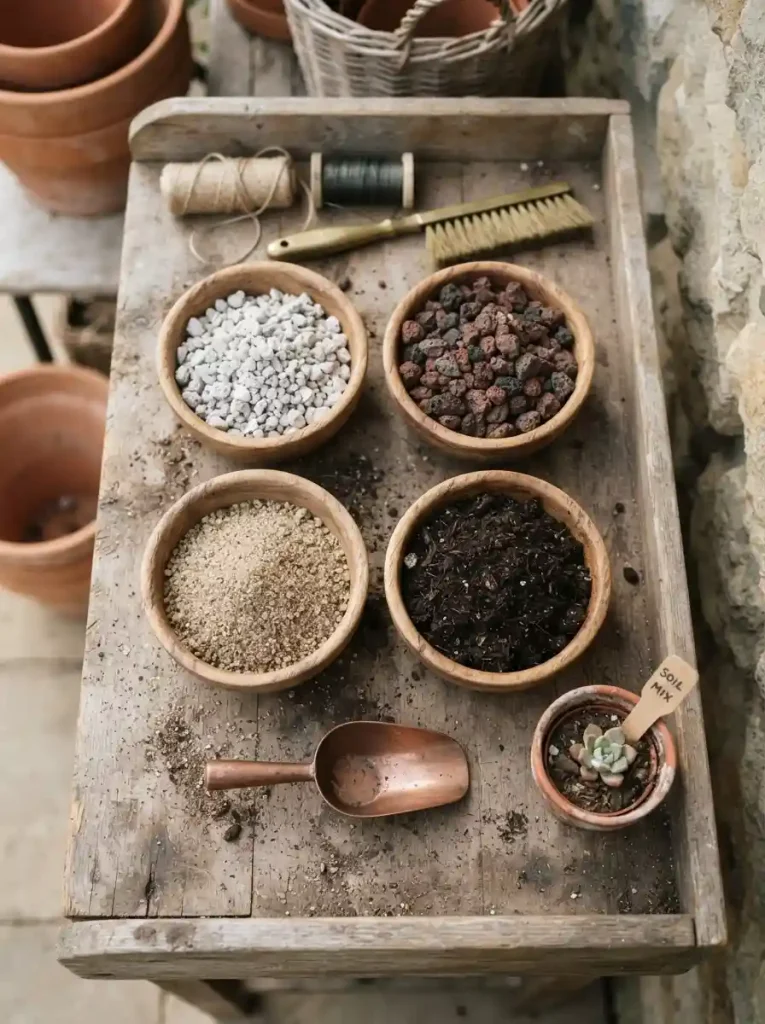
Many gardeners are surprised to learn that a quality succulent mix is often more than half mineral grit. Pumice, lava rock, coarse sand, and crushed granite make up the bulk, with a smaller share of potting soil or compost for nutrients. So you’re not choosing between rocks and soil. You’re choosing the right ratio.
8. A Rock Layer at the Bottom of the Pot Doesn’t Fix Drainage
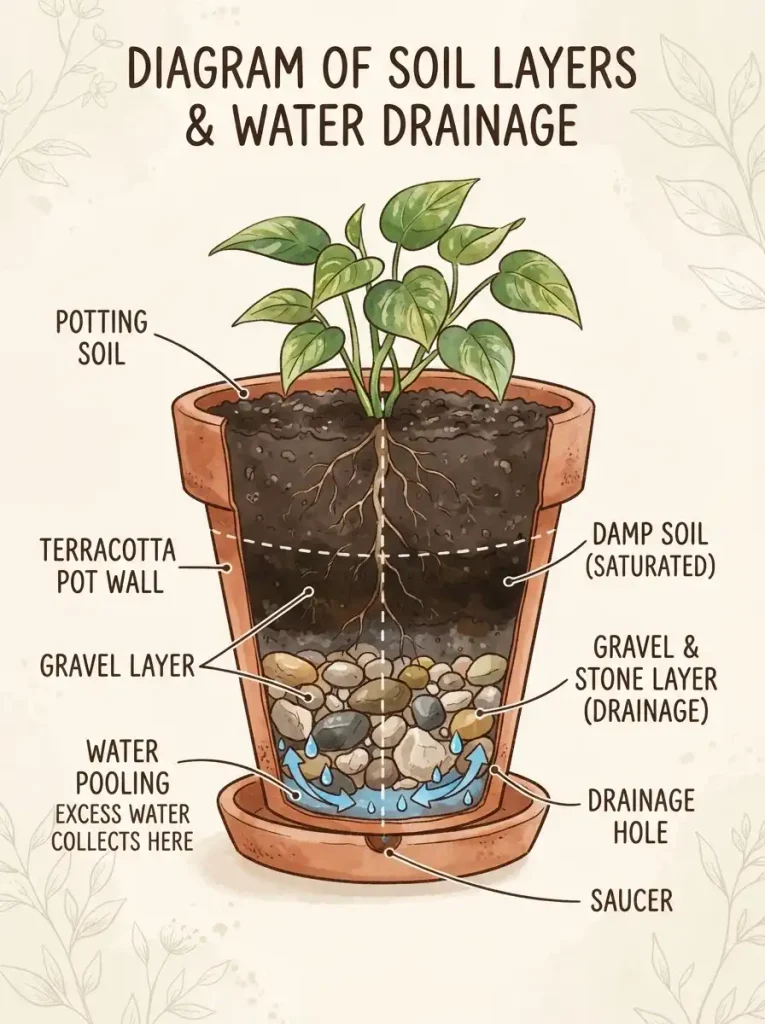
It’s a popular tip, but it backfires. Water tends to pause at the boundary where fine soil meets coarse stones, forming a soggy zone right above the rocks. That wet band sits closer to the roots than it would in a uniform mix. A pot with a drainage hole and gritty soil all the way down works far better.
9. Top Dressing Helps Keep Leaves Dry and Clean
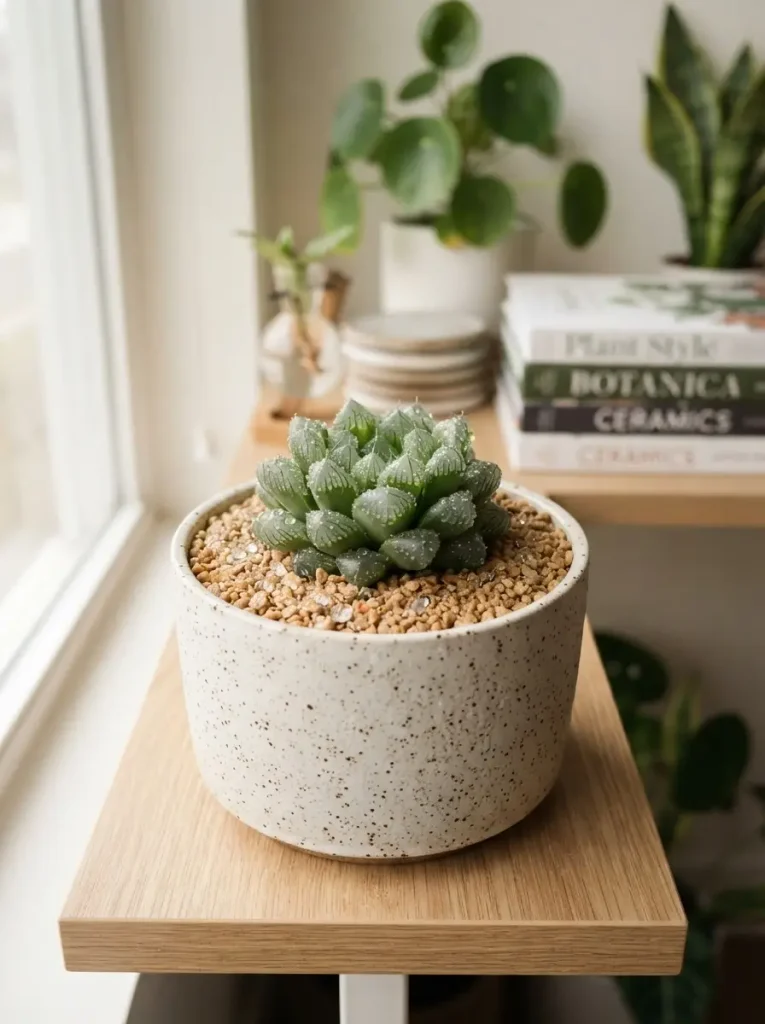
A thin layer of pebbles or fine gravel across the soil surface acts like a little shield. It keeps lower leaves off damp earth, reduces splashing during watering, and slows weed seeds from settling in. It also gives the whole pot a polished, finished look that makes your plants stand out.
10. Clay Pebbles Can Work, but Only with a Feeding Plan
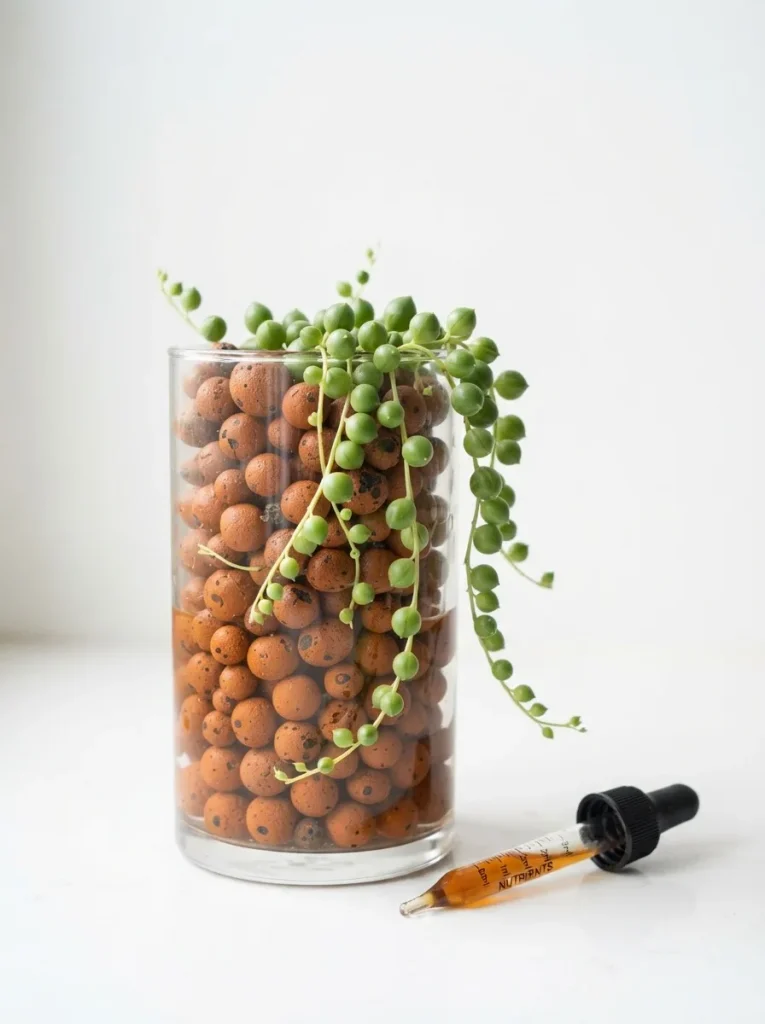
Expanded clay pebbles are lightweight, porous, and clean, which is why some growers use them in semi-hydroponic setups. They can support succulents when paired with diluted nutrient solution and careful watering. Without that regular feeding, they’re no better than any other rock, and the plant will slowly run out of fuel.
11. Rocks Make a Clean, Dry Surface for Callusing Cuttings
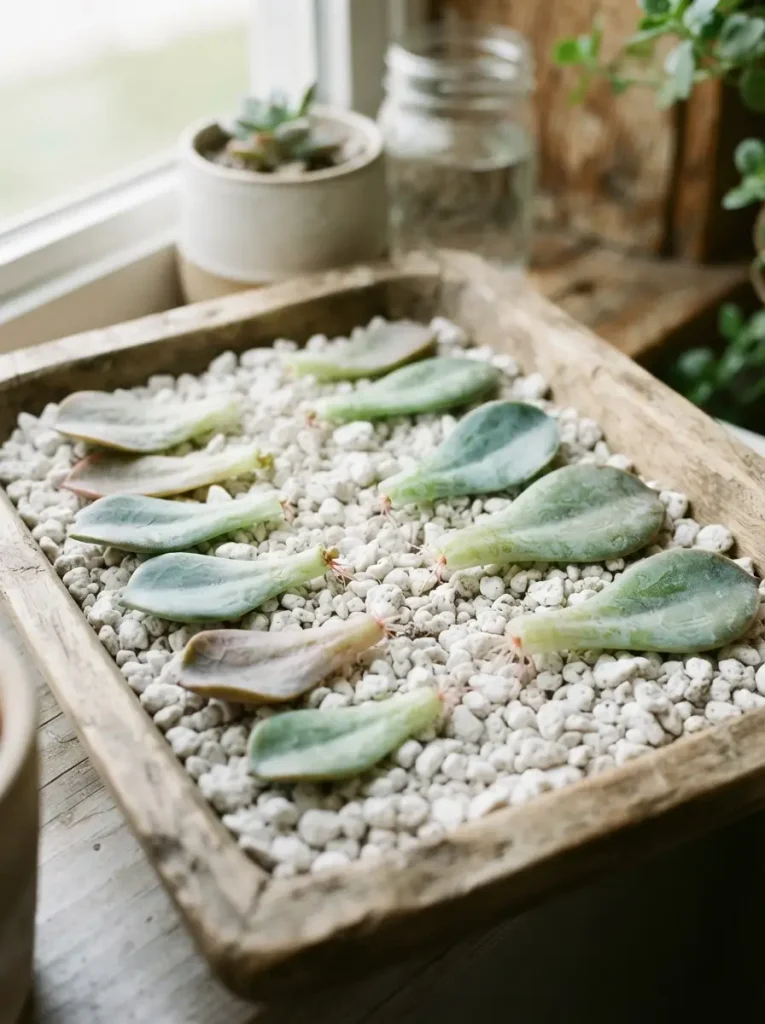
When you snip a leaf or stem, it needs a few days to dry and form a protective seal before rooting. Resting it on a layer of clean, dry pebbles keeps the cut end off damp surfaces and lets air circulate. Once it calluses, move it to gritty soil to grow roots.
12. Not All Rocks Behave the Same Way
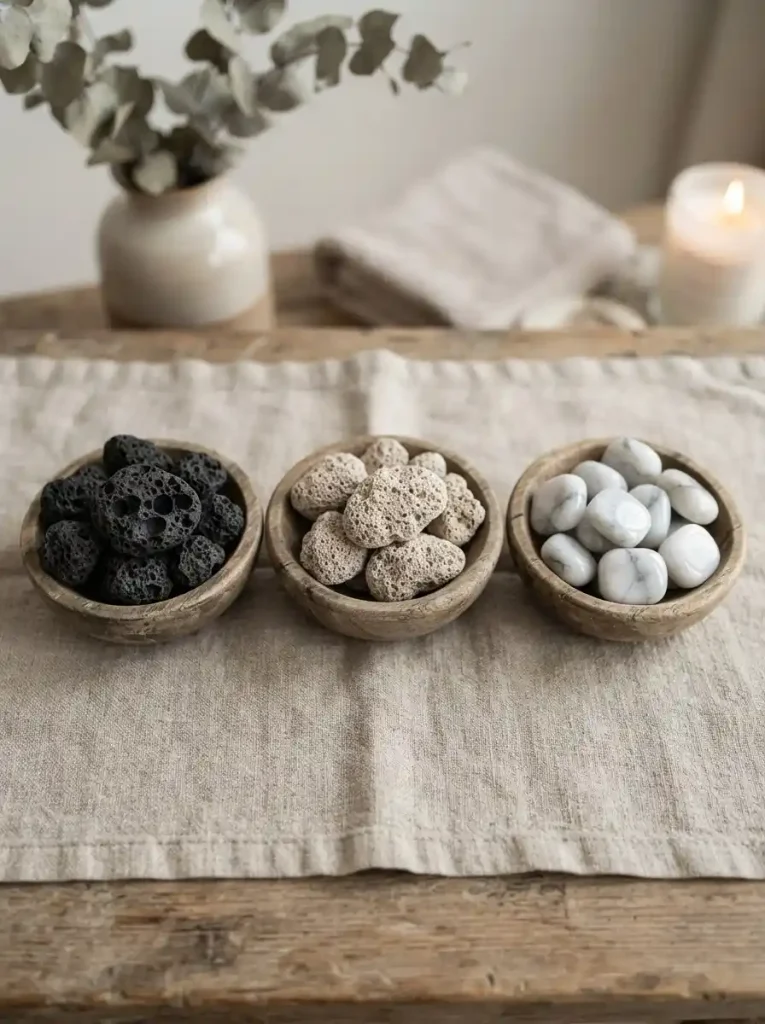
Porous stones like lava rock and pumice breathe, shed water quickly, and even hold a little moisture inside their pores. Smooth, glassy, or sealed polished stones do the opposite and can trap dampness against the soil surface. Choose natural, unsealed, rough-textured rocks whenever your plant will sit on top of them.
13. Dark Rocks Soak Up Heat
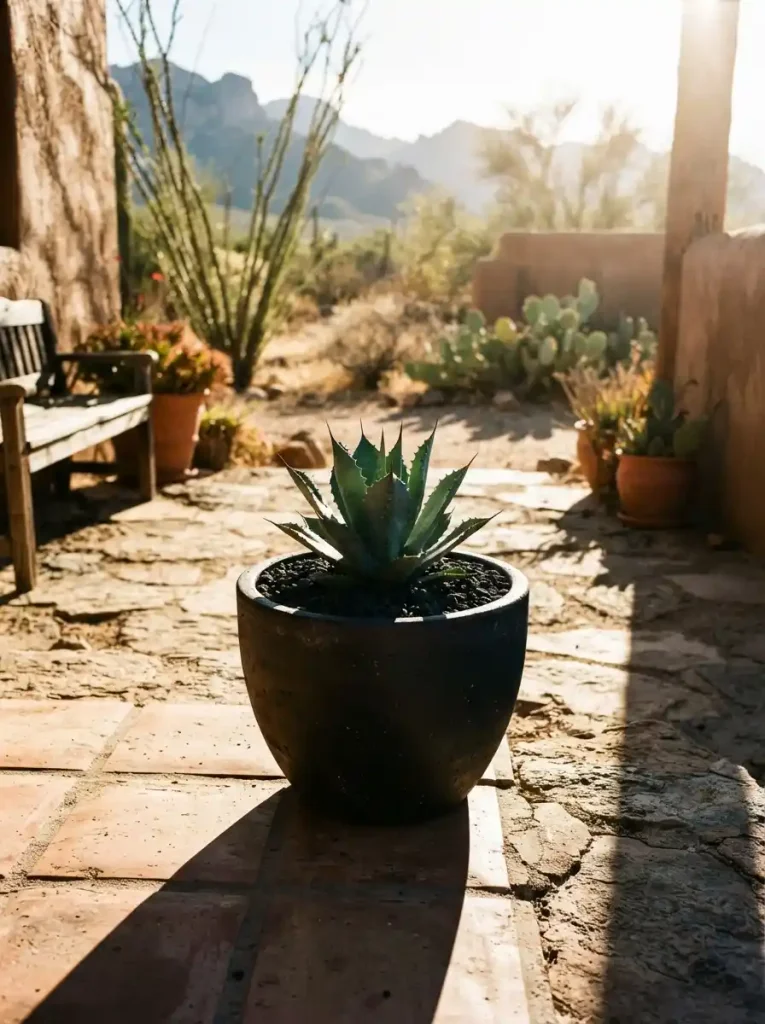
Black basalt and dark gravel look dramatic, but they absorb sunlight and radiate it back. In a hot, sunny spot that extra warmth can scorch tender leaves and stress shallow roots. If your pot sits in strong afternoon sun, lean toward medium or lighter tones, or keep dark stones for shadier corners.
14. Light-Colored Stones Bounce Light Back to the Plant
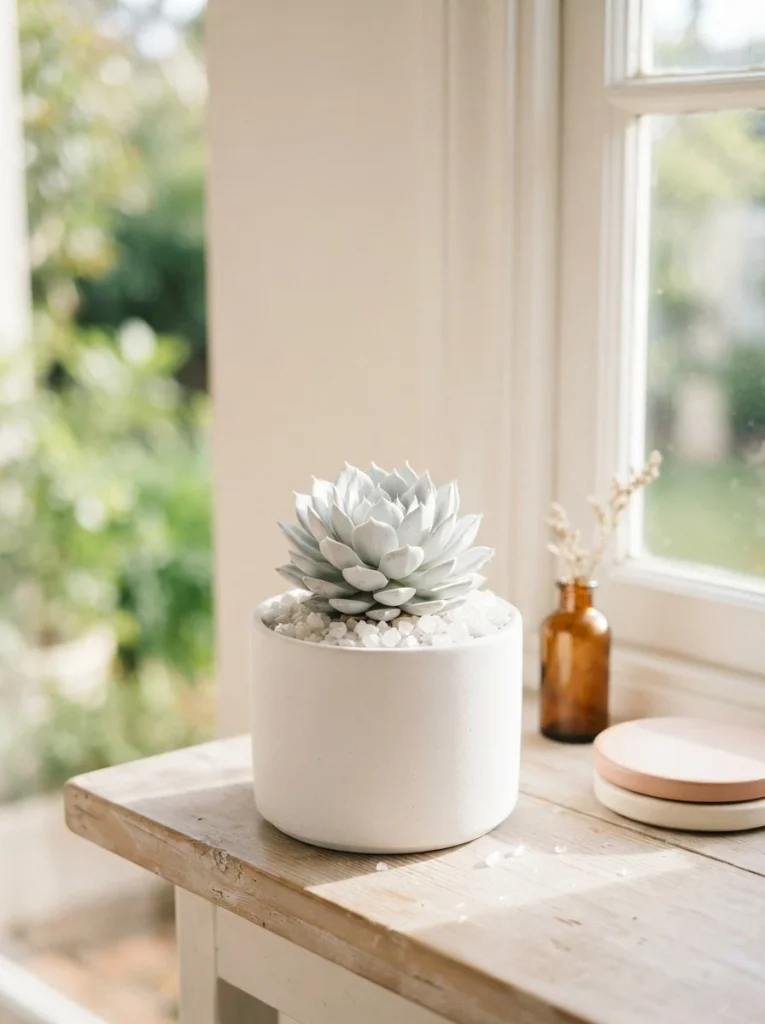
White quartz, pale limestone chips, and cream-colored pebbles reflect sunlight upward toward the undersides of leaves. This can brighten a plant’s overall look, especially on a window ledge where light comes from one direction. It also keeps the surface cooler than dark stone, which is useful in warm climates.
15. Hardy Succulents Love Rocky Outdoor Gardens
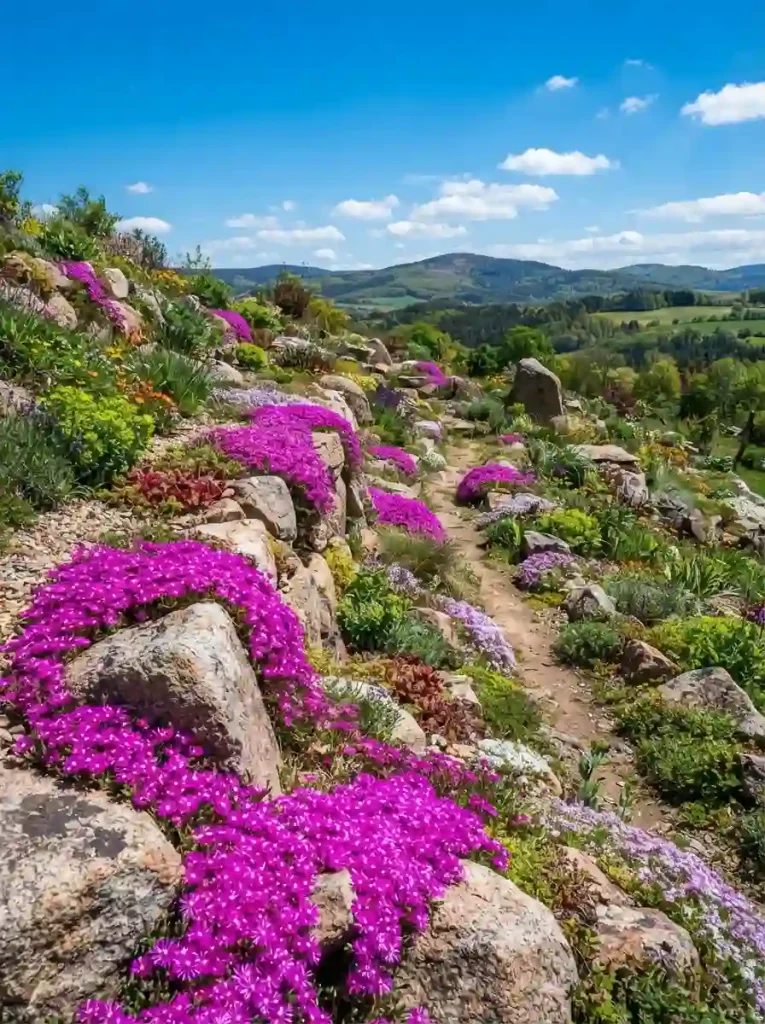
If you want plants that truly settle into stone, choose cold-tolerant types such as sempervivum, hardy sedum, and ice plant (delosperma). They tolerate lean, gritty ground, and they spread through gaps between rocks to form living mats. Always check your hardiness zone before planting, since many popular succulents can’t handle freezing winters.
16. Slopes and Raised Rocky Beds Drain Beautifully
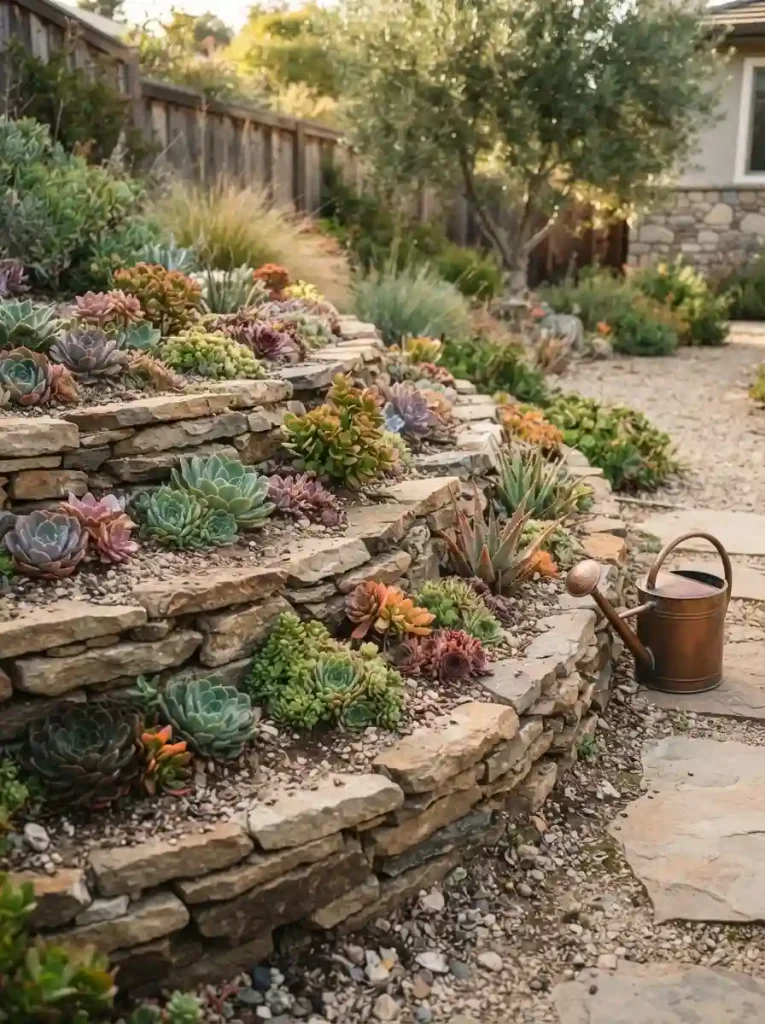
Gravity does half the work on a hillside. Water runs off or through the soil instead of settling around the roots, which is exactly what succulents want. If your yard is flat and heavy, build a raised mound or berm with gritty soil and set rocks into it so the planting sits above the damp ground.
17. Rock-Filled Terrariums Need Extra Caution
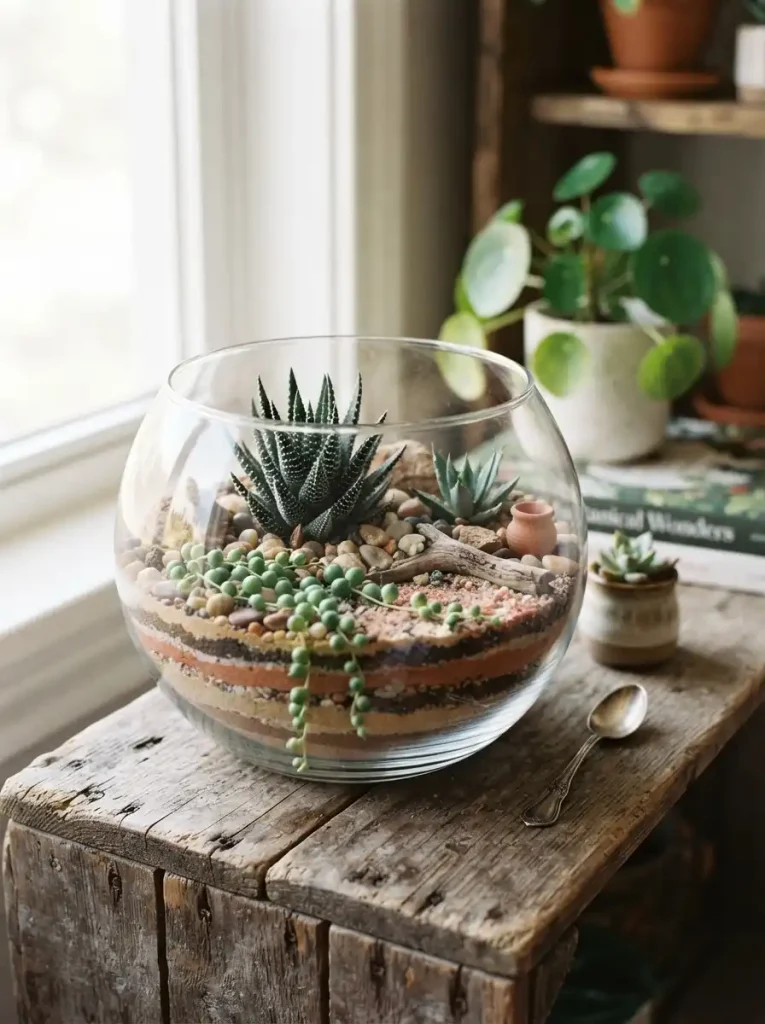
Glass containers hold humidity and rarely have drainage holes, which is the opposite of what most succulents enjoy. If you love the terrarium look, choose a wide, open-topped vessel, use a gritty mix, and water with a small spoon rather than a splash. Keep it in bright light, but away from harsh midday sun that can overheat the glass.
18. Rocks Don’t Make Up for a Missing Drainage Hole
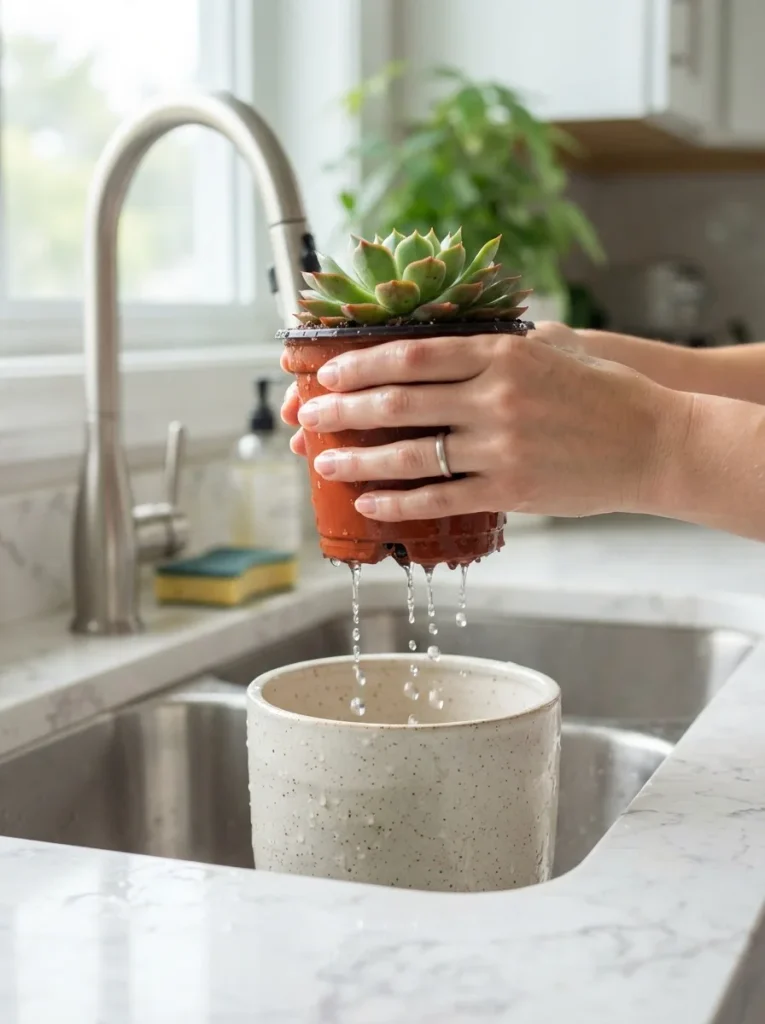
A layer of stones can’t carry water out of a sealed pot. If your decorative container has no hole, the safest approach is to keep the succulent in a smaller nursery pot that does, then drop it inside. Pull it out to water, let it drain fully, and return it once it stops dripping.
19. A Pebble Top Layer Can Hide How Wet the Soil Really Is
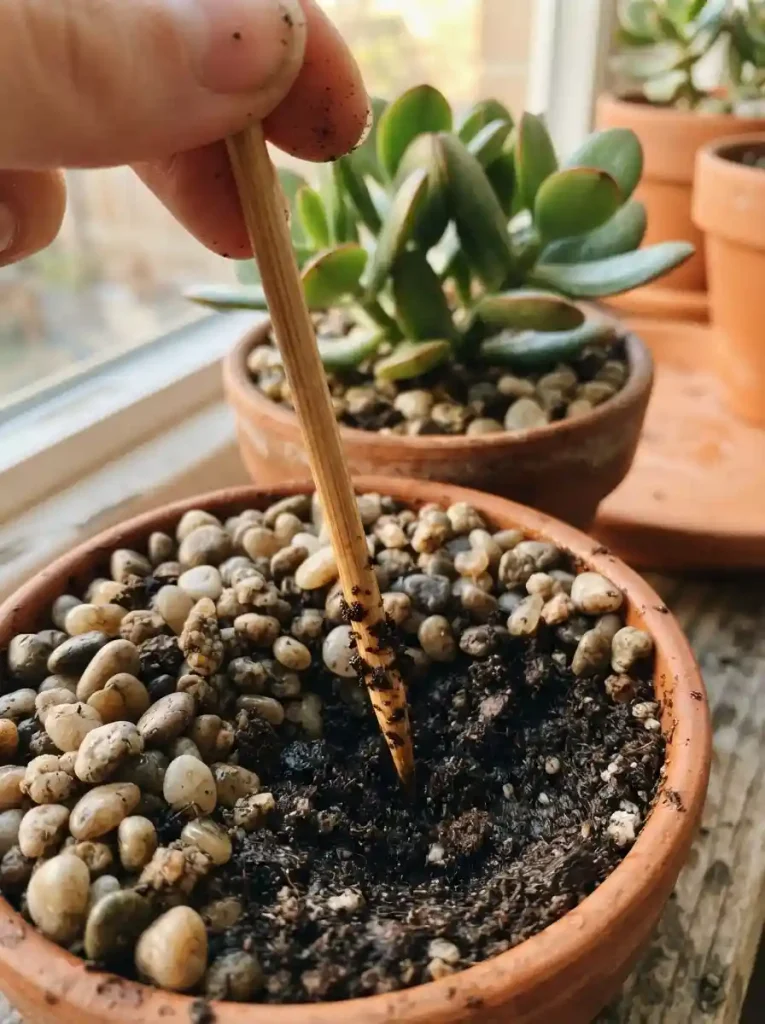
A neat surface looks dry even when the soil beneath is still damp, which leads many beginners to water too often. Before you water, push a wooden skewer or your finger a few inches into the mix. If it comes out cool or carries soil, wait a few more days.
20. Pebbles Can Shelter Unwelcome Pests
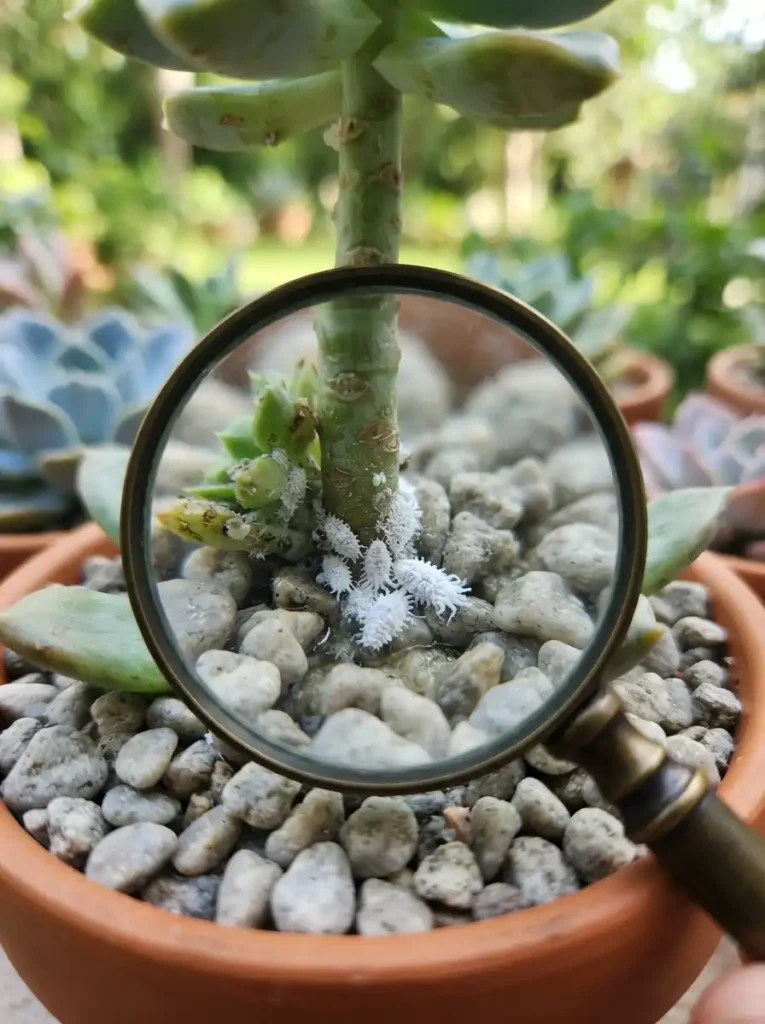
Tiny gaps between stones create shady, protected spots where mealybugs and other hitchhikers hide. They’re easy to miss against light-colored rock. Lift a few pebbles every couple of weeks and inspect the soil line, and treat any cottony white patches early before they spread to the leaves.
21. Rock Surfaces Need an Occasional Cleaning
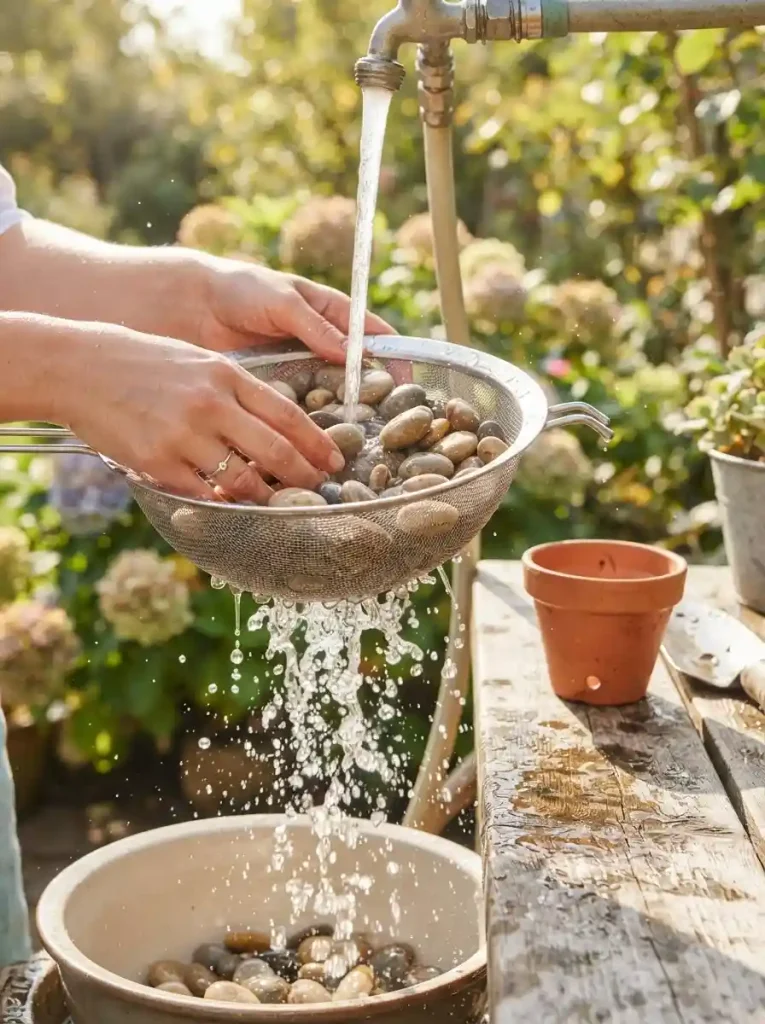
Over time, pebbles gather dust, algae, and white mineral crusts from hard water. That film can make the surface hold moisture and look tired. Every few months, scoop the stones into a sieve, rinse them well, let them dry in the sun, and place them back around the plant.
22. The Best Displays Mix Sizes, Colors, and Textures
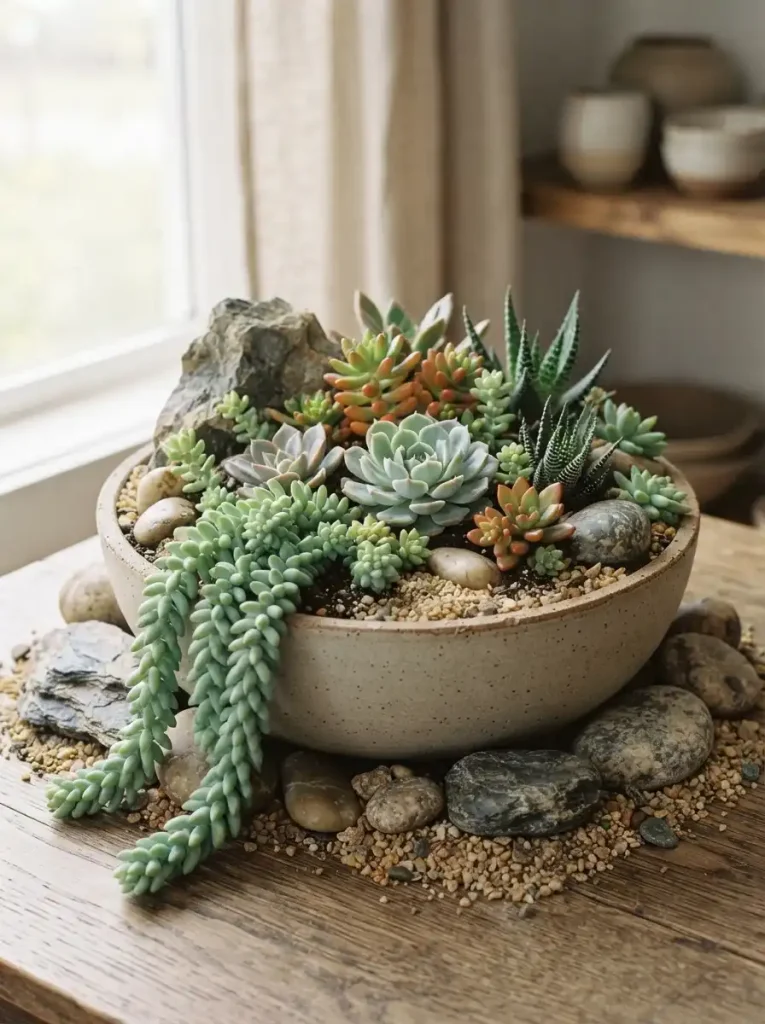
The most eye-catching rock and succulent arrangements use more than one stone. Pair a few larger focal rocks with medium pebbles and a fine gravel finish, then repeat one color to tie everything together. Group plants with similar water needs, and let cascading varieties soften the hard edges.
Final Thoughts
So can succulents grow in rocks? Yes, as long as there’s a gritty, nutrient-bearing medium supporting the roots. Rocks make a stunning surface, a smart drainage partner, and a handy place to callus cuttings, but they can’t do the job of soil alone. Pick the right stones, keep watering measured, and your display will look good and stay healthy for years.
Frequently Asked Questions
Can I grow succulents in just pebbles with water?
Short term, yes, especially for cuttings. Long term, the plant will weaken without nutrients and a proper growing medium.
Do succulents need a layer of rocks at the bottom of the pot?
No. It doesn’t improve drainage and can create a soggy zone. Use gritty soil throughout and a pot with a drainage hole.
What kind of rocks are best on top of succulent soil?
Rough, unsealed stones such as pumice, lava rock, or natural gravel, in a color that suits your light and climate.
How often should I water succulents with a rock top layer?
Water only when the soil several inches down is completely dry, then soak thoroughly and let it drain.