23 Smart Deer Resistant Landscaping Ideas That Work
Few things are more frustrating than planting a beautiful garden and finding it nibbled down to stubs overnight. If deer visit your yard, you need a landscape that looks good and keeps them from treating it as a buffet.
No plant is completely deer-proof. A very hungry deer will try almost anything. But deer avoid certain plants consistently, including those with strong scents, fuzzy or prickly leaves, tough textures, or bitter taste. The ideas below use those traits to create gardens that are beautiful and naturally less appealing to deer.
Quick tip: Deer preferences vary by region and season. Check your local university extension office’s deer-resistance list before you buy.
1. Line Your Walkway with Lavender
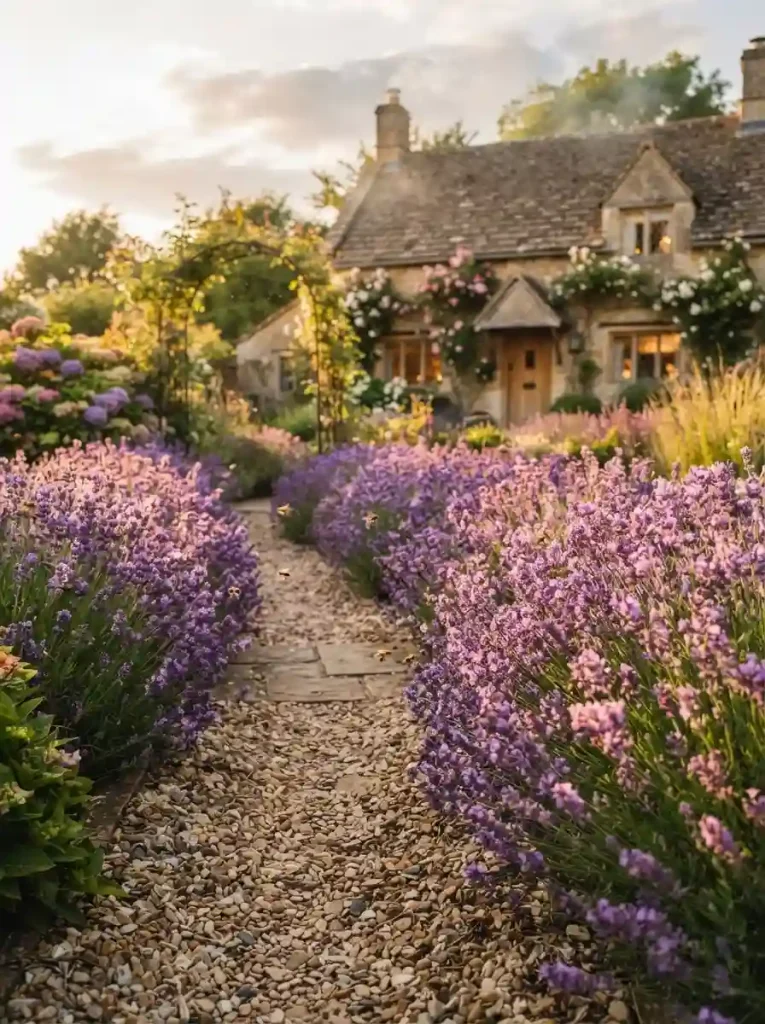
Lavender is one of the most reliable deer resistant landscaping choices. Deer dislike its strong fragrance and silvery, oily foliage, and people love both. Plant it in repeating clusters along a path so every step releases a little scent.
Pro tip:
Give it full sun and well-draining soil. Lavender hates wet roots.
2. Create a Fragrant Herb Border
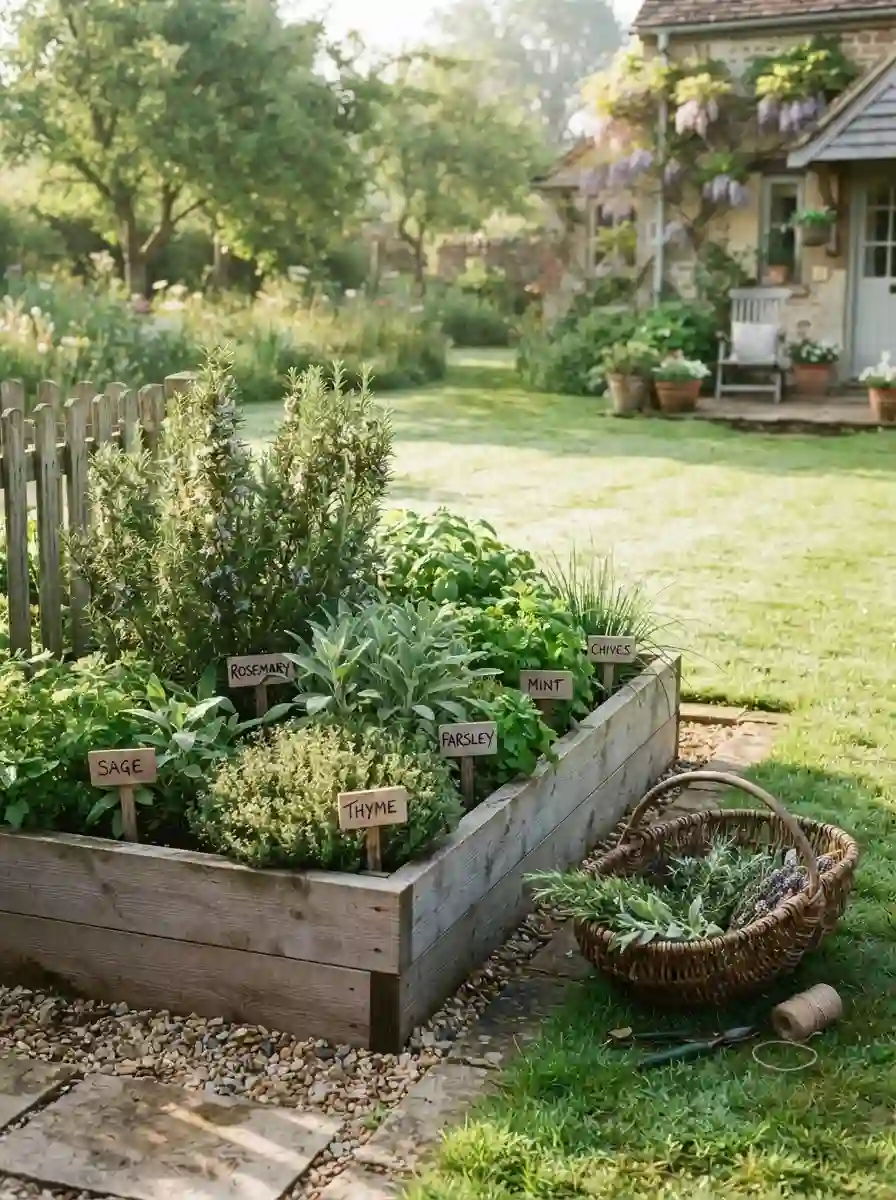
Rosemary, sage, thyme, and oregano give you a useful edible border that deer tend to skip. The same essential oils you enjoy in cooking confuse a deer’s sensitive nose. Place the border along the edges of your yard, where deer usually approach first.
Pro tip:
Mix heights, with upright rosemary at the back and creeping thyme at the front.
3. Plant Ornamental Grass Drifts
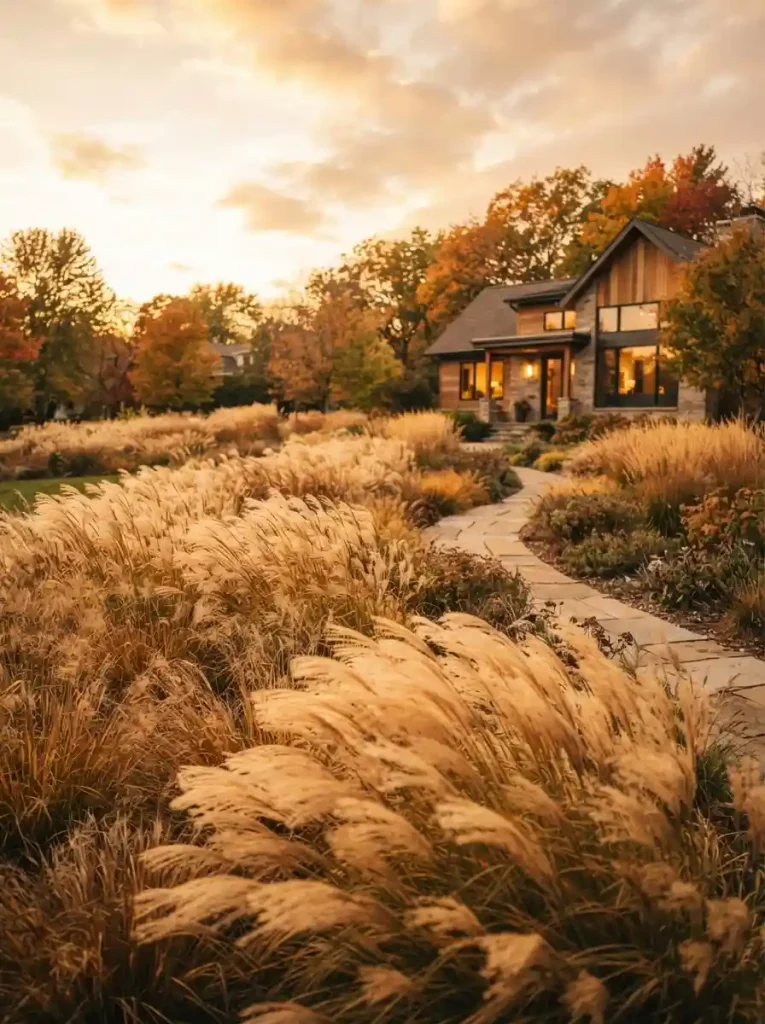
Ornamental grasses like feather reed grass, little bluestem, and fountain grass have tough, fibrous blades that deer rarely enjoy. Planted in sweeping drifts, they add movement and year-round structure, and they look especially good in fall.
Pro tip:
Leave the seed heads standing through winter for texture and bird food, then cut back in early spring.
4. Welcome Spring with Daffodils and Alliums
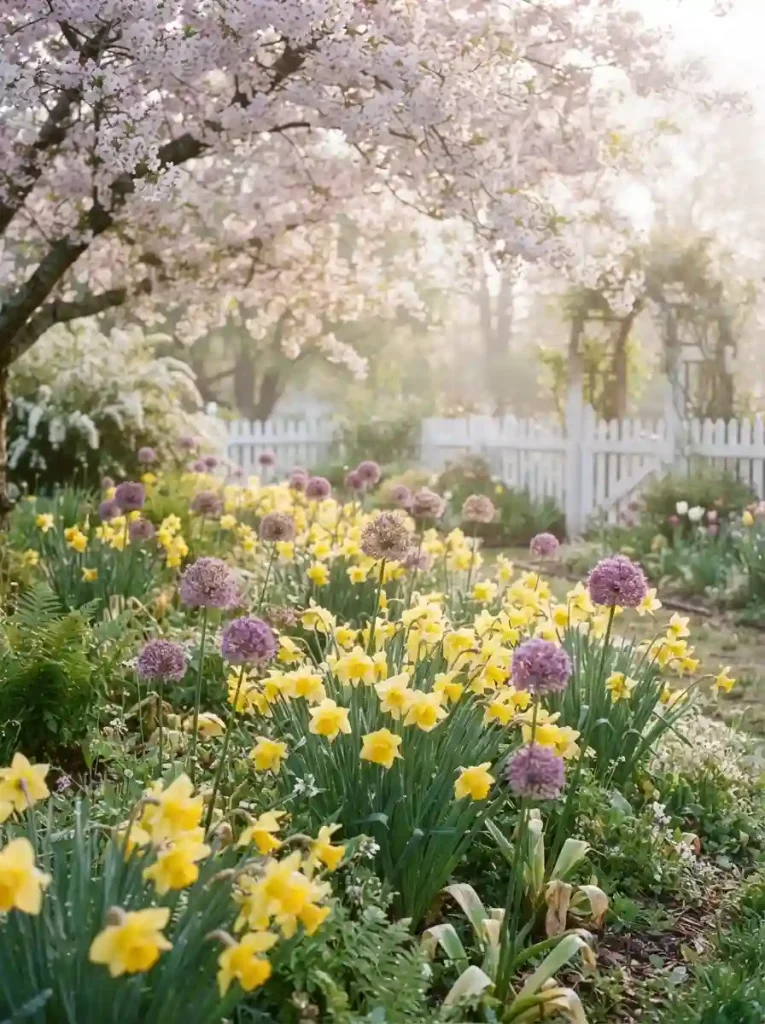
While tulips are a deer favorite, daffodils contain compounds that make them unappetizing to deer, and alliums smell like onion. Together they give you a bright spring show that deer leave alone. Plant the bulbs in fall in generous groups.
Pro tip:
Interplant daffodil bulbs around tulips you want to protect, though a hungry deer may still raid them.
5. Design a Cottage Garden with Catmint and Salvia
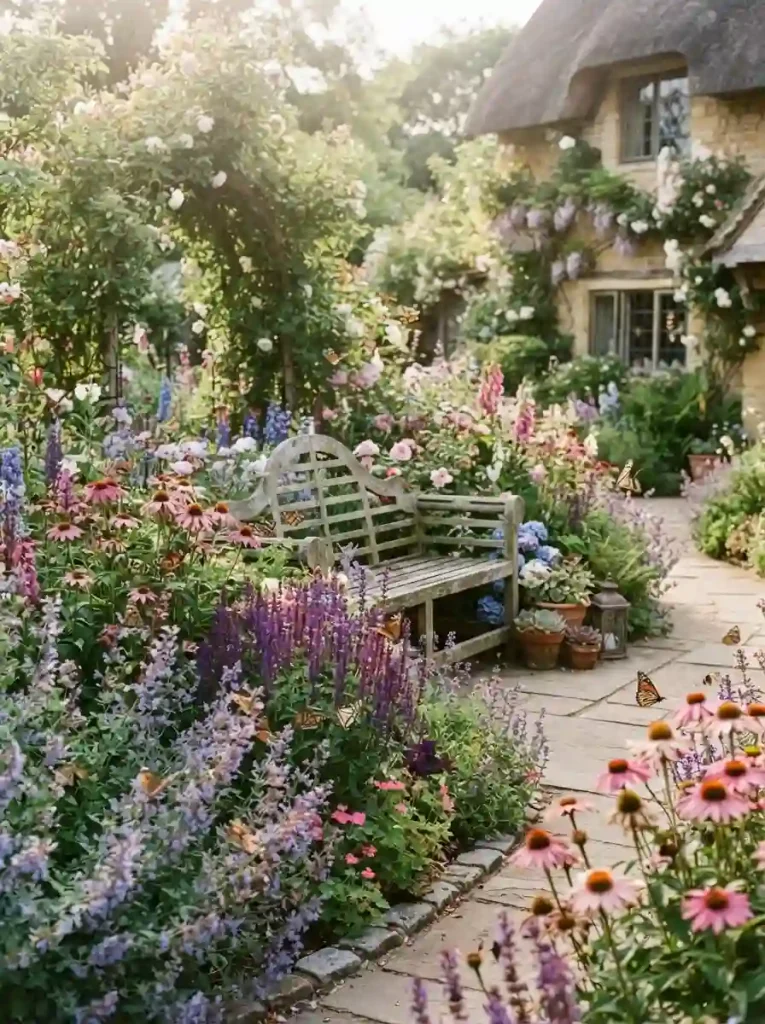
Catmint and salvia bloom for weeks, attract pollinators, and have aromatic leaves that deer typically avoid. Their blue and violet flowers give a relaxed cottage look without constant worry. Add yarrow or coneflowers for variety.
Pro tip:
Shear catmint after its first bloom to encourage a second flush of flowers.
6. Build a Boxwood or Holly Hedge
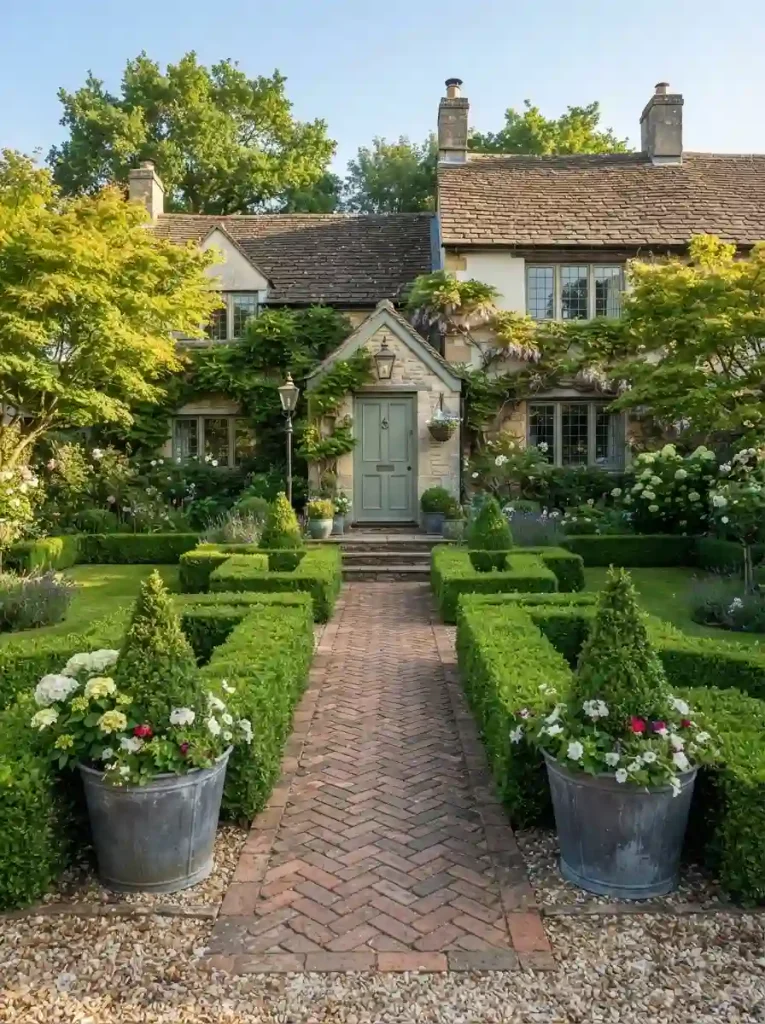
Evergreen hedges give you structure and privacy all year. Boxwood has a strong scent and bitter foliage, and holly has spiny leaves, so both are less appealing to deer. A clipped hedge can also guide visitors toward your front door.
Pro tip:
Space plants according to their mature width so the hedge fills in evenly without crowding.
7. Edge Beds with Lamb’s Ear
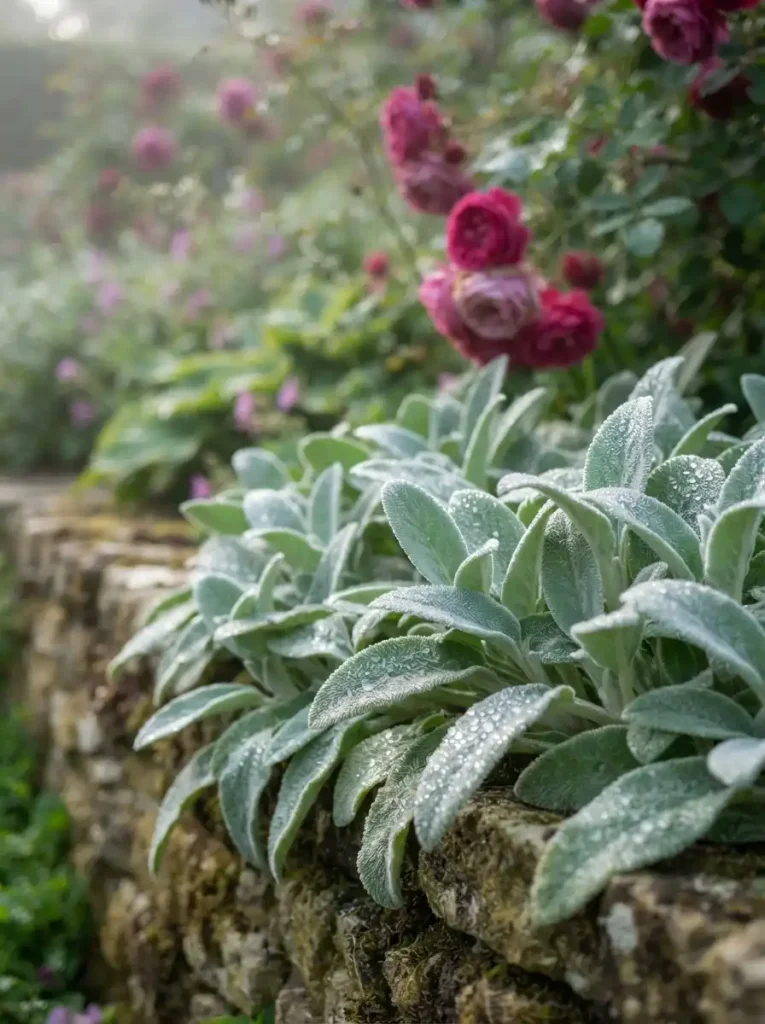
Lamb’s ear has soft, fuzzy, silvery leaves that deer dislike. It makes a lovely edging plant, and the pale foliage helps darker flowers stand out. Kids love the velvet texture too.
Pro tip:
Give it good air circulation. Crowded plants can develop leaf rot in humid weather.
8. Mix Russian Sage and Yarrow for a Sunny Meadow Border
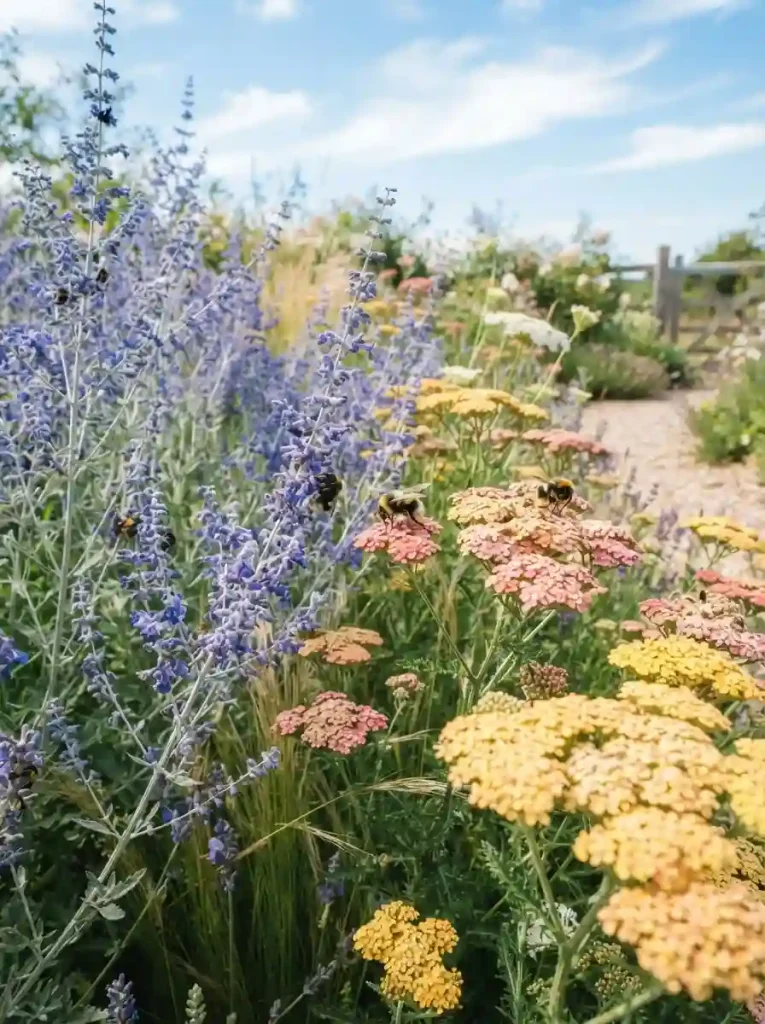
Both plants thrive in heat and poor soil, and both have aromatic foliage that deer avoid. Russian sage adds airy lavender-blue spires, while yarrow brings flat, colorful flower heads in yellow, pink, or white. Together they make a low-maintenance, pollinator-friendly border.
Pro tip:
Skip rich fertilizer. These plants bloom better and stay sturdier in lean soil.
9. Fill Shady Corners with Ferns and Hellebores
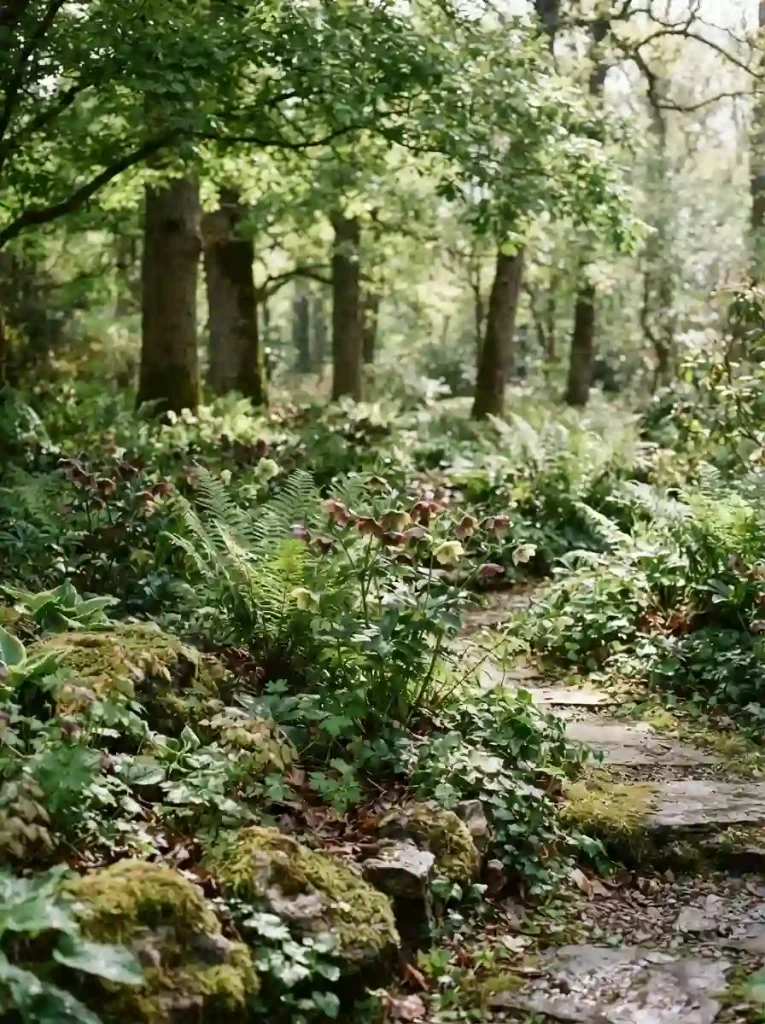
Shade is often where deer cause the most damage, since hostas are a favorite snack. Try ferns and hellebores instead. Hellebores bloom in late winter when little else does, and ferns add lush texture that deer generally ignore.
Pro tip:
Hellebores are toxic if eaten, so plant them away from curious pets.
10. Add a Woodland Corner with Foxglove and Bleeding Heart
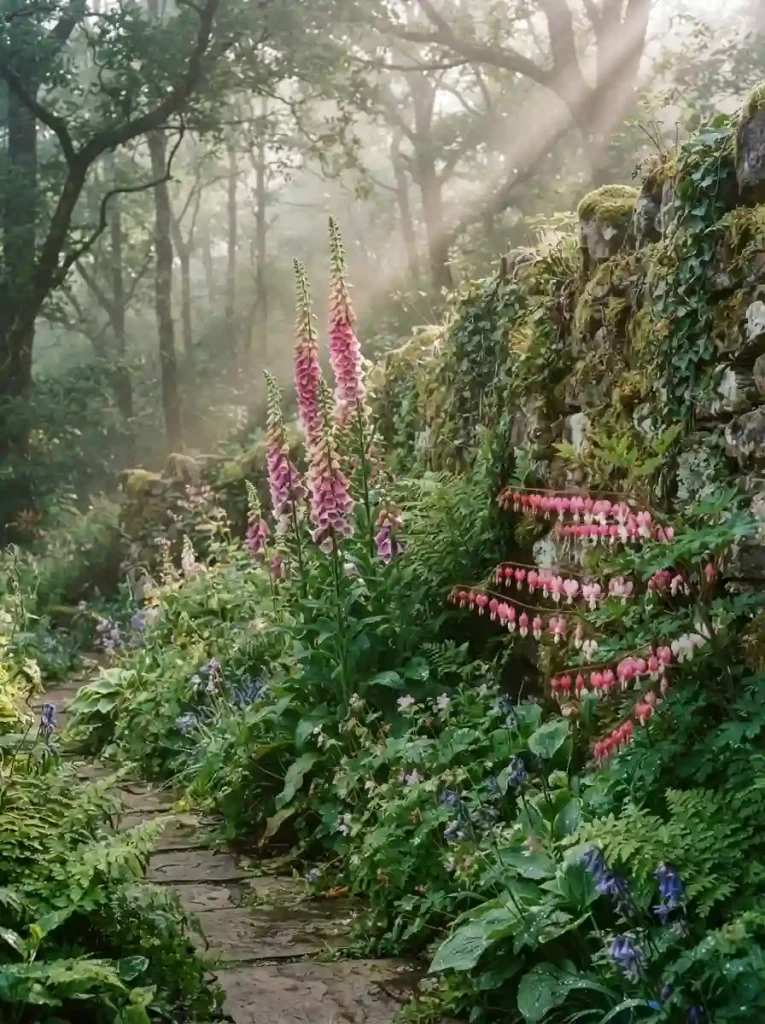
Foxglove’s tall spires and bleeding heart’s arching, heart-shaped blooms bring a storybook look to part shade. Both contain compounds that make them unappealing to deer. They pair well with ferns for a layered woodland feel.
Pro tip:
Foxglove is highly toxic if eaten, so keep it out of reach of children and pets.
11. Use Prickly Shrubs as a Living Barrier
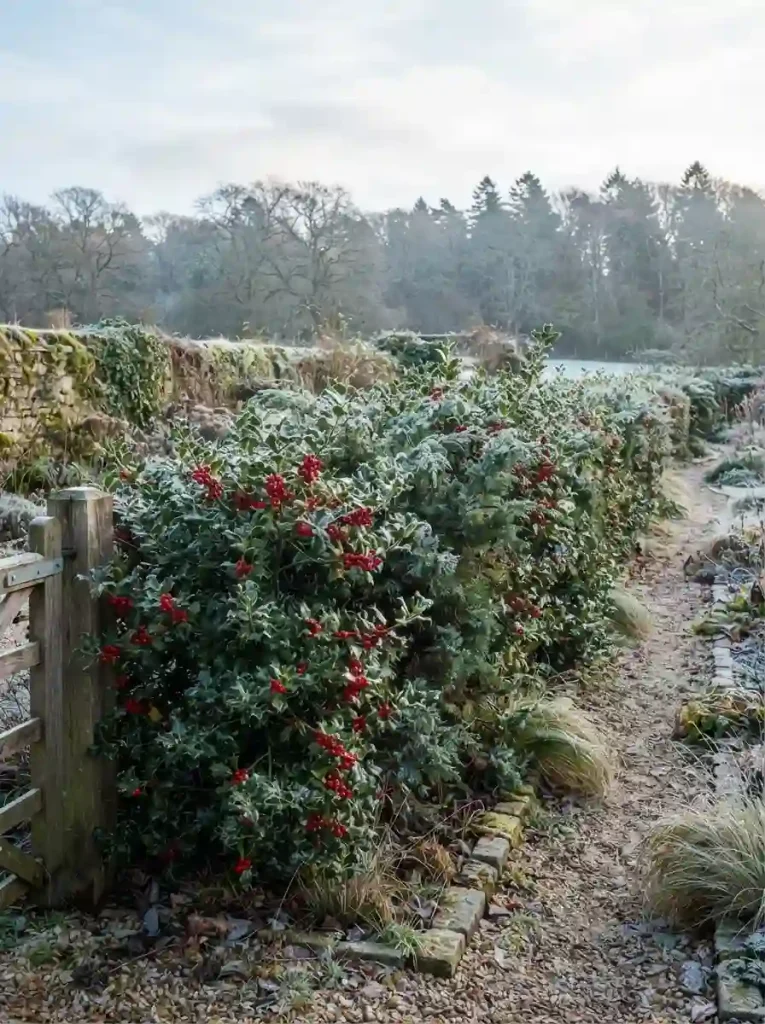
Plants with spines or rough texture make deer think twice about pushing through. Holly, juniper, and barberry-style barrier shrubs can discourage them from crossing a boundary. Choose non-invasive varieties for your area, since some barrier plants spread aggressively.
Pro tip:
Plant barrier shrubs where deer typically enter, such as the back property line or the edge of a wooded area.
12. Soften Stepping Stones with Creeping Thyme
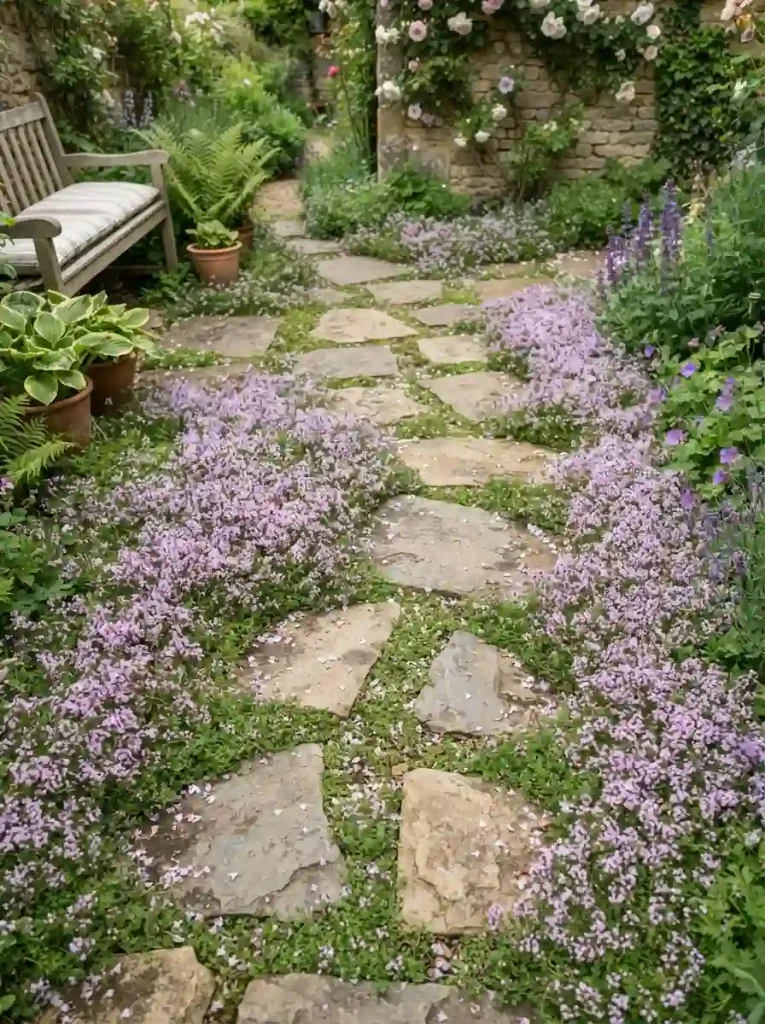
Creeping thyme is a low, fragrant groundcover that tolerates light foot traffic. Deer tend to avoid its aromatic leaves, and it flowers in tiny pink and purple blooms. It’s a lovely way to fill the gaps between stones.
Pro tip:
Plant plugs about 6 to 8 inches apart and keep them watered until they establish.
13. Make a Statement with Peonies
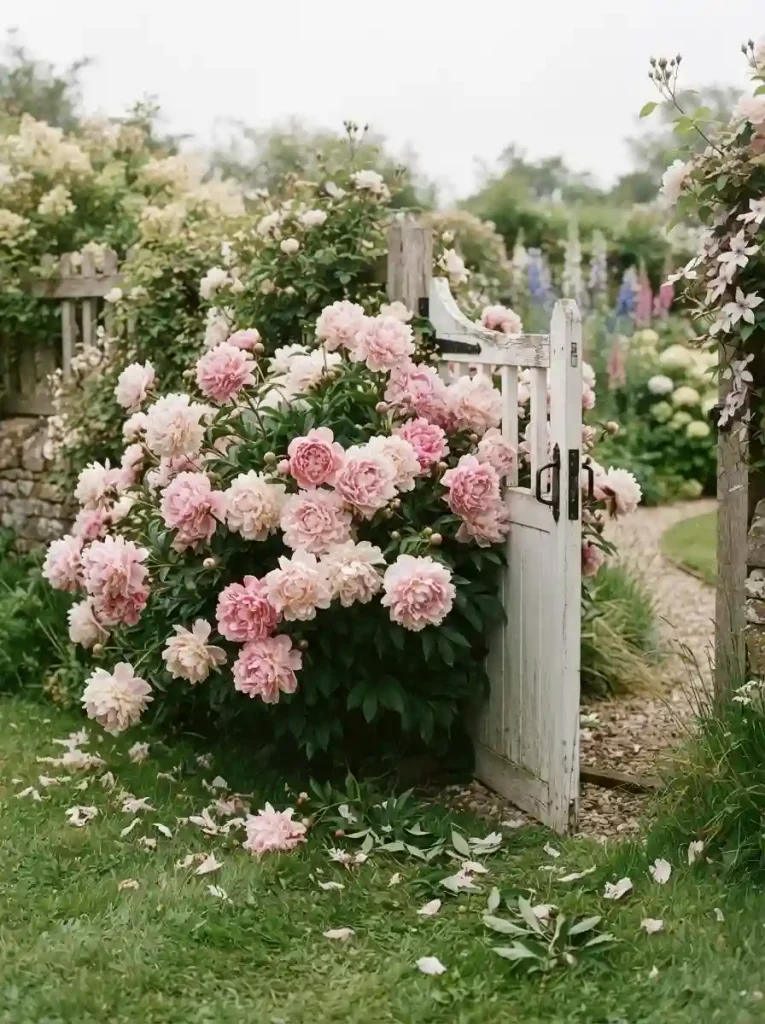
Peonies produce huge, fragrant blooms, and deer usually leave them alone. They’re long-lived perennials that can thrive for decades once established. Plant them in a sunny spot where they have room to spread.
Pro tip:
Plant the roots no more than 2 inches below the soil surface, or they may refuse to bloom.
14. Anchor Beds with Baptisia (False Indigo)
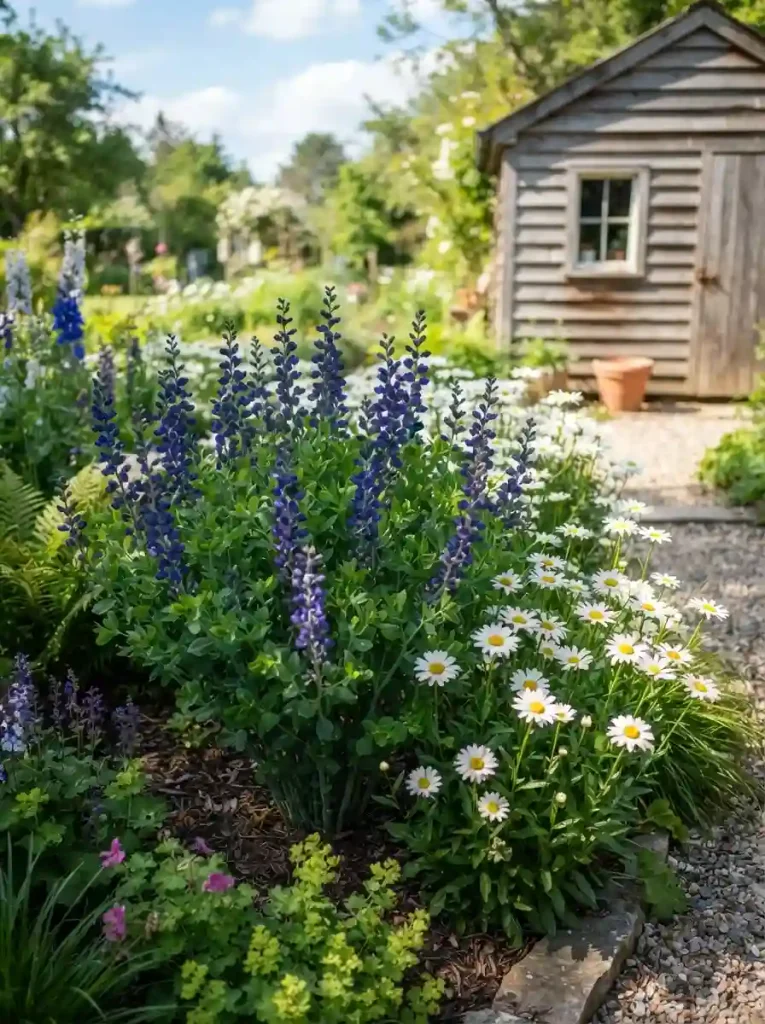
Baptisia forms sturdy, shrub-like clumps with blue-green foliage and tall indigo flower spikes in early summer. Deer tend to ignore it, and it comes back stronger each year. The seed pods are also attractive in fall arrangements.
Pro tip:
Be patient. Baptisia spends its first couple of years building roots before it blooms heavily.
15. Add Fragrant Flowering Shrubs Like Lilac
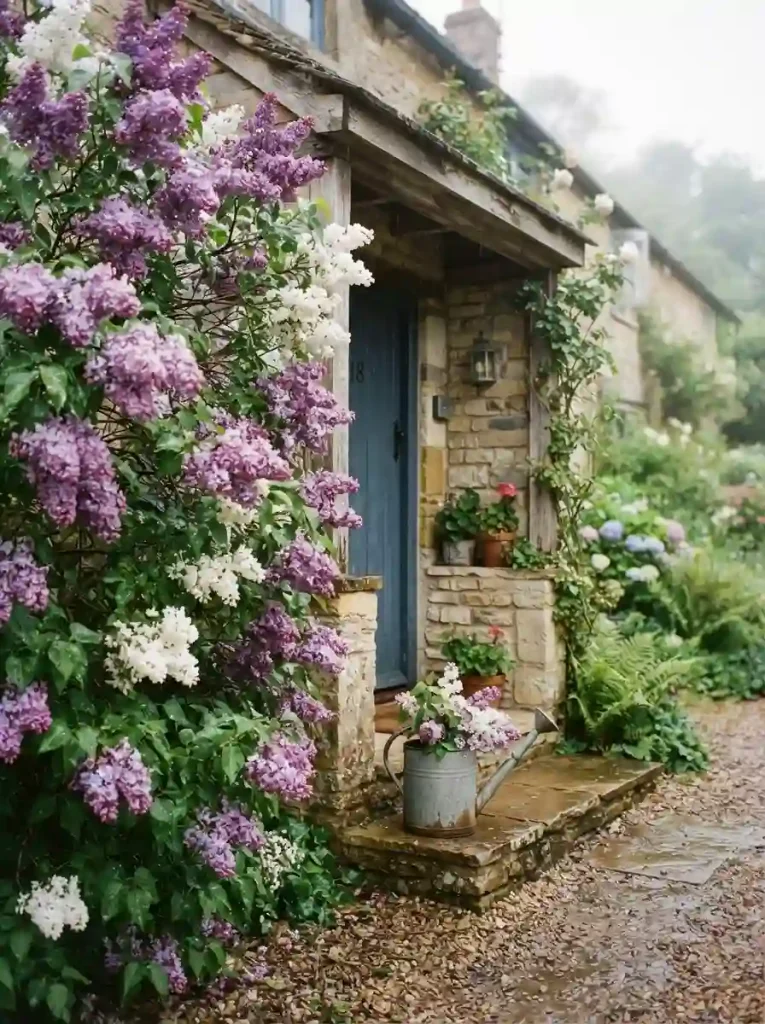
Lilac is a classic, scented shrub that deer typically pass up. It gives you spring color, fragrance, and a natural privacy screen. Potentilla is another tough, long-blooming option for smaller spaces.
Pro tip:
Prune lilacs right after they flower, since they set next year’s buds soon after.
16. Layer Your Borders from the Outside In
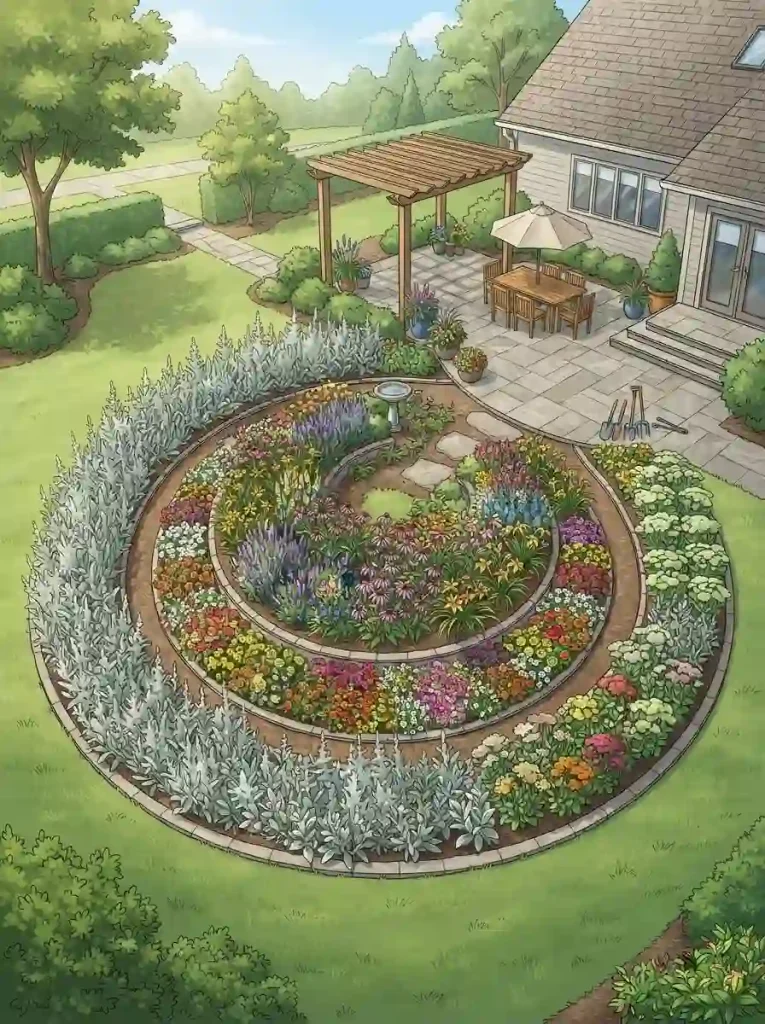
Think of your garden in rings. Put the most deer resistant plants along the outer edge, and tuck your favorite tender plants closer to the house. Deer often browse the first plants they meet, so a tough outer layer can steer them away.
Pro tip:
Use tall, aromatic plants like Russian sage or ornamental grasses along the outer ring to block sightlines.
17. Grow Deer Resistant Containers on the Patio
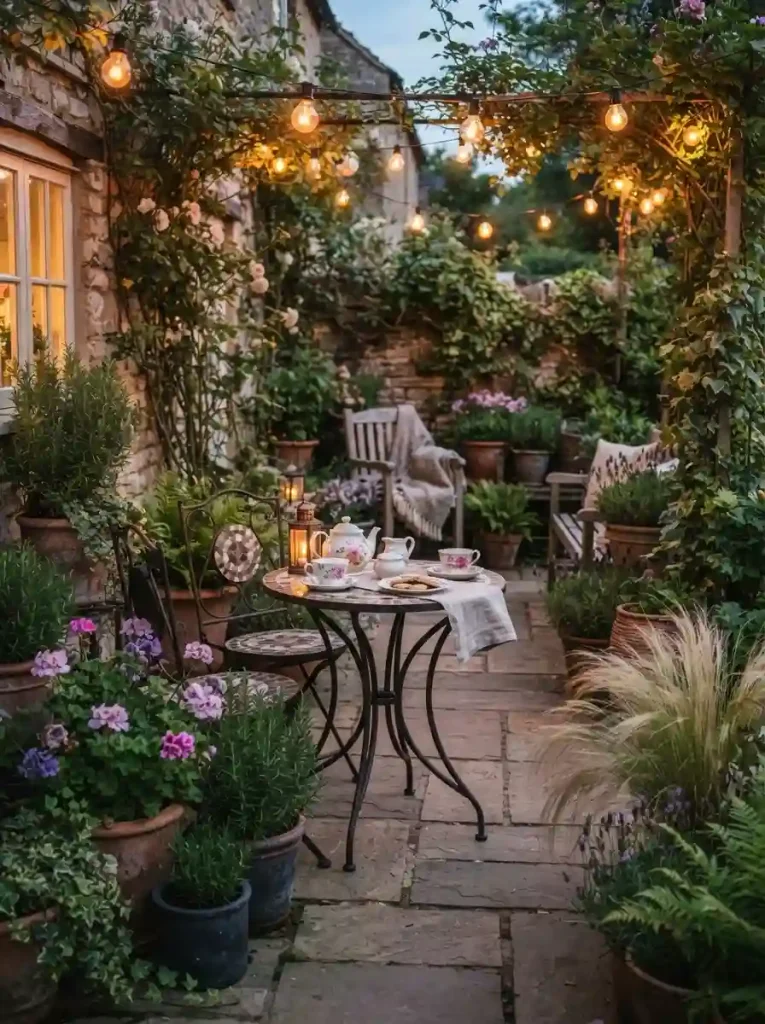
Containers keep plants close to the house, where deer are less likely to roam. Fill pots with scented geraniums, rosemary, ornamental grasses, and trailing thyme. You can rearrange them through the seasons, too.
Pro tip:
Use large pots with drainage holes, since small containers dry out quickly in summer.
18. Design a Sunny Rock Garden with Yucca and Artemisia
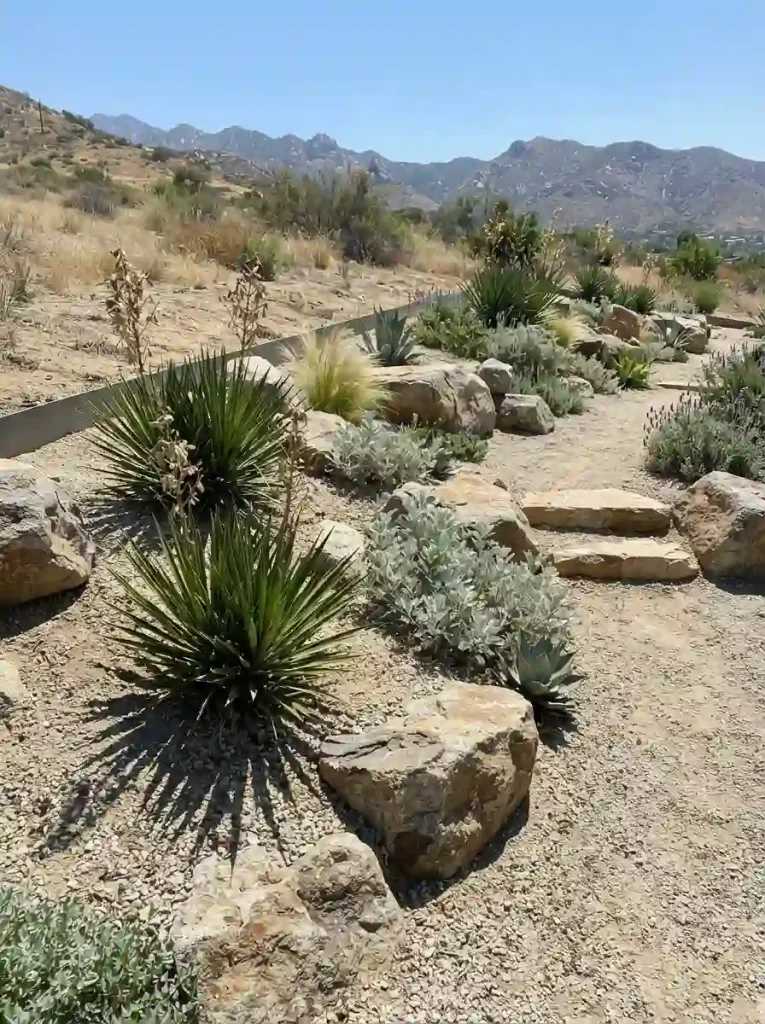
Yucca has stiff, pointed leaves that deer find unappetizing, and artemisia offers silvery, aromatic foliage. Set them among boulders and gravel for a modern, drought-tolerant look. This works well on slopes where grass is hard to maintain.
Pro tip:
Choose a gravel mulch instead of wood chips to keep roots dry and the look crisp.
19. Build a Pollinator Garden That Deer Skip
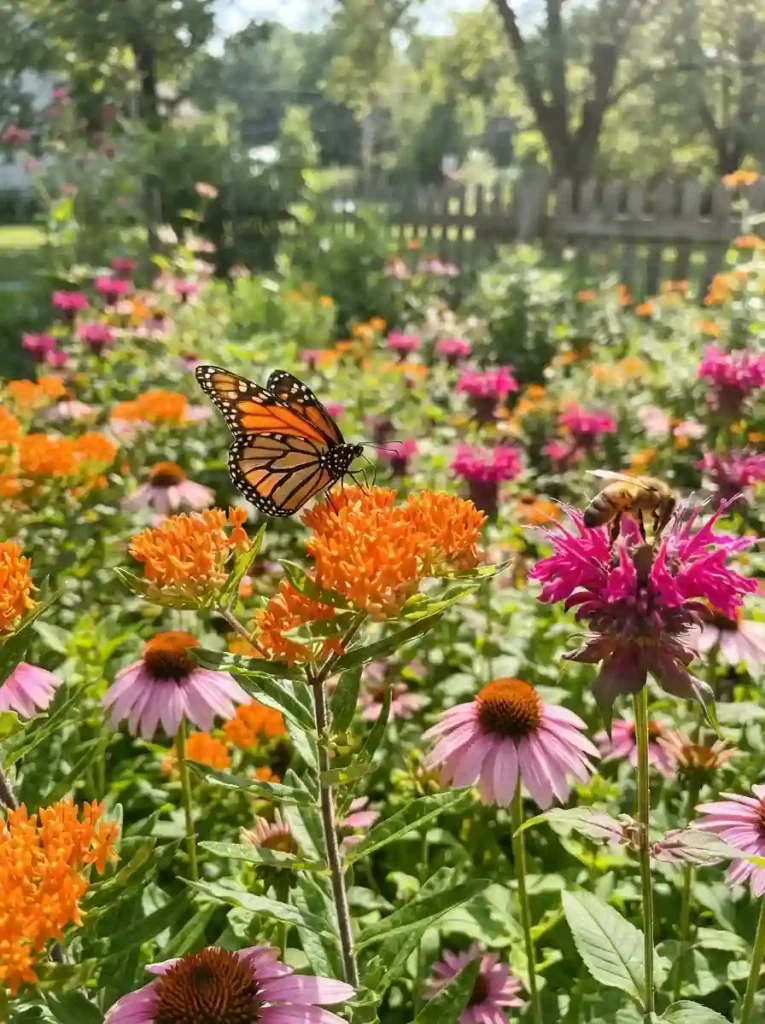
You don’t have to choose between wildlife and deer resistance. Bee balm, butterfly weed, coneflower, and coreopsis feed bees and butterflies, and deer generally find them less tasty. The result is a lively, colorful garden that stays buzzing all summer.
Pro tip: Leave some seed heads standing in fall for goldfinches and other birds.
Pro tip:
Leave some seed heads standing in fall for goldfinches and other birds.
20. Go Native with Regional Plants
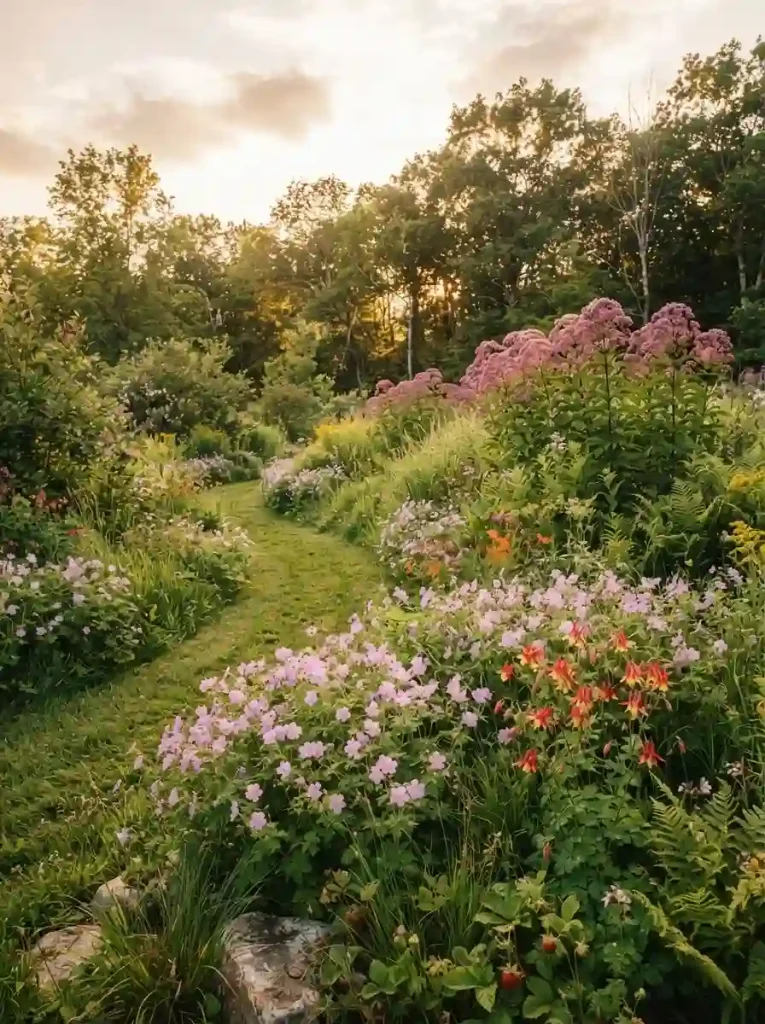
Native plants like wild geranium, columbine, Joe-pye weed, and wild ginger suit local conditions and often include deer-resistant choices. They need less water and care once established, and they support local wildlife. Your local extension office can recommend the best natives for your area.
Pro tip:
Group natives in drifts of 3 to 5 plants for a natural, meadow-like look.
21. Choose Evergreens Wisely
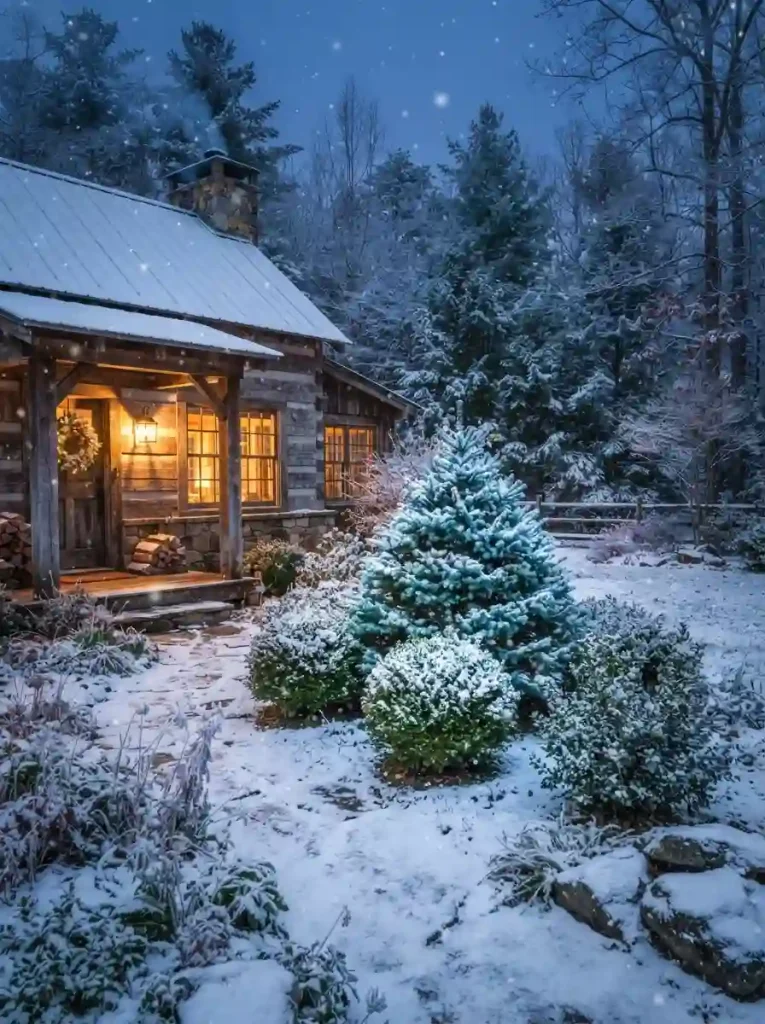
Deer tend to leave short-needled spruces and dense boxwood alone, while some evergreens, like arborvitae, are frequent targets in many areas. Choose carefully and ask local nurseries what holds up in your neighborhood. Evergreens give you winter structure when everything else is bare.
Pro tip:
Wrap young evergreens in burlap for their first winters if deer pressure is high.
22. Blend in a Decorative Fence or Trellis
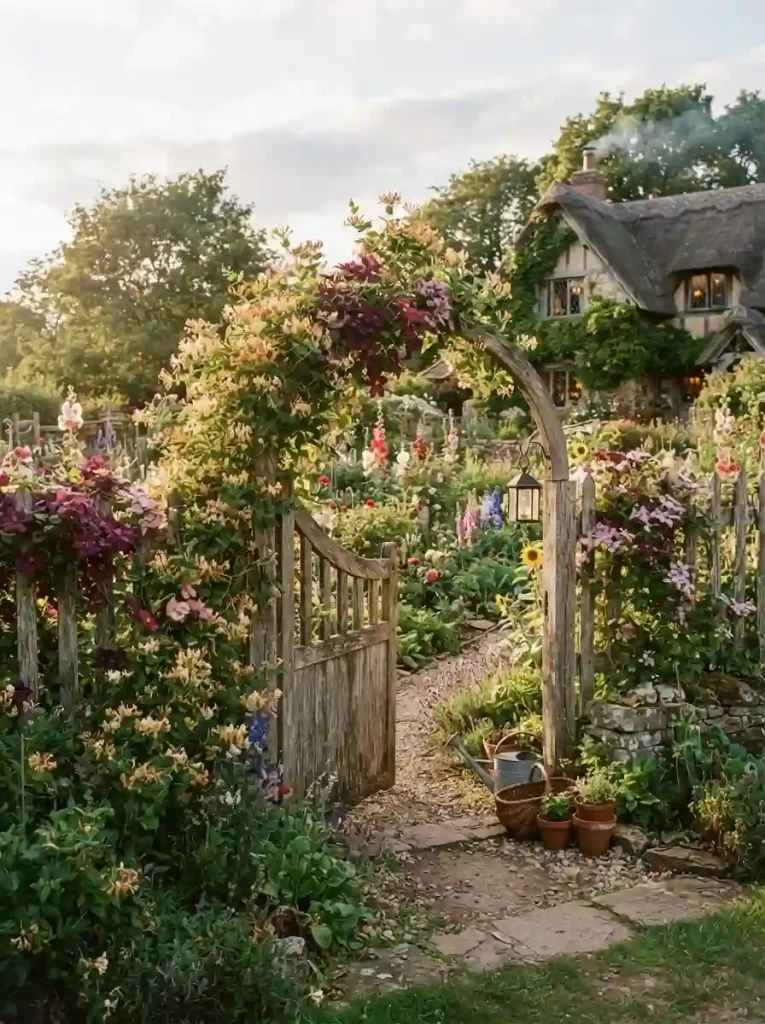
Sometimes the best defense is a physical barrier. A tall fence, ideally around 8 feet, stops most deer, and you can soften it with climbing vines or a matching hedge. For a vegetable patch or rose bed, a smaller enclosed garden may be enough.
Pro tip:
Black mesh fencing nearly disappears against a dark background and keeps the view open.
23. Add Motion Sprinklers and Rotate Repellents
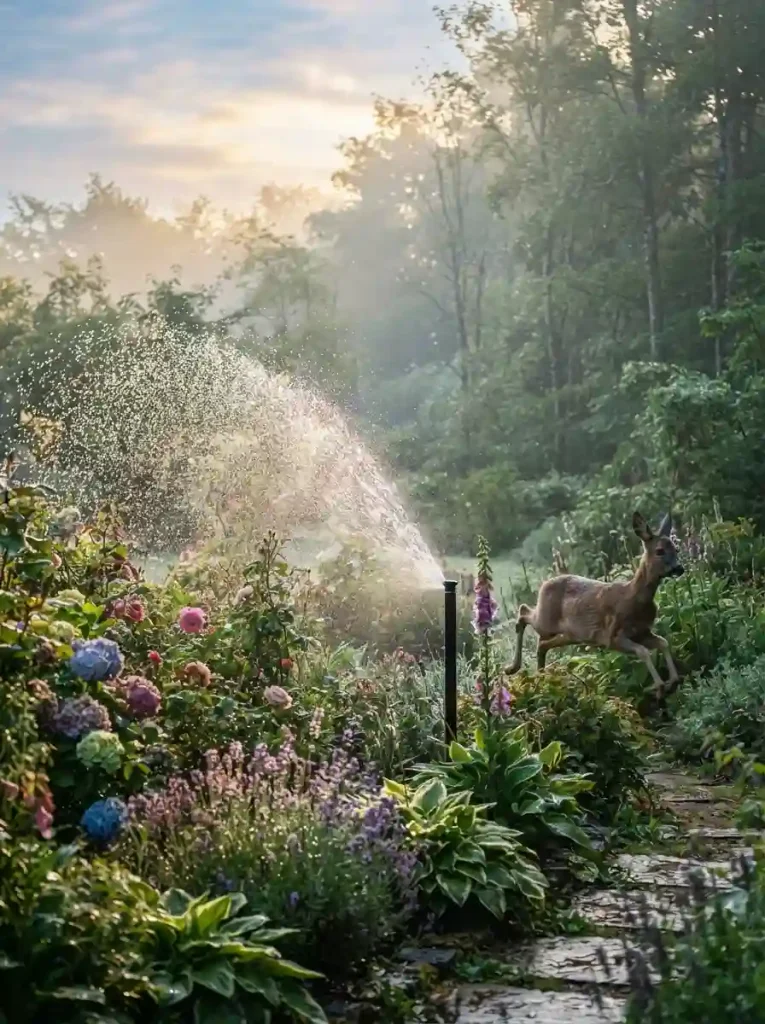
Deer get used to anything that stays the same. A motion-activated sprinkler startles them with a sudden burst of water, and rotating commercial repellents keeps them guessing. Pair both with your resistant plantings for the best results.
Pro tip:
Reapply repellents after heavy rain, and switch products every few weeks.
Final Thoughts
Deer resistant landscaping works best when you combine several strategies: aromatic and tough-textured plants, smart placement, and sometimes a fence or repellent. Start small. Replace one or two favorite deer snacks with resistant alternatives, watch how your local deer respond, and expand from there.
Remember that deer behavior shifts with season, food supply, and population. If a plant gets damaged, treat it as feedback rather than failure and adjust. With a little patience, you can have a garden that looks beautiful without feeding the neighborhood herd.
Frequently Asked Questions
What is the most deer resistant plant?
No plant is guaranteed, but aromatic or toxic plants like lavender, daffodils, and sage are among the least likely to be eaten.
Do deer eat lavender?
Deer rarely eat lavender because of its strong scent and oily leaves.
Will deer resistant plants work if deer are very hungry?
Not always. In harsh winters or areas with high deer populations, deer may eat plants they usually avoid, so combine resistant plants with fencing or repellents.
When should I plant deer resistant landscaping?
Spring and early fall are ideal, since plants can establish roots before extreme heat or cold.