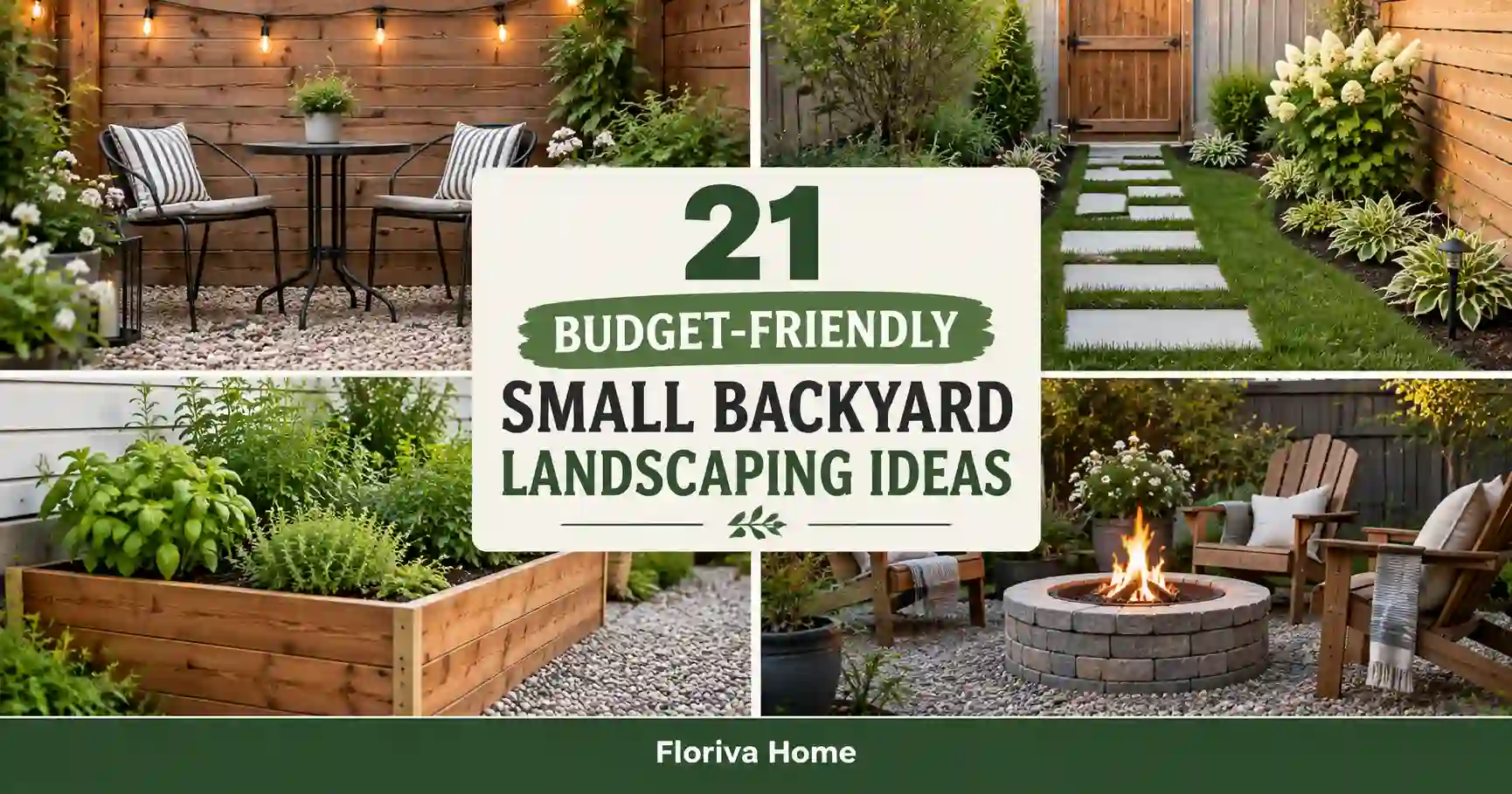
21 Budget-Friendly Small Backyard Landscaping Ideas
If you’re looking for budget-friendly small backyard landscaping ideas, these projects can help you create a backyard that feels intentional without taking on an expensive renovation.
The key is to work with what you already have and focus your spending on simple upgrades that make a noticeable difference. Repurposed materials, inexpensive plants, clever layouts, and small decorative touches can completely change the atmosphere.
A small backyard doesn’t need a huge budget to become a beautiful outdoor space. With a few thoughtful changes, even a compact yard can feel more inviting, functional, and polished.
1. Turn an unused corner into a compact garden nook
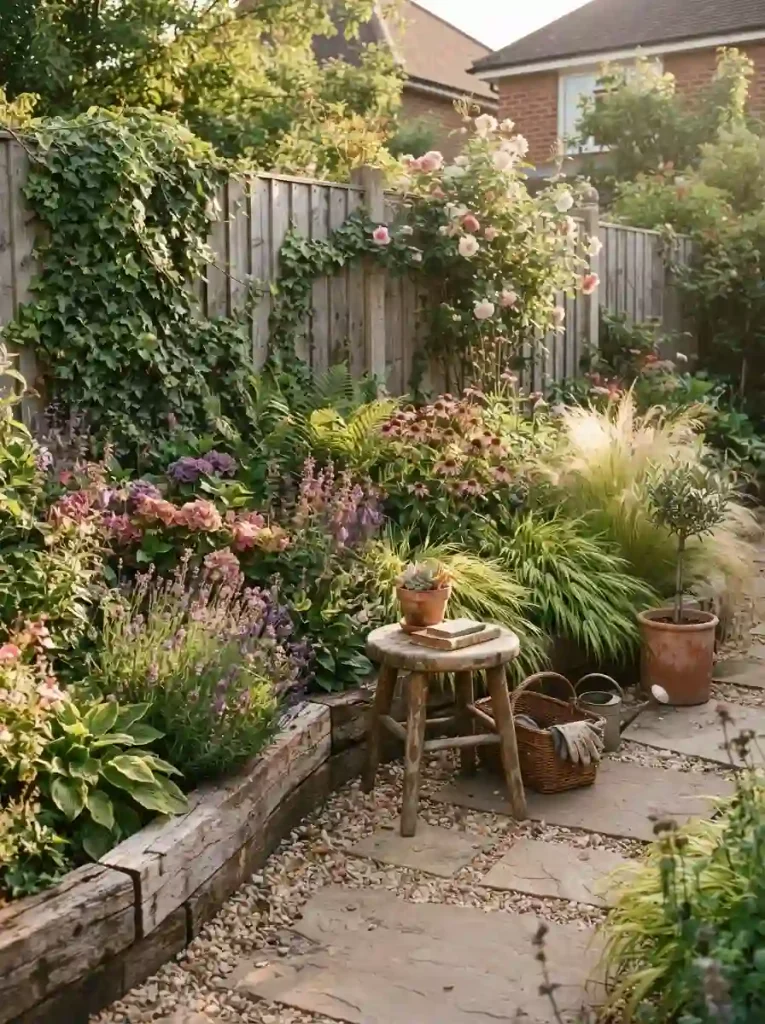
An awkward backyard corner can become one of the most charming parts of your outdoor space with a little planning.
Instead of trying to fill the entire area, create a small planting bed using inexpensive edging, compost, and a handful of plants. Choose varieties with different heights so the corner has visual depth without needing many plants.
A small tree, ornamental grass, flowering perennial, or collection of attractive pots can serve as the main focal point. Add a simple chair or small garden stool if there is enough room.
This approach works especially well in tiny yards because it gives an otherwise forgotten space a clear purpose.
Expert Tip:
Keep taller plants toward the back and shorter varieties near the front. This simple arrangement makes a narrow planting area appear deeper and more organized.
2. Build a simple stepping-stone path through the lawn
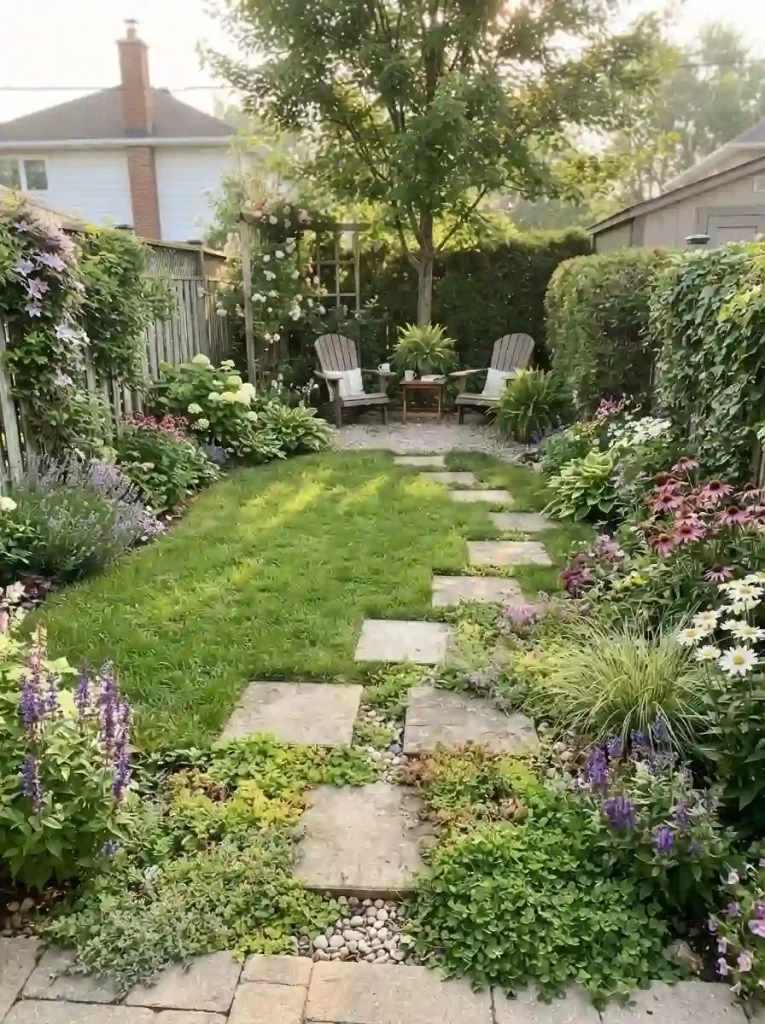
You don’t need an expensive walkway to make a small backyard feel thoughtfully designed.
Place inexpensive concrete stepping stones or flat reclaimed stones across a section of lawn to create a casual path. Instead of making the walkway perfectly straight, a gentle offset can make the space feel more natural.
Surround the stones with grass, ground cover, or small pockets of mulch. If you already have leftover pavers from another project, this is an excellent way to reuse them.
A stepping-stone path can also visually divide your backyard into separate zones, such as a seating area, planting bed, and play space.
Expert Tip:
Lay the stones where your feet naturally land when walking. This makes the path comfortable and prevents you from buying more stones than necessary.
3. Use mulch to create inexpensive defined garden beds
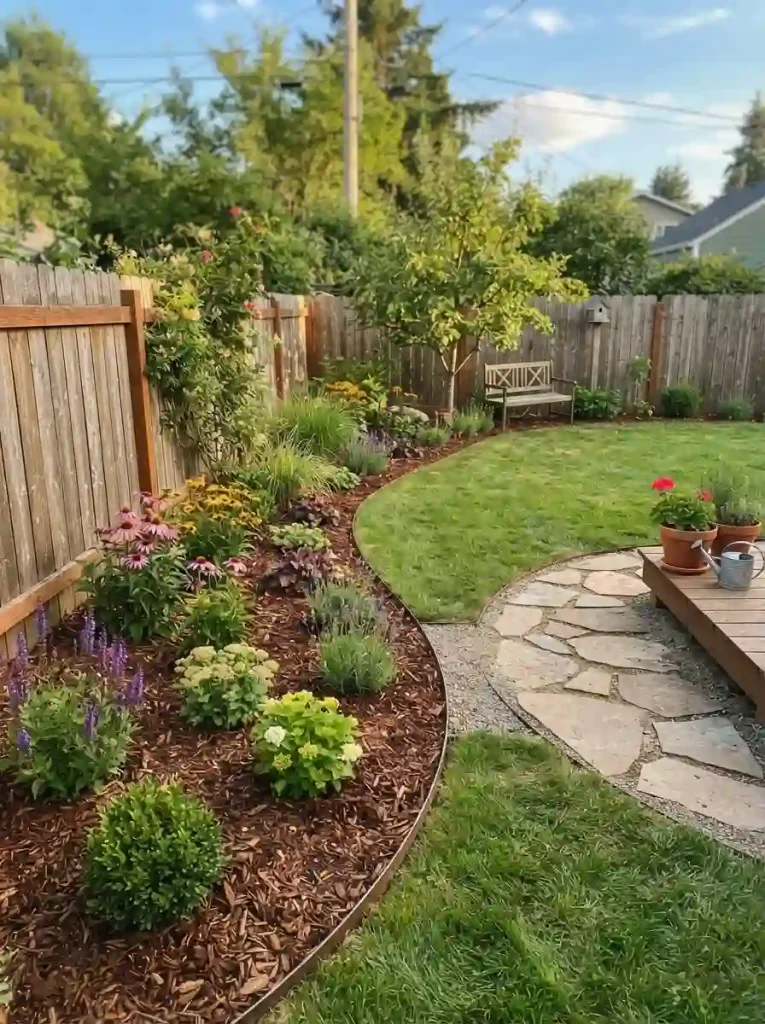
Mulch is one of the easiest ways to make a small backyard look more finished without spending heavily on hardscaping.
Create simple curved or geometric planting beds around existing trees, along fences, or beside the house. A layer of natural mulch immediately separates the planting area from the lawn and gives the yard a cleaner appearance.
You can start small rather than covering the entire backyard. Even one well-shaped bed can make the landscape feel more intentional.
Plant a few flowering perennials, shrubs, or ornamental grasses inside the bed and allow the mulch to provide the visual background.
Expert Tip:
Give your garden bed a clean edge before adding mulch. A crisp boundary often makes a bigger visual difference than adding more plants.
4. Create a vertical garden along the backyard fence
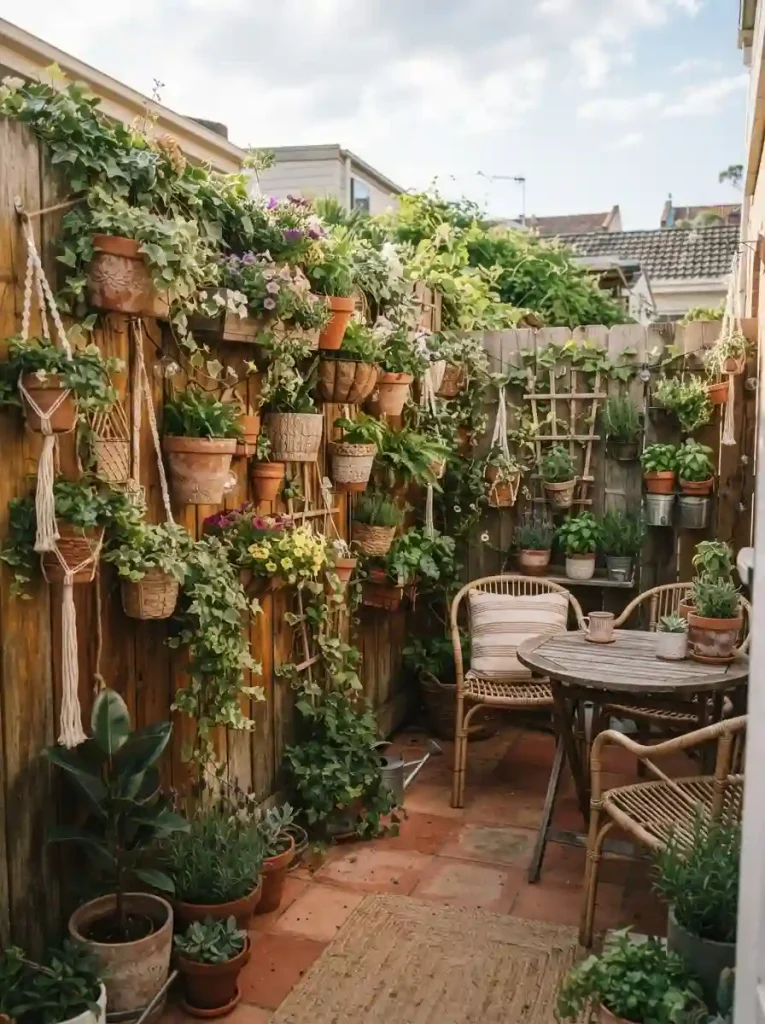
When floor space is limited, look upward.
A plain fence can become a productive and decorative feature with inexpensive wall planters, hanging pots, wooden crates, or a simple trellis. This allows you to add greenery without taking valuable ground space away from seating or walking areas.
Use herbs, trailing flowers, compact vines, or small ornamental plants depending on the amount of sunlight the fence receives.
Painting old containers in complementary shades can also create a coordinated look without buying new planters.
Expert Tip:
Check the weight of your containers before attaching them to a fence. Lightweight pots are easier to secure and reduce stress on older fencing.
5. Refresh the backyard with inexpensive container plants
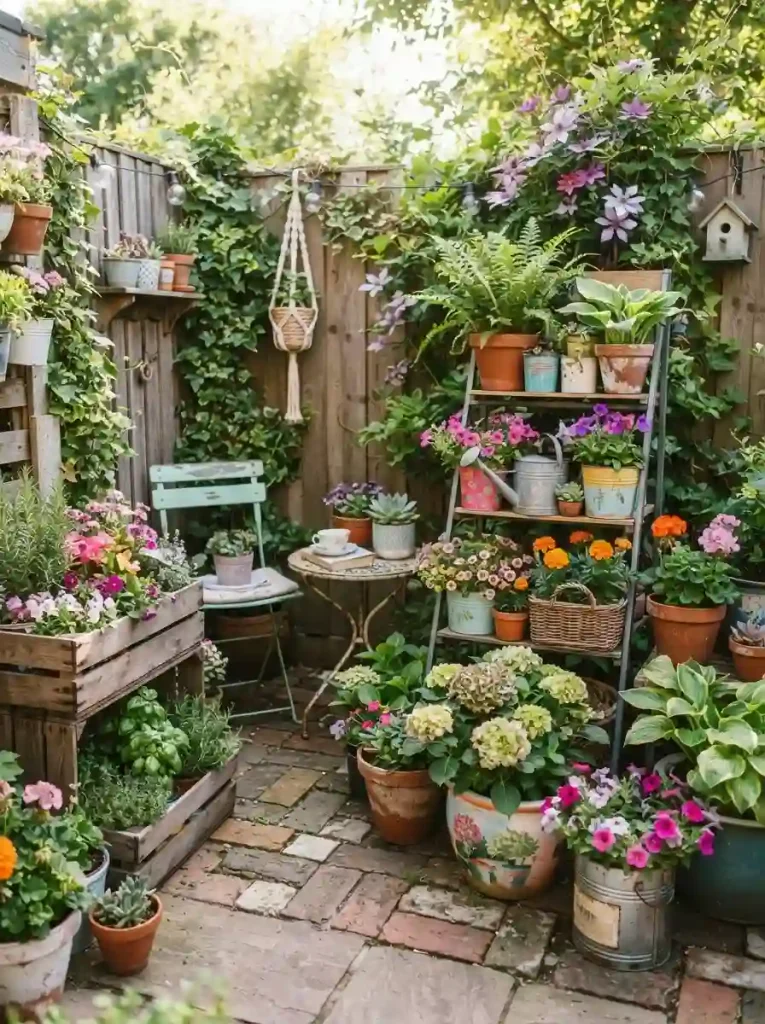
Container gardening lets you add greenery without committing to permanent landscaping.
Look around your home for unused pots, buckets, baskets, or sturdy containers that can safely hold plants. Group several containers together to create a mini garden display near a patio, doorway, or backyard wall.
Mix different plant heights and leaf shapes rather than purchasing dozens of flowers. One tall plant surrounded by several smaller containers can create a surprisingly full arrangement.
Containers are especially useful for renters or anyone who wants to change the backyard layout from season to season.
Expert Tip:
Use containers with drainage holes and group plants with similar sunlight and watering needs together. This makes ongoing care much easier.
6. Make a tiny seating area with secondhand furniture
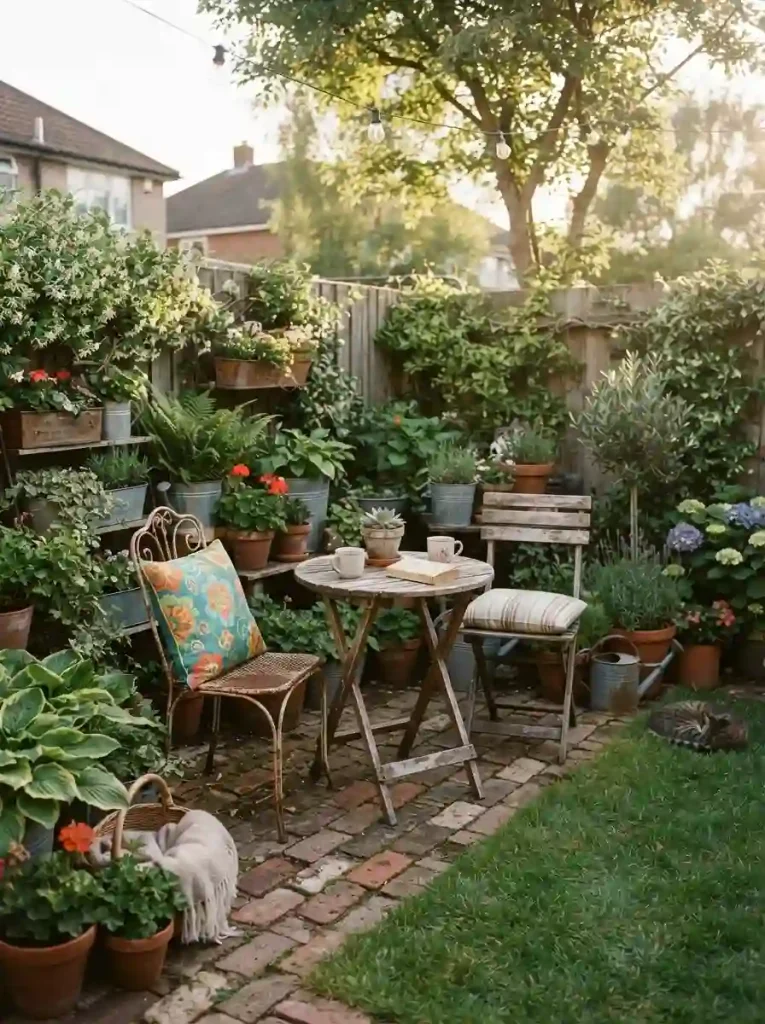
A small backyard can feel much more useful when it has a dedicated place to sit.
Instead of purchasing a complete outdoor furniture set, look for one or two secondhand chairs and a small table. Wooden stools, metal bistro chairs, or refurbished benches can work beautifully in compact spaces.
Give older furniture a fresh appearance with outdoor paint or simple weather-resistant cushions. Place the seating beside a garden bed, under a small tree, or against a privacy screen.
The goal isn’t to create a large entertainment area. It’s to establish one comfortable destination within the yard.
Expert Tip:
Choose furniture with a slim profile. Bulky pieces can quickly make a small backyard feel crowded, while lightweight furniture can be moved whenever you need more open space.
7. Paint an old fence for an instant backyard refresh
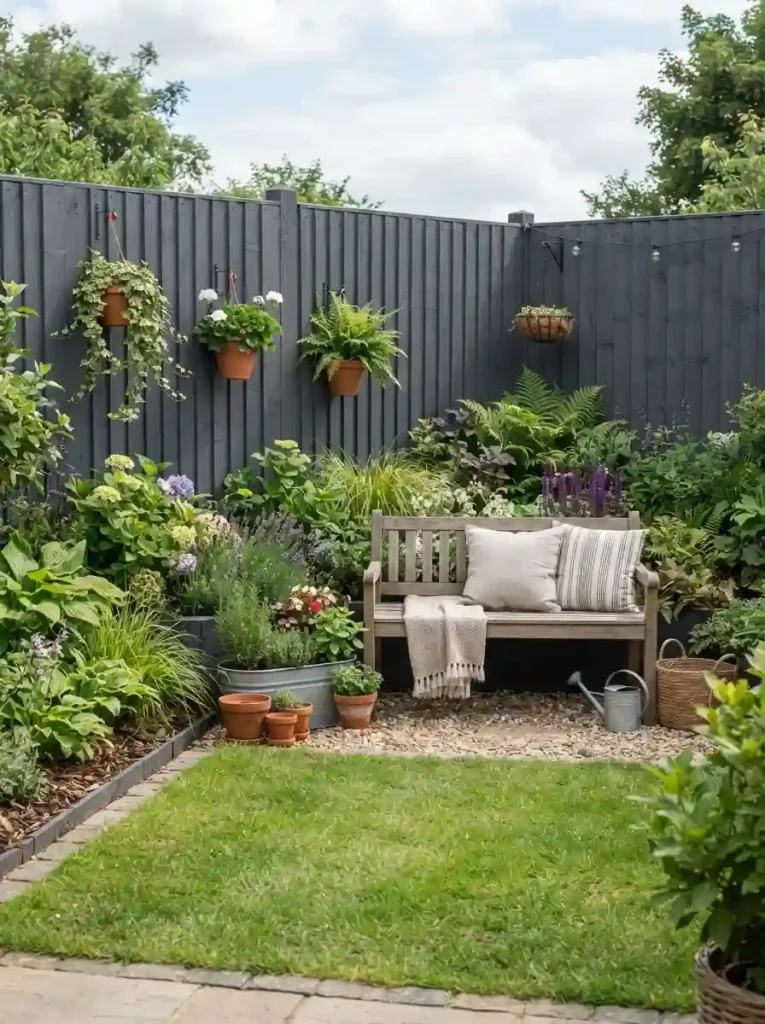
Sometimes the most affordable landscaping upgrade isn’t another plant—it’s a fresh backdrop.
A weathered fence can make an entire backyard look tired. Cleaning it and applying an appropriate exterior paint or stain can dramatically change the appearance of the space.
Choose a shade that complements your plants and outdoor furniture. A darker backdrop can make green foliage stand out, while lighter tones can help a cramped yard feel brighter.
You can also paint only one fence section behind a seating area to create an accent wall instead of taking on the entire project.
Expert Tip:
Repair loose boards and clean the fence thoroughly before painting. Proper preparation helps the finish look smoother and last longer.
8. Create a mini pollinator garden with low-cost plants
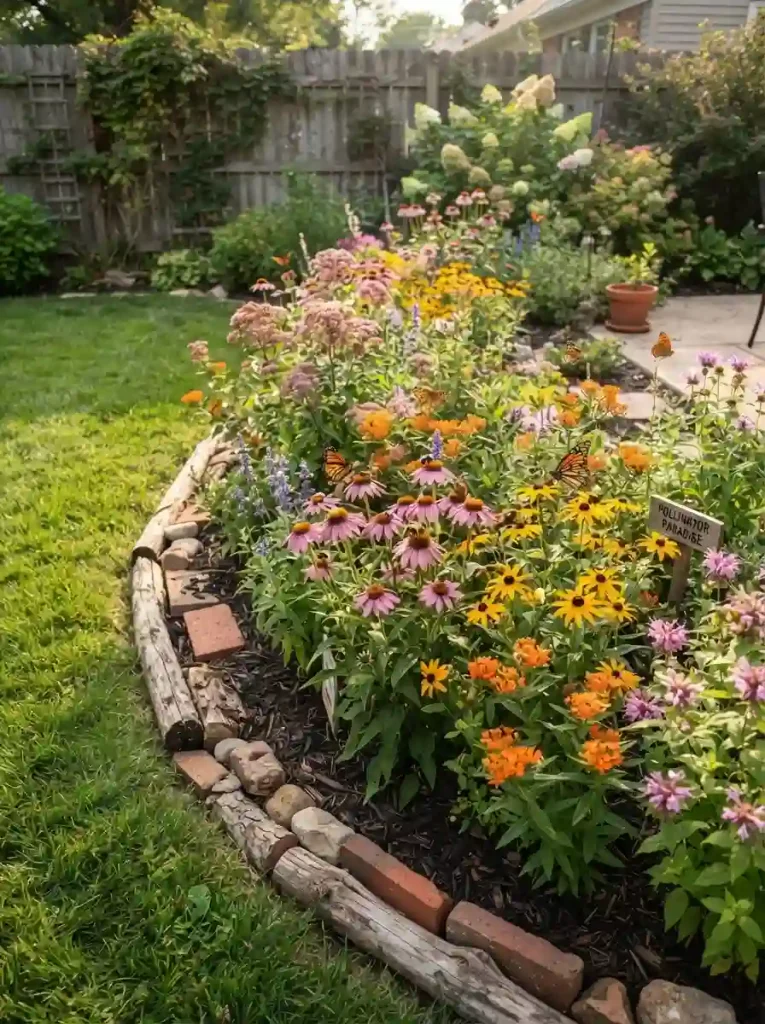
A small backyard can support plenty of beneficial insects without requiring a large flower bed.
Choose a few flowering plants that provide nectar and pollen, then arrange them in a compact sunny area. Native or locally adapted flowers are often a smart starting point because they can be better suited to local growing conditions.
Instead of buying mature plants, consider starting with smaller nursery plants or seeds where appropriate. A few varieties planted in groups can create a stronger visual effect than many isolated flowers.
Leave a little natural space between plants rather than trying to make everything perfectly formal.
Expert Tip:
Select plants based on your backyard’s sunlight and soil conditions first. The right plants usually require less maintenance and replacement later.
9. Use gravel as an inexpensive alternative to a hard patio
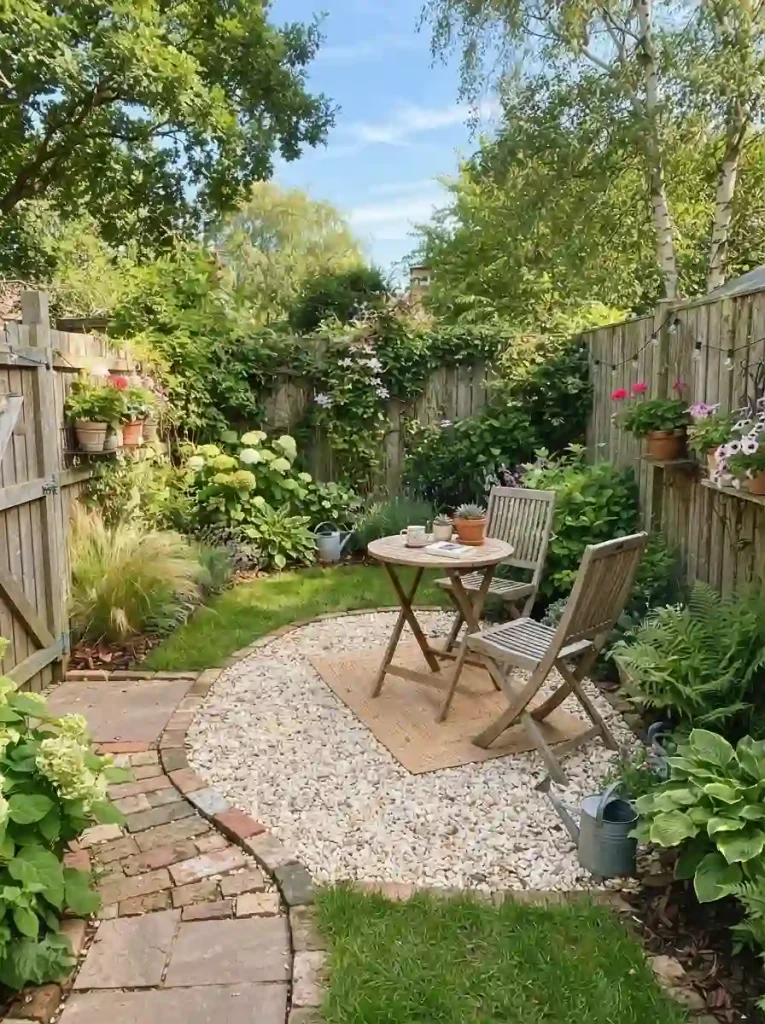
If you want a sitting or dining area but don’t have the budget for a paved patio, consider creating a compact gravel surface.
Choose a small section of the backyard and define its edges with inexpensive landscape edging. Prepare the ground properly, add an appropriate base, and finish with a layer of decorative gravel.
Place a small outdoor table and a couple of chairs on the finished surface. The result can feel like a dedicated outdoor room without the cost and permanence of a large concrete installation.
Keep the area proportionate to your backyard so you preserve enough open space for planting and movement.
Expert Tip:
Use landscape fabric or another suitable weed-control layer beneath the prepared gravel area where appropriate, and install solid edging to reduce spreading.
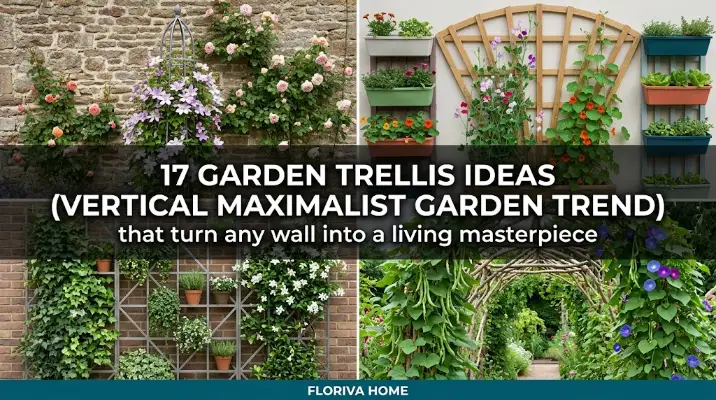
10. Add a DIY trellis with climbing plants
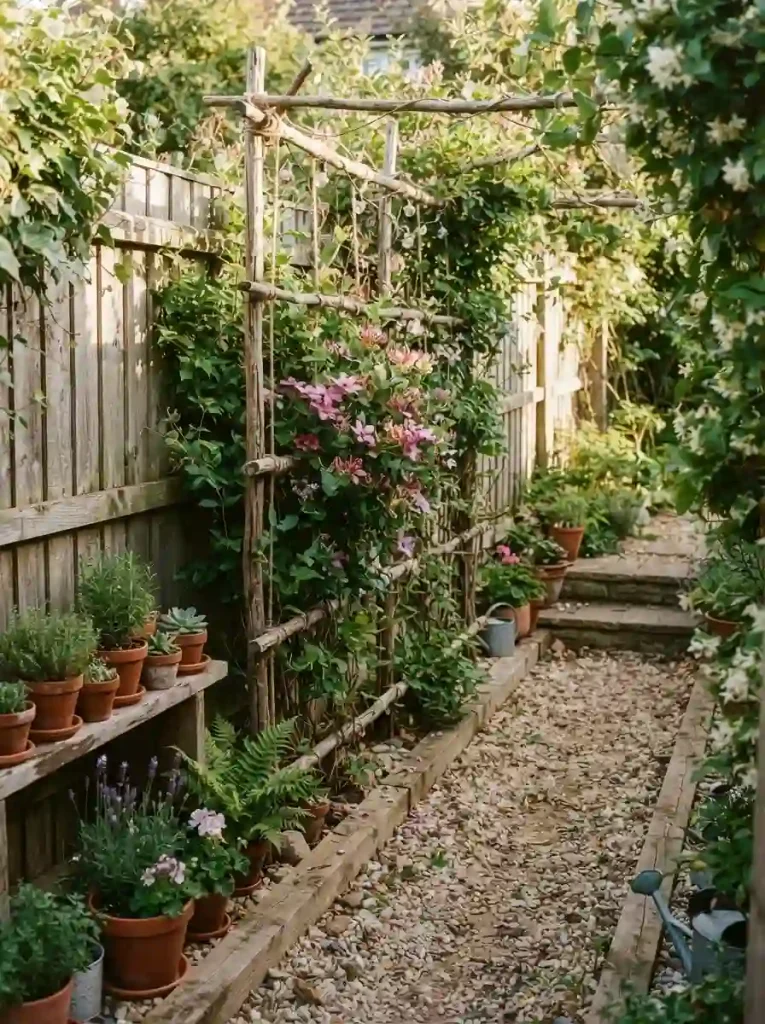
A trellis can provide height, privacy, and greenery without consuming much ground space.
Build one from inexpensive wooden strips, bamboo poles, or another suitable material, then position it beside a fence or wall. Add a climbing plant that suits your climate and available sunlight.
As the plant grows, the trellis can become a living vertical feature. It can also help hide an unattractive wall, utility area, or neighboring view.
For a small backyard, vertical growth is particularly valuable because it adds visual interest while preserving floor space.
Expert Tip:
Secure the trellis firmly before the climbing plant becomes heavy. Leave enough room between the structure and wall for airflow and maintenance.
11. Define a tiny lawn with a simple curved border
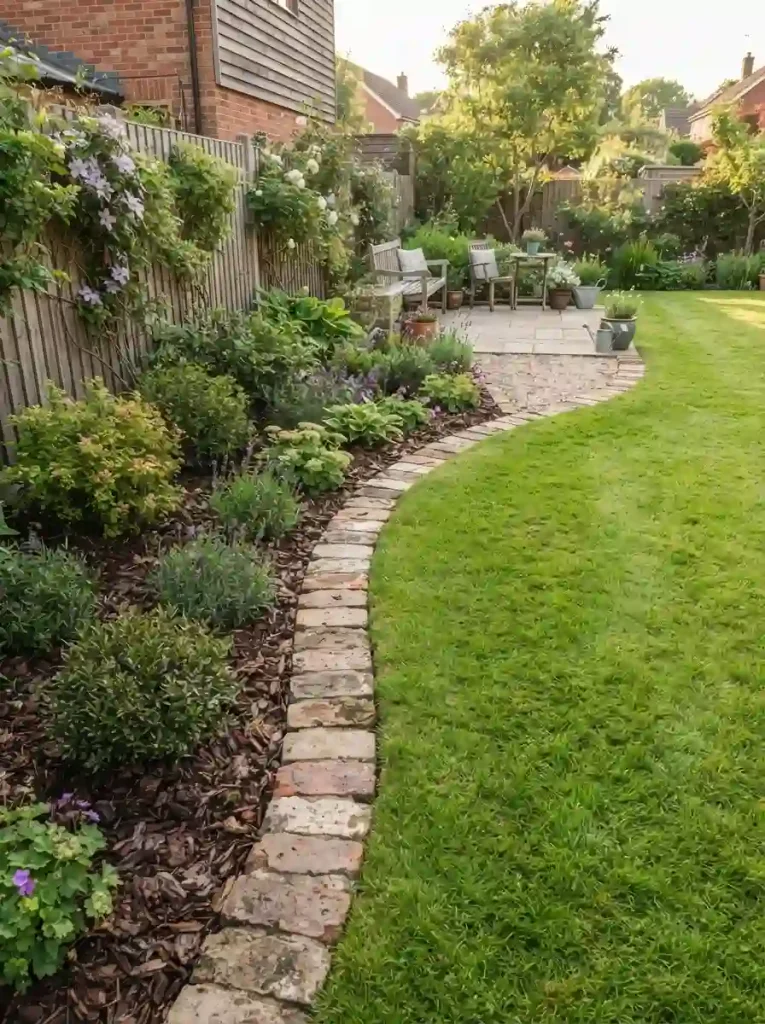
A small lawn can look significantly more polished when its edges have a deliberate shape.
Instead of leaving the grass to meet planting beds in uneven lines, create a gentle curved border using inexpensive stones, recycled bricks, or simple plastic edging. The curve can soften a boxy backyard and make the space feel more thoughtfully planned.
Keep the shape broad and uncomplicated. Too many curves can make a tiny yard feel busy.
Fill the area beyond the border with mulch, low-growing plants, or gravel to create a clear contrast between the lawn and garden.
Expert Tip:
Use a garden hose to test your proposed curve before digging. It lets you experiment with the shape until the proportions look right.
12. Make a simple DIY fire pit area
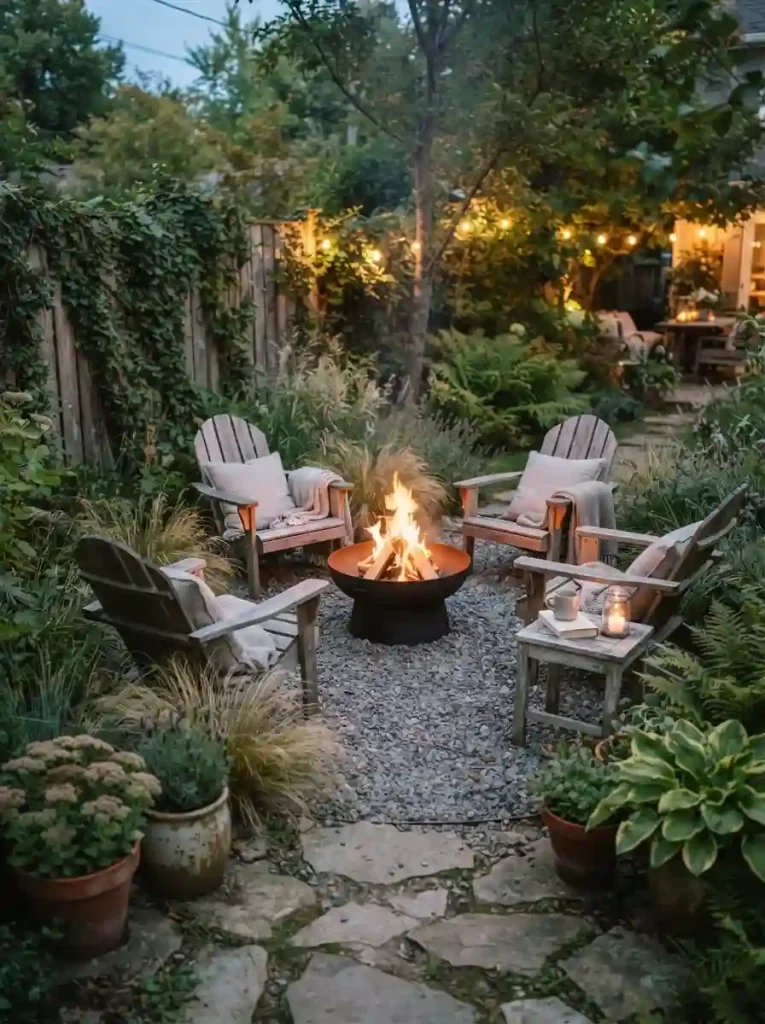
A fire pit can turn even a tiny backyard into a welcoming evening retreat, and it doesn’t have to involve an expensive built-in installation.
Choose a safe, open location away from structures, trees, fences, and other flammable materials. Create a small sitting zone around a suitable outdoor fire pit using gravel, compact pavers, or another appropriate noncombustible surface.
Keep the furniture minimal. Two or four comfortable chairs can be enough to establish a cozy gathering spot.
If local regulations or fire restrictions apply in your area, check them before using a wood-burning fire pit.
Expert Tip:
Think of the fire pit as a destination rather than trying to make it the centerpiece of the entire yard. A compact arrangement leaves more room for plants and everyday activities.
13. Repurpose old containers as creative planters
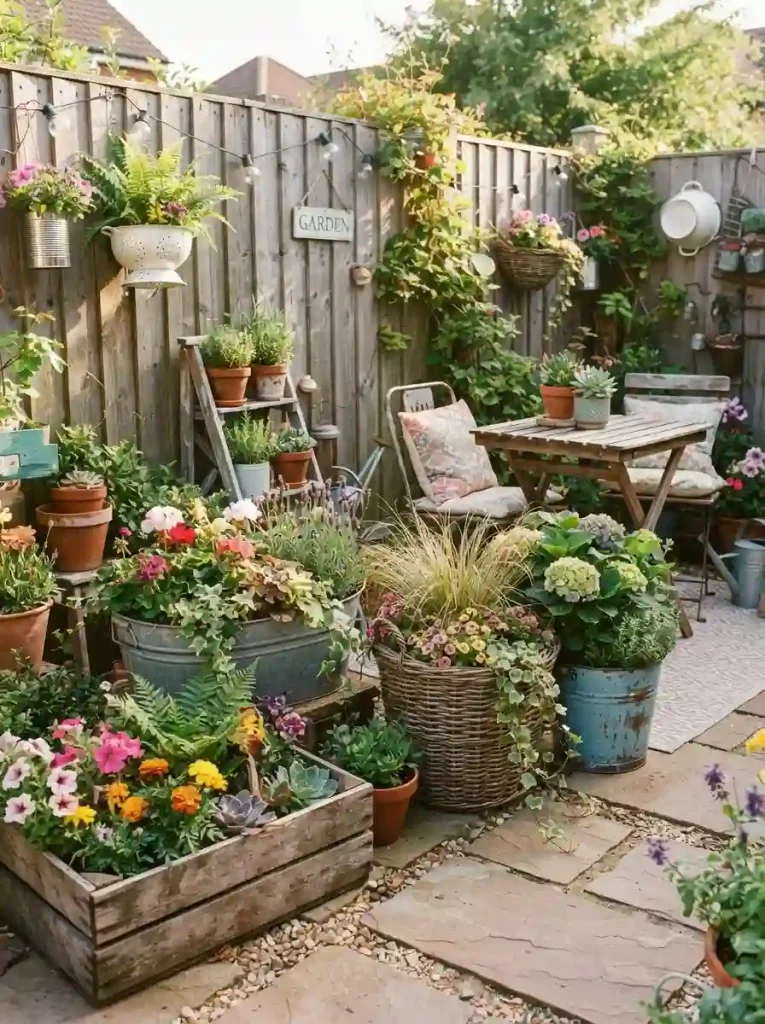
Before buying new garden décor, look around your home for objects that could become planters.
Old buckets, wooden boxes, metal tubs, baskets, and other suitable containers can bring personality to a backyard while keeping costs low. Give them a thorough cleaning, add proper drainage where needed, and fill them with plants suited to their location.
Use several different container sizes to create a casual layered arrangement. You can also place a single unusual planter beside a doorway or seating area as an accent.
The charm comes from mixing useful objects with living plants rather than making everything perfectly coordinated.
Expert Tip:
Make sure any repurposed container is safe for outdoor use and has adequate drainage. Avoid materials that may leach harmful substances into soil intended for edible plants.
14. Plant a narrow border along the fence
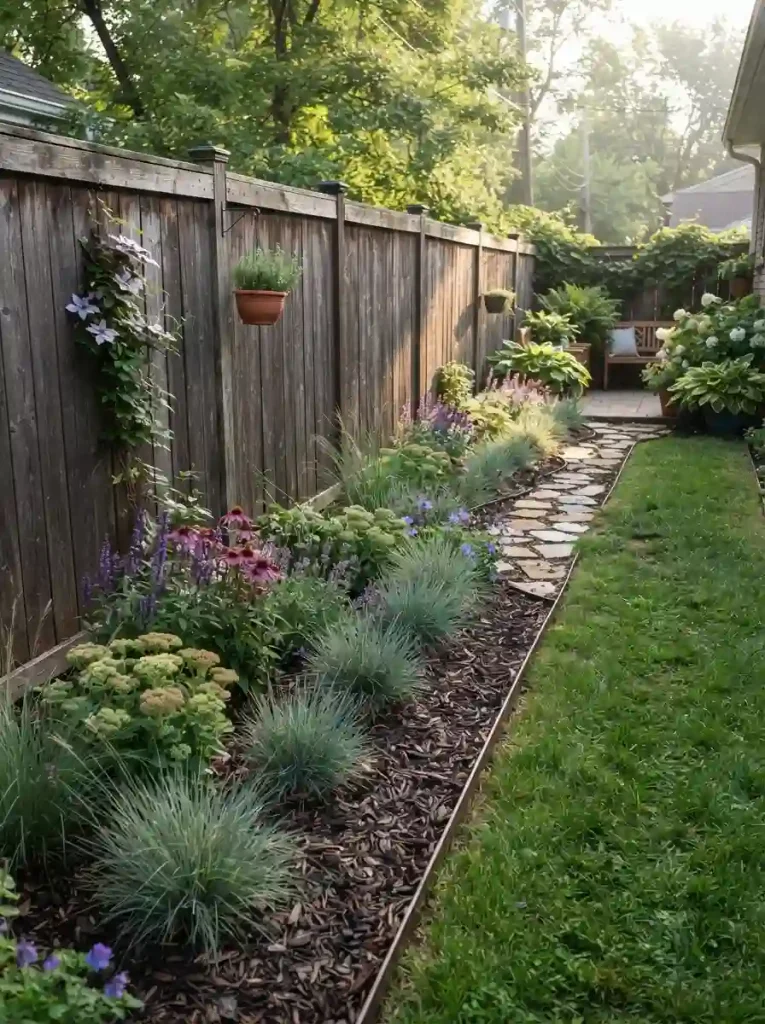
If your backyard is short on usable floor area, a narrow planting strip along the fence can add plenty of greenery without sacrificing valuable space.
Choose compact shrubs, ornamental grasses, herbs, or flowering plants according to your climate and the amount of sunlight available.
Keep the bed relatively narrow and use repeating plants to create visual consistency. Repetition makes a small landscape feel more organized and can also reduce the number of different plants you need to purchase.
A layer of mulch can help complete the look while making the planting area easier to maintain.
Expert Tip:
Check the mature size of every plant before buying it. A plant that looks tiny at the nursery can eventually overwhelm a narrow backyard border.
15. Add a small ornamental tree
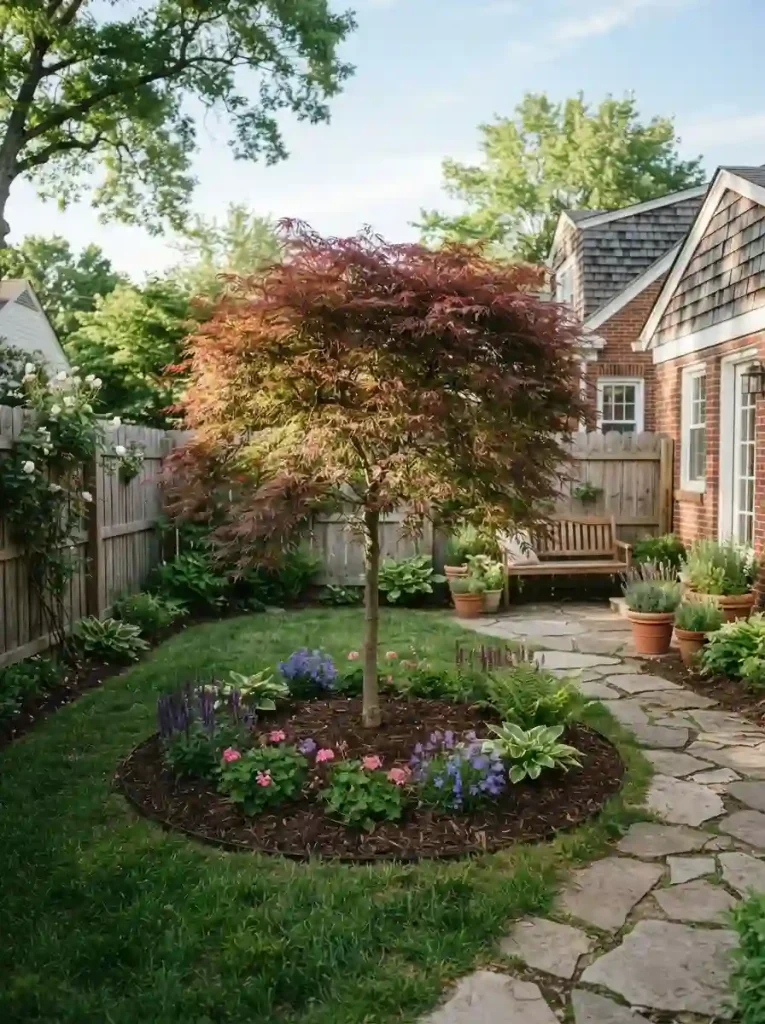
One carefully selected tree can give a small backyard a strong focal point without requiring a large landscaping budget.
Look for a species appropriate for your climate, soil, and available space. A compact ornamental tree can provide seasonal flowers, attractive foliage, shade, or architectural interest.
Plant it where its mature size will fit comfortably rather than choosing a location based only on how it looks when young.
Underplant the tree with a small circle of mulch and a few shade-tolerant plants if conditions allow.
Expert Tip:
Always research the mature height and spread, root characteristics, and sunlight requirements before planting a tree in a small yard.
16. Create a low-cost herb garden
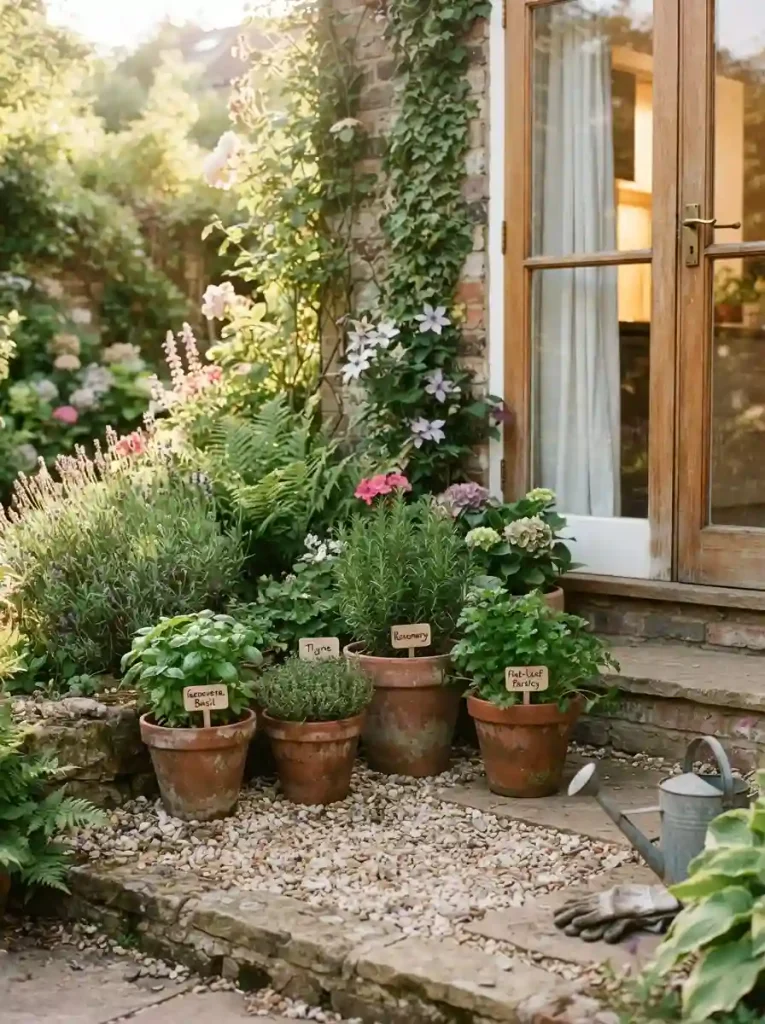
An herb garden can combine landscaping and practicality in one small space.
You don’t need a dedicated raised bed. Herbs can grow in containers, narrow planting strips, window-style boxes, or a small corner near the kitchen door.
Group herbs with similar growing requirements and choose varieties that you regularly use. Basil, mint, thyme, rosemary, parsley, and other culinary herbs can add texture and fragrance while remaining useful.
A few labeled containers can also give the area a charming cottage-garden appearance.
Expert Tip:
Be careful with vigorous herbs such as mint. Growing them in containers can make them easier to control and prevent unwanted spreading.
17. Install inexpensive solar garden lights
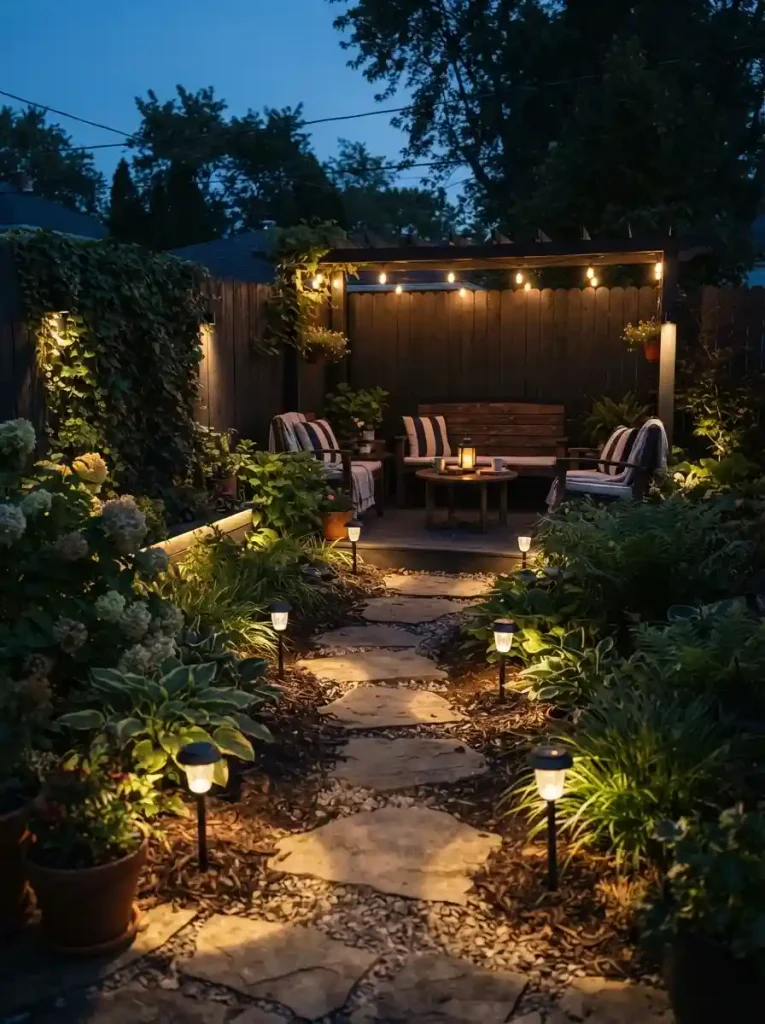
Lighting can completely change how a backyard looks after sunset, and solar lights offer an easy way to add atmosphere without complicated wiring.
Place small solar stakes along a walkway, around a planting bed, or beside a seating area. You can also use a few lantern-style solar lights to create a warmer focal point.
Avoid covering every corner with lights. A restrained arrangement usually feels more sophisticated and allows darker areas to provide contrast.
Position solar fixtures where they can receive enough daylight to recharge effectively.
Expert Tip:
Use lighting to highlight pathways, plants, and seating areas rather than simply adding as many lights as possible.
18. Use a small pergola or simple shade structure
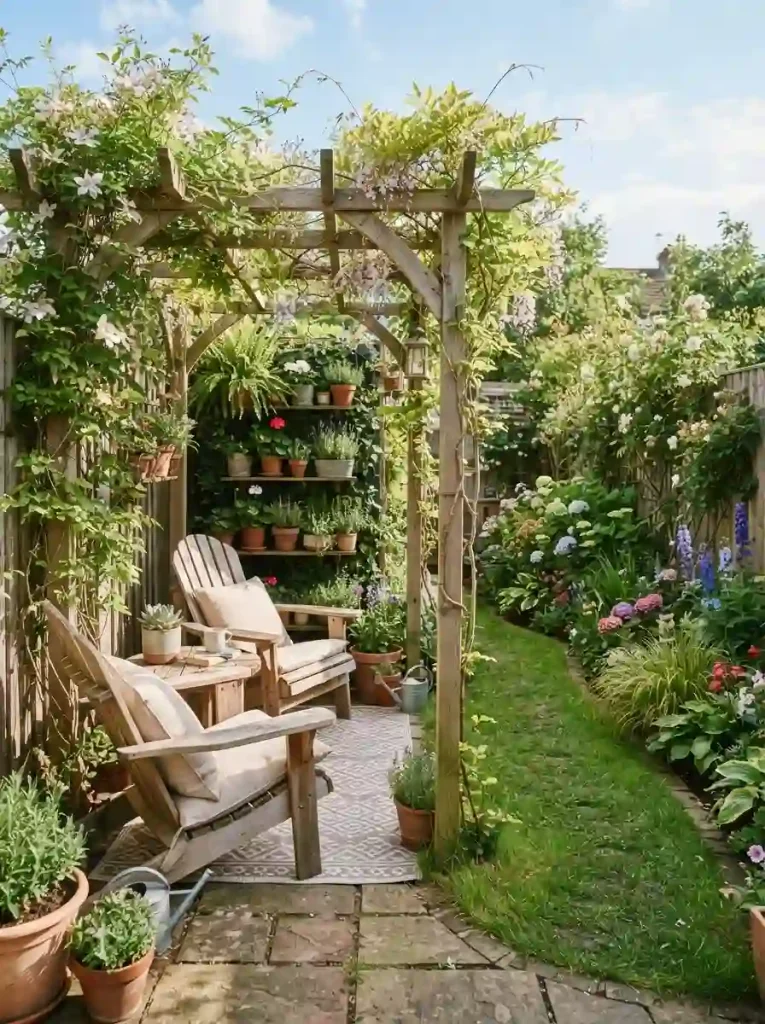
A full-size pergola may be too expensive or too large for a compact backyard, but a small shade structure can still create an outdoor focal point.
Position a modest pergola over a seating area and allow climbing plants to gradually soften its appearance. Alternatively, use a simple shade sail where a permanent structure isn’t practical.
Keep the footprint proportional to the yard. The goal is to make one comfortable outdoor zone rather than cover the entire backyard.
Add a small table, chair, or bench underneath to turn the area into a functional retreat.
Expert Tip:
Before installing any structure, check local requirements and make sure it is properly anchored for the conditions in your area.
19. Make a DIY privacy screen
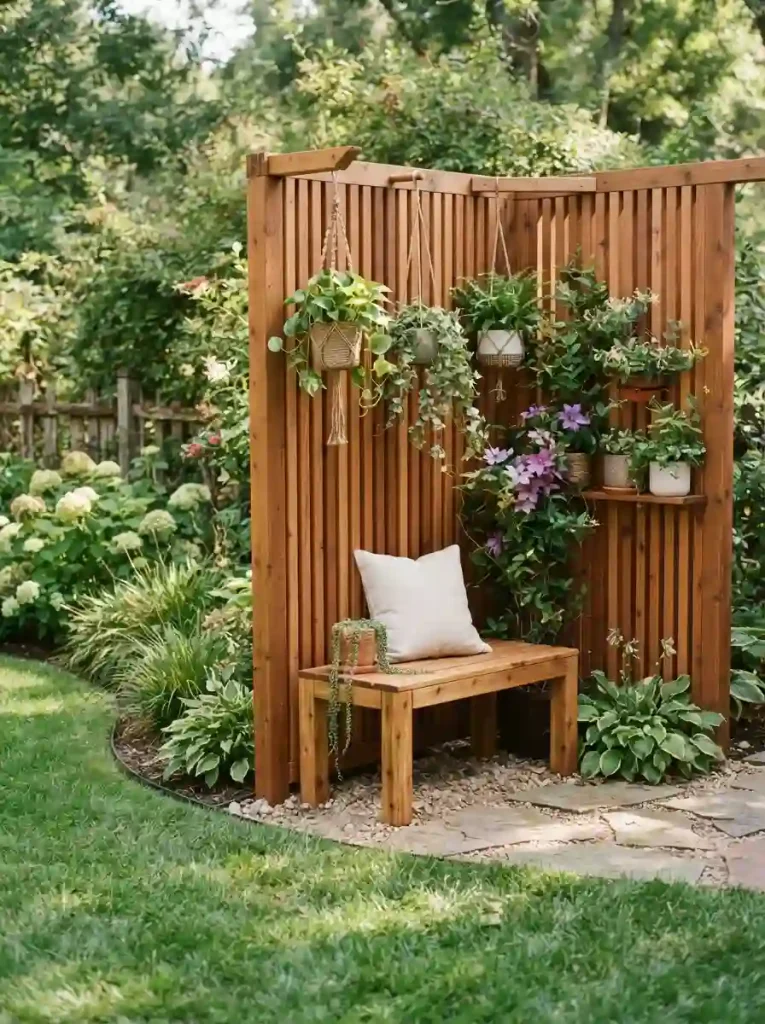
Privacy doesn’t always require a tall, expensive fence.
A simple screen made from wooden slats, lattice, bamboo, or other suitable outdoor materials can separate your seating area from a neighboring view.
Use the screen strategically rather than enclosing the whole backyard. One panel behind a chair or dining area can create a feeling of privacy while keeping the rest of the yard open.
Climbing plants or hanging planters can soften the structure and make it feel like part of the garden.
Expert Tip:
Think about what you actually need to hide. Screening only the most exposed sightline can save both money and valuable backyard space.
20. Replace a patchy lawn with a low-maintenance garden area
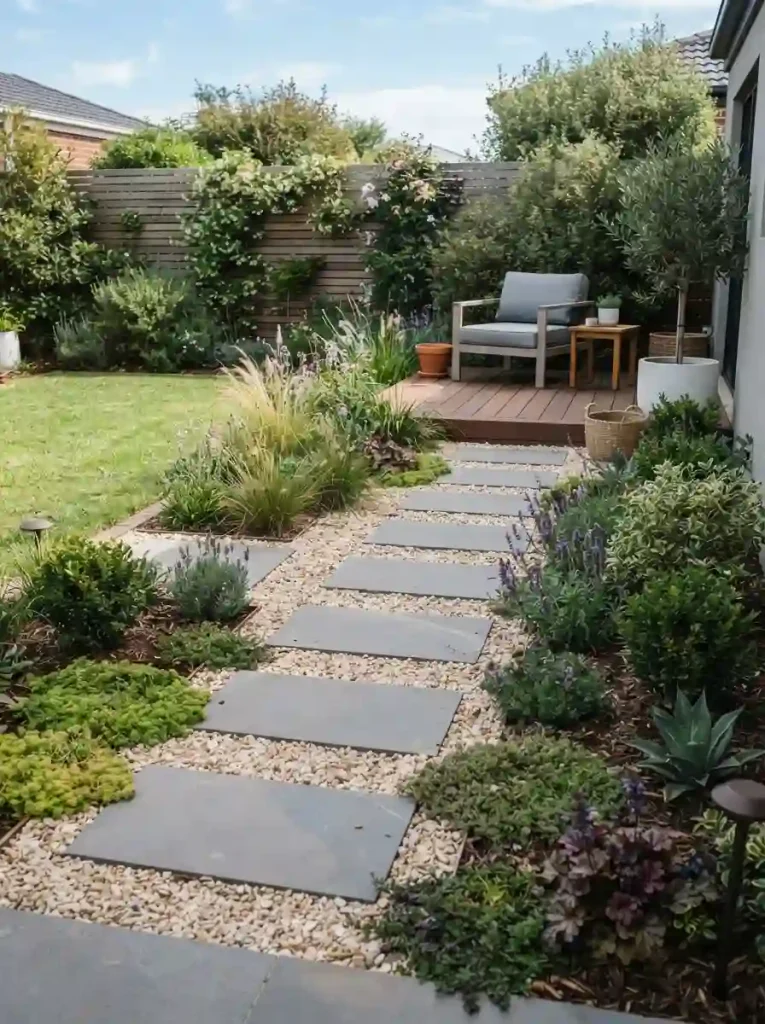
If part of your small backyard struggles with poor grass growth, you don’t necessarily need to keep fighting it.
Convert the problem area into a garden feature using mulch, gravel, stepping stones, ground covers, or plants suited to the conditions.
This can reduce the amount of lawn you need to water, mow, and repair while giving the backyard a more varied appearance.
Start with the most troublesome section rather than removing all the grass at once. This allows you to see how the new layout works before committing to a larger transformation.
Expert Tip:
Identify why the grass is struggling—such as shade, drainage, compaction, or heavy traffic—before choosing its replacement.
21. Combine several inexpensive upgrades into one cohesive backyard
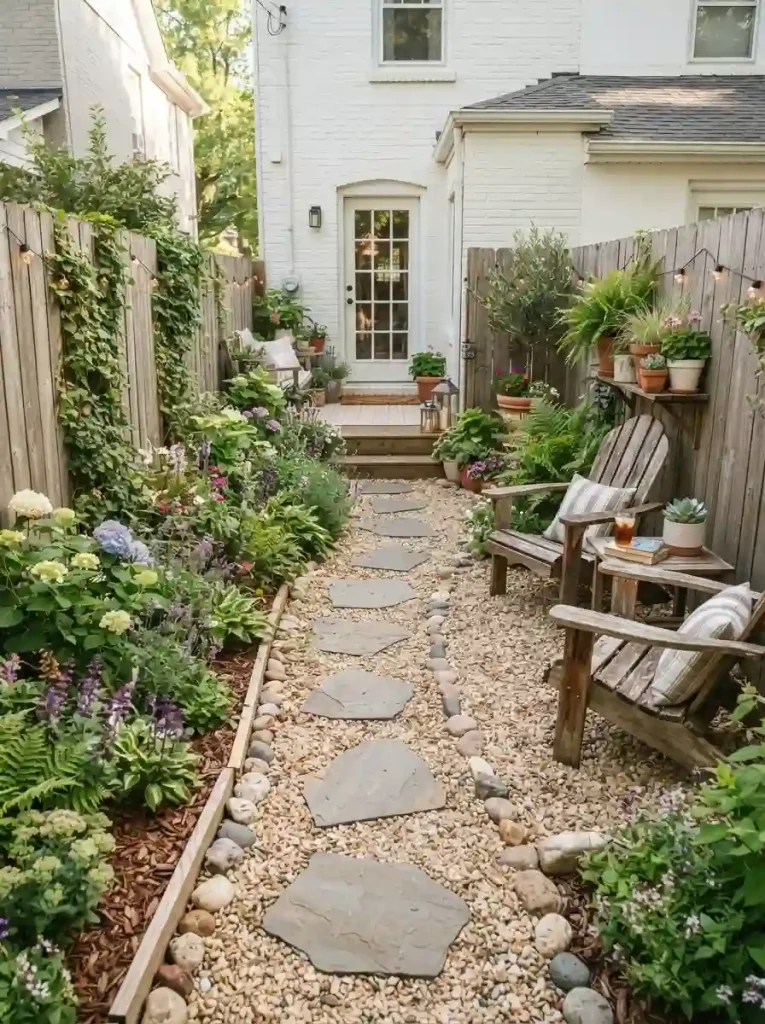
You don’t have to complete every landscaping project at once. In fact, combining a few small improvements can often produce a more attractive result than one expensive makeover.
Start with a simple foundation: define one garden bed, improve the seating area, add a few plants, and introduce a pathway or small decorative feature.
Then repeat materials and colors throughout the yard. For example, the same type of gravel can appear beneath a seating area and around a planting bed, while matching containers can visually connect different corners.
This creates consistency without requiring everything to be purchased as a matching set.
Expert Tip:
Work in stages and live with each change for a while before adding the next one. Small backyards benefit from restraint because too many features can quickly make them feel crowded.
How to Make a Small Backyard Look Bigger on a Budget
A small backyard can feel surprisingly spacious when the layout is carefully considered.
One of the easiest tricks is to avoid filling every available area. Leaving some open ground gives the eye somewhere to rest and makes the yard feel less cluttered.
You can also create the impression of depth by placing taller plants toward the back and gradually using shorter plants toward the front. Vertical elements such as trellises and climbing plants draw attention upward instead of taking up additional floor space.
A winding path, diagonal planting arrangement, or strategically positioned focal point can also make a compact yard feel more interesting than a rigid grid.
Budget-Friendly Materials Worth Considering
You don’t need premium landscaping materials for every project. Depending on the project and your local availability, consider:
- Reclaimed bricks for garden edging
- Gravel for small seating areas
- Mulch for planting beds
- Repurposed containers for plants
- Simple timber for DIY structures
- Affordable stepping stones
- Secondhand outdoor furniture
- Solar garden lights
- Locally suitable smaller nursery plants
- Seeds for suitable annuals and herbs
The cheapest option isn’t always the best option, however. Prioritize materials that are safe, durable enough for their purpose, and appropriate for outdoor conditions.
Simple Ways to Keep Landscaping Costs Down
The biggest savings often come from planning rather than cutting corners.
Start with a small project. You don’t need to renovate the entire backyard in one weekend. Completing one area at a time makes the project easier to budget.
Reuse what you already own. Old pots, bricks, containers, furniture, and timber may have another useful life.
Buy smaller plants. When appropriate, younger plants can cost considerably less and have the opportunity to establish and grow in your garden.
Choose plants for your conditions. A plant that naturally suits your soil, sunlight, and climate is generally easier to maintain than one that constantly struggles.
Measure before shopping. Knowing the dimensions of a planting bed, path, or seating area helps prevent buying too much material.
Focus on structure first. A clean edge, attractive layout, and defined zones can make inexpensive landscaping look much more polished.
Final Thoughts
Creating a beautiful small backyard doesn’t have to mean spending thousands on professional landscaping.
The best budget-friendly small backyard landscaping ideas usually focus on making smart use of limited space. A narrow planting bed, a few well-chosen containers, a simple path, inexpensive lighting, or a comfortable seating corner can each make a meaningful difference.
Rather than trying to include every idea at once, choose two or three that solve the biggest problems in your backyard. Build from there, reuse materials whenever practical, and give your plants enough room to grow.
With thoughtful planning, even a modest backyard can become a comfortable, attractive outdoor space that feels far more expensive than it actually was.
Frequently Asked Questions
What is the cheapest way to landscape a small backyard?
Using existing materials, inexpensive mulch or gravel, smaller plants, seeds, repurposed containers, and secondhand furniture can keep costs down. Start with one defined area instead of attempting a complete backyard renovation.
How can I landscape a small backyard without making it look crowded?
Keep the layout simple and preserve some open space. Use vertical gardening, narrow planting beds, and multipurpose furniture to add function without taking over the available floor area.
What should I plant in a small backyard?
Choose plants based on your local climate, soil, sunlight, mature size, and maintenance preferences. Compact shrubs, herbs, ornamental grasses, perennials, and suitable ground covers can all work well when matched to the site.
Is gravel a good option for a small backyard?
Gravel can be useful for paths, seating zones, and other areas where you want a relatively inexpensive alternative to extensive hardscaping. Proper preparation and edging are important for keeping the area stable and manageable.
How do I make my backyard look expensive on a small budget?
Focus on presentation rather than expensive materials. Clean edges, repeated materials, restrained plant selections, attractive containers, simple lighting, and a well-defined seating area can make an inexpensive backyard appear carefully designed.