
22 Flower Bed Edging Ideas for a Crisp, Polished Look
A beautiful flower bed deserves an edge that makes the entire garden feel complete. The right border can separate grass from planting areas, give colorful blooms a defined shape, and make even a small front yard look more organized. From natural stone to decorative tiles, there are plenty of ways to create a garden border that suits your home and landscaping style.
You don’t have to spend a fortune to achieve a polished result. Some flower bed edging ideas use affordable materials you can install yourself, while others create a more permanent, architectural finish. Whether you’re refreshing an existing garden or planning a new landscape, these ideas will help you choose a border that looks attractive and works well with your outdoor space.
1. Natural Stone Edging for an Organic Look

Natural stone edging is a timeless choice for gardens that need a little more structure without losing their natural character. Stones in different shapes and earthy shades can frame colorful flowers, separate mulch from grass, and complement pathways made from gravel or flagstone.
For a relaxed appearance, arrange medium-sized stones along a gently curved flower bed. If you prefer a more formal finish, select stones with flatter surfaces and similar heights.
Styling tip: Repeat the same stone elsewhere in your landscape to connect the flower beds with your pathways or patio.
2. Classic Brick Edging for a Traditional Garden
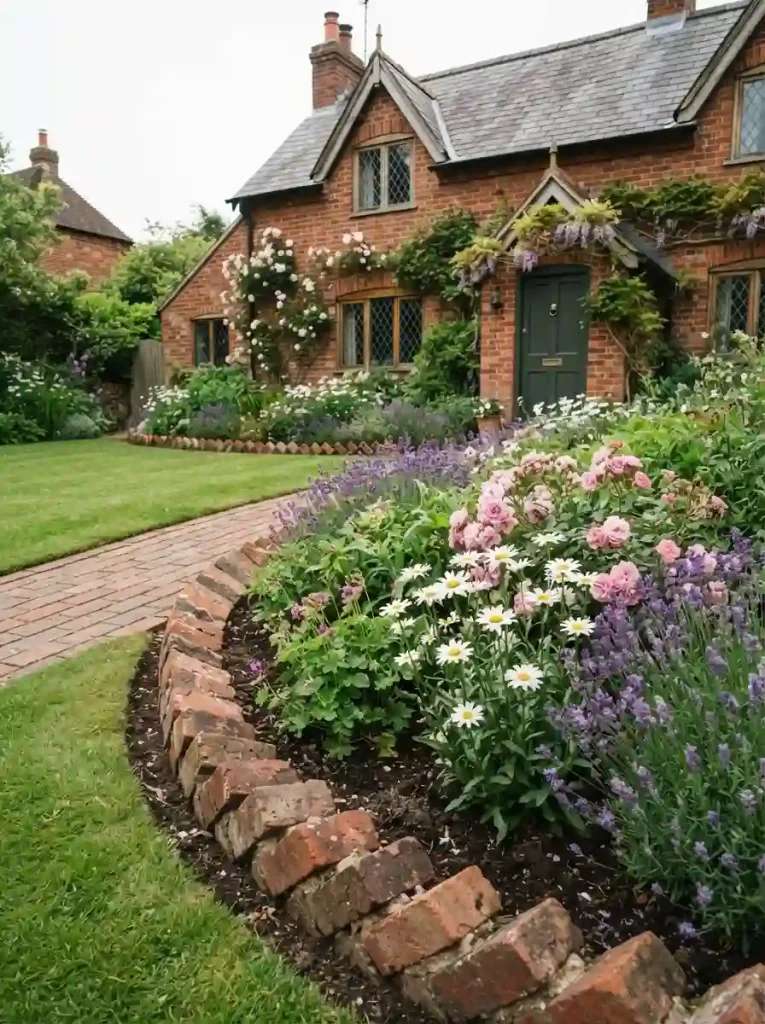
Brick edging brings a neat, established appearance to flower beds. Its warm red, brown, and terracotta shades work beautifully with traditional homes, cottage gardens, and brick pathways. You can arrange the bricks in a straight line, place them at an angle, or create a curved border that follows the shape of your planting area.
Which brick arrangement should you choose?
| Arrangement | Appearance | Best suited for |
| Horizontal row | Simple and understated | Straight flower beds |
| Angled bricks | Decorative and textured | Cottage-style gardens |
| Curved brick border | Soft and flowing | Rounded planting areas |
| Double-row border | Wider and more substantial | Large front-yard beds |
For a lasting result, prepare a firm, level base and secure the bricks properly. A little extra care during installation helps prevent uneven sections and shifting over time.
3. Flexible Metal Edging for Clean Lines
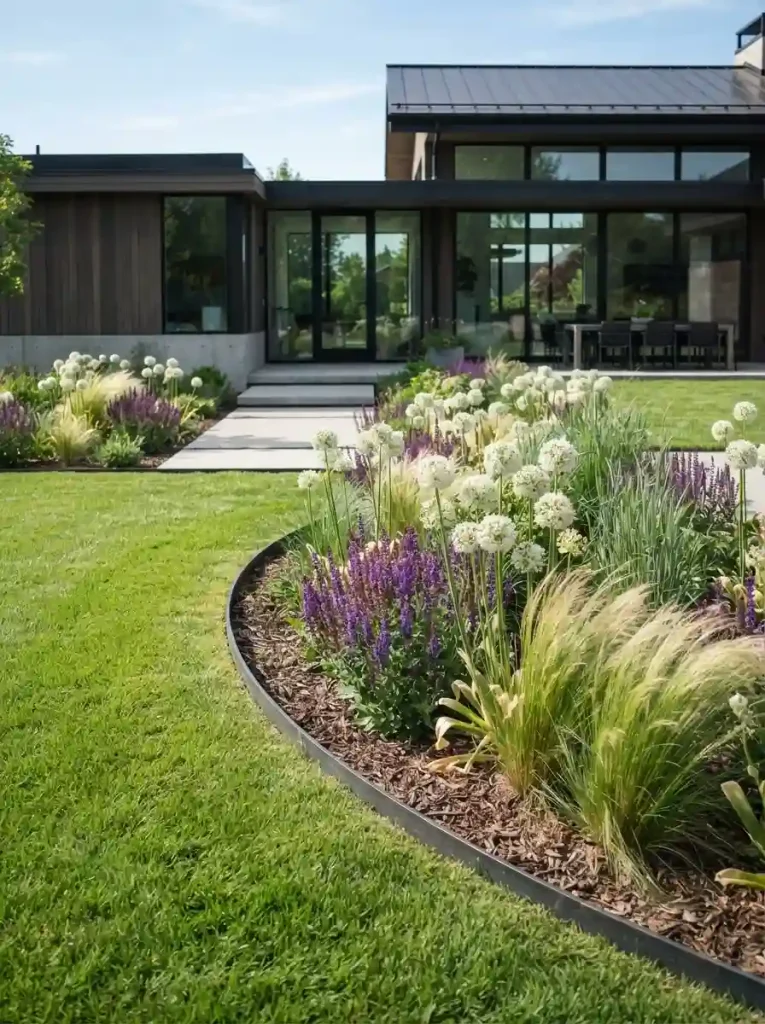
If you prefer a modern garden with crisp boundaries, flexible metal edging is worth considering. Aluminum and suitable steel products can create narrow borders that define flower beds without adding a bulky visual barrier. Their slim profiles work especially well around ornamental grasses, minimalist planting schemes, and contemporary outdoor spaces.
Before and after
Before: Grass spreads unevenly into the flower bed, and the planting area lacks a clear outline.
After: A narrow metal strip creates a continuous boundary, making the lawn and flowers look more organized.
Choose a product designed for outdoor landscaping, and check its recommended installation depth. Metal edges can be sharp, so exposed tops should be finished appropriately and positioned safely around children, pets, and frequently used pathways.
4. Recycled Plastic Edging for an Affordable Update
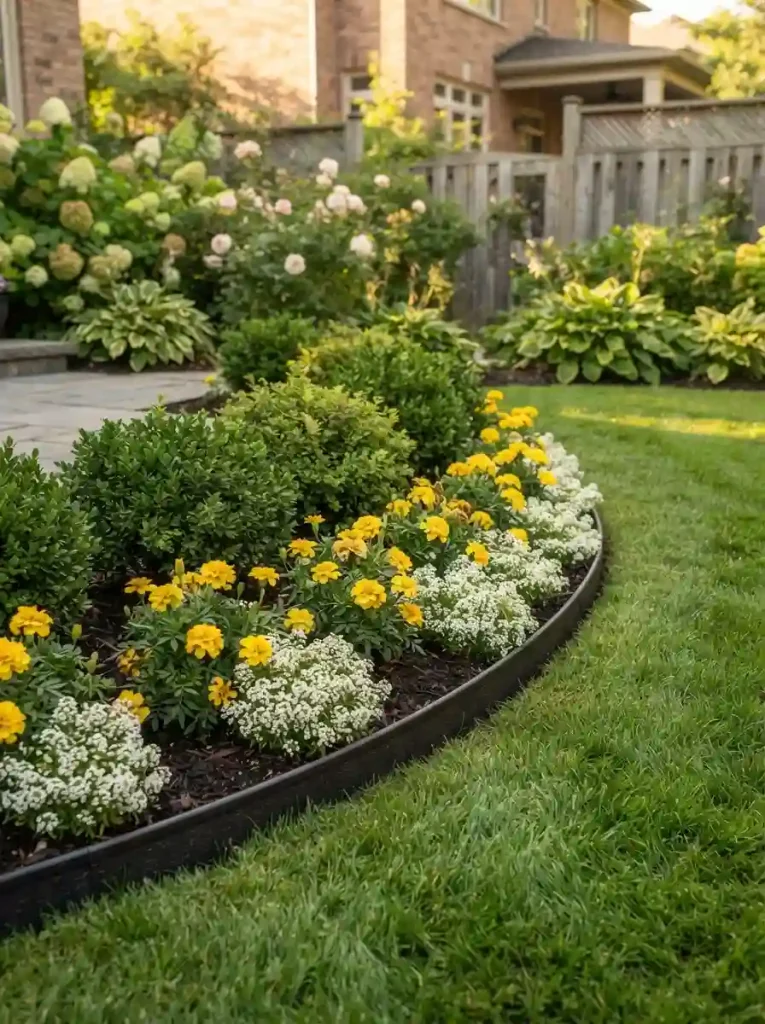
Recycled plastic edging is a practical option when you want a defined garden border without investing in heavy materials. Many products are lightweight, flexible, and available in different heights, making them useful for curved beds, narrow planting strips, and simple backyard projects.
This is also a convenient choice for gardeners who want to reshape their beds later. Flexible sections can follow gentle curves, while straight lengths help separate lawn areas from rectangular planting spaces.
Advantages and limitations
- Advantages: Lightweight, generally affordable, easy to cut, and resistant to rot.
- Limitations: Some products look less natural than stone or brick, and inexpensive edging may become brittle or shift over time.
- Best use: Informal flower beds, vegetable gardens, and low-budget landscaping improvements.
Select a durable product with suitable ground stakes, and install it according to the manufacturer’s instructions.
5. Timber Edging for a Rustic Backyard

Wooden edging adds warmth and texture to a garden, particularly when paired with informal flowers and natural landscaping materials. Low timber boards can frame a rectangular flower bed, while rounded logs create a more relaxed border around a cottage-style planting area.
For a rustic finish, choose timber with a natural grain and a color that complements your fence, deck, or outdoor furniture. Use wood suitable for ground contact, and avoid materials treated with chemicals that are inappropriate for the plants you intend to grow.
6. River Rock Edging for a Natural Transition
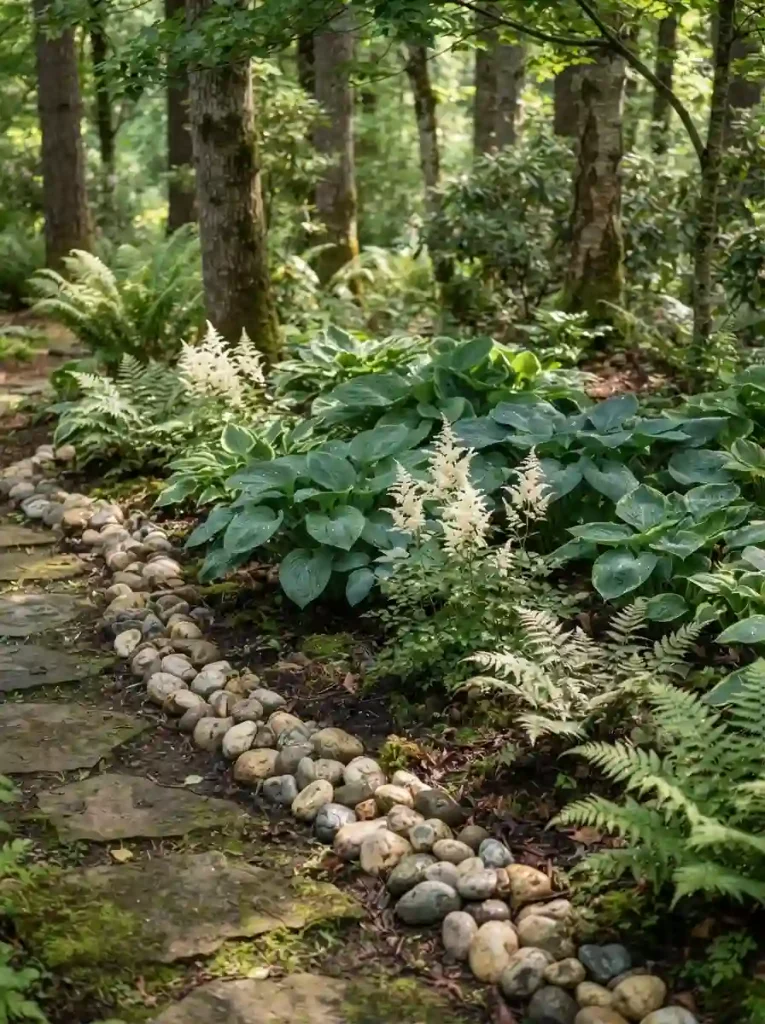
River rocks are ideal when you want a border that looks like a natural extension of the landscape. Their rounded shapes and varied colors soften the edge of a flower bed, while a carefully arranged row creates a visible separation between planting soil and the lawn.
Use pale river stones to brighten a shaded garden or mixed gray and brown rocks for a woodland-inspired look. Larger stones can define the outer edge, while smaller ones fill gaps and create a more continuous line.
A practical consideration: River rocks can move when the ground is uneven or water flows through the area. Prepare a stable base and make sure the border doesn’t obstruct drainage.
7. Terracotta Edging for Warm, Mediterranean Charm
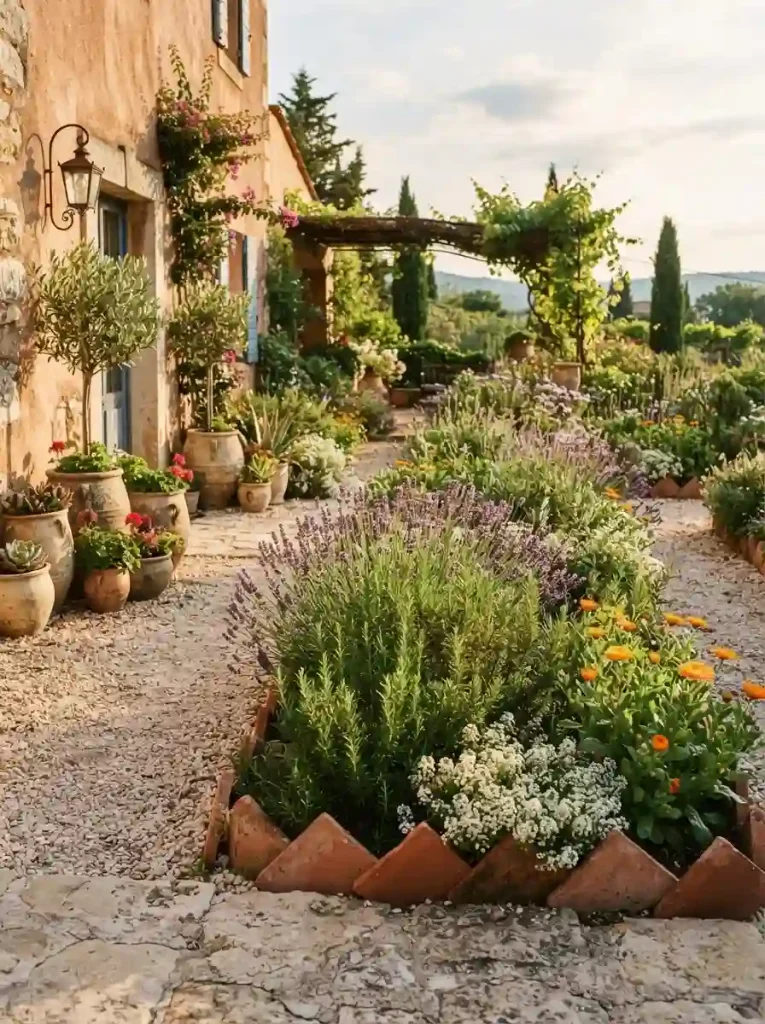
Terracotta edging introduces warm, earthy color to a garden. Its reddish-orange tones pair beautifully with lavender, rosemary, white flowers, and pale gravel. This style is especially attractive in sunny courtyards and gardens with clay pots, stone pathways, or warm-colored exterior walls.
You can use purpose-made terracotta edging pieces for a consistent border or arrange suitable outdoor clay tiles along the edge of a planting bed. Keep the design simple if your garden already includes several strong colors.
Design tip: Repeat terracotta in nearby planters to create a coordinated look without making the border too dominant.
8. A Gravel Trench for a Minimalist Finish

Not every flower bed needs a raised border. A gravel trench creates a clean separation between the lawn and the planting area while keeping the overall design understated. It is particularly useful for modern gardens where a visible stone or wooden barrier would feel too heavy.
How to create the look
- Mark the outline of your flower bed with a garden hose or marking line.
- Cut a narrow channel along the boundary and remove the grass.
- Prepare the base so the channel remains stable and drains properly.
- Add suitable gravel and level the surface.
- Install a discreet separator if necessary to prevent the gravel from mixing with the lawn.
Choose a gravel color that complements your paving or home exterior. Keep the trench wide enough to remain visible but narrow enough to fit the proportions of the garden.
9. Living Edging with Low-Growing Flowers

Why use only hard materials when plants can define the edge themselves? A living border creates a softer transition between the lawn and the main flower bed. Compact perennials and ground-cover plants can add color, texture, and seasonal interest while helping the garden feel more connected.
The key is to select plants that stay within the space available and tolerate the local growing conditions. Avoid varieties that spread aggressively into the lawn or overwhelm neighboring flowers.
| Border plant | Visual effect | General consideration |
| Sweet alyssum | Low, delicate flowers | Needs suitable moisture and light |
| Creeping thyme | Soft, textured greenery | Prefers well-drained soil |
| Dwarf mondo grass | Neat, grass-like edge | Best suited to appropriate climates |
| Compact sedum | Fleshy leaves and seasonal blooms | Often suitable for sunny, dry areas |
Plant in small groups for a continuous effect, leaving enough space for mature growth.
10. Reclaimed Wood Edging for a Budget-Friendly Garden

Reclaimed wood gives an outdoor space a relaxed, lived-in appearance while allowing you to reuse suitable materials. Old fence boards, weathered timber offcuts, or salvaged garden planks can form an attractive boundary around informal flower beds.
Before using reclaimed wood, inspect it for rot, splinters, old paint, and potentially harmful treatments. Avoid wood of uncertain chemical history, especially around edible plants. Secure the boards properly and keep their height in proportion to the planting area.
Simple makeover example
A plain garden strip beside a fence can look unfinished when soil spills onto the grass. Add a low reclaimed-wood border, refresh the mulch, and group flowers in repeated clusters. The result feels more intentional without requiring an elaborate landscaping project.
11. Woven Willow Edging for Cottage-Garden Character

Woven willow edging brings a handmade quality to flower beds. Its interlaced branches create a low, textured boundary that complements cottage gardens, informal pathways, and natural planting arrangements. The warm brown stems look especially appealing beside daisies, foxgloves, lavender, and other flowers with a relaxed growth habit.
Unlike a straight metal strip, woven willow becomes a decorative feature in its own right. Use it around smaller beds or along a winding garden path, and choose sturdy panels intended for outdoor use. Natural willow can deteriorate over time, particularly in damp conditions, so check the weave and supports periodically.
12. Concrete Pavers for a Structured Flower Bed

Concrete pavers offer a neat, versatile border that works with both modern and traditional landscapes. Their uniform shapes make it easier to create straight lines, defined corners, or smooth curves around flower beds. You can choose gray pavers for a contemporary finish or warm beige tones to complement a more traditional garden.
Best design approach: Use matching pavers to connect your flower bed with a nearby walkway or patio. This repeated material helps the entire outdoor space feel coordinated.
For installation, prepare a compacted base and follow the manufacturer’s recommendations for leveling and spacing. If you want the border to hold back soil, choose pavers with suitable dimensions and install them securely rather than relying on loose pieces.
13. Decorative Ceramic Edging for a Colorful Garden

If your garden needs a little personality, decorative ceramic edging can introduce color and pattern without changing the entire landscape. Blue-and-white tiles, earthy glazed pieces, or hand-painted ceramic borders can complement Mediterranean courtyards, artistic gardens, and small outdoor spaces.
This approach works particularly well around compact flower beds where the edging can be appreciated up close. Keep the surrounding plants relatively simple so the decorative pattern remains visible.
Things to consider before installation
- Choose ceramic edging rated for outdoor conditions.
- Check its resistance to moisture and temperature changes.
- Secure the pieces properly to prevent movement.
- Avoid placing fragile tiles where lawn equipment could strike them.
14. Large Boulder Edging for a Natural Landscape

Large boulders can define a flower bed while creating a strong connection to the surrounding landscape. Their substantial shapes work especially well in spacious yards, sloped gardens, and planting areas designed around ornamental grasses, native flowers, or drought-tolerant shrubs.
Rather than arranging the rocks in a perfectly uniform line, position them in small groups with varied gaps and orientations. This creates a more natural appearance and allows smaller plants to soften the spaces between the stones.
Installation note: Large rocks are heavy and can shift if placed on unstable ground. Prepare an appropriate base, consider drainage, and use professional help when moving or positioning particularly large stones.
15. Raised Timber Borders for a Defined Garden Bed
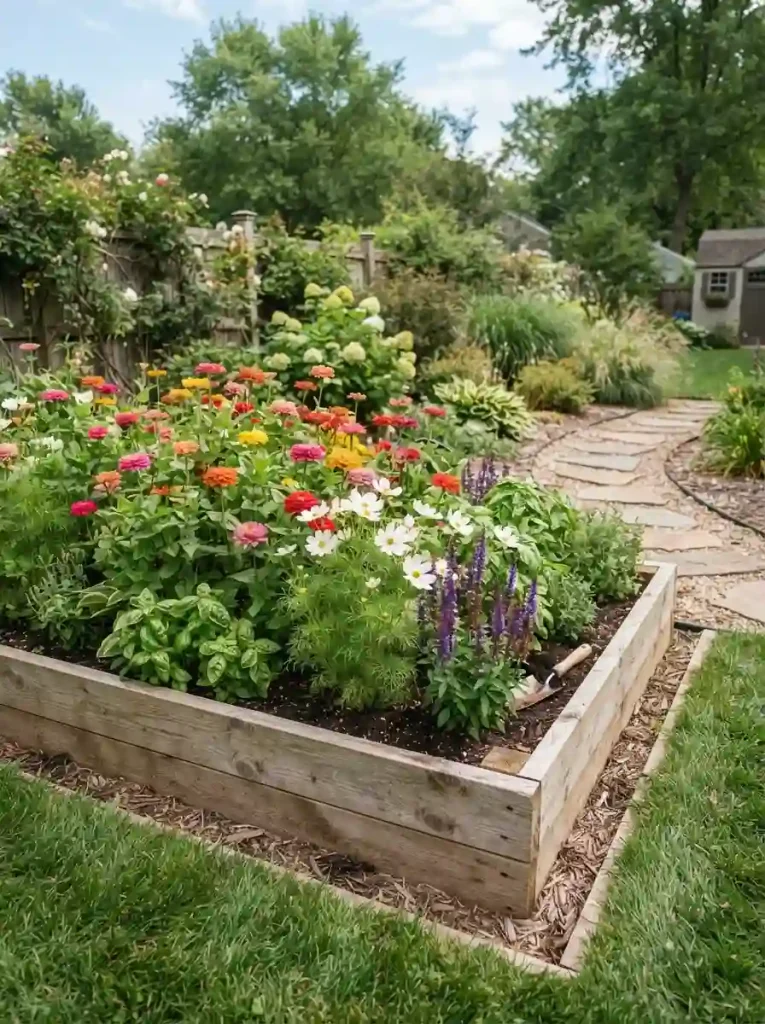
Raised timber borders are useful when you want a flower bed to stand slightly above the surrounding lawn. They provide a clear boundary and can help contain the soil and mulch within a designated planting area. This design is particularly practical for vegetable gardens, mixed flower beds, and yards with limited planting space.
Before: A flat planting area blends into the lawn, and soil or mulch can spill over the edge.
After: A low timber frame defines the bed, creates a more organized layout, and makes the planting area easier to distinguish.
Choose durable, ground-contact-rated timber and avoid untreated materials that will quickly deteriorate in wet soil. If the bed will contain vegetables or herbs, check that the timber and any treatments are suitable for edible gardening.
16. Shell Edging for a Coastal-Inspired Garden

Shell edging brings a beach-inspired detail to outdoor spaces, especially gardens near coastal homes or patios decorated with pale stone and natural wood. White, cream, and softly colored shells can create a light border around compact flower beds and decorative planting areas.
For a polished result, use clean, landscape-suitable shells and arrange them in a contained band rather than scattering them across the lawn. Shells can be displaced by rain, wind, or foot traffic, so they are better suited to sheltered areas than exposed pathways.
Design pairing: Combine the shells with pale gravel, blue ceramic pots, white flowering plants, and ornamental grasses to create a relaxed coastal palette.
17. Steel Edging for a Long-Lasting Contemporary Border
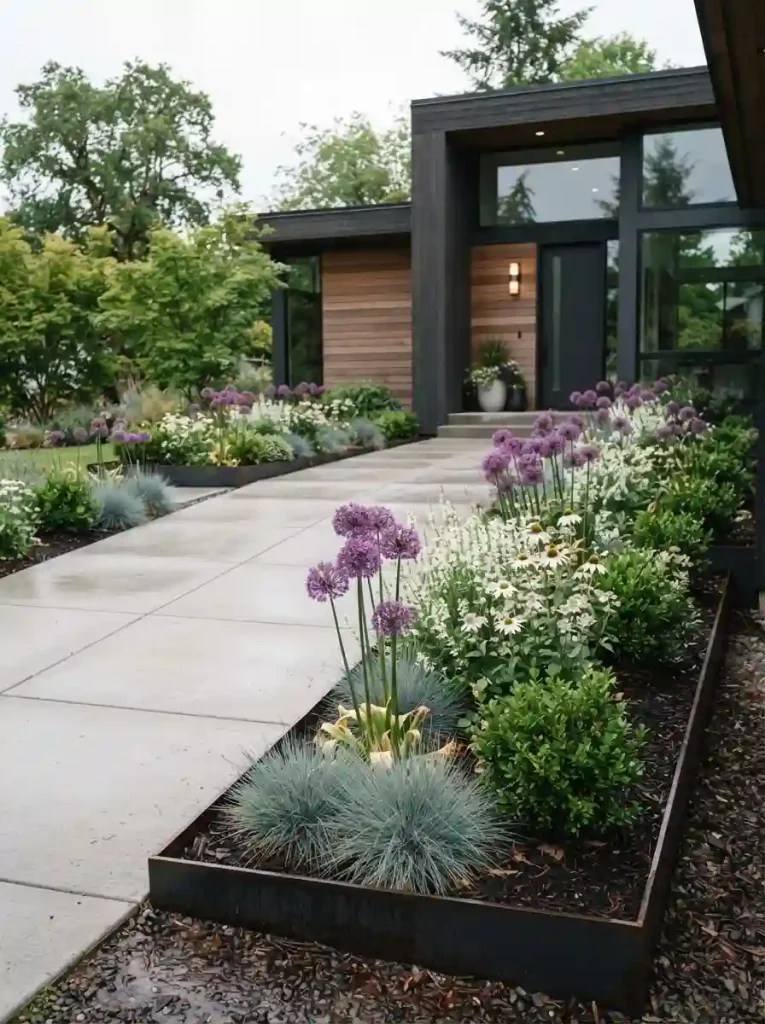
Steel edging creates a strong, defined line around planting beds and pathways. Its understated appearance works well in modern gardens, especially where you want the plants to remain the main attraction. Depending on the product and finish, steel can look sleek and dark or develop a weathered, rust-like appearance.
Choose the finish according to the rest of your landscape. Dark steel complements concrete and minimalist planting, while weathering steel pairs naturally with ornamental grasses, gravel, and warm-toned stone.
| Feature | What to know |
| Appearance | Slim, architectural, and defined |
| Design flexibility | Suitable for straight lines and some curved layouts |
| Maintenance | Depends on the steel type and finish |
| Installation | Requires proper anchoring and safe edge placement |
| Best pairing | Ornamental grasses, gravel, and modern paving |
Use products designed for landscaping, and follow the manufacturer’s guidance for corrosion resistance, installation, and safe exposed edges.
18. Flagstone Edging for a Cottage-Style Flower Bed

Flagstone offers a natural, slightly irregular border that complements informal gardens and traditional outdoor spaces. Its broad, flat surfaces can create a low outline around flower beds while echoing the appearance of a nearby stone pathway or patio.
Arrange the stones with small, consistent gaps for a tidy finish, or allow a little variation for a more relaxed cottage-garden look. The earthy colors work well with roses, lavender, catmint, and other flowering perennials.
A helpful detail: Use stones of suitable thickness and secure them on a stable base. If the border sits beside a frequently used path, keep the upper surfaces level enough to reduce tripping hazards.
19. Low Brick-and-Stone Combination Edging

Combining two edging materials can add depth and visual interest without making the garden overly complicated. A low brick border topped or accompanied by natural stone creates a layered appearance that suits traditional homes, rustic landscapes, and established flower beds.
For example, use muted red bricks along the bottom and pale stone pieces along the outer edge. The warm and cool tones create contrast, while the repeated materials can connect different areas of the garden.
Keep the combination balanced: Choose one material as the main feature and use the other as a supporting detail. Too many colors, textures, and border heights can make a small garden look crowded.
20. Living Lavender Edging for Color and Fragrance
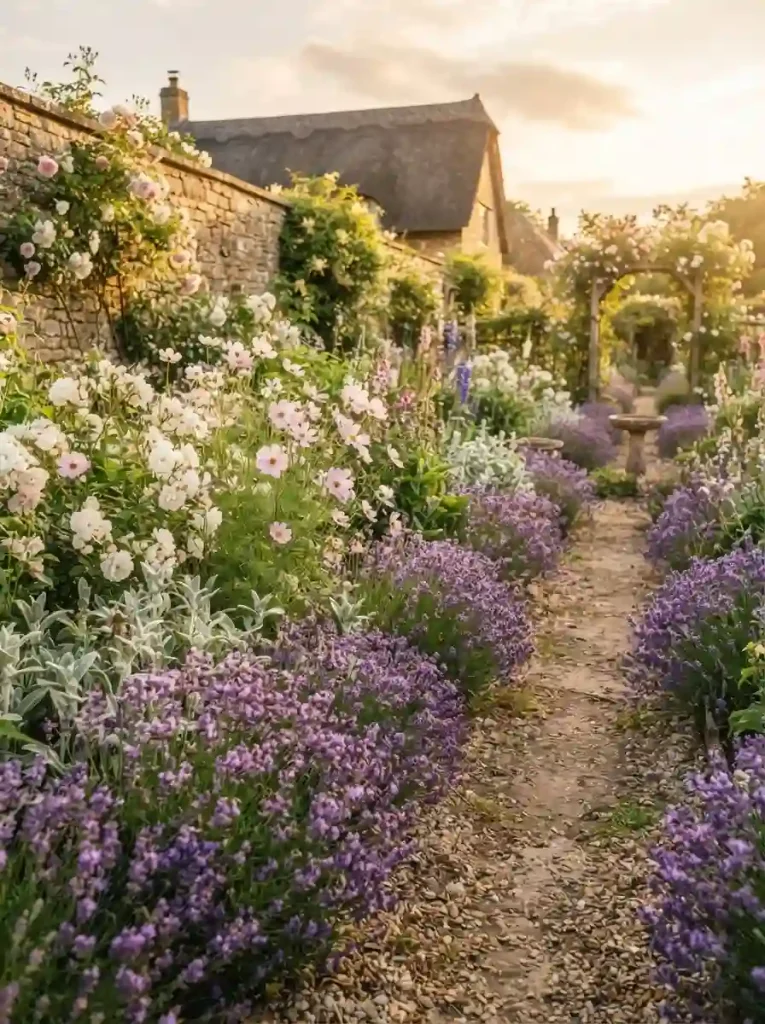
Lavender can create a beautiful living border around sunny flower beds. Its compact foliage, fragrant leaves, and purple flower spikes provide a softer alternative to stone or timber. When planted in a consistent line, lavender can frame a pathway or define the front edge of a mixed perennial bed.
How to make lavender edging work
- Choose the right variety: Select a compact type suited to your climate.
- Provide good drainage: Lavender generally performs best in well-drained soil.
- Allow enough space: Follow the plant’s mature width rather than planting too closely.
- Prune appropriately: Trim according to the variety’s growing requirements to maintain a tidy shape.
Lavender is not suitable for every climate or soil type, so check local growing conditions before using it as a continuous border.
21. Poured Concrete Curbing for a Seamless Finish

Poured concrete curbing creates a continuous border that can follow the shape of a flower bed without the visible joints found in individual bricks or pavers. It is a good option for homeowners who want a consistent, permanent-looking edge around a front lawn, driveway planting area, or large landscaped garden.
The curb can be finished in a simple smooth texture or given a decorative pattern. Neutral gray suits modern homes, while warmer concrete shades can complement brick and natural stone.
Why homeowners choose it: A continuous curb can make mowing and routine garden maintenance easier by clearly separating the lawn from the planting area. However, professional installation may be worthwhile for complex curves or long borders. Plan drainage and expansion joints appropriately to reduce cracking risks.
22. Mixed Natural Materials for a Personalized Border

If none of the individual edging styles feels quite right, consider combining natural materials to create a border that suits your garden. A line of small stones alongside timber, for example, can soften the transition between a rustic pathway and a flower bed. Brick paired with gravel can also create a coordinated finish without requiring expensive decorative edging.
The trick is to keep the design intentional. Choose materials that share a similar color palette, and repeat them elsewhere in the landscape where possible. A warm wood border can work with tan gravel and earthy stone, while gray pavers can complement darker rocks and green foliage.
Before and after: An undefined garden edge can look cluttered when soil, grass, and mulch mix together. A thoughtfully designed combination border separates these materials and gives the planting area a more finished appearance.
How to Choose the Right Flower Bed Edging
The best flower bed edging depends on your garden’s layout, budget, maintenance needs, and preferred appearance. Before purchasing materials, consider how the border will work with your lawn, pathways, plants, and home’s exterior.
| Edging material | Overall style | Maintenance considerations |
| Natural stone | Organic and timeless | Check for shifting stones |
| Brick | Traditional and decorative | Relevel loose bricks when needed |
| Metal | Modern and minimal | Inspect fixings and exposed edges |
| Recycled plastic | Simple and budget-friendly | Check for movement or brittleness |
| Timber | Rustic and warm | Monitor moisture damage and rot |
| Gravel | Understated and natural | Replenish displaced stones |
| Living plants | Soft and colorful | Requires watering, trimming, and weeding |
| Concrete | Clean and permanent-looking | Inspect for cracks and drainage issues |
Consider Your Garden’s Shape
Straight flower beds usually work well with bricks, concrete pavers, timber boards, and rigid edging strips. Curved borders are often easier to create with flexible metal, suitable plastic edging, smaller stones, or materials that can follow a gentle outline.
Think About Maintenance
If you want a low-maintenance border, choose durable materials and install them on a properly prepared base. Living edging can be beautiful, but it requires regular care. Loose decorative materials may also need occasional repositioning.
Match the Border to Your Home
Repeat colors and textures from your home’s exterior, patio, fence, or walkway to create a connected landscape. A simple border that complements existing materials often looks more polished than an elaborate design that competes with everything around it.
Frequently Asked Questions
What is the cheapest way to edge a flower bed?
A simple trench cut between the lawn and flower bed can be one of the least expensive options because it requires few additional materials. Reclaimed timber or suitable recycled edging may also be affordable, depending on what is available locally.
What is the most durable flower bed edging?
Properly installed natural stone, suitable concrete curbing, and quality metal edging can provide long-lasting results. Durability depends on the material, installation quality, climate, drainage, and amount of physical wear.
How deep should flower bed edging be installed?
The appropriate depth depends on the edging material, soil conditions, and whether the border needs to contain soil or simply separate grass from planting areas. Follow the manufacturer’s installation instructions and make sure the border is stable without obstructing drainage.
Should flower bed edging sit above or below the lawn?
It depends on the design. A flush or nearly flush edge can make mowing easier, while a slightly raised border can help define a planting bed. Avoid creating a height difference that becomes a tripping hazard or interferes with water flow.
How can I keep grass from growing into flower beds?
Create a clear boundary, remove existing grass roots along the edge, and maintain the border regularly. A properly installed edging strip can help limit grass encroachment, although some grasses spread through underground stems and may require additional control.
Final Thoughts
The right flower bed edging can transform an ordinary planting area into a more organized and attractive part of your landscape. Whether you prefer the natural appearance of river rocks, the classic character of brick, the clean lines of metal, or the softness of living plants, choose a border that suits your garden and the amount of maintenance you can manage.
Start with one flower bed, prepare the edge carefully, and choose materials that complement your existing outdoor space. Even a small improvement can make your flowers stand out and give your garden a crisp, polished look.