
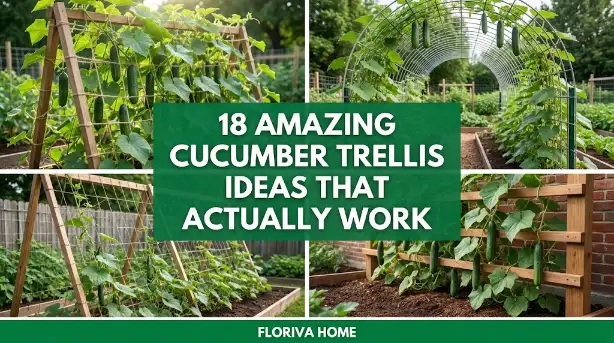
18 Amazing Cucumber Trellis Ideas That Actually Work
Growing cucumbers gets a lot easier when vines have the right support, and that is exactly where creative cucumber trellis ideas make a huge difference. Whether you love backyard gardening, building DIY projects, or growing fresh vegetables at home, a smart trellis setup helps save space while keeping plants healthier.
From simple homemade structures to stylish vertical garden setups, these ideas can help you grow better cucumbers while making your vegetable garden look organized, beautiful, and practical throughout the growing season.
Why should cucumbers grow on a trellis?
Growing cucumbers on a trellis keeps vines off the ground, which improves air circulation and reduces the risk of rot or fungal diseases. A vertical cucumber garden also saves space, keeps fruits cleaner, and makes harvesting much easier for home gardeners.
How to Choose a Cucumber Trellis by Variety, Space, and Budget
Start with the cucumber variety, because vining types and bush types need very different support. Vining cucumbers — the long, climbing types that keep growing all season — need tall, sturdy trellises like the Cattle Panel Garden Trellis, the Raised Bed Arch Trellis, and the Metal Grid Panel Trellis, which hold heavy vines and fruit without sagging. Bush cucumbers stay compact and suit lighter options like the Tomato Cage Cucumber Support, the Ladder Style Garden Trellis, and the Wall Mounted Trellis. Check the seed packet before building, since a trellis sized for a bush variety will fail under a vigorous vine.
Then, pair the trellis with your space and budget. A small raised bed suits the Wooden A-Frame Cucumber Trellis, the String Line Vertical Trellis, and the Rope Grid Wooden Frame Trellis, which lift vines up without spreading sideways. A larger garden suits the Pergola Style Cucumber Trellis, the Wire Fence Cucumber Trellis, and the Garden Netting Frame Trellis, which carry many vines along a run. For budget, bamboo teepees and string lines cost little, cattle panels and metal grids sit in the middle, and pergola or arch builds are the bigger investments. One sturdy design, repeated along the row, holds up better and looks tidier than a mix of weak supports.
1. Wooden A-Frame Cucumber Trellis
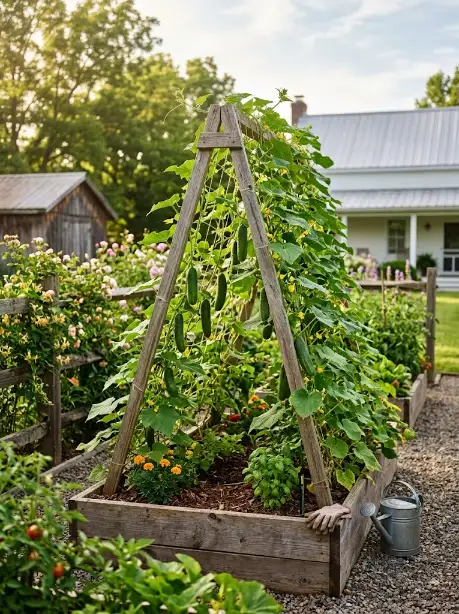
A wooden A-frame cucumber trellis is one of the easiest DIY cucumber trellis ideas for home gardeners. Two wooden panels lean together in a triangle shape while wire mesh or garden netting stretches across both sides for climbing cucumber vines naturally.
This vegetable garden trellis works extremely well because cucumbers grow upward instead of spreading across soil surfaces. Gardeners love the easy harvesting, improved airflow around leaves, reduced disease risks, and the ability to maximize growing space inside raised beds or small gardens.
2. Bamboo Teepee Trellis
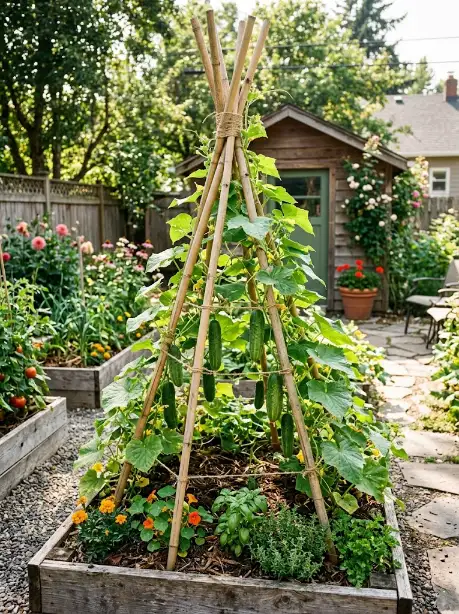
A bamboo teepee trellis creates a simple but beautiful vertical cucumber garden using long bamboo poles tied securely at the top. The poles spread outward at the bottom, forming a cone structure that gives cucumber plants plenty of natural support while climbing upward freely.
Gardeners prefer this design because bamboo is affordable, lightweight, and easy to install. The open shape improves air circulation around cucumber leaves while keeping fruits off wet soil, making harvesting easier and helping plants stay cleaner during the growing season.
3. Metal Grid Panel Trellis
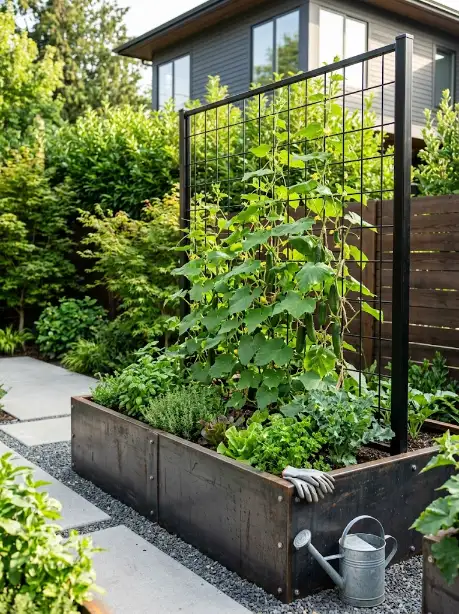
A metal grid panel trellis uses sturdy wire or livestock panels secured vertically behind cucumber plants. The metal structure stays strong throughout the growing season and allows cucumber tendrils to naturally grab onto the grid while growing upward in organized vertical patterns.
This cucumber support idea lasts for many years without needing frequent replacement. Gardeners appreciate the strong support for heavier vines, excellent airflow around foliage, easier pruning access, and the neat organized look it brings to backyard gardening spaces.
4. Raised Bed Arch Trellis
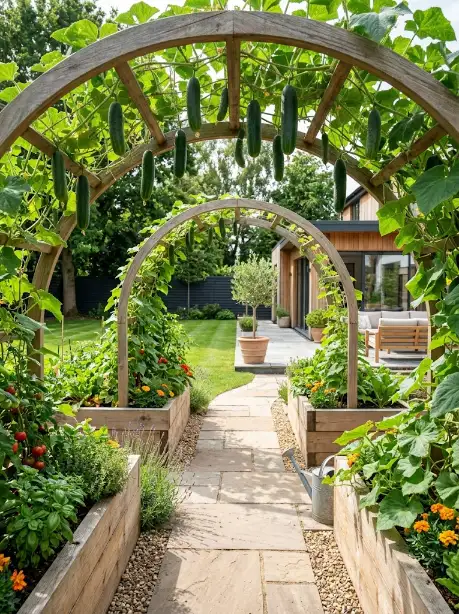
A raised bed arch trellis connects two garden beds using a curved support structure made from wood, metal, or cattle panels. Cucumber vines climb upward from both sides and eventually grow overhead, creating a beautiful tunnel filled with healthy growing vegetables.
This design saves planting space while making excellent use of vertical growing areas. It improves airflow throughout the vines, keeps cucumbers cleaner, allows comfortable harvesting underneath, and adds a visually attractive feature many gardeners enjoy in backyard vegetable gardens.
5. String Line Vertical Trellis
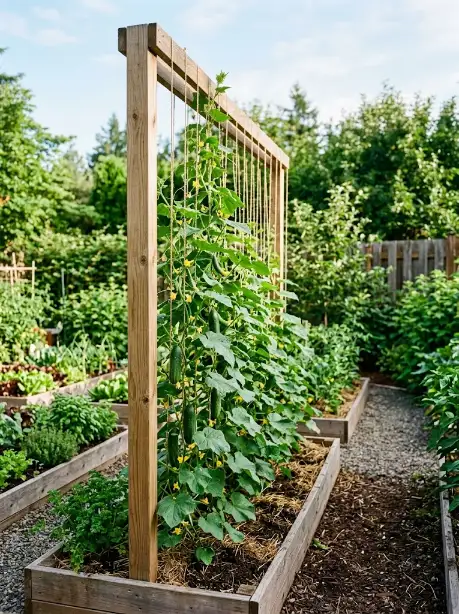
A string line vertical trellis uses strong garden twine suspended from a wooden frame above cucumber plants. Each cucumber vine climbs its own hanging support line, creating a simple vertical cucumber garden system that works especially well inside small backyard garden setups.
Many gardeners choose this setup because materials cost very little and installation takes minimal effort. Vertical growth improves airflow around leaves, reduces ground contact with fruits, saves space efficiently, and makes pruning or harvesting cucumbers much easier during peak growing months.
6. PVC Pipe Frame Trellis
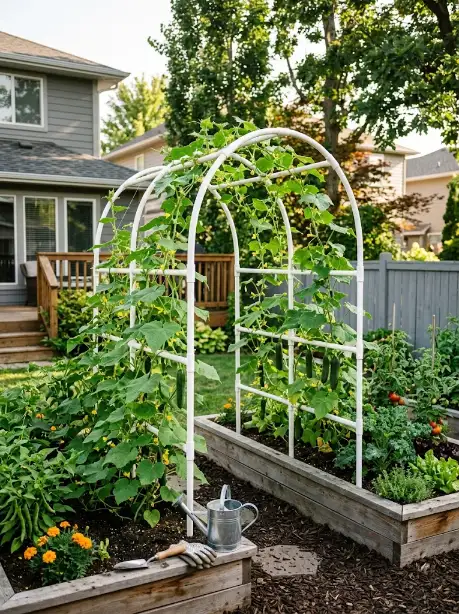
A PVC pipe trellis uses lightweight plastic pipes connected together into a rectangular frame placed behind cucumber plants. Garden netting attaches securely across the frame, allowing vines to climb upward while creating a simple structure that beginner gardeners can build quickly.
PVC works great because it resists weather damage and remains lightweight for seasonal adjustments. Gardeners appreciate the affordable materials, easy assembly process, improved plant airflow, cleaner cucumber growth, and the convenient ability to reuse the structure year after year.
7. Ladder Style Garden Trellis
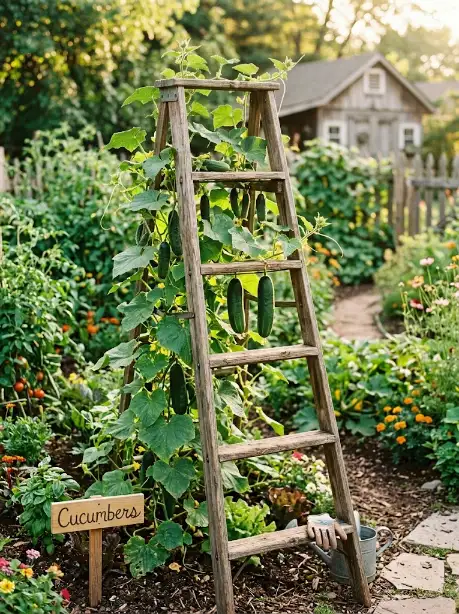
A ladder style trellis uses an old wooden ladder placed upright or slightly angled inside the garden bed. Cucumber vines naturally wrap around each step while growing upward, creating a charming garden structure that combines simple DIY creativity with practical cucumber support.
Gardeners enjoy this setup because repurposed materials keep costs low while offering excellent climbing support. The spaced ladder steps improve ventilation around leaves, prevent cucumbers from touching soil surfaces, and make harvesting fresh vegetables easier throughout the season.
8. Wire Fence Cucumber Trellis
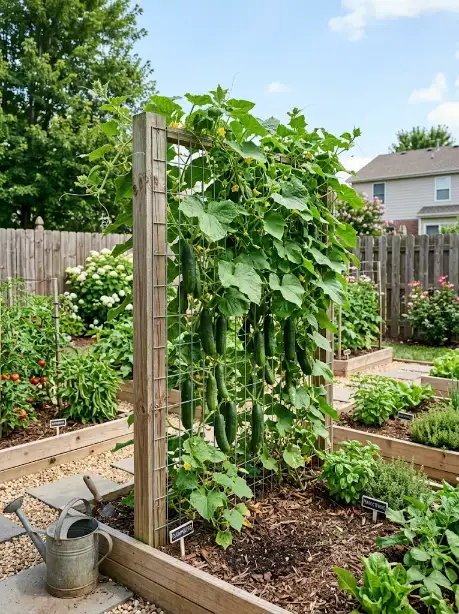
A wire fence trellis is a practical option where cucumber plants grow directly beside an installed metal fence panel. The fence acts as the climbing structure while cucumber tendrils attach naturally, creating a simple support system perfect for easy backyard gardening setups.
This garden trellis DIY option requires very little building effort and offers reliable plant support. It saves ground space, improves airflow between vines, helps prevent moisture damage on fruits, and keeps cucumbers visible for quicker harvesting during the growing season.
9. Wooden Crisscross Trellis Panel
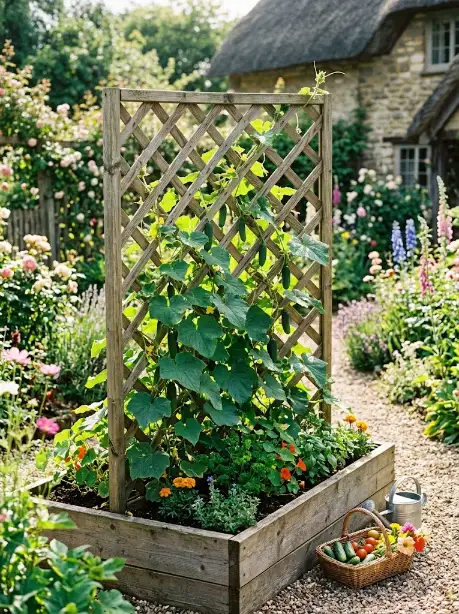
A wooden crisscross trellis panel features wooden strips arranged diagonally into a lattice pattern mounted behind cucumber plants. The crossing sections create many climbing points where cucumber tendrils attach naturally while allowing vines to spread evenly as plants continue growing.
This cucumber trellis idea combines decorative garden design with practical growing support. Gardeners appreciate improved airflow, easier access while harvesting, reduced fruit damage from wet soil, and the ability to grow cucumbers vertically inside compact garden spaces.
10. Cattle Panel Garden Trellis
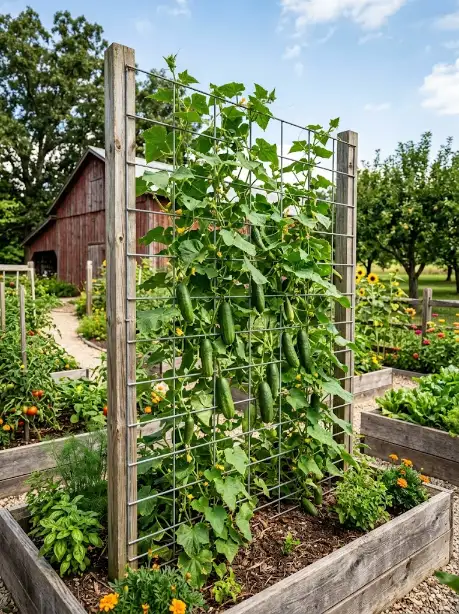
A cattle panel trellis uses a heavy galvanized livestock panel secured vertically with wooden or metal posts behind cucumber plants. The wide metal grid provides strong climbing support, allowing cucumber vines to spread naturally while maintaining an organized vertical growing structure outdoors.
Gardeners trust this setup because cattle panels handle heavy vines without bending during peak growth. The open design encourages better airflow around leaves, keeps cucumbers clean, simplifies harvesting, and creates a long-lasting vegetable garden trellis for repeated seasonal use.
11. Recycled Pallet Trellis
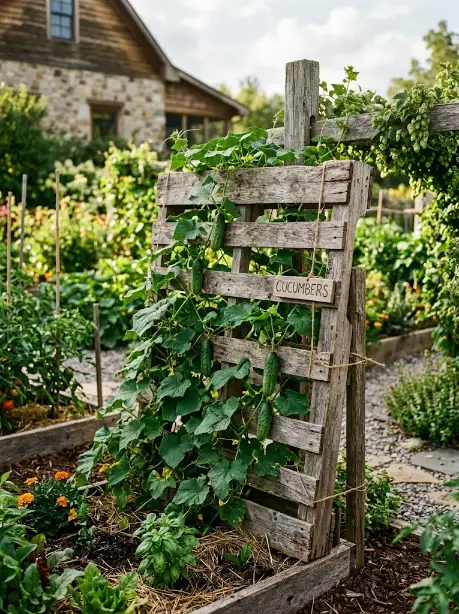
A recycled pallet trellis gives gardeners an affordable DIY cucumber trellis using an old wooden pallet positioned upright near cucumber plants. The open pallet spaces allow vines to climb steadily while creating a rustic garden feature using simple repurposed materials.
This design works especially well for gardeners who enjoy budget-friendly backyard gardening ideas. It saves money, offers strong climbing support, improves airflow between leaves, prevents cucumbers from resting on wet ground, and adds character to outdoor vegetable growing spaces.
12. Garden Netting Frame Trellis
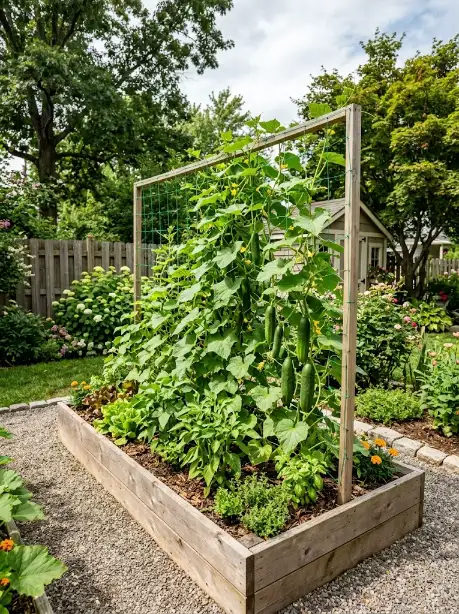
A garden netting frame trellis combines a simple wooden frame with durable mesh netting stretched tightly across the structure. Cucumber plants naturally climb the net openings while spreading evenly upward, creating a clean and organized vertical cucumber garden layout.
Many home growers love this setup because installation stays simple while providing excellent plant support. The netting improves airflow throughout dense cucumber leaves, saves valuable planting space, keeps fruits cleaner, and makes harvesting faster when cucumbers fully mature.
13. Wall Mounted Trellis
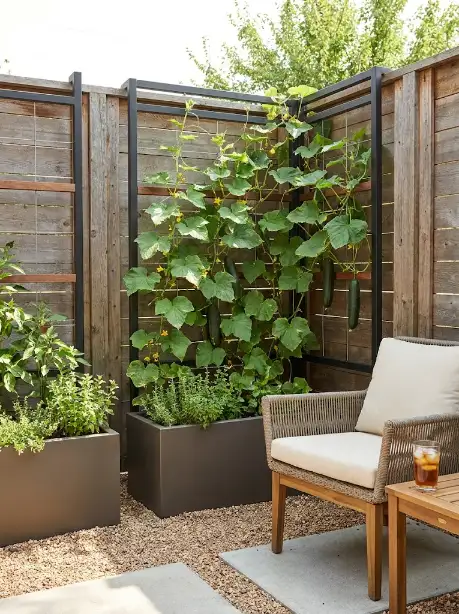
A wall mounted cucumber trellis attaches directly against fences, sheds, or garden walls using wood panels, wire mesh, or climbing supports. Cucumber vines grow upward against the vertical surface, creating a smart gardening solution when backyard planting space remains limited.
This setup works wonderfully for small garden trellis ideas where space matters most. Growing vertically keeps cucumbers away from wet soil, improves sunlight exposure, supports healthier airflow around leaves, and allows gardeners to grow more vegetables inside smaller spaces.
14. Old Bicycle Wheel Trellis
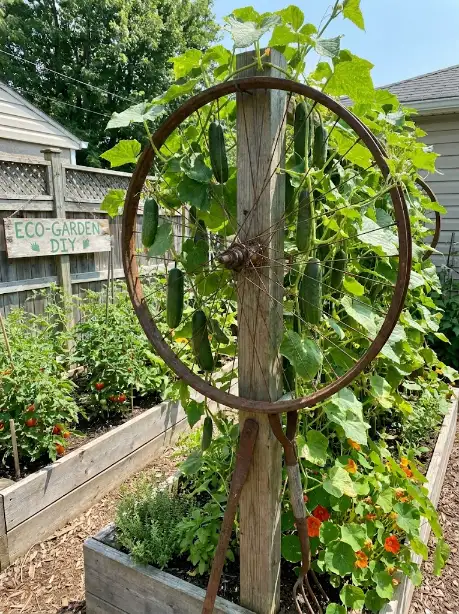
An old bicycle wheel trellis creates a unique cucumber support structure by attaching repurposed bicycle wheels to a vertical frame. Cucumber vines naturally climb the circular metal spokes while gardeners create an eye-catching DIY project using recycled household materials.
Gardeners enjoy this creative design because it combines sustainability with practical vertical growing support. The open wheel structure encourages steady airflow, saves valuable garden space, keeps cucumbers cleaner during growth, and creates an interesting feature inside home vegetable gardens.
15. Folding Wooden Panel Trellis
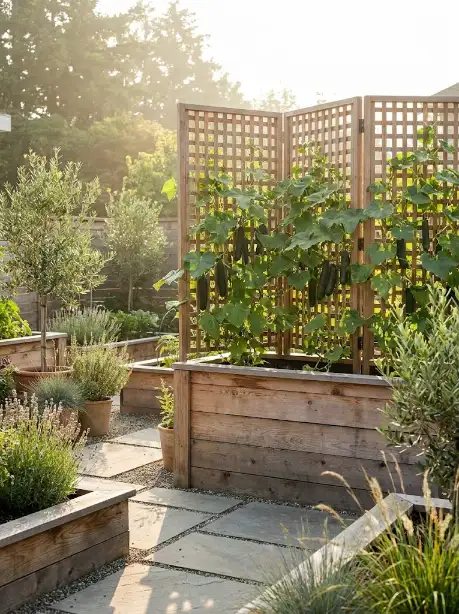
A folding wooden panel trellis uses connected wooden sections that stand upright behind cucumber plants while remaining adjustable when needed. The folding design makes setup simple and allows gardeners to reposition the structure easily throughout different growing seasons outdoors.
Many gardeners appreciate this design because it stores conveniently when not needed. The vertical growing support improves airflow around cucumber leaves, saves space in smaller gardens, keeps fruits cleaner, and allows comfortable harvesting without vines spreading across soil.
16. Pergola Style Cucumber Trellis
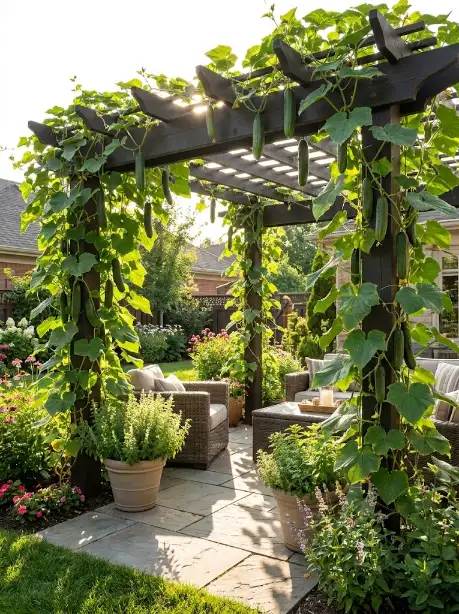
A pergola style trellis uses overhead wooden beams supported by side posts where cucumber vines climb upward and spread above. As vines grow across the structure, cucumbers begin hanging naturally underneath while creating a shaded garden area with practical growing support.
This structure works beautifully for gardeners wanting larger vertical cucumber growing systems. The overhead design improves airflow around vines, provides excellent fruit visibility, supports heavier growth, and creates a comfortable harvesting experience without overcrowding surrounding garden beds.
17. Tomato Cage Cucumber Support
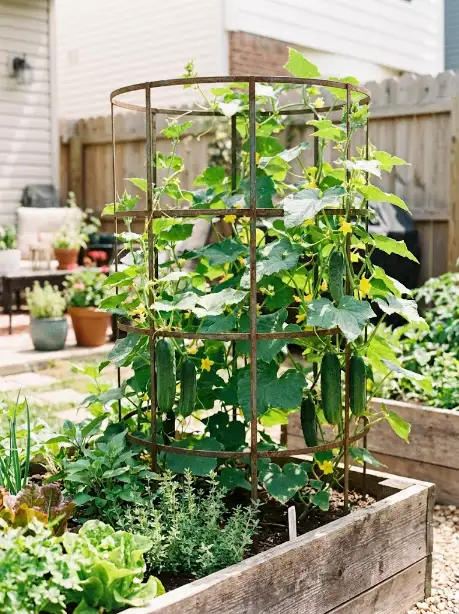
A tomato cage can easily become a simple cucumber support idea when placed around young cucumber plants. The circular metal frame provides multiple climbing points, allowing vines to grow upward steadily while creating an easy solution for beginner home gardeners.
Gardeners like this option because materials are often already available at home. Vertical growth improves airflow around leaves, prevents cucumbers from sitting on damp soil, keeps the growing area tidy, and allows easy harvesting throughout the growing season.
18. Rope Grid Wooden Frame Trellis
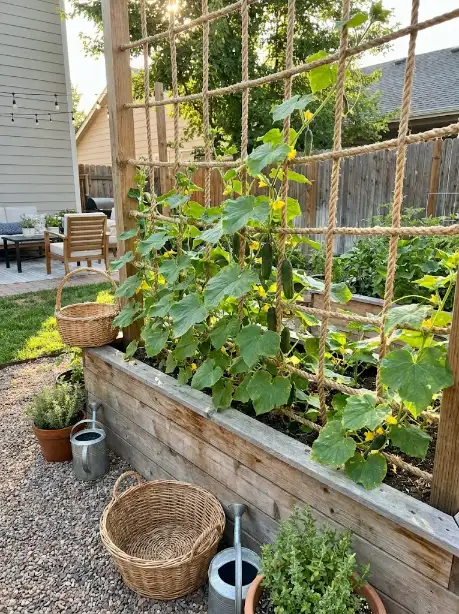
A rope grid trellis combines a sturdy wooden frame with thick garden rope woven into square sections. Cucumber vines naturally attach to the rope grid while climbing upward, creating a simple DIY cucumber trellis that fits beautifully inside backyard vegetable gardens.
This setup remains popular because rope materials stay affordable while installation remains beginner friendly. The vertical structure improves plant airflow, saves growing space, keeps cucumbers cleaner as fruits develop, and gives gardeners easier access during harvesting periods.
How to Build a Cucumber Trellis in Order: Steps, Mistakes, and Care
Build the trellis before the vines start running, ideally at planting time, since moving a tangled vine later breaks tendrils and stems. First, pick the site: full sun, good airflow, and a spot where tall vines will not shade smaller crops. Second, set the supports deep and firm — posts at least a foot into the soil, concreted if the design is heavy — since a trellis loaded with fruit in a summer storm needs real anchoring. Third, attach the climbing surface: netting, string, mesh, or panels, pulled taut so tendrils can grip firmly. Fourth, plant at the base and guide the first tendrils onto the trellis by hand, since young vines sometimes wander along the ground before they find the support. Fifth, check weekly through the season, tucking stray vines back onto the trellis and removing any damaged leaves. If a tendril grips a neighboring plant instead of the trellis, redirect it gently before it tightens, since untangling a set tendril often snaps it.
Common mistakes include building the trellis after vines have already spread, which breaks tendrils when you lift them; using a flimsy support that sags under fruit load; spacing plants too tightly, so airflow drops and mildew spreads; and letting fruit hang unsupported on thin string, which can snap stems. For care, water at the base rather than overhead, which keeps leaves drier and disease lower. Harvest often, since regular picking encourages more fruit and keeps individual cucumbers from growing so heavy they strain the vine. At season’s end, pull the vines, clean the trellis, and store netting and string dry, so next year’s setup starts clean. Since climate and variety change outcomes, a setup that flourishes in one garden may need tweaking in another.
Frequently Asked Questions
Why should cucumbers grow on a trellis instead of the ground?
Trellised cucumbers stay cleaner, straighter, and healthier than ground-grown ones. Fruit hanging in the air avoids soil contact, which means less rot, fewer slug bites, and straighter shapes, since ground fruit often curves where it rests. Airflow around lifted vines also dries leaves faster after rain, which lowers mildew risk. A trellis saves space too, turning a sprawling patch into a vertical wall that leaves the ground free for other crops.
How tall should a cucumber trellis be?
For vining varieties, plan for five to six feet, since these plants climb vigorously all season. Bush varieties usually need only two to three feet. Building taller than needed wastes material, but building too short forces vines to flop over the top and tangle, which shades fruit and makes picking harder. If vines outgrow the trellis, guide them sideways along the top rather than cutting the growing tips, which slows production.
Do cucumber vines need to be tied to a trellis?
Mostly no, since cucumber tendrils grip supports on their own, unlike tomatoes, which need tying. You may need to guide the first tendrils onto the trellis by hand when vines are young, since they sometimes wander along the ground first. If a vine keeps slipping off smooth metal, add a few loose ties or a section of netting for grip. Avoid tight ties, which can cut into stems as they thicken.
When is the best time to set up a cucumber trellis?
Set it up at planting time, or even before, so vines find support from their first days of growth. Early installation also avoids driving posts through established roots or disturbing young plants. If you missed the window, set supports beside the plants rather than through the root zone, and lift vines gently onto the trellis without forcing tangled stems. A late trellis beats none, since it lifts fruit off the soil and improves airflow for the rest of the season.
Conclusion
Using smart cucumber trellis ideas helps gardeners grow healthier plants while making better use of available space in backyard gardens and raised beds. Whether you prefer simple DIY cucumber trellis projects or creative vertical cucumber garden designs, proper support keeps plants cleaner, improves airflow, and makes harvesting easier throughout the season.
Every garden has room for a practical trellis solution, so experiment with different designs, find what works best for your space, and enjoy growing stronger cucumber plants with greater success year after year.