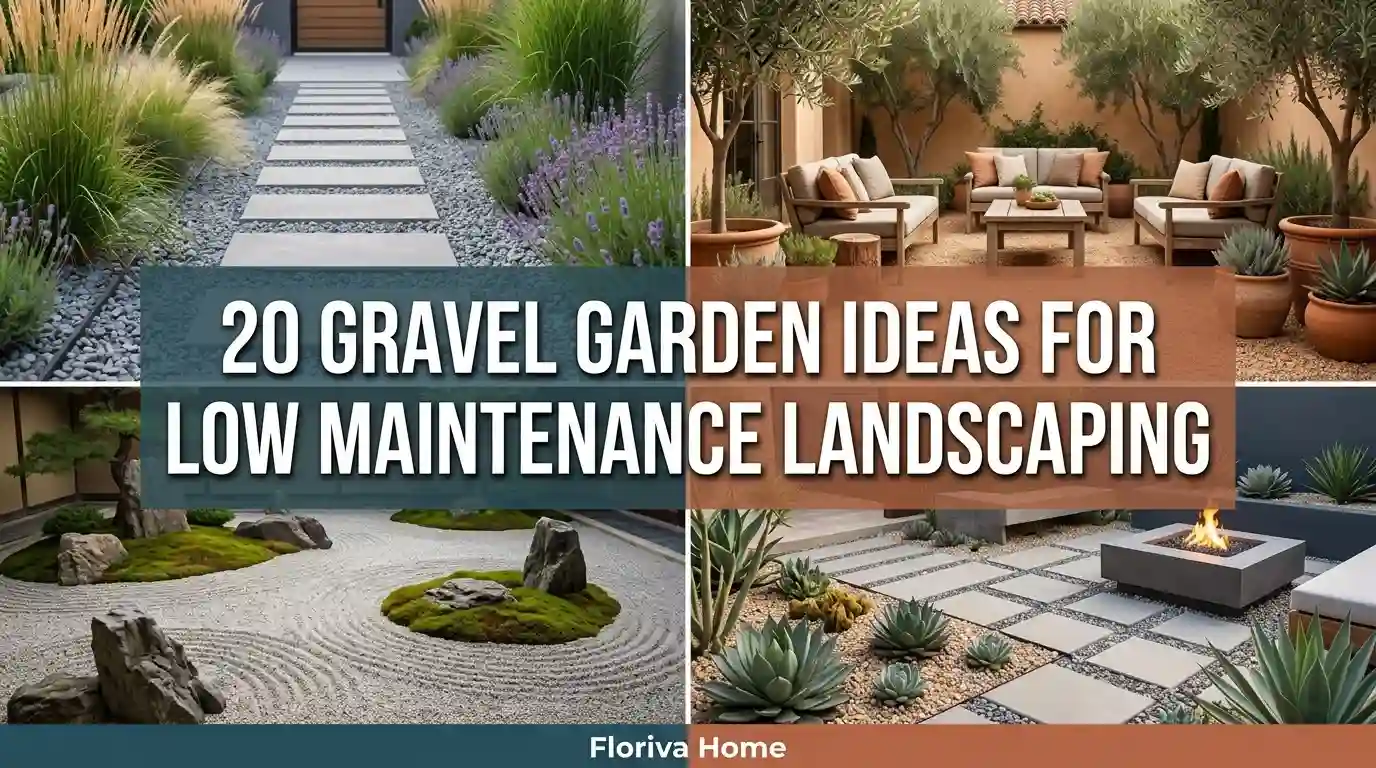
20 Gravel Garden Ideas for Low Maintenance Landscaping
If you want a garden that looks polished without demanding constant watering, mowing, or trimming, gravel can be a surprisingly versatile choice. It creates a clean foundation for plants, defines outdoor spaces, and works with everything from cottage-inspired beds to contemporary landscapes.
The best part is that gravel can be used in many different ways. You can turn an awkward corner into a useful planting area, create attractive borders, build a simple seating nook, or give ordinary garden beds a more finished appearance.
Here are some fresh gravel garden ideas to help you create a beautiful outdoor space that is easier to maintain.
1. Frame a Small Gravel Garden Around a Tree
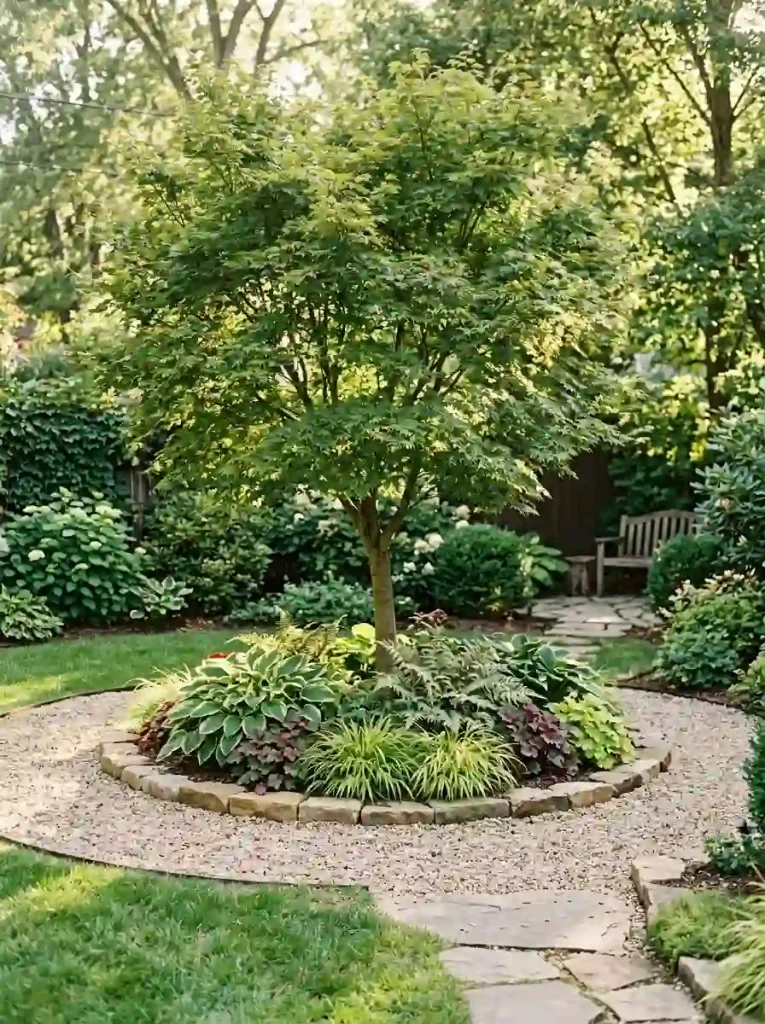
A mature tree can become the natural centerpiece of a gravel garden. Instead of leaving the area underneath it bare or covering the roots with thirsty lawn, create a defined planting zone using decorative gravel and shade-tolerant plants.
Keep the gravel away from the trunk itself and leave enough open space for healthy airflow around the base. Add a few compact plants around the outer edge rather than overcrowding the root area.
This approach works especially well in small yards because one tree can provide both structure and visual interest. Use contrasting gravel around the planting area to make the tree stand out.
Expert Tip:
Choose gravel that complements the color of the tree bark and surrounding hardscape. A simple palette usually looks more intentional than mixing too many stone colors.
2. Build a Gravel Herb Garden
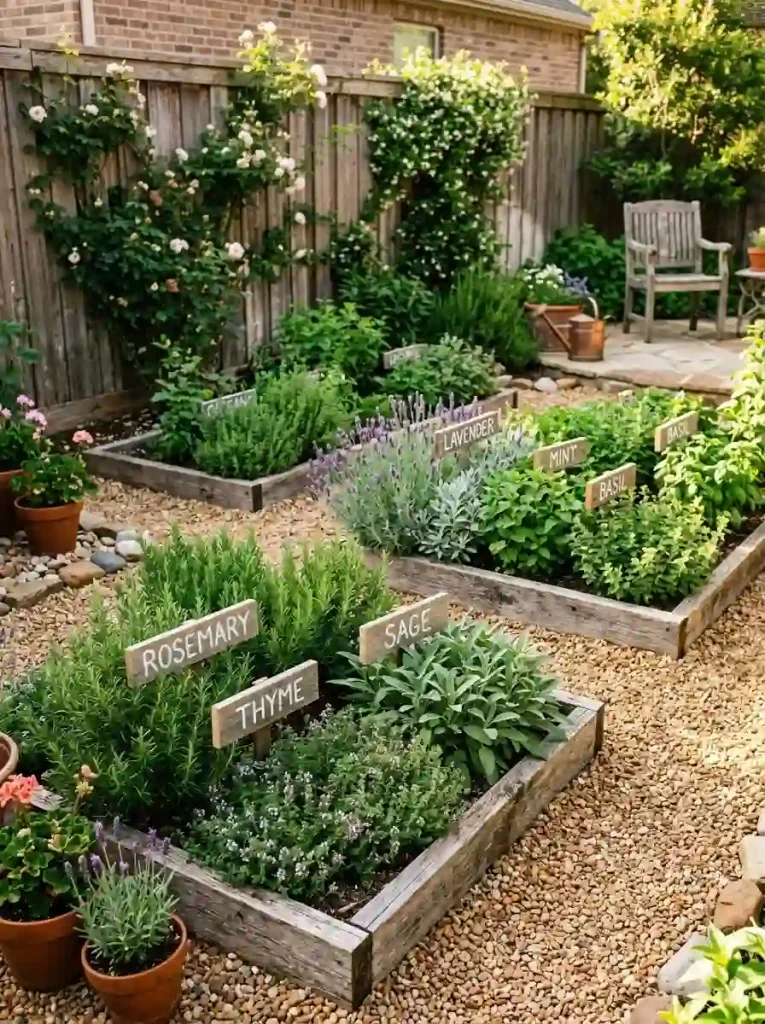
Turn an unused section of your yard into a practical herb garden with gravel pathways between compact planting beds. The stone surface keeps muddy areas under control while giving the garden a neat, organized appearance.
Use raised or slightly mounded beds for herbs such as rosemary, thyme, oregano, sage, and lavender. Keep the plants grouped according to their sunlight and watering needs so maintenance stays simple.
Gravel also makes it easier to walk between the beds without stepping directly onto wet soil. Add small signs or simple wooden markers if you want the garden to feel more personalized.
Expert Tip:
Use coarse gravel around the walking areas and keep nutrient-rich soil inside the planting beds. This creates a clear separation between growing space and pathways.
3. Create a Gravel Ring Around Flowering Shrubs
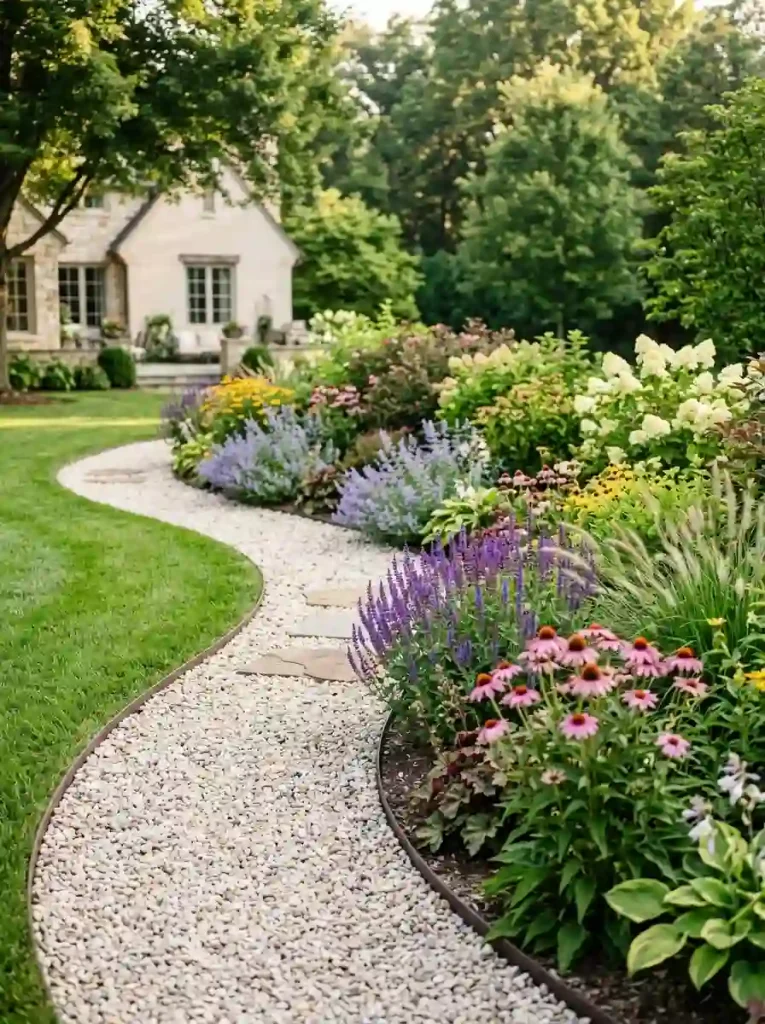
Give flowering shrubs a cleaner visual frame by surrounding them with a generous gravel ring. This works particularly well around hydrangeas, roses, spirea, or other established shrubs that already provide height and seasonal color.
Instead of filling the entire space with plants, let the gravel act as a simple ground layer that makes the main shrubs stand out. A narrow edging strip can prevent the stone from gradually spreading into the lawn.
Choose a gravel shade that contrasts gently with the foliage. Pale stone can brighten darker planting areas, while warm beige or tan gravel can create a softer garden atmosphere.
Expert Tip:
Leave a small open gap around shrub stems rather than piling gravel directly against them. This helps keep the base of the plant healthier.
4. Turn a Narrow Side Yard Into a Gravel Garden
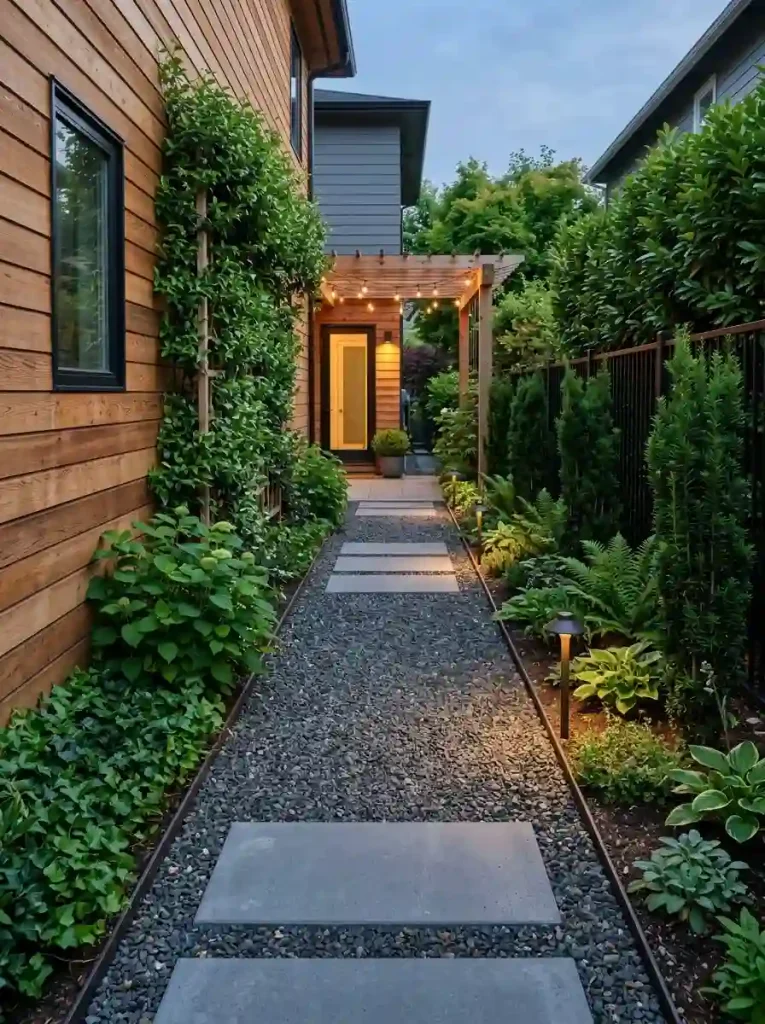
Narrow side yards can become difficult to maintain when grass struggles for sunlight. Gravel offers an opportunity to turn this overlooked space into a functional garden walkway with carefully selected plants along the edges.
Start with a clear walking route and use compact plants that will not quickly grow into the pathway. Add stepping slabs where you want a firmer walking surface, then fill the surrounding areas with gravel.
Vertical plants, slim shrubs, or climbing greenery can add interest without taking up much ground space. The result feels purposeful instead of like an unused strip beside the house.
Expert Tip:
Keep the central walking route visually obvious. Using slightly larger pavers through the gravel can make a narrow space feel easier to navigate.
5. Make a Gravel Garden With Ornamental Grasses
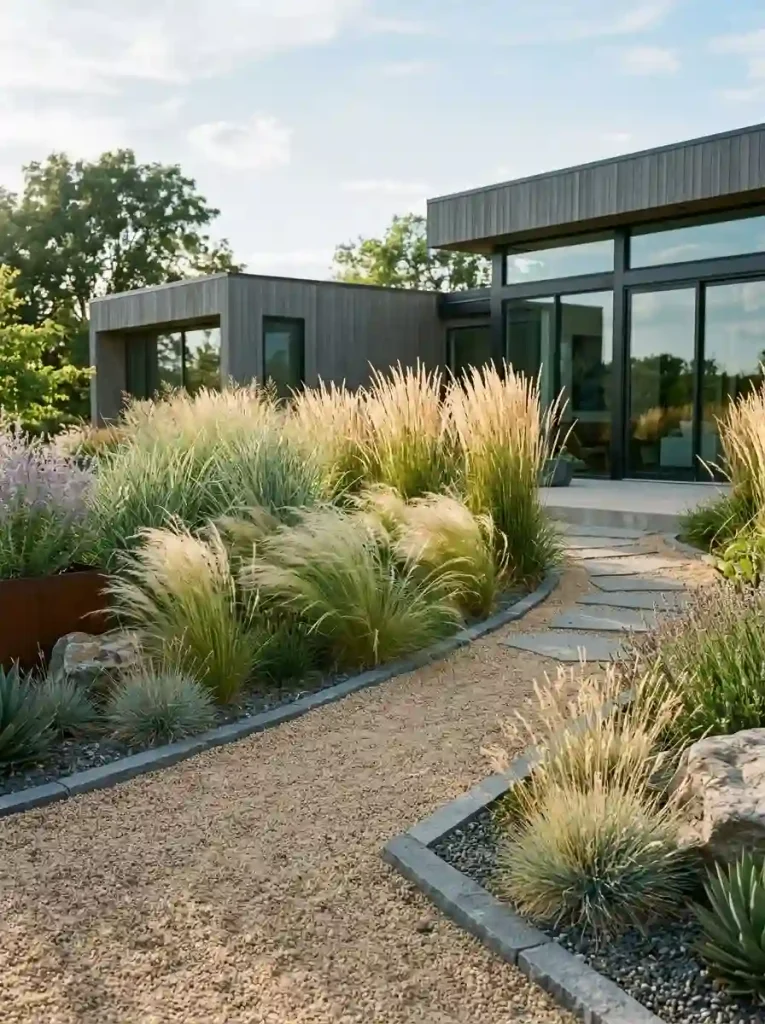
Ornamental grasses and gravel make an excellent combination because the loose stone creates a simple background for the movement and texture of the grasses.
Plant several varieties at different heights rather than spacing everything evenly. Tall grasses can form a soft backdrop, while shorter clumps can fill the front of the bed.
This style looks especially attractive when the breeze moves through the grass stems. Gravel also gives the planting area a structured foundation, so the garden can feel relaxed without looking neglected.
Expert Tip:
Repeat the same grass variety in several areas instead of using too many different species. Repetition creates a more cohesive and intentional landscape.
6. Design a Gravel Crescent Garden Bed
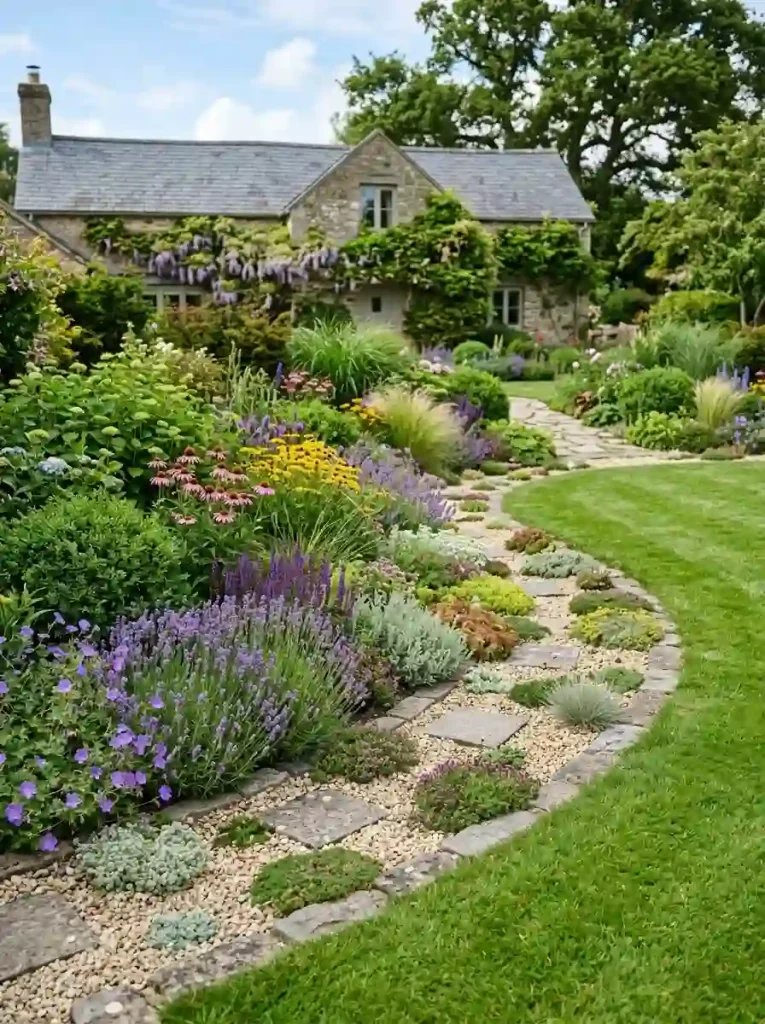
Give your yard softer lines by creating a crescent-shaped gravel garden bed along a lawn or patio. Curved borders can make a rectangular yard feel more natural and provide an attractive transition between different outdoor areas.
Place taller plants toward the back of the curve and gradually reduce plant height toward the front. The gravel can fill the spaces between plants while keeping the overall shape clearly visible.
This design is flexible enough for flowering plants, shrubs, grasses, or a combination of all three. It also creates an easy-to-maintain alternative to a large traditional lawn border.
Expert Tip:
Lay a garden hose on the ground first to experiment with the curve. Adjust the shape until it looks balanced from the main viewing area.
7. Add a Gravel Pocket Garden to an Empty Corner
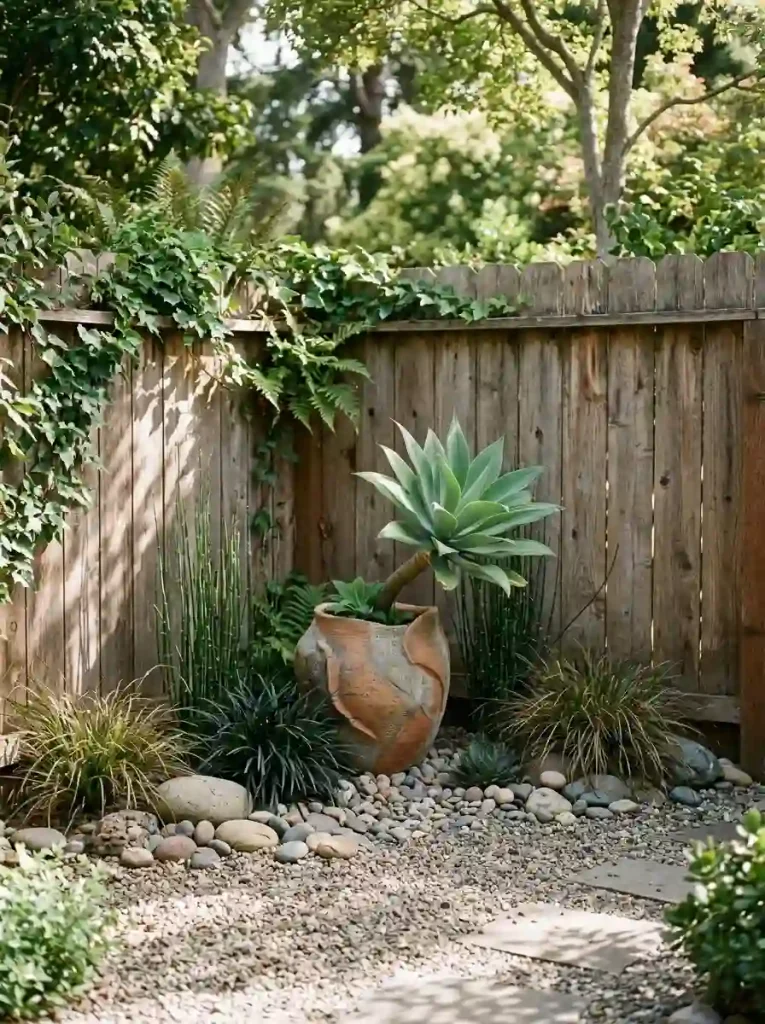
An unused corner does not need to become another high-maintenance planting bed. Create a small gravel pocket garden with a few carefully chosen plants and one distinctive focal element.
A sculptural pot, decorative boulder, small bench, or architectural plant can become the centerpiece. Surround it with gravel in a simple shape to visually separate the garden from the rest of the yard.
This idea is particularly useful for awkward corners near fences, patios, decks, or outdoor structures. Because the planting area is compact, it is easier to keep looking tidy.
Expert Tip:
Use one strong focal point instead of filling the corner with decorations. Simplicity makes a small gravel garden feel more spacious.
8. Create a Gravel Border Along the Patio
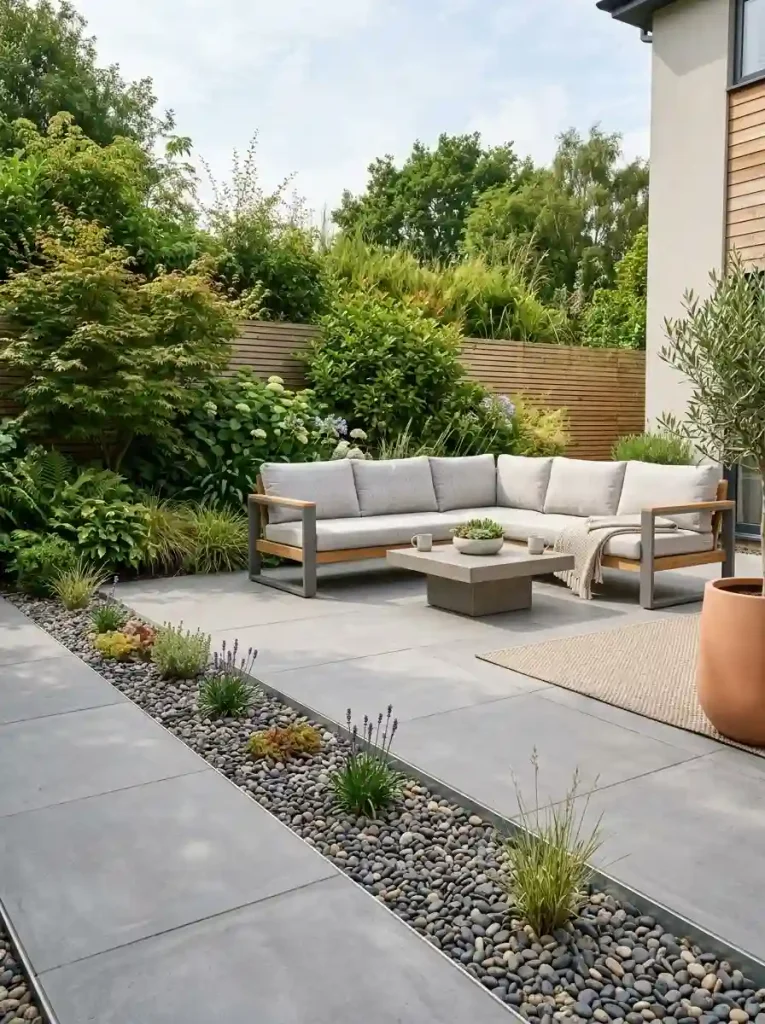
A gravel strip can create a clean transition between a patio and the surrounding garden. It is especially useful when you want to soften a hard patio edge without adding a large planting bed.
Use a narrow band of decorative gravel along the perimeter and introduce a few small plants at selected intervals. This gives the patio a finished appearance while maintaining a relatively simple maintenance routine.
You can also use the gravel strip to visually separate seating areas from lawn or planting zones. Choose stone that coordinates with your patio material for a more unified design.
Expert Tip:
Install a firm edge between the gravel and patio surface. A defined boundary keeps stones from migrating onto walking areas.
9. Use Two Gravel Tones to Define Planting Areas
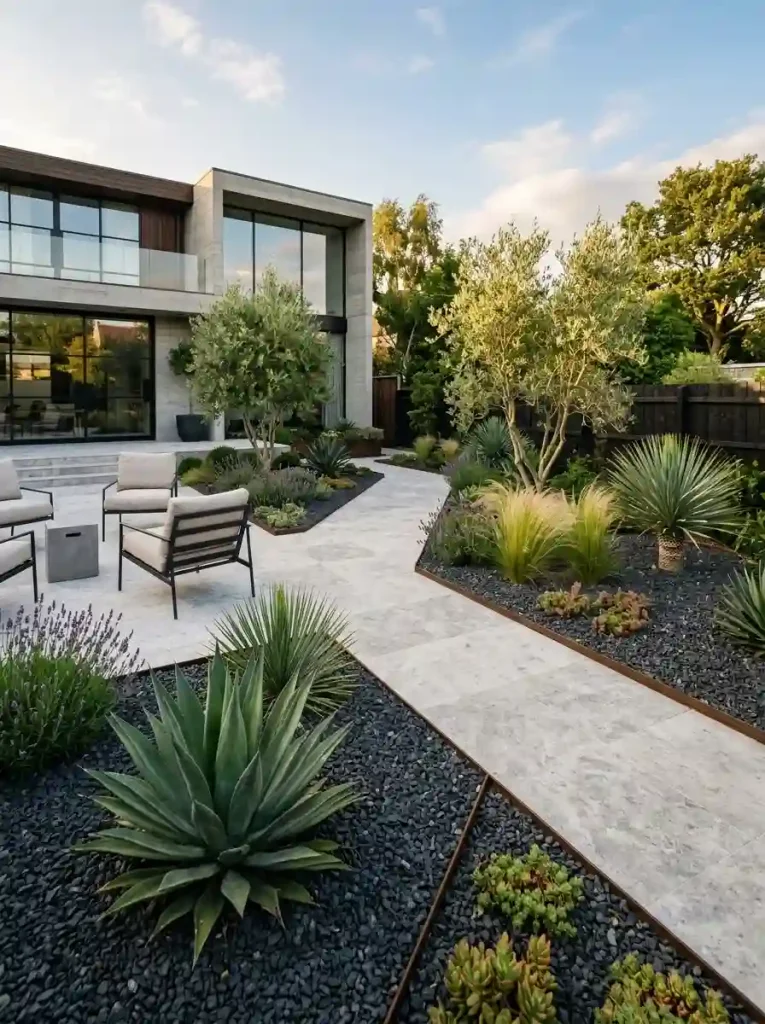
Instead of relying on multiple borders or decorative structures, use two complementary gravel tones to create visual separation within your garden.
A lighter stone can define a central feature while a slightly darker gravel surrounds planting areas. The contrast does not need to be dramatic; even subtle differences in tone can make the layout easier to understand.
This technique works especially well in contemporary yards where clean lines and simple materials are more important than elaborate decoration.
Expert Tip:
Keep the number of gravel colors limited. Two closely related tones usually create a more sophisticated effect than several competing shades.
10. Create a Low-Maintenance Gravel Island Garden
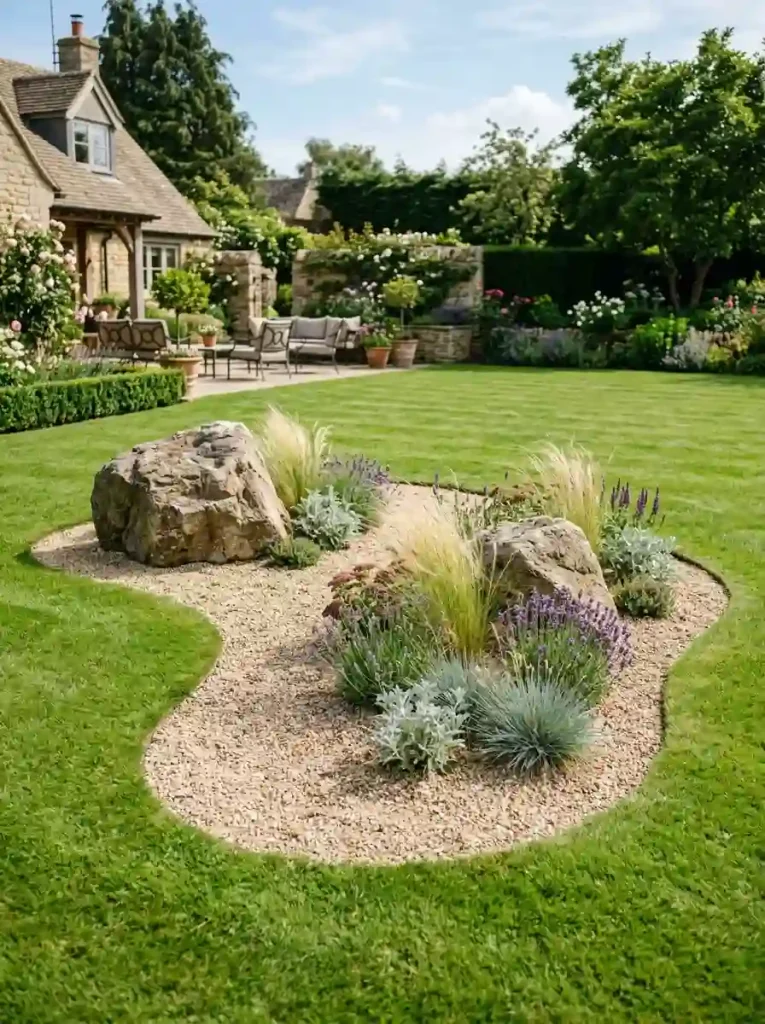
A gravel island garden can add a strong focal point in the middle of an otherwise open lawn. Shape the island organically or geometrically, depending on the style of your home and existing landscape.
Fill the center with a small collection of plants that have similar care requirements. Add one or two larger stones for height and structure, leaving plenty of gravel visible around them.
The open gravel surface helps the planting arrangement stand out while reducing the amount of grass that needs regular mowing.
Expert Tip:
Keep the island wide enough to look intentional from a distance. A slightly larger, well-proportioned shape usually looks better than a tiny patch surrounded by lawn.
11. Add a Gravel Seating Nook
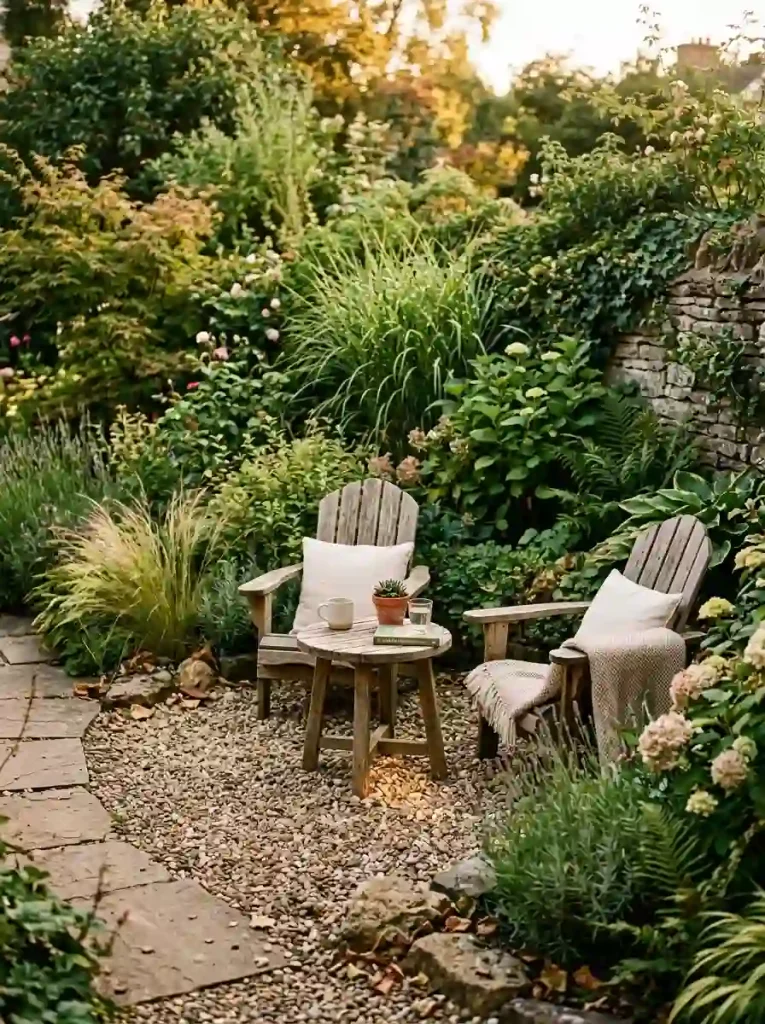
A small seating area can turn an unused part of the garden into a relaxing outdoor retreat. Instead of constructing a permanent paved patio, create a level gravel surface large enough for two chairs and a compact table.
Surround the seating nook with plants, shrubs, or ornamental grasses to give it a sense of privacy. Gravel provides a casual, natural-looking surface while allowing rainwater to move through rather than collecting on top.
For an especially inviting look, add a nearby planter or a simple outdoor lantern. Keep the furniture comfortable but uncomplicated so the garden remains easy to maintain.
Expert Tip:
Use compacted gravel in the seating area so chairs and table legs remain more stable.
12. Design a Gravel Garden With Mediterranean Plants
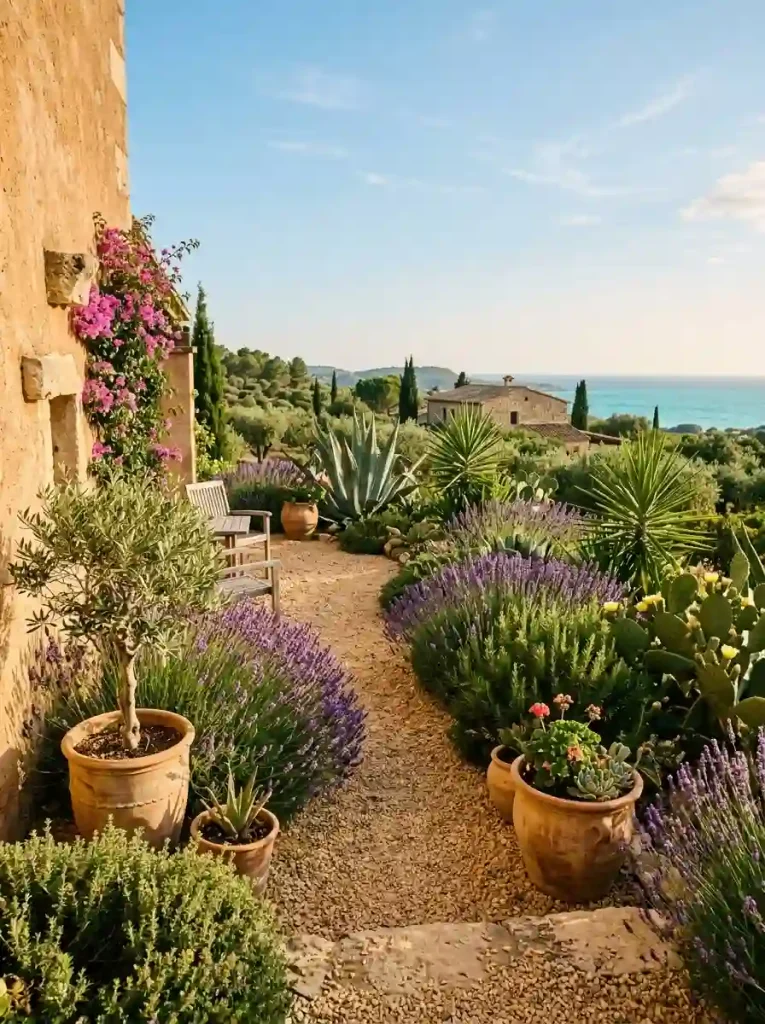
Bring a relaxed Mediterranean feeling to your yard by combining gravel with plants that enjoy sunny, relatively dry conditions. Lavender, rosemary, thyme, olive-like shrubs, and architectural plants can work beautifully against a warm stone background.
The key is to avoid making the space overly crowded. Leave generous areas of gravel between plant groupings so each plant has room to become a visual feature.
Terracotta containers and weathered stone can reinforce the Mediterranean character without requiring complicated landscaping.
Expert Tip:
Group plants according to their sunlight and moisture preferences. This makes watering more efficient and simplifies long-term care.
13. Create a Gravel Path Through a Planting Bed
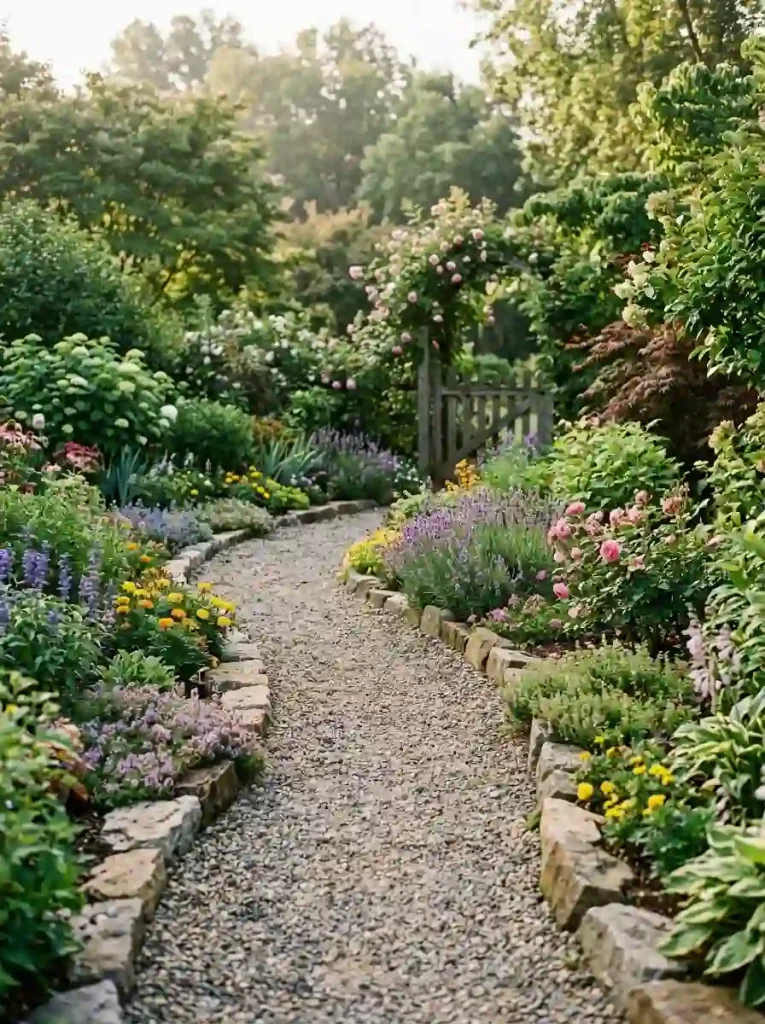
A gravel path can do more than connect two parts of your garden. It can become an important design feature that takes visitors directly through your planting area.
Create a gently curving route and surround it with low-growing plants. Taller vegetation can be positioned farther away from the walking surface so the path remains open and comfortable.
For a natural appearance, avoid making every curve perfectly symmetrical. A slightly informal layout can make the garden feel established and welcoming.
Expert Tip:
Make the path wide enough for comfortable walking and use landscape edging where necessary to keep gravel contained.
14. Use Large Stones as Gravel Garden Accents
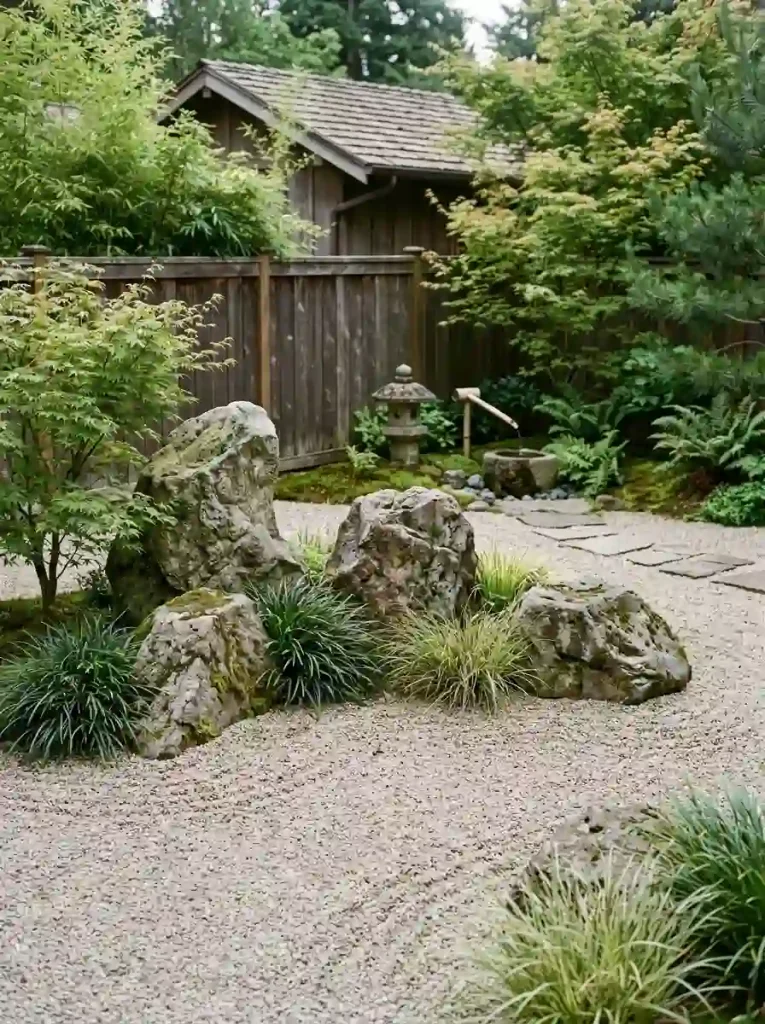
Large natural stones can give a gravel garden more structure without introducing complicated hardscaping. Position one or several rocks among the smaller gravel and plants to create visual anchors.
Think about the placement carefully rather than scattering stones randomly. A large boulder partly surrounded by ornamental grasses can look particularly natural.
This approach works well in minimalist, Japanese-inspired, desert-style, and contemporary gardens.
Expert Tip:
Partially bury larger stones so they look as though they naturally belong in the landscape rather than having simply been placed on top.
15. Create a Gravel Garden Beneath a Pergola
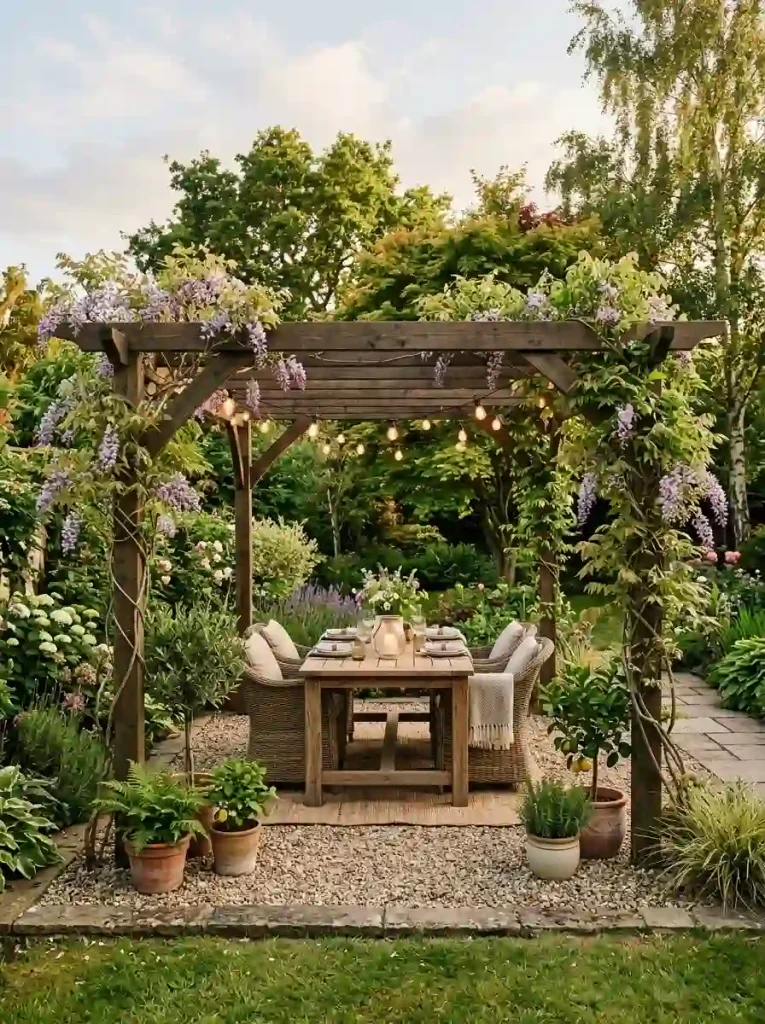
A pergola can become even more attractive when its floor is finished with gravel instead of traditional paving. The textured ground creates a relaxed connection between the structure and surrounding garden.
Add comfortable outdoor seating, a few containers, and climbing plants around the posts. Because the gravel remains visually understated, greenery can become the main decorative element.
This setup works especially well as an outdoor dining or morning coffee area.
Expert Tip:
Choose a gravel size that feels comfortable and stable beneath furniture. Smaller angular stones generally compact more effectively than very large rounded pebbles.
16. Make a Gravel Garden With Raised Planting Beds
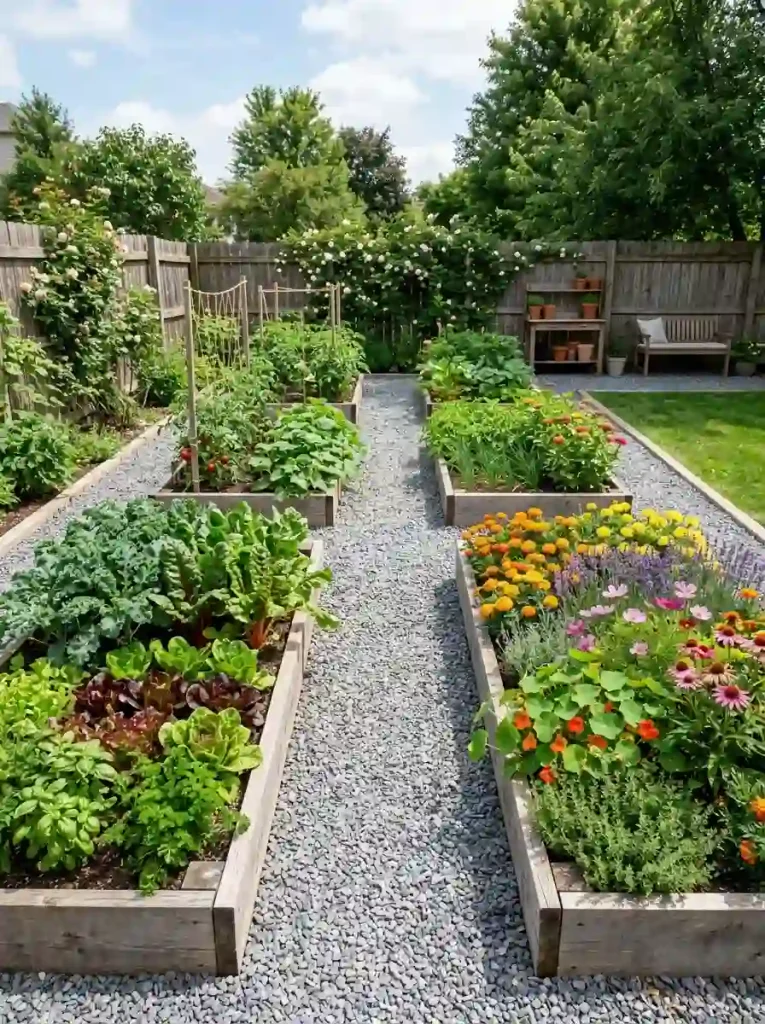
Raised beds surrounded by gravel offer a practical combination of defined planting space and easy-to-manage ground cover. The raised structure keeps soil contained while the gravel creates clear walking areas.
You can build the beds from timber, stone, brick, or another material that complements your home. Keep the arrangement simple and repeat similar plants throughout the beds for a cohesive appearance.
This layout is particularly useful for vegetable gardens, flowers, and herbs where you want to keep the growing areas clearly separated.
Expert Tip:
Leave enough room between raised beds for comfortable access, especially if you expect to carry watering cans, tools, or harvest baskets through the garden.
17. Add Gravel Around a Water Feature
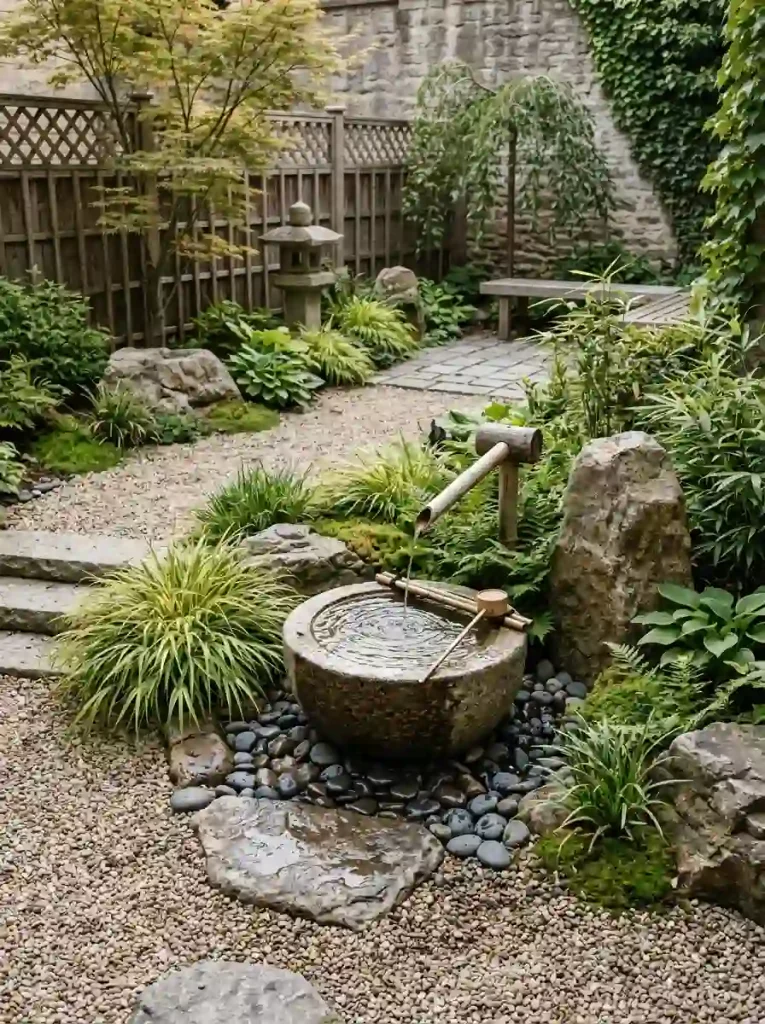
A small water feature can become the centerpiece of a gravel garden. A simple bubbling bowl, narrow basin, or compact fountain can provide movement and sound without requiring a large pond.
Surround the feature with gravel and a few moisture-tolerant plants. Add one or two larger stones to create a natural transition between water, plants, and ground cover.
The combination of textured stone and moving water creates a peaceful atmosphere, especially in compact gardens.
Expert Tip:
Keep the surrounding planting restrained so the water feature remains the main focal point instead of disappearing into dense greenery.
18. Create a Gravel Garden Along a Fence
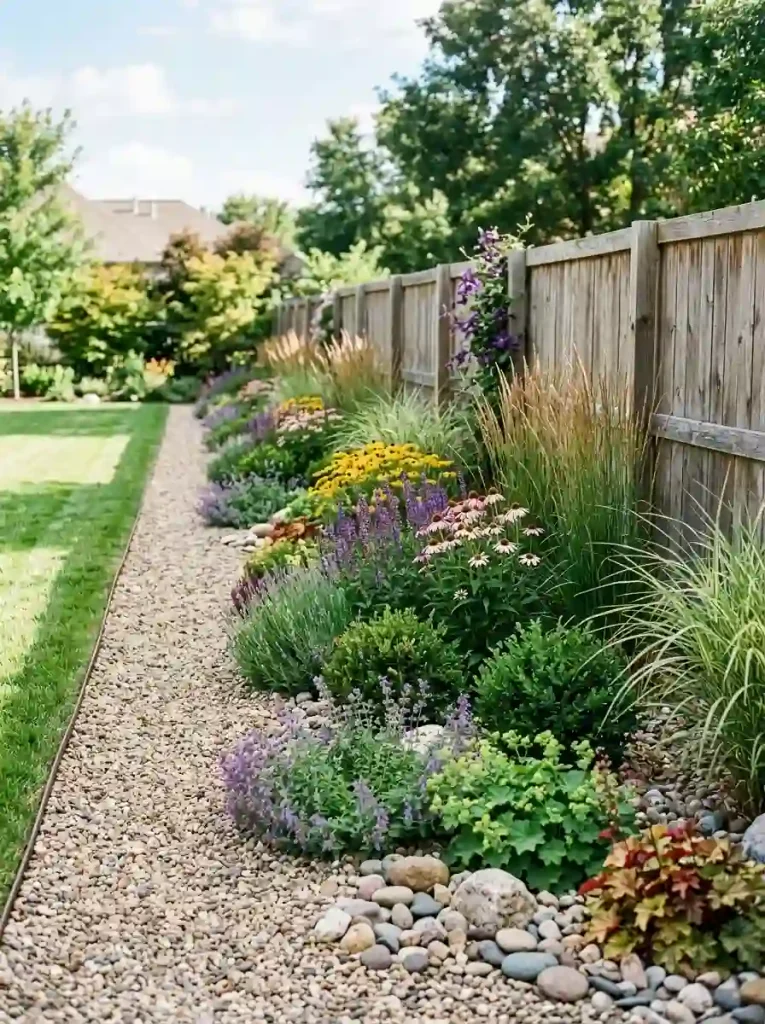
A plain fence can become an attractive garden backdrop when paired with a narrow gravel planting bed. Instead of filling the entire strip with high-maintenance vegetation, use a repeating arrangement of shrubs, grasses, and decorative stones.
The fence provides vertical structure while the gravel visually separates the planting zone from the rest of the yard.
For additional interest, vary plant heights while maintaining a consistent color palette. This creates depth without making the border feel cluttered.
Expert Tip:
Leave enough clearance between plants and the fence for pruning, cleaning, and airflow.
19. Combine Gravel With Stepping Stones
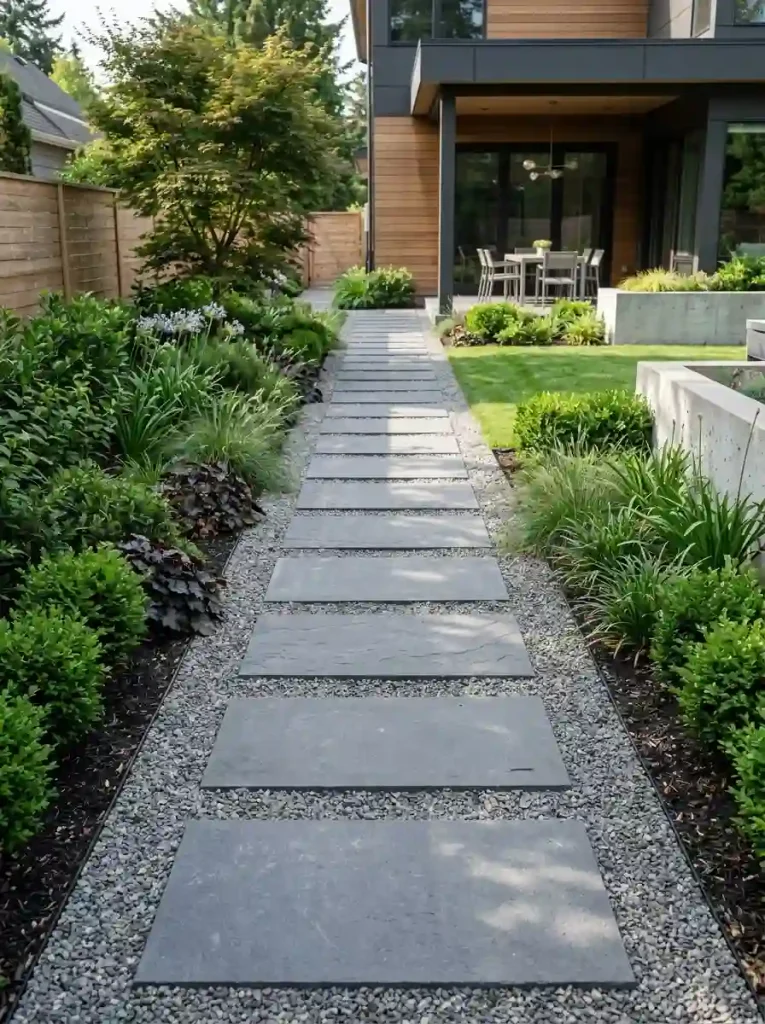
For a garden that feels both practical and decorative, combine loose gravel with large stepping stones. The stones establish a comfortable route while the gravel fills the spaces around them.
Try arranging rectangular slabs in a staggered pattern for a contemporary garden or irregular natural stones for a more relaxed landscape.
The contrast between solid stepping stones and textured gravel adds visual rhythm without requiring elaborate construction.
Expert Tip:
Set each stepping stone securely and check that the surfaces sit at a comfortable, consistent height before filling the surrounding area with gravel.
20. Create a Gravel Courtyard Garden
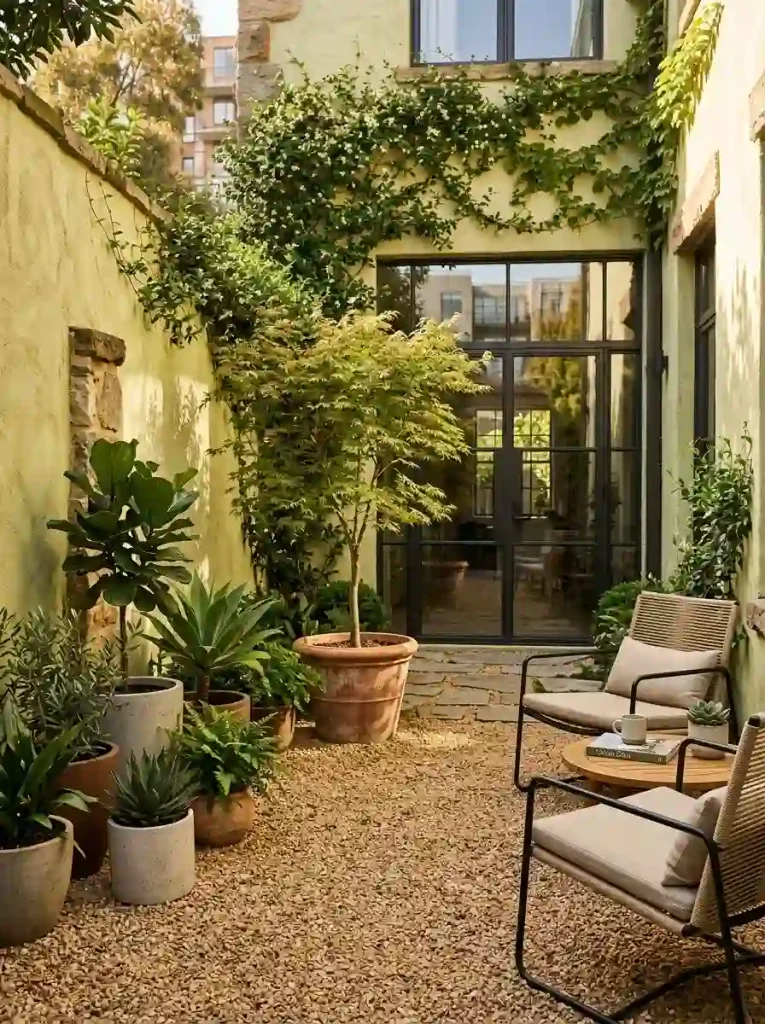
A gravel courtyard can give even a modest outdoor space a polished, intentional appearance. Use gravel as the primary ground surface and introduce plants through carefully positioned beds, containers, or small trees.
Because the design relies on a limited number of materials, choose each element thoughtfully. A few large planters, comfortable seating pieces, and architectural plants can be enough to create a complete outdoor room.
This approach is especially effective for urban gardens, enclosed yards, and spaces where maintaining a large lawn would be impractical.
Expert Tip:
Repeat materials and plant shapes throughout the courtyard. Consistency helps a small space feel larger and more visually organized.
Practical Tips for Creating a Low-Maintenance Gravel Garden
Choosing gravel is only one part of creating a garden that stays attractive with minimal upkeep. Good preparation and thoughtful plant selection can make a major difference.
Choose the Right Gravel Size
Very small gravel can move easily underfoot, while extremely large stones may be uncomfortable for pathways. Medium-sized angular gravel is often a practical choice for areas that receive regular foot traffic.
For decorative beds, the best size depends on the look you want and how exposed the area is to wind and heavy rain.
Prepare the Ground Properly
Remove existing weeds and unwanted vegetation before adding gravel. Level the area as needed, then install an appropriate landscape fabric or another weed-management solution where suitable.
Good preparation reduces the amount of maintenance you’ll have to perform later.
Use Edging Where Gravel Meets Other Surfaces
Gravel naturally spreads over time. Edging along lawns, patios, paths, and planting beds helps maintain clean boundaries.
Metal, stone, brick, timber, and concrete edging can all work depending on your landscape style.
Select Plants With Similar Needs
A low-maintenance garden becomes much easier to manage when plants in the same area have similar sunlight, soil, and watering requirements.
Instead of choosing plants purely for appearance, consider how much care they will require throughout the growing season.
Leave Some Open Gravel
You do not need to cover every section with plants. Open gravel creates breathing room and allows the individual plants, stones, and garden features to stand out.
This is one of the easiest ways to create a polished landscape without adding more maintenance.
How to Keep a Gravel Garden Looking Good
Even a low-maintenance gravel garden needs occasional attention. Fortunately, most of the work is relatively straightforward.
Remove weeds early: Pull emerging weeds before they become established and difficult to remove.
Rake displaced gravel: Heavy rain, pets, foot traffic, and garden work can move stones from their original positions. A quick rake can restore clean lines.
Refresh thin areas: Gravel can gradually become sparse in high-traffic locations. Add a small amount of matching material when necessary.
Trim surrounding plants: Keep shrubs, grasses, and ground covers from spreading too far into pathways.
Keep drainage clear: Make sure gravel-covered areas do not become blocked with leaves, soil, or other debris.
Clean garden edges: Crisp boundaries between gravel and lawn or planting beds make the entire landscape look more intentional.
What Is the Best Gravel for a Low-Maintenance Garden?
There is no single gravel type that works perfectly for every garden. The right choice depends on whether the material will be decorative, walked on, used beneath furniture, or placed around plants.
For pathways and frequently used areas, choose a gravel that compacts well and does not roll excessively underfoot. For decorative beds, appearance can take priority, allowing you to select stone based on color, texture, and the style of your landscape.
Consider your local weather, drainage conditions, available materials, and the surrounding architecture before making a final decision.
Final Thoughts
Gravel can completely change the way a garden looks and functions. Instead of treating it simply as a substitute for grass, think of it as a design material that can define pathways, frame plants, create seating areas, highlight focal points, and connect different parts of your outdoor space.
The most successful gravel gardens usually balance stone, plants, negative space, and structure. You do not need dozens of plants or complicated features to create something beautiful. A thoughtfully shaped gravel bed, a few well-chosen plants, and one strong focal point can be enough.
Whether you are working with a tiny side yard or a spacious backyard, these gravel garden ideas can help you build an outdoor space that looks attractive while reducing the amount of routine maintenance it demands.
Frequently Asked Questions
Is gravel good for a low-maintenance garden?
Yes. Gravel can reduce the amount of lawn and exposed soil that needs regular mowing, watering, or maintenance. However, it does not make a garden completely maintenance-free. Occasional weeding, raking, edging, and plant care will still be necessary.
Do I need landscape fabric under garden gravel?
Landscape fabric can help reduce weed growth, but it is not the only factor that determines long-term maintenance. Proper ground preparation and choosing plants carefully are also important. The best approach depends on the specific location and intended use.
How deep should gravel be in a garden?
For decorative garden beds, a few inches of gravel is commonly used, while pathways and areas receiving more traffic may require a deeper, properly prepared base. The exact depth depends on the gravel type, soil conditions, drainage, and how the area will be used.
Can I grow plants directly in gravel?
Some plants can tolerate gravel-heavy environments, particularly species adapted to dry, well-drained conditions. However, most plants still need suitable soil and nutrients around their roots. Gravel is generally best used as a surface layer around appropriately planted vegetation.
Does gravel attract weeds?
Gravel itself does not create weeds, but weed seeds can settle into accumulated soil, organic debris, or gaps between stones. Regular maintenance and good preparation can significantly reduce the problem.
Is gravel cheaper than paving?
Gravel can often be a more economical option than professionally installed paving, particularly for informal paths and garden surfaces. Costs vary considerably depending on the stone, preparation, edging, delivery, and local labor prices.
Can gravel gardens work in small yards?
Absolutely. Gravel is particularly useful in small spaces because it can visually connect different zones without requiring large areas of lawn. Narrow paths, pocket gardens, compact seating areas, and small planting beds can all work well with gravel.
How do I stop gravel from spreading into my lawn?
Install a clear physical edge between the gravel and lawn. Metal edging, stone borders, brick, concrete edging, and other landscape barriers can help keep the materials separated. Occasional raking will also keep the boundary looking clean.