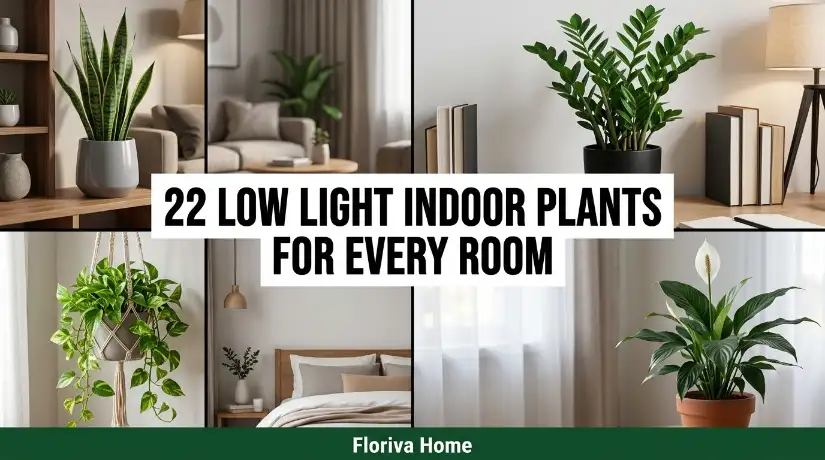
22 Low Light Indoor Plants for Every Room
Searching for low light indoor plants that still make every corner feel fresh? Pinterest is full of plant styling inspiration, but choosing varieties that thrive away from sunny windows can feel overwhelming. This guide brings together gorgeous, practical options for bedrooms, bathrooms, offices, entryways, and cozy living spaces.
From trailing vines to sculptural leaves, these low light favorites can help you create a greener home without demanding sunlight. Save your favorites now, then use these ideas to plan your next indoor plant refresh with confidence.
What are the best low light indoor plants for beginners?
Snake plants, ZZ plants, pothos, cast iron plants, and Chinese evergreens are excellent choices for beginners. They tolerate lower indoor light and generally require less frequent watering than many other houseplants, making them practical options for busy plant owners or anyone starting their indoor plant collection.
1. Snake Plant
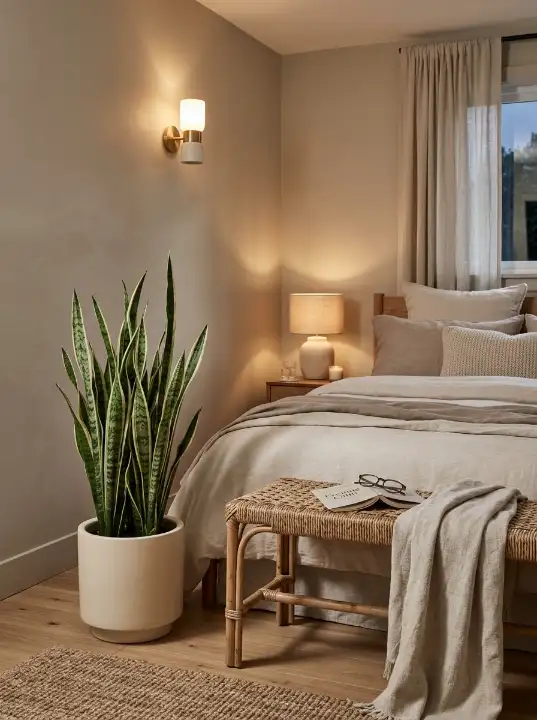
Snake plants are perfect for dim bedrooms because their upright leaves bring structure without taking much floor space. Their tall, striped foliage creates a calm visual anchor that feels intentional rather than crowded or overly decorated.
Place a snake plant near indirect light, water only when the soil dries, and enjoy an easygoing bedroom accent that suits neutral interiors. Its sculptural shape also photographs beautifully for Pinterest inspiration while requiring very little daily attention.
2. ZZ Plant
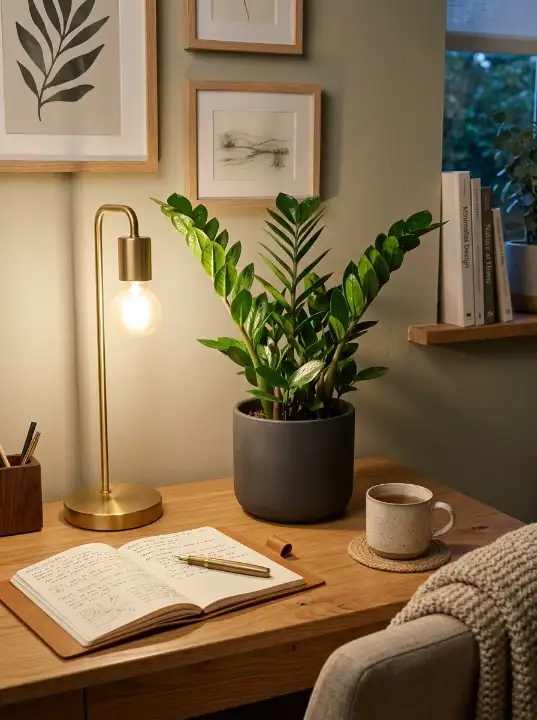
A ZZ plant brings glossy, polished foliage to a low light office without making the desk feel busy. Its rounded leaves contrast nicely with wooden surfaces and neutral accessories, giving a practical workspace a richer, more finished appearance.
The plant works especially well when your office sits away from a bright window. Let the soil dry between waterings, keep the pot neatly positioned beside your supplies, and use warm accessories to create a cozy, organized workspace.
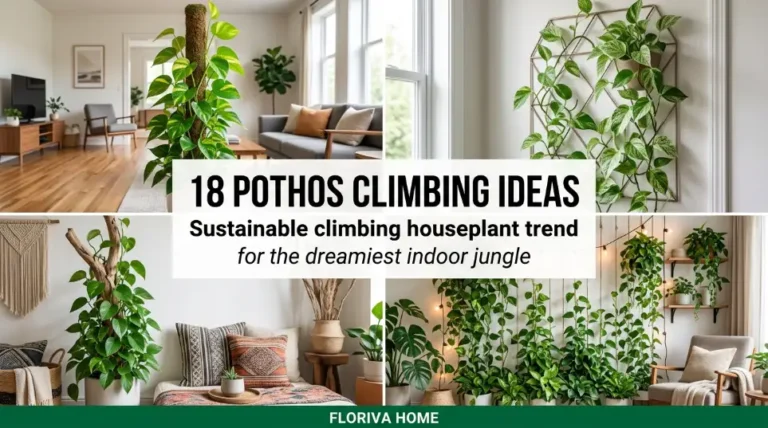
3. Pothos
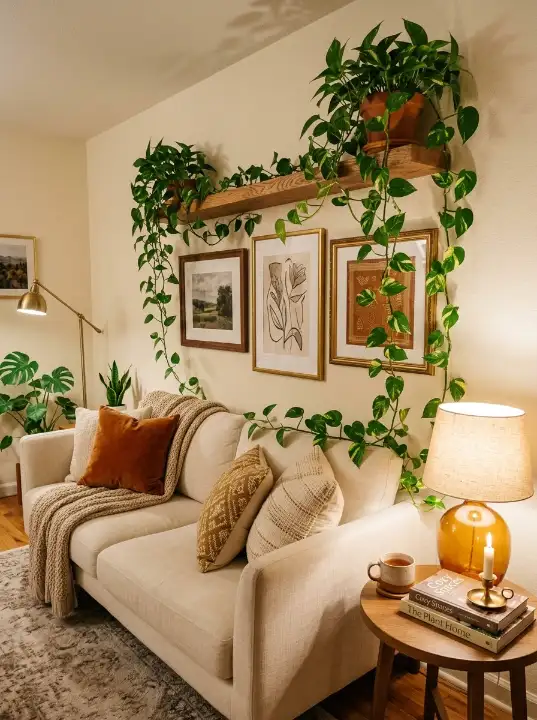
Golden pothos can soften the clean lines of shelves, framed artwork, and modern furniture. Its trailing stems create movement, while variegated heart shaped leaves add a gentle pattern that keeps neutral living spaces from looking flat or sterile.
Because pothos tolerate lower light, it can brighten a living room that lacks direct sunshine. Let the vines trail naturally, water when the upper soil feels dry, and trim overly long stems when needed for a lush, effortless look.
4. Chinese Evergreen
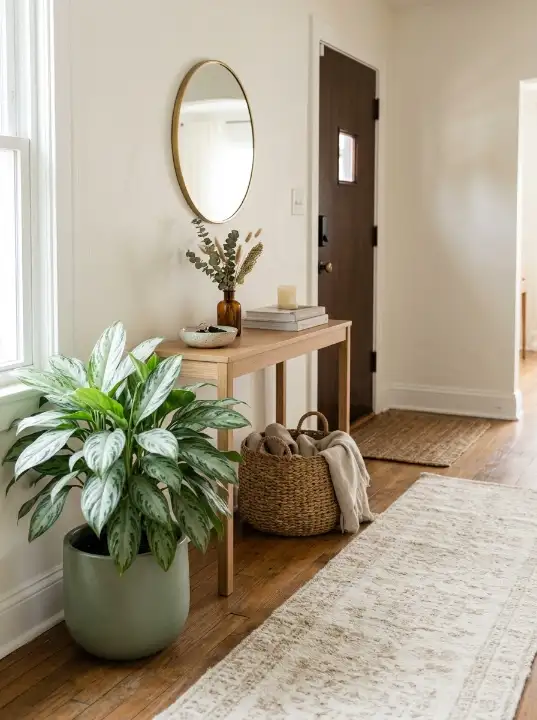
The Chinese evergreen gives an entryway a leafy focal point without requiring a sunny position. Its patterned silver green leaves stand out against neutral furniture, while a rounded planter echoes softer shapes and keeps the entrance feeling welcoming and balanced.
Place this plant where it receives gentle indirect light rather than harsh rays. Keep the soil lightly moist but never soggy, and rotate the pot occasionally for even growth. Its polished appearance works beautifully in contemporary or traditional entryways.
5. Cast Iron Plant
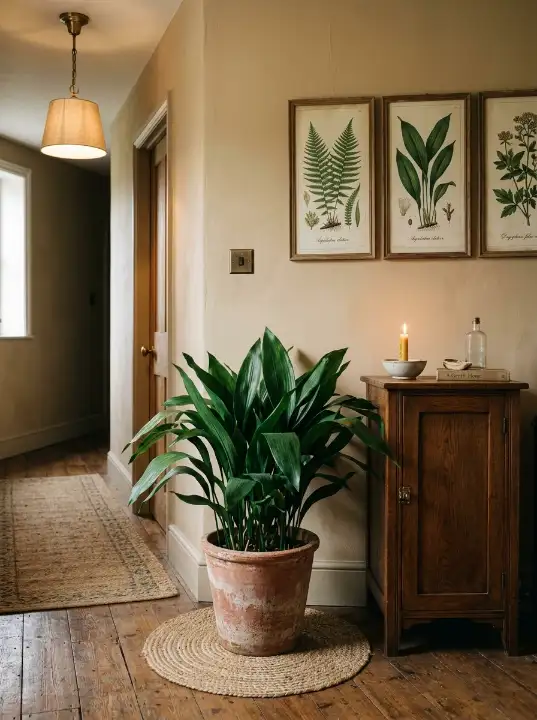
The cast iron plant suits darker hallways because its broad, deep green leaves add volume without overwhelming a narrow space. Its sturdy foliage creates a timeless natural accent that pairs beautifully with wooden furniture, neutral walls, and botanical artwork.
This plant is especially useful where brighter varieties may struggle. Give it indirect light, allow the surface of the soil to dry slightly between watering, and avoid constant overwatering. Its resilient nature makes it ideal for busy households.
6. Parlor Palm
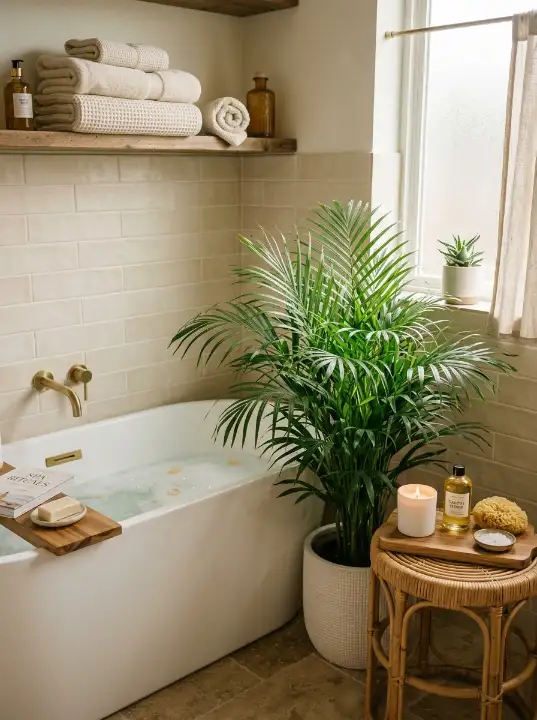
A parlor palm brings delicate height and movement beside a bathtub or bathroom vanity. Its feathery fronds soften creamy tiles and neutral accessories, turning an ordinary bathroom corner into a relaxed, spa inspired space with natural texture.
Bathrooms with indirect light can suit this palm particularly well when humidity is comfortable. Keep it away from harsh direct sun, water when the soil begins drying, and provide good drainage. Its graceful foliage instantly creates a calmer atmosphere.
7. Heartleaf Philodendron
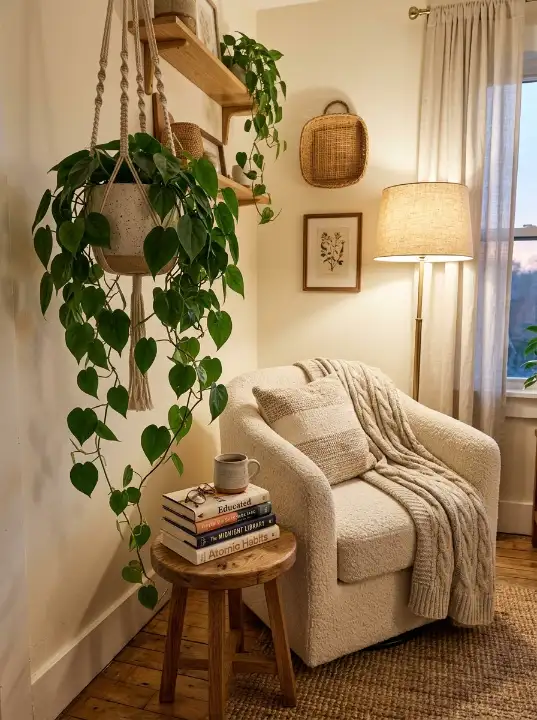
The heartleaf philodendron makes reading nooks feel softer by cascading from hanging planters or shelves. Its heart shaped leaves add organic movement around books, chairs, and small tables, while the vertical placement keeps valuable floor space open.
This vine handles lower light and works beautifully where a floor plant might feel bulky. Keep it in bright indirect or moderate light when possible, water after the upper soil dries, and trim trailing stems to maintain its relaxed appearance.
8. Bird’s Nest Fern
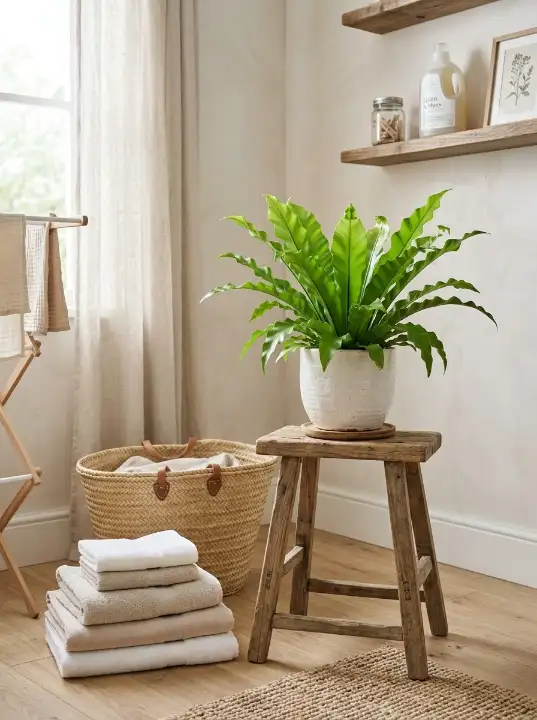
The bird’s nest fern adds fresh volume through its upright rosette of green fronds. Its lush foliage works beautifully in laundry rooms, bathrooms, or shaded corners, especially alongside natural materials such as wicker, wood, and neutral textiles.
This fern appreciates humidity and gentle filtered light. Keep its soil evenly moist without leaving it waterlogged, and avoid pouring water directly into the central crown. With simple care, it can add a lush, tranquil feeling to practical spaces.
9. Dracaena
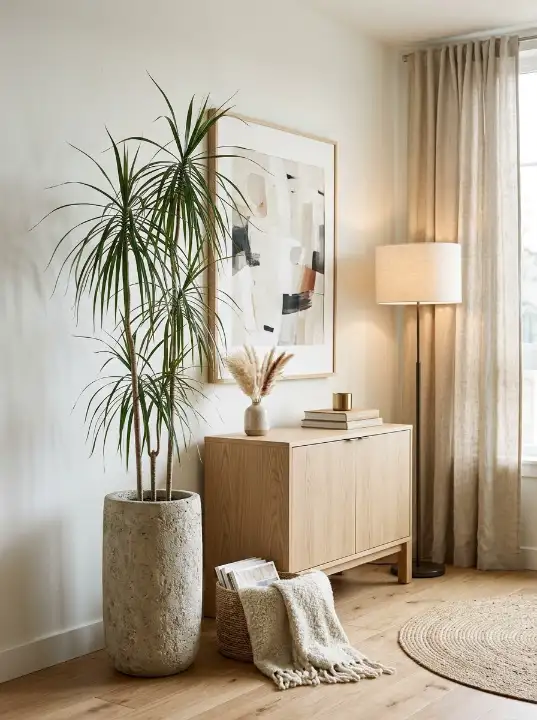
Dracaena plants add vertical interest to minimalist interiors without filling the room visually. Their long, arching leaves create an elegant silhouette that works particularly well beside cabinets, sofas, consoles, and other furniture in compact homes.
Choose a spot with moderate or low indirect light and let the potting mix dry somewhat between waterings. Keep the plant away from strong drafts and rotate it occasionally for balanced growth. Its narrow profile makes it exceptionally versatile.
10. Spider Plant
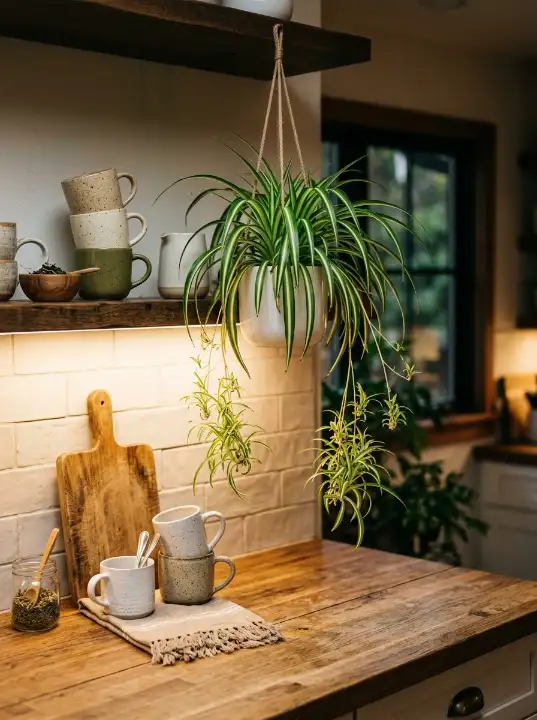
Spider plants add lively movement through arching striped leaves and small plantlets. Hanging one above a kitchen counter keeps preparation space clear while bringing natural greenery into an everyday setting without sacrificing valuable surface area.
Although spider plants enjoy brighter indirect light, they can adapt to moderate lower light conditions. Water when the soil begins drying, provide drainage, and remove tired leaves as needed. Their easygoing growth makes them excellent choices for kitchens.
11. Peace Lily
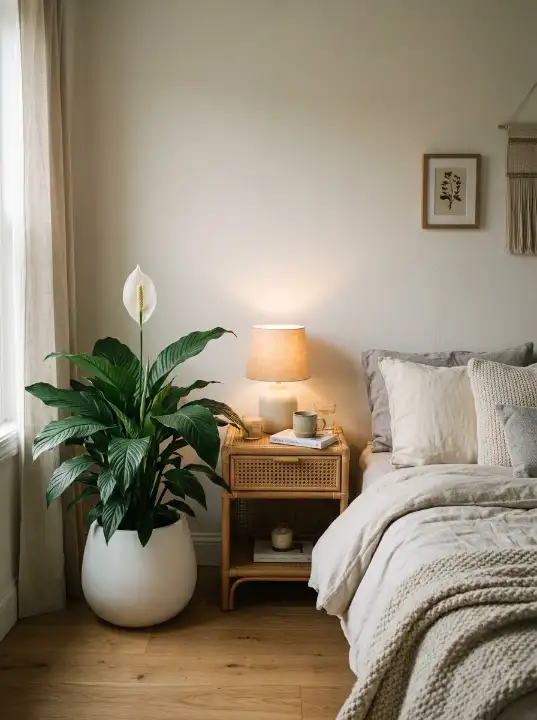
The peace lily creates a graceful focal point through broad dark green leaves and elegant white blooms. Its rounded form pairs naturally with neutral bedrooms and bathrooms, adding delicate contrast while maintaining a serene, softly layered atmosphere.
Peace lilies tolerate lower light, although brighter indirect light usually supports better blooming. Keep the soil evenly moist but not saturated, and give the foliage breathing room. Their white flowers create a beautiful contrast against calm neutral interiors.
12. English Ivy
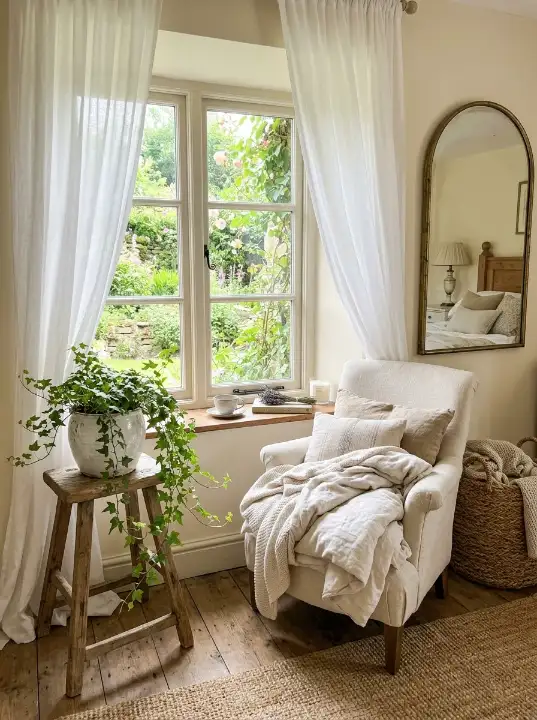
English ivy creates romantic movement through trailing stems that spill naturally from shelves, hanging planters, or stools. Its pointed leaves complement vintage mirrors, woven baskets, and soft textiles, making it particularly attractive for cottage inspired bedrooms.
Keep English ivy in bright indirect or moderate light for stronger growth while avoiding intense direct sun. Water when the surface begins drying, provide drainage, and guide or trim the vines to maintain an attractive cascading shape.
13. Lucky Bamboo
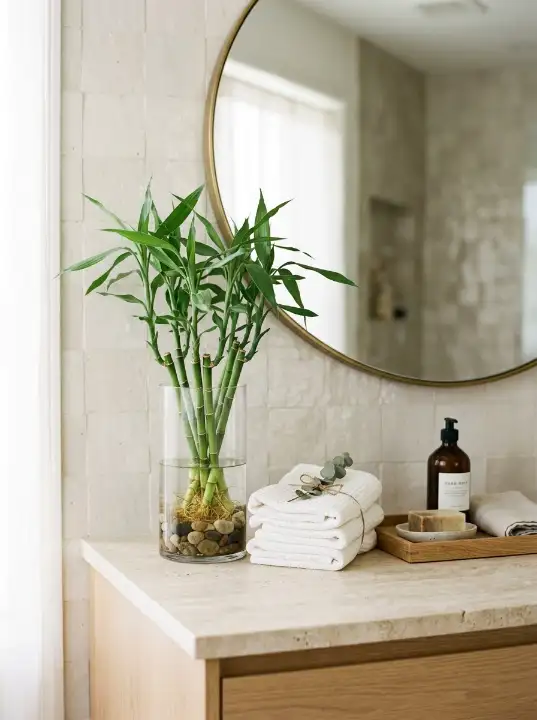
Lucky bamboo brings clean vertical lines and simple greenery to bathrooms, offices, and small shelves. Its slender stalks create an elegant focal point, while growing the plant in a clear vessel can complement minimalist interiors beautifully.
This arrangement suits spaces with gentle indirect light and a calm atmosphere. Keep the water clean when growing lucky bamboo in a vessel, or use well drained soil instead. Its compact shape makes it excellent for limited spaces.
14. Calathea
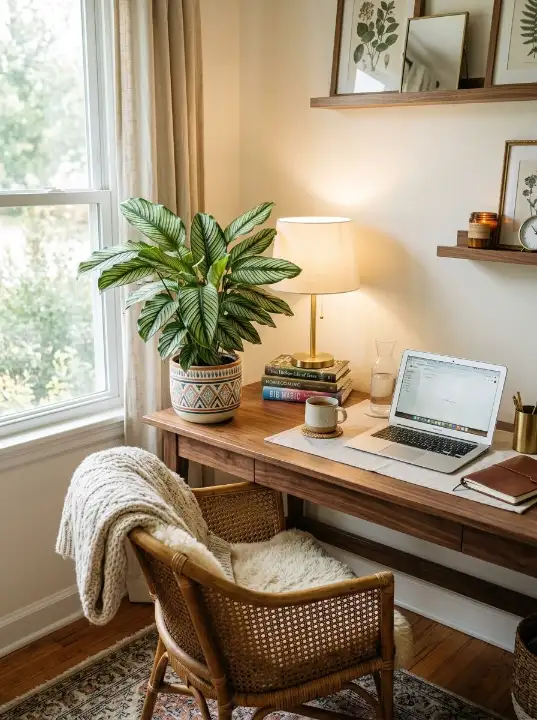
Calatheas bring dramatic patterns to low light friendly interiors through richly marked leaves. Their foliage can become the focal point of an office, bedroom, or living area, adding visual interest without requiring additional decorative elements.
Calatheas generally prefer indirect light, warmth, and consistent moisture. Avoid harsh sunlight that can damage their leaves, maintain comfortable humidity, and water when the upper potting mix begins drying. Their patterned foliage creates an especially memorable indoor display.
15. Prayer Plant
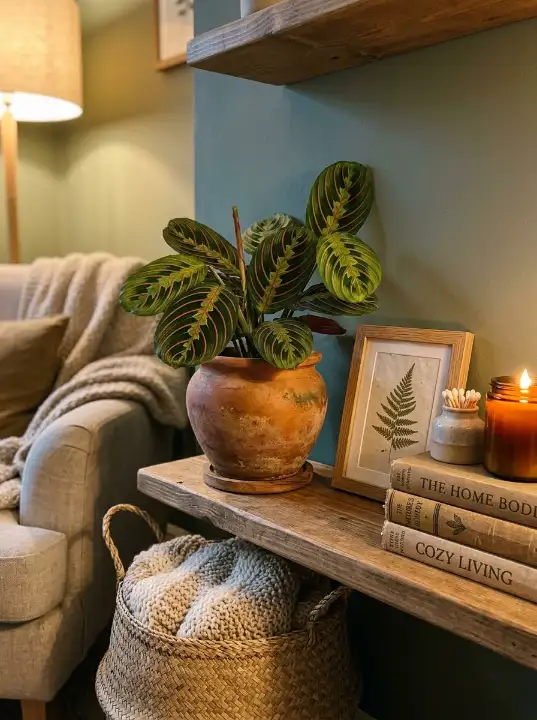
Prayer plants add playful movement through colorful striped leaves that naturally fold and lift. Their compact growth makes them excellent choices for shelves, reading corners, bedrooms, and desks where a smaller plant can provide noticeable visual interest.
Give prayer plants indirect light and consistent moisture, allowing the top layer to dry slightly rather than becoming completely dry. Maintain comfortable humidity and avoid harsh sunlight. Their distinctive foliage makes them particularly attractive for cozy, layered interior styling.
16. Nerve Plant
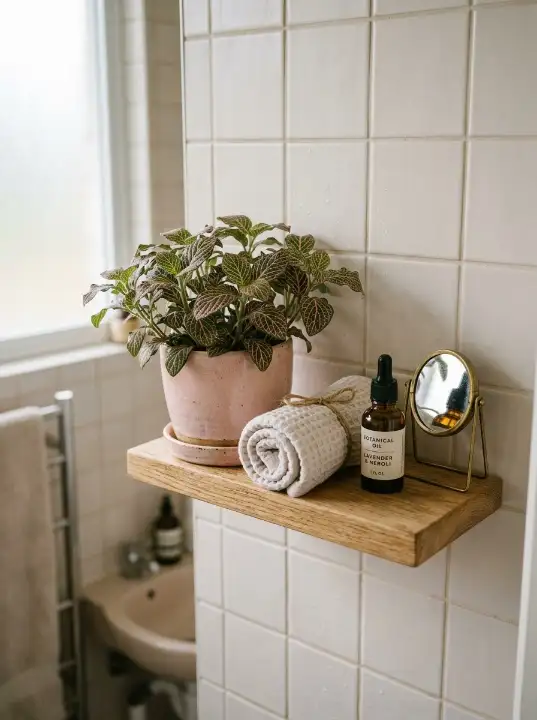
Nerve plants bring delicate detail to small indoor spaces through intricately veined leaves. Their compact size makes them especially useful for bathroom shelves, vanities, desktops, and other areas where larger plants would quickly become overwhelming.
This plant appreciates humidity and indirect light, making bathrooms especially suitable when conditions are comfortable. Keep the soil consistently lightly moist, provide drainage, and avoid strong direct rays. Its colorful veins can create a charming micro jungle effect.
17. Boston Fern
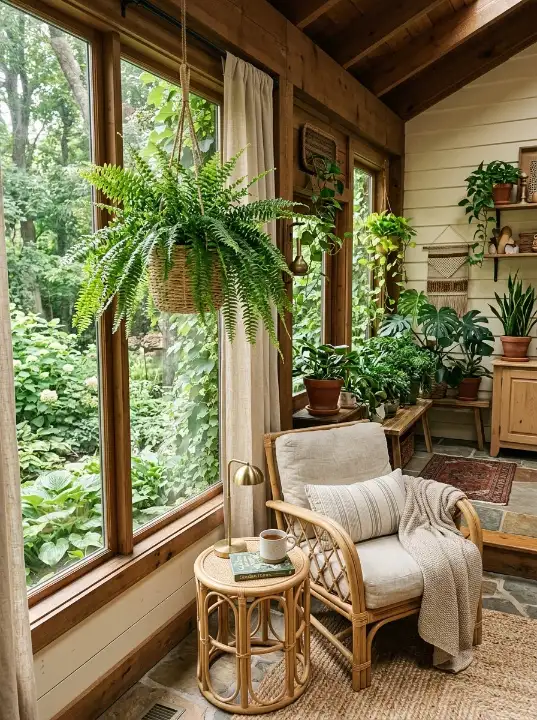
Boston ferns fill shaded spaces with flowing texture through their long, arching fronds. They work beautifully in bathrooms, covered porches, sunrooms, and living spaces, particularly when displayed in hanging baskets that add greenery without using floor space.
Boston ferns prefer humidity and consistent moisture, plus bright filtered light rather than strong direct rays. Keep the soil from drying completely, provide good drainage, and increase humidity when needed. Their cascading foliage creates an instantly lush indoor atmosphere.
18. Peperomia
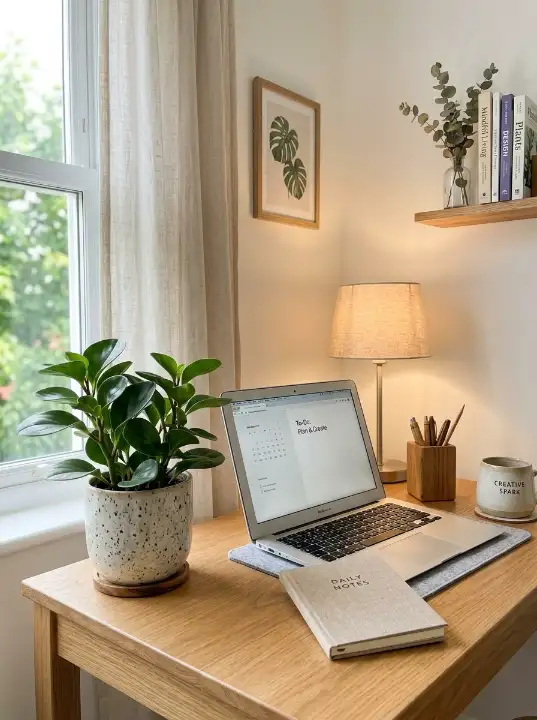
Peperomias add compact greenery through thick, rounded leaves that suit desks, shelves, and small side tables. Their small footprint makes them practical for apartments and workspaces where you want greenery without sacrificing valuable surface area.
Peperomias generally appreciate moderate indirect light and should not stay constantly wet. Let the potting mix dry somewhat between waterings, use a drainage hole, and keep the plant away from intense direct sun for healthier growth.
19. Monstera
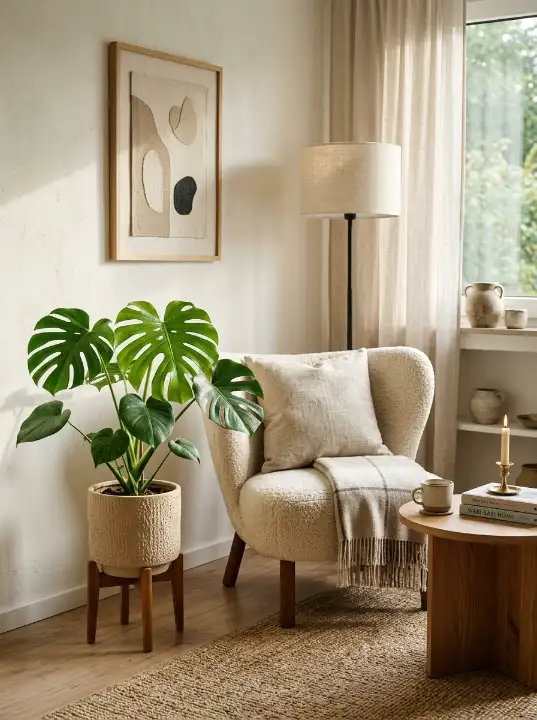
Young monsters add bold tropical character through large leaves that develop distinctive splits as they mature. Their sculptural foliage works beautifully in living rooms, bedrooms, and spacious corners where a statement plant can become part of the decor.
Monsteras prefer bright indirect light, although young plants can adapt to somewhat lower light with slower growth. Water after the upper soil dries, provides drainage, and avoids sudden harsh sunlight. Give the plant enough space for its leaves to develop.
20. Philodendron Brasil
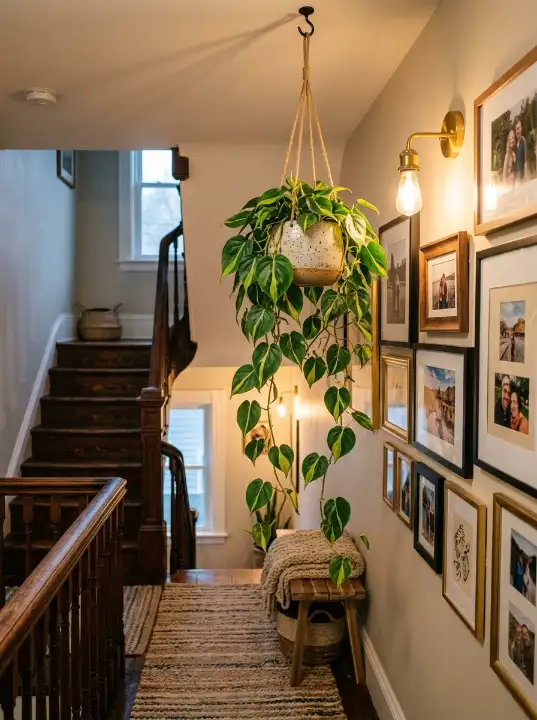
Philodendron Brasil adds lively movement through cascading heart shaped leaves marked with golden green striping. Its trailing growth works beautifully in hanging planters, shelves, stairway landings, and narrow areas where floor space is limited.
Give this trailing philodendron moderate indirect light to help maintain attractive striping, although it can tolerate somewhat lower conditions. Water when the top layer dries, trim wandering stems, and guide the vines naturally around their planter for an attractive display.
21. Dracaena Janet Craig
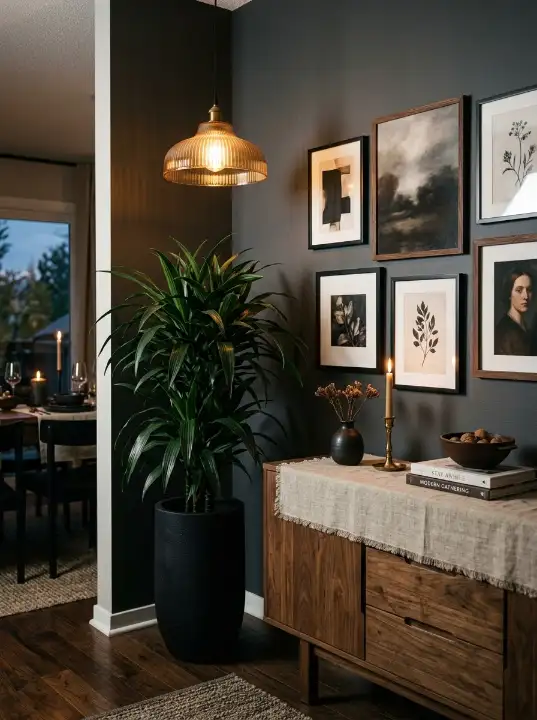
Dracaena Janet Craig brings dense dark green foliage to rooms where lower light and sophisticated styling come together. Its upright silhouette works especially well beside sideboards, dining furniture, consoles, and other pieces that benefit from a tall natural accent.
This dracaena is valued for handling lower indoor light. Let the soil dry between waterings, avoid keeping the roots saturated, and give the plant enough space for upright growth. Its deep green foliage complements warm lighting and modern interiors beautifully.
22. Fittonia
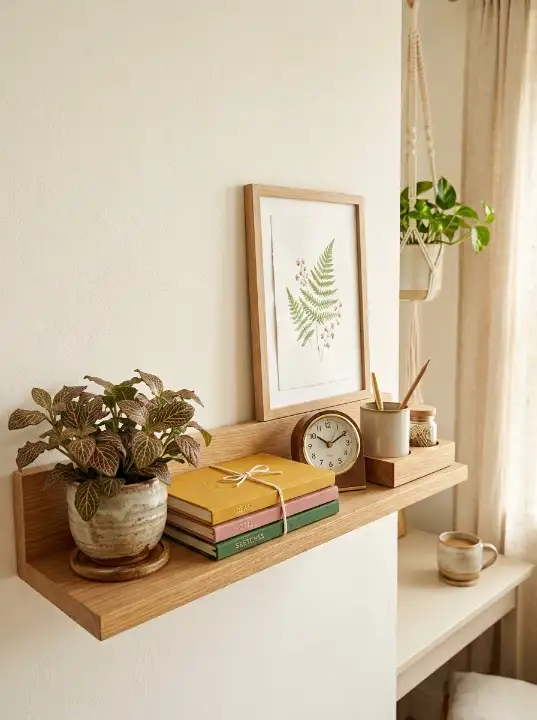
Fittonia creates playful detail through intricate veins across its small, colorful leaves. Its compact size makes it ideal for office shelves, bathroom counters, desks, and other small corners where you want a noticeable pop of greenery without a large footprint.
Fittonia prefers humidity, warmth, and indirect light, making a protected indoor shelf a good setting. Keep the soil evenly moist without leaving it waterlogged, and avoid intense direct rays. Its compact growth makes it especially appealing for small-space decorating.
Conclusion
Low light rooms do not have to feel empty or disconnected from nature. These 22 indoor plants offer flexible ways to add height, texture, trailing movement, and calming green accents throughout your home. Start with one variety that matches your room’s light and styling, then build a collection around it.
Which plant would you place first? Save this guide to your Pinterest boards, share it with a fellow plant lover, and return whenever you need low light decorating inspiration for another cozy corner at home.
Frequently Asked Questions
1. Can indoor plants survive in rooms with no sunlight?
Most plants still need some light to survive, even when they tolerate low light. If a room has virtually no natural light, consider using a suitable grow light. Low light plants can handle dimmer conditions, but completely dark rooms are not suitable for healthy long-term plant growth.
2. How often should I water low light indoor plants?
Watering frequency depends on the plant, pot size, soil, humidity, and room conditions. As a general rule, check the soil before watering and avoid keeping it constantly wet. Many low light plants need less water because they typically grow more slowly and use moisture more gradually.
3. Which low light plants are best for small spaces?
Compact options such as peperomia, fittonia, nerve plants, lucky bamboo, and prayer plants work well in small spaces. They can fit comfortably on desks, shelves, bathroom counters, and narrow surfaces while adding attractive greenery without taking up much floor or furniture space.