
22 Garden Design Ideas to Rescue a Boring Yard Today
A boring yard does not always need an expensive makeover to look beautiful. Sometimes, the problem is simply a lack of structure, interesting textures, defined spaces, or thoughtful details. Even a small change, such as creating a curved flower bed or adding a welcoming seating corner, can make your outdoor space feel more inviting.
These 22 garden design ideas will help you rethink your yard with practical upgrades, creative planting arrangements, and attractive features that suit different spaces and budgets. Whether you have a compact backyard, a plain front lawn, or an outdoor area that feels unfinished, you can find inspiration to make it more colorful, comfortable, and full of personality.
From layered planting and decorative pathways to cozy garden corners, these ideas focus on changes that look beautiful while remaining practical to maintain.
1. Create Curved Flower Beds for a Softer Garden Layout
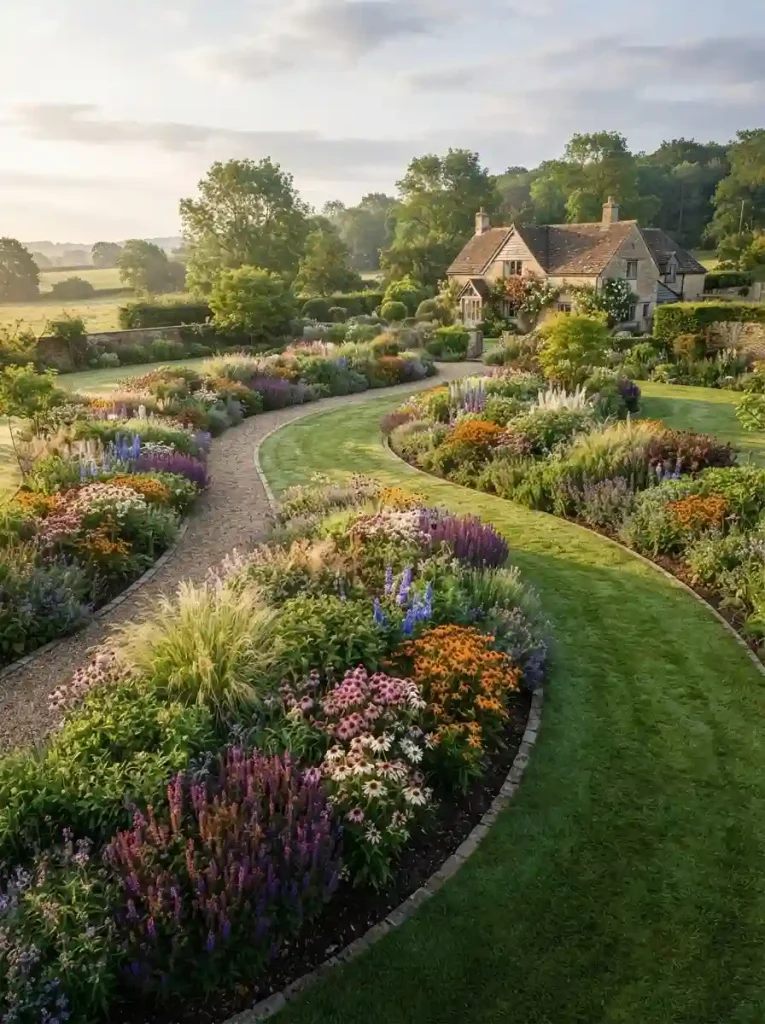
A yard with straight lawn edges can look flat and predictable. Curved flower beds introduce movement and give the landscape a more natural appearance. Instead of separating the lawn from the planting area with rigid lines, create gentle curves that guide the eye around the garden.
Plant low-growing flowers along the front edge, medium-height perennials in the middle, and taller ornamental grasses or shrubs toward the back. Choose plants that complement one another in color and growing conditions. Repeating a few varieties along the curves will help the entire design feel connected rather than crowded. For a polished finish, use clean edging or maintain a sharp spade-cut border. Mulch can create a consistent background and help reduce weeds.
2. Design a Welcoming Garden Entrance With Potted Plants
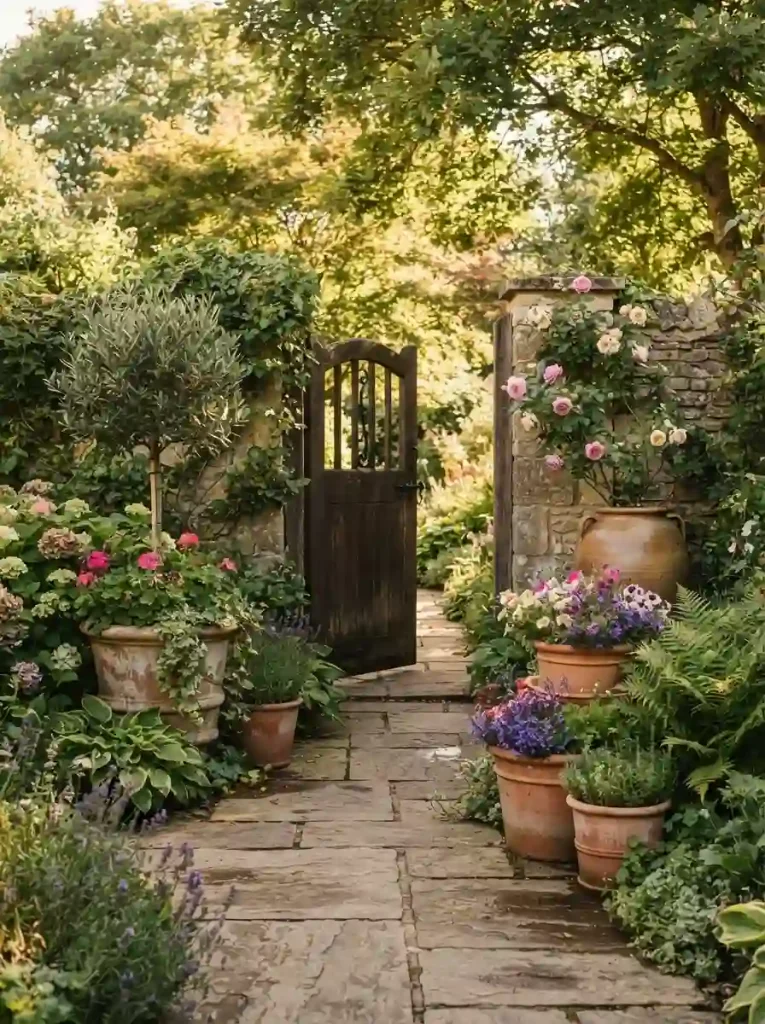
An attractive entrance can change the way your entire yard feels before anyone steps inside. If your gate, front path, or doorway looks bare, arrange a few well-chosen containers to create a welcoming transition between the house and garden.
Use different pot heights to add dimension without making the entrance feel cluttered. A pair of larger containers can frame the doorway, while smaller pots filled with seasonal flowers bring color closer to the path. Choose pots that complement your home’s exterior, and make sure every container has adequate drainage and does not obstruct the walking route.
3. Add a Stone Pathway to Give the Yard More Structure
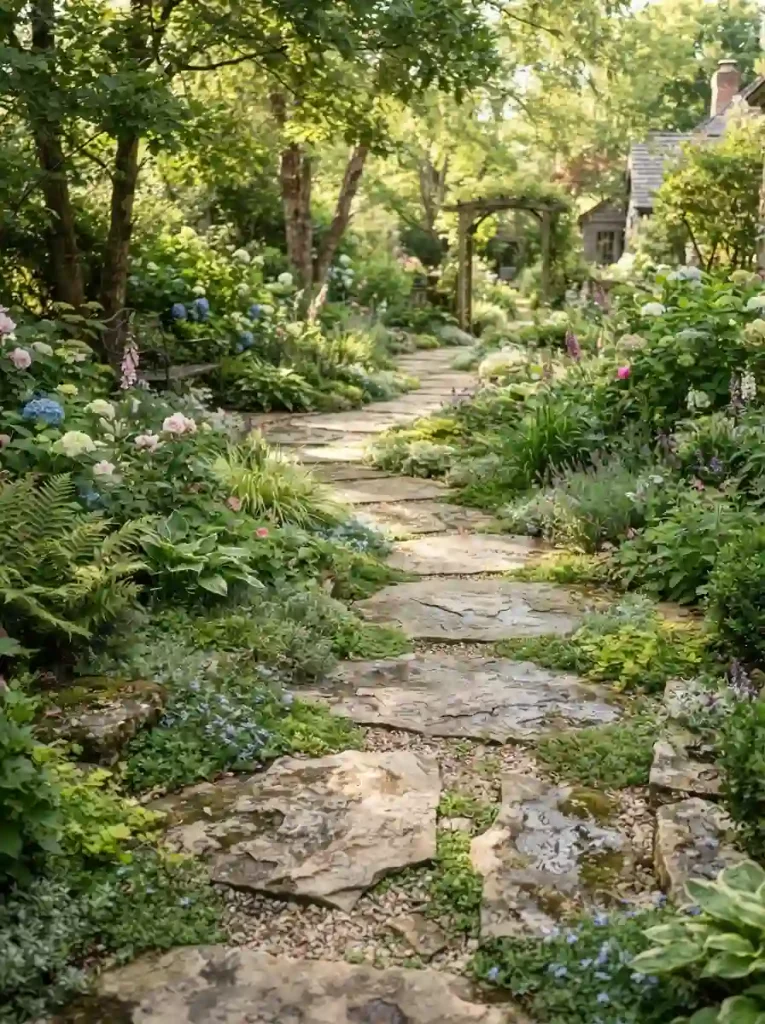
A yard without a clear walking route can feel unfinished, even when it has plenty of attractive plants. A stone pathway provides direction, connects different areas, and makes the garden easier to explore. It also creates a visual feature that stands out against grass, gravel, or groundcover.
For a relaxed garden, consider irregular natural stepping stones surrounded by creeping groundcover. Large rectangular pavers work well in modern landscapes, while gravel paths with stone edging suit informal spaces. Choose a route that connects useful destinations, such as the patio, garden gate, seating area, or planting beds. Prepare the base properly, consider drainage, and place stones securely with comfortable spacing.
4. Transform a Blank Fence With Vertical Greenery
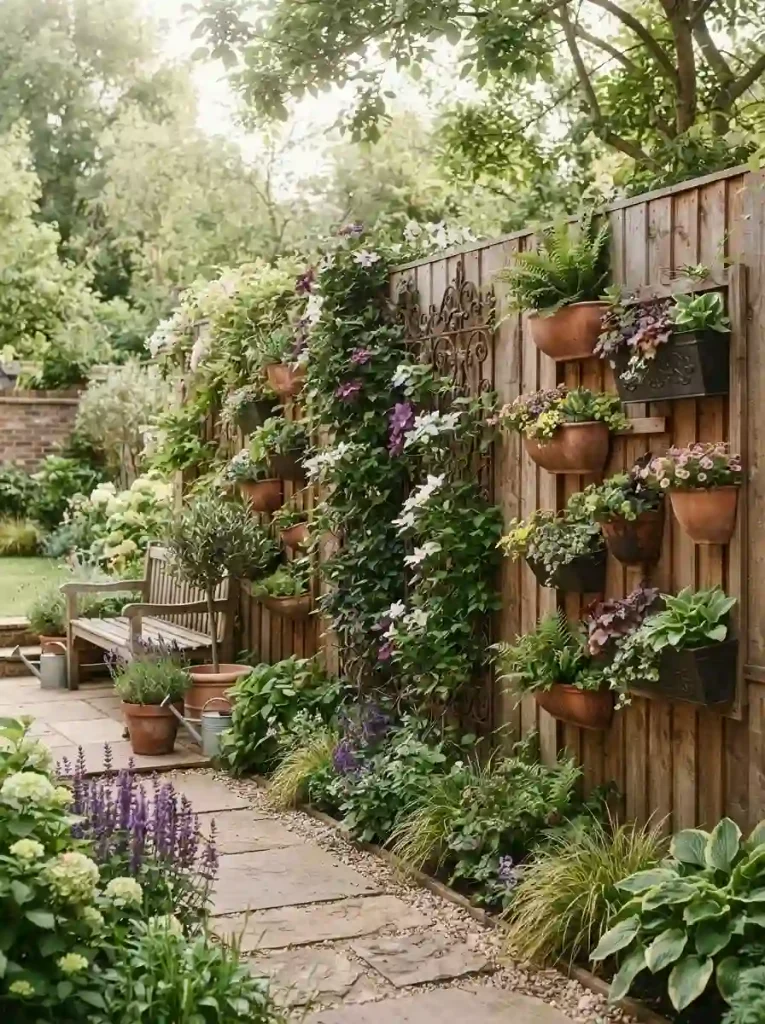
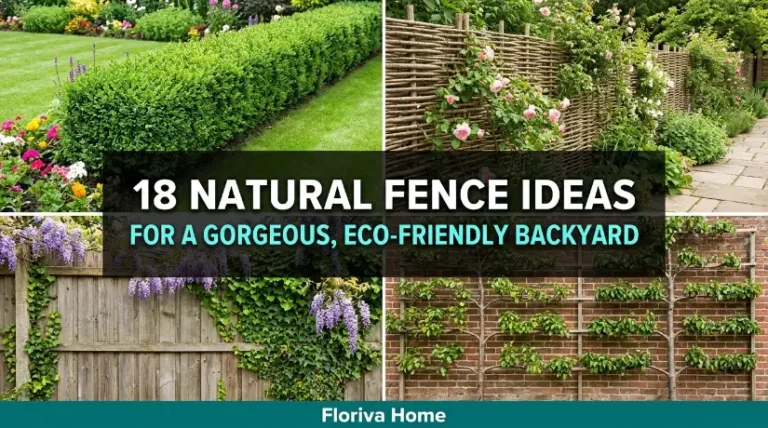
A large, empty fence can make an otherwise attractive yard feel plain and enclosed. Turning it into a green backdrop adds depth, softens hard surfaces, and creates more visual interest without using much ground space.
Install sturdy trellises, wall-mounted planters, or climbing supports to introduce greenery at different heights. Flowering climbers can bring seasonal color, while evergreen foliage helps maintain a leafy appearance for more of the year. Check sunlight before choosing plants, secure supports properly, and leave room to maintain the fence and trim growth.
5. Build a Small Seating Corner Surrounded by Plants

A beautiful garden should be somewhere you can enjoy, not just admire from a window. Creating a small seating corner gives an unused patch of lawn or an awkward garden edge a clear purpose. It can become a quiet place for morning coffee, reading, or relaxing outdoors.
Start with two weather-resistant chairs and a compact side table. Position them near attractive planting, such as ornamental grasses, flowering shrubs, or fragrant herbs. A simple gravel base or a few outdoor pavers can define the seating area. Taller planters, a trellis, or carefully placed shrubs can add privacy without completely closing off the space.
6. Use Raised Garden Beds to Create a Neat Planting Area

Raised garden beds give a yard a more organized appearance while making planting and maintenance easier. They are especially useful when the existing soil is poor, the ground is uneven, or you want to separate flowers, herbs, and vegetables into distinct areas.
Choose a material that suits your outdoor style. Natural wood creates a relaxed look, while stone or masonry gives the garden a more permanent finish. Fill the beds with suitable growing soil and select plants according to sunlight, moisture, and available space. Leave enough room between each bed for comfortable access, watering, harvesting, and routine maintenance.
7. Create a Colorful Border Along the Lawn

A large stretch of plain grass can make a yard feel empty, even when there is plenty of room for planting. A colorful border along the lawn introduces contrast, frames the open space, and creates a more finished landscape without removing the grass entirely.
Combine plants with different flower colors, leaf shapes, and heights. Place taller plants toward the back and shorter varieties near the lawn edge to keep the arrangement visually clear. Repeat a few favorite plants along the border rather than choosing a different variety for every section. Select flowers that suit your local climate and sunlight conditions.
8. Add a Decorative Gravel Garden for a Modern Look
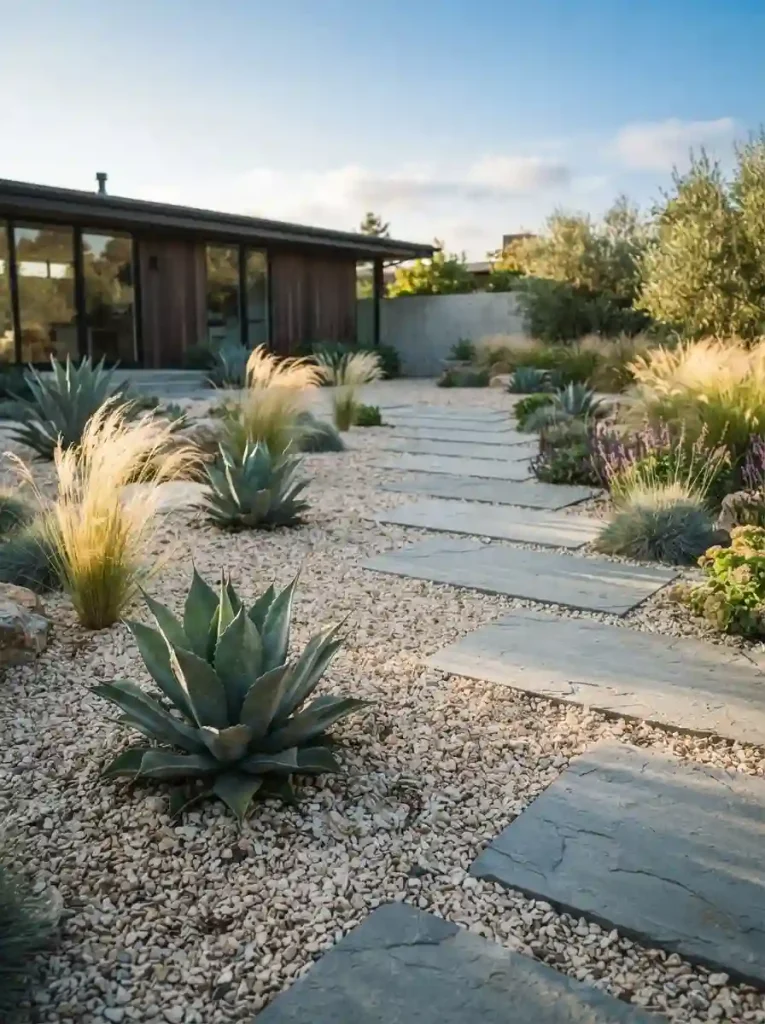
If your yard looks dull but you do not want to maintain extensive flower beds, a gravel garden offers an attractive alternative. The combination of stone, carefully selected plants, and clean lines creates a contemporary appearance while reducing the amount of lawn that needs mowing.
Start with a limited palette of materials. Pale gravel can brighten a shaded corner, while darker stone creates contrast against silver or green foliage. Add ornamental grasses, drought-tolerant perennials, or sculptural plants that suit your climate. Prepare the ground carefully, plan drainage, and remember that gravel gardens still need occasional weeding and plant care.
9. Introduce a Small Water Feature for a Calming Atmosphere
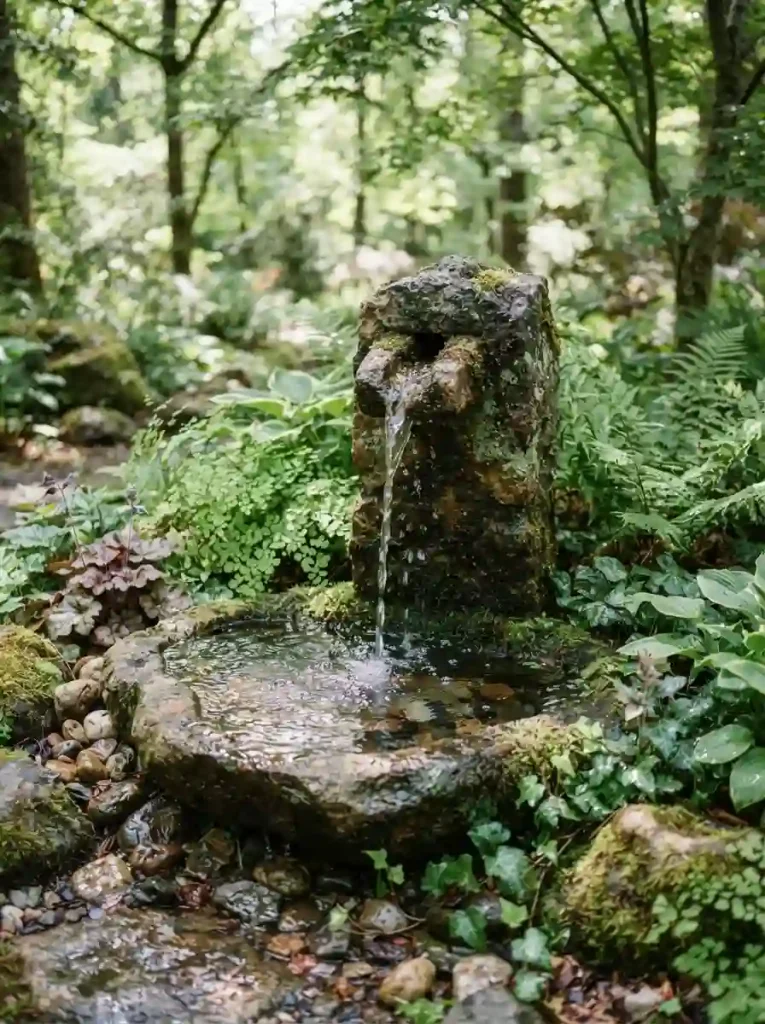
A quiet water feature can become the focal point that a plain yard is missing. Moving water adds sound, reflects light, and gives the garden a sense of movement that plants and paving alone may not provide.
You do not need a large pond to achieve this effect. A compact recirculating fountain, a simple bubbling bowl, or a small lined pond can fit into a modest garden. Surround the feature with moisture-tolerant plants and attractive stones. Consider pump access, regular cleaning, safe water management, and the needs of children or pets.
10. Use Layered Planting to Make Flat Spaces Feel Fuller

One reason a yard can feel boring is that everything sits at roughly the same height. Layered planting solves this problem by creating a series of visual levels, making the garden feel deeper and more established without necessarily increasing its footprint.
Begin with low groundcover or compact edging plants, then add medium-height flowers and leafy perennials. Taller grasses, shrubs, or small ornamental trees can anchor the back of the planting area. Consider how plants will look throughout the year, and leave sufficient space between them to prevent overcrowding.
11. Turn an Awkward Corner Into a Mini Garden Retreat
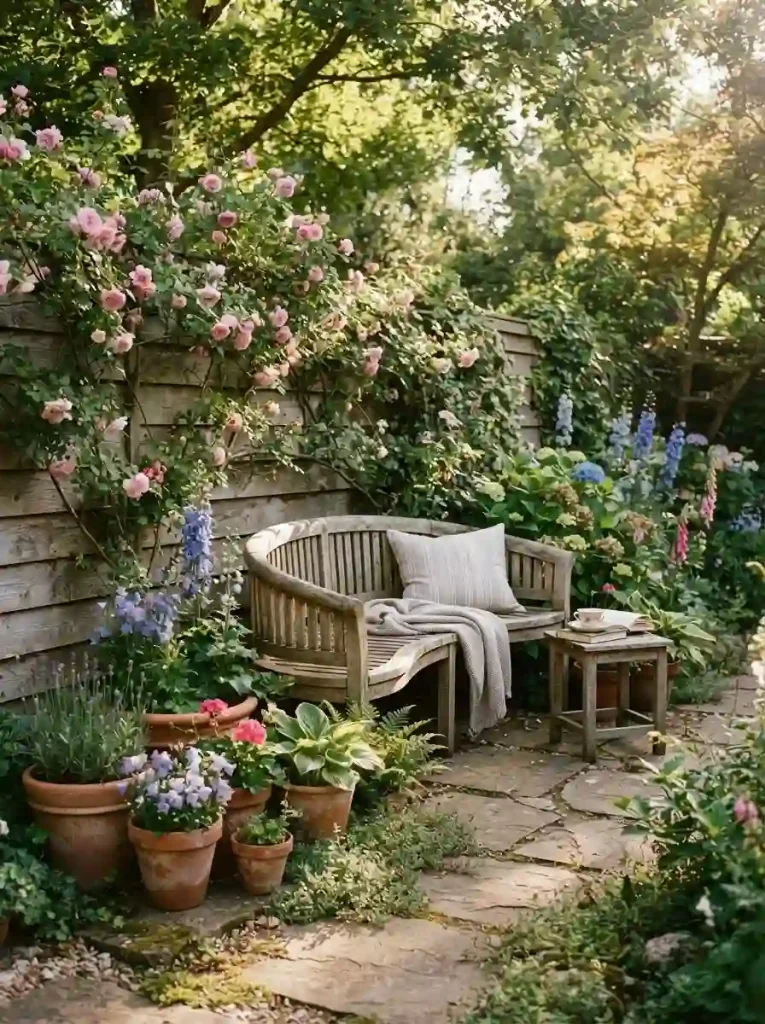
An awkward corner often becomes a forgotten part of the yard, especially when it sits beside a fence, shed, or house wall. Instead of leaving it empty, give the area a purpose with a small planting arrangement or a comfortable place to sit.
A curved bench, one attractive container, and a compact flower bed can be enough to make the corner feel intentional. If the space is narrow, use vertical supports for climbing plants and keep the ground area open. Choose plants suited to the available light, and avoid overcrowding the corner with furniture or decorations.
12. Add a Pergola to Create an Outdoor Focal Point
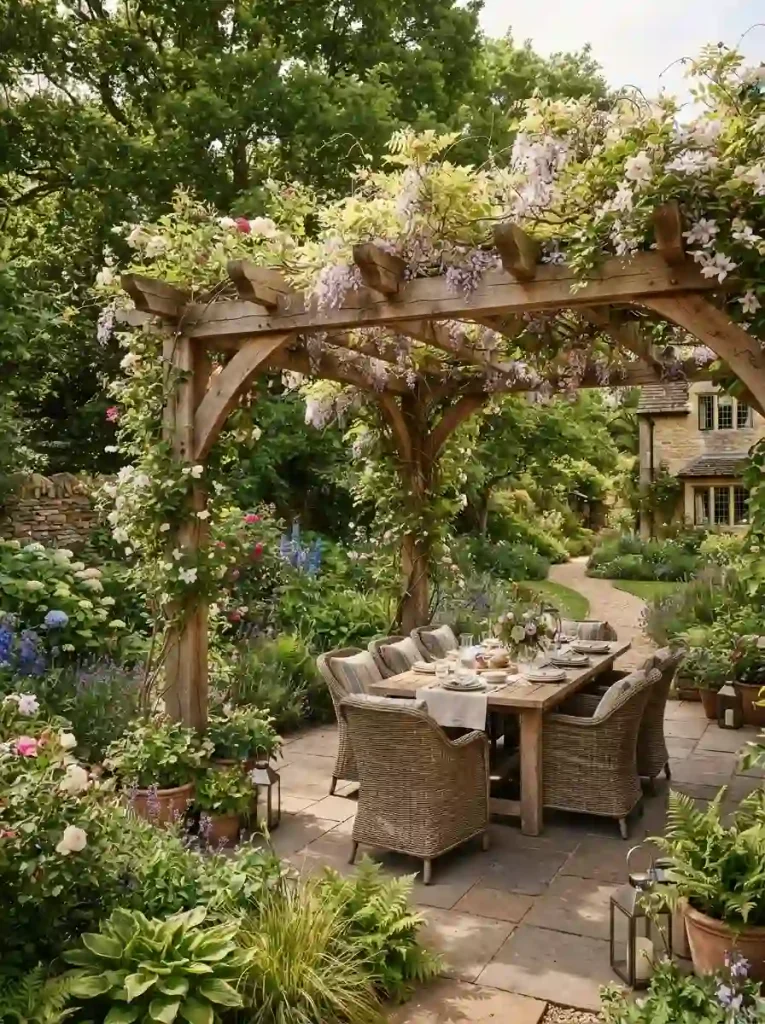
A pergola can transform an ordinary patch of grass into a defined outdoor living area. Its open structure adds height, creates architectural interest, and provides a natural place for dining, relaxing, or entertaining guests.
Position it over a patio, beside a garden pathway, or at the far end of the lawn to create a destination within the landscape. Add climbing plants if they suit your climate, or keep the structure clean and minimal for a modern look. Consider size, shade, drainage, structural requirements, and comfortable clearance around the structure.
13. Plant Ornamental Grasses for Movement and Texture

Ornamental grasses are an easy way to introduce movement into a garden that feels static. Their narrow leaves and delicate flower plumes sway in the breeze, creating a softer appearance than rigid hedges or tightly clipped shrubs. Many varieties also provide attractive texture beyond their flowering season.
Use taller grasses as background planting, group medium-sized varieties along a pathway, or place compact grasses between flowering perennials. Repeating the same grass in several places helps the garden feel connected. Choose varieties according to their mature height, spread, and water needs, and check whether a species is suitable for your region.
14. Design a Color-Coordinated Garden for a Polished Look
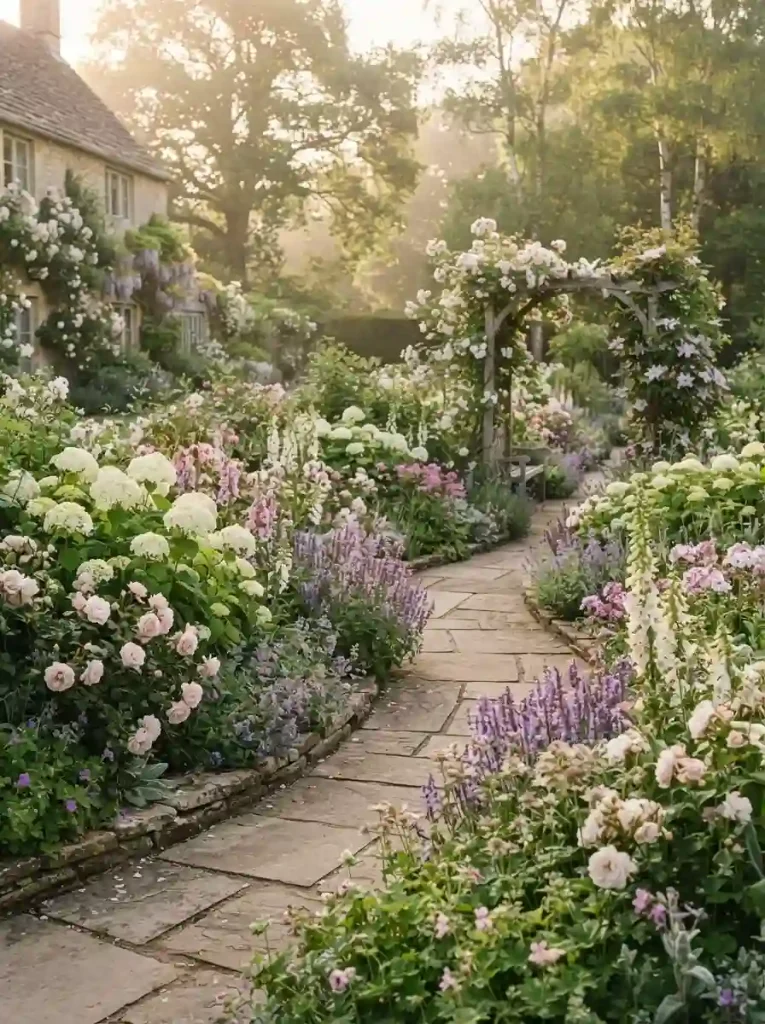
A garden can look messy when too many colors compete for attention. Choosing a simple color palette creates a more harmonious appearance and helps even an inexpensive planting scheme feel carefully planned.
For a peaceful garden, combine white flowers with pale pink blooms and fresh green foliage. For a dramatic look, use deep purple flowers alongside burgundy leaves and silver-toned plants. Repeat chosen colors throughout the planting beds, and consider foliage color and flowering times so the design remains consistent across the seasons.
15. Install a Garden Arch to Frame a Pathway
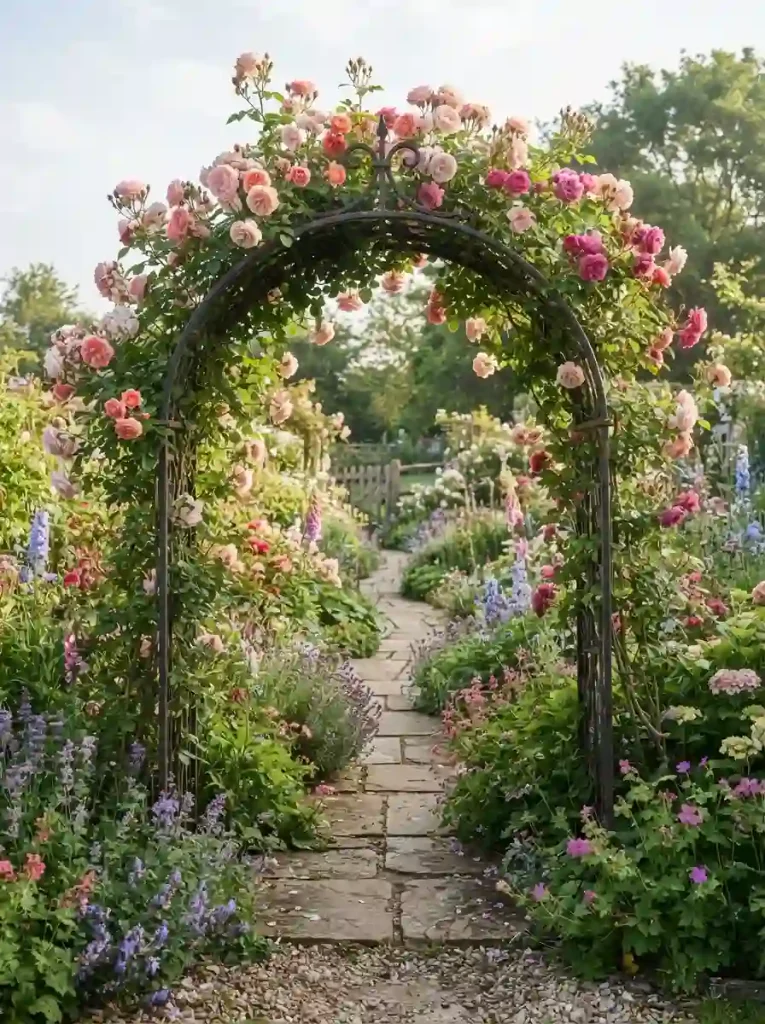
A garden arch introduces height and creates a memorable transition between different parts of your yard. It can turn an ordinary path into an attractive entrance, frame a view of the garden, or make a small outdoor area feel more spacious.
Choose a metal or timber arch that complements your existing landscape. Plant suitable climbing roses, clematis, or other locally appropriate climbers around its base. Place the arch where it serves a clear purpose, secure it properly, allow enough walking clearance, and keep vigorous growth trimmed away from the route.
16. Make a Statement With an Oversized Garden Planter
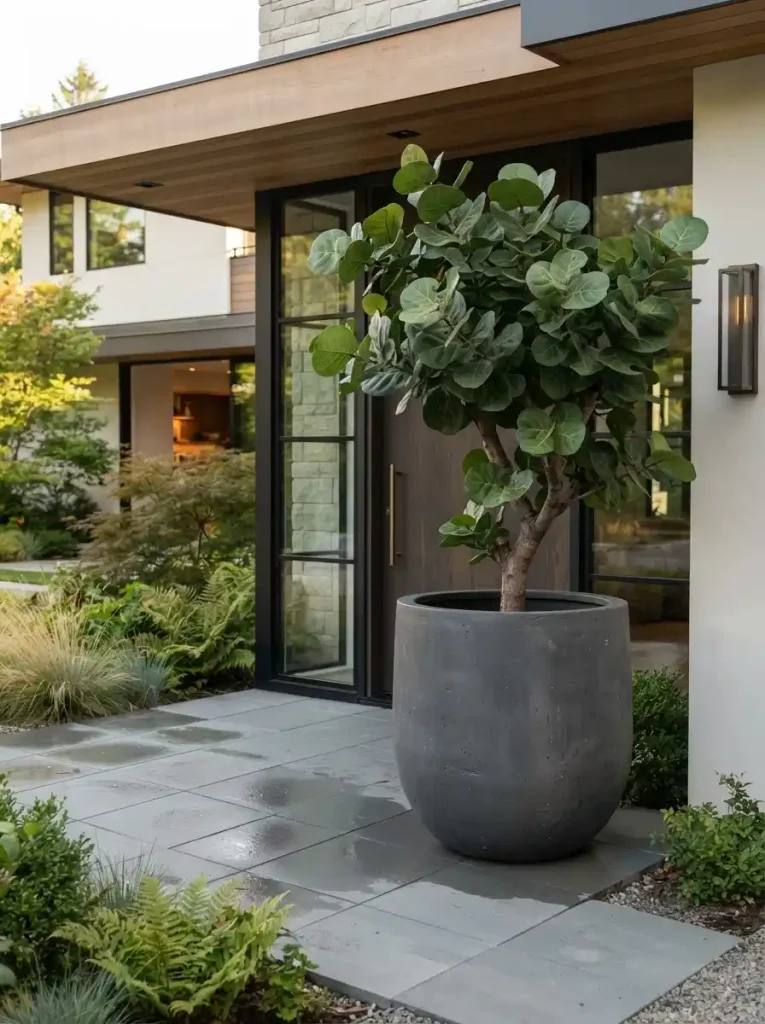
Sometimes a yard needs one strong focal point rather than several small decorations. An oversized planter can provide that visual anchor, particularly beside an entrance, at the corner of a patio, or at the end of a pathway.
Choose a container with a shape and finish that suits the house. Fill it with a plant that has an interesting silhouette, such as a compact shrub, architectural foliage, or suitable ornamental grass. Keep the surrounding area relatively simple, check that the container has drainage, and position it carefully before filling it with soil.
17. Add a Living Privacy Screen With Shrubs

A yard can feel exposed when neighboring properties, roads, or nearby buildings remain constantly visible. A living privacy screen helps create a more secluded atmosphere while adding greenery and structure to the landscape.
Depending on your space, use evergreen shrubs, narrow-growing trees, or a mixed border of plants with different heights. Check mature height and width, root behavior, and local growing requirements before planting. Leave room for maintenance and avoid planting too close to fences or buildings.
18. Create a Butterfly-Friendly Flower Garden
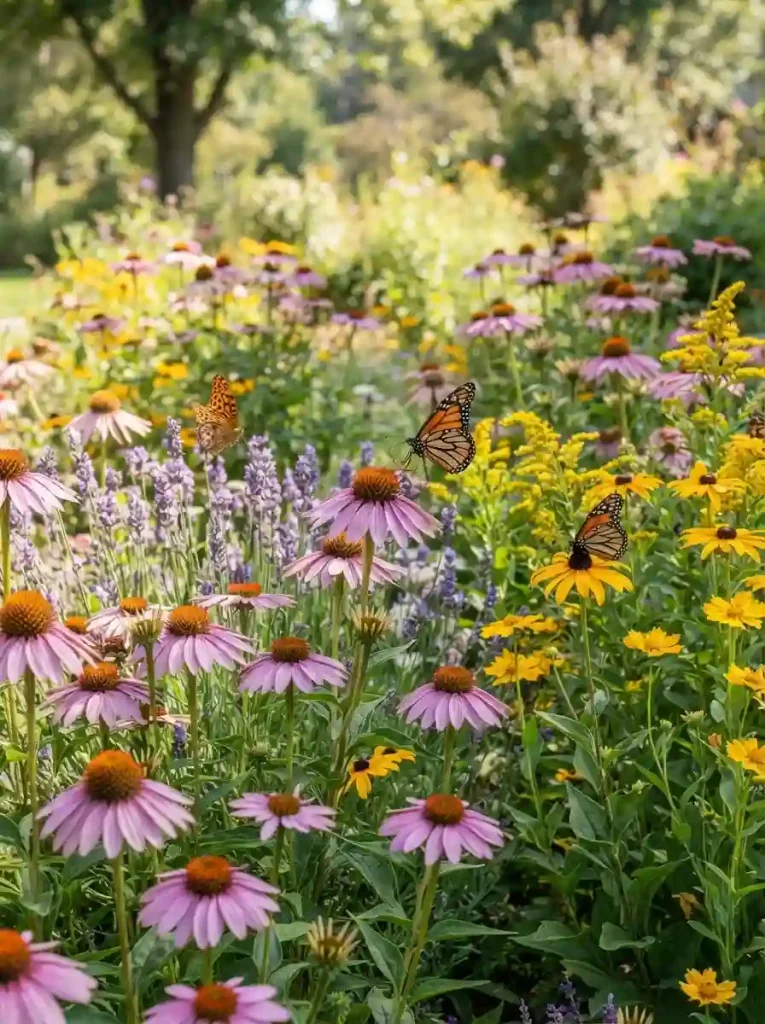
A butterfly-friendly garden adds color and movement while supporting local pollinators. Instead of designing the space solely around appearance, choose flowers that offer nectar and create a more welcoming environment for butterflies and other beneficial insects.
Plant a mix of flowering species with different bloom periods. Coneflowers, lavender, and other pollinator-friendly plants may be suitable depending on your region. Native flowering species can be a useful starting point. Provide a shallow water source where practical, avoid harmful pesticides, and research local host plants if you want to support caterpillars.
19. Use a Small Lawn Island to Break Up Open Space

A large, uninterrupted lawn can make a garden look empty, especially when there are no clear focal points. Creating a small island of lawn surrounded by planting or a contrasting ground material introduces shape and makes the overall layout more interesting.
The island might be a simple oval, a rounded rectangle, or another shape that suits your yard. Surround it with curved flower beds, low shrubs, or a narrow gravel border. Keep the outline easy to maintain and make sure the remaining grass area is large enough for mowing if you want to preserve it as usable space.
20. Introduce Reclaimed Materials for Rustic Garden Character

A garden does not need expensive materials to look distinctive. Reclaimed timber, reused stone, and carefully chosen vintage containers can add character while helping you make better use of materials you already have.
Old bricks can define a planting bed, suitable reclaimed wood can form a rustic border, and repurposed containers can hold herbs or seasonal flowers. Check the condition and previous use of materials before bringing them into a planting area. Avoid wood treated with unknown chemicals and materials that could create sharp edges or unstable surfaces.
21. Add Garden Lighting for a Beautiful Evening Atmosphere

A garden that looks attractive during the day can become difficult to enjoy after sunset without thoughtful lighting. A few carefully positioned lights can highlight pathways, illuminate seating areas, and bring attention to attractive trees or planting beds.
Use low-level path lights to make walking routes easier to see. Subtle spotlights can highlight a small ornamental tree or architectural plant, while warm ambient lighting can make a patio feel more comfortable. Choose outdoor-rated equipment, position cables safely, and consider light spill toward neighboring properties.
22. Create a Multi-Season Garden That Looks Good All Year
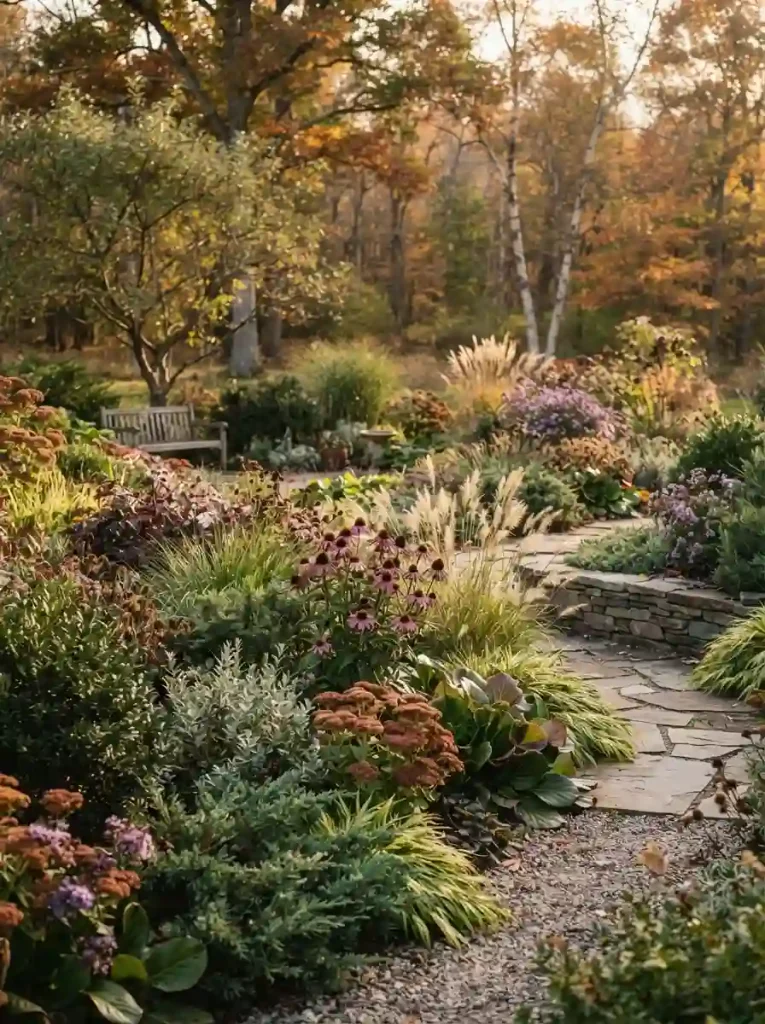
One of the most effective ways to rescue a boring yard is to design it for more than one season. A garden filled with flowers that bloom for only a few weeks can look wonderful temporarily but lose much of its appeal for the rest of the year.
Combine evergreen shrubs, flowering perennials, ornamental grasses, and plants with interesting foliage or seed heads. Spring bulbs can introduce early color, summer flowers provide fullness, and autumn foliage adds warmth. Think about mature plant size, repeat evergreen shapes for structure, and choose varieties suited to your local climate.
Final Thoughts
A boring yard is often an opportunity to create something more personal, useful, and inviting. You do not need to complete all 22 projects at once. Start with the part of your garden that feels most unfinished, then choose one or two improvements that fit your budget, available space, and maintenance preferences.
For a quick visual change, try curved flower beds, coordinated planting, or a statement planter. If you want your yard to feel more functional, consider a stone pathway, a small seating corner, or a pergola. Vertical greenery, ornamental grasses, and living privacy screens can help add depth where the landscape feels flat or exposed.
The most successful garden design ideas combine beauty with practicality. Pay attention to sunlight, drainage, mature plant sizes, and the way people move through the space. With a few thoughtful changes, even a plain yard can become a garden that feels welcoming and worth spending time in.
Frequently Asked Questions
How can I make my garden look better without spending much money?
Start by tidying existing planting beds, redefining lawn edges, dividing suitable established perennials, and rearranging containers you already own. Mulch, simple stepping stones, and a small group of complementary plants can also make a noticeable difference without requiring a complete garden renovation.
What garden design ideas work best for a small yard?
Vertical planting, compact seating corners, raised beds, narrow pathways, and carefully selected containers are useful for small yards. Choose features that serve a clear purpose, and keep the layout open enough for comfortable movement. Using fewer materials and repeating a small selection of plants can also make the space feel more cohesive.
How do I make my garden look attractive throughout the year?
Combine evergreen shrubs with seasonal flowers, ornamental grasses, and plants that have interesting foliage or bark. Select varieties with different flowering periods and consider how the garden will look during dormant months. Choosing plants suited to your local climate will also help maintain a healthier, more attractive landscape.
Which garden improvements make the biggest visual difference?
The most noticeable improvements often involve defining the garden’s structure. Curved planting beds, a clear pathway, layered greenery, and a focal point such as a pergola or water feature can change the appearance of a yard significantly. The best option depends on the size, condition, and existing layout of your outdoor space.