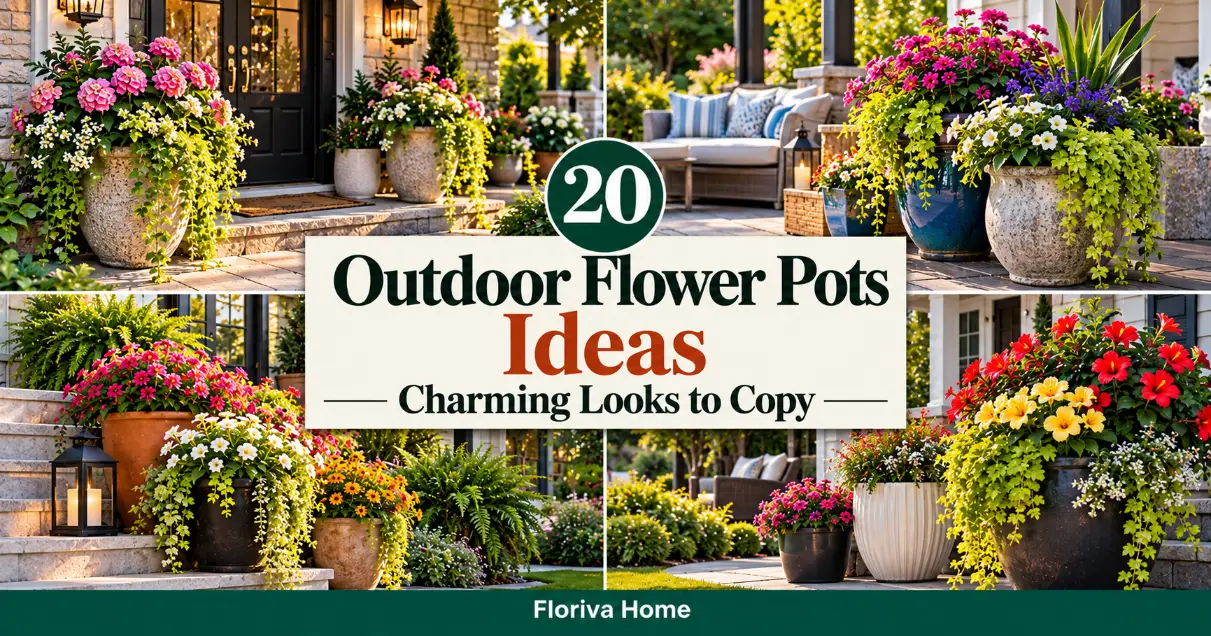
Outdoor Flower Pots Ideas: 20 Charming Looks to Copy
Outdoor flower pots can make a porch, patio, balcony, or backyard feel more colorful and welcoming without requiring a complete garden makeover. The right combination of containers, flowers, and greenery can turn even a small outdoor corner into a beautiful display.
Whether you love rustic garden decor, elegant floral arrangements, or simple modern designs, there are plenty of outdoor flower pots ideas to suit your space. You can mix different pot sizes, experiment with colorful blooms, or repurpose everyday items to create a display that reflects your personal style.
Here are 20 charming outdoor flower pot ideas to inspire your next garden refresh, along with practical tips to help you create a display that looks beautiful and keeps your plants happy.
1. Classic Terracotta Pots with Colorful Blooms
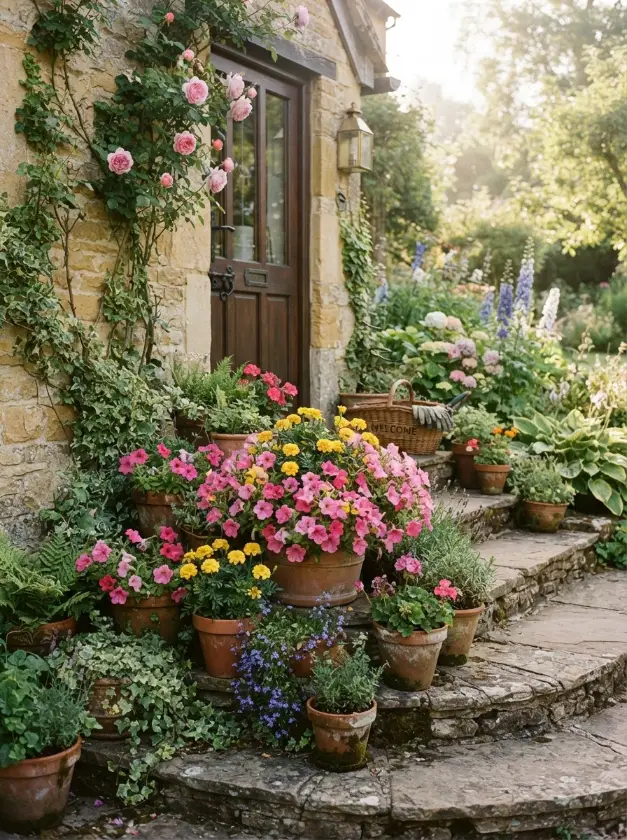
Terracotta pots bring a warm, natural feel to outdoor spaces. Their earthy orange color looks beautiful against green foliage and vibrant flowers, making them an easy choice for traditional gardens, front porches, and sunny patios.
Fill them with petunias, geraniums, marigolds, or compact daisies for a cheerful seasonal display. You can arrange several pots in different sizes along garden steps or place one larger pot beside your entrance for a simple but eye-catching touch.
Expert Tip:
Choose terracotta pots with drainage holes and check the soil regularly. Their porous material allows moisture to escape more quickly, so plants may need more frequent watering during hot weather.
2. Elegant Black Pots with White Flowers
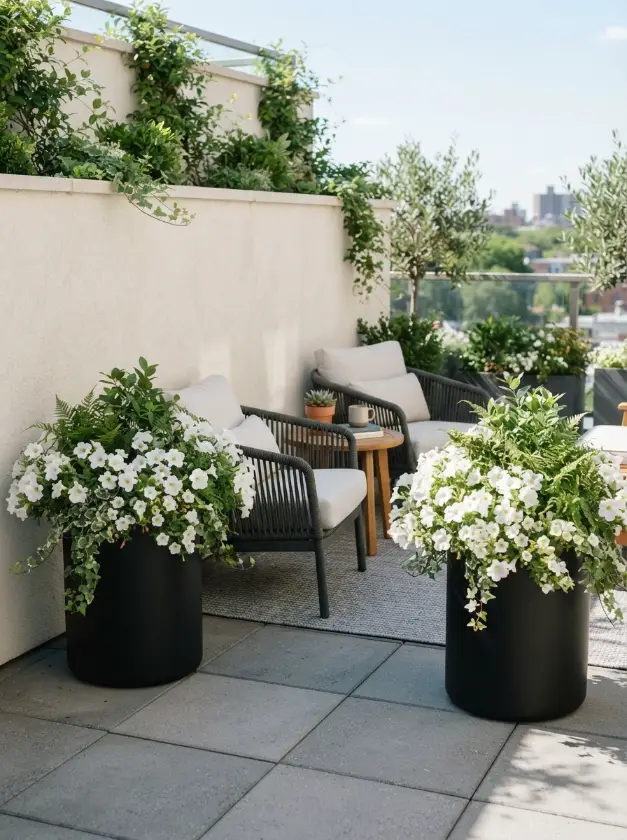
Black flower pots create a sophisticated outdoor display, especially when paired with white blossoms and rich green leaves. Their dark finish provides contrast without competing with the flowers, making them suitable for contemporary patios, modern homes, and minimalist garden designs.
Plant white petunias, alyssum, or white geraniums in matching containers for a coordinated look. Place the pots beside a pale wall, along a clean walkway, or near outdoor seating to create a polished arrangement that feels intentional rather than cluttered.
Expert Tip:
Use lightweight black planters if you need to move them frequently. Dark containers can absorb more heat in direct sunlight, so monitor soil moisture and protect heat-sensitive roots during hot afternoons.
3. Wooden Barrel Flower Planters
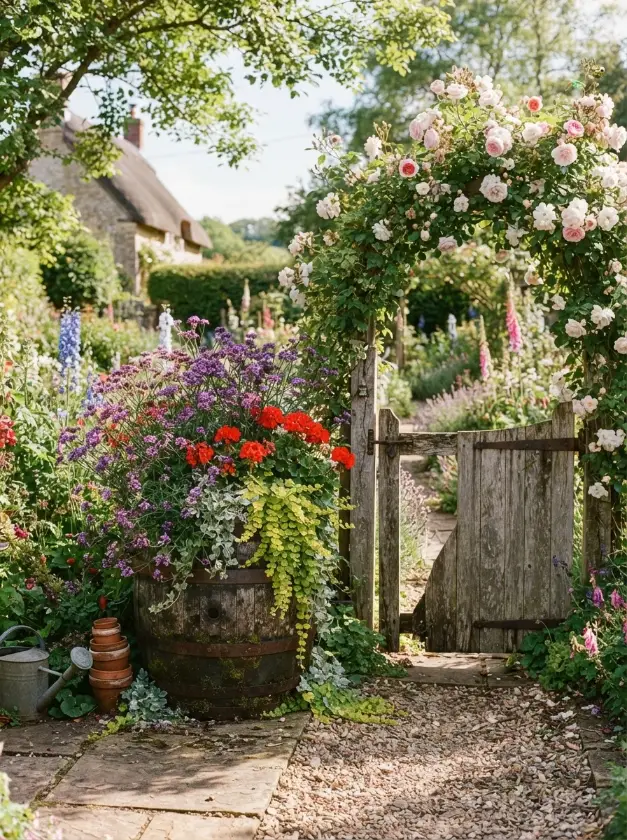
Wooden barrel planters add rustic character to gardens, farmhouse porches, and country-style outdoor spaces. Their rounded shape and weathered finish create a relaxed atmosphere that works especially well with colorful flowers and trailing greenery.
Use a half-barrel container for a generous arrangement of purple verbena, red geraniums, and cascading sweet potato vine. You can place it near a garden gate, beside a wooden bench, or at the corner of a patio to create a charming focal point.
Expert Tip:
Make sure the barrel has adequate drainage before planting. If you are reusing an old container, confirm that it has not held chemicals that could harm plants or contaminate the growing medium.
4. Hanging Flower Pots for Small Balconies
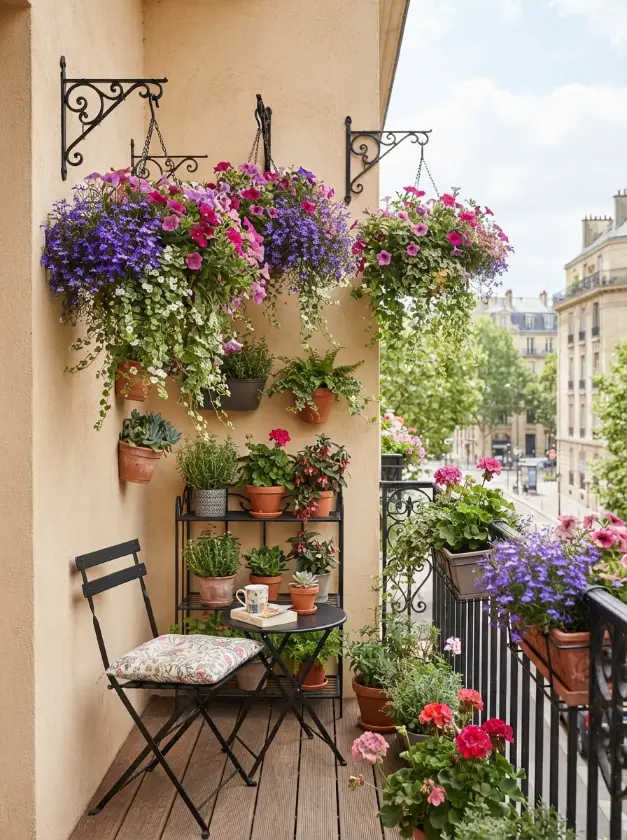
Hanging flower pots are a practical way to introduce greenery when floor space is limited. They draw the eye upward, soften bare walls, and allow you to enjoy flowers without filling a narrow balcony or crowded patio with containers.
Choose trailing plants such as petunias, lobelia, or bacopa to create a flowing effect around balcony railings. For a coordinated appearance, use similar hanging baskets at different heights rather than filling every available space with unrelated colors and styles.
Expert Tip:
Check the weight limit of balcony hooks and railing brackets before hanging planters. Water-filled containers become heavier, and secure fittings are essential for keeping both plants and people safe.
5. Colorful Ceramic Pots for a Cheerful Garden
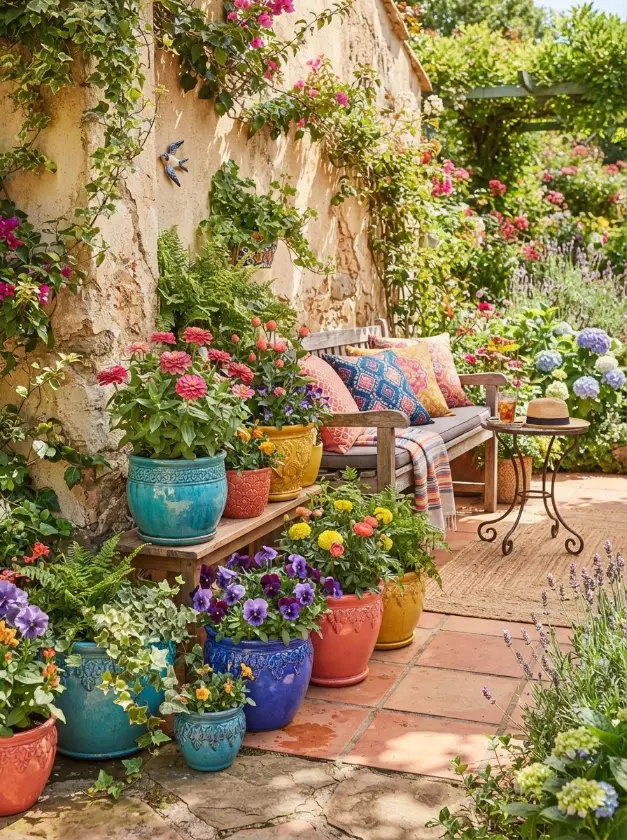
Colorful ceramic pots can turn an ordinary patio into a lively outdoor retreat. Shades of turquoise, cobalt blue, coral, and sunny yellow bring personality to the garden while providing an attractive backdrop for both flowering plants and decorative foliage.
Try combining two or three complementary colors rather than using every shade at once. Blue pots filled with pink flowers or yellow containers planted with purple blooms can create striking contrasts. Arrange them beside a garden bench or along a sunny wall for a cheerful display.
Expert Tip:
Check whether ceramic pots are designed for outdoor use, particularly if your area experiences freezing temperatures. Always choose containers with drainage holes to prevent excess water from collecting around the roots.
6. Tiered Flower Pots for a Vertical Garden
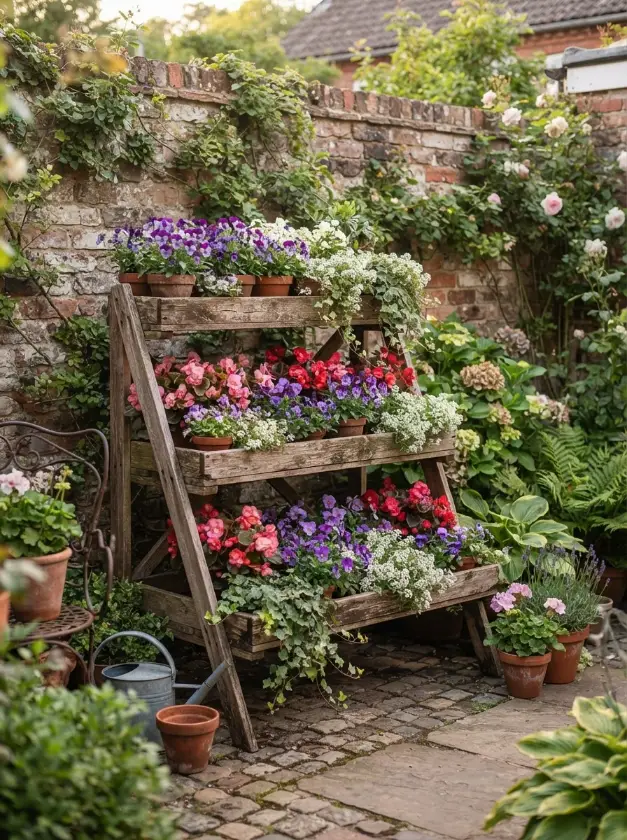
Tiered flower pots make it possible to display several plants in a compact area. By arranging containers at different heights, you create a layered effect that adds depth and makes a small garden corner feel fuller without taking up much ground space.
Use a sturdy tiered stand or arrange appropriately sized pots on stable garden steps. Place taller flowers toward the back and shorter varieties toward the front so each plant remains visible. Compact begonias, violas, and trailing foliage work well in this type of arrangement.
Expert Tip:
Position the display where every level receives suitable light. Upper pots can shade lower plants, so choose flowers with similar growing requirements or adjust the arrangement to suit different sunlight needs.
7. Vintage Metal Containers Filled with Flowers
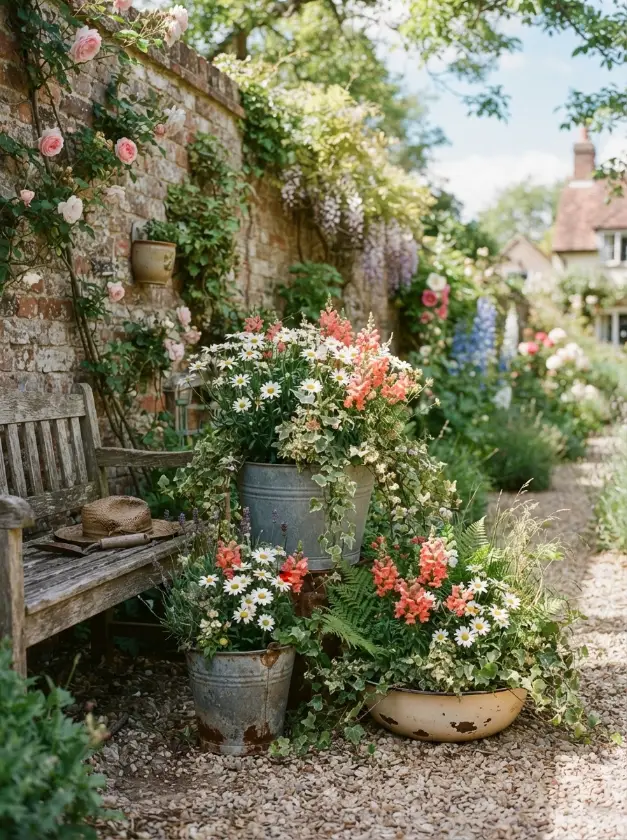
Old metal containers can become distinctive flower pots with a little preparation. Vintage buckets, enamel basins, and weathered metal tubs introduce a nostalgic touch that pairs beautifully with cottage gardens, farmhouse decor, and relaxed outdoor seating areas.
Fill a shallow metal basin with compact daisies and trailing greenery, or use a taller bucket for upright snapdragons. Grouping containers of different heights creates a collected-over-time appearance that feels more personal than a perfectly matched set of planters.
Expert Tip:
Check for rust, sharp edges, and previous chemical use before repurposing metal containers. Add suitable drainage holes and protect delicate surfaces where needed to help your planter last longer outdoors.
8. Concrete Planters with Modern Greenery
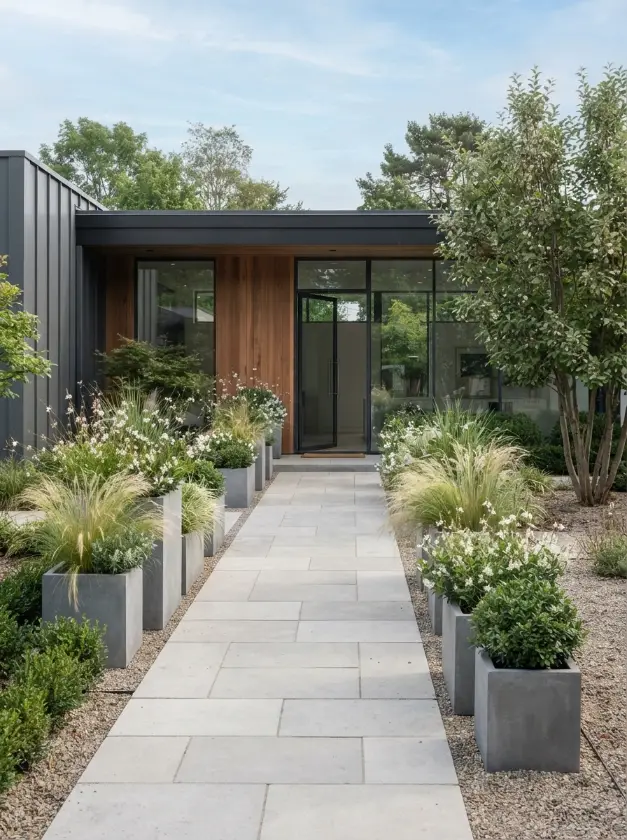
Concrete planters offer a clean, architectural look that suits contemporary homes, minimalist patios, and carefully designed garden paths. Their neutral gray finish allows foliage and flowers to stand out, while their simple shapes provide structure to an outdoor arrangement.
Choose square, rectangular, or rounded concrete containers depending on the available space. Plant ornamental grasses, compact boxwood, or colorful seasonal flowers for a balanced combination of texture and form. A row of matching planters can also define a walkway or separate an outdoor dining area from the rest of the garden.
Expert Tip:
Check the drainage design and weight of concrete containers before positioning them. Large planters can be difficult to move once filled, so decide on their final location before adding soil and plants.
9. Repurposed Wooden Crate Planters
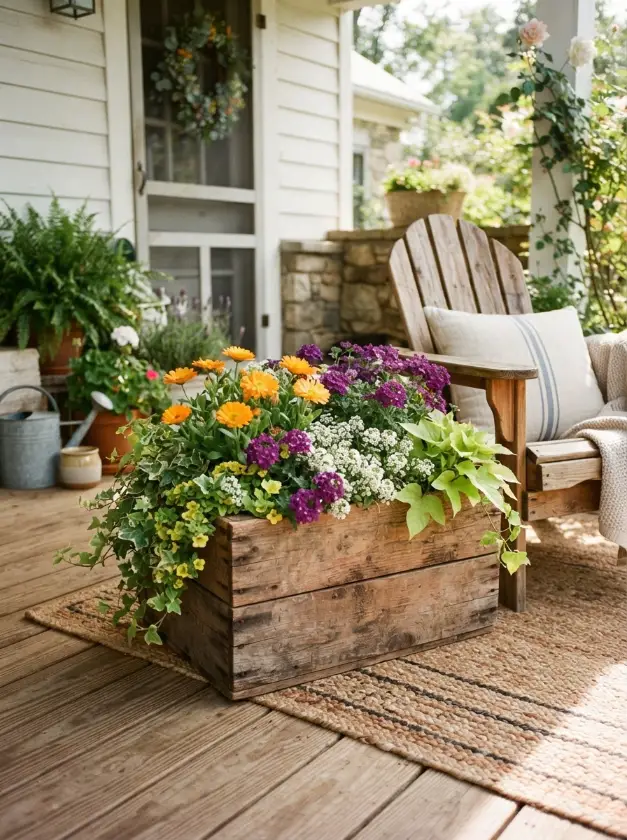
Wooden crates offer an affordable way to create relaxed, rustic flower displays. Their rectangular shape makes them useful for patios, porch corners, and small garden spaces where you want to arrange several plants in a single container.
Use a crate with a suitable waterproof liner and drainage openings, then fill it with colorful annuals, trailing foliage, or a mix of compact flowering plants. You can leave the wood in its natural state for a rustic look or paint it a muted shade that complements your outdoor furniture.
Expert Tip:
Use sturdy, untreated wood where possible and protect it from prolonged contact with wet soil. Avoid crates that may have been exposed to chemicals, and make sure the finished planter can support the weight of moist growing medium.
10. Tall Statement Planters Beside the Front Door
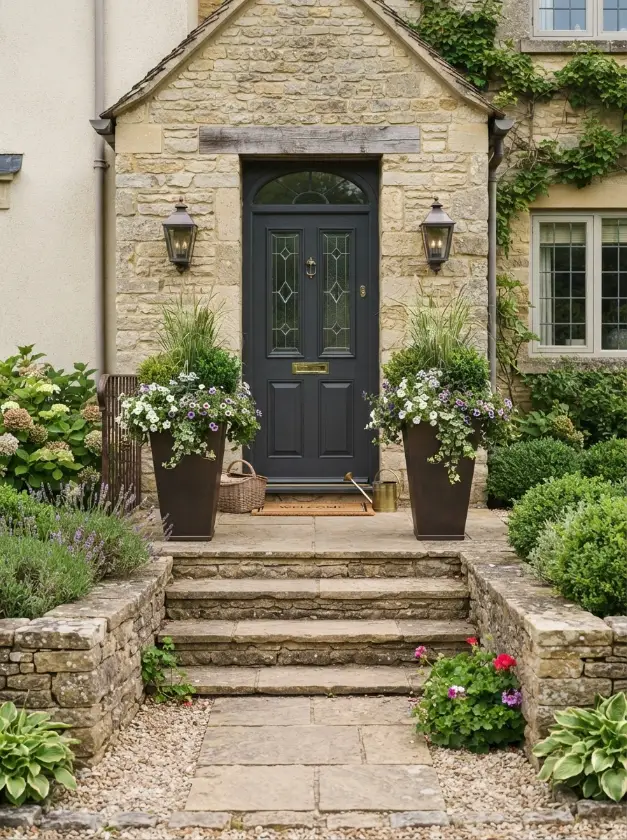
Tall flower planters create an elegant entrance and help frame a doorway without requiring elaborate landscaping. Their height adds visual balance, especially when placed on either side of the front door or beside a porch column.
Choose a pair of matching containers for a symmetrical arrangement, or use one oversized planter for a more relaxed look. Upright ornamental grasses, compact shrubs, or flowering plants with trailing accents can add height and texture while keeping the entrance inviting.
Expert Tip:
Select planters that suit the scale of your doorway and leave enough room for people to walk comfortably. Choose weather-resistant materials and plants that match the light conditions near your entrance.
11. Hanging Wall Planters for a Green Outdoor Feature
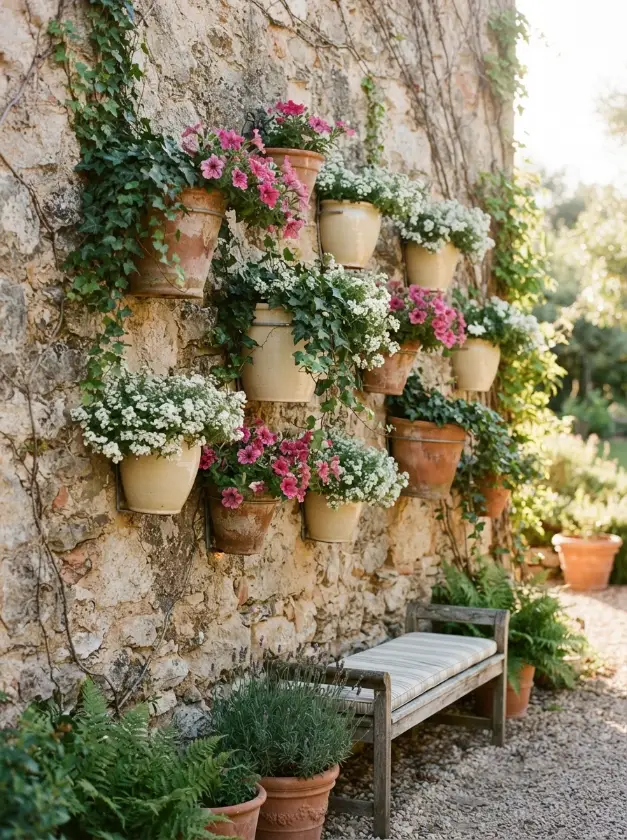
Wall-mounted flower pots are a creative way to decorate bare fences, exterior walls, and patio boundaries. They add color at eye level and help make plain surfaces feel like an extension of your garden.
Choose matching wall planters for a neat arrangement or combine different shapes for a more relaxed appearance. Compact petunias, trailing ivy, ferns, and small flowering plants can work well, depending on the available sunlight. A carefully arranged group of wall pots can become a decorative feature without taking up valuable floor space.
Expert Tip:
Use outdoor-rated wall brackets and suitable fixings for the wall material. Check the weight capacity before installation, and make sure water can drain without damaging the wall beneath the planters.
12. White Flower Pots for a Fresh Garden Look
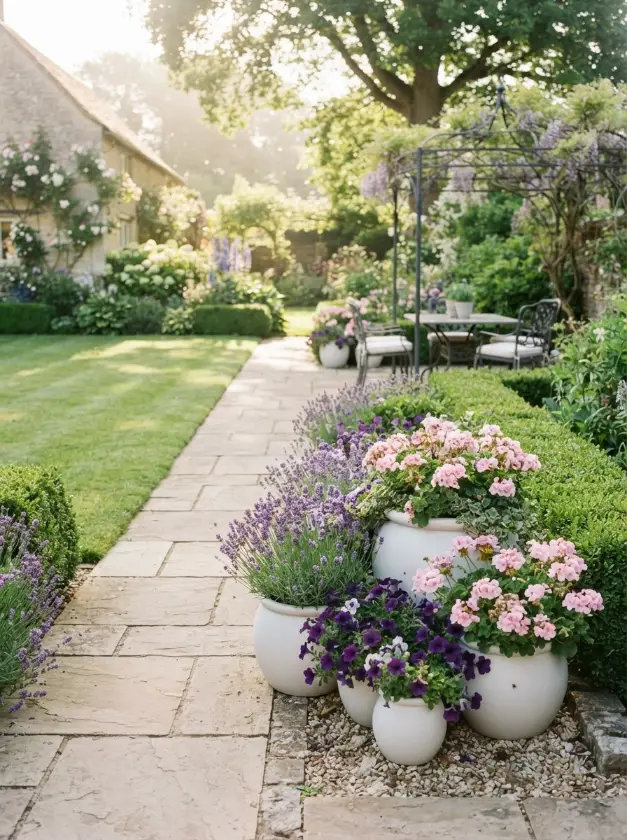
White flower pots create a bright, clean appearance that works with almost any outdoor color scheme. They look especially attractive against green lawns, dark fences, and natural stone, making them a versatile choice for modern and traditional gardens alike.
Fill white containers with lavender, purple petunias, pink geraniums, or leafy ornamental plants. For a coordinated display, repeat the same pot style along a pathway or group several containers around a seating area. The neutral color keeps the arrangement looking calm while allowing the plants to become the main attraction.
Expert Tip:
White planters can show soil marks and weather stains more easily than darker containers. Choose durable outdoor materials and wipe the surfaces occasionally to maintain their fresh appearance.
13. Flower Pots with Trailing Greenery
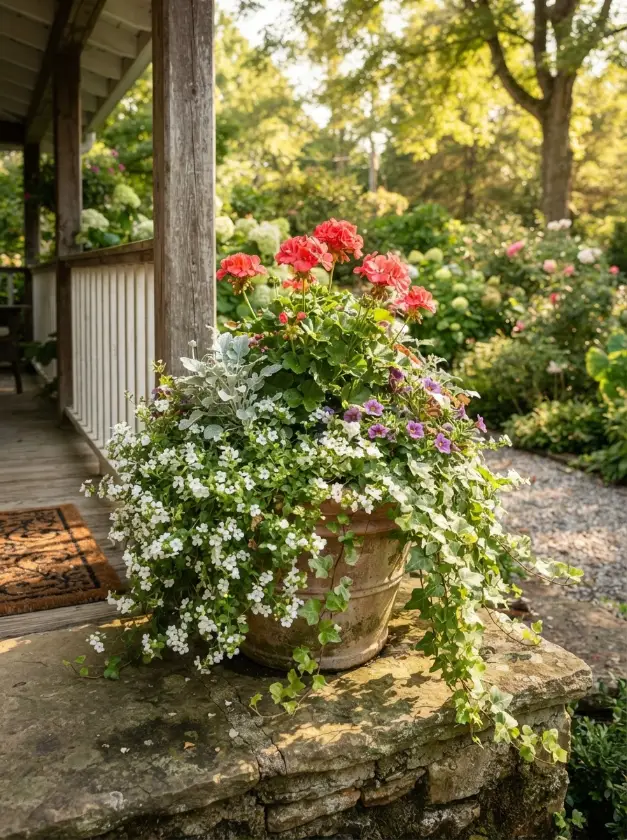
Trailing plants give outdoor containers a softer, fuller appearance by allowing leaves and flowers to spill over the edges. This style works beautifully on porch steps, raised garden walls, balcony railings, and containers positioned beside outdoor seating.
Combine upright flowers with cascading plants for a layered arrangement. For example, pair colorful geraniums with trailing bacopa or combine compact ornamental grasses with creeping Jenny where suitable. The contrast between upright growth and flowing greenery creates a natural shape that looks attractive from several angles.
Expert Tip:
Check the mature size and growth habits of trailing plants before combining them. Fast-growing varieties can overwhelm smaller plants, so leave enough room for each one to develop.
14. Rustic Stone Pots for a Natural Garden Style
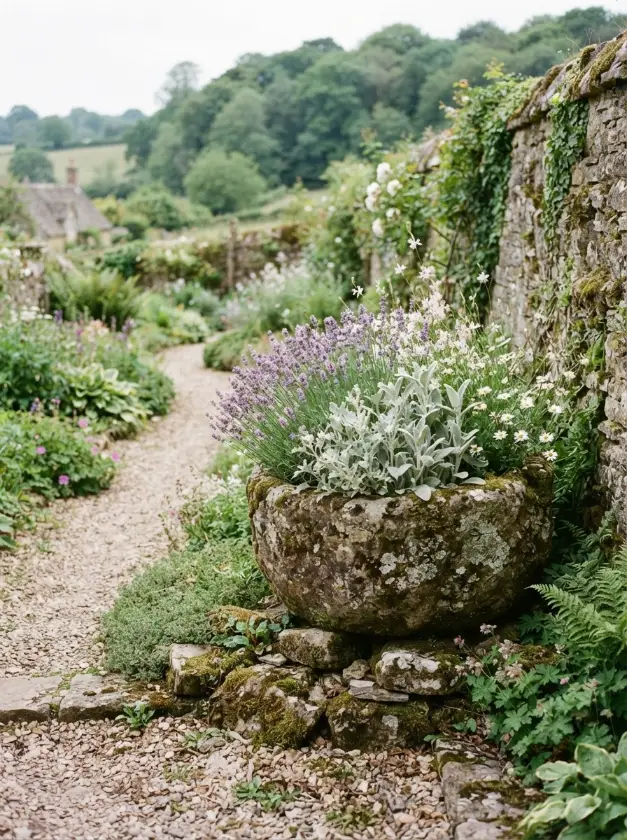
Stone planters bring a grounded, timeless appearance to outdoor spaces. Their natural textures and muted colors complement cottage gardens, landscaped paths, gravel patios, and homes with traditional architectural details.
Choose containers with weathered finishes, rough surfaces, or subtle stone patterns. Fill them with lavender, small ornamental grasses, compact evergreen shrubs, or seasonal flowers that suit your local climate. Placing a stone planter beside a pathway or near a garden bench helps create a quiet focal point without introducing too many decorative elements.
Expert Tip:
Stone containers can be heavy, so position them before filling them with growing medium. Ensure the base is stable and that excess water can drain freely to protect the plants’ roots.
15. Bright Yellow Flower Pots for a Sunny Accent
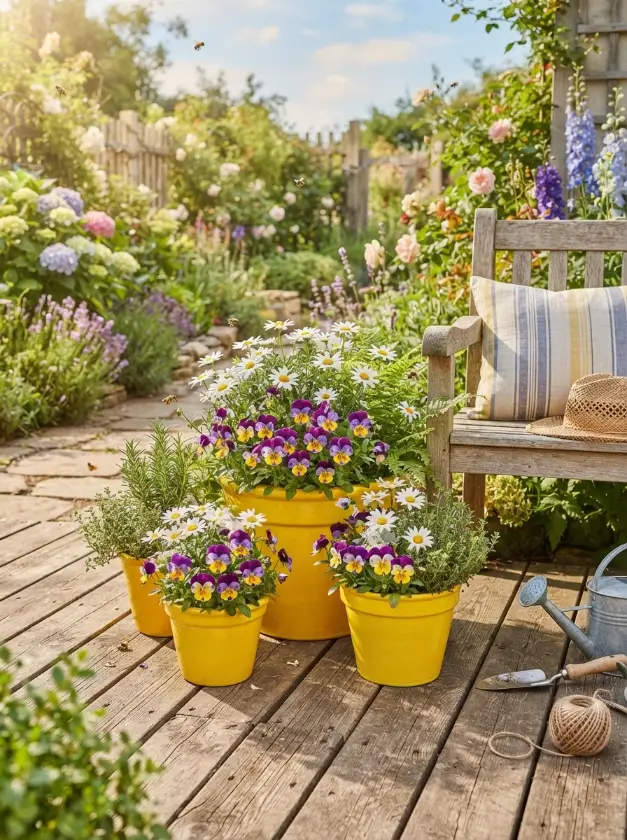
Yellow flower pots introduce warmth and cheerful color to outdoor spaces. They work especially well in spring and summer displays, adding a lively accent to neutral patios, wooden decks, and green garden corners.
Pair yellow containers with purple flowers for a strong color contrast, or use white and pale pink blooms for a softer appearance. A single yellow planter can brighten a quiet corner, while a group of smaller containers can create a playful arrangement beside a garden bench or entrance.
Expert Tip:
Use yellow as an accent color rather than repeating it everywhere. Consider how the planter color complements your flowers, outdoor furniture, and the surrounding landscape before creating a larger display.
16. Recycled Tire Flower Planters
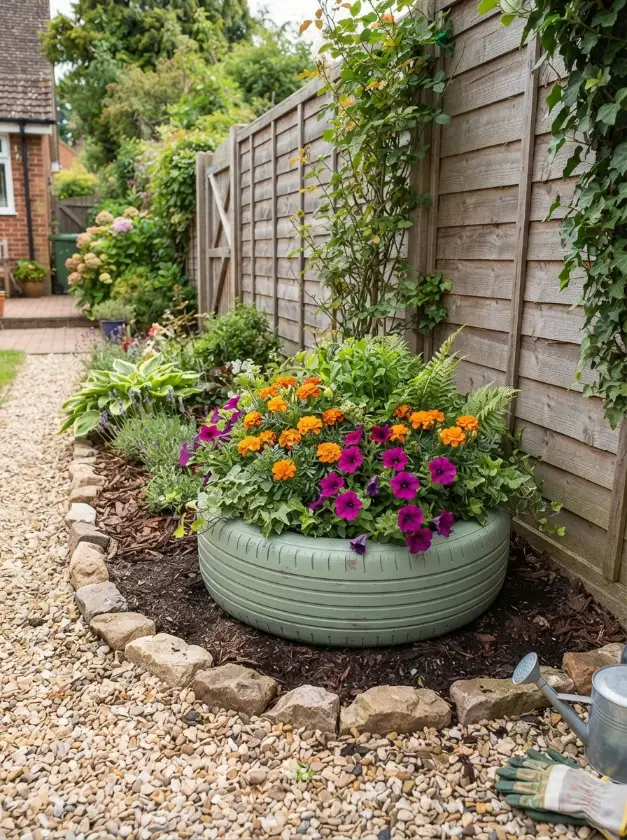
Old tires can be repurposed into distinctive outdoor planters when they are clean, structurally sound, and suitable for the intended use. Their rounded shape makes them useful for informal gardens, creative backyard projects, and playful planting displays.
Paint a tire in a weather-resistant color if you want a decorative finish, or leave it understated for a more practical look. Fill it with suitable flowers and arrange the planter on a stable surface where water can drain properly. You can also position several tire planters at different heights to create a more dynamic garden feature.
Expert Tip:
Avoid using tires that are deteriorating or shedding material. Do not use them for edible crops, and consider purpose-made garden containers if you are uncertain about the suitability of recycled tire materials.
17. Window Box Flower Pots for Outdoor Charm
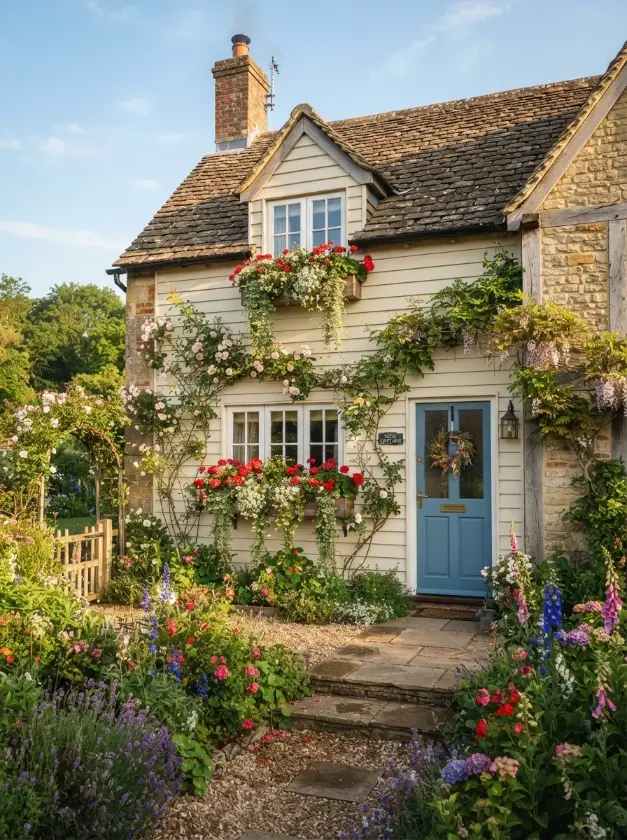
Window boxes add color to the exterior of a home and make windows feel connected to the surrounding garden. They are especially useful for cottages, small houses, balconies, and homes where ground-level planting space is limited.
Combine upright flowers with compact foliage and trailing varieties for a balanced arrangement. Red geraniums, white alyssum, and trailing greenery can create a traditional look, while pastel flowers provide a softer effect. Repeat similar colors across multiple windows to make the exterior feel coordinated.
Expert Tip:
Secure window boxes with brackets designed for the structure and expected weight. Make sure the containers drain correctly, and avoid allowing excess water to run onto walls, windows, or pedestrian areas.
18. Large Planters with Small Trees and Flowers
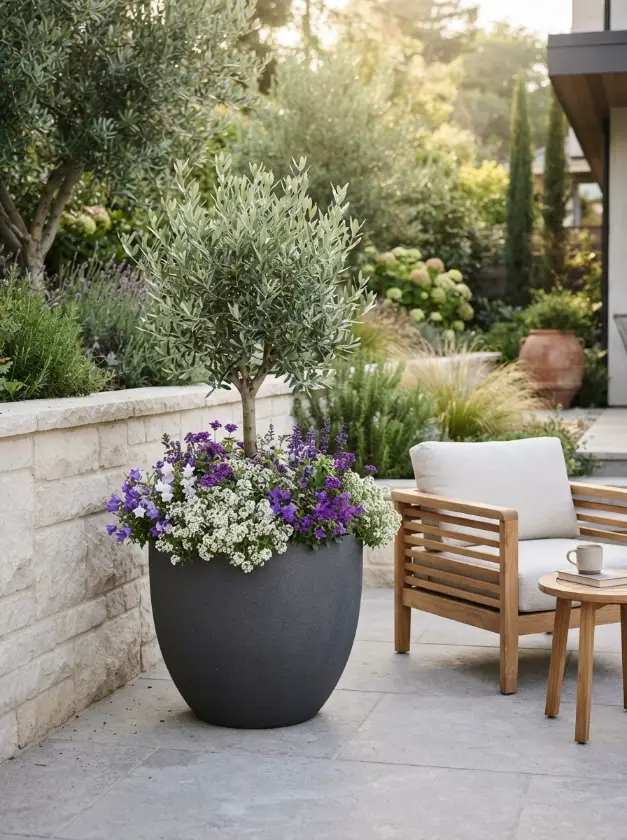
Large outdoor planters can make a garden feel more structured by introducing height, greenery, and a strong focal point. They work well beside entrances, on spacious patios, and in corners that need a little more visual interest.
Choose a container large enough for a suitable compact tree or shrub, such as a dwarf citrus tree in a climate where it can thrive. Underplanting with compatible seasonal flowers can create an attractive layered display, provided the plants have similar watering and light requirements.
Expert Tip:
Check the mature size, root requirements, and climate suitability of your chosen tree or shrub. Select a container with adequate drainage and enough room for healthy root growth, and remember that large planters can become very heavy.
19. Pastel Flower Pots for a Soft Cottage Garden
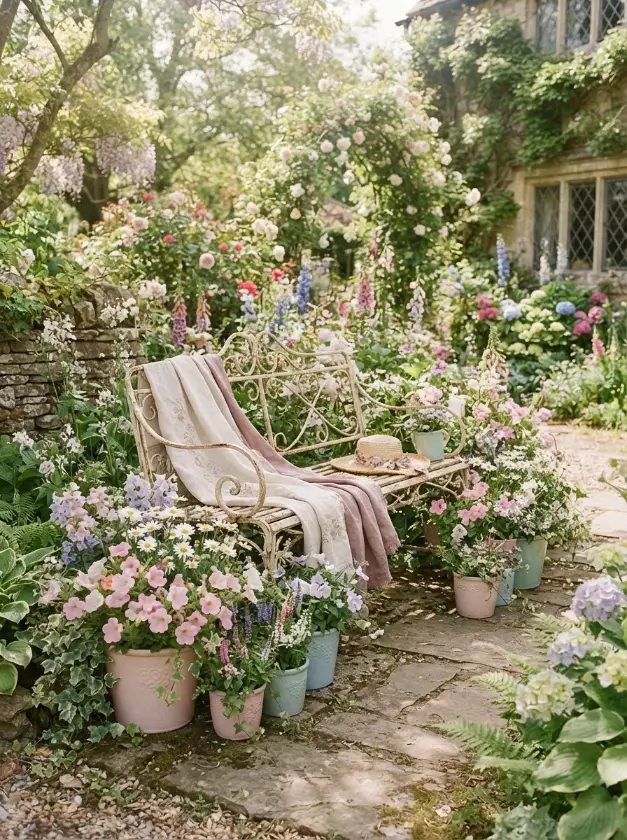
Pastel flower pots create a gentle, romantic look that suits cottage gardens, spring porches, and relaxed outdoor seating areas. Soft pink, pale blue, mint green, and creamy lavender containers can add color without making the display feel too bold.
Choose two or three complementary pastel shades and fill the pots with flowers that echo or contrast with those colors. Pale blue containers with pink blooms or blush planters with white flowers can create a particularly delicate effect. Add a few small leafy plants to balance the blossoms and keep the arrangement looking natural.
Expert Tip:
Keep the overall palette consistent by repeating selected colors across your containers. Mixing too many unrelated shades can make a small display feel busy rather than harmonious.
20. Mixed-Size Flower Pots for a Layered Garden Display
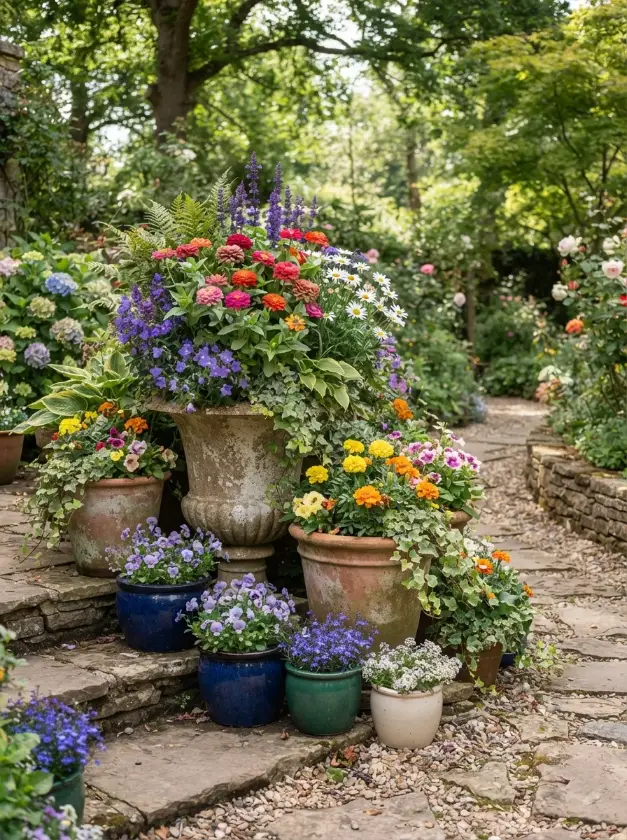
Combining flower pots of different sizes is an easy way to make an outdoor display feel more natural and visually interesting. Instead of arranging every container in a straight line, vary their heights and group them in small clusters to create depth.
Start with one large planter as the anchor, then add medium and small pots around it. Repeat a few colors or materials to connect the arrangement, even when the containers have different shapes. This approach works well beside front doors, along patio edges, and in empty garden corners that need a decorative touch.
Expert Tip:
Place the tallest containers toward the back of the display and smaller pots toward the front. Keep pathways clear, provide adequate light for every plant, and group plants with similar watering needs together.
Tips for Choosing the Best Outdoor Flower Pots
Before creating your own display, consider a few practical details that will help your flowers grow well and keep your containers looking attractive.
- Choose the right material: Terracotta offers a natural appearance, plastic is lightweight, ceramic adds decorative color, and concrete provides a sturdy option for larger displays.
- Check drainage: Most outdoor flowering plants need containers with drainage holes to prevent waterlogged roots.
- Match plants to sunlight: Select flowers according to whether your patio, porch, or balcony receives full sun, partial shade, or mostly shade.
- Consider container size: Choose pots that provide enough space for mature roots and allow plants to grow comfortably.
- Coordinate colors: Repeat a few colors, finishes, or materials to create a cohesive look without making every container identical.
- Plan for watering: Containers may dry out faster than garden beds, particularly during hot, windy weather. Check soil moisture regularly.
- Use suitable potting mix: A quality container-growing mix generally provides better drainage and root conditions than ordinary garden soil.
Final Thoughts
Outdoor flower pots offer a simple way to refresh your garden, brighten your entrance, or make a small balcony feel more welcoming. From classic terracotta containers and colorful ceramic pots to tiered displays and rustic wooden planters, there is an option for nearly every outdoor space and decorating style.
You do not need to use all 20 ideas at once. Start with one attractive planter, choose flowers that suit your local growing conditions, and build your display gradually. By combining suitable containers, healthy plants, and a thoughtful color scheme, you can create an outdoor arrangement that looks beautiful throughout the growing season.