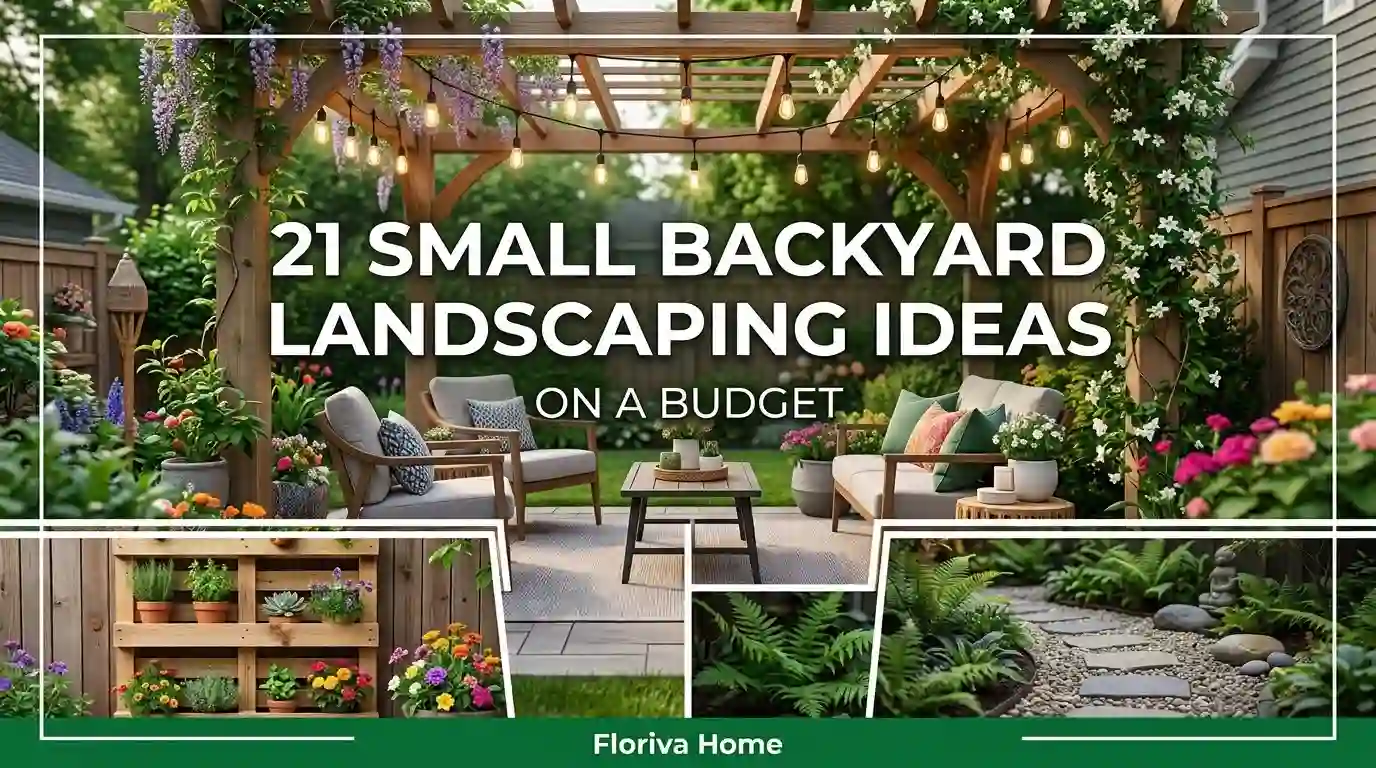
21 Small Backyard Landscaping Ideas on a Budget
A small backyard can still feel beautiful, functional, and thoughtfully designed—even when you’re working with a limited budget. You don’t need expensive hardscaping or a huge lawn to create an outdoor space you actually enjoy using.
The trick is to make every corner work harder. A few inexpensive materials, smart plant choices, and simple layout changes can add privacy, color, seating, and personality without turning your landscaping project into a major expense.
Whether you have a narrow yard, a tiny patio area, or an awkward patch of outdoor space, these budget-friendly small backyard landscaping ideas can help you make the most of what you already have.
1. Turn an unused corner into a mini rock garden
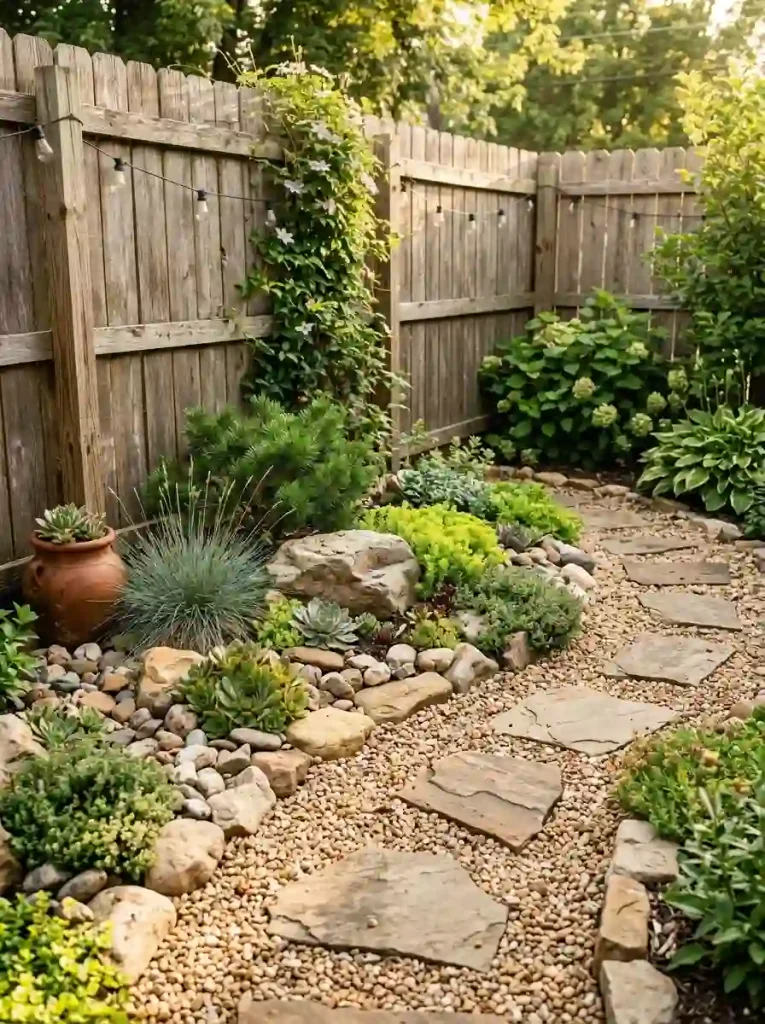
That empty corner of your backyard doesn’t have to become another patch of weeds. A small rock garden can turn an overlooked area into an attractive focal point using inexpensive stones, gravel, and a handful of hardy plants.
Choose rocks in a few complementary sizes and arrange them loosely rather than creating a perfectly symmetrical pattern. Add compact plants such as ornamental grasses, sedums, or other varieties suited to your local climate.
This approach is especially useful if part of your yard has poor soil or receives limited rainfall. Instead of spending money trying to maintain a perfect lawn in a difficult spot, you can make the limitation part of the design.
Budget Tip:
Look for leftover landscape stones, locally sourced rock, or inexpensive gravel instead of buying large quantities of decorative stone from specialty suppliers.
2. Edge planting beds with inexpensive recycled materials
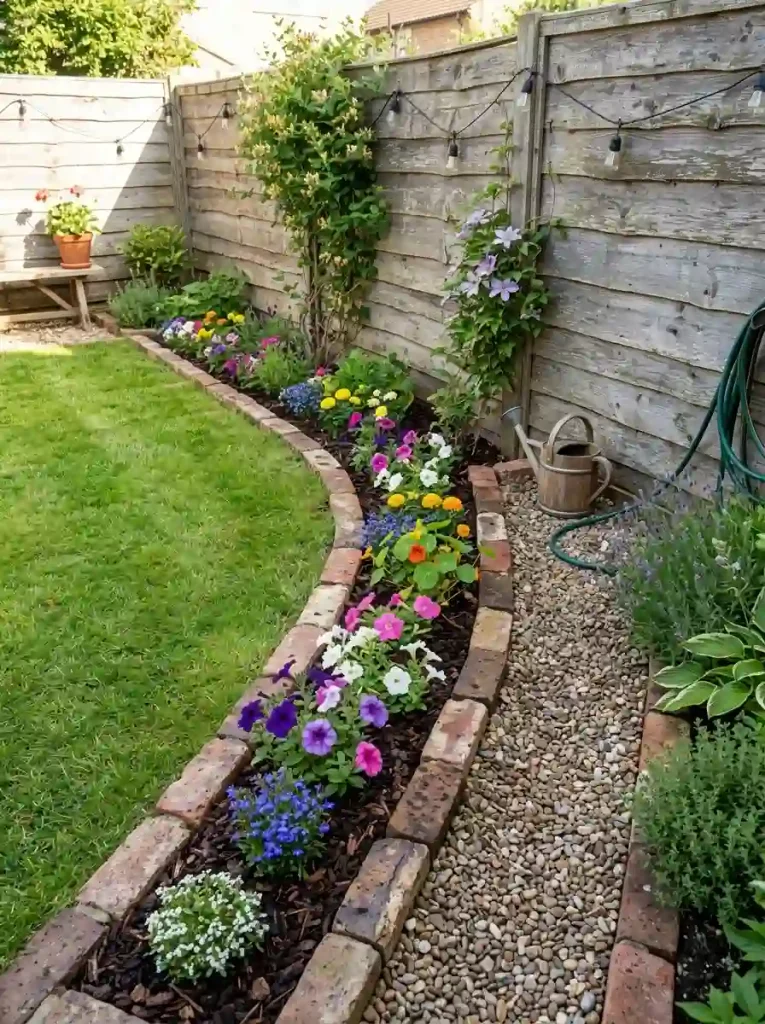
Clean edges can make a small backyard look surprisingly polished. Instead of buying expensive landscape edging, consider using reclaimed bricks, short pieces of untreated wood, flat stones, or other suitable materials you already have available.
Create a narrow planting border along a fence, patio, or walkway. Even a bed only a foot or two wide can give you enough room for flowers, herbs, or compact foliage plants.
The important part is keeping the border visually consistent. A simple repeated material often looks more intentional than mixing several different edging styles throughout a tiny yard.
Budget Tip:
Before purchasing edging, check whether you have usable leftover bricks, stones, or landscaping materials from another project.
3. Make a narrow backyard feel wider with curved planting lines
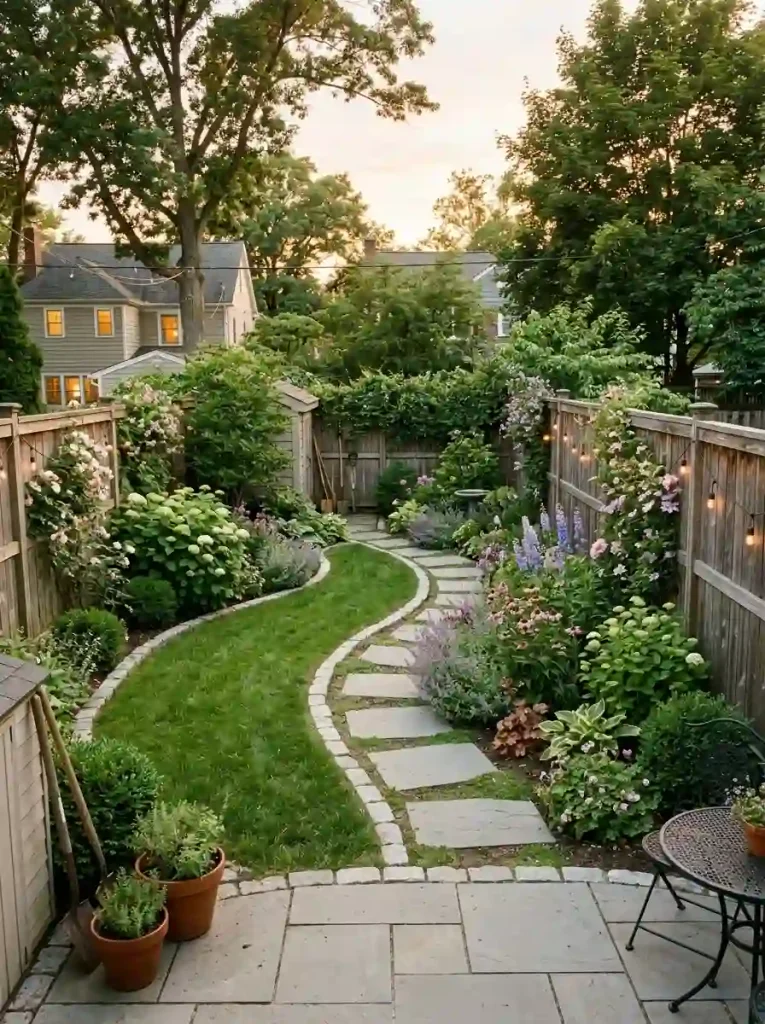
If your backyard feels long and narrow, straight lines can sometimes emphasize its shape. Soft curves can create a more relaxed layout and encourage the eye to move gradually through the space.
Try creating a gently curved planting bed along one side of the yard rather than making everything perfectly rectangular. Fill it with plants of different heights while leaving a clear central area for movement.
You don’t need professional landscaping equipment to plan the curve. A garden hose can help you experiment with different shapes before you start digging.
Budget Tip:
Lay out the proposed border with a hose or rope first. Adjust the shape until it looks right, then mark the edge before purchasing plants or mulch.
4. Create a colorful container grouping from mismatched pots
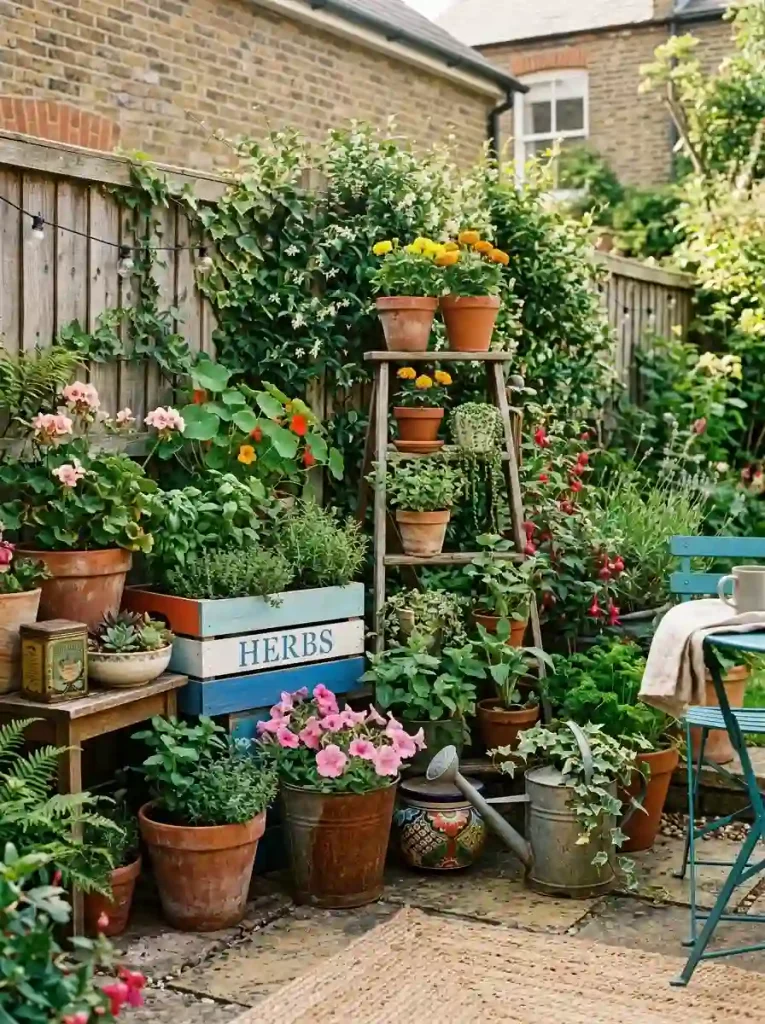
You don’t need matching planters to create an attractive backyard display. In fact, a collection of different pots can give a small outdoor space more personality while allowing you to reuse containers you already own.
Group three to five containers at different heights near a patio, doorway, or quiet corner. Use one larger plant as an anchor and surround it with smaller flowers, herbs, or trailing varieties.
Painting old containers can also give them a fresh appearance. Choose one or two colors that coordinate with your home instead of trying to make every pot identical.
Budget Tip:
Repurpose suitable buckets, old planters, baskets with proper liners, or other containers rather than purchasing an entirely new collection.
5. Use mulch to refresh tired landscaping without expensive plants
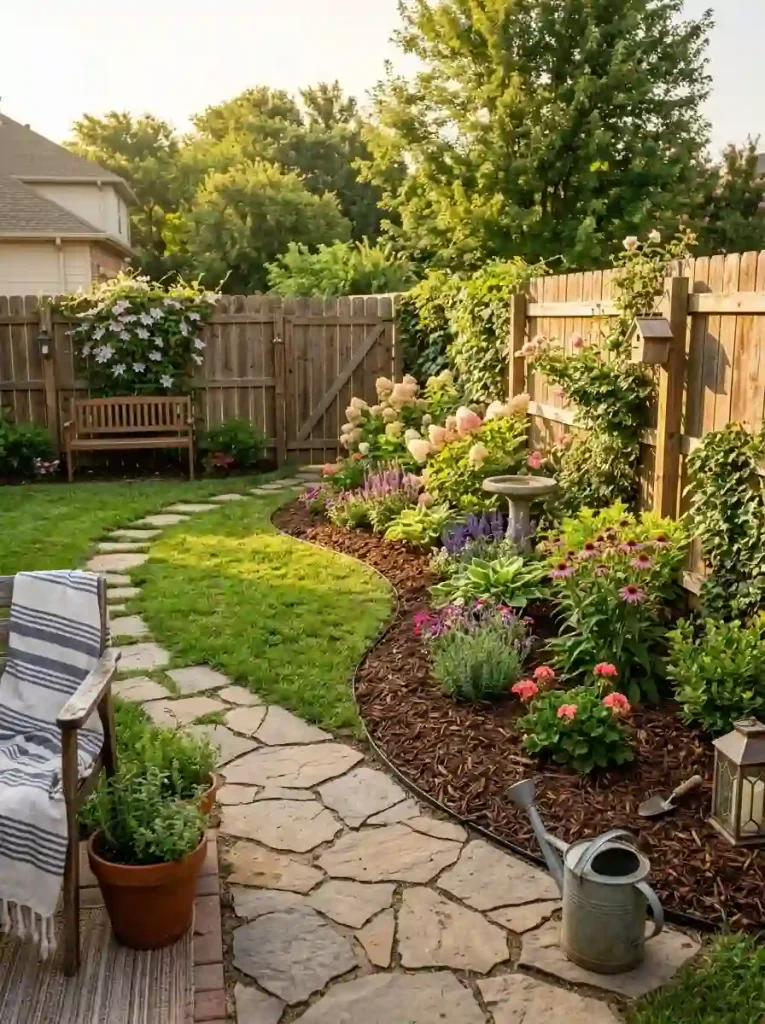
Sometimes the most affordable landscaping improvement is simply making the existing plants look better. A fresh layer of appropriate mulch can instantly give planting beds a cleaner, more finished appearance.
Mulch can also help conserve soil moisture, reduce exposed bare soil, and make individual plants stand out more clearly. In a small backyard, those simple visual improvements can make the entire space feel more intentional.
Keep mulch away from direct contact with plant stems and tree trunks. A moderate, even layer is generally better than piling it high around plants.
Budget Tip:
Compare bulk mulch prices with bagged products, especially if you need enough material to cover several planting beds.
6. Build a simple stepping-stone path with affordable materials
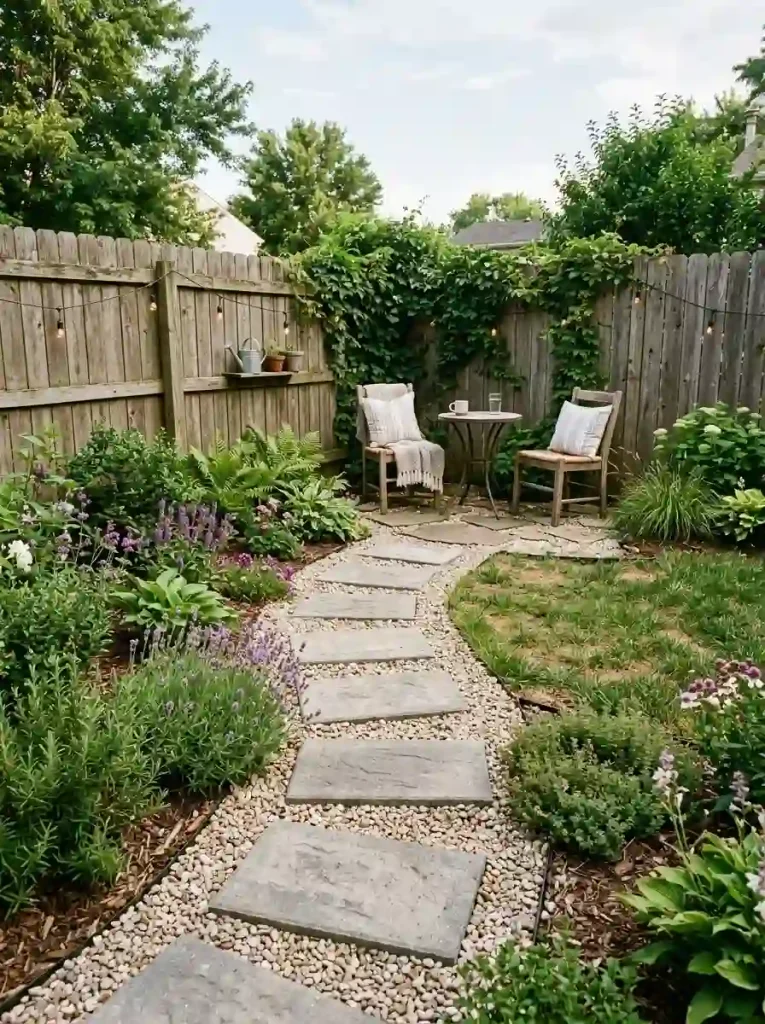
A pathway can do more than help you get from one part of the yard to another. It can divide a small backyard into distinct areas and give the space a sense of direction.
For a budget-friendly version, use individual concrete stepping stones or affordable pavers rather than constructing a full-width walkway. Position them with comfortable walking distances between each piece and surround them with gravel, mulch, or low-growing plants.
A short path leading toward a seating area, garden corner, or storage zone can make a small backyard feel much more thoughtfully planned.
Budget Tip:
Keep the path short and purposeful. A smaller number of well-positioned stepping stones can create the same visual effect without the cost of a large paved walkway.
7. Grow herbs in a sunny strip beside the fence
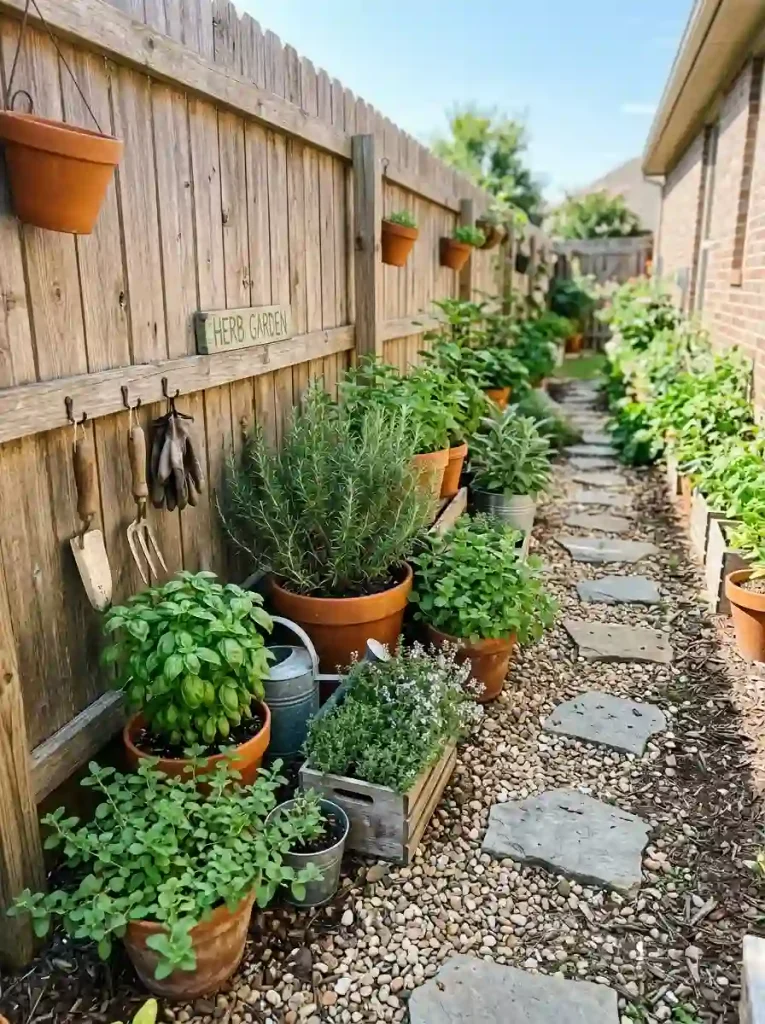
A narrow strip beside a fence can become one of the most useful areas in your backyard. Instead of leaving it empty, turn it into a compact herb garden where practical plants double as landscaping.
Depending on your climate and sunlight, consider herbs such as thyme, oregano, rosemary, basil, mint, or chives. Keep spreading plants contained when necessary, and group plants according to their watering and sunlight requirements.
The garden doesn’t need to be elaborate. A narrow soil bed, a few inexpensive containers, or a simple row of planters can provide enough growing space for a surprisingly productive herb collection.
Budget Tip:
Start with herbs you actually use in the kitchen. Growing a few frequently used varieties gives you more value than filling the space with plants you rarely harvest.
8. Create a DIY privacy screen using a simple trellis
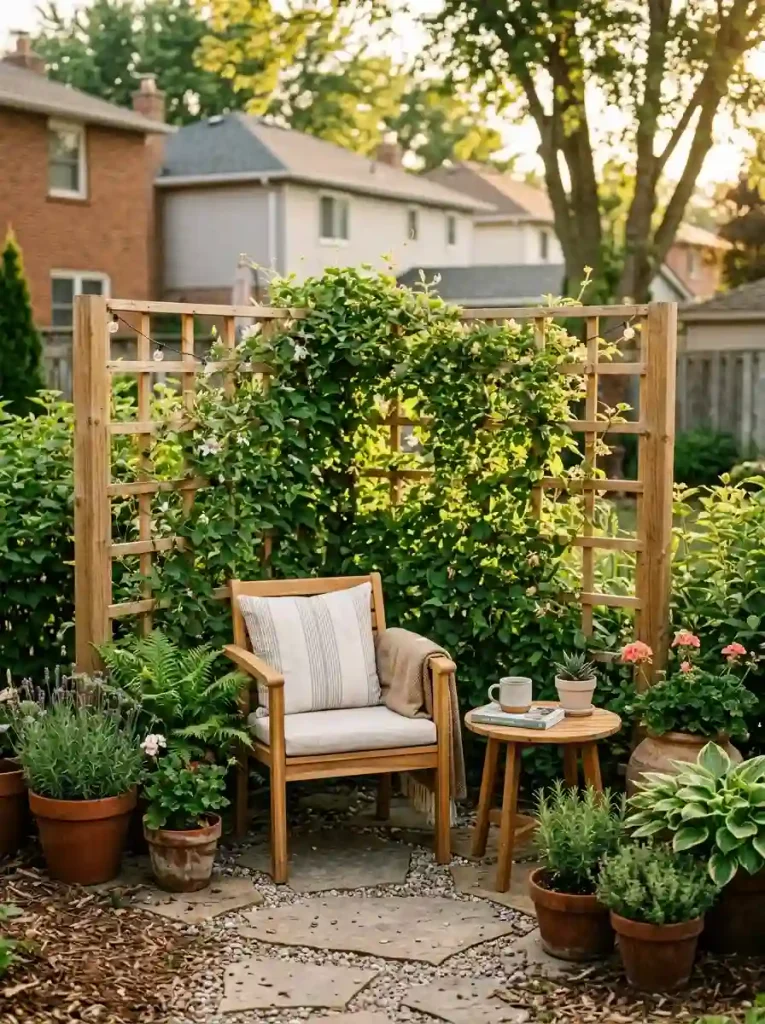
Privacy can be difficult in a small backyard, especially when neighboring homes are close by. Instead of installing an expensive solid fence extension, consider creating a lightweight trellis screen.
A basic wooden or metal trellis can visually separate your seating area from the rest of the yard. Add a suitable climbing plant and the structure can gradually become a greener, softer privacy feature.
You can also use the screen to define a particular zone without making the entire backyard feel enclosed. That makes it useful for creating a small dining area, reading corner, or relaxing space.
Budget Tip:
Screen only the section where privacy matters most. Covering an entire boundary can cost considerably more than creating one focused privacy feature.
9. Reuse old wooden crates as vertical garden shelves
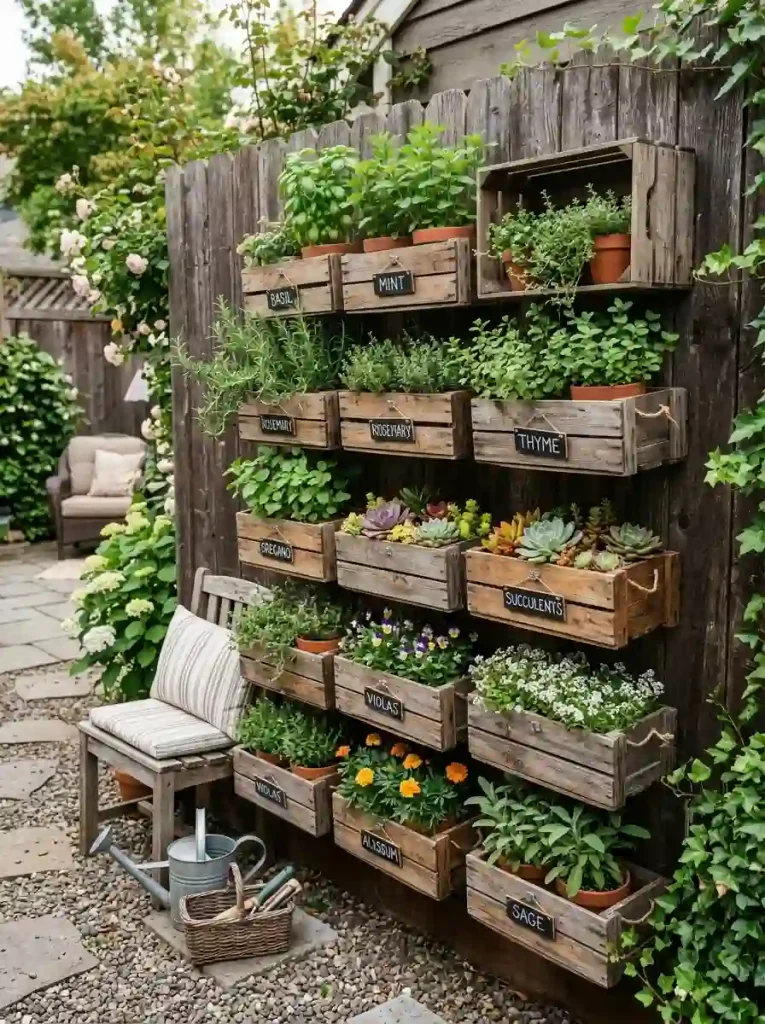
If floor space is limited, move your plants upward. Old wooden crates can become inexpensive shelves for small pots, herbs, succulents, or seasonal flowers.
Stack or mount the crates securely rather than simply balancing them. Keep heavier containers on lower levels and make sure the structure is protected from excessive moisture if the wood is not designed for outdoor use.
This idea works particularly well against a plain wall or sturdy fence where empty vertical space is otherwise going unused.
Budget Tip:
Ask local markets, produce shops, or businesses whether they have sturdy unwanted crates. Always inspect reused wood carefully and avoid anything treated with unknown chemicals.
10. Replace a patchy lawn with a simple low-cost groundcover area
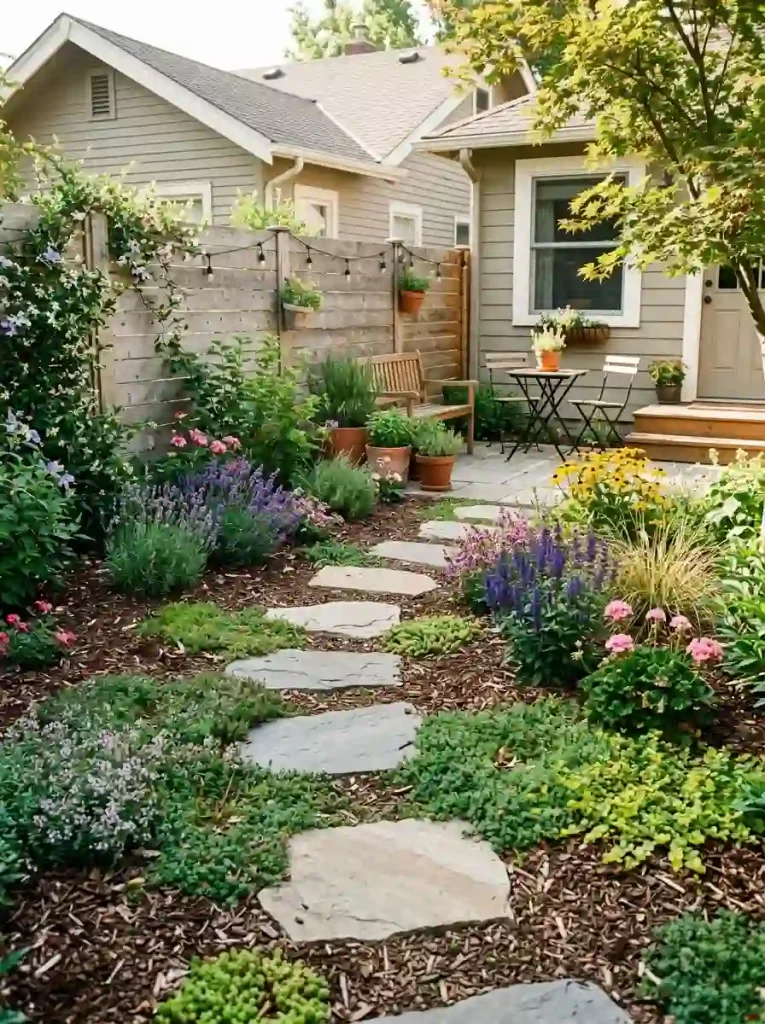
A struggling patch of grass can make a small backyard look unfinished, particularly when it requires constant watering or develops bare spots.
Instead of repeatedly repairing the lawn, consider replacing a difficult section with groundcover plants, mulch, gravel, or another surface appropriate for the location. The best choice depends on how much sunlight the area receives and whether people need to walk across it.
A carefully designed lawn alternative can also create stronger contrast around trees, planting beds, and seating areas.
Budget Tip:
Don’t replace the entire yard at once. Start with the section that performs worst and expand the new landscape gradually as your budget allows.
11. Create a cozy backyard seating spot with a gravel base
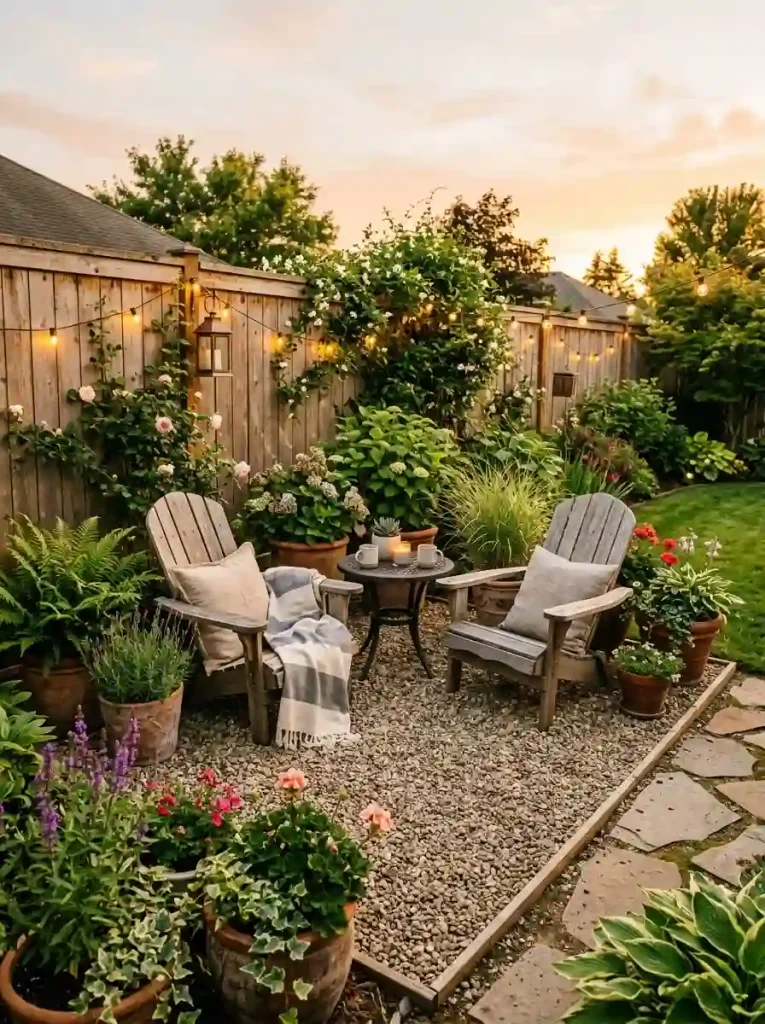
You don’t necessarily need a professionally constructed patio to create a comfortable place to sit outside. A compact gravel seating area can provide a defined destination while keeping material costs relatively manageable.
Choose a small section of the yard, prepare the base properly, and use landscape edging to help contain the gravel. Add two comfortable chairs and a small table rather than trying to fit a complete outdoor furniture set.
Surrounding the seating area with a few plants can make it feel private and intentional. You can also add an outdoor rug designed for exterior use if you want a softer visual transition.
Budget Tip:
Start with enough gravel for a small seating zone rather than covering a large portion of the yard. You can expand the area later if you find that you use it regularly.
12. Paint a small fence or garden wall for an instant refresh
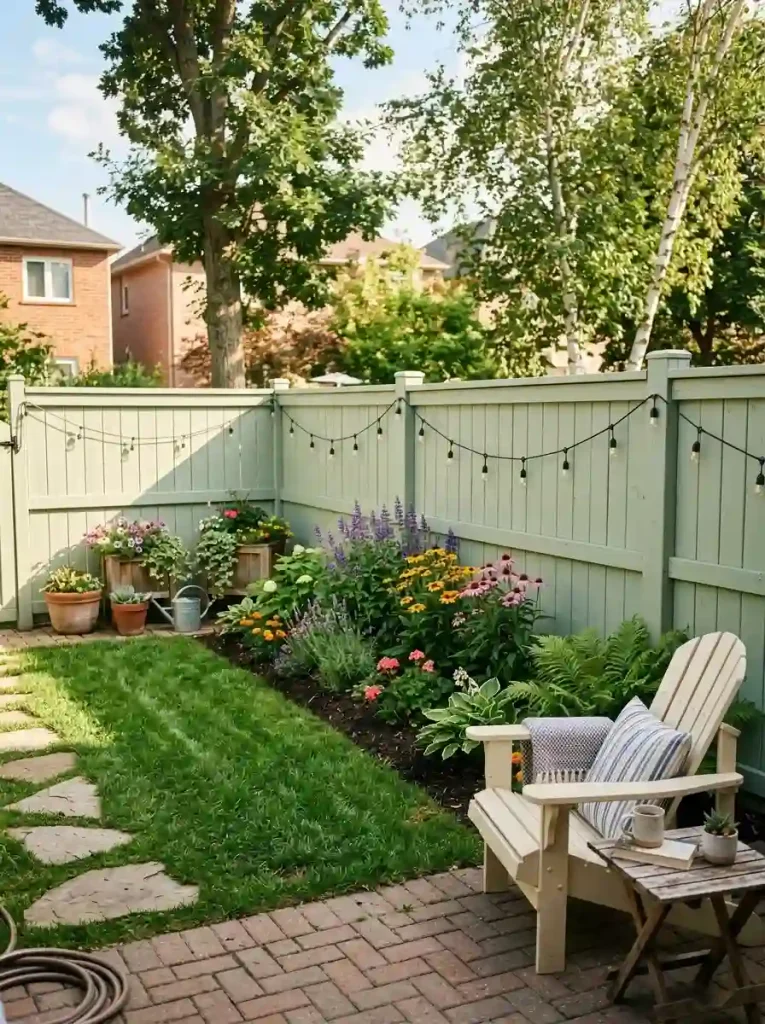
A tired fence can make an otherwise attractive backyard feel dull. Giving it a fresh coat of suitable exterior paint or stain can completely change the background of your landscape without requiring a major renovation.
For a small yard, consider a color that complements your home and helps plants stand out. A refreshed neutral fence can make green foliage look richer, while a deeper shade can create a dramatic backdrop for flowers and containers.
You don’t have to repaint every surface at once. Even refreshing the fence section behind your seating or planting area can make that particular zone feel new.
Budget Tip:
Clean and prepare the existing surface before painting. A little preparation can help the finish last longer and prevent you from wasting money on unnecessary coats.
13. Make a tiny border garden around the patio
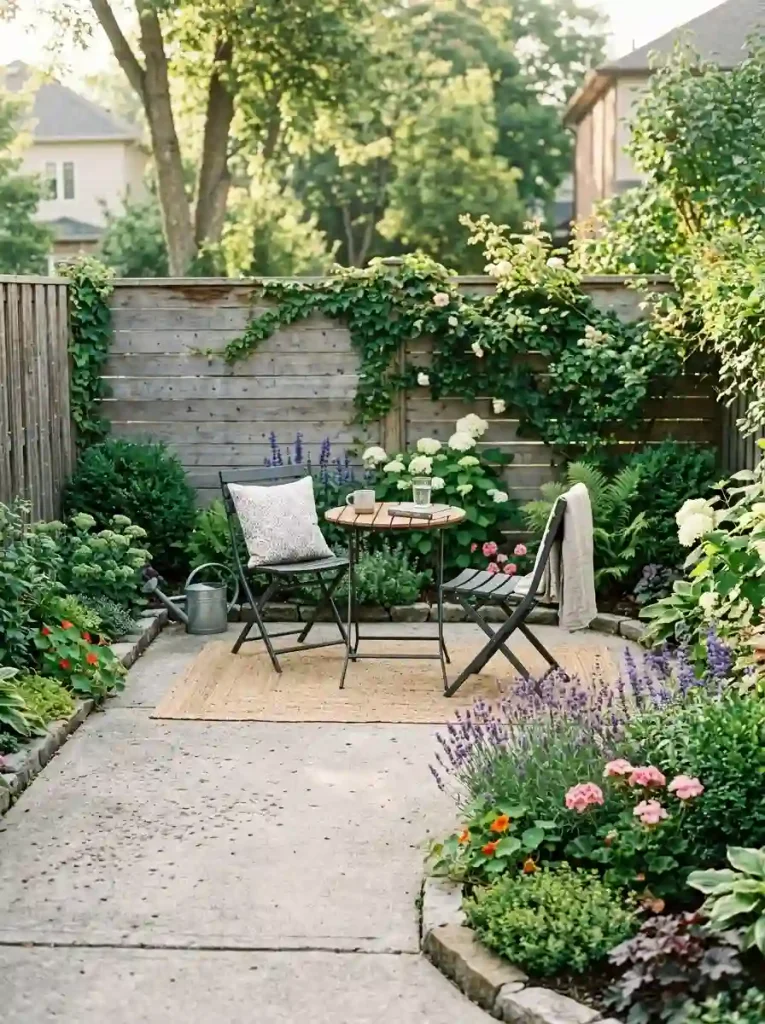
If your patio takes up most of the available space, you can still introduce plenty of greenery by using its edges. A narrow border garden can soften hard surfaces without making the sitting area feel crowded.
Choose compact plants that stay within their intended space and arrange them in repeated groups rather than filling the entire border with different varieties.
This creates a cohesive look while keeping plant costs under control. You can also combine flowering plants with evergreen foliage so the border remains attractive between blooming seasons.
Budget Tip:
Repeating a few inexpensive plants usually looks more intentional than buying many individual varieties. Purchase smaller plants and allow them time to fill out.
14. Use a tree as the centerpiece of your backyard
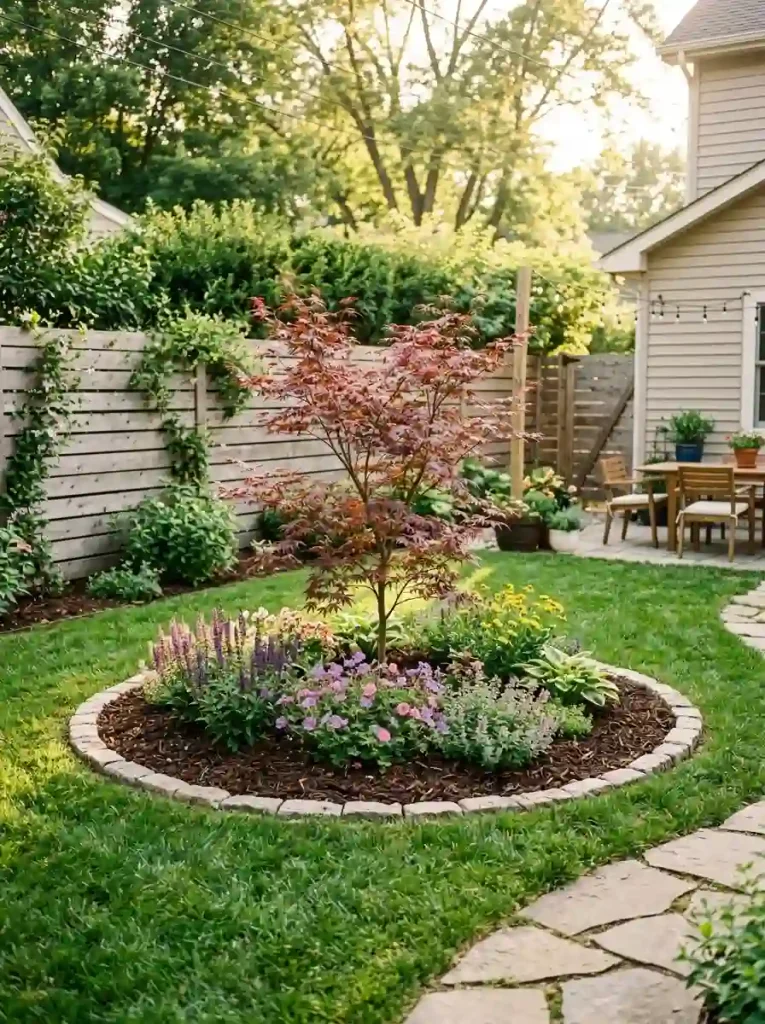
One carefully chosen small tree can give a backyard a strong focal point without requiring dozens of plants.
Look for a species that fits the mature size of your space and suits your local growing conditions. A compact ornamental tree can provide height, seasonal interest, and shade while leaving room underneath for a small planting bed.
Instead of surrounding the tree with expensive landscaping materials, keep the area simple. A circular mulch bed with a few low plants can be enough to make it feel like a deliberate centerpiece.
Budget Tip:
Check local nurseries for young trees. Smaller specimens are often less expensive and can establish successfully when planted and cared for properly.
15. Create a DIY border with colorful annual flowers
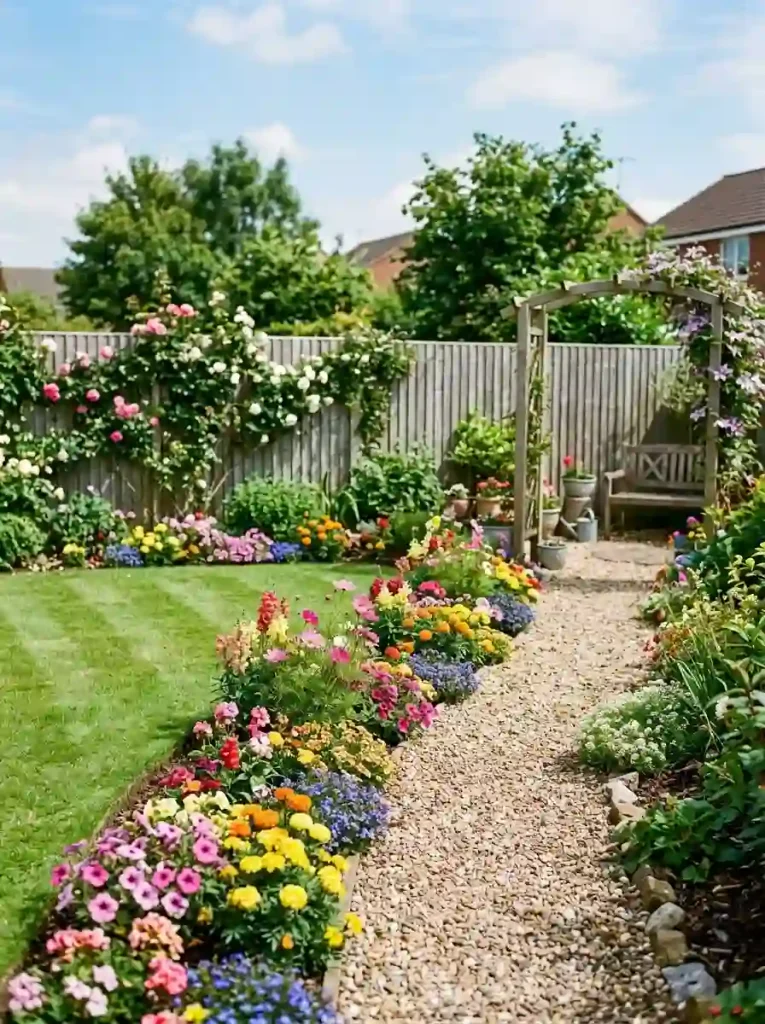
When you want plenty of seasonal color without investing heavily in permanent landscaping, annual flowers can be an easy way to change the look of your backyard.
Use a narrow strip along a walkway, fence, or lawn edge and plant flowers in repeated clusters. Keeping the design simple makes maintenance easier and prevents a small space from looking visually chaotic.
You can also change the flower selection from one season to another, giving the same backyard a different appearance throughout the year.
Budget Tip:
Grow some flowers from seed when the variety and growing conditions make it practical. A packet of seeds can provide considerably more plants than buying mature specimens.
16. Turn an old ladder into a vertical plant display
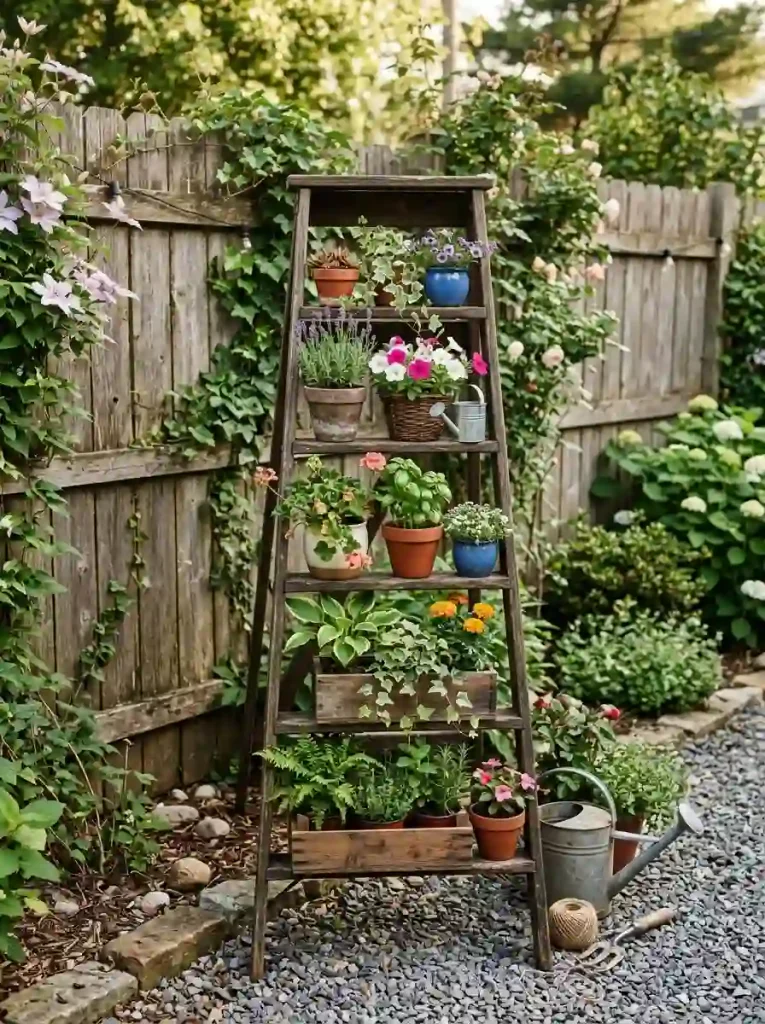
An unused wooden ladder can become a charming plant stand when horizontal garden space is limited. Lean it securely against an appropriate surface and use the steps to display small containers.
The different levels naturally create height variation, which can make a collection of inexpensive plants look much more interesting.
Use lightweight pots on upper levels and make sure the ladder is stable before adding plants. A weathered finish can add rustic character, while a fresh coat of exterior paint can give it a cleaner appearance.
Budget Tip:
Repurpose an old ladder instead of purchasing a decorative plant stand. Just make sure the material is structurally sound and suitable for outdoor use.
17. Add a narrow mulch path between planting areas
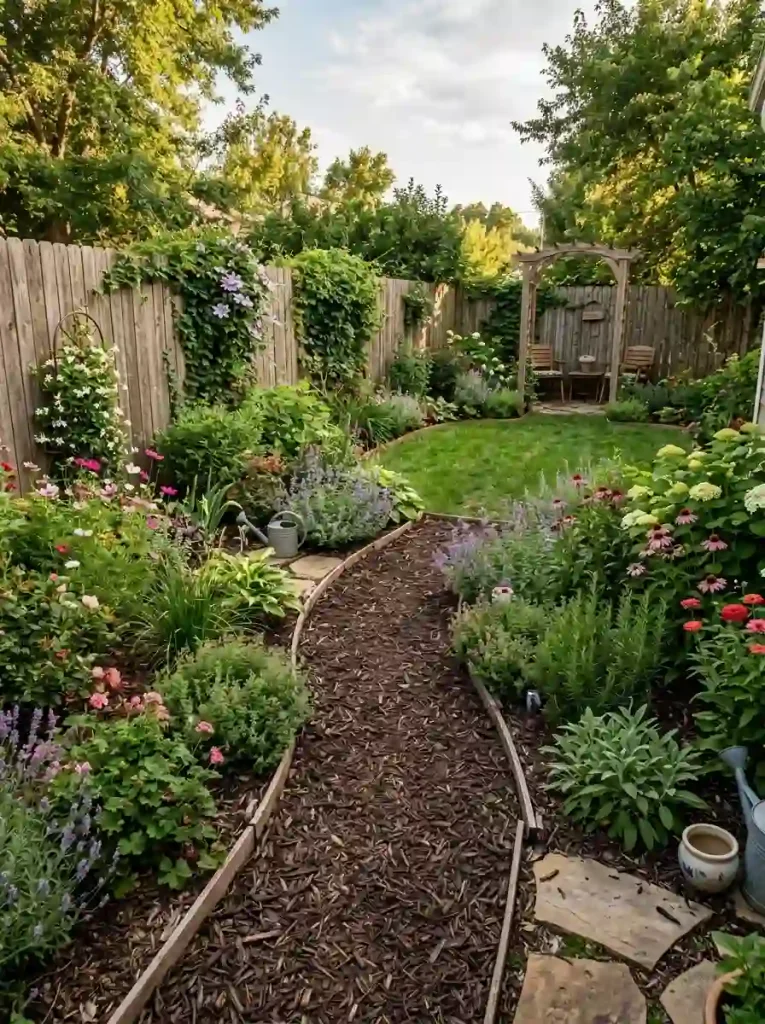
A pathway doesn’t always need concrete, stone, or expensive pavers. Mulch can create a simple walking route while helping separate different sections of a small backyard.
Use the path to connect the patio with a garden bed, shed, compost area, or side gate. Landscape edging can keep the material contained and make the route look more finished.
Because mulch is relatively easy to refresh, it can also be a practical choice for homeowners who want to change their backyard layout over time.
Budget Tip:
Keep the route narrow but comfortable for walking. Reusing the same mulch material in nearby planting beds can also make the entire design feel more coordinated.
18. Use large leaves and ornamental grasses for inexpensive texture
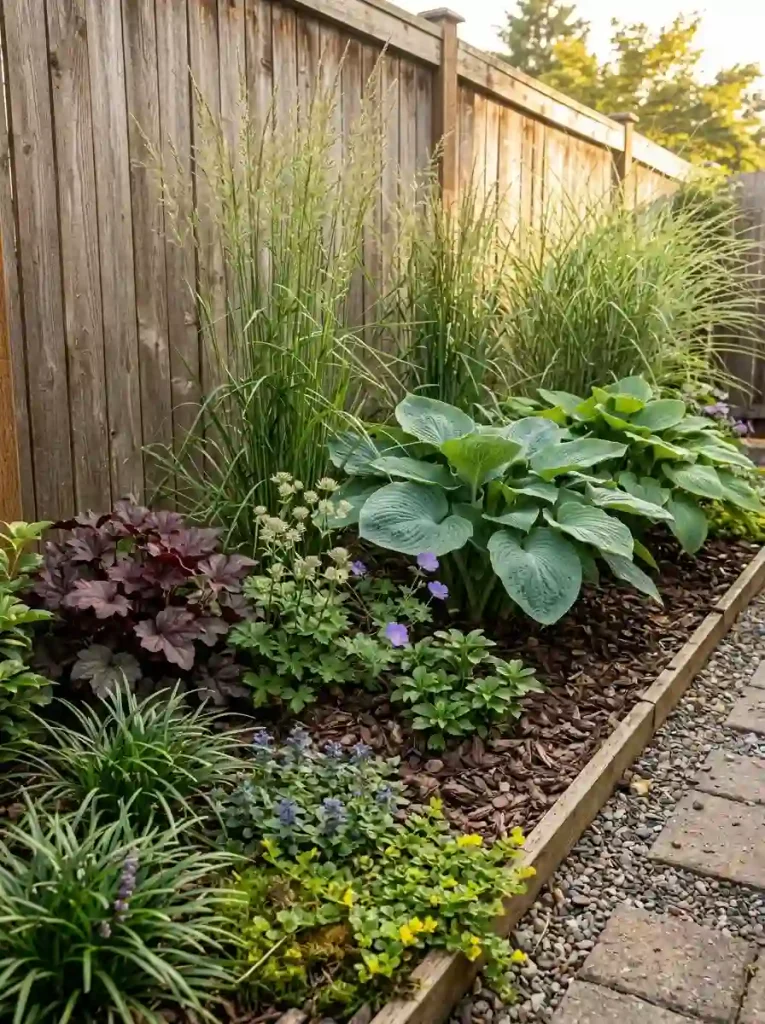
You don’t need a backyard full of flowers to make it visually interesting. Plants with distinctive leaves and grasses can provide movement, texture, and structure throughout the growing season.
Try combining upright grasses with broader-leaved plants and lower ground-level foliage. The contrast between leaf shapes can make a small planting area appear fuller without requiring a large number of different plants.
Choose varieties based on your local climate, available sunlight, and mature size. Plants that naturally fit the conditions are usually easier and less expensive to maintain.
Budget Tip:
Focus on a few dependable foliage plants and repeat them throughout the yard. Repetition creates a designer-like appearance without requiring a large plant collection.
19. Hang planters from a sturdy fence or overhead structure
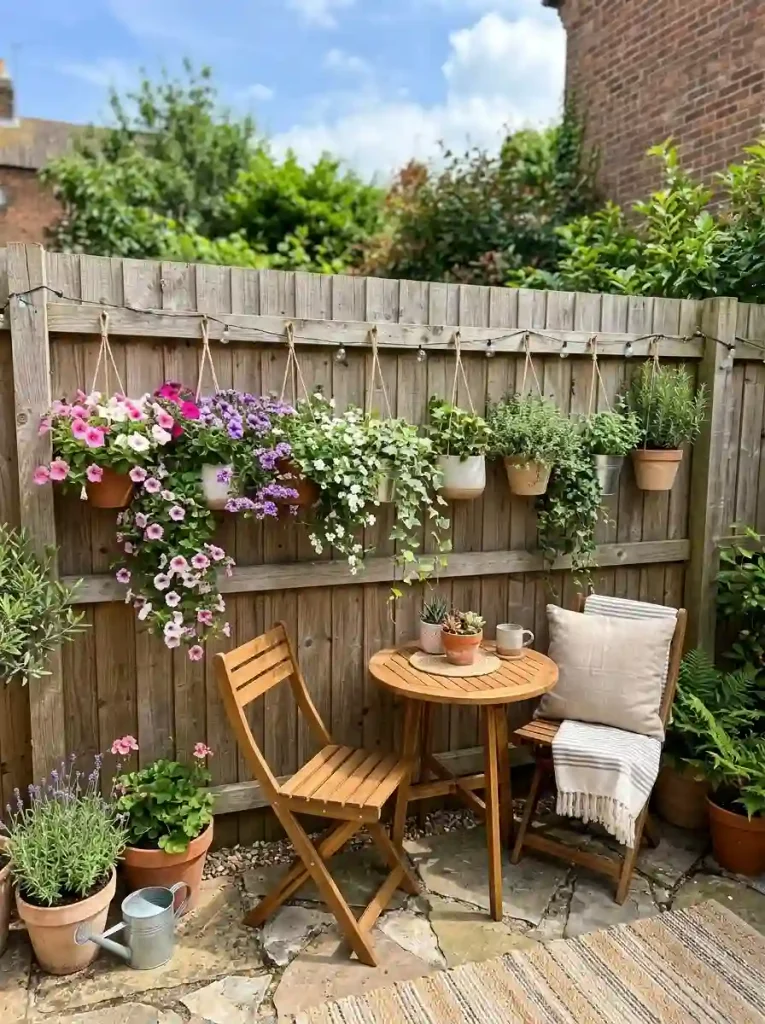
When every square foot matters, hanging planters can give you another place to grow without taking up valuable floor space.
Hang lightweight containers from a sturdy fence, pergola, or properly installed outdoor structure. Use trailing flowers, herbs, or compact foliage plants to create layers of greenery above the ground.
Keep the arrangement manageable rather than covering every available surface. A small group of coordinated hanging containers can create a stronger visual effect than dozens of randomly placed pots.
Budget Tip:
Repurpose suitable lightweight containers and use outdoor-rated hardware designed for the structure you’re attaching them to.
20. Define the backyard with one inexpensive focal feature
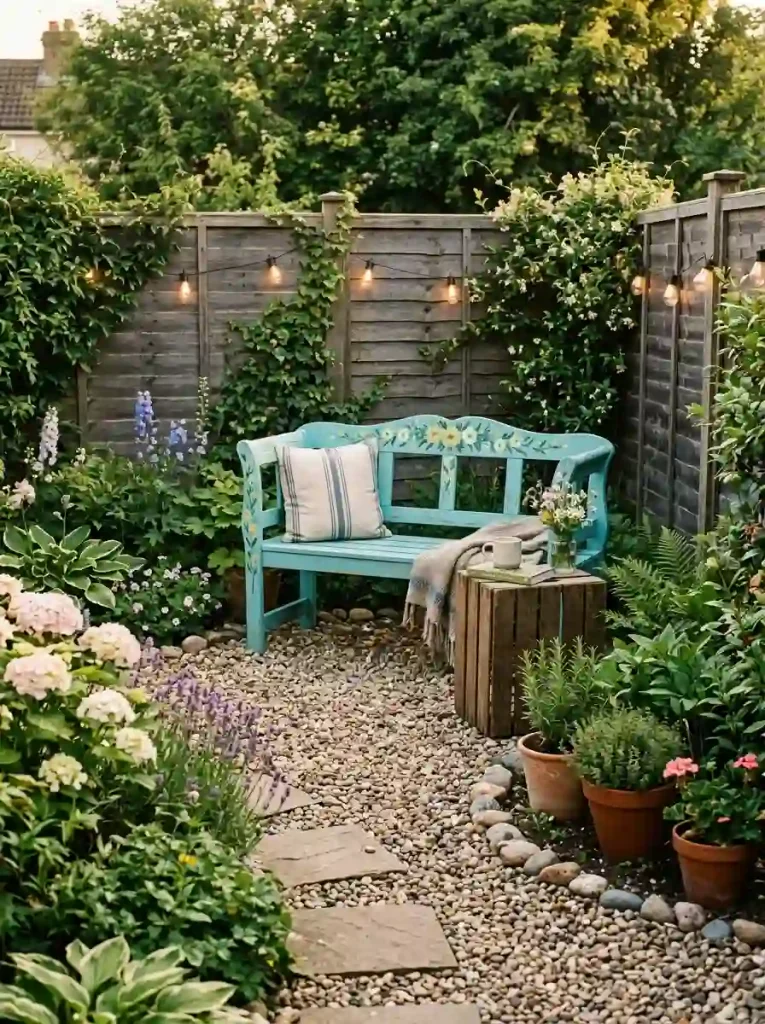
A small backyard doesn’t need lots of decorative elements. In many cases, choosing one memorable focal point can make the entire landscape feel more intentional.
That feature could be a colorful garden gate, a sculptural planter, a painted bench, a distinctive birdbath, or another weather-appropriate piece that reflects your style.
Place the feature where it naturally catches attention rather than scattering decorations throughout the yard. Then keep the surrounding landscaping relatively simple so the focal point has room to stand out.
Budget Tip:
Look around your home before shopping for décor. An old bench, planter, chair, or architectural object may become a surprisingly effective garden feature with a little cleaning or paint.
21. Keep the design simple with a limited plant palette
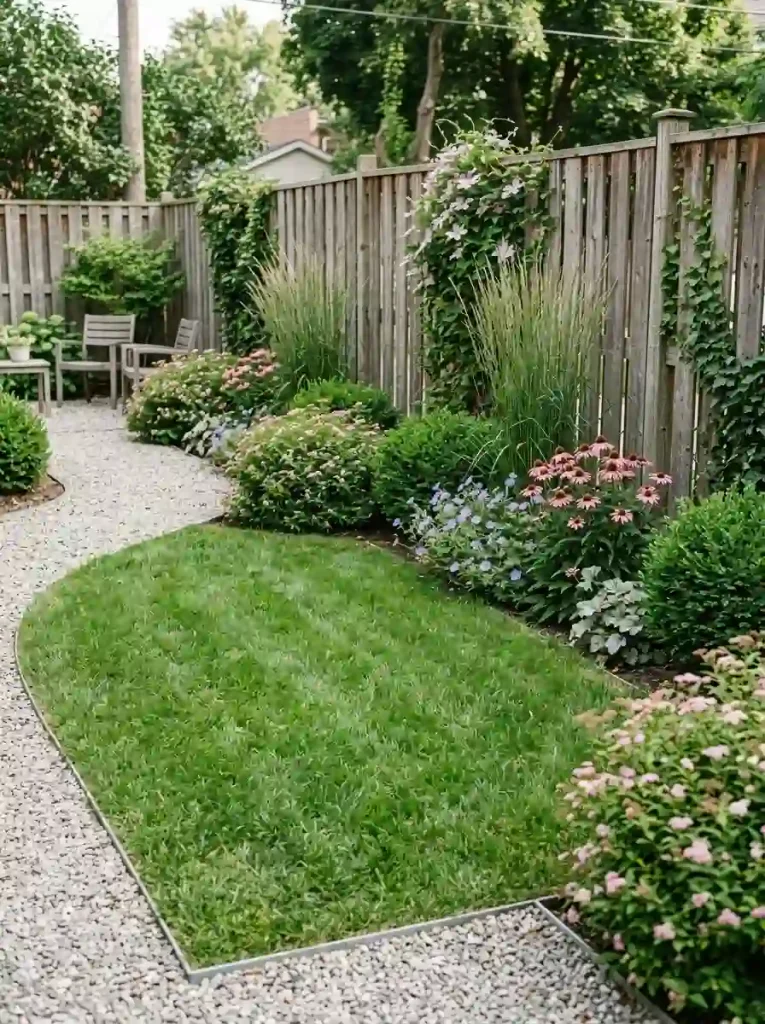
One of the best ways to keep a small backyard affordable is to resist the temptation to buy every plant that catches your eye.
Choose a small group of plants that work well together and repeat them around the yard. Repetition creates visual consistency and can make even a modest landscape look professionally planned.
A simple palette can also make maintenance easier because you’ll have fewer individual plant requirements to remember. Combine different heights, textures, and seasonal characteristics while keeping the overall selection manageable.
Budget Tip:
Before buying anything, sketch your backyard and decide where each plant will go. Planning first helps prevent impulse purchases and reduces the chance of overcrowding your space.
How to Make a Small Backyard Look Expensive on a Budget
You don’t need luxury materials to make a backyard look polished. The biggest difference often comes from consistency and planning rather than the price of individual items.
Choose two or three main materials and repeat them throughout the space. For example, the same gravel can appear around planting beds and beneath a seating area, while one fence color can provide a consistent backdrop.
Keep pathways clearly defined, trim overgrown plants, remove clutter, and give existing structures a thorough cleaning. These inexpensive improvements can make the landscaping feel much more finished.
It also helps to create a clear focal point. When the eye has somewhere intentional to land, the entire backyard can feel more organized.
How to Landscape a Small Backyard Without Spending Much
Start with what you already have. Before buying plants, furniture, edging, or decorative features, look at the existing layout and decide what can be cleaned, moved, repaired, painted, or reused.
Then divide your project into small zones. You might tackle the seating area first, followed by the planting beds and finally the pathway or decorative details.
Prioritize improvements that solve a real problem. If your backyard lacks privacy, focus on screening. If it feels cluttered, concentrate on storage and organization. If it looks bare, add inexpensive planting rather than immediately purchasing major hardscape features.
A gradual approach also makes it easier to learn what works in your space before committing more money.
Final Thoughts
A small backyard doesn’t have to feel limited. With the right layout, even a modest outdoor space can include greenery, seating, privacy, pathways, and areas for relaxing without requiring a large landscaping budget.
The key is to work with the space rather than against it. Use vertical surfaces when floor space is scarce, repeat plants and materials for a cohesive look, and repurpose items whenever practical.
Most importantly, you don’t have to complete everything in one weekend. Start with one area that bothers you most, make a thoughtful improvement, and build from there.
A few inexpensive changes can gradually turn a basic backyard into a comfortable outdoor space that feels personal, useful, and genuinely enjoyable.