

23 Easy Dream Journal Ideas You Will Actually Stick To
You wake up with a strange image still glowing in your mind. A staircase made of water, maybe, or a door in the wrong place. By lunchtime it is gone, but the right dream journal ideas can help you catch it.
In this article, you will find 23 simple, practical ideas to record, sort and enjoy your dreams. You will see paper layouts, voice notes, sketch pages and tracking systems. Whether you remember a lot or only a little, there is a method for you.
I’ve noticed that the best journal is the one you will actually open at 6 a.m. half asleep. By the end, you will have a clear setup, a few quick habits and a notebook that feels easy to keep.
Bedside Dream Journal Setup
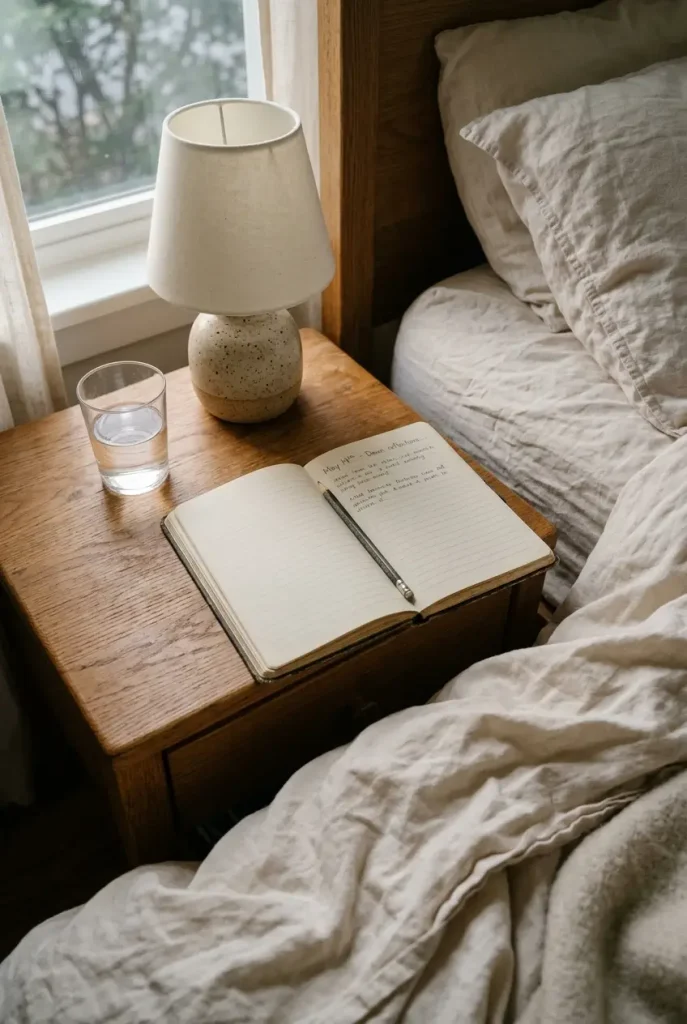
Your dream fades fast, so the notebook has to be within arm’s reach. Keep it on the nightstand with a pen already clipped to the cover. Choose a lined notebook you like touching, because a nice one gets picked up more often. A basic one costs very little.
Write before you check your phone, even if it is only three words. Busy workers and students can do this in under two minutes. A small first step today: put the notebook and pen on your pillow side tonight, so you cannot miss them.
Keyword First Notes

- Write five key words first: people, place, object, feeling, action.
- Skip full sentences until the key words are safely on paper.
- Circle the strongest image so you can find it later.
- Add one full sentence only if you still have time.
- Leave blank space under the words so details can fill in.
Single words are easier to catch than whole scenes. Once you have five anchors, the story often follows without effort. I’ve seen this work well in many cases when mornings are rushed. It also keeps the habit under three minutes, which suits parents, students and anyone who wakes up late.
Voice Memo Dream Log

Quick Tip:
Whisper into your phone before you even sit up, so the scene stays fresh. Name the date first, then speak slowly for about sixty seconds without stopping. Rename the file with one key word, and keep your eyes closed while you speak.
Talking is faster than writing, so voice notes suit people who wake up groggy. A free recorder app is enough, so the cost is zero. You also capture details short notes often miss. Listen back each weekend and type the best ones into your journal. If you share a room, whisper softly.
Simple Dream Journal Layout
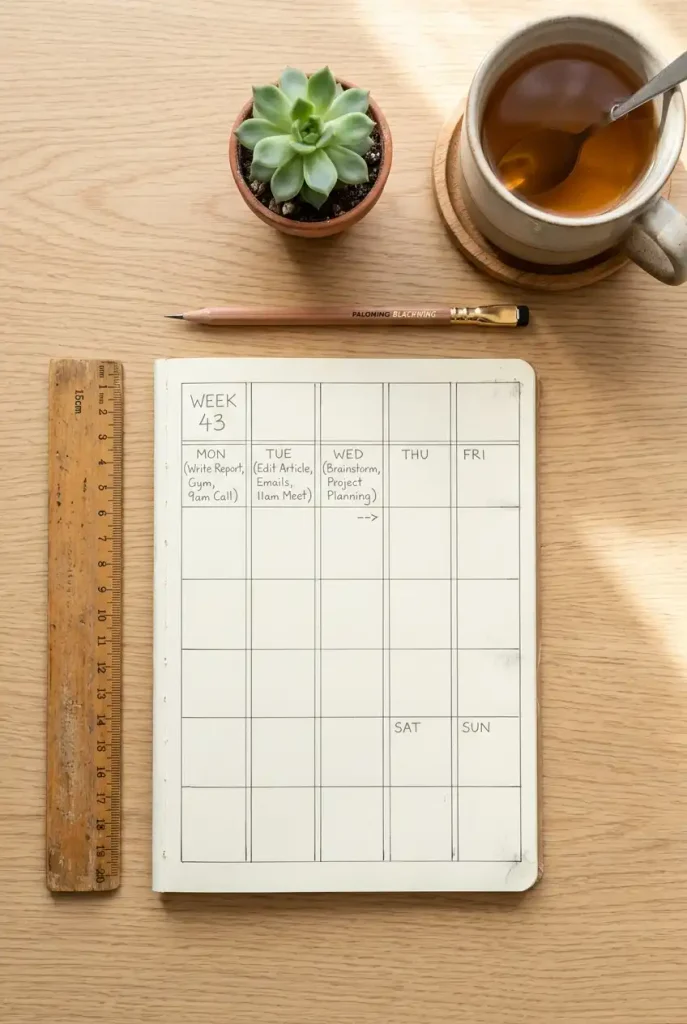
Before: Your entries are long blocks of messy text. Nothing stands out, so rereading feels like a chore. Most pages end up abandoned.
After: Each page has a date, a title, a short story and a feelings line. You can scan a week of entries in under a minute.
Draw four boxes or lines at the top of a fresh page: date, title, story and feeling. A ruler and ten minutes on a Sunday evening will prepare a week of pages. It costs almost nothing. A repeat layout lowers the effort of starting, especially on tired mornings.
Dream Title Method

- Finish your notes first. Read them once without judging.
- Pick the strongest image or feeling in the dream. Circle it.
- Turn it into a title of three to five words. Keep it vivid.
- Write the title at the top of the page. Add a small star beside entries worth rereading.
Titles turn a pile of pages into something searchable. Months later, “Blue Train Platform” tells you more than a date alone. This takes about one minute and costs nothing. It suits students, parents and anyone with a full diary. Keep titles short, or you will stop writing them.
Paper Versus Phone Journal
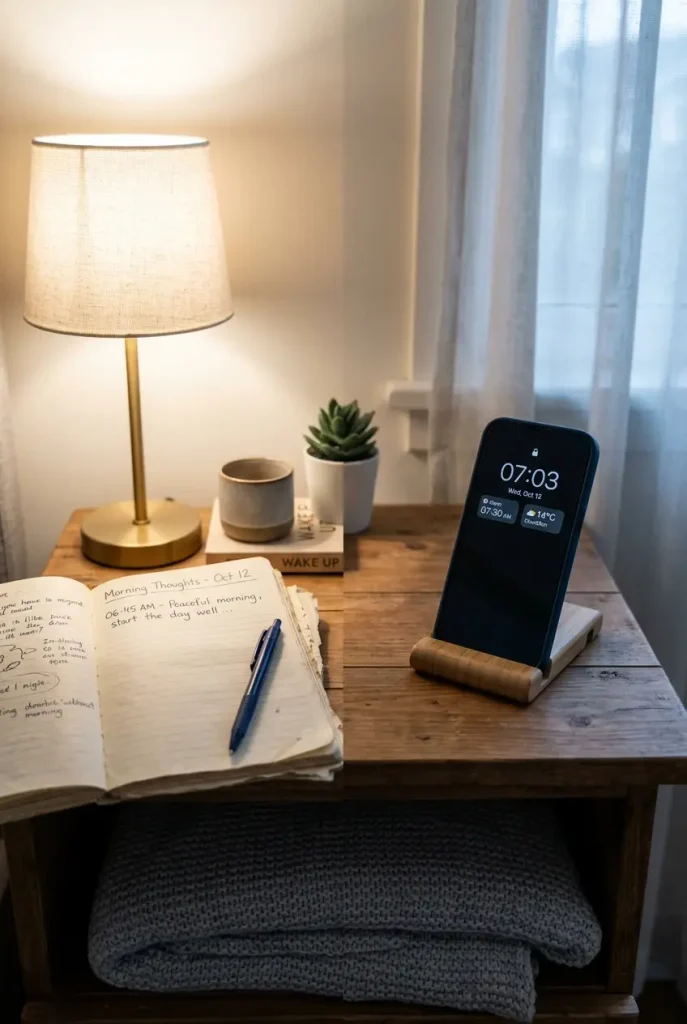
| Point | Paper Notebook | Notes App |
|---|---|---|
| Speed | Slower in the dark | Fast, but the screen glows |
| Search | Flip through pages | Type a word to find it |
| Cost | One low-cost notebook | Free on most phones |
| Focus | Fewer distractions | Alerts can tempt you |
| Backup | One copy only | Can sync to cloud |
Both options work, so pick the one you will open first thing. If you scroll before writing, paper protects the dream. If you wake in the dark, a dimmed app may be easier. Try each for one week, then keep the winner. I’ve seen both styles suit different sleepers.
Quick Dream Sketches

Do:
- Draw stick figures and simple shapes.
- Set a two-minute timer for each sketch.
- Label colors with a single word.
- Sketch the strangest object first.
- Add arrows to show how things moved.
Don’t:
- Worry about drawing skill.
- Erase lines, because speed matters.
- Spend more than five minutes on it.
Some dreams are made of shapes, not words. A rough map or simple figure can hold more detail than a paragraph. Keep a pencil and small sketch pad by the bed, which costs little. Even people who say they cannot draw can do this. It suits visual thinkers best.
Mood Color Tracker

Cost: Low, three or four colored pens | Time: About one minute each morning
Best For: Busy workers, students and visual thinkers | Effort Level: Easy
Works Best: Right after waking, before talking to anyone
Result: A colorful page you can read at a glance
Colors can capture a feeling that words miss. Give each mood a color, such as blue for calm and orange for tense, then dot it beside every entry. Add a tiny color key first. After a month, patterns show up at a glance. Keep it playful, and treat it as a hobby, not a diagnosis.
Recurring Symbol Index
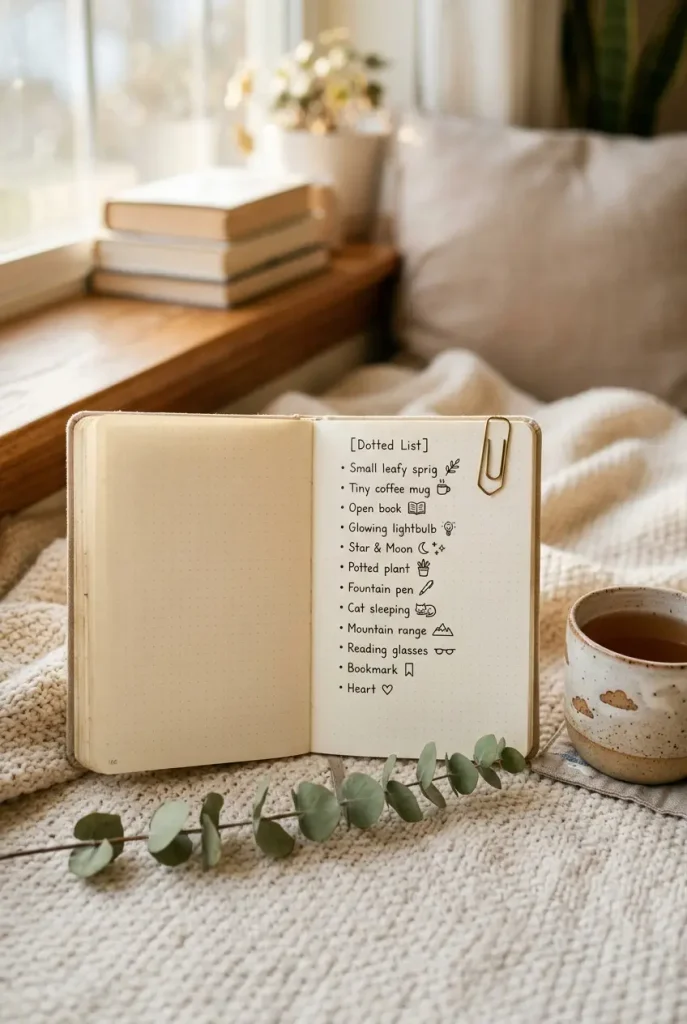
Notice how the same door, ocean or staircase keeps showing up? A symbol index gives those repeats a home. Leave the last two pages of your notebook blank, which costs nothing. Each time an image returns, write it there with the entry date. It takes ten seconds.
After a month, scan the list. Counting the repeats shows what your dreams return to most. Do not decode meanings from a dream dictionary as fact, since symbols mean different things to different people. Treat the list as a curious record, not an answer.
Sunday Dream Review
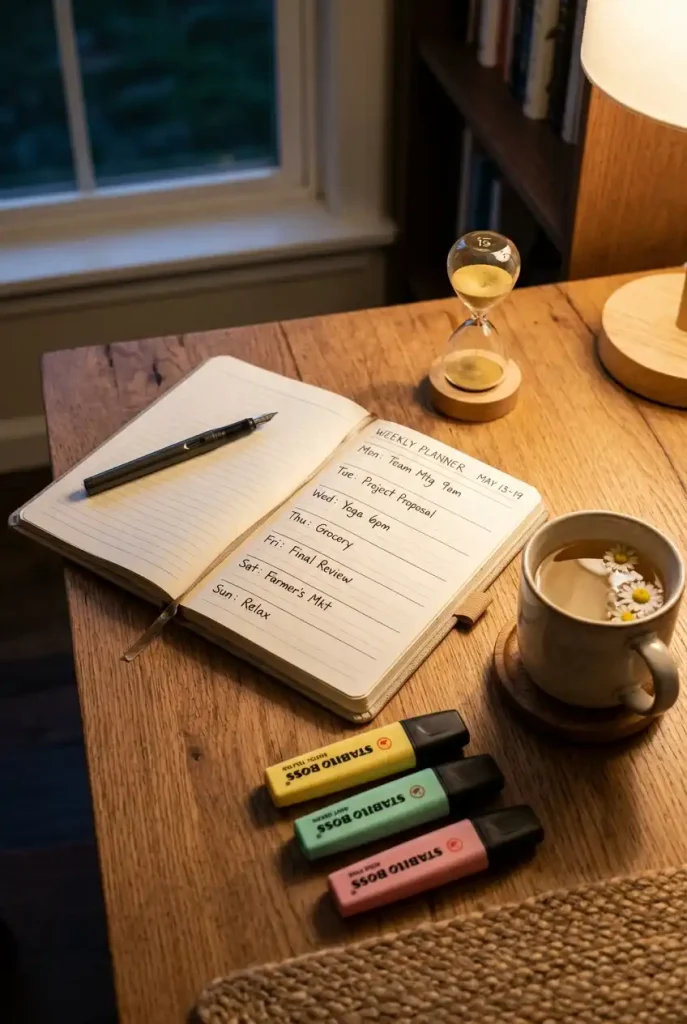
- Set a timer for fifteen minutes on Sunday evening.
- Reread all of the week’s titles before reading full entries.
- Highlight repeated people, places or feelings with one color.
- Write one sentence summing up what stood out most this week.
- Star the entries you want to explore further next week.
A weekly look turns scattered notes into a story. Busy workers like it because it fits between dinner and bedtime. Keep a highlighter beside the notebook, a low-cost tool. In my experience, a short review makes people more eager to write the next morning. Skip it if the week was empty.
Waking Prompt Cards

Quick Tip:
Write five question prompts on index cards and clip them inside your notebook cover. Sample questions: Who was there? Where did it happen? What did I feel? What happened right before I woke up? Pull one card whenever your mind goes blank.
Blank pages can feel scary at 6 a.m. A prompt gives your tired brain something small to answer. Cards cost very little. Students and parents like it because the questions do the thinking. Today, copy one question onto a sticky note. Rotate the cards weekly so you do not get bored.
Evening Habit Log

Before: You wonder why some dreams feel vivid and others vanish. Guessing gets you nowhere. Your notes show only the dream itself.
After: Each entry has a small evening note: bedtime, screen time and a one-to-five busy-day score. Over a few weeks, you can compare notes with how much you remember.
Only log what you already do. Do not change habits just to chase vivid dreams. This record is for curiosity, not medical advice, and anyone worried about their sleep should speak with a doctor. It takes thirty seconds before lights out and costs nothing. A quick first step: jot tonight’s bedtime on tomorrow’s page.
Midnight Wake Notes
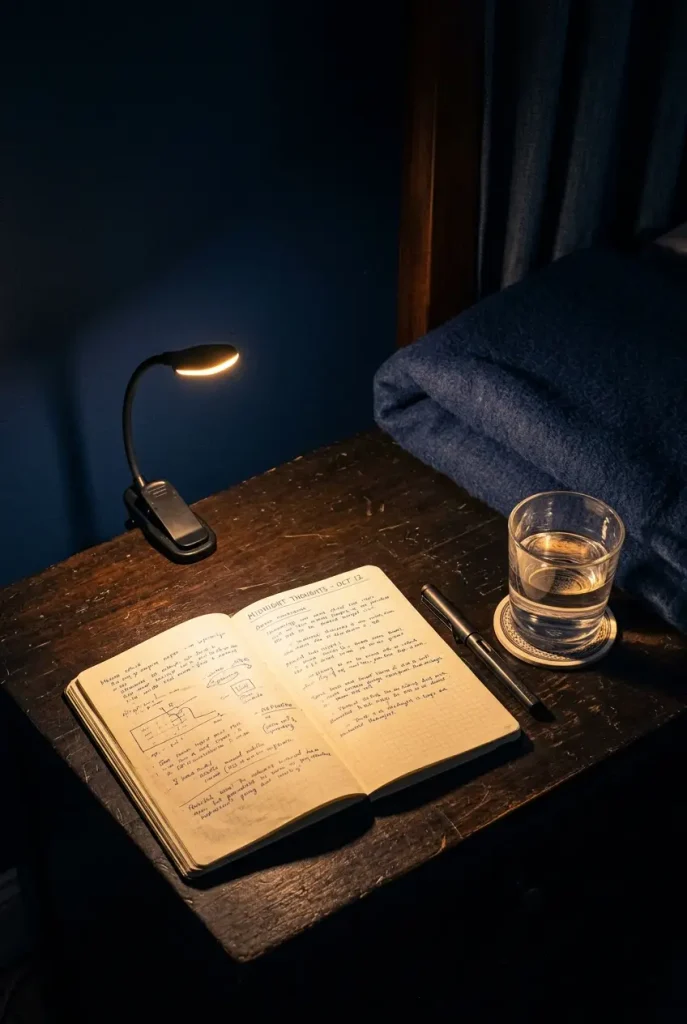
- Keep a small, dim book light clipped to the notebook.
- When you wake at night, stay still and replay the dream once.
- Jot three key words only. Skip full sentences.
- Switch off the light and go back to sleep. Finish the entry in the morning.
Dreams from the middle of the night fade fastest. A dim light keeps the room calm, and three words are enough to rebuild the scene at breakfast. A clip-on book light costs very little. Protect your sleep first, so stay in bed and keep it quick. If night waking is frequent, ask a doctor.
Dream Index Page
| Point | Old Habit | Better Habit |
|---|---|---|
| Finding entries | Flip every page | Check one index page |
| Page numbers | Skip them | Number each page |
| Tabs | None used | Colored sticky tabs |
| Updating | Never done | Five minutes monthly |
| Cost | Free but messy | Low, one pack of tabs |
| Result | Lost entries | Quick favorites list |
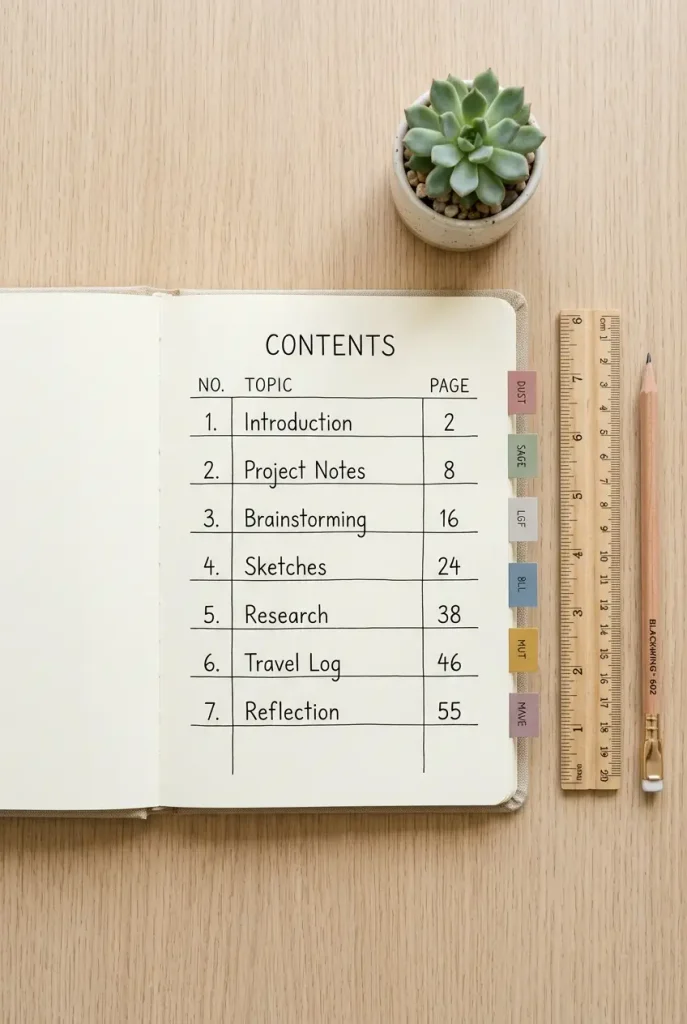
Once a notebook fills up, finding last month’s dream is like searching a junk drawer. Number your pages and reserve the first two for an index. Each month, list entry titles with page numbers. A weekend session of five quiet minutes keeps it from piling up. It suits students with several notebooks.
Private Journal Habits
Do:
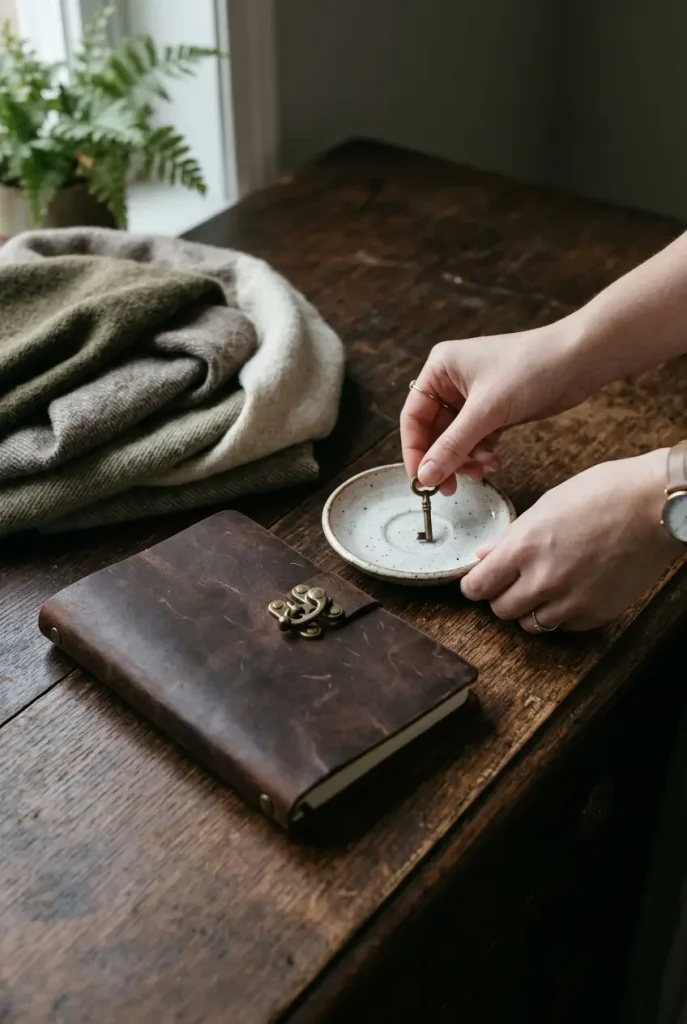
- Store the notebook in a drawer or a locked box.
- Use first names or initials for people.
- Keep digital notes in a passcode-protected app.
- Pick a hiding spot you will remember.
Don’t:
- Leave it open on a shared table.
- Write passwords or account numbers in it.
- Share entries before you feel ready.
Privacy helps you write honestly, because dreams can feel very personal. A basic lock or drawer costs little, and initials keep names safe if someone peeks. I’ve noticed people write more freely once the notebook feels protected. Roommates and parents of curious kids will find this especially useful.
Pocket Travel Notebook

Cost: Low, one pocket notebook and pen | Time: Two minutes each morning
Best For: Travelers, commuters and weekend trips | Effort Level: Easy
Works Best: On a hotel nightstand, in a bag pocket or on a long train ride
Result: A small journal that always comes along, wherever you sleep
A new bed means a new routine, and journaling is often the first habit to slip. Pack a slim notebook so the habit follows you. Note the city beside the date, which makes entries fun to reread later. Set it on the nightstand the moment you arrive, before you unpack anything else.
Dream Collage Pages

A dream with no clear plot still deserves a page. For those, cut shapes, colors and textures from old magazines, then glue them onto a page with a glue stick. It costs almost nothing and takes about fifteen minutes. Weekends work best, when you have time to play.
Add a one-line caption under the collage so the dream is still searchable later. Keep the scraps in an envelope so you can start fast. Parents and students can turn this into a quiet craft hour. Avoid over-planning, because messy pages are the whole point.
Dream Character Cast
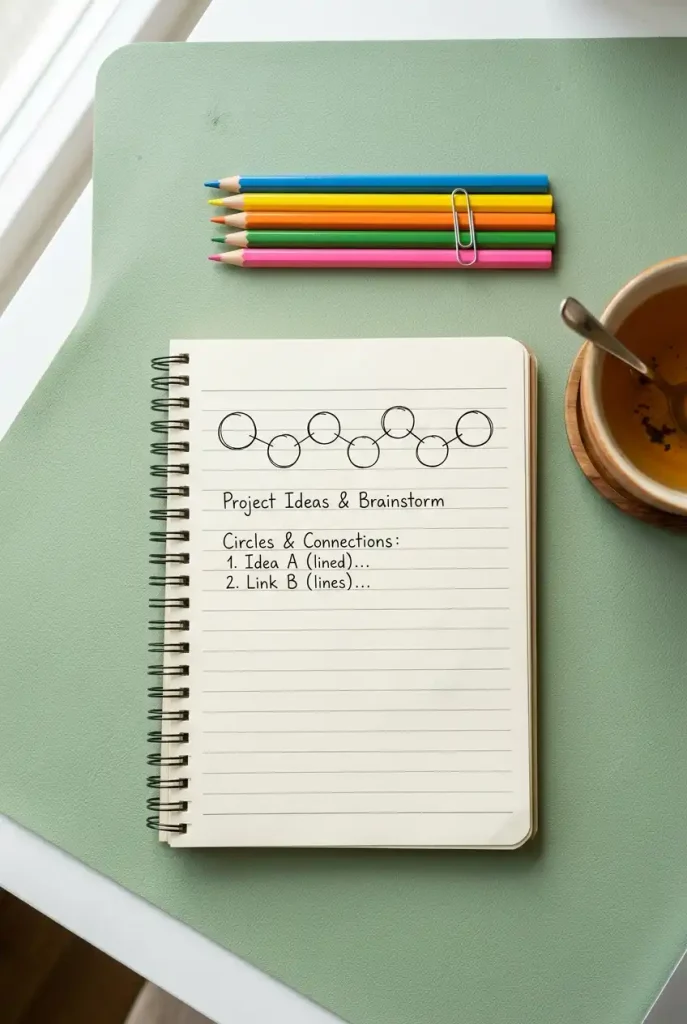
- Give each recurring person a small circle on a cast page.
- Note who they are in real life, if you know.
- Add the date every time they show up again.
- Draw a line between people who appear together.
- Leave extra space for new faces that keep returning.
A cast list reveals who your sleeping mind loves to bring back. It feels like keeping a TV show guide, which makes the habit playful. Ten minutes on a weekend is enough. Use first names only if the notebook might be seen. It works well for people living alone who enjoy puzzles.
Dream Place Maps

Quick Tip:
Draw a rough map of any place that returns in your dreams. Mark where you entered, where you ended and any odd landmarks. Use only five simple symbols, such as a square for a house, and add a new map only when the place changes.
Places are often easier to picture than plots, so a map can bring back extra detail. Start with the room or street you recall best. A pencil and one page cost almost nothing. Over time, you may spot the same hallway or hill returning, which is fun to track.
Shared Dream Swap

Before: You keep dreams to yourself, so the habit feels lonely. Skipping a week goes unnoticed. Nobody asks how it is going.
After: Once a week, you and a friend swap one favorite dream over coffee or a call. Each of you leaves with fresh ideas and a reason to keep writing.
Pick a friend, partner or sibling who enjoys odd stories. Agree on one rule: no analysis, just listening. Share only what you are comfortable sharing, since dreams can be personal. The cost is zero, and it suits people living alone or far from family. Fifteen minutes is plenty.
Story Seed Practice
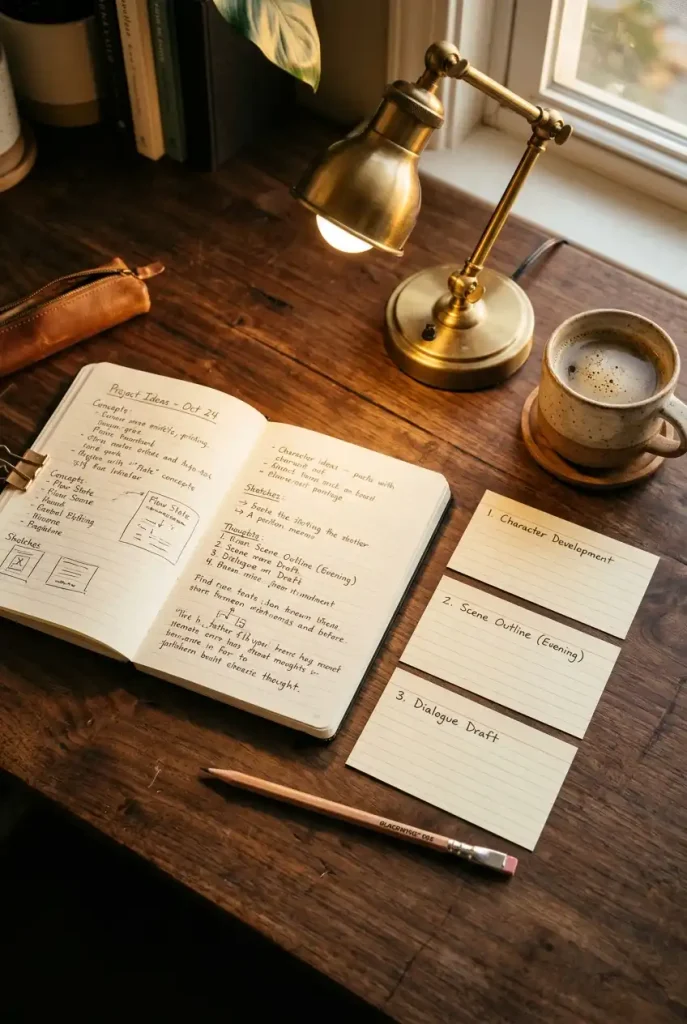
- Choose one dream with a strong image or feeling. Skip confusing ones.
- Write three short lines on cards: beginning, middle and end.
- Fill each card with two or three sentences. Change anything you like.
- Read it aloud, fix one clumsy line and give the story a title.
Story seeds are everywhere in your notes, since dreams are already odd and vivid. Writing one up takes about twenty minutes and costs nothing. It suits students, hobby writers and anyone who wants a creative outlet. Keep the original entry untouched, so the real dream stays safe beside your new story.
Dream Journal Starter Kit
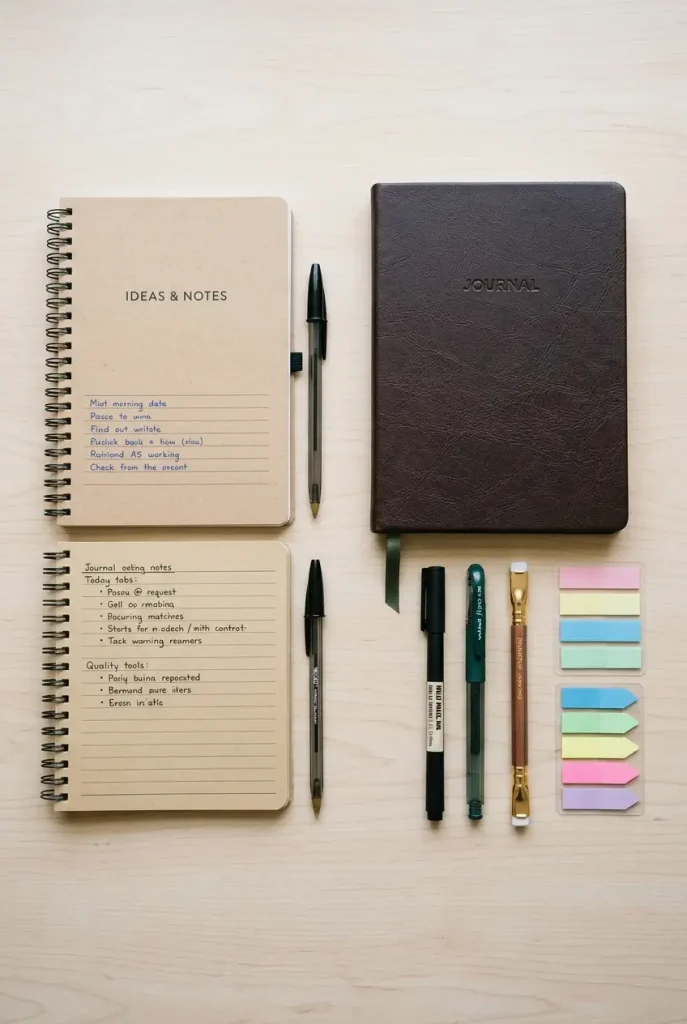
| Point | Basic Kit | Upgraded Kit |
|---|---|---|
| Notebook | Plain lined | Hardcover, ribbon |
| Pen | Any smooth pen | Fine-tip pen set |
| Extras | None | Tabs and highlighter |
| Light | Room lamp | Clip-on book light |
| Cost | Very low | Low to medium |
| Best for | Beginners | Long-term writers |
| Setup time | Two minutes | Ten minutes |
Start with the basic kit, because the habit matters more than the gear. Buy the upgrade only after a month of steady writing. A good notebook can feel like a reward. That’s why many experts recommend starting small with any new habit. Avoid spending on gadgets before you know your routine.
Gentle Habit Streak
Do:
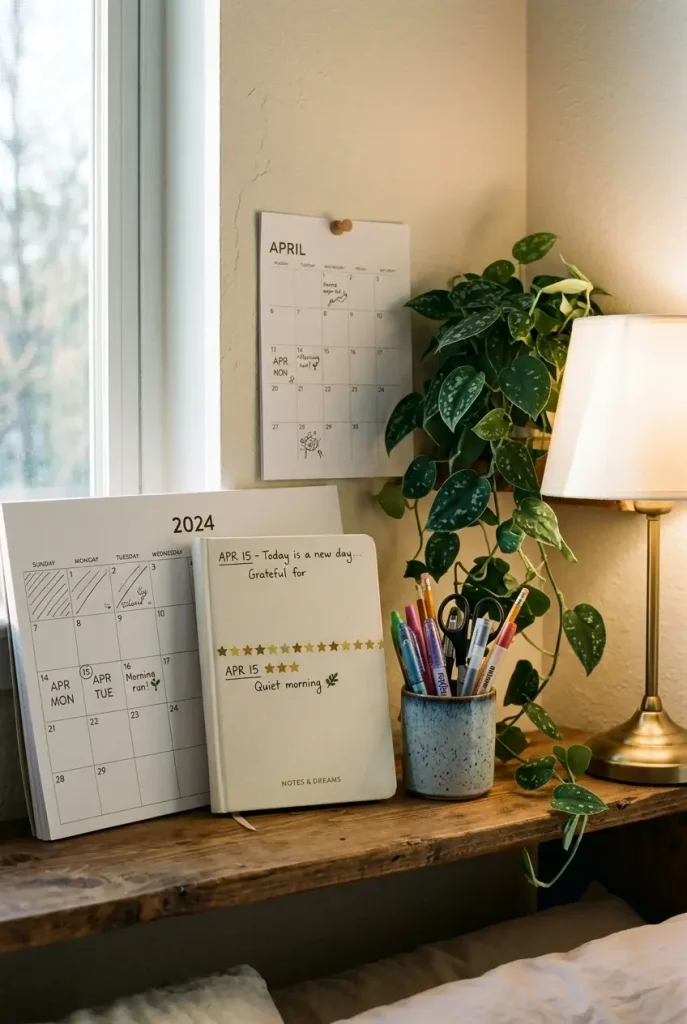
- Put a star sticker on every day you write.
- Count a single word as a full entry.
- Pair the habit with brushing your teeth.
- Restart the next morning after a missed day.
Don’t:
- Punish yourself for a blank page.
- Compare your entries with other people’s.
- Wait until you feel inspired to start.
Streaks work because they are visible. A row of stars on the calendar quietly says you showed up. Missing a day is normal, so just start again. A tiny goal keeps the pressure low. This suits busy workers and parents who need the habit to feel light.
Frequently Asked Questions
How long should I spend on my dream journal each morning?
Two to five minutes is enough for most people. Write key words first, then add a short sentence if time allows. Longer sessions are fine on weekends, but a short daily habit is easier to keep than a long, occasional one.
What can I write if I do not remember my dream?
Write whatever you have: a feeling, a color, a single word or even “no memory today.” Noting a blank morning keeps the habit alive. Some people also record their first thought on waking, which can lead back to a detail later.
Which dream journal ideas work best for beginners?
Start with a bedside notebook and the key-words-first method. Both are free or low cost and take under three minutes. Once the habit feels steady, add a title, a feelings line or a weekly review for more depth.
How do I stay consistent with a dream journal?
Keep the notebook where you cannot miss it, tie writing to a daily cue like switching off your alarm, and lower the bar to one word. Mark each day on a calendar. If you miss a day, simply restart.
Conclusion
A good morning can start with a small page and a quiet pen. Start with one idea, such as a bedside notebook or a few key words, and let the rest build slowly. I’ve seen how a simple notebook becomes something people look forward to.
Pick any of these dream journal ideas that fits your mornings. Save this post on Pinterest so it is ready when you need it. Try one idea this week, then share it with someone who would love it. Tomorrow’s dream is already on its way.