

23 How to Close Open Pores Home Remedies That Actually Work
Staring at your reflection and noticing every tiny dot across your nose and cheeks is something almost everyone has done. Enlarged pores are one of the most common skin concerns, and they show up on oily, combination, and even dry skin.
The good news is that you don’t need an expensive treatment to improve how they look. Simple kitchen ingredients and a few smart habits can help your skin look clearer, tighter, and smoother.
In this guide, you’ll find 23 how to close open pores home remedies, explained step by step, plus honest tips on what works and what doesn’t.
What Causes Open Pores?
Before trying any remedy, it helps to understand what you’re dealing with. Pores are tiny openings that release natural oil (sebum) to keep your skin soft. They don’t have muscles, so they can’t literally open and close. What you can do is clean them, reduce oil, and tighten the skin around them so they look smaller.
- Excess oil production: Oily skin stretches the pore opening and makes it more visible.
- Clogged pores: Dead skin, makeup, and dirt build up and widen the pore.
- Loss of elasticity: As collagen declines with age, skin around pores loosens.
- Sun damage: Unprotected sun exposure breaks down collagen over time.
- Genetics: Some people simply have naturally larger pores.
- Skipping skincare: Not cleansing properly or leaving makeup on overnight lets debris collect.
Quick note:
No home remedy shrinks pores permanently, but consistent care can make a visible difference. Always patch-test new ingredients on your inner arm for 24 hours first.
1. Splash Your Face With Cold Water

Cold water is the easiest place to start. It briefly tightens the skin and leaves your face feeling refreshed, which makes pores look smaller.
What you need: Cold tap water
How to do it: After cleansing, splash your face 10 to 15 times with cold water. Gently pat dry with a clean towel.
How often: Morning and night
2. Massage With Ice Cubes
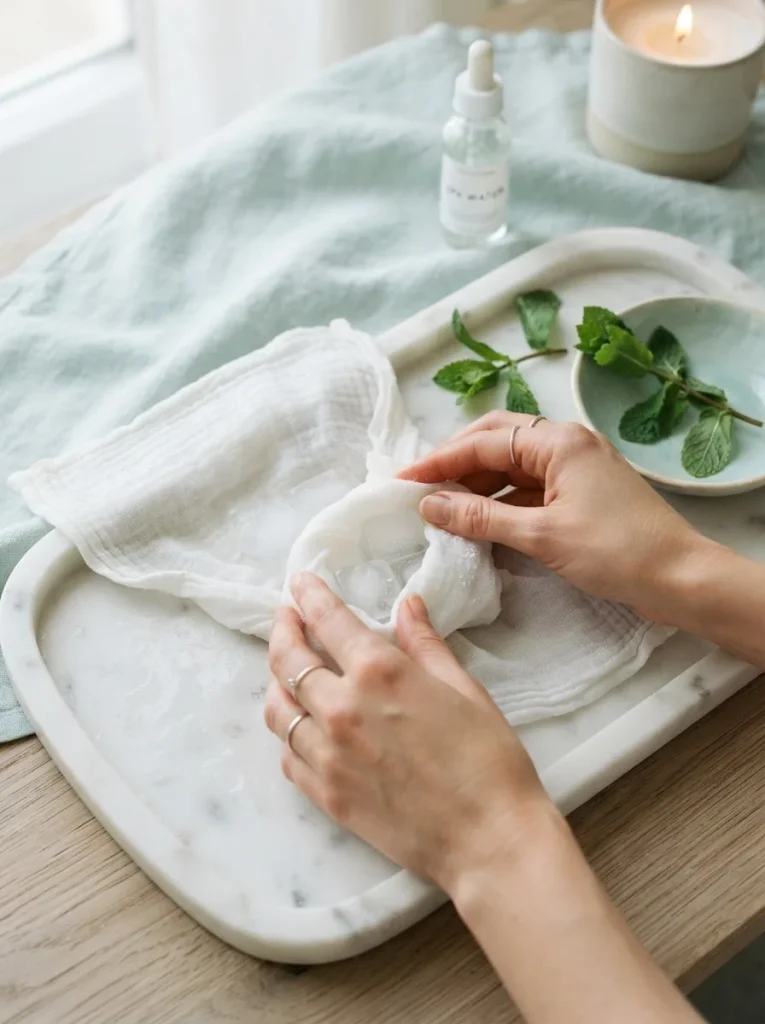
Cold therapy calms redness and gives your skin a temporary firming effect. It’s especially handy before makeup.
What you need: 2 to 3 ice cubes, a soft cotton or muslin cloth
How to do it: Wrap the ice in the cloth and glide it over your face in circles for about 30 seconds per area. Never press ice directly on skin.
How often: Once daily, ideally in the morning
3. Apply an Egg White Mask
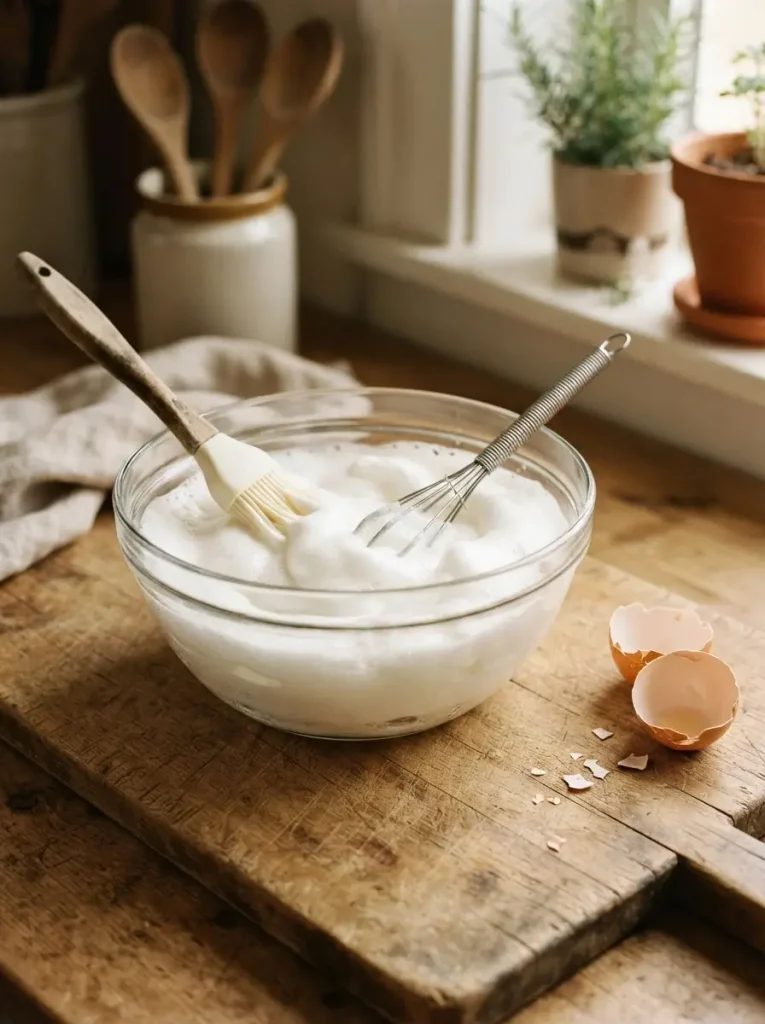
Egg whites dry slightly as they set, creating a tightening feeling that many people like for oily skin.
What you need: 1 egg white, 1 tsp aloe vera gel (optional)
How to do it: Whisk the egg white until frothy and brush it onto clean skin, avoiding your eyes. Let it dry for 10 to 15 minutes, then rinse with cool water.
How often: Once or twice a week
Safety tip: Use fresh eggs, and skip this one if you have an egg allergy.
4. Try a Honey and Oatmeal Mask
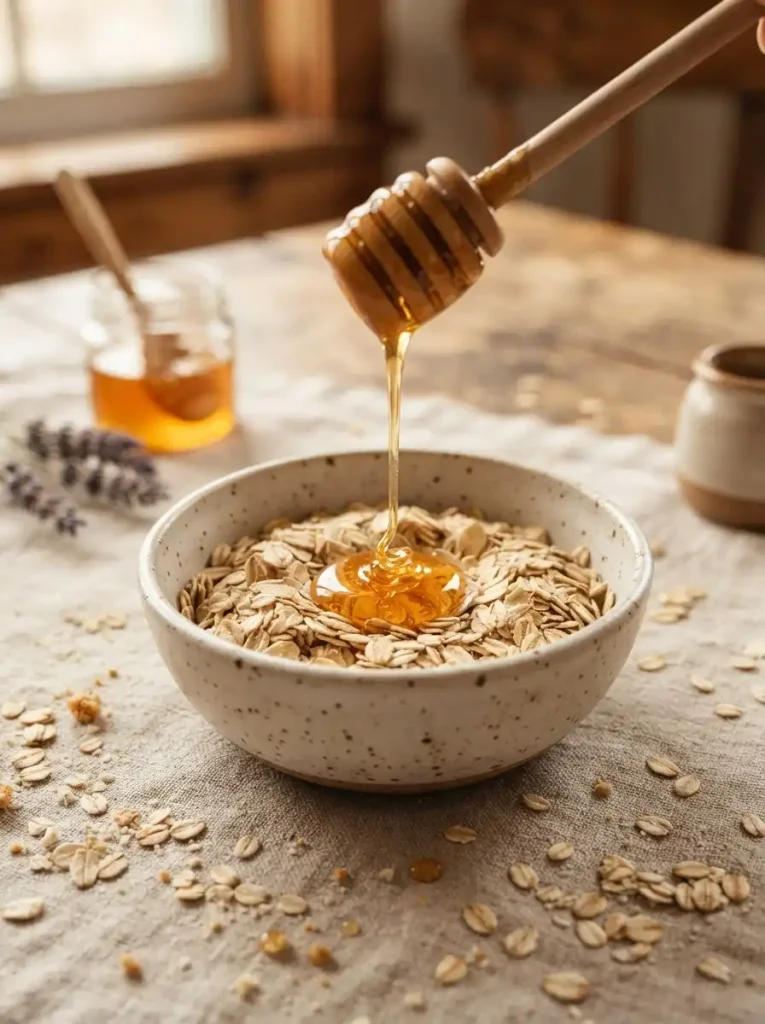
Honey is naturally soothing and mildly antibacterial, while oats absorb extra oil and gently lift dead skin.
What you need: 1 tbsp ground oats, 1 tbsp raw honey, a splash of warm water
How to do it: Mix into a spreadable paste, smooth it over your face, and leave it for 10 minutes. Rinse with lukewarm water while massaging lightly.
How often: Twice a week
5. Use a Clay Mask
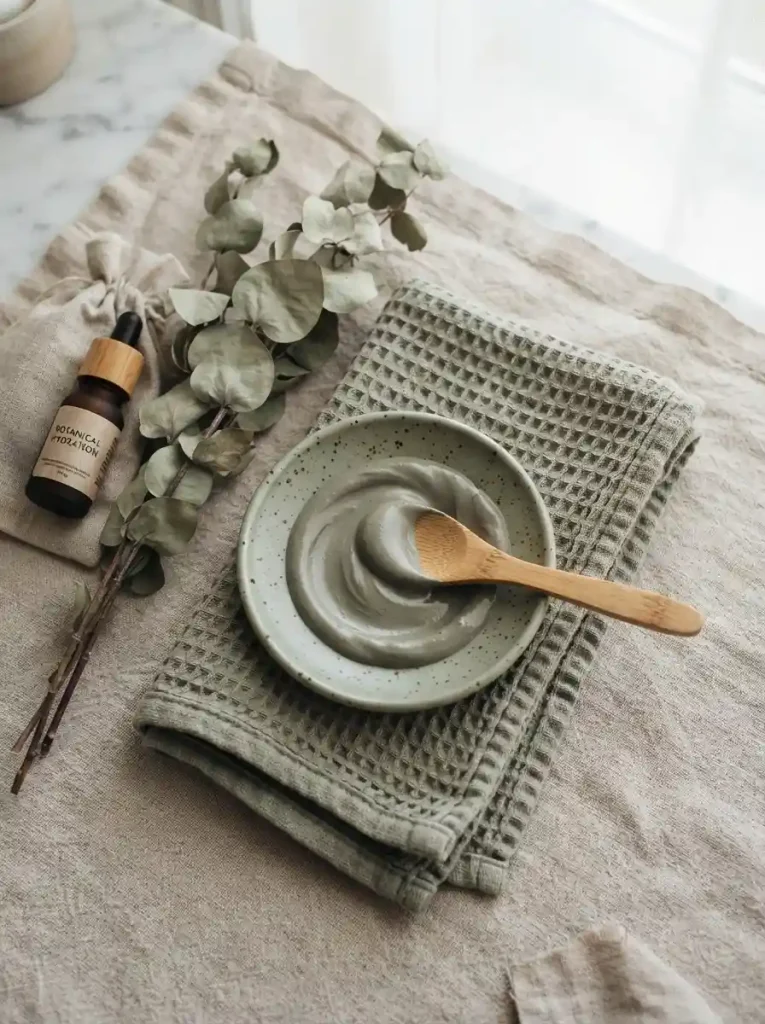
Bentonite and kaolin clay pull excess oil and impurities out of pores, which is why they’re popular for oily and acne-prone skin.
What you need: 1 tbsp clay powder, water or rose water
How to do it: Mix into a smooth paste and apply a thin layer. Rinse off before it fully cracks, since over-drying can irritate your skin.
How often: Once a week
6. Soothe Skin With Aloe Vera Gel
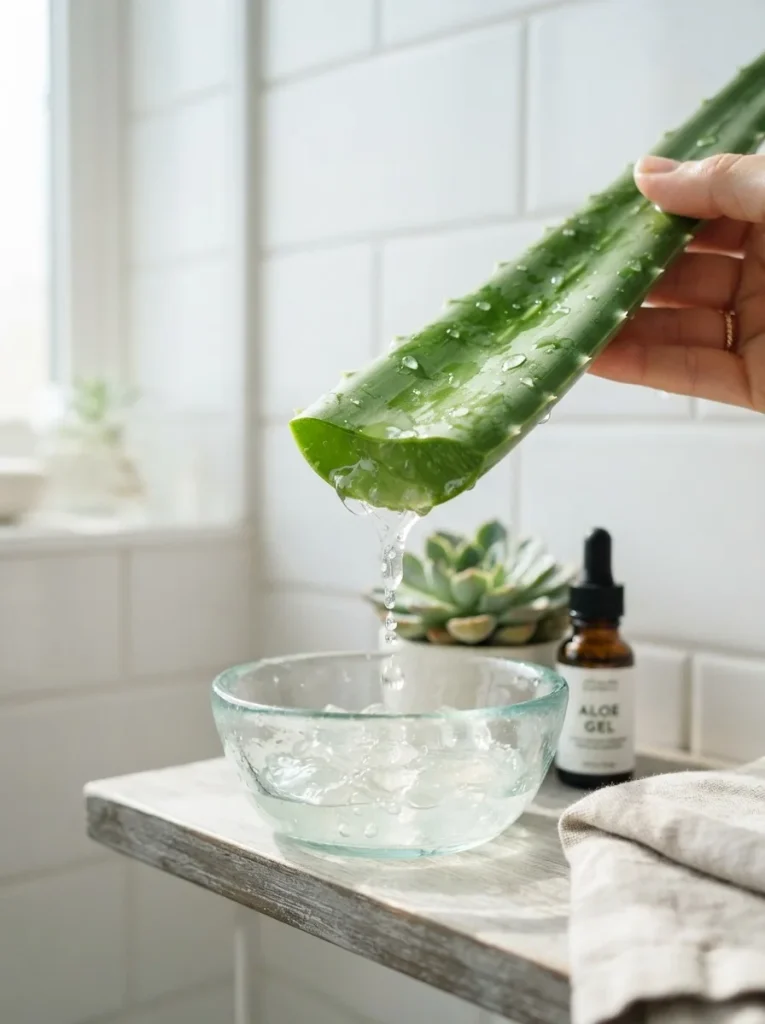
Aloe hydrates without heaviness, which matters because dehydrated skin often produces even more oil.
What you need: Fresh aloe gel or a pure aloe product with minimal additives
How to do it: Apply a thin layer after cleansing and leave it on, or rinse after 15 minutes as a light mask.
How often: Daily
7. Dab On a Green Tea Toner

Green tea contains antioxidants that may help calm skin and regulate oil.
What you need: 1 green tea bag, 1 cup hot water, a spray bottle
How to do it: Steep for 5 minutes, let it cool completely, pour into a clean bottle, and mist or pat onto your face after cleansing. Keep it refrigerated and use within 3 to 4 days.
How often: Once or twice daily
8. Use a Diluted Apple Cider Vinegar Toner

Its mild acidity can help balance skin and remove residue, but it’s strong, so dilution is a must.
What you need: 1 tsp apple cider vinegar, 4 tbsp water
How to do it: Mix and dab lightly with a cotton pad on oily areas only, then rinse after a minute or two.
How often: 2 to 3 times a week
Safety tip: Stop immediately if you feel stinging, and avoid it on sensitive or broken skin.
9. Smooth On Fresh Tomato Pulp

Tomatoes are mildly acidic and rich in vitamin C, which can leave skin looking brighter and feeling less oily.
What you need: 1 ripe tomato
How to do it: Mash the pulp, strain out the seeds, and spread it on your T-zone for 10 minutes. Rinse with cool water.
How often: Twice a week
Tip: Avoid direct sun right after, since your skin may feel more sensitive.
10. Cool Down With a Cucumber Mask

Cucumber is about 95% water, so it hydrates and refreshes while leaving skin feeling calm.
What you need: Half a cucumber, 1 tbsp plain yogurt (optional)
How to do it: Blend into a smooth puree, apply for 15 minutes, and rinse with cold water.
How often: 2 to 3 times a week
11. Refresh With Rose Water

Rose water is gentle enough for most skin types and works as a hydrating toner that won’t strip your skin.
What you need: Pure rose water, cotton pads
How to do it: Soak a pad and sweep it over clean skin, or keep a bottle in the fridge for an extra cooling effect.
How often: Morning and night
12. Tone With Alcohol-Free Witch Hazel
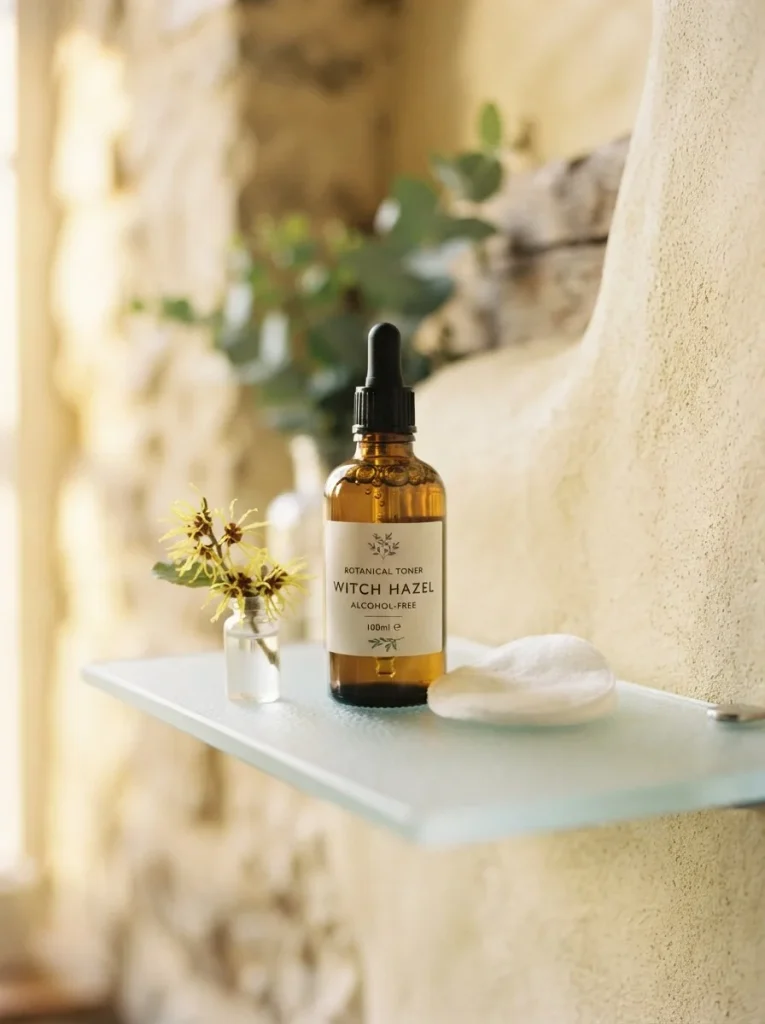
Witch hazel is a natural astringent that helps remove leftover oil, but formulas with alcohol can dry you out, so check the label.
What you need: Alcohol-free witch hazel, cotton pad
How to do it: Swipe over oily areas after cleansing, then follow with a light moisturizer.
How often: Once daily
13. Apply a Plain Yogurt Mask

Yogurt contains lactic acid, a mild exfoliant that can loosen dull surface cells and leave skin smoother and more even.
What you need: 2 tbsp plain, unsweetened yogurt
How to do it: Spread a thin layer over clean skin and leave it for 15 minutes. Rinse with cool water and pat dry.
How often: Twice a week
14. Use a Besan (Gram Flour) Paste

Chickpea flour is a traditional ingredient in South Asian skincare. It absorbs surface oil and gently polishes skin without harsh scrubbing.
What you need: 1 tbsp besan, enough water or milk to make a paste
How to do it: Apply a thin layer, let it dry for 10 minutes, then massage off lightly with wet fingertips before rinsing.
How often: Once or twice a week
Tip: Add a tiny pinch of turmeric only if you’re okay with a faint yellow tint.
15. Smooth On Mashed Papaya

Ripe papaya contains papain, an enzyme that helps break down dead skin cells that can clog pores.
What you need: 2 tbsp ripe papaya, mashed
How to do it: Apply to clean skin for 10 minutes and rinse with lukewarm water.
How often: Once a week
Safety tip: Papaya can irritate sensitive skin, so do a patch test first.
16. Make a Gentle Rice Flour Scrub
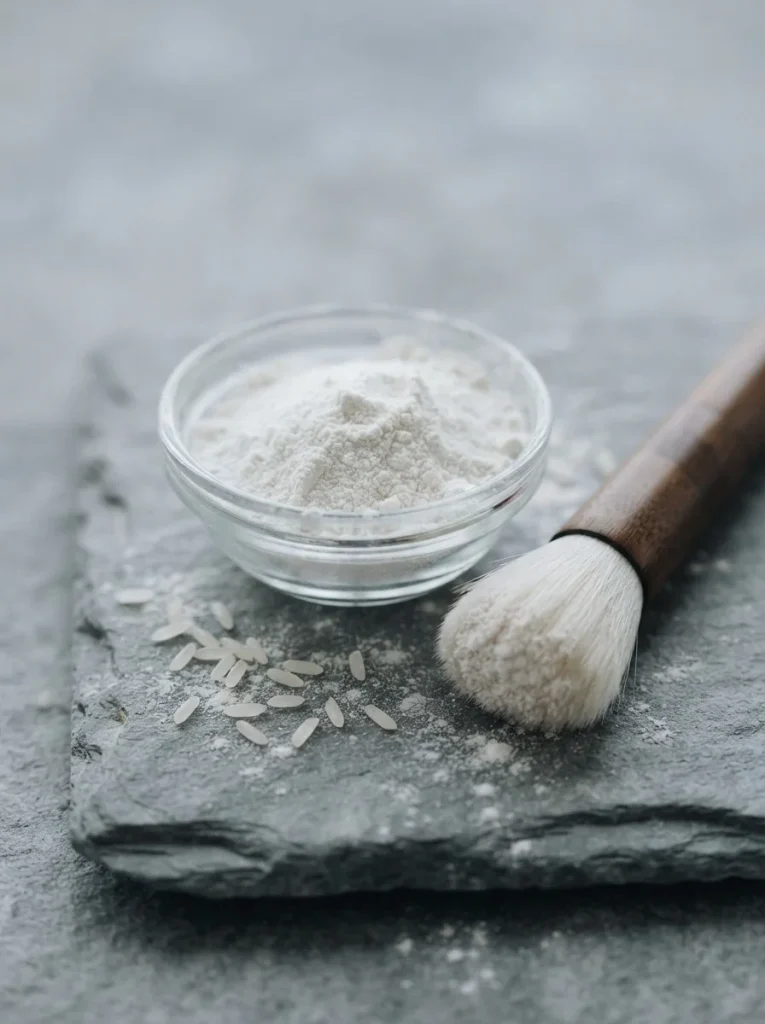
A soft exfoliation helps keep pores clear of buildup. Rice flour is much gentler than coarse sugar or salt scrubs.
What you need: 1 tbsp rice flour, 1 tsp milk or rose water
How to do it: Mix into a thick paste and massage in tiny circles for 30 to 60 seconds. Rinse well.
How often: Once a week, and skip if your skin is irritated or has active breakouts
17. Steam, Then Rinse Cold

Warm steam softens the oil and debris inside pores, and a cold rinse afterward helps your skin feel firmer.
What you need: A bowl of hot (not boiling) water, a towel
How to do it: Lean over the bowl at a comfortable distance for 5 minutes with the towel over your head. Cleanse gently, then finish with cold water.
How often: Once a week
Safety tip: Skip steaming if you have rosacea or very sensitive skin.
18. Cleanse With Jojoba Oil
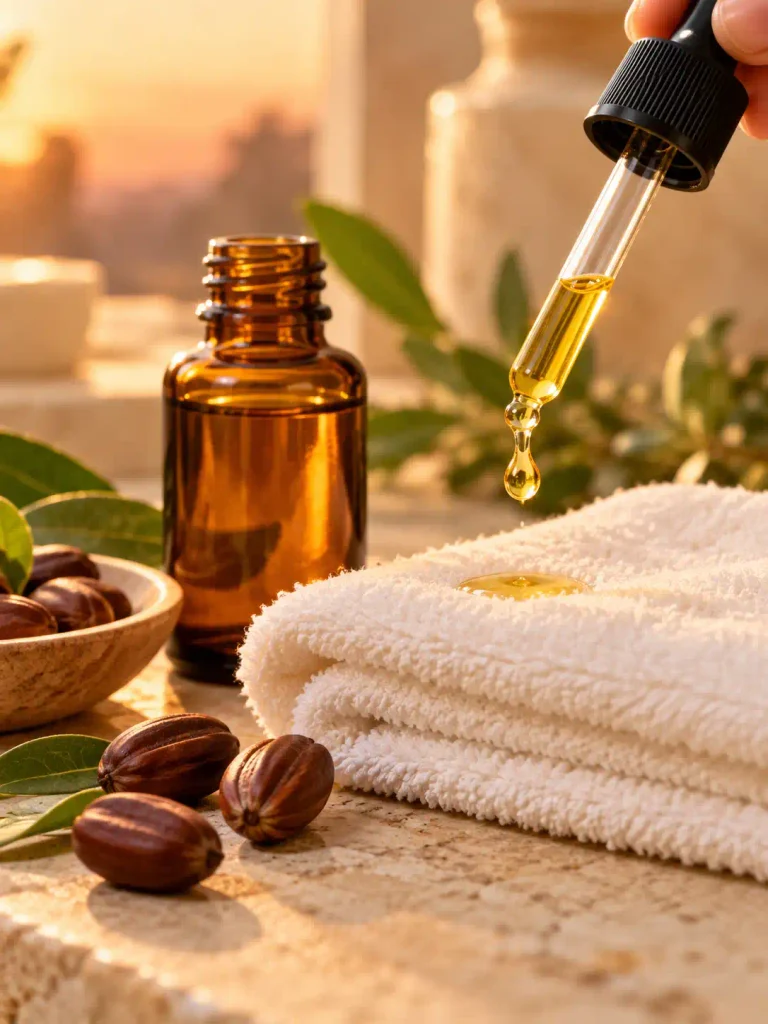
It sounds backwards, but the right oil dissolves excess sebum and makeup. Jojoba closely resembles skin’s own oil and is generally considered non-comedogenic.
What you need: A few drops of jojoba oil, a warm damp washcloth
How to do it: Massage the oil over dry skin for one minute, then press the warm cloth on your face and wipe away. Follow with a mild cleanser.
How often: Every evening, or a few times a week
19. Try a Neem Leaf Paste
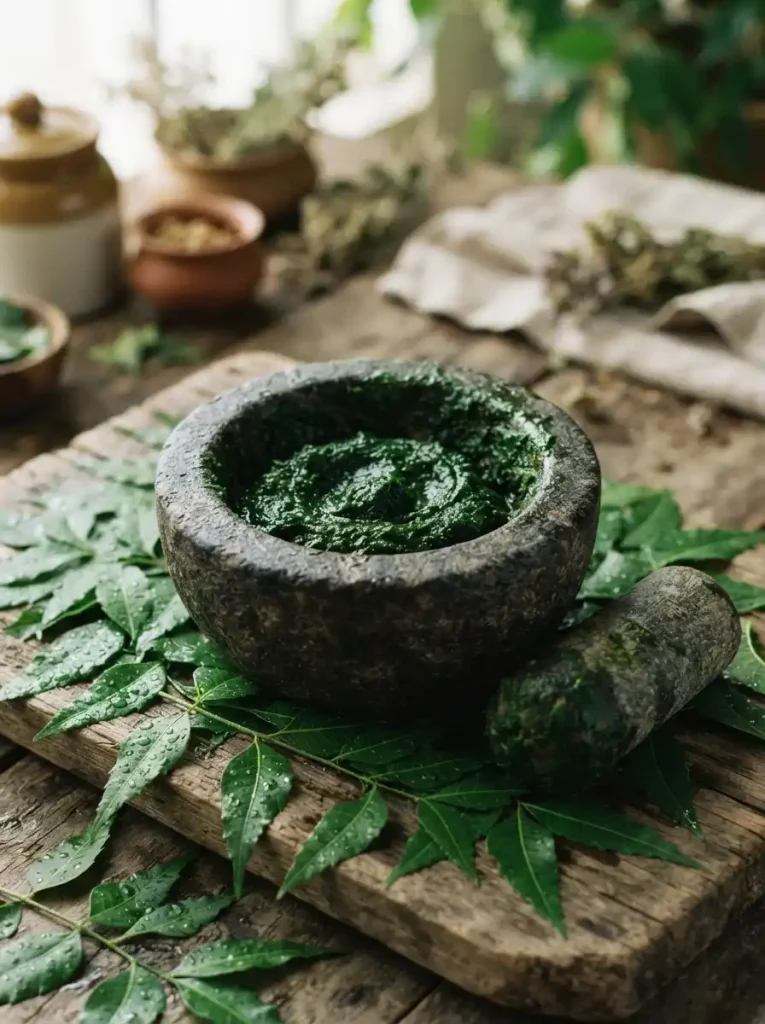
Neem has long been used in traditional skincare for its purifying qualities and is popular for oily, breakout-prone skin.
What you need: A handful of fresh neem leaves, a little water
How to do it: Grind into a paste, apply a thin layer for 10 minutes, and rinse. Dried neem powder works too.
How often: Once a week
20. Cleanse Twice a Day and Remove Makeup Every Night
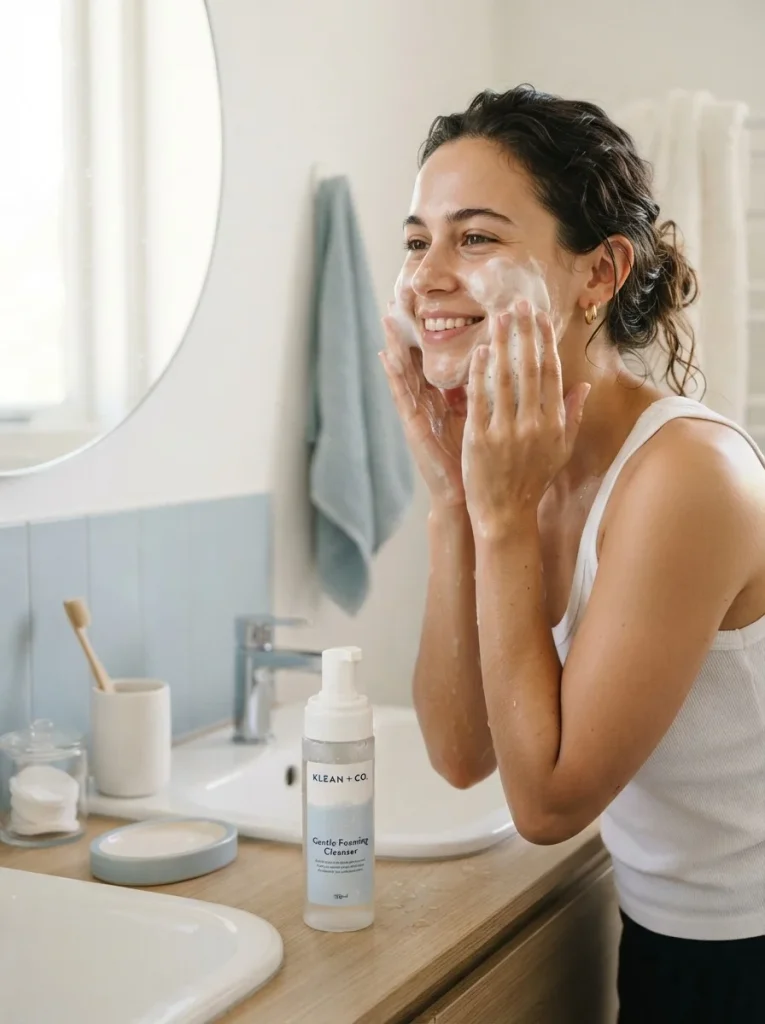
This habit matters more than any single mask. Oil, sweat, and makeup left on skin are among the biggest reasons pores look larger.
What you need: A gentle, pH-balanced cleanser
How to do it: Wash your face morning and night with lukewarm water, using your fingertips for about 60 seconds. Never sleep in makeup.
How often: Twice daily
21. Moisturize With a Light, Non-Comedogenic Formula
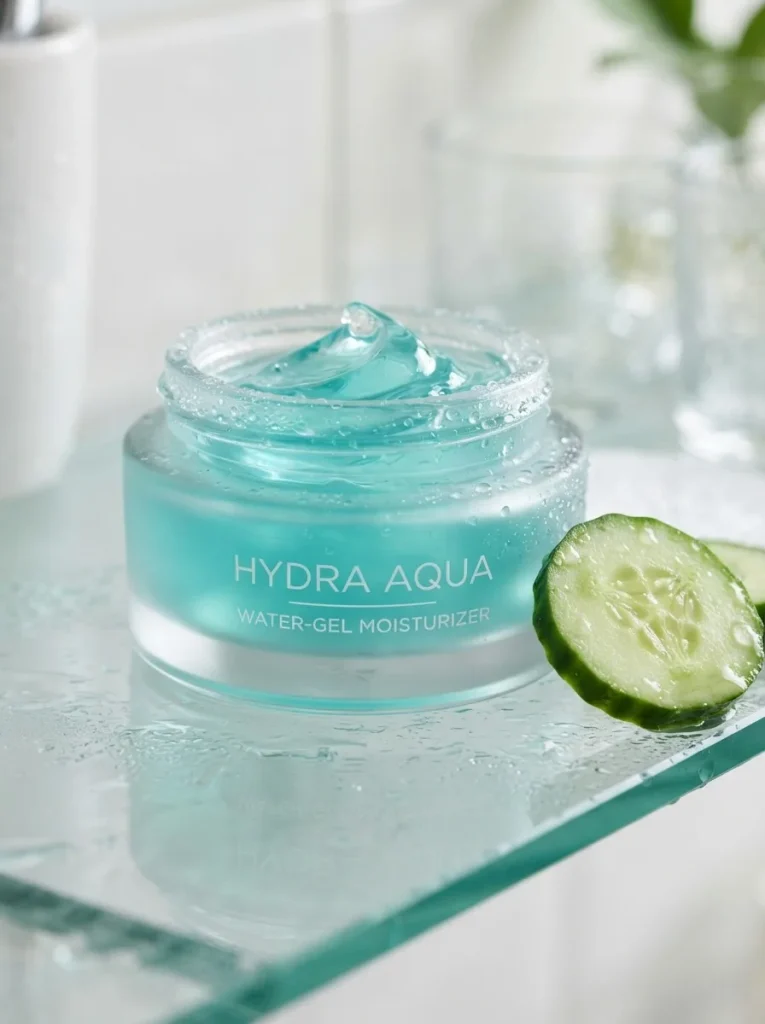
Skipping moisturizer can backfire. When skin is dehydrated, it may overproduce oil, which makes pores more noticeable.
What you need: A lightweight gel or lotion labeled “non-comedogenic”
How to do it: Apply a pea-to-coin-sized amount on damp skin after toning.
How often: Morning and night
22. Wear Sunscreen Every Day
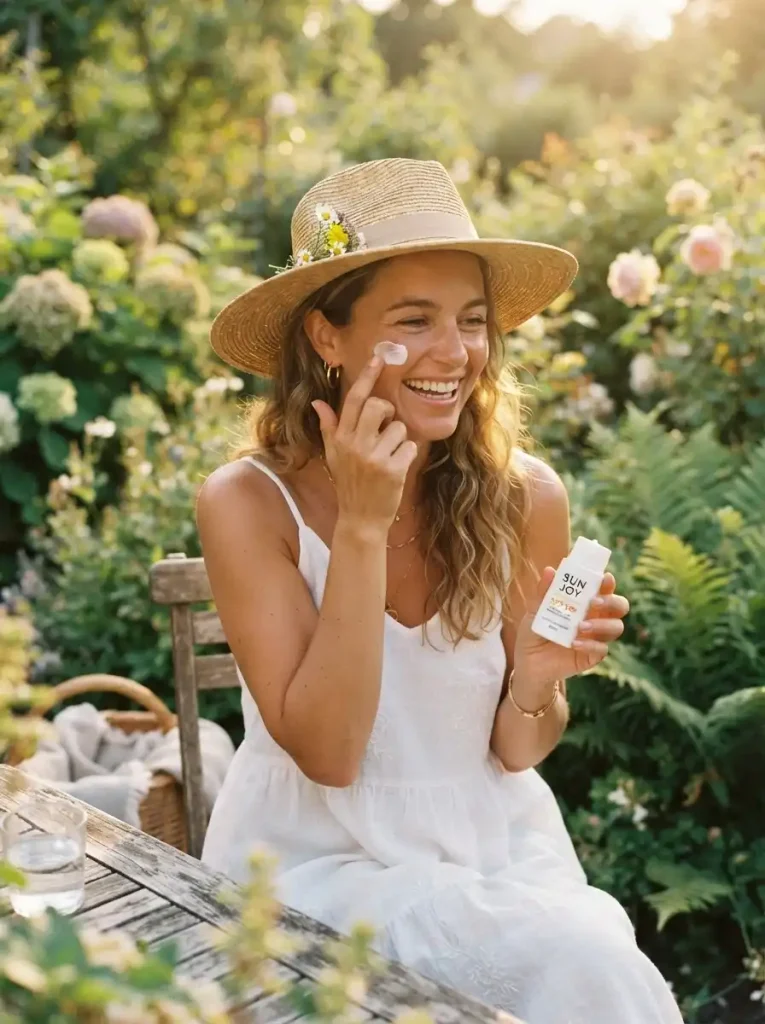
Sun damage weakens collagen, and that makes pores look bigger over time. Daily sunscreen is one of the most effective long-term protections.
What you need: A broad-spectrum SPF 30 or higher, ideally oil-free
How to do it: Apply it as the last step of your morning routine, and reapply every two hours if you’re outdoors.
How often: Every single day, even when it’s cloudy
23. Stay Hydrated and Eat for Clearer Skin

Skincare works from the outside, but your habits matter too. Staying hydrated and eating balanced meals supports healthy skin and can help you manage oil.
What you need: Plenty of water, plus fruits, vegetables, and whole grains
How to do it: Sip water throughout the day, and consider limiting very sugary or greasy foods if you notice they trigger breakouts for you. Aim for steady sleep, too.
How often: Daily
Frequently Asked Questions
Can open pores be closed permanently?
No. Pores don’t have muscles, so they can’t open or close. With regular cleansing, oil control, sun protection, and gentle exfoliation, they can look noticeably smaller, but their size is partly genetic.
How long do these remedies take to show results?
Cooling and toning steps can make skin look smoother right away, though the effect is temporary. For longer-lasting improvement, give a consistent routine at least 4 to 8 weeks.
Which remedy works best for oily skin?
Clay masks, green tea toner, witch hazel, and a consistent cleansing routine are popular choices for oily skin. Pair them with a light moisturizer and daily sunscreen.
Is it safe to use kitchen ingredients on my face?
Most are fine for occasional use, but natural doesn’t always mean gentle. Patch-test first, avoid broken skin, and stop if you notice burning or redness. If you have a skin condition, check with a dermatologist.
Should I squeeze or extract my pores at home?
It’s best not to. Squeezing can push debris deeper, irritate skin, and cause scarring or even larger-looking pores. A professional can safely handle extractions if needed.
Final Words
Open pores are normal, and you don’t have to chase perfect skin. Start with two or three remedies that suit your skin type, build a simple routine around gentle cleansing, light moisture, and daily sunscreen, and give it time.
If your skin is very sensitive, painful, or breaking out badly, a dermatologist can recommend options that go beyond home care. Which of these home remedies will you try first?