
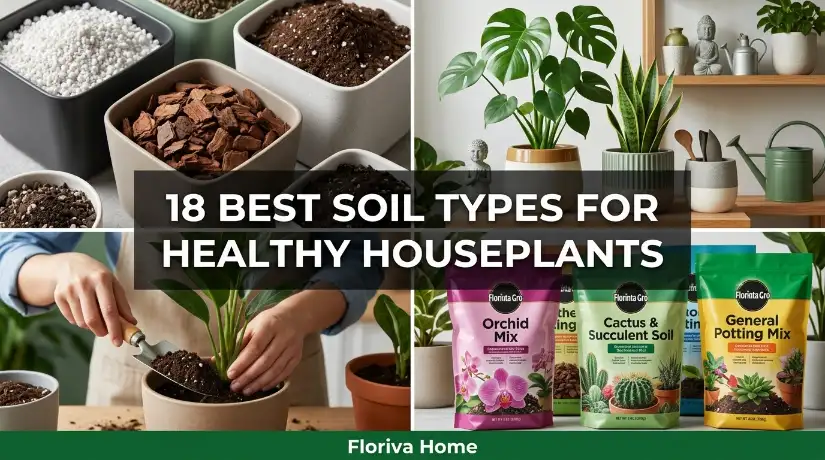
18 Best Soil Types for Healthy Houseplants
Ever wonder why your houseplants struggle despite perfect watering and sunlight? The secret often lies underground, in the soil you choose. Not all potting mixes are equal, and the wrong blend can suffocate roots, trap moisture, or starve plants of nutrients.
From gritty cactus blends to moisture-loving peat mixes, matching soil to plant transforms weak, wilting greenery into thriving, healthy foliage. Ready to give your plants the foundation they deserve? Save this pin and discover the 18 best soil types every plant parent must know.
What is the best all-purpose soil for most houseplants?
A well-draining mix of potting soil, perlite, and compost works for most houseplants. It balances moisture retention with proper aeration, preventing both overwatering and drought stress. This versatile blend suits common plants like pothos, philodendrons, and peace lilies without needing specialized soil types.
1. Succulent & Cactus Mix
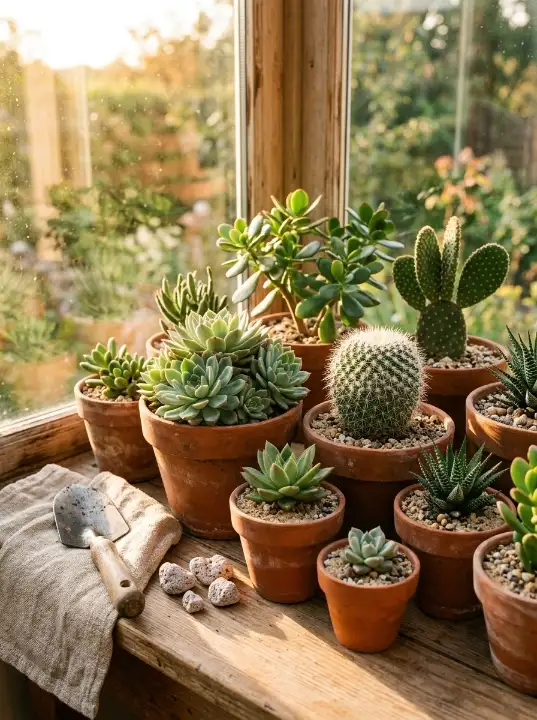
Succulents and cacti thrive in fast-draining, gritty soil that mimics their native desert habitats. A proper cactus mix combines coarse sand, perlite, and pumice to prevent waterlogged roots. This chunky texture lets excess moisture drain instantly, protecting these drought-loving plants from dangerous root rot.
Regular potting soil holds too much water for succulents, often causing mushy stems and yellowing leaves. Instead, mix two parts potting soil with one part perlite and one part coarse sand. This breathable blend keeps roots dry, healthy, and ready to store water efficiently.
2. Orchid Bark Mix
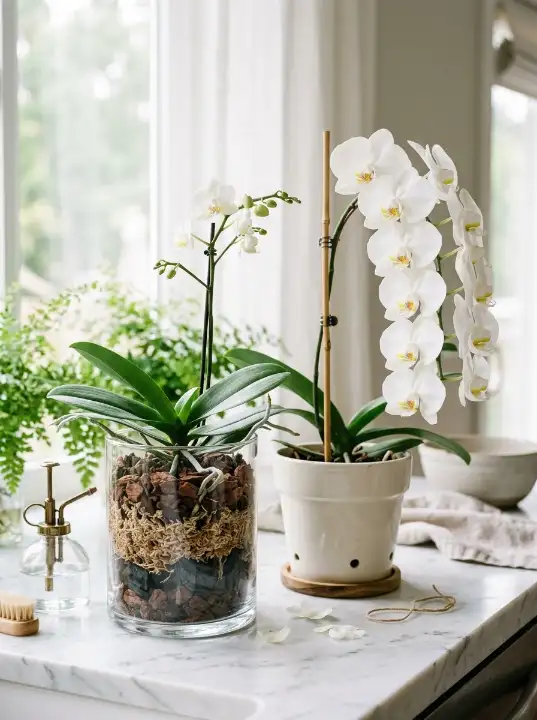
Orchids need airy, chunky soil that allows roots to breathe, unlike dense regular potting mix. A quality orchid bark blend combines fir bark, perlite, and charcoal for excellent drainage. This structure prevents root rot while still holding enough moisture for healthy growth.
Charcoal pieces in the mix absorb toxins and keep the soil fresh, preventing bacterial buildup around delicate orchid roots. Sphagnum moss adds gentle moisture retention without suffocating roots. Together, this combination mimics the orchid’s natural tree-bark habitat beautifully, encouraging strong roots and vibrant, long-lasting blooms.
3. African Violet Mix
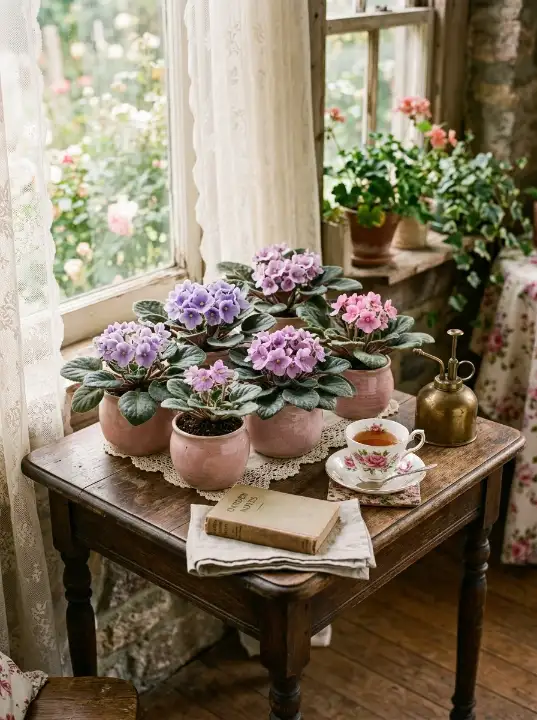
African violets need lightweight, fluffy soil that retains moisture without becoming soggy or compacted around their sensitive fuzzy roots. A proper mix combines peat moss, perlite, and vermiculite for balanced airflow. This gentle texture supports consistent blooming without stressing delicate root systems.
Avoid heavy garden soil, which compacts quickly and suffocates African violet roots within weeks. Instead, choose a specialty violet mix or blend peat, perlite, and compost evenly. The result is fluffy, well-aerated soil that keeps these popular bloomers healthy and colorful year-round.
4. Peat-Based Potting Mix
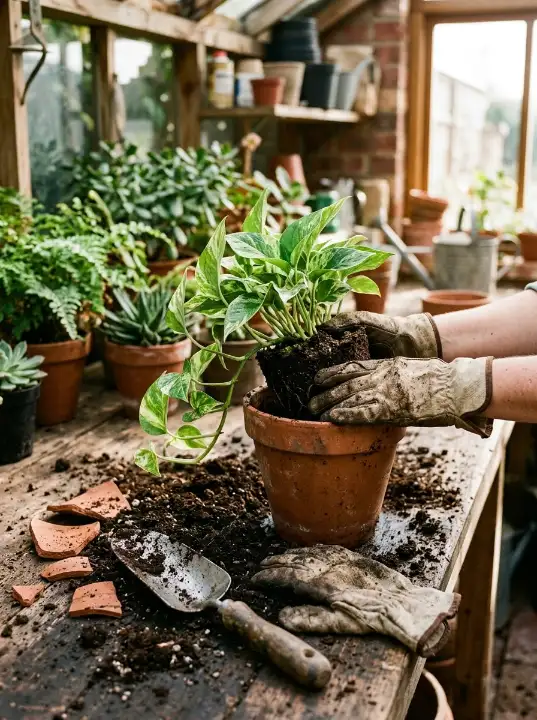
Peat-based mixes hold moisture beautifully, making them ideal for many tropical houseplants that dislike drying out between waterings. The lightweight, spongy texture retains water while still allowing roots to access oxygen. This balance supports lush, consistent growth in humidity-loving foliage plants.
Because peat can compact over time, blend it with perlite for lasting aeration and drainage. This combination prevents waterlogging while keeping moisture available longer. Many popular houseplants, like pothos and peace lilies, flourish beautifully in this reliable, moisture-retentive foundation.
5. Coco Coir Mix
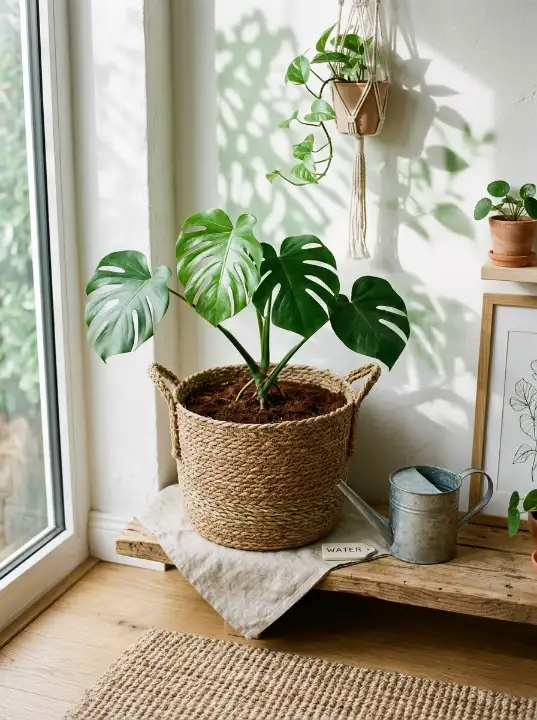
Coco coir is a sustainable, renewable alternative to peat moss, offering excellent moisture retention without compacting like traditional soil. Made from coconut husk fibers, it holds water evenly while resisting fungus gnats. This eco-friendly option suits most tropical houseplants beautifully.
Unlike peat, coco coir rehydrates easily after drying out completely, making it forgiving for forgetful waterers. Mix it with perlite for improved drainage and airflow. This lightweight, guilt-free growing medium keeps plants thriving while reducing environmental impact significantly.
6. Perlite-Amended Mix
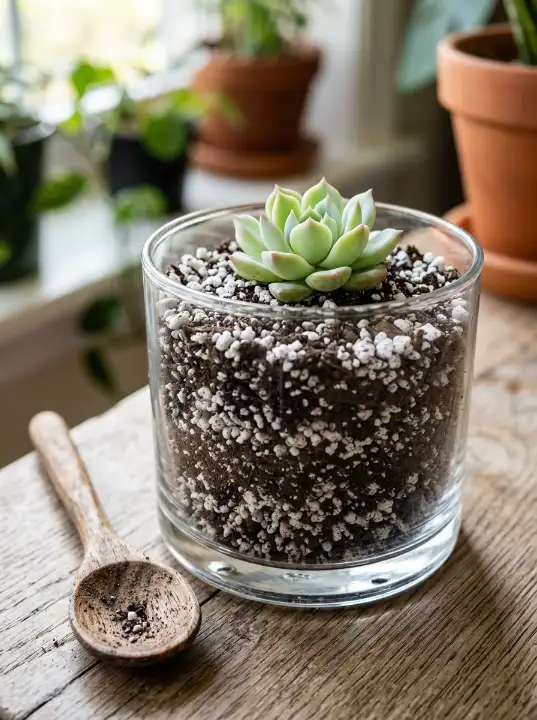
Perlite is a lightweight volcanic mineral that creates air pockets throughout soil, dramatically improving drainage and preventing compaction. Adding perlite to dense potting mixes stops water from pooling around roots. This simple amendment protects plants from root rot and suffocation.
Mix perlite into any heavy potting soil at roughly twenty percent volume for noticeably better aeration. It never breaks down, so drainage benefits last indefinitely. Nearly every houseplant benefits from this affordable, easy soil upgrade for healthier root systems.
7. Vermiculite Blend
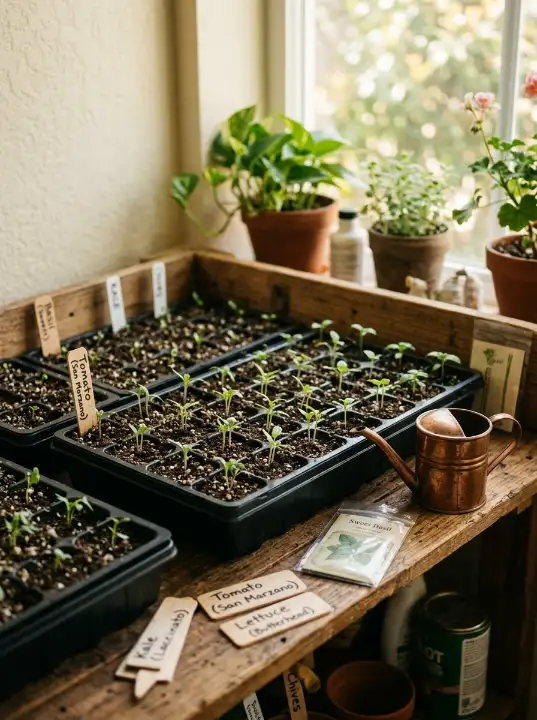
Vermiculite is a mineral that expands into lightweight, absorbent layers, holding moisture close to roots while improving soil structure. It’s especially useful for seedlings and young plants needing consistent hydration. This gentle amendment prevents soil from drying out too quickly.
Unlike perlite, vermiculite retains more water, making it perfect for moisture-loving houseplants like ferns and calatheas. Blend it into potting soil at a small ratio for balanced results. This affordable addition supports strong, steady root development.
8. Sphagnum Moss Mix
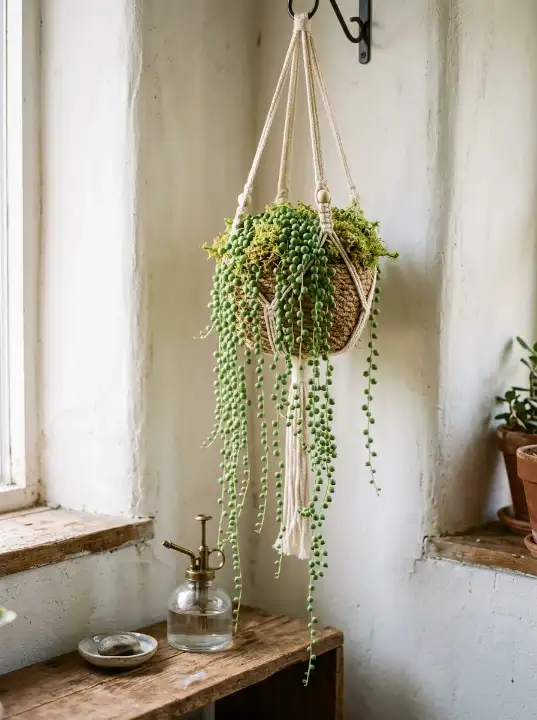
Sphagnum moss holds impressive amounts of water while staying airy, making it perfect for humidity-loving plants and delicate root systems. It’s commonly used for orchids, ferns, and propagation projects. This natural material resists mold better than many synthetic alternatives.
Soak sphagnum moss before use so it expands fully and distributes moisture evenly throughout the pot. It works wonderfully layered atop soil or used alone for cuttings. This gentle medium encourages strong, healthy root growth.
9. Well-Draining All-Purpose Mix
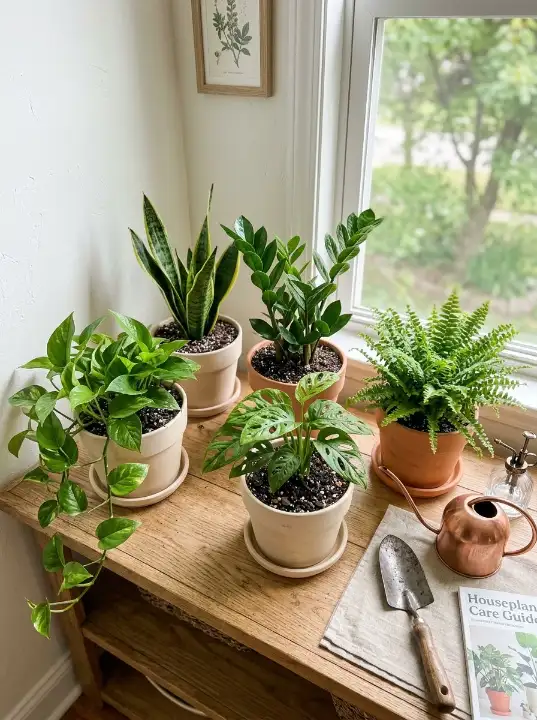
A well-draining all-purpose mix works beautifully for most common houseplants, balancing moisture retention with proper aeration. Combining potting soil, perlite, and compost creates versatile results. This forgiving blend suits beginners managing multiple plant varieties without needing specialized soil.
This adaptable mix prevents both overwatering and drought stress, making it ideal for busy plant parents. It supports everything from pothos to philodendrons reliably. Keeping one bag on hand simplifies repotting day for your entire houseplant collection.
10. Sandy Loam Mix
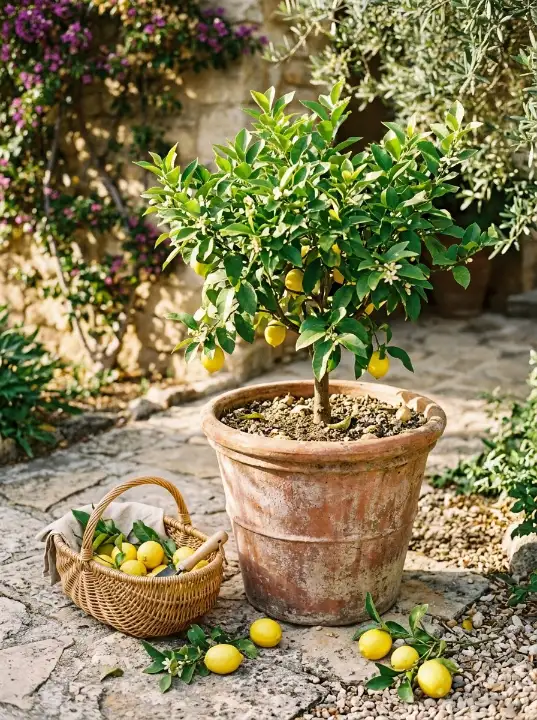
Sandy loam combines sand, silt, and organic matter for balanced drainage and nutrient retention, ideal for plants disliking soggy roots. This texture prevents compaction while still holding enough moisture for steady growth. Citrus trees and herbs especially appreciate this balanced structure.
Because sandy loam drains quickly, regular feeding helps replace nutrients that wash away during watering. Its loose texture also makes repotting easier and reduces root stress. This versatile soil type suits many sun-loving indoor plants beautifully.
11. Aroid Mix (Monstera & Philodendron)
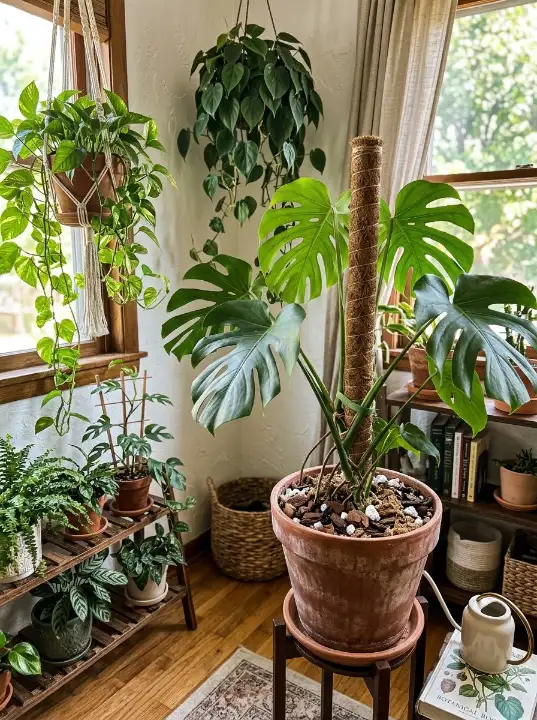
Aroid plants like monstera and philodendron need chunky, airy soil that mimics their natural rainforest environment. Combining orchid bark, perlite, and charcoal creates ideal drainage. This structure prevents the root rot common in dense, compacted potting soil.
Adding worm castings or compost boosts nutrients without sacrificing airflow within the mix. This chunky blend supports the aerial roots aroids naturally develop. Healthy drainage encourages larger leaves and dramatic fenestrations over time.
12. Bonsai Soil Mix
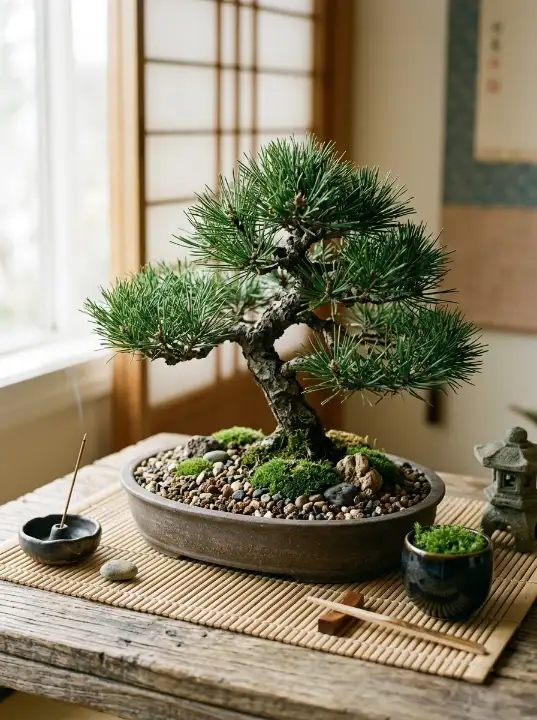
Bonsai trees require extremely well-draining, coarse soil that prevents waterlogging in their shallow containers. A traditional mix combines akadama, pumice, and lava rock for structure. This gritty texture supports the precise watering control bonsai cultivation demands.
Unlike regular potting soil, bonsai mix drains almost immediately, requiring more frequent watering but preventing root suffocation. The coarse particles also encourage compact, fibrous root growth. This specialized soil keeps miniature trees healthy for decades.
13. Seed Starting Mix
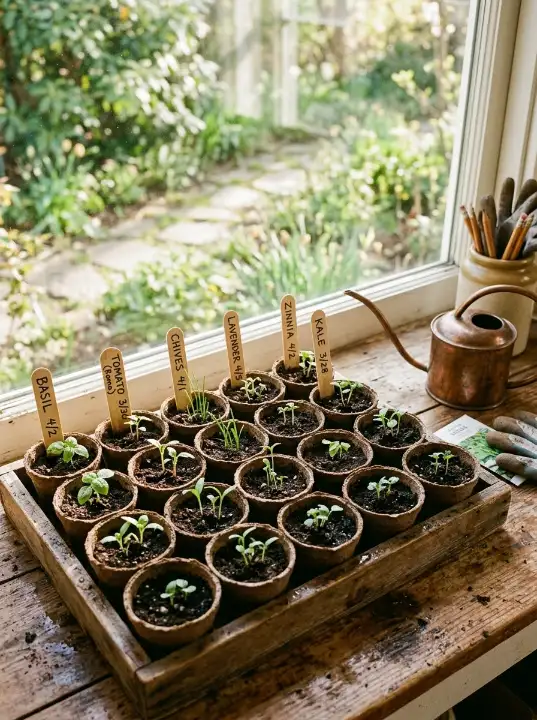
Seed starting mix is finer and lighter than regular potting soil, allowing delicate sprouts to push through easily. It’s typically sterile, reducing disease risk for vulnerable young seedlings. This gentle texture also retains consistent moisture without becoming heavy or compacted.
Because seed starting mix contains few nutrients, seedlings should be transplanted once true leaves appear. Its fine texture makes it ideal for tiny seeds needing shallow planting depths. This specialized soil gives seedlings the strongest possible start.
14. Fern & Moisture-Loving Mix
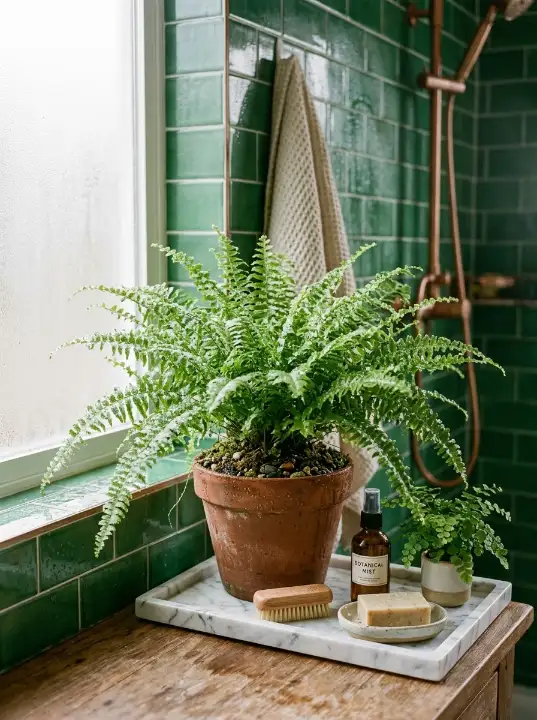
Ferns thrive in soil that retains consistent moisture without becoming waterlogged, unlike typical fast-draining mixes. Combining peat, compost, and a small amount of perlite creates ideal balance. This texture keeps roots hydrated between the frequent waterings ferns require.
Adding sphagnum moss boosts humidity around fragile fern roots, mimicking their natural forest floor habitat. This moisture-rich blend prevents the crispy, browning fronds common in drought-stressed ferns. Consistent hydration keeps foliage lush and vibrant.
15. Citrus & Herb Potting Mix
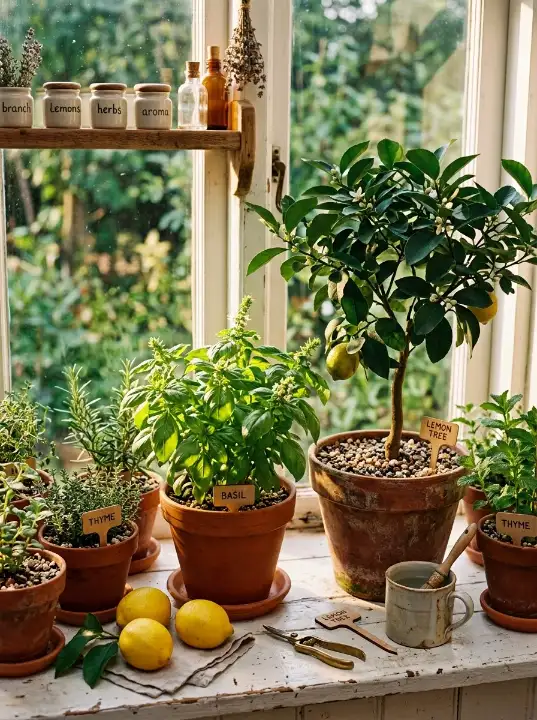
Citrus and herbs need fast-draining, slightly acidic soil that prevents soggy roots while still holding some moisture. A blend of potting soil, sand, and compost works beautifully. This structure supports the vigorous growth these sun-loving plants naturally produce.
Because herbs and citrus are heavy feeders, mixing in compost provides ongoing nutrients throughout the growing season. Good drainage prevents root diseases common in overwatered containers. This balanced mix keeps kitchen gardens productive and fragrant year-round.
16. Carnivorous Plant Mix
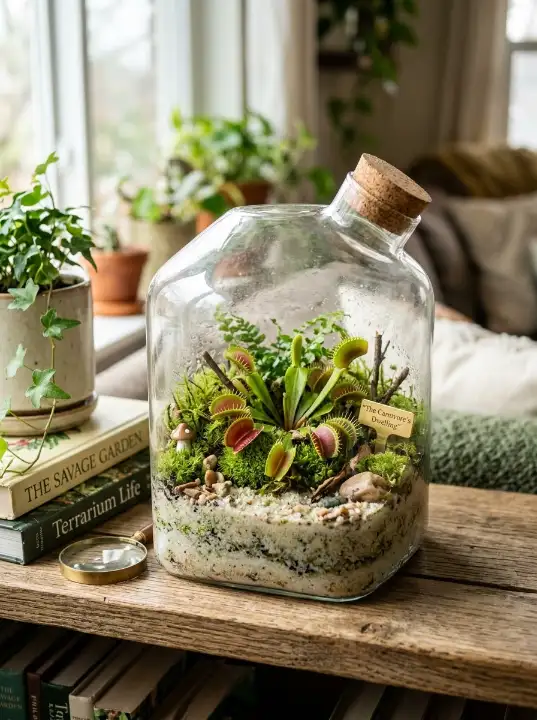
Carnivorous plants need nutrient-free, acidic soil since they absorb nutrients from insects rather than the ground. A mix of peat moss and perlite or sand works perfectly. Regular potting soil contains minerals that can actually harm these unique plants.
Always use distilled or rainwater with carnivorous plants, since tap water minerals damage their sensitive roots. This specialized soil mimics boggy, nutrient-poor wetlands these plants naturally inhabit. Proper soil keeps flytraps and pitcher plants thriving indoors.
17. Chunky Aroid Bark Mix
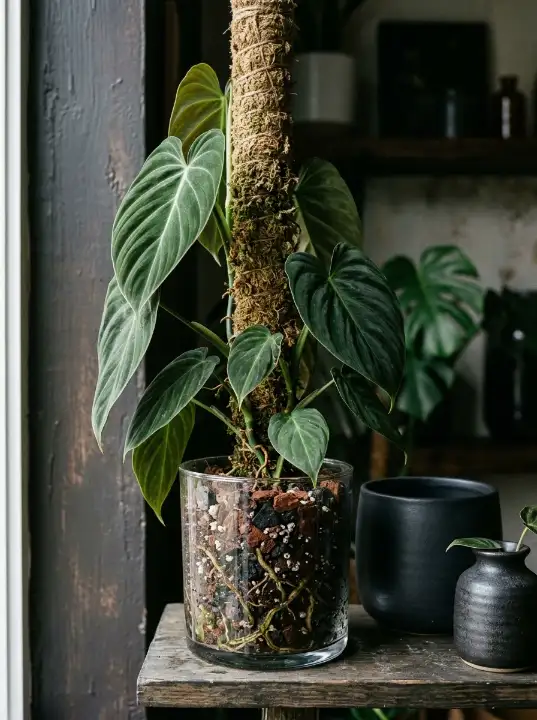
Chunky aroid bark mix maximizes airflow around roots, replicating the loose forest floor debris climbing plants naturally grow in. Large bark pieces, perlite, and charcoal prevent compaction entirely. This extreme drainage suits collectors’ rare aroids needing precise moisture control.
This coarse texture also supports plants climbing on moss poles, allowing aerial roots to anchor naturally into bark. Watering more frequently becomes necessary with this fast-draining mix. Healthy airflow reduces disease risk in humidity-loving collector plants significantly.
18. Compost-Enriched Mix
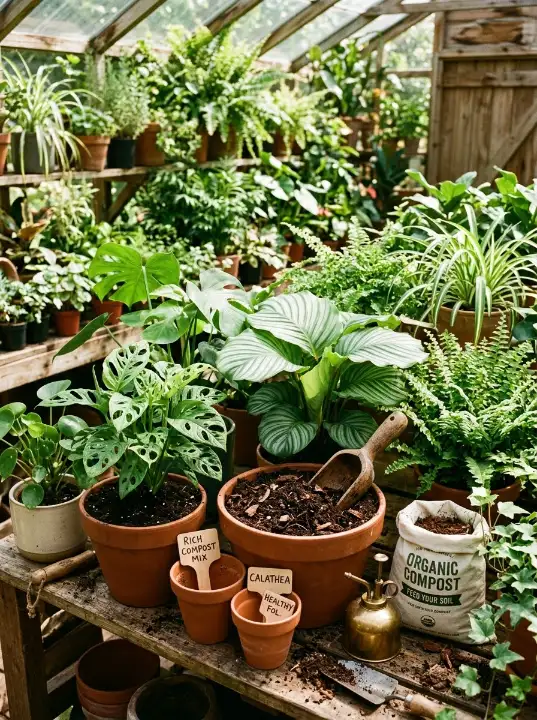
Compost-enriched soil adds natural nutrients and beneficial microbes that support long-term plant health without synthetic fertilizers. Blending compost into potting soil improves structure while feeding plants gradually. This sustainable approach reduces the need for frequent fertilizing.
Homemade or store-bought compost both work well, though ratios should stay moderate to avoid overwhelming young roots. This nutrient-dense mix particularly benefits heavy feeders like ferns and flowering plants. Healthier soil naturally means healthier, more resilient houseplants.
Conclusion
Choosing the right soil isn’t just a small detail, it’s the foundation your houseplants depend on to truly thrive. From gritty cactus blends to nutrient-rich compost mixes, every plant has its perfect match.
Now that you know these 18 soil types, repotting day just got a whole lot easier and more effective. Which mix will you try first? Save this pin so you can reference it anytime you’re refreshing your plant collection, and watch your houseplants transform into their healthiest, happiest selves yet.
Frequently Asked Questions
1. Can I use regular potting soil for succulents and cacti?
No, regular potting soil holds too much water for succulents and cacti, often causing root rot. These plants need a gritty, fast-draining mix with sand, perlite, and pumice. This chunky texture lets excess moisture escape quickly, keeping roots dry and healthy.
2. How do I know which soil type my plant needs?
Check your plant’s natural habitat. Desert plants like cacti need gritty, fast-draining soil, while tropical plants like ferns need moisture-retentive mixes. Orchids and aroids need chunky, airy blends. Matching soil texture to your plant’s origin prevents root rot and supports healthy growth.
3. Do I need to repot my plant every time I change its soil?
Not always, but repotting is usually the easiest way to fully replace old, compacted soil. If roots are healthy and the pot has room, you can top-dress with fresh soil instead. For root-bound or struggling plants, a full repot works best.